

Best Time Laikipia
The best time to visit Laikipia for wildlife viewing is generally from June to September, when rainfall is relatively limited, vegetation becomes less dense and animals are often easier to locate around reliable water sources. January and February are also excellent months, offering relatively dry conditions, comfortable safari weather and rewarding wildlife encounters.
Laikipia is one of Kenya’s most interesting safari regions, but it differs considerably from the country’s more familiar national parks. Rather than being a single protected area, the Laikipia landscape contains a network of private, community and conservation-focused properties spread across a vast area north and northwest of Mount Kenya. These conservancies protect important wildlife habitats while supporting different approaches to land management, tourism and local livelihoods. Depending on the property, travellers may encounter elephants, lions, giraffes, buffalo, Grevy’s zebras, wild dogs and rhinos.
The region is particularly significant for wildlife conservation, with places such as Ol Pejeta Conservancy and Lewa Wildlife Conservancy recognised for their work protecting endangered species. A Laikipia safari is not simply about counting animals. Many visitors come for guided walking experiences, conservation activities, uncrowded landscapes and the opportunity to explore parts of Kenya where wildlife and pastoral communities share a complex environment. Understanding the seasonal conditions helps travellers choose the right dates, activities and accommodation.
When Is the Best Time for a Laikipia Safari?
The most dependable period for a Laikipia wildlife safari is generally the relatively dry season between June and September. As the landscape becomes drier, grass often grows shorter and wildlife may concentrate around rivers, waterholes and other dependable sources of water. These conditions can make game viewing more productive. July, August and September are especially attractive for travellers who want conventional game drives and wildlife photography.
However, Laikipia is not exclusively a dry-season destination. January and February also provide favourable conditions, with relatively warm days, often clear mornings and good opportunities to explore the conservancies. The wetter months have their own advantages. Rainfall transforms the landscape, encourages fresh vegetation and can produce beautiful photographic conditions. Birdwatchers may particularly enjoy the greener periods, when migratory species join the region’s resident birdlife. The best month therefore depends on whether your priority is wildlife visibility, birdwatching, walking safaris, photography, accommodation value or a quieter experience.
Understanding Laikipia’s Climate
Laikipia occupies a varied highland and plateau landscape, with substantial differences in altitude, rainfall and vegetation. Areas closer to Mount Kenya and the Aberdare ranges can be cooler and wetter than the more arid northern parts of the region. This variation means that weather experienced at one conservancy may differ from conditions at another property on the same day.
Generally, Laikipia experiences two principal rainy periods and two relatively drier periods. The longer rains commonly occur during March, April and May, with April and May often among the wettest months. A shorter rainy period usually develops around October and November, although rainfall can be irregular. The relatively dry months include January and February, followed by another extended dry period from approximately June through September. Travellers should remember that these are regional patterns, not guaranteed weather forecasts.
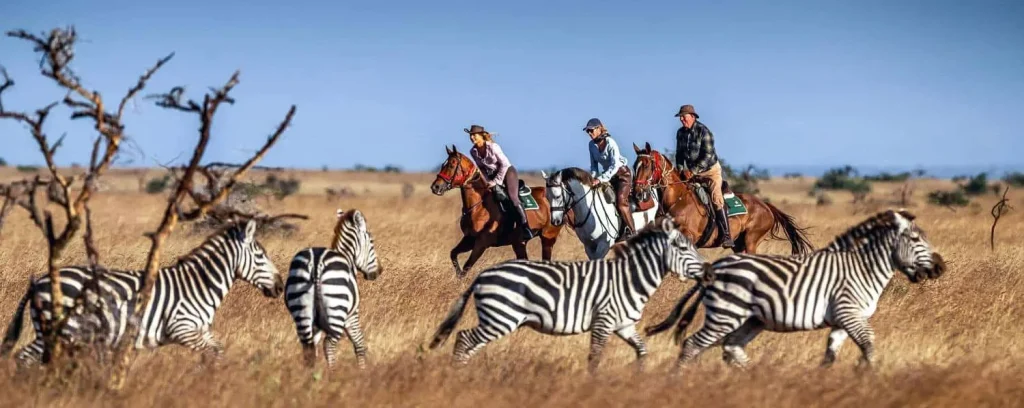
Best Time to Visit Laikipia Month by Month
January: Warm Days and Productive Wildlife Viewing
January is one of the most attractive months for a Laikipia safari. Following the shorter rains, the landscape may retain some greenery, while relatively dry weather often makes travel and outdoor activities comfortable. Wildlife viewing can be rewarding across many conservancies. Elephants, giraffes, antelope and predators remain present throughout the year, although sightings depend on the location and daily conditions.
January is also suitable for travellers interested in guided nature walks, where permitted, and conservation-focused excursions. Early mornings can be cool, especially at higher elevations, so warm clothing remains useful.
February: Excellent Dry-Season Conditions
February is frequently one of the best months to visit Laikipia. Rainfall is often limited, and wildlife can become easier to observe as vegetation dries. Game drives may be particularly productive near water sources, although animal movements vary between conservancies. February is also a good month for photography, with open landscapes and opportunities to observe animals in relatively clear conditions.
Travellers planning a Kenya rhino safari can consider conservation properties such as Ol Pejeta or Lewa, subject to their respective access and activity arrangements.
March: Changing Weather and Greener Landscapes
March marks a transition towards the long-rains period. The first part of the month may remain relatively dry, while rainfall can become more frequent later. Fresh grass growth changes the appearance of the landscape and may influence wildlife distribution. Some animals spread into areas that were less attractive during the dry season, making sightings more dependent on local knowledge. March can still be a worthwhile time for a safari, particularly for travellers who value scenery and do not require consistently dry weather.
April: Long Rains and Quiet Conservancies
April is commonly one of Laikipia’s wetter months. Rainfall can transform the plateau into a green landscape, with flowering plants, fresh grass and increased bird activity. These conditions are attractive for certain types of photography, but they can complicate game drives. Unpaved roads may become muddy, and some activities may be restricted when conditions are unsafe. Certain camps close temporarily for maintenance or seasonal reasons.
Travellers considering April should confirm accommodation availability, road access and planned activities before booking.
May: Green Season and Variable Access
May often continues the long-rains period. The countryside can be particularly attractive, with fresh vegetation and clear views after rain showers. However, long grass may make smaller animals harder to see, while muddy roads can affect access to remote areas. Some properties remain open and provide rewarding experiences, especially for visitors interested in conservation, birdwatching and quiet landscapes. May is best suited to flexible travellers who understand that weather may affect daily plans.
June: The Beginning of the Main Dry Season
June generally marks an improvement in safari conditions as rainfall decreases. Vegetation begins to dry, and wildlife viewing can become easier. The landscape may still retain attractive greenery from the preceding rains, making June a good choice for photography. Temperatures can be cool in the mornings and evenings, especially in higher parts of Laikipia. June is a useful month for travellers seeking good wildlife conditions before the busiest July–August holiday period.
July: Excellent Wildlife Viewing
July is one of the strongest months for a Laikipia wildlife safari. The relatively dry conditions can improve visibility, while wildlife may increasingly use permanent water sources. Game drives are often productive, and the cooler weather can be comfortable for longer outdoor activities. Some conservancies offer guided walks, horseback safaris or other specialist experiences, depending on their rules and the operator. July is also a popular travel month, so desirable camps should be booked well in advance.
August: Peak Safari Season
August offers many of the advantages of July, including relatively dry weather and favourable wildlife-viewing conditions. It is particularly attractive for travellers combining Laikipia safari packages with the Masai Mara, where the Great Migration may be underway. The two regions provide contrasting experiences. The Mara is known for open grasslands and migration activity, while Laikipia offers a diverse conservation landscape and, in selected conservancies, a wider range of guided activities.
August is a high-demand month, and accommodation rates may reflect the season. Travellers should reserve early if they want a particular conservancy or lodge.
September: Excellent Conditions With Potentially Fewer Visitors
September is another strong month for Laikipia. The landscape may be dry, and animals can be relatively easy to observe around established water sources. The month is particularly attractive for photographers who want open vegetation and opportunities to spend time observing wildlife behaviour. Visitor numbers may be lower at some properties than during the main August holiday period, although this depends on the conservancy. September is often an excellent choice for travellers prioritising game drives and a relaxed safari pace.
October: Transition Towards the Short Rains
October can bring increasingly variable weather. Early October may still provide dry-season conditions, while showers can become more frequent as the month progresses. Rainfall encourages fresh vegetation, and wildlife may begin spreading across a wider area. Birdwatching can become particularly interesting as seasonal changes influence bird activity. October can be rewarding, but travellers should be prepared for occasional changes to game-drive routes or outdoor activities.
November: Green Landscapes and Birdwatching
November is commonly associated with the short rains. Fresh grass and vegetation create attractive scenery, while migratory birds may be present. Wildlife remains throughout the conservancies, although viewing conditions can be less predictable where vegetation becomes dense. Some roads may become muddy after heavy rainfall. November can appeal to travellers seeking quieter accommodation and birdwatching opportunities, provided they are comfortable with variable weather.
December: A Pleasant Safari Period
December often brings improving conditions as the short rains diminish, although showers may continue. The landscape may remain green, offering attractive photography and comfortable surroundings. Wildlife viewing can be rewarding, especially with experienced local guides who understand seasonal animal movements. December is popular with families and holiday travellers, particularly around Christmas and New Year. Accommodation availability and prices can therefore vary significantly within the month.
Why Laikipia Is Different From Other Kenya Safari Destinations
A Laikipia safari offers a different style of wildlife experience from a conventional national park itinerary. The region contains private ranches, community conservancies and protected landscapes with varying tourism models. Some properties focus heavily on endangered-species conservation. Others combine wildlife tourism with livestock management, community partnerships and habitat protection. This diversity allows travellers to choose experiences according to their interests.
A visitor primarily interested in rhinos may prefer a conservancy with established rhino conservation programmes. Someone seeking walking safaris, horseback riding or a secluded wilderness experience may choose a different property. The activities permitted at each conservancy vary, so they should always be confirmed before booking.
Wildlife to See in Laikipia
Elephants
Elephants occur across parts of the Laikipia landscape, moving between suitable habitats and water sources. During dry periods, they may become easier to locate around permanent water. Their movements are influenced by rainfall, vegetation and the availability of safe routes through the landscape.
Rhinos
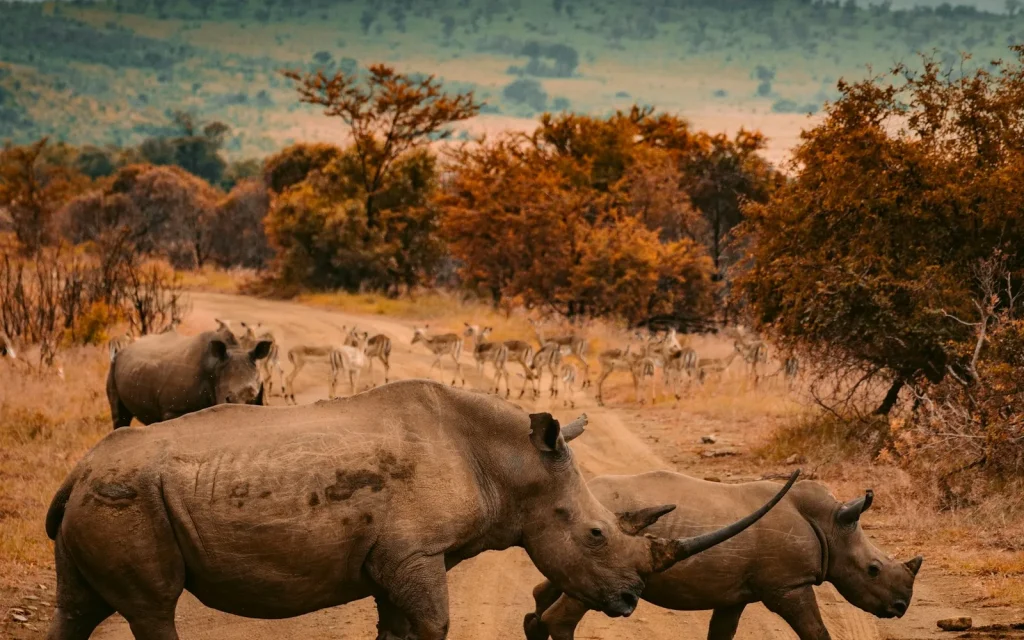
Laikipia is particularly important for black and white rhino conservation. Ol Pejeta and Lewa are among the best-known properties associated with rhino protection. Rhino viewing is a major reason many travellers include Laikipia in a Kenya safari. However, the presence of rhinos in a conservancy does not guarantee that every visitor will see them.
Grevy’s Zebras
The endangered Grevy’s zebra is one of northern Kenya’s distinctive wildlife species. It differs from the more widespread plains zebra in appearance, with narrower stripes and large rounded ears. Laikipia and neighbouring northern landscapes provide important habitat for this species.
Big Cats
Lions, leopards and cheetahs occur in parts of Laikipia, although their distribution varies. Predator sightings depend on habitat, prey movements and the amount of time spent searching. A skilled guide can help visitors interpret tracks, alarm calls and other signs of animal activity.
African Wild Dogs
African wild dogs are among the most sought-after predators in Laikipia. Their movements can cover substantial distances, and sightings are never predictable. Travellers particularly interested in wild dogs should discuss recent local conditions and suitable conservancies before booking.
Birds
Laikipia supports a diverse bird community, reflecting its mixture of grassland, woodland, riverine habitat and semi-arid landscapes. Birdwatching can be rewarding throughout the year, with seasonal migrants adding interest during parts of the wetter season.
Best Time for Rhino Viewing in Laikipia
Rhinos are resident animals within the conservancies that protect them, so rhino safaris in Laikipia are possible throughout the year. Dry-season conditions can make some wildlife easier to observe, but rhino sightings depend heavily on habitat, individual animal movements and the conservancy visited.
Ol Pejeta is particularly well known for its black rhino conservation programme and its protection of the remaining northern white rhinos. Lewa also has a long history of rhino conservation. Travellers should distinguish between general game drives and specialist conservation visits, which may require separate arrangements or additional fees.
Best Time for Walking Safaris and Outdoor Activities
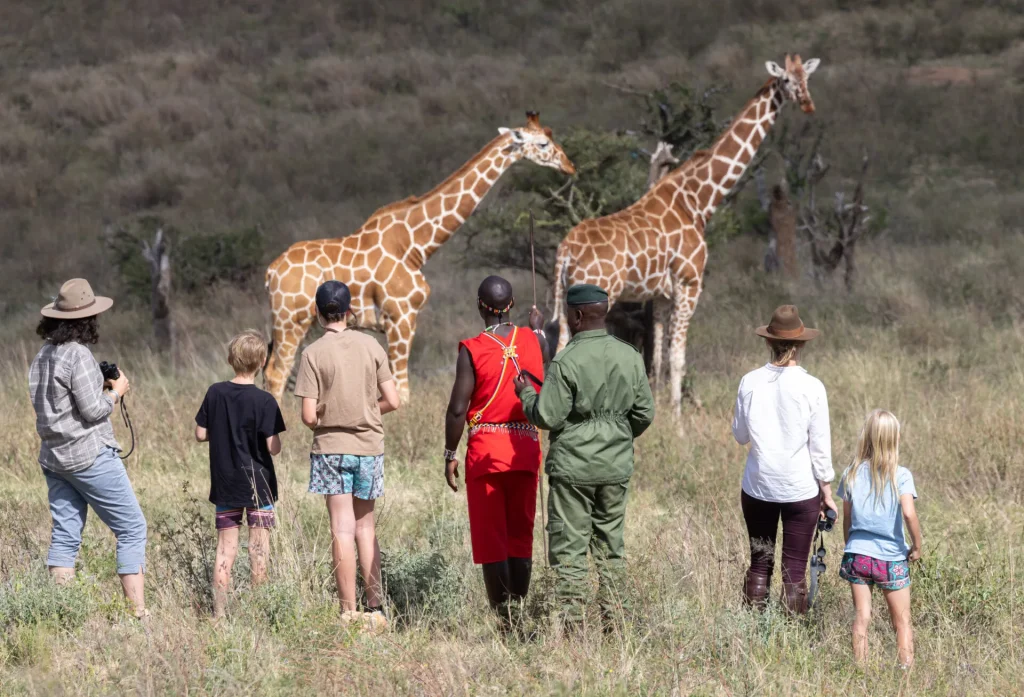
Guided walking experiences are an important attraction at selected Laikipia conservancies. The relatively dry months from June to September, along with January and February, are often favourable because trails are generally easier to navigate. Walking safaris provide an opportunity to examine tracks, plants, insects, birdlife and smaller details that are easily missed from a vehicle. They are not simply game drives conducted on foot.
Professional guiding and adherence to conservancy safety procedures are essential. Some properties also offer horseback riding, camel experiences, cycling or specialist conservation activities. These activities are not available everywhere, and their operation depends on the property, weather conditions and guest requirements.
Laikipia During the Rainy Season
The Laikipia green season should not automatically be considered unsuitable for safari travel. Rainfall can create attractive landscapes, improve air clarity after showers and support increased bird activity. Photographers may appreciate the contrast between dark storm clouds and fresh vegetation. However, practical limitations need to be considered.
Heavy rain can affect roads, river crossings and access to remote accommodation. Some properties temporarily close, and certain activities may be cancelled for safety reasons. Travellers planning April, May or November visits should choose accommodation with reliable access and maintain flexibility in their itinerary.
Best Laikipia Conservancies to Visit
Ol Pejeta Conservancy
Ol Pejeta Conservancy, near Nanyuki, is one of Laikipia’s most established conservation destinations. It is known for rhino protection, wildlife viewing and educational conservation experiences. The conservancy can be reached by road from Nairobi, with travel times depending on traffic and the chosen route. Ol Pejeta is suitable for travellers who want to combine conventional game drives with a stronger understanding of wildlife conservation.
Lewa Wildlife Conservancy
Lewa Wildlife Conservancy is internationally recognised for its conservation work, particularly involving rhinos and Grevy’s zebras. Its landscape includes grasslands, woodland and rolling terrain. Lewa is attractive for travellers seeking a conservation-focused safari with carefully managed visitor access. Accommodation and activity arrangements should be confirmed in advance.
Loisaba Conservancy
Loisaba Conservancy occupies a scenic landscape in northern Laikipia. Its attractions include wildlife, dramatic views and selected specialist safari experiences. Depending on the accommodation and current arrangements, visitors may be able to participate in activities beyond conventional game drives. The relatively dry season is often convenient for exploring the landscape.
Borana Conservancy
Borana Conservancy is another important conservation area in the greater Laikipia landscape. It is associated with wildlife protection and low-density tourism. The setting is attractive for travellers interested in a quieter safari experience. Access, accommodation and permitted activities depend on the specific booking arrangements.
How Long Should You Stay in Laikipia?
Two nights provide a short introduction to a selected conservancy. This may suit travellers combining Laikipia with several other Kenyan destinations. Three nights are generally more rewarding, allowing time for multiple game drives and an additional activity where available. Four or five nights can be worthwhile for travellers interested in photography, conservation programmes or a more relaxed itinerary.
Because Laikipia covers a large geographical area, visiting several conservancies may involve substantial travel. It is usually better to explore one or two suitable properties properly than to spend much of a short safari moving between distant locations.
Getting to Laikipia From Nairobi
Many Laikipia safaris begin in Nairobi. Road journeys to the Nanyuki and Ol Pejeta area commonly take around four hours under favourable conditions, although traffic, roadworks and the exact destination can extend the journey. More remote conservancies may require considerably longer drives. Scheduled or charter flights may be available to suitable airstrips, depending on the destination and operating schedules.
Fly-in safaris reduce time spent on the road and can be particularly attractive for travellers staying at remote properties. A private 4×4 Kenya safari provides flexibility for combining Laikipia with other destinations.
Accommodation Options in Laikipia
Essential
Essential safari accommodation is suitable for travellers prioritising practical comfort and value. Availability in Laikipia can be more limited than in some major national park circuits, particularly within exclusive conservancies.
Comfort
Comfort accommodation offers a balance between facilities, service and cost. Depending on the location, options may include established lodges and permanent tented camps.
Premium
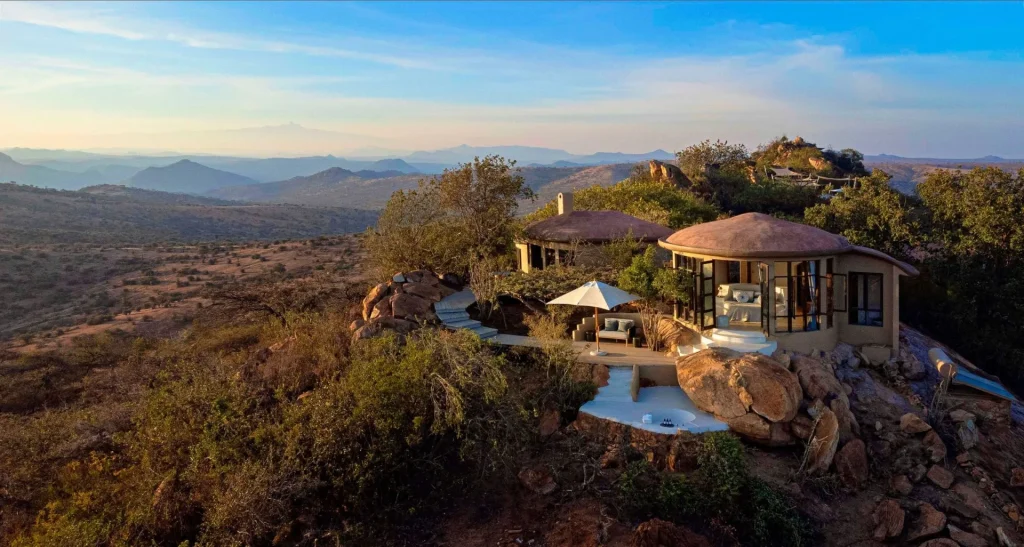
Premium Laikipia safari lodges generally provide spacious accommodation, attractive locations and personalised guiding arrangements. They are suitable for couples, families and wildlife enthusiasts seeking additional comfort.
Signature
Signature safari accommodation includes exclusive lodges and private properties offering high levels of privacy and individual attention. Some may provide private guides, specialist activities or exclusive-use arrangements. The exact inclusions should always be confirmed.
Laikipia Safari Prices and Seasonal Value
The cost of a Laikipia safari package depends on the conservancy, accommodation category, travel season and activities selected. Some private conservancies operate with limited guest numbers and higher accommodation costs than conventional national park circuits. July and August can be expensive because of strong demand. Festive periods may also attract premium rates.
April, May and November sometimes offer lower accommodation prices, although seasonal closures and road conditions must be considered. Travellers should request quotations that distinguish accommodation, meals, conservation fees, transport, guiding and optional activities. A cheaper nightly rate is not necessarily better value if important safari activities are excluded.
Combining Laikipia With Other Kenya Destinations
Laikipia works well within a broader Kenya safari itinerary. A popular geographical combination is Nairobi – Laikipia – Samburu, allowing travellers to explore contrasting habitats and wildlife communities. Another option is to combine Laikipia with the Masai Mara National Reserve, creating a safari that includes both conservation-focused experiences and classic savannah game drives.
Travellers interested in mountain scenery may include the Mount Kenya region. A longer itinerary can also incorporate Lake Nakuru National Park, Lake Naivasha or Amboseli National Park. The best route depends on available travel days and whether road or air transfers are preferred.
What to Pack for a Laikipia Safari
Laikipia’s elevation means mornings and evenings can be cool, even during relatively dry months. Pack accordingly for game drives and any guided walks.
- Layered clothing, including a warm fleece or jacket
- Neutral-coloured shirts and trousers for game drives and walks
- Comfortable closed shoes, especially when walking activities are planned
- Sunscreen, a sunhat, binoculars, insect repellent, a reusable water bottle and a camera
- During wetter months, a lightweight waterproof jacket and suitable footwear
Travellers joining specialist activities should ask their accommodation about additional equipment requirements.
Frequently Asked Questions About the Best Time to Visit Laikipia
What Is the Best Month to Visit Laikipia?
July, August and September are excellent choices for dry-season wildlife viewing. January and February are also attractive alternatives.
Is Laikipia Good for Safaris All Year?
Yes. Resident wildlife makes safari travel possible throughout the year, although rainfall, road conditions and seasonal accommodation closures affect some periods.
Is Laikipia Better Than the Masai Mara?
The destinations offer different experiences. The Masai Mara is particularly famous for open-plains wildlife and the Great Migration. Laikipia is especially attractive for conservation experiences, rhinos and selected specialist activities.
When Is the Rainy Season in Laikipia?
The longer rains generally occur around March to May, while shorter rains are commonly experienced around October and November.
Can You See Rhinos in Laikipia?
Yes. Selected conservancies, particularly Ol Pejeta and Lewa, are important rhino conservation areas. Sightings depend on local conditions and are not guaranteed.
Is Laikipia Suitable for Families?
Many Laikipia properties welcome families, although minimum ages may apply to walking safaris and specialist activities.
How Many Days Are Enough for Laikipia?
Three nights are a good starting point for a rewarding visit to one conservancy. Longer stays are suitable for specialist interests or visits to multiple properties.
Can I Visit Laikipia During April or May?
Yes, but heavy rain may affect road access and activities. Confirm that your preferred accommodation is operating before booking.
Plan Your Laikipia Safari With Safari Trips to Kenya
The best time to visit Laikipia depends on the experiences you value most. For dependable wildlife viewing and relatively dry conditions, June through September is an excellent period. January and February are also strong choices. Travellers interested in green landscapes, birdwatching and quieter properties may find the wetter months rewarding, provided they allow for weather-related changes.
Safari Trips to Kenya can help you design a private Laikipia safari that matches your travel dates, preferred conservancy, accommodation category and wildlife interests. Whether you want to explore Ol Pejeta Conservancy, visit Lewa Wildlife Conservancy or combine Laikipia with the Masai Mara and Samburu, a carefully planned itinerary will help you make the most of this distinctive part of Kenya.