

Best Time to Visit Lewa
The best time to visit Lewa Wildlife Conservancy is generally during January and February and from June through September, when relatively dry conditions often make game drives easier and improve visibility across the grasslands. These months are particularly attractive for travellers hoping to observe black and white rhinos, Grevy’s zebras, elephants and the other wildlife that makes Lewa one of Kenya’s most important conservation landscapes.
Located in northern Kenya, on the northern slopes of Mount Kenya, Lewa is a privately managed wildlife conservancy known for its conservation programmes, carefully managed tourism and distinctive safari experiences. The conservancy forms part of the wider Lewa–Borana landscape, where wildlife protection, habitat management and community partnerships play an important role.
Unlike the Masai Mara, where many visitors plan their trips around the seasonal wildebeest migration, Lewa is primarily a resident-wildlife destination. Its rhinos, giraffes, zebras and other mammals can be encountered throughout the year, although rainfall influences their movements and the conditions experienced during game drives. For travellers choosing between the dry and green seasons, the decision is not simply about whether animals will be present. It is about visibility, road access, photography, accommodation availability and the types of activities they hope to enjoy. A well-planned Lewa Conservancy safari offers an opportunity to experience northern Kenya at a measured pace, with time to learn about conservation as well as observe wildlife.
When Is the Best Time for a Lewa Safari?
For conventional game drives, the relatively dry months of January, February and June through September are usually the most dependable. During these periods, vegetation may become shorter and wildlife can be easier to locate in open areas. Roads are also generally more manageable than after prolonged rainfall, although conditions vary from year to year.
July, August and September are especially popular with international visitors combining Lewa with other Kenyan destinations. Demand for accommodation can be high because the conservancy has a relatively limited number of safari properties. January and February are excellent alternatives. They often provide warm days, relatively dry conditions and attractive opportunities for wildlife photography.
The wetter months, particularly April and May, can still be rewarding. The landscape becomes greener, birdlife may be active and visitor numbers can be lower. However, muddy tracks and taller vegetation may make certain wildlife encounters more challenging. For a conservation-focused safari, Lewa is worth considering in any month, provided the selected lodge and planned activities are operating.
Understanding Lewa’s Climate
Lewa lies at a relatively high elevation in northern Kenya, where the climate is influenced by the surrounding highlands and the broader Laikipia region. Daytime conditions are often pleasantly warm, but early mornings and evenings can be cool. Visitors accustomed to tropical heat are sometimes surprised by how chilly an early game drive can feel.
The area experiences two broadly recognised rainy periods. The longer rains commonly occur between March and May, while shorter rains may develop around October and November. January and February are often relatively dry. Another drier period generally extends from June through September. These seasonal patterns are not fixed. Rainfall may begin earlier or later than expected, and individual years can be unusually wet or dry.
The conservancy contains grassland, woodland and other habitats that respond differently to rainfall. Fresh grass can encourage grazers to spread into newly productive areas, while dry conditions may concentrate activity around dependable water sources.
Best Time to Visit Lewa Month by Month
January: Excellent Wildlife and Photography Conditions
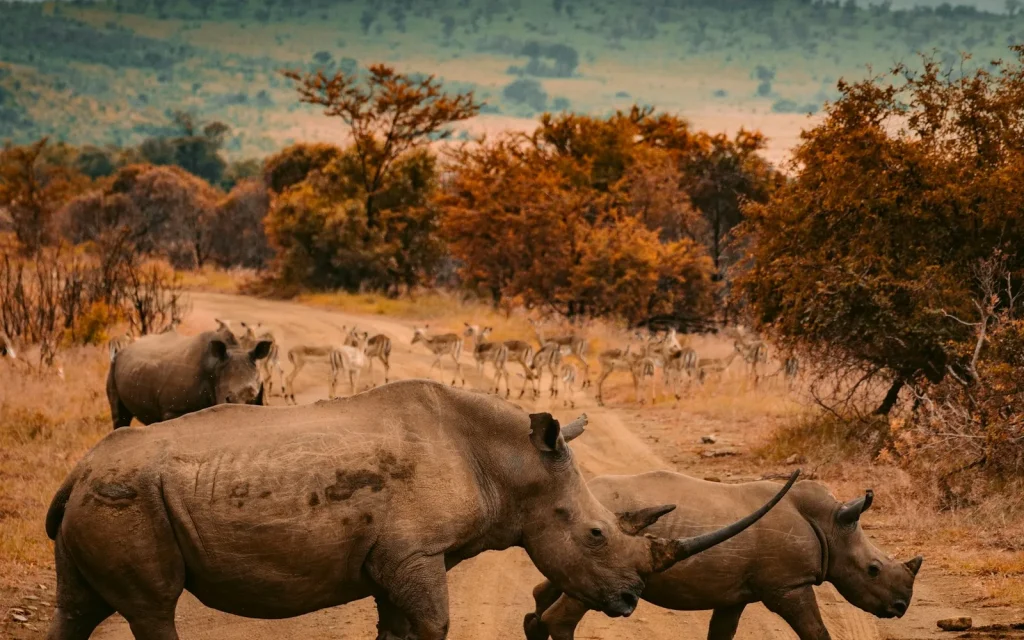
January is one of the strongest months for a Lewa wildlife safari. The short rains have often diminished, leaving a landscape that may retain some greenery while becoming easier to explore. Rhinos are a principal attraction. White rhinos may be observed grazing in suitable open habitats, while black rhinos often prefer thicker vegetation.
Grevy’s zebras, giraffes, elephants and other mammals are also important features of the conservancy. Early morning and late afternoon game drives can provide attractive light for photography. January is particularly suitable for travellers combining Lewa with Samburu National Reserve or Ol Pejeta Conservancy.
February: Relatively Dry Conditions and Rhino Viewing
February commonly continues the relatively dry weather experienced in January. Vegetation may become shorter, improving visibility across open grassland. This is useful when searching for rhinos and other large mammals, although individual sightings remain unpredictable. February is also a good month for travellers who prefer a quieter safari outside the main July–August international holiday period. Some specialist activities may require advance reservations, particularly where group sizes are restricted.
March: Transition Towards the Long Rains
March is a transitional month in northern Kenya. Early March may remain relatively dry, while rainfall often becomes more frequent later in the month. Fresh vegetation begins to develop, creating attractive scenery and changing wildlife movements. Grazing animals may spread into areas with newly available grass. Game drives remain rewarding, but some tracks may become slippery after heavy rain. March can be a good choice for photographers who appreciate changing landscapes and dramatic cloud formations.
April: Green Landscapes and Rainy Weather
April commonly falls within the long-rains period. Rainfall may transform Lewa’s grasslands into a green landscape, while seasonal watercourses and vegetation become more prominent. These conditions are attractive for landscape photography and birdwatching. However, heavy showers can affect road access, and some outdoor activities may be adjusted or cancelled for safety.
Travellers should confirm lodge operations and activity availability before booking an April safari. A suitable 4×4 vehicle is particularly important during wet conditions.
May: Quiet Safaris and Fresh Vegetation
May often continues the long-rains period, although rainfall may gradually decrease. The conservancy can be particularly green, and wildlife may be distributed across a wider area. Rhinos and other resident mammals remain present, but taller vegetation may make some sightings more difficult. May can appeal to travellers seeking a quiet atmosphere and a stronger focus on scenery and conservation. Visitors should allow flexibility for weather-related changes.
June: Improving Conditions and Cool Mornings
June generally marks the transition towards a relatively drier period. The landscape may retain greenery from the preceding rains, while tracks become easier to navigate. Early morning temperatures can be cool, making a fleece or warm jacket useful. Wildlife viewing often becomes more convenient as vegetation gradually dries. June is an attractive month for travellers beginning a longer northern Kenya safari.
July: One of the Best Months for Lewa
July is among the most popular months for visiting Lewa. Relatively dry conditions often support productive game drives, and the shorter grass can improve visibility. Rhinos, Grevy’s zebras, giraffes and elephants remain important attractions. July also coincides with a popular international holiday period, so accommodation may need to be booked well in advance.
Travellers combining Lewa with the Masai Mara should plan domestic flights or road transfers carefully to avoid unnecessary travel days.
August: Peak Safari Season
August offers many of the advantages of July. The weather is often relatively dry, and the conservancy’s open habitats can provide rewarding wildlife encounters. Lewa’s limited accommodation capacity means popular properties may fill early. August is especially attractive for travellers who want to combine northern Kenya’s conservation landscapes with the Masai Mara’s migration season. However, wildlife movements remain natural and cannot be guaranteed.
September: Excellent Wildlife and a Relaxed Atmosphere
September is another strong month for Lewa. Relatively dry conditions may continue, and wildlife can be easier to observe in suitable open habitats. Photographers may appreciate the contrast between dry grasslands, acacia woodland and the surrounding highland scenery. September can also offer a somewhat quieter atmosphere than August, depending on accommodation demand. It is a good month for a combined Lewa and Samburu safari.
October: Seasonal Changes and Fresh Vegetation
October is a transitional month. Early October may remain relatively dry, while rainfall can increase later as the short rains approach. Fresh vegetation changes the appearance of the conservancy. Wildlife may spread into areas with new grazing, and bird activity can become increasingly interesting. October remains worthwhile for visitors who are comfortable with variable weather.
November: Short Rains and Birdwatching
November is commonly associated with the short rains. Rainfall can create green landscapes and attract seasonal bird activity. Some game-drive tracks may become muddy, and wildlife can be more widely dispersed. November is particularly attractive for travellers who enjoy photography, birdwatching and a quieter safari experience. However, visitors should confirm current road and activity conditions.
December: Green Landscapes and Holiday Travel
December often brings improving weather as the short rains diminish, although showers may continue. The conservancy remains attractive for rhinos, zebras, giraffes and other wildlife. Accommodation demand may increase around Christmas and New Year. Travellers planning a December safari should reserve their preferred lodge and activities early.
Why Lewa Is an Important Rhino Conservation Destination
Lewa is internationally recognised for its role in protecting endangered rhinos. The conservancy supports both black and white rhinos and has contributed to wider conservation efforts through wildlife protection, monitoring and partnerships. Black rhinos are browsers and often use woodland or thicker vegetation. White rhinos are grazers and may be easier to observe in open grassland. These differences influence where visitors are likely to encounter each species.
Rhino conservation involves more than protecting individual animals. It requires habitat management, security, veterinary support, scientific monitoring and cooperation with surrounding communities. Visitors interested in these programmes should ask about the educational experiences available through their accommodation. Access to specialist conservation activities may be restricted and should never be assumed to be included in a standard safari.
Best Time to See Grevy’s Zebras in Lewa
Grevy’s zebra is one of northern Kenya’s most distinctive wildlife species. It differs from the more familiar plains zebra in appearance, with narrower stripes, large rounded ears and a different social structure. Lewa is an important landscape for Grevy’s zebra conservation.
These animals can be encountered throughout the year, although their distribution changes with grazing and water availability. The relatively dry months may make them easier to observe in open areas. Travellers interested in Grevy’s zebras should also consider combining Lewa with Samburu, where northern Kenya’s distinctive wildlife is a major attraction.
Other Wildlife to See in Lewa
Elephants
Elephants use the wider Lewa landscape and may be encountered during game drives. Their movements depend on vegetation, water availability and connections with surrounding habitats. Visitors should observe elephants responsibly and avoid obstructing their routes.
Lions
Lions are among the conservancy’s important predators. They may be observed resting, travelling or interacting with other pride members. Sightings depend on daily movements and are never guaranteed.
Leopards
Leopards are more elusive and often use woodland or thicker vegetation. A knowledgeable guide may help identify signs of leopard activity, but sightings require patience and luck.
Giraffes
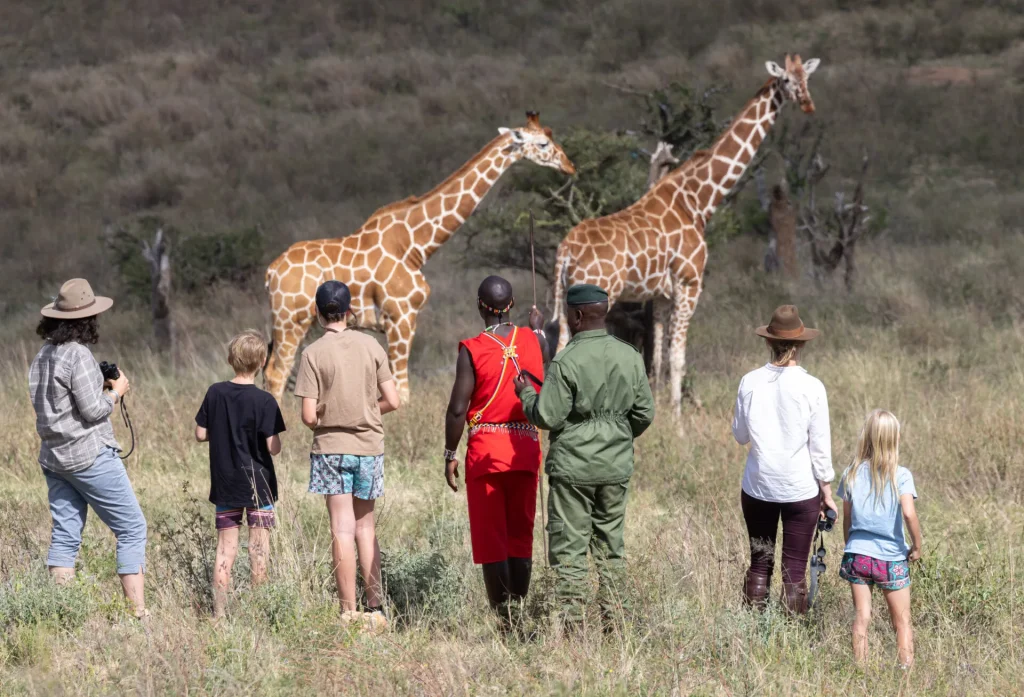
Giraffes are among the most distinctive large mammals in the landscape. They can be observed browsing in woodland and moving through open areas.
Buffalo and Antelope
Buffalo and several antelope species contribute to Lewa’s wildlife diversity. They may be encountered in grassland and woodland habitats.
Best Time for Birdwatching in Lewa
Lewa birdwatching is rewarding throughout the year. The conservancy’s grasslands, woodland and seasonal wetlands support a variety of bird species. Seasonal migrants may add diversity during parts of the wetter months. Early morning is often particularly productive because birds are active and lighting conditions are favourable.
Travellers with specific birdwatching interests should request a guide familiar with the region’s species and habitats.
Best Time for Wildlife Photography
The dry season is generally favourable for photographing large mammals because vegetation may be less dense. Early morning and late afternoon light can produce attractive photographs of rhinos, zebras and the surrounding landscape. However, the green season offers different photographic opportunities. Fresh grass, dramatic clouds and seasonal flowers can create distinctive images.
Photographers should carry a telephoto lens for wildlife and a wider lens for landscapes. Dust protection is useful during dry periods, while waterproof equipment covers are valuable during the rains.
Safari Activities in Lewa
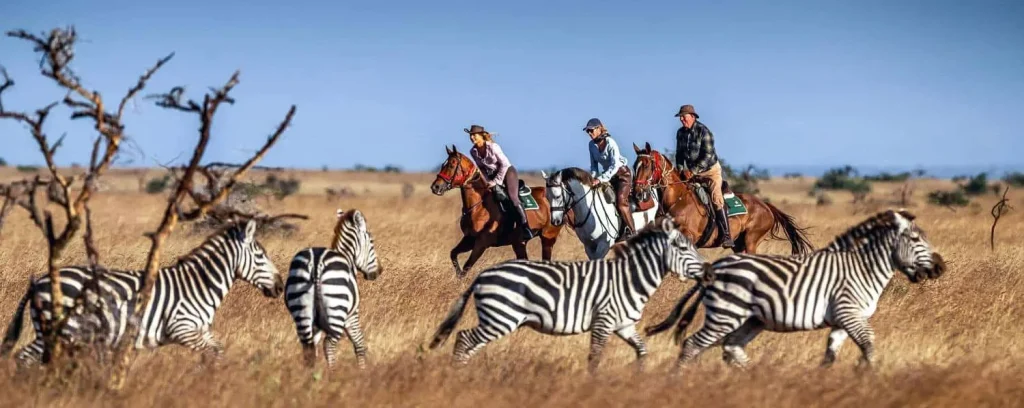
Conventional game drives are the foundation of most Lewa safaris. Depending on the lodge, current permissions and operating arrangements, visitors may also have access to guided walks, horse riding, conservation experiences or other specialist activities. These experiences are not universally available at every property.
Some activities have age restrictions, fitness requirements or additional fees. Travellers should confirm arrangements before booking. A private safari itinerary provides flexibility to focus on preferred activities, but all experiences must follow conservancy rules.
How Many Days Should You Spend in Lewa?
Two nights provide a useful introduction to Lewa. This generally allows time for several game drives and a relaxed appreciation of the landscape. Three nights are preferable for travellers interested in rhino conservation, photography or specialist activities. Longer stays may appeal to visitors who want to explore the wider Laikipia region.
Because Lewa is often combined with other destinations, the ideal duration depends on the overall itinerary.
Getting to Lewa From Nairobi
Lewa lies in northern Kenya near the Mount Kenya region. Road travel from Nairobi commonly takes several hours, depending on traffic, route and the chosen lodge. Domestic flights may provide access to suitable airstrips, subject to schedules and operating arrangements.
Flying can be attractive for travellers combining Lewa with distant destinations such as the Masai Mara. A private 4×4 vehicle is useful for road-based itineraries and onward travel to Samburu or Ol Pejeta.
Lewa Accommodation Categories
Essential Accommodation
Lewa has a relatively limited selection of accommodation compared with some larger safari destinations. Travellers seeking Essential accommodation may need to consider properties outside the conservancy or alternative nearby destinations. Access arrangements and driving times should be checked carefully.
Comfort Accommodation
Comfort safari accommodation offers practical facilities and established services. Availability within Lewa itself may be limited, so travellers should compare options in the wider region.
Premium Accommodation
Premium Lewa accommodation generally provides attractive settings, comfortable rooms and personalised guiding.
Signature Accommodation
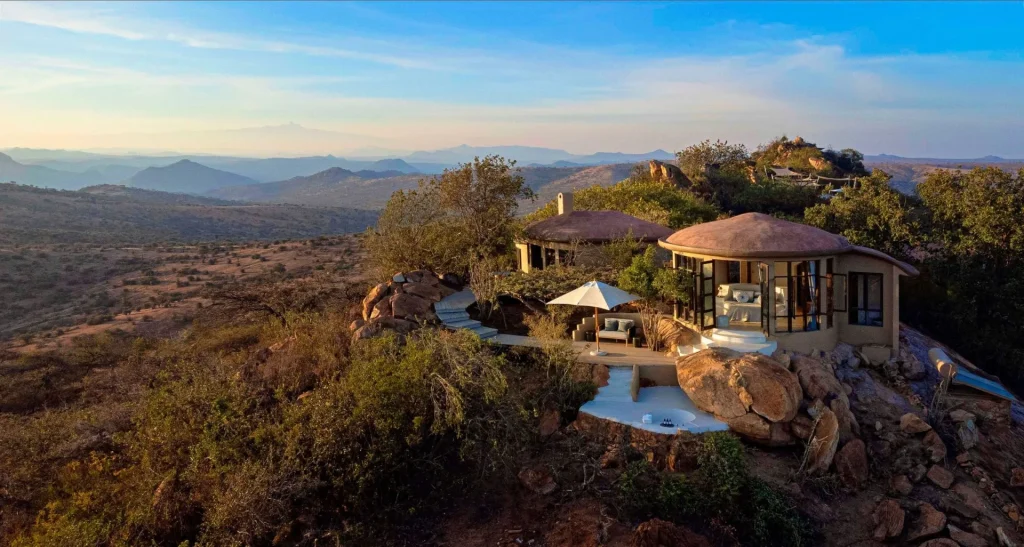
Signature Lewa safari lodges are particularly attractive for travellers seeking privacy, distinctive accommodation and conservation-focused experiences. The exact inclusions vary by property and should be confirmed before booking.
Lewa Safari Prices and Seasonal Demand
The cost of a Lewa safari package depends on accommodation, travel dates, transport, conservancy fees and activities. High-demand months such as July and August may attract higher accommodation rates. Some properties operate with inclusive arrangements covering meals and selected safari activities, while others have different packages.
Travellers should compare total costs rather than accommodation rates alone. Specialist conservation experiences may require separate reservations and charges.
Combining Lewa With Other Kenya Destinations
Lewa fits naturally into a northern Kenya safari itinerary. Samburu National Reserve offers a contrasting landscape and wildlife associated with Kenya’s arid north. Ol Pejeta Conservancy provides further rhino conservation experiences and the Sweetwaters Chimpanzee Sanctuary. The Mount Kenya region offers mountain scenery and selected outdoor activities.
Longer itineraries may include Lake Nakuru National Park and the Masai Mara National Reserve. Travellers should allow realistic transfer times between destinations.
Practical Travel Tips for Lewa
- Book accommodation early during July, August and festive holiday periods.
- Carry warm clothing for early morning game drives.
- Bring binoculars, sunscreen and suitable camera equipment.
- Confirm the availability of specialist activities before travelling.
- Follow all conservancy regulations and wildlife safety instructions.
- Do not approach rhinos or other large animals on foot unless participating in an authorised guided activity.
Frequently Asked Questions About Lewa
What Is the Best Month to Visit Lewa?
January, February and June through September are generally excellent choices for wildlife viewing.
Can You See Rhinos All Year?
Yes. Lewa supports resident black and white rhinos, although sightings are never guaranteed.
Is Lewa Good for Luxury Safaris?
Yes. Lewa is particularly well known for high-quality safari accommodation and personalised experiences.
Is Lewa Worth Visiting During the Rainy Season?
Yes. The green season offers attractive landscapes and birdwatching, although some activities may be affected by rainfall.
How Many Nights Are Recommended?
Two or three nights are suitable for most visitors.
Can Lewa Be Combined With Samburu?
Yes. Lewa and Samburu complement each other and are commonly included in northern Kenya safari itineraries.
Is Lewa Suitable for Families?
Yes, although individual lodges and specialist activities may have age restrictions.
Plan Your Lewa Safari With Safari Trips to Kenya
The best time to visit Lewa Wildlife Conservancy depends on your interests, preferred weather and planned activities. For relatively dry conditions and conventional wildlife viewing, January, February and June through September are particularly attractive. For green landscapes, birdwatching and a quieter atmosphere, the wetter months can also be rewarding.
Safari Trips to Kenya can arrange a private Lewa safari, a conservation-focused itinerary or a longer journey combining Lewa with Samburu, Ol Pejeta and the Masai Mara. Share your travel dates, number of travellers and preferred accommodation category to receive a tailored safari proposal.