
Watamu
White-Sand Beaches, Coral Reefs, Marine Wildlife and Safari Extensions on Kenya’s North Coast
Watamu is one of Kenya’s most rewarding Indian Ocean destinations, combining white-sand beaches, turquoise lagoons, coral reefs, marine wildlife, mangroves, coastal forest and a relaxed resort atmosphere on the North Coast.
It sits beside Watamu Marine National Park & Reserve. After days tracking lions, elephants or rhinos inland, travellers can exchange game drives for snorkelling, diving, dhows and unstructured beach time. Turtles, dolphins, whale sharks and whales may occur — none of those sightings can be guaranteed.
- LocationKenya’s North Coast, Indian Ocean
- Famous forWhite-sand beaches, reefs and Watamu Marine National Park
- Best ForSafari-and-beach holidays, honeymoons, families and divers
- Typical Stay4–7 nights (4–6 after safari)
- Nearby natureMida Creek and Arabuko-Sokoke Forest
- Marine wildlifeTurtles, dolphins, reef fish — never guaranteed
Overview
Watamu should not be positioned only as a place to rest after safari. It is a nature destination in its own right: reef-protected lagoons, coral gardens, Mida Creek mangroves and Arabuko-Sokoke Forest sit within a relatively small region.
Kite surfing, snorkelling, scuba diving and deep-sea fishing are all possible depending on season and operators. Tide changes the look of the beach — do not judge a hotel from a single photograph taken at one tide.
A first-time safari-and-beach route can run Nairobi → Amboseli → Lake Naivasha → Masai Mara → Watamu, or a southern line Amboseli → Tsavo → Watamu. River crossings and individual species can never be guaranteed.

Why Visit Watamu?
Watamu combines an attractive beach with some of the most interesting coastal ecosystems in Kenya — marine park, mangroves and forest, not only a swimming pool.
Indian Ocean beaches and lagoons
White sand, turquoise water and reef-protected lagoons. Kenya Wildlife Service describes the marine park as internationally known for white sandy beaches, reef-protected lagoons and coral gardens.
Watamu Marine National Park
Snorkelling, boat excursions and diving depend on weather, tides and operators. Never stand on coral, chase wildlife or remove shells. Reefs are fragile.
Sea turtles and dolphins
Turtles and dolphins occur in the wider marine environment. Keep distance, never touch a turtle, and do not chase pods. Whale sharks and whales may occur seasonally — never promised.
Mida Creek and Arabuko-Sokoke
Mangroves, tidal channels and coastal forest give Watamu a reef-plus-mangrove-plus-forest identity. Birders can move between ocean, creek and woodland in one stay.
A strong safari-and-beach finish
Watamu changes the pace after early wake-ups and lodge hops. Four to six nights after safari is the usual balance.
Understanding Watamu’s Coastline
Watamu is not one uninterrupted hotel beach. Bays, reef flats and accommodation zones differ. At low tide reef flats and sandbanks can appear; at high tide the coast looks completely different.
Reef-protected lagoons
Offshore reefs shelter sections of coast, creating lagoon-like water in some areas — useful for swimming and snorkelling when conditions allow.
Coral gardens
The marine park’s coral environment is the reason Watamu is more than a rest stop. Physical contact and careless anchoring damage reefs.
Mida Creek mangroves
A tidal creek with birds, nursery habitat and community-guided walks — a break from open-ocean days.
Coastal forest
Arabuko-Sokoke sits close enough that one day can be snorkelling and the next woodland birding.
Top Things to Do in Watamu

Beach relaxation
After a demanding safari, unstructured days — swimming, walking, reading, watching tides — are part of the point.
Snorkelling
Coral and reef fish under appropriate conditions. Avoid touching coral or standing on living reef.
Scuba diving
Certified divers can explore deeper reef habitats. Conditions vary by season, visibility, wind and site.

Mida Creek
Mangroves, birds and tidal ecosystems — treat this as a signature nature experience, not a minor extra.
Arabuko-Sokoke Forest
One of the best ways to add forest ecology and birding to a coastal holiday.

Kite surfing
Trade winds and shallow sandy water suit kite surfing in season. Wind can also affect boat comfort and visibility.
Plan a Watamu Holiday
Beach holidays, safari extensions and seasonal notes live on the Kenya Coast cluster — not invented Watamu children.
- Watamu Beach HolidaysResort stays, families, honeymoons and how a Watamu beach week is paced.
- Watamu Safari ExtensionsHow to add Watamu after the Mara, Tsavo or Amboseli.
- Best Time to Visit WatamuRain, wind and sea conditions — pick dates for beach, diving or kite surfing.
- Masai Mara and WatamuClassic savannah then Indian Ocean. River crossings are never guaranteed.
- Safari and WatamuBroader safari-and-beach planning beyond a single package.
- Kenya Coast After SafariWhy the coast changes the pace after early game drives.
Popular Watamu Safaris
View All Safari Packages11 Days Amboseli Tsavo and Watamu Beach
A 11 day Kenya journey connecting Nairobi, Amboseli, Tsavo West, Tsavo East and Watamu.
Amboseli, Nairobi, Tsavo East
View Safari9 Days Mombasa Tsavo Safari and Watamu Beach
A 9 day Kenya journey connecting Mombasa, Taita Hills or LUMO, Tsavo West, Tsavo East and Watamu.
Mombasa, Taita Hills, Tsavo East
View Safari

Wildlife & Birds
Watamu’s signature animals are marine: reef fish are the most consistently visible for snorkellers; turtles and dolphins occur but are never guaranteed. Whale sharks and whales are seasonal possibilities, not promises.
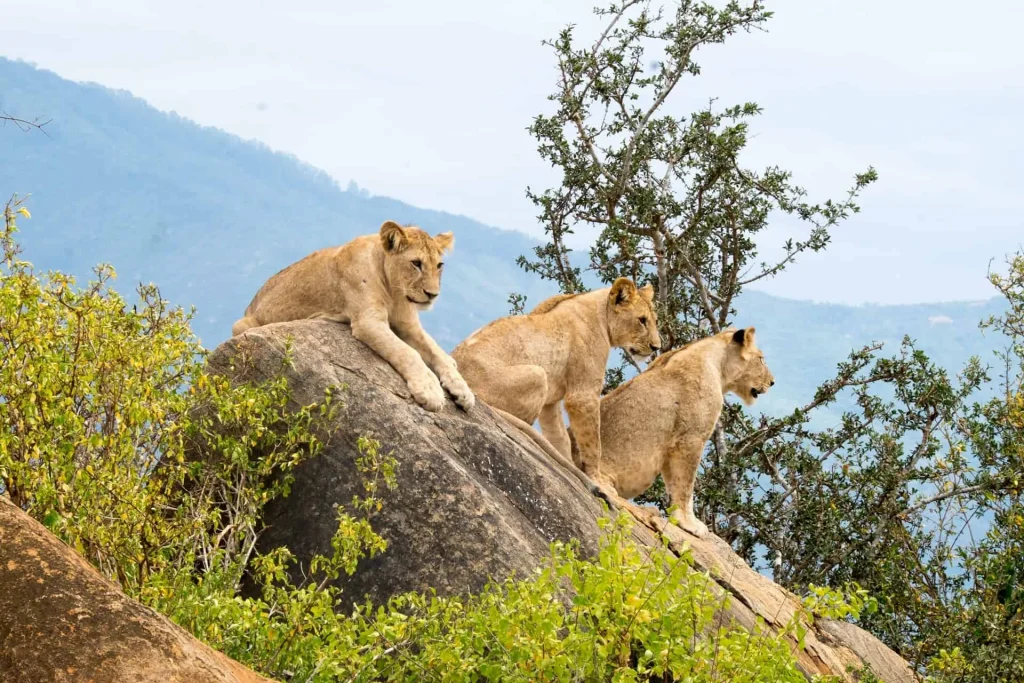
Add Mida Creek and Arabuko-Sokoke and the stay becomes reef, mangrove and forest rather than beach alone. Terrestrial safari species belong inland — combine Tsavo or the Mara rather than expecting lions on the coast.
Sea turtles
Among the most recognisable marine wildlife. Never touch or restrain a turtle for photographs. Sightings are never guaranteed.
Dolphins
Possible on suitable boat excursions. Do not chase pods or surround animals with boats.
Whale sharks and whales
Seasonal visitors in wider waters. Presence depends on food, ocean conditions and migration — never marketed as guaranteed.
Reef fish
The most accessible marine wildlife for snorkellers and divers when visibility allows.
Forest and mangrove birds
Coast, creek and Arabuko-Sokoke give birders several habitats in one stay.
Reef, Forest and Nearby Guides
Turtles, dolphins and forest birds — sightings are never guaranteed.
- Arabuko-Sokoke ForestCoastal forest a short hop from the reef — birds and woodland, never guaranteed.
- MalindiHistoric North Coast town and Kenya’s oldest marine park, close enough to combine.
- Tsavo EastThe practical inland safari before or after a Watamu beach stay.
- Diani BeachSouth Coast resort alternative — different atmosphere, not a substitute.
Best Time to Visit
Watamu can be visited during much of the year, but rainfall, wind, humidity and sea conditions vary. Month-by-month detail lives on the dedicated best-time page rather than being duplicated here.
- Drier beach periods
Often attractive for relaxation, snorkelling, diving and safari-and-beach combinations. Still check local sea conditions.
- Wetter periods
Greener vegetation and sometimes quieter hotels. Heavy rain can interfere with marine activities.
- Wind seasons
Useful for kite surfing; stronger wind can affect small boats and underwater visibility. Match dates to the activity.
How to Get There

- Nairobi to Watamu
Reach the Watamu/Malindi area by a mix of domestic flights, road transfers and other arrangements. Air connections cut time compared with a long overland journey after safari. Check schedules for travel dates.
- After safari
Watamu is particularly valuable because it changes the pace: sleep, swimming, spa time and marine excursions after early game drives.
Where to Stay
Luxury beach hotels, boutique properties, villas, apartments and guesthouses. Compare beach location, family needs, restaurants, privacy, marine access and meal plan. A cheaper inland room can add daily transport to the beach. There is no separate Watamu accommodation URL in the sitemap — use the beach-holidays page for lodging detail.
View Watamu LodgesWhere to Stay in Watamu
Beach hotels, villas and guesthouses. Location and marine access decide the day as much as the room.
How Many Nights Do You Need in Watamu?
Two nights is too short for most beach holidays. Three nights can work as a brief safari extension. Four nights is a reasonable minimum after safari; five combine relaxation with several excursions; seven suit a dedicated beach holiday. For most safari-and-beach itineraries, four to six nights works particularly well.
Watamu Holiday Cost
Price depends on hotel category, season, length of stay, transfers, marine excursions, diving and whether Watamu follows a safari. We confirm current rates when we quote rather than publishing a permanent table here.
What usually increases the cost
- Oceanfront luxury hotels
- Private boat and dive packages
- Peak beach seasons
- Seven-night dedicated holidays
How to keep costs in check
- Mid-range beach hotels after safari
- Four to six well-paced nights
- Sharing marine excursions as a small group
- Combining with an existing North Coast itinerary
First Safari, Families & Practical Planning
Families
Swimming, snorkelling, Mida Creek, forest visits and marine education work well with children. Consider tides, currents, swimming ability, boat safety and activity age limits.
Honeymooners
Watamu works particularly well after a high-intensity safari: beach dinners, private boats, snorkelling and boutique rooms. Lewa or Amboseli plus the Mara then Watamu is a strong honeymoon shape.
What to pack
Light clothing, swimwear, high-SPF sunscreen, insect repellent, a waterproof bag for phones, and binoculars for birders. Divers may prefer their own mask.
Responsible marine tourism
Never stand on coral, touch turtles, chase dolphins or remove shells. Reduce single-use plastic, choose responsible operators and respect nesting wildlife. Reef quality is the destination.
Watamu vs Diani, Malindi and Mombasa
Choose Watamu for marine conservation, coral reefs, Mida Creek, Arabuko-Sokoke and a North Coast nature stay. Choose Diani for a longer South Coast resort beach, a larger hotel selection and stronger Tsavo road-safari access. Neither is universally better.
Malindi is a distinct town with stronger history and Kenya’s oldest marine park; the two are close enough to combine. Mombasa is the urban historic city — Fort Jesus and Old Town — not a substitute for Watamu’s resort-and-reef feel. Watamu also stays inside Kenya after safari, unlike a separate Zanzibar island hop.
Choose Watamu for
- Marine park and coral reefs
- Mida Creek mangroves
- Arabuko-Sokoke Forest nearby
- A safari-and-beach finish in Kenya
Pair with
- Masai Mara for predators and open plains
- Tsavo for a practical southern safari
- Malindi for town and maritime history
- Arabuko-Sokoke for coastal forest
Combine Watamu with Other Destinations
Safari-and-beach pairings and North Coast nature stops around Watamu.
- Masai Mara and WatamuPredators and open plains, then reefs and beach. River crossings are never guaranteed.
- Arabuko-Sokoke ForestReef, mangrove and forest in one North Coast stay.
- MalindiTown, history and Malindi Marine National Park a short hop north.
- Tsavo East National ParkA geographically practical safari before the North Coast.
- Tsavo West National ParkVolcanic country on a longer southern safari-and-coast route.
- Masai MaraThe classic inland pairing. River crossings are never guaranteed.
Travel Tips
- Plan four to six nights after safari so there is time for the reef, Mida Creek and Arabuko-Sokoke.
- Turtles, dolphins, whale sharks and whales can never be guaranteed.
- Never stand on coral or touch marine wildlife.
- Use the dedicated best-time page for seasonal marine conditions.
FAQs
Where is Watamu?
Watamu is on Kenya’s North Coast beside the Indian Ocean.
What is Watamu famous for?
White-sand beaches, coral reefs, Watamu Marine National Park, marine wildlife and nearby coastal ecosystems including Mida Creek and Arabuko-Sokoke.
Can I snorkel and dive?
Yes. Snorkelling is a core marine-park activity. Scuba diving depends on operator, conditions and certification.
Can I see turtles, dolphins or whale sharks?
They occur in the wider marine environment, but sightings — including seasonal whale sharks and whales — can never be guaranteed.
How many nights should I stay?
Four to six nights works particularly well after safari. Seven nights suit a dedicated beach holiday.
Can I combine Watamu with Masai Mara or Tsavo?
Yes. Masai Mara and Watamu is a strong premium pairing; Tsavo is often more practical by road or a shorter safari before the coast.
Is Watamu better than Diani?
Neither is universally better. Watamu is especially strong for marine conservation, Mida Creek and Arabuko-Sokoke; Diani is a different South Coast resort experience.
Is Watamu part of Malindi?
They are distinct destinations close enough to combine on one North Coast itinerary.
Browse Watamu Guides
Beach holidays, safari extensions, best time and nearby forests — search below or open a topic.
No pages match that search.
Watamu planning 5 pages
Safari and coast 2 pages
Nearby destinations 7 pages
Ready to Explore Watamu?
Watamu works best when beach time is planned as part of the complete Kenya itinerary rather than an afterthought. Four to six nights after safari allows beach, snorkelling, Mida Creek and Arabuko-Sokoke.
Tell us your dates, travellers, children’s ages, budget, number of beach nights, whether snorkelling or diving matters, and which safari destinations you want to combine.
We can then build the safari and coast sections as one itinerary.
- Tailor-Made Safaris
- Best Price Guarantee
- No Hidden Costs
- 24/7 Support
- Local Safari Experts24/7 support in Kenya
- Tailor-Made SafarisPersonalized to your needs
- Best Price GuaranteeNo hidden costs
- Responsible TourismTravel with a positive impact