

Best Time to Visit Watamu
The best time to visit Watamu is generally from January to March and from July to October, when Kenya’s northern coast often experiences favourable conditions for beach holidays, coastal excursions and outdoor activities. January and February are particularly attractive for warm, relatively dry weather, while July through September offers comfortable temperatures and a popular holiday atmosphere.
However, Watamu is not simply a beach destination. Its surrounding marine environment, tidal creeks, coastal forests and conservation projects make it appealing to travellers interested in nature as well as relaxation. The ideal month therefore depends on whether you want to swim, snorkel, dive, photograph coastal landscapes or combine the coast with a wildlife safari.
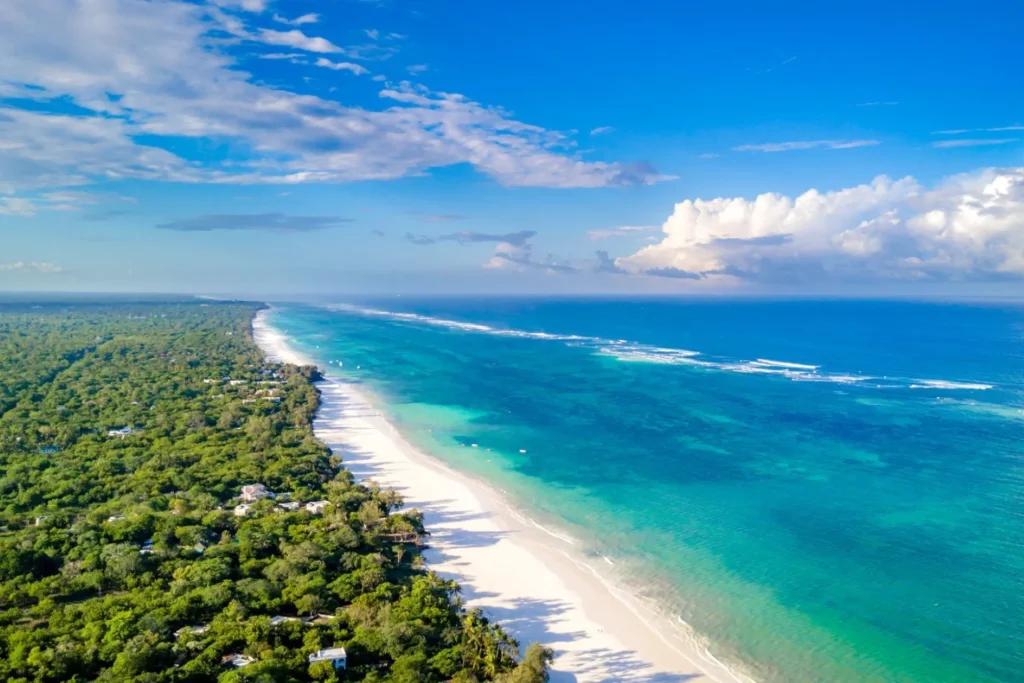
Located north of Mombasa near Malindi, Watamu is known for its white-sand beaches, coral reefs and the protected marine environment of Watamu Marine National Park. The surrounding area includes Mida Creek, mangrove habitats and coastal forest, creating opportunities for birdwatching and nature-based excursions. The Indian Ocean influences Watamu’s climate throughout the year. Temperatures remain warm, but rainfall, humidity, wind and sea conditions change seasonally. These differences can affect marine visibility, boat excursions and the comfort of spending long periods outdoors.
For a successful holiday, it is important to distinguish between the best weather for relaxing on the beach and the most suitable conditions for particular marine activities. A sunny day does not automatically mean the ocean is calm, and an otherwise pleasant month may still experience strong winds or temporary seaweed accumulation. This guide explains Watamu weather by month, the best periods for beach activities, marine wildlife, accommodation and practical travel planning.
When Is the Best Time for a Watamu Beach Holiday?
January and February are among the most dependable months for visitors seeking sunshine, warm temperatures and relatively limited rainfall. These months are especially attractive for couples, honeymooners and travellers adding a coastal stay after a Kenya safari. The sea is warm, and marine excursions can be rewarding when local conditions are suitable.
July through September is another popular period. The weather is often slightly cooler than during the hottest months, making sightseeing and outdoor activities comfortable. However, the southeast monsoon can bring stronger winds, which may affect boat trips and underwater visibility. December and March can also be excellent, although rainfall patterns vary. The main period requiring greater flexibility is usually April and May, when the long rains can interrupt outdoor activities. The best choice depends on your interests rather than a single universal travel season.
Understanding Watamu’s Tropical Climate
Watamu experiences a warm tropical coastal climate influenced by the Indian Ocean and seasonal monsoon winds. Daytime temperatures are commonly in the upper twenties or low thirties Celsius, although actual conditions vary. Humidity can make the weather feel warmer, particularly during the hottest months.
The longer rainy season generally develops between April and June, with April and May often receiving substantial rainfall. A shorter rainy period may occur around October and November, although its timing and intensity are variable. Two seasonal wind systems also influence the coast. The northeast monsoon, often called the Kaskazi, generally affects the coast during the warmer part of the year. The southeast monsoon, known as the Kusi, is associated with stronger winds during parts of the middle of the year. These winds influence waves, currents and marine activities. Travellers planning snorkelling or diving should therefore consider current conditions rather than relying on a calendar alone.
Best Time to Visit Watamu Month by Month
January: Excellent Beach Weather
January is one of the strongest months for a Watamu beach holiday. Rainfall is often relatively limited, and warm conditions make the beaches attractive for swimming and relaxation. The ocean can be suitable for marine excursions, although underwater visibility depends on tides, wind and recent weather. January is also convenient for travellers combining Watamu with a Masai Mara safari, Tsavo safari or other Kenyan wildlife destinations. Accommodation demand may remain strong after the festive period, particularly at popular beachfront properties.
February: Warm, Relatively Dry Conditions
February is frequently among the best months to visit Watamu. The weather is often hot and relatively dry, making it attractive for beach relaxation and selected marine activities. Snorkelling and diving can be rewarding when sea conditions are favourable. Visitors should use adequate sun protection because tropical sunshine can be intense. February is particularly suitable for honeymooners and travellers seeking a quiet coastal extension after a wildlife safari.
March: Hot Weather Before the Long Rains
March is often warm and humid. Early March may remain relatively dry, while rainfall can increase later as the long-rains period approaches. The beaches remain attractive, and marine excursions may continue when conditions permit. However, visitors should prepare for occasional showers and changing sea conditions. March can be a good choice for travellers who enjoy warm weather and are comfortable with increasing humidity.
April: Beginning of the Main Rainy Season
April commonly marks the beginning of the wetter period along the Kenyan coast. Rainfall may arrive in heavy tropical showers, sometimes interrupting beach activities. The surrounding vegetation becomes greener, and the coastal landscape can be attractive for photography. However, boat excursions may be affected by rough seas or reduced visibility. Some accommodation properties may offer lower rates, but travellers should confirm which facilities and activities are operating.
May: Wet Weather and Quieter Beaches
May is often one of the wettest months in Watamu. Rainfall can be substantial, and outdoor plans may require flexibility. The beaches can be quieter, and vegetation around Mida Creek and the coastal forest becomes lush. However, prolonged rain and rough seas may affect snorkelling, diving and boat excursions. May is best suited to travellers who are comfortable spending time at their accommodation when weather prevents outdoor activities.
June: Improving Weather and Seasonal Winds
June generally marks a transition towards drier conditions. Rainfall often decreases, although showers remain possible. Temperatures can feel more comfortable than during the hottest months. However, stronger seasonal winds may influence sea conditions. June is attractive for travellers who want to enjoy the coast before the busiest July–August holiday period.
July: Comfortable Temperatures and Popular Travel Season
July is one of the most popular months for visiting Watamu. The weather is generally warm but less intensely hot than during January or February. Relatively dry conditions make beach relaxation and sightseeing enjoyable. However, wind and wave conditions can affect marine excursions. July is particularly convenient for travellers combining Watamu with a Great Wildebeest Migration safari in the Masai Mara.
August: Excellent for Safari and Beach Holidays
August is another strong month for a Watamu holiday. The coast often experiences comfortable temperatures and relatively limited rainfall. The beaches may be busy during international holiday periods. Marine activities remain available when conditions permit, although stronger winds may affect visibility and boat excursions. August is popular for Kenya safari and beach packages, particularly itineraries combining the Masai Mara with the coast.
September: Pleasant Coastal Weather
September is often an excellent month for Watamu. Temperatures are comfortable, and rainfall is generally relatively limited. The coast may be quieter than during August, depending on accommodation demand. Beach relaxation, sightseeing and selected marine activities can be rewarding. Travellers should still check local sea conditions before booking snorkelling or diving excursions.
October: Warm Weather and Seasonal Changes
October is a transitional month along the Kenyan coast. The weather may become warmer, and rainfall can increase as the short-rains period approaches. Some days offer excellent beach conditions, while others bring showers. Marine visibility and wind conditions may vary. October remains a worthwhile month for travellers who value flexibility and are comfortable with changing weather.
November: Short Rains and Green Landscapes
November is commonly associated with the short rains. Rainfall may be frequent, although conditions vary between years. The coast remains warm, and surrounding vegetation can be particularly green. Beach holidays are still possible, but outdoor activities may require schedule adjustments. Travellers should consider accommodation with comfortable indoor facilities during this period.
December: Popular Holiday Season
December is a popular month for Watamu. Weather conditions often improve as the short rains diminish, although occasional showers may continue. The coast attracts domestic and international holiday travellers, particularly around Christmas and New Year. Accommodation demand can be high, and prices may increase during festive periods. Advance booking is strongly recommended.

Best Time for Snorkelling in Watamu Marine National Park
Watamu Marine National Park is one of the area’s principal attractions. Its protected marine habitats include coral reefs and other environments supporting a variety of fish and marine organisms. Snorkelling can be rewarding when sea conditions provide suitable visibility. However, visibility changes according to wind, rainfall, currents and tides.
The warmer, relatively calm months can offer favourable opportunities, but visitors should not assume that conditions will be ideal every day. Marine excursions should be arranged through reputable operators using appropriate safety equipment. Visitors should avoid touching coral, collecting marine organisms or feeding fish.
Best Time for Diving in Watamu
Watamu diving is influenced by seasonal winds, currents and underwater visibility. Some periods offer calmer seas and clearer conditions, while stronger winds can make certain sites less suitable. Travellers planning a dedicated diving holiday should consult an established dive centre about current conditions. Certified divers should confirm equipment, safety procedures and suitable dive sites. Beginners should choose supervised introductory experiences with qualified instructors. The presence of particular marine species cannot be guaranteed.
Best Time to See Marine Wildlife
Watamu’s marine environment supports a variety of wildlife, including reef fish, sea turtles and other marine organisms. However, sightings depend on natural movements, habitat and environmental conditions. Travellers interested in marine wildlife should choose responsible operators who follow conservation guidelines. Boat excursions should never involve chasing or disturbing animals. Visitors should also avoid touching turtles or other marine creatures. A conservation-focused experience can provide a deeper understanding of the marine ecosystem than a conventional sightseeing excursion alone.
Sea Turtle Conservation in Watamu
Watamu is internationally recognised for its sea turtle conservation efforts. Local conservation organisations work to protect nesting habitats, monitor turtle activity and reduce threats associated with fishing and coastal development. Visitors interested in Watamu turtle conservation may be able to learn about these programmes through approved educational experiences. However, turtle nesting and hatching are natural events that cannot be guaranteed for a particular visit. Access to nesting sites may be restricted to protect the animals. Travellers should avoid any operator promising direct interaction with turtles in ways that could disturb them.
Mida Creek: Mangroves, Birds and Coastal Scenery
Mida Creek is one of Watamu’s most distinctive natural attractions. The tidal creek contains extensive mangrove habitats and supports numerous bird species. It is particularly attractive for birdwatching, photography and guided nature excursions. Tides influence the appearance of the creek and the accessibility of certain areas. Visitors may explore suitable sections through authorised guided activities. The best time for birdwatching depends on tides, season and the species being sought. A knowledgeable local guide can help interpret the relationship between mangroves, tidal habitats and marine life.

Arabuko-Sokoke Forest
The Arabuko-Sokoke Forest is an important coastal forest ecosystem near Watamu. It supports distinctive wildlife, including birds and other species associated with Kenya’s coastal forests. Guided forest visits can provide a contrast to beach activities. Early morning is often preferable for birdwatching and wildlife observation. Visitors should use appropriate footwear and follow authorised trails. The forest can be humid, so carrying water and insect repellent is advisable.
Best Time for Birdwatching in Watamu
Watamu birdwatching is rewarding throughout the year. Mida Creek, coastal forest and other habitats support a diverse bird community. Seasonal migrants may add variety during parts of the year, particularly when conditions are suitable for shorebirds. Tidal patterns are important for observing birds feeding on exposed mudflats. Travellers with specialist birdwatching interests should plan excursions around both the season and the tide. Early morning often provides comfortable temperatures and favourable light.
Best Time for Swimming at Watamu Beaches
Swimming is possible during much of the year, but conditions depend on tides, currents, wind and local weather. Watamu’s beaches include areas protected by offshore reef systems, but this does not mean every section is safe at every tide. Low tide may expose shallow areas and reef flats, while high tide changes water depth and shoreline conditions. Visitors should ask their accommodation or a qualified local guide about suitable swimming areas. Children should always be supervised near the ocean.
Watamu Beach Versus Diani Beach
Travellers planning a Kenya coast holiday often compare Watamu Beach with Diani Beach. Watamu is particularly attractive for visitors interested in marine conservation, snorkelling, tidal creeks and coastal nature experiences. Diani offers an extensive beach environment with a broad range of resorts, restaurants and water sports. Both destinations are suitable for relaxation and safari extensions. The better choice depends on preferred accommodation, activities and travel route. Watamu may be especially convenient for travellers combining the coast with Tsavo East National Park.
Best Time for a Watamu Safari and Beach Holiday
A Watamu safari and beach holiday combines wildlife viewing with relaxation on the Indian Ocean coast. January and February are excellent all-round choices because they often offer favourable conditions in several safari destinations and along the coast. July through September is also popular, particularly for travellers interested in the Great Migration. However, the climate of the coast differs from inland safari regions. A month that is ideal for wildlife viewing may bring stronger winds at the beach. A balanced itinerary should allow enough time for both experiences.
Combining Watamu With Tsavo East
Tsavo East National Park is one of the most practical safari destinations to combine with Watamu. The park is famous for its extensive landscapes and elephants that often appear reddish after dust-bathing in the region’s iron-rich soil. A two- or three-day safari can provide opportunities for game drives before returning to the coast. Travel time depends on the selected entrance gate, accommodation and road conditions. Travellers should avoid rushing the itinerary and allow sufficient time for wildlife viewing.
Combining Watamu With the Masai Mara
The Masai Mara National Reserve is another popular safari destination to combine with Watamu. Travellers can enjoy several days of game drives before continuing to the coast. Domestic flights may reduce travel time, depending on schedules and connections. During July through October, the Masai Mara may offer opportunities to observe migrating wildebeest and zebra. However, river crossings are unpredictable and cannot be guaranteed. A well-planned itinerary should allow sufficient time in the reserve rather than treating migration viewing as a single guaranteed event.
How Many Days Should You Spend in Watamu?
Three nights provide a short coastal extension after a safari. Four or five nights are suitable for travellers who want time to relax and participate in selected marine or nature excursions. Six or seven nights allow a more leisurely holiday with opportunities for snorkelling, birdwatching, forest visits and beach relaxation. Honeymooners may prefer a longer stay, particularly after an intensive safari itinerary. The ideal duration depends on your interests and total holiday length.
Watamu Accommodation Options
Essential Accommodation
Essential Watamu accommodation includes guesthouses, modest hotels and selected self-catering properties. These options suit travellers prioritising affordability and practical facilities.
Comfort Accommodation
Comfort beach accommodation generally offers en-suite rooms, established services and convenient access to beaches or local attractions.
Premium Accommodation
Premium Watamu resorts may provide spacious rooms, swimming pools, restaurants and attractive coastal settings. Travellers should compare meal plans and included services.
Signature Accommodation
Signature Watamu accommodation includes luxury resorts, boutique properties and private villas. These options can be attractive for honeymooners and travellers seeking privacy.
Getting to Watamu
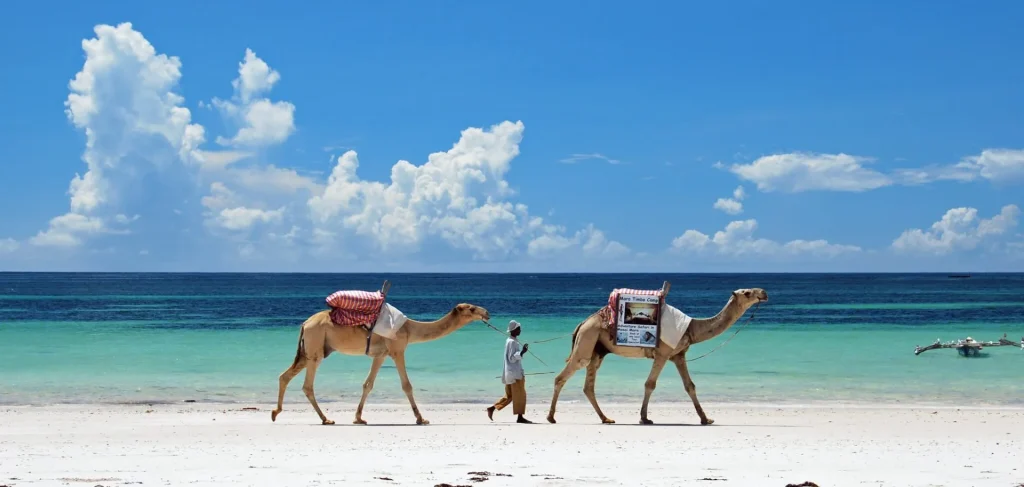
Watamu lies north of Mombasa near Malindi. Travellers can arrive through Malindi Airport, subject to available domestic flight schedules. Road transfers from Mombasa are also possible, although travel time depends on traffic and the chosen route. Private transfers are convenient for travellers arriving with luggage or travelling as a family. The best transport arrangement depends on whether Watamu is the beginning, middle or final destination of a Kenya itinerary.
Watamu Holiday Prices and Seasonal Demand
The cost of a Watamu beach holiday depends on accommodation, travel season, meal plan and activities. Festive periods and popular international holiday months may attract higher accommodation rates. The rainy season may offer lower prices, although weather can affect outdoor activities. Travellers should compare the total cost, including transfers, meals and excursions. Some properties offer bed-and-breakfast arrangements, while others provide half-board, full-board or all-inclusive options. The exact inclusions should be confirmed before booking.
Practical Travel Tips for Watamu
- Carry lightweight clothing suitable for warm coastal conditions.
- Use sunscreen and a hat, particularly during midday.
- Bring insect repellent for evenings and nature excursions.
- Check tide conditions before swimming or walking across exposed reef areas.
- Use reputable operators for snorkelling, diving and boat excursions.
- Respect marine wildlife and avoid touching coral.
- Carry suitable footwear for forest visits and coastal walks.
- Confirm current entry requirements and travel health recommendations before visiting Kenya.
Frequently Asked Questions About Watamu
What Is the Best Month to Visit Watamu?
January and February are excellent for warm, relatively dry weather. July through September is also attractive for comfortable coastal conditions.
Is Watamu Good in August?
Yes. August generally offers pleasant temperatures and relatively limited rainfall, although seasonal winds can affect sea conditions.
When Is the Rainy Season in Watamu?
The longer rains commonly occur from April into June, while shorter rains may develop around October and November.
Can You Snorkel in Watamu All Year?
Snorkelling may be possible throughout much of the year, but visibility and safety depend on current sea conditions.
Is Watamu Suitable for Honeymoons?
Yes. Watamu offers beachfront accommodation, marine activities and opportunities for relaxation after a safari.
How Many Nights Are Recommended?
Four or five nights are a good choice for most travellers.
Can Watamu Be Combined With Tsavo East?
Yes. Tsavo East is a popular wildlife safari extension from Watamu.
Is Watamu Better Than Diani?
Watamu is particularly attractive for marine conservation and coastal nature experiences, while Diani offers a broad range of resorts and beach activities.
Plan Your Watamu Holiday With Safari Trips to Kenya
The best time to visit Watamu depends on your preferred weather and activities. For warm, relatively dry beach conditions, January and February are particularly attractive. July through September also offers comfortable weather and convenient opportunities to combine the coast with a Kenya safari. Safari Trips to Kenya can arrange Watamu beach holidays, private transfers, suitable accommodation and combined safari-and-beach itineraries. Whether you want to relax after a Masai Mara safari, explore Watamu Marine National Park or enjoy a honeymoon on the Kenyan coast, a carefully planned itinerary will help you make the most of your time.