
Arabuko SokokeForest
Rare Birds, Endemic Wildlife and Ancient Coastal Forest Near Watamu and Malindi
Arabuko Sokoke Forest is one of Kenya’s most important biodiversity destinations: rare birds, specialised forest mammals, butterflies, guided walks and coastal conservation beside Watamu and Malindi.
This is not the Masai Mara and not an elephant park. The experience is patience, listening and walking with a guide. Sokoke scops owl, Clarke’s weaver and the golden-rumped elephant shrew — also called the golden-rumped sengi — can never be guaranteed.
- LocationKenya’s North Coast, near Watamu and Malindi
- Famous forRare birds, endemic wildlife and guided forest walks
- Best ForBirdwatchers, naturalists, photographers, Watamu extensions
- Typical VisitHalf day or full day; sleep in Watamu or Malindi
- Signature speciesSokoke scops owl, Clarke’s weaver, golden-rumped sengi
- Combines withWatamu, Malindi, Mida Creek, Tsavo East, Shimba Hills
Overview
Within a short North Coast journey you can move from white-sand beach to coral reef, mangrove creek and ancient coastal forest. That contrast is why Arabuko Sokoke belongs in a Kenya safari-and-beach itinerary.
UNESCO highlights the forest’s biodiversity and endemism. The forest forms part of the Malindi–Watamu–Arabuko Sokoke Biosphere Reserve. Kenya Forest Service identifies the golden-rumped elephant shrew, Sokoke scops owl and Clarke’s weaver among its conservation highlights. None of those sightings can be guaranteed.
There are no broad plains and no vehicle loops packed with large mammals. A rustle in the undergrowth or a quiet call overhead is the day’s currency. Stay in Watamu or Malindi and treat the forest as a specialist nature outing.

Why Visit Arabuko Sokoke Forest?
Position Arabuko Sokoke as rare birds, endemic wildlife, coastal forest and guided walks — a Watamu nature extension, not a substitute for Tsavo or the Masai Mara.
One of East Africa’s most important coastal forests
This is a globally important conservation landscape, not simply attractive woodland near the beach. UNESCO notes unusually high biodiversity and endemism. The forest forms part of the Malindi–Watamu–Arabuko Sokoke Biosphere Reserve.
Search for the Sokoke scops owl
A small forest owl with a restricted East African coastal range. Finding one usually needs an experienced local guide, knowledge of calls and patience. Do not expect to walk in and see one. Sightings are never guaranteed.
Look for Clarke’s weaver
Kenya Forest Service notes that Clarke’s weaver is uniquely associated with Arabuko Sokoke. For serious birders, owl and weaver together can define a Kenya birding itinerary. Named species can never be guaranteed.
Golden-rumped elephant shrew / sengi
A flagship mammal with an elongated snout, long legs and a golden rump — not a true shrew. You may only see one briefly on a trail. Sightings remain unpredictable and are never guaranteed.
A wildlife outing on foot
Guided walks in selected areas replace a closed vehicle. You notice calls, tracks, butterflies, reptiles and small movement. The change of pace is especially welcome after several days of game drives.
Forest, beach and Mida Creek
Stay in Watamu and add one morning or a full day in the forest. Mida Creek supplies mangroves, tidal habitat and waterbirds — mention it here and plan that combo from the Watamu hub. Together they show forest, mangrove and ocean as one biosphere.
Understanding the Arabuko Sokoke Landscape
The forest is not uniform. Distinct vegetation communities hold different species. A good guide chooses habitat, time of day and recent reports rather than walking the nearest trail.
Forest communities
Birding walks often move between habitat types. Some specialists are tightly tied to particular vegetation zones.
Coastal forest ecology
East African coastal forest occupies a narrow zone. Much of it is gone or fragmented. Arabuko Sokoke’s remaining block has exceptional conservation value.
Forest floor and canopy
Sengi and small antelopes use cover below. Owls, weavers, sunbirds and hornbills use different layers. Individual species are never guaranteed.
Forest to mangrove to ocean
The UNESCO biosphere links this woodland with Mida Creek and the reefs at Watamu and Malindi. Plan creek time from the Watamu page.
Top Things to Do in Arabuko Sokoke
Guided Forest Walk
The classic outing: birds, mammals, plants and conservation interpreted on authorised trails. Follow current management rules.
Specialist Birdwatching
Allow several hours or a full day. Tell the guide target species in advance. Owl, weaver and any named bird can never be guaranteed.
Butterfly watching
Slow naturalists are rewarded. Community butterfly farming around the forest, including the Kipepeo Project, shows how conservation can support neighbouring livelihoods.
Forest photography
Low light, contrast and fast birds make this harder than savannah work. Trees, filtered light, butterflies and trails are honest subjects. Sightings are never guaranteed.

Combine with Watamu and Mida Creek
A strong nature day can be forest in the morning, Mida Creek in the afternoon and Watamu in the evening. Plan creek time from the Watamu hub — there is no separate Mida Creek destination URL.
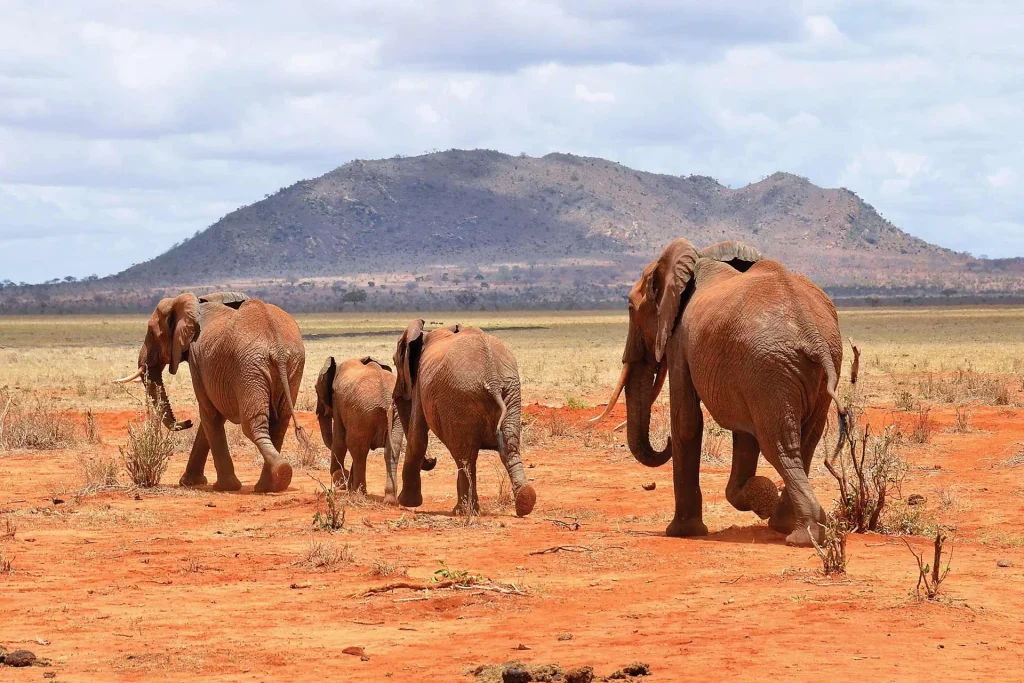
Continue to Tsavo East
Add elephants, lions and large-scale wilderness after the forest walk. Individual species can never be guaranteed.
Plan an Arabuko Sokoke Forest Visit
This forest has no child-page cluster. Stay, seasons and safari-and-beach routes live on the Watamu and Kenya Coast pages.
- Watamu Beach HolidaysThe usual base: a Watamu stay that hosts a forest half-day or full day.
- Watamu Safari ExtensionsHow a Kenya safari finishes on the North Coast, with forest as a nature morning.
- Best Time to Visit WatamuRain, humidity and trail comfort for a coastal-forest walk from Watamu.
- Kenya Coast After SafariWhy a forest walk after inland game drives changes the pace.
- Safari and WatamuBroader safari-and-North-Coast planning that can include this forest.
- WatamuReef, beach and Mida Creek — the strongest pairing with Arabuko Sokoke.
Wildlife & Birds
Measure the day by birds, small mammals and forest detail — not by a large-mammal count. Friends of Arabuko-Sokoke reports more than 270 recorded bird species, including globally threatened specialists. Sokoke scops owl, Clarke’s weaver, forest robins, sunbirds, hornbills, flycatchers and raptors may occur. Sightings can never be guaranteed.
The golden-rumped elephant shrew is the flagship mammal. Monkeys, small forest antelopes, secretive mongooses, reptiles, amphibians and butterflies also belong here. Elephants may occur around edges and connected landscapes; do not select this forest primarily for elephants. For elephants and lions continue to Tsavo East. This is not the Masai Mara.
Sokoke scops owl
A signature rare bird. Needs a specialist guide. Never guaranteed.
Clarke’s weaver
Closely associated with this forest. A defining birder target and never guaranteed.
Golden-rumped elephant shrew / sengi
Flagship mammal. Often a brief crossing of a quiet trail. Never guaranteed.
Monkeys, antelopes and butterflies
Primates, small antelopes and insect diversity reward a slow walk. The Kipepeo Project links butterflies to community livelihoods.
Elephants
May occur in the wider ecosystem. Do not choose Arabuko Sokoke as an elephant park. Use Tsavo East.
Reef, Creek and Inland Pairings
Arabuko Sokoke is not the Masai Mara and not an elephant park. Named birds and the golden-rumped sengi are never guaranteed.
- WatamuReef and Mida Creek complete the forest-to-mangrove-to-ocean day. Sightings are never guaranteed.
- MalindiTown, history and Kenya’s oldest marine park on the same North Coast stay.
- Shimba HillsA different coastal forest: sable antelope and hills, not specialist Sokoke birding.
- Tsavo EastElephants and open wilderness. Do not treat Arabuko Sokoke as a Tsavo substitute.
Best Time to Visit

The forest can be visited through much of the year. Birding priorities, rainfall, trail conditions and target species decide the better window. Named birds and the golden-rumped sengi can never be guaranteed in any month. Early morning is usually strongest for bird activity; some owl searches use different timing under current guiding practice.
- Drier periods
Often easier walking, drier trails and more comfortable access. Midday heat still builds under a humid coast.
- Wetter periods
Humidity, greener vegetation and insect activity can lift birding. Trails may be muddy and rain can interrupt walks.
- As a Watamu morning
Start early from a North Coast hotel. Shade under the canopy can feel cooler than the open beach.
How to Get There

- From Watamu
The practical approach. Lodges sit a short transfer from the forest. Most visitors walk with a pre-arranged specialist guide and return to the beach the same day. Add Mida Creek from the same Watamu base.
- From Malindi
Equally workable as a half- or full-day outing. Use Malindi for town, history and the marine park, then the forest for terrestrial biodiversity.
- After inland safari
Tsavo East is the geographically practical big-game pairing. A longer line can run Watamu → Arabuko Sokoke → Tsavo East → Watamu or Diani. River crossings inland are never guaranteed.
Where to Stay
Stay in Watamu or Malindi rather than searching for a traditional safari camp inside the forest. Watamu is especially convenient for forest, marine park, Mida Creek and beach on the same stay. This dest page has no lodge-child silo — we match hotels when we quote.
View Arabuko Sokoke LodgesStay in Watamu or Malindi
Sleep on the North Coast. Use the forest as a half- or full-day outing rather than a standalone safari camp.
How Long Do You Need at Arabuko Sokoke?
Two hours is possible but too short for serious exploration. A half-day works well for ordinary Watamu visitors. A full day is better for birdwatchers and dedicated naturalists. Two days suit serious birders and photographers. Sleep in Watamu or Malindi rather than treating the forest as a multi-night standalone safari destination.
Arabuko Sokoke Forest Cost
Price depends on Watamu or Malindi hotel, specialist guiding, whether you want a half-day or full day, transfers, and whether the same stay includes reef, Mida Creek or Tsavo East. Forest and activity fees can change. We confirm current rates when we quote rather than publishing a permanent table on this page.
What usually increases the cost
- Private specialist bird guiding
- A full day or two-day birder programme
- Oceanfront Watamu or Malindi hotels on the same stay
How to keep it practical
- A half-day from an existing Watamu night
- Sharing a guide as a small private group
- Combining forest, creek and beach on one North Coast stay
First Safari, Families & Practical Planning
Is it a Big Five or elephant park?
No. It is not the Masai Mara and not an elephant-viewing destination. Elephants may occur; do not select the forest primarily for them. Add Tsavo East for large-scale game drives.
Birdwatchers
Bring a specialist local guide, an early start, binoculars, lightweight clothing and a target list. Combine Arabuko Sokoke with Mida Creek and Watamu for broader coastal diversity. Named species are never guaranteed.
Families
Works well for children interested in birds, insects and walking. Very young children may struggle with long quiet birding. A shorter guided nature walk is kinder.
What to Pack
Lightweight long trousers, a breathable shirt, closed shoes, insect repellent, hat, binoculars, camera, reusable bottle, light rain jacket and a small backpack. Birders should add a field guide. Kenya’s protected areas are plastic-free.
Responsible Travel
Use recognised guides, stay on authorised trails, keep voices low, avoid loud playback around sensitive birds, never disturb owl roosts, and do not remove plants or animals. Support local guides and community initiatives such as butterfly farming. Do not assume drone use is permitted.
Arabuko Sokoke vs Watamu, Shimba Hills and Tsavo
Watamu is beach, reef and marine wildlife; Arabuko Sokoke is terrestrial coastal forest. They sit in the same biosphere and work together. Mida Creek, planned from Watamu, adds mangrove and waterbirds.
Shimba Hills is another coastal-forest reserve, stronger for sable antelope, elephants, waterfalls and scenic hills. Tsavo East is elephants, lions and large-scale wilderness. Use them together. Individual species can never be guaranteed.
Choose Arabuko Sokoke for
- Specialist birding and restricted-range species
- Golden-rumped sengi and endemic forest mammals
- Guided walks from a Watamu or Malindi stay
Pair with
- Watamu for reef, beach and Mida Creek
- Malindi for town, history and a marine park
- Tsavo East for elephants and game drives
- Shimba Hills for sable antelope and green hills
Combine Arabuko Sokoke with Other Destinations
Watamu and Malindi first, then Tsavo East, Shimba Hills or Diani on a longer Kenya Coast itinerary.
- WatamuBeach, reef and Mida Creek on the same North Coast stay.
- MalindiCoastal history and a marine park plus terrestrial forest biodiversity.
- Tsavo East National ParkClassic big-game country after a coastal-forest walk. Sightings are never guaranteed.
- Shimba HillsAnother coastal-forest reserve, stronger for sable antelope than specialist owls.
- Diani BeachSouth Coast resort alternative after Tsavo — not a Watamu substitute.
- MombasaFort Jesus and Old Town on a broader Kenya Coast journey.
Travel Tips
- Use a specialist guide. Owl, weaver and sengi sightings are never guaranteed.
- This is not the Masai Mara and not an elephant park. Add Tsavo East for large mammals.
- Stay in Watamu or Malindi. Combine Mida Creek from the Watamu page.
- Start early. Stay on authorised trails and keep disturbance around roosts low.
FAQs
Where is Arabuko Sokoke Forest?
On Kenya’s North Coast near Watamu and Malindi.
What is it famous for?
Rare coastal-forest wildlife, especially Sokoke scops owl, Clarke’s weaver and the golden-rumped elephant shrew. Sightings are never guaranteed.
Is it good for birdwatching?
Yes. It is one of Kenya’s most important specialist birding destinations, with more than 270 recorded bird species reported by Friends of Arabuko-Sokoke.
Can I see the Sokoke scops owl or Clarke’s weaver?
Possibly, especially with a specialist guide. Both are signature targets. Sightings are never guaranteed.
What is a golden-rumped elephant shrew?
A small African forest mammal also called the golden-rumped sengi. It is a flagship species here and is never guaranteed.
Are there elephants?
Elephants occur within the broader forest ecosystem, but do not select Arabuko Sokoke primarily for elephant viewing.
Can I walk in the forest? Do I need a guide?
Guided walking is the main way to visit, subject to current rules. A specialist local guide is strongly recommended, especially for birding.
How long should I spend?
A half-day works well for ordinary visitors. Serious birders may need a full day or longer. Stay in Watamu or Malindi.
Can I visit from Watamu or Malindi?
Yes. Both are the usual bases. Combine Mida Creek from the Watamu hub — there is no separate Mida Creek destination page.
Is Arabuko Sokoke a UNESCO site?
The forest forms part of the wider Malindi–Watamu–Arabuko Sokoke Biosphere Reserve recognised by UNESCO.
Is it suitable for families?
Yes, especially for children interested in nature, birds and insects. Keep quiet birding walks shorter for very young children.
Browse Watamu and Kenya Coast Guides
Arabuko Sokoke has no child-page cluster on this site. Use the Watamu, Malindi and Kenya Coast pages to keep planning.
No pages match that search.
North Coast planning 5 pages
Related destinations 6 pages
Where to stay 3 pages
Ready to Add Arabuko Sokoke to a North Coast Stay?
Tell us your dates, travellers, whether birding is the priority, any target species, whether you want to search for the golden-rumped sengi, and whether you are staying in Watamu or Malindi. Named wildlife is never guaranteed; we plan the walk around current guiding.
A strong nature-based Watamu shape is beach, marine park, Arabuko Sokoke, Mida Creek, then rest. A longer safari can run Arabuko Sokoke → Tsavo East → Diani or Watamu.
Request a quote with those details and we will match hotels, a specialist guide and the onward coast or Tsavo road.
- Tailor-Made Safaris
- Best Price Guarantee
- No Hidden Costs
- 24/7 Support
- Local Safari Experts24/7 support in Kenya
- Tailor-Made SafarisPersonalized to your needs
- Best Price GuaranteeNo hidden costs
- Responsible TourismTravel with a positive impact