
14 DAYS / 13 NIGHTS
14 Days Migration Safari
Explore the Great Wildebeest Migration on a 14-day Kenya and Tanzania safari through the Serengeti, Ngorongoro Crater, Amboseli and Masai Mara.
- Wildlife SafariPrivate Journey
- Private Safari4x4 Vehicle
- Expert GuideEnglish Speaking
- All MealsBreakfast, Lunch, Dinner
- 24/7 SupportWe're here to help
01 Overview
Safari Overview
- Duration14 days / 13 nights
- DestinationWildebeest Migration
- Starts / endsOn request
- Safari stylePrivate safari
- AccommodationEssential · Comfort · Premium · Signature
- Best forCouples, families, first-timers
Imagine standing in the African savannah as thousands of wildebeest stretch towards the horizon. The air carries the low calls of grazing animals, zebras move among the herds, and predators watch from the surrounding grasslands. During certain months, the animals gather near rivers where they may eventually cross into new grazing areas. At other times, the same herds spread across enormous plains, following rainfall and the growth of fresh grass.
Our proposed 14 Days Migration Safari explores the remarkable Serengeti–Mara ecosystem, combining Kenya's Masai Mara National Reserve with Tanzania's Serengeti National Park, Ngorongoro Crater and other celebrated wildlife landscapes. The journey provides opportunities to understand the migration as an ongoing ecological cycle rather than a single river-crossing event.
The Great Wildebeest Migration involves enormous numbers of wildebeest, accompanied by zebras and other grazing animals, moving through the Serengeti–Mara ecosystem. Their movements are influenced by rainfall, grass availability and seasonal conditions. Although certain regions are associated with particular migration periods, the animals do not follow an exact calendar.
This itinerary is designed for travellers who want to experience the diversity of East Africa's wildlife while increasing their opportunities to encounter migrating herds. It also includes resident wildlife, beautiful landscapes and cultural experiences that remain rewarding even when the main migration herds are elsewhere.
The route can be adjusted according to your travel dates. A safari in February may concentrate more heavily on the southern Serengeti and Ndutu region, while a journey in August may place greater emphasis on the northern Serengeti and Masai Mara.
Itinerary
- Day 1:Arrival in Nairobi, welcome to Your Great Migration Safari
- Day 2:Nairobi to Amboseli, elephants Beneath Kilimanjaro
- Day 3:Amboseli Safari – Elephant Families and Wetland Wildlife
- Day 4:Amboseli to Arusha, crossing into Tanzania
- Day 5:Arusha to Ngorongoro Conservation Area, crater Highlands
- Day 6:Ngorongoro Crater Safari, wildlife in a Volcanic Landscape
- Day 7:Ngorongoro to Serengeti, entering Migration Country
- Day 8:Serengeti Safari – Lions, Cheetahs and Grazing Herds
- Day 9:Serengeti Migration Safari, seasonal Herd Movements
- Day 10:Northern Serengeti, mara River Migration Landscapes
- Day 11:Northern Serengeti, migration and Predator Viewing
- Day 12:Northern Serengeti to Masai Mara, kenya Migration Experience
- Day 13:Masai Mara Safari – Big Cats and Migration Wildlife
- Day 14:Morning game drive – return to On request

02 Itinerary
14 Days Migration Safari: Detailed Itinerary

Day 1: Arrival in Nairobi – Welcome to Your Great Migration Safari - Main destination
- Nairobi
- Accommodation
- Nairobi hotel
Your 14 Days Migration Safari begins upon arrival at Jomo Kenyatta International Airport in Nairobi. A representative from Safari Trips to Kenya will welcome you and arrange your transfer to the selected hotel.
Nairobi is Kenya's principal international gateway and an established starting point for East African safaris. Depending on your arrival time, the afternoon may be spent relaxing or enjoying optional sightseeing.
During the evening, your safari representative will explain the planned route, border-crossing arrangements, accommodation and wildlife-viewing expectations. Because the itinerary visits Kenya and Tanzania, it is important to review passport requirements, entry permissions and any relevant health documentation before departure.
The migration's location will depend on the season, and your guide will explain how current wildlife conditions may influence the areas explored.
Day 2: Nairobi to Amboseli National Park – Elephants Beneath Kilimanjaro - Main destination
- Amboseli National Park
- Drive time
- 4–5 hours
- Meals
- Breakfast, Lunch, Dinner
After breakfast, depart Nairobi and travel south towards Amboseli National Park. The journey passes through rural communities and increasingly open landscapes before reaching one of Kenya's best-known elephant habitats.
Arrive at your lodge or tented camp and enjoy lunch before an afternoon game drive. Amboseli supports large elephant families, buffaloes, zebras, wildebeest, giraffes and numerous bird species.
On clear days, Mount Kilimanjaro provides a spectacular backdrop. Although the mountain stands in Tanzania, its summit can be seen from parts of Amboseli when weather conditions are favourable.
Return to your accommodation for dinner and overnight relaxation.
Accommodation: Amboseli safari lodge or tented camp
Day 3: Full-Day Amboseli Safari – Elephant Families and Wetland Wildlife - Main destination
- Amboseli National Park
- Meals
- Breakfast, Lunch, Dinner
Begin the day with an early morning game drive in Amboseli National Park. The park's combination of open plains, woodland and wetlands creates opportunities to observe a variety of wildlife.
Elephants are a particular highlight. Large family groups may be seen moving between feeding areas, interacting or crossing the plains. Your guide will explain their behaviour and the importance of water availability to the ecosystem.
The park's wetlands support buffaloes, hippos and numerous waterbirds, while drier areas attract zebras, wildebeest and antelopes.
Return to your lodge for lunch before another afternoon game drive. The extended stay allows more time to appreciate Amboseli's distinctive landscapes.
Accommodation: Amboseli safari lodge or tented camp
Day 4: Amboseli to Arusha – Crossing into Tanzania - Main destination
- Ngorongoro
- Meals
- Breakfast, Lunch, Dinner
After breakfast, depart Amboseli and travel towards the Kenya–Tanzania border at Namanga. Complete the necessary immigration and customs formalities before continuing to Arusha, one of Tanzania's principal safari gateways.
The journey introduces travellers to the landscapes surrounding Mount Kilimanjaro and northern Tanzania. Depending on the route and weather, there may be opportunities for scenic photography.
Arrive in Arusha and check into your hotel. The remainder of the afternoon can be spent relaxing or exploring selected attractions if time permits.
Your Tanzania safari guide will discuss the next stage of the journey, including game-drive arrangements and the planned route towards the Ngorongoro Conservation Area.
Accommodation: Arusha hotel
Transport: Road transfer and border crossing
Day 5: Arusha to Ngorongoro Conservation Area – Crater Highlands - Main destination
- Ngorongoro
- Meals
- Breakfast, Lunch, Dinner
After breakfast, depart Arusha and travel towards the Ngorongoro Conservation Area, passing through the northern Tanzanian countryside.
The route gradually climbs towards the crater highlands, where cooler temperatures and green landscapes contrast with the lower-altitude plains.
Ngorongoro Crater is the world's largest intact, unfilled volcanic caldera and supports a remarkable concentration of wildlife. Its grasslands, wetlands and woodland habitats provide opportunities to observe numerous mammal and bird species.
Arrive at your lodge and enjoy views of the surrounding highlands. Depending on the accommodation location and arrival time, the afternoon may be spent relaxing before the following day's crater excursion.
Accommodation: Ngorongoro highlands lodge
Day 6: Ngorongoro Crater Safari – Wildlife in a Volcanic Landscape - Main destination
- Ngorongoro
- Meals
- Breakfast, Lunch, Dinner
Wake early and descend into Ngorongoro Crater for a game drive. The crater floor contains grasslands, wetlands, woodland and seasonal water sources that support an impressive variety of wildlife.
Visitors may encounter lions, buffaloes, zebras, wildebeest, elephants, hippos and numerous birds. Black rhinos also occur in the conservation area, although sightings are uncommon and cannot be guaranteed.
Your guide will explore permitted tracks while explaining the crater's geological history and ecological importance.
Enjoy a picnic lunch at an authorised location before continuing the game drive. Later, ascend from the crater and return to your lodge.
Accommodation: Ngorongoro highlands lodge
Day 7: Ngorongoro to Serengeti National Park – Entering Migration Country - Main destination
- Ngorongoro
- Meals
- Breakfast, Lunch, Dinner
After breakfast, travel towards Serengeti National Park, one of Africa's most celebrated wildlife destinations.
The journey passes through the Ngorongoro highlands before descending towards the vast Serengeti plains. The landscape gradually opens into extensive grasslands, scattered trees and rocky outcrops.
The Serengeti forms the largest part of the ecosystem supporting the Great Wildebeest Migration. Depending on the season, migrating herds may be concentrated in the southern, central, western or northern regions.
Enjoy wildlife viewing along the route before arriving at your selected lodge or tented camp.
Accommodation: Serengeti safari lodge or tented camp
Day 8: Full-Day Serengeti Safari – Lions, Cheetahs and Grazing Herds - Main destination
- Serengeti
- Meals
- Breakfast, Lunch, Dinner
Spend the day exploring Serengeti National Park, concentrating on wildlife habitats selected according to the season and recent animal movements.
The Serengeti supports lions, cheetahs, leopards, elephants, buffaloes, giraffes, zebras and numerous antelope species.
During the migration, enormous herds of wildebeest may spread across the plains. Their presence attracts predators and scavengers, creating opportunities to observe complex ecological relationships.
Your guide will explain how the migration influences the wider ecosystem and why rainfall patterns are so important.
Enjoy a picnic lunch or return to your lodge depending on the day's arrangements.
Accommodation: Serengeti safari lodge or tented camp
Day 9: Serengeti Migration Safari – Seasonal Herd Movements - Main destination
- Serengeti
- Meals
- Breakfast, Lunch, Dinner
Today focuses on the Great Wildebeest Migration, with the route adapted according to the time of year.
During the southern Serengeti calving season, generally from January through March, large herds may gather around the short-grass plains of the Ndutu region and surrounding areas. February is often associated with substantial calving activity, although exact timing varies.
During other months, the herds may be moving through central, western or northern Serengeti habitats.
Your guide will use current information to select appropriate wildlife-viewing areas. The migration is a natural phenomenon, so specific encounters cannot be guaranteed.
Spend the day exploring the landscape and observing wildlife behaviour.
Accommodation: Serengeti safari lodge or tented camp
Day 10: Northern Serengeti – Mara River Migration Landscapes - Main destination
- Masai Mara National Reserve
- Meals
- Breakfast, Lunch, Dinner
After breakfast, travel towards the northern Serengeti, an area particularly associated with migration movements during parts of the dry season.
The Mara River crosses the northern Serengeti and Masai Mara ecosystem. During certain months, migrating wildebeest and zebras may gather near the river and cross between grazing areas.
River crossings are unpredictable. Herds may wait for hours or days, change direction or cross at different locations.
Even without a crossing, the northern Serengeti offers excellent wildlife-viewing opportunities, including lions, elephants, giraffes and various antelopes.
Arrive at your selected accommodation and enjoy the evening.
Accommodation: Northern Serengeti lodge or tented camp
Day 11: Northern Serengeti – Migration and Predator Viewing - Main destination
- Serengeti
- Meals
- Breakfast, Lunch, Dinner
Spend the day exploring the northern Serengeti, concentrating on productive wildlife areas.
During the appropriate season, large wildebeest herds may be present near the Mara River. Your guide will assess current movements and determine whether visiting suitable viewing locations is worthwhile.
The region also supports resident wildlife, including lions, leopards, elephants, buffaloes and giraffes.
Photography enthusiasts may appreciate the opportunity to observe animals against the region's varied landscapes.
Return to your accommodation in the evening.
Accommodation: Northern Serengeti lodge or tented camp
Day 12: Northern Serengeti to Masai Mara – Kenya Migration Experience - Main destination
- Masai Mara National Reserve
- Meals
- Breakfast, Lunch, Dinner
Today involves the transition from Tanzania to Kenya and the Masai Mara ecosystem. This cross-border section requires careful planning because safari vehicles cannot simply drive directly between the northern Serengeti and Masai Mara through an unrestricted tourist crossing.
The practical arrangement may involve flights through authorised international entry points, a longer road transfer using an approved border crossing, or an alternative routing planned according to available services.
The exact transfer must be confirmed before booking. Depending on the chosen route, this may be primarily a travel day, with limited time for wildlife viewing.
Upon arrival in the Masai Mara area, transfer to your selected lodge or tented camp and relax.
Accommodation: Masai Mara lodge or tented camp
Day 13: Full-Day Masai Mara Safari – Big Cats and Migration Wildlife - Main destination
- Masai Mara National Reserve
- Meals
- Breakfast, Lunch, Dinner
Wake early for a full day exploring the Masai Mara National Reserve.
The reserve is famous for lions, cheetahs, leopards, elephants, buffaloes, giraffes and numerous grazing animals.
During the main migration season, generally July through October, large herds of wildebeest and zebras may be present. Their exact movements depend on rainfall and grazing conditions.
Your guide will search for wildlife in suitable habitats, allowing time for photography and observation.
An optional hot air balloon safari may be arranged at additional cost, subject to weather and availability.
Return to your lodge for dinner and overnight accommodation.
Accommodation: Masai Mara lodge or tented camp
Day 14: Masai Mara to Nairobi – Departure - Main destination
- Masai Mara National Reserve
- Meals
- Breakfast
After breakfast, depart the Masai Mara and travel to Nairobi.
The road journey generally takes approximately five to six hours or longer, depending on traffic and the accommodation location. A domestic flight may be arranged as an alternative.
Upon arrival, transfer to Jomo Kenyatta International Airport or another agreed location.
Your 14 Days Migration Safari concludes with memories of the Serengeti–Mara ecosystem, Ngorongoro Crater, Amboseli's elephants and the extraordinary wildlife of East Africa.
03 Rates
Safari rates 2027-2029
Indicative per person. Season, group size and lodge style change the total — your quotation confirms current rates.
- Essential (Budget)
Essential (Budget)
Budget camps and lodges suit travelers who prioritize wildlife while keeping costs lower.
Great value camps
- Comfort (Mid-range)
Comfort (Mid-range)
Mid-range tented camps and lodges balance comfort and price with private rooms or tents and en-suite facilities.
Quoted for your dates
- Premium (Luxury)
Premium (Luxury)
Luxury camps and lodges focus on location, service and more intimate wildlife experiences.
Premium camps and lodges
- Signature (High-end)
Signature (High-end)
Signature camps and lodges are the most exclusive stays — small, highly private properties with exceptional guiding and setting.
Exclusive signature stays
04 Activities
Safari activities
Game viewing is the core of this itinerary. Optional extras are quoted separately and depend on season, permits and availability. Individual species and river crossings are never guaranteed.
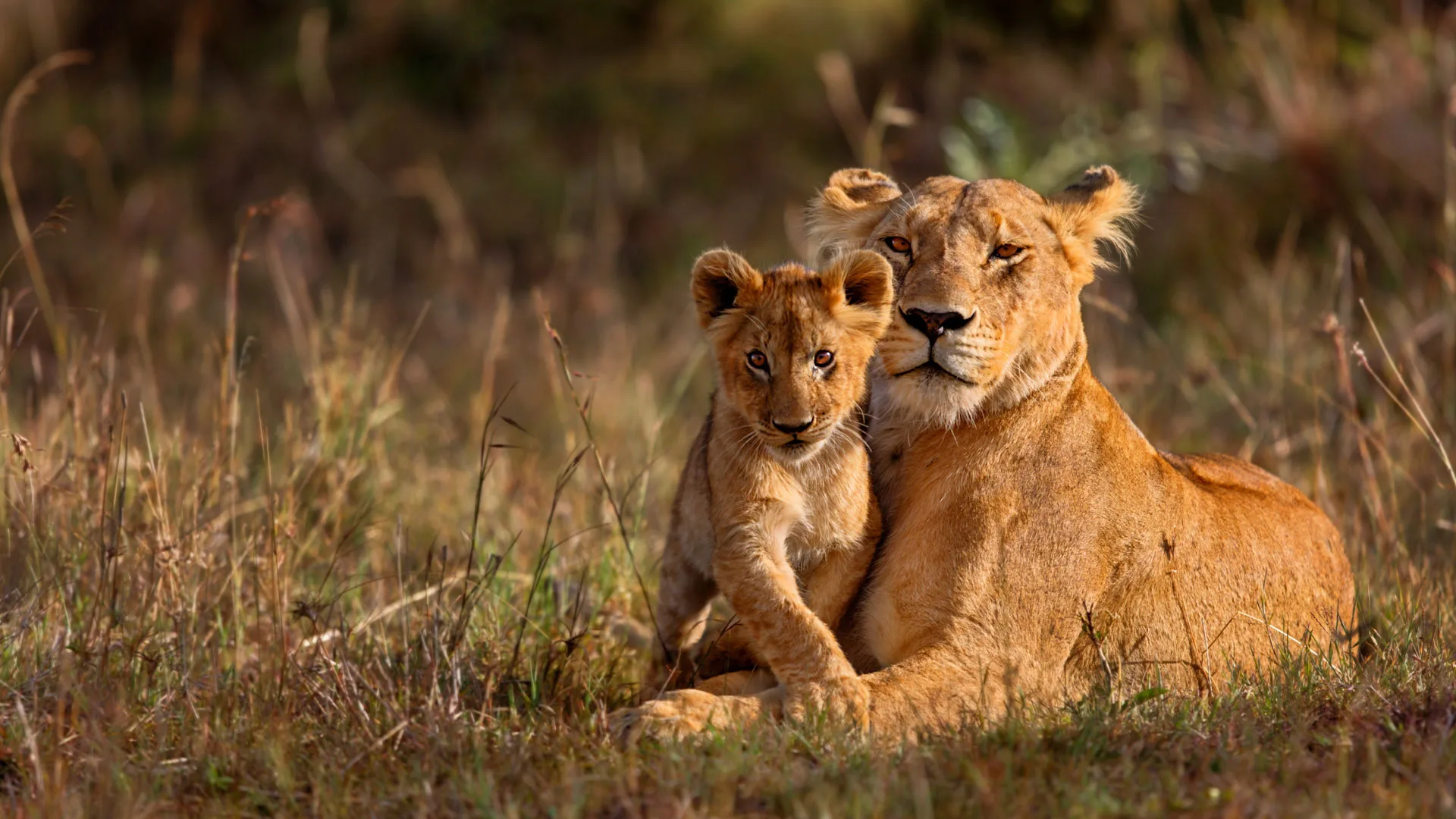
Included
Enjoy morning and afternoon game drives with
Included in a typical day on this safari. Exact timing follows the confirmed itinerary.
View activity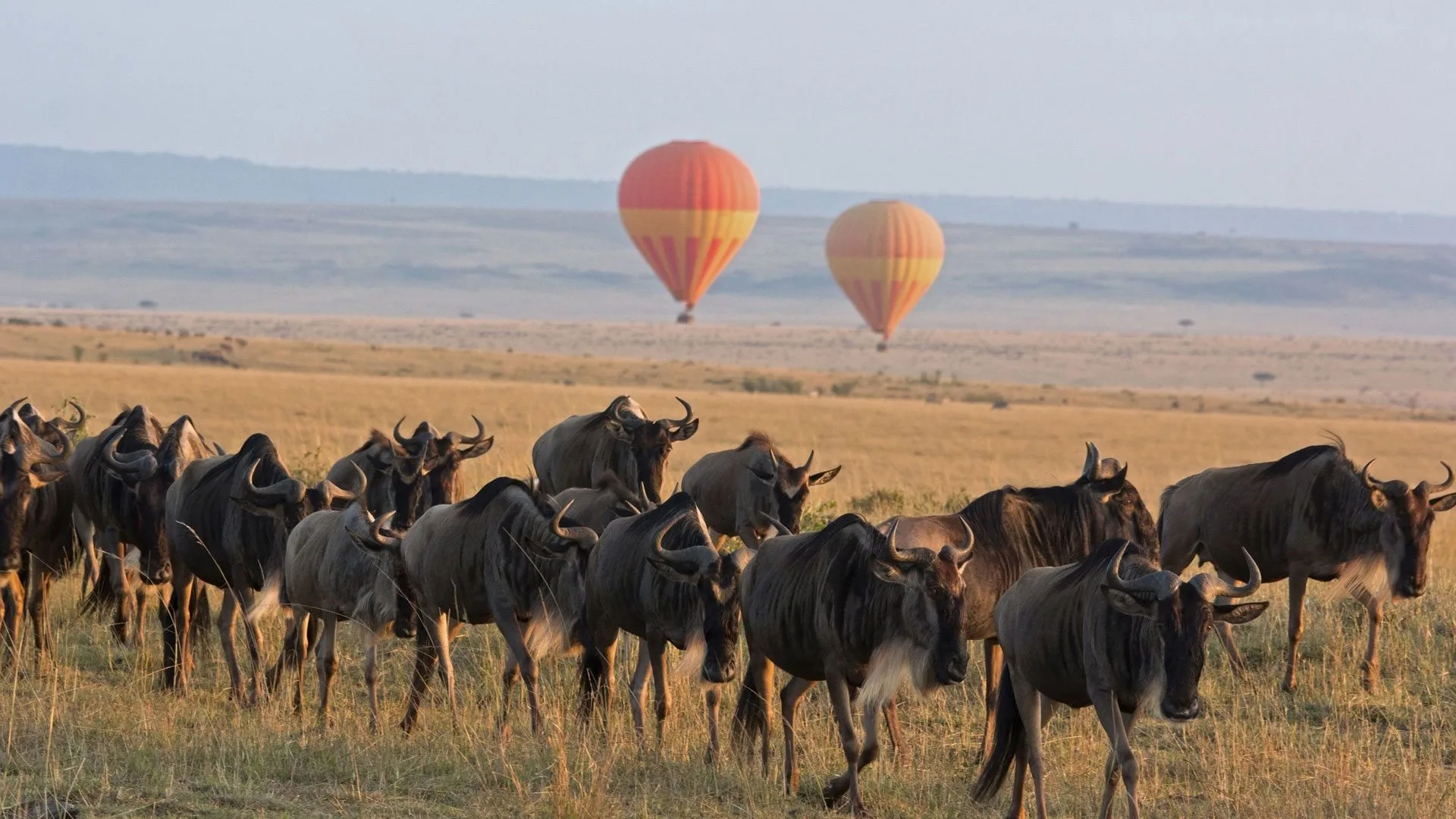
Optional
Consider an optional Masai Mara hot air
Available at extra cost when conditions, permits and your dates allow. Not guaranteed.
View activity
Included
Combine wildlife photography with opportunities to learn
Included in a typical day on this safari. Exact timing follows the confirmed itinerary.
View activity
Additional information
Plan This Safari
Understanding the Great Wildebeest Migration
The Great Wildebeest Migration is one of the world's largest terrestrial wildlife movements. It involves enormous numbers of wildebeest travelling through the Serengeti–Mara ecosystem in search of suitable grazing and water.
Zebras and other grazing animals often accompany the wildebeest, although different species have different feeding preferences and movement patterns.
The migration is not a single event that occurs on one date. It is an ongoing cycle influenced by seasonal rainfall and the growth of grass.
This is why a well-planned migration safari in Kenya and Tanzania should consider the time of year and the regions most likely to contain the herds.
Great Migration Calendar – Where Are the Wildebeest?
January to March – Southern Serengeti and Ndutu
During the early months of the year, large herds are often found around the southern Serengeti and Ndutu region.
The short-grass plains provide important grazing areas, and the calving season generally occurs during this period.
February is often associated with substantial wildebeest calving activity, attracting predators and scavengers.
April to May – Movement Towards Central and Western Serengeti
As seasonal conditions change, herds may begin moving towards central and western Serengeti habitats.
Rainfall influences the timing and direction of movement, so the exact location of the herds varies annually.
June to July – Western and Northern Serengeti
During these months, migrating animals may move through western and northern Serengeti areas.
The Grumeti River and surrounding habitats can become important parts of the migration route, although crossings are not guaranteed.
July to October – Northern Serengeti and Masai Mara
This is the period most commonly associated with Mara River crossings and large wildebeest herds in the Masai Mara.
However, river crossings remain unpredictable, and herds may move back and forth between Kenya and Tanzania.
November to December – Return Towards the Southern Plains
As rainfall patterns change, migrating herds generally move southwards through the Serengeti ecosystem.
The precise timing depends on seasonal conditions.
Masai Mara Versus Serengeti for the Great Migration
Both the Masai Mara and Serengeti National Park are important parts of the migration ecosystem, but they offer different experiences.
The Masai Mara is relatively compact compared with the Serengeti and is particularly popular during the northern migration season.
The Serengeti covers a much larger area and supports different stages of the migration throughout the year.
Travellers visiting between January and March may find the southern Serengeti and Ndutu region more suitable for migration-focused viewing.
Those travelling between July and October may prefer northern Serengeti and Masai Mara itineraries.
The best choice depends on travel dates, interests, accommodation availability and current herd movements.
Can You Guarantee a Wildebeest River Crossing?
No. Wildebeest river crossings are unpredictable natural events.
Even during the main migration season, herds may gather near a river without crossing. They may change direction, move to another location or wait for extended periods.
Crossings can also occur at different points along the river.
A responsible safari operator should never promise a crossing on a particular day.
Spending additional nights in the appropriate region may increase opportunities, but it does not guarantee an encounter.
Wildlife Beyond the Migration
A 14 Days Migration Safari offers far more than wildebeest viewing.
Amboseli provides opportunities to observe elephants, buffaloes, zebras and numerous birds.
Ngorongoro Crater supports a remarkable concentration of wildlife within its volcanic landscape.
The Serengeti and Masai Mara are famous for lions, cheetahs, leopards, elephants, giraffes and other animals.
This diversity ensures that the safari remains rewarding even when the main migration herds are not easily accessible.
Choosing Accommodation for a Migration Safari
Accommodation location is particularly important during a Great Migration Safari.
Travellers should consider where the herds are likely to be during their travel dates and select lodges or tented camps accordingly.
During the northern migration season, accommodation in the northern Serengeti or suitable Masai Mara areas may reduce travel time to productive habitats.
During the calving season, properties around the southern Serengeti and Ndutu region may be more convenient.
Safari Trips to Kenya can arrange accommodation within the Essential, Comfort, Premium and Signature categories.
Exact properties depend on availability, budget and the final route.
Private Migration Safari or Group Departure?
A private migration safari offers flexibility to adjust game-drive schedules and spend more time observing wildlife.
Private travel is particularly attractive to photographers, couples and families.
A group safari can reduce certain transport costs but normally follows fixed dates and a predetermined itinerary.
For a cross-border Kenya and Tanzania journey, private arrangements may provide greater flexibility, particularly when domestic flights or complex transfers are required.
Book Your 14 Days Migration Safari
A successful Great Wildebeest Migration Safari requires realistic planning, appropriate accommodation and an understanding of seasonal wildlife movements.
Our proposed 14 Days Migration Safari combines the Masai Mara, Serengeti, Ngorongoro Crater and Amboseli to provide a broad introduction to East Africa's wildlife.
At Safari Trips to Kenya, we can tailor the journey according to your travel dates, preferred accommodation and the migration stage you hope to experience.
Contact our safari planning team to request a personalised quotation and begin planning your 14 Days Migration Safari.
Planning Questions
Frequently Asked Questions
What Is the Best Month for a Great Migration Safari?
The best month depends on the migration stage you want to experience. February is often associated with calving in the southern Serengeti, while July through October is generally associated with northern migration movements.
Can I See the Migration in Kenya and Tanzania?
Yes, depending on travel dates and the route. However, the herds may be concentrated in one country during particular periods.
Is a River Crossing Guaranteed?
No. River crossings are unpredictable natural events.
Is This Safari Suitable for Families?
Yes, although the itinerary involves substantial travel and should be adapted according to children's ages.
Can the Itinerary Be Customised?
Yes. The route can be adjusted to concentrate on the most suitable migration areas for your travel dates.
How Early Should I Book?
Early booking is recommended, especially during the popular northern migration season when accommodation demand is high.
05 Request Quote
Request Quote
Tell us your dates, group size, and preferred lodge style — we will send a tailored quote for this safari.
Want to extend your safari?
Add Amboseli, Diani Beach, Tanzania and Zanzibar, or gorilla trekking in Uganda or Rwanda — we tailor the journey to your dates.