
3 DAYS / 2 NIGHTS
3 Days Migration Safari
Plan a 3 Days Migration Safari from Nairobi to the Masai Mara, with game drives, wildebeest viewing, Mara River possibilities and practical booking advice.
- Wildlife SafariPrivate Journey
- Private Safari4x4 Vehicle
- Expert GuideEnglish Speaking
- All MealsBreakfast, Lunch, Dinner
- 24/7 SupportWe're here to help
01 Overview
Safari Overview
- Duration3 days / 2 nights
- DestinationWildebeest Migration
- Starts / endsOn request
- Safari stylePrivate safari
- AccommodationEssential · Comfort · Premium · Signature
- Best forCouples, families, first-timers
The Great Wildebeest Migration is one of Africa's most extraordinary wildlife spectacles, and a three-day visit to Kenya's Masai Mara offers an opportunity to experience part of this vast natural movement without committing to a lengthy holiday. During the main migration season, immense herds of wildebeest and zebras may spread across the Mara grasslands, grazing, moving between feeding areas and gathering near rivers. Lions, cheetahs, hyenas and other predators share the landscape, making the reserve a rewarding destination even when the migrating herds are elsewhere.
Our 3 Days Migration Safari is designed for travellers with limited time who want to visit the Masai Mara National Reserve from Nairobi. The itinerary includes a road transfer to the reserve, an introductory afternoon game drive, a full day of wildlife exploration and a return journey to Nairobi. It provides a practical introduction to migration country while allowing time to observe the reserve's resident wildlife.
The important consideration is understanding what three days actually means. With the first and last days partly devoted to road travel, the second day provides the main opportunity for an extended game drive. A short safari can be extremely rewarding, but it cannot guarantee a wildebeest river crossing or allow unlimited searching across the ecosystem.
For travellers visiting between approximately July and October, the Masai Mara is often an excellent choice for migration-focused wildlife viewing. However, the arrival and departure of herds depend on rainfall and grazing conditions, and their location can change throughout the season.
Itinerary
- Day 1:Nairobi to Masai Mara, scenic Drive and Afternoon Game Drive
- Day 2:Masai Mara Migration Safari – Wildebeest, Predators and Mara River
- Day 3:Morning game drive – return to On request

02 Itinerary
3 Days Migration Safari: Detailed Itinerary

Day 1: Nairobi to Masai Mara – Scenic Drive and Afternoon Game Drive - Main destination
- Masai Mara National Reserve
- Drive time
- 5–7 hours
- Meals
- Lunch, Dinner
Your 3 Days Migration Safari begins with an early morning pickup from your Nairobi hotel, residence or an agreed meeting point. After meeting your safari driver-guide, travel west towards the Great Rift Valley, passing through the highland scenery surrounding Nairobi before descending towards the valley floor.
A short stop at a suitable viewpoint may be possible, depending on traffic and departure time. The Great Rift Valley is one of East Africa's most recognisable geological features, and its escarpments provide an impressive introduction to the journey. Continue towards Narok, a major town on the road to the Masai Mara, before proceeding through Maasai countryside towards your accommodation.
The road transfer generally takes approximately five to seven hours, although the exact duration depends on traffic, road conditions, lodge location and stops. Properties outside the reserve may have different access arrangements from those inside it, so the final driving schedule should be confirmed when selecting accommodation.
Arrive at your lodge or tented camp, check in and enjoy lunch if the timing permits. Later, head out for your first game drive. The afternoon is an opportunity to become familiar with the Mara landscape and search for elephants, giraffes, zebras, buffaloes, antelopes and predators.
If migrating herds are present in accessible areas, your guide may be able to introduce you to the scale of the wildebeest migration immediately. However, the first game drive should be regarded as an introduction rather than a guaranteed migration encounter.
Return to your accommodation before the applicable park or conservancy driving restrictions, enjoy dinner and prepare for the following day's full safari.
Accommodation: Masai Mara lodge or tented camp
Day 2: Full-Day Masai Mara Migration Safari – Wildebeest, Predators and Mara River - Main destination
- Masai Mara National Reserve
- Meals
- Breakfast, Lunch, Dinner
Wake early for breakfast before departing on a full-day Masai Mara migration safari. Early morning is often a productive time for wildlife viewing because temperatures are cooler and many animals are active. Your guide will consider current wildlife reports, road conditions and the location of your accommodation when planning the day's route.
During the main migration season, wildebeest and zebra herds may be scattered across different parts of the ecosystem. Sometimes animals graze in enormous concentrations; at other times they move in long lines across the grasslands. These changing patterns create opportunities to observe grazing behaviour, herd interactions and the relationship between migrating animals and resident predators.
The Mara River is one of the reserve's most famous features. During suitable migration periods, wildebeest may gather near crossing points, but a river crossing is never guaranteed. Herds can hesitate for long periods, turn away or cross elsewhere. Your guide will assess whether a river visit is worthwhile rather than spending the entire day waiting without considering other wildlife opportunities.
Beyond the migration, the Masai Mara is famous for its resident lions, cheetahs, leopards, elephants, buffaloes, giraffes and numerous antelope species. A successful day may involve observing a lion pride, watching elephants move through the grassland or encountering cheetahs scanning the plains.
Enjoy a picnic lunch at an authorised location before continuing the afternoon game drive. Photography enthusiasts can use the changing light to capture wildlife portraits, environmental scenes and the expansive Mara landscape.
Return to your accommodation in the evening after a full day of wildlife exploration.
Accommodation: Masai Mara lodge or tented camp
Day 3: Masai Mara to Nairobi – Optional Cultural Visit and Departure - Main destination
- Masai Mara National Reserve
- Drive time
- 5–7 hours
- Meals
- Breakfast
After breakfast, check out of your lodge and begin the return journey to Nairobi. Depending on the accommodation location, park access rules and your onward travel schedule, an early morning game drive may be possible at additional cost or as part of a specifically confirmed arrangement.
An optional visit to a participating Maasai village can also be arranged along the route, subject to availability, community arrangements and additional charges. Such visits provide opportunities to learn about aspects of Maasai culture, contemporary livelihoods and community traditions. Travellers should approach cultural experiences respectfully and confirm the nature of the visit in advance.
Continue through Narok and the Great Rift Valley towards Nairobi. Lunch may be taken at a suitable restaurant along the route, depending on the package.
Arrive in Nairobi during the afternoon or early evening, depending on traffic and departure time. Drop-off can be arranged at your hotel or another agreed location. International departures should allow a generous margin for road delays.
Your 3 Days Migration Safari concludes with an introduction to one of Africa's most important wildlife ecosystems.
03 Rates
Safari rates 2027-2029
Indicative per person. Season, group size and lodge style change the total — your quotation confirms current rates.
- Essential (Budget)
Essential (Budget)
Budget camps and lodges suit travelers who prioritize wildlife while keeping costs lower.
Great value camps
- Comfort (Mid-range)
Comfort (Mid-range)
Mid-range tented camps and lodges balance comfort and price with private rooms or tents and en-suite facilities.
Quoted for your dates
- Premium (Luxury)
Premium (Luxury)
Luxury camps and lodges focus on location, service and more intimate wildlife experiences.
Premium camps and lodges
- Signature (High-end)
Signature (High-end)
Signature camps and lodges are the most exclusive stays — small, highly private properties with exceptional guiding and setting.
Exclusive signature stays
04 Activities
Safari activities
Game viewing is the core of this itinerary. Optional extras are quoted separately and depend on season, permits and availability. Individual species and river crossings are never guaranteed.
Included
Enjoy an introductory afternoon game drive
Included in a typical day on this safari. Exact timing follows the confirmed itinerary.
View activityIncluded
Enjoy beautiful savannah landscapes and opportunities for
Included in a typical day on this safari. Exact timing follows the confirmed itinerary.
Additional information
Plan This Safari
When Is the Best Time for a 3 Days Migration Safari?
The most important decision when planning a 3 Days Migration Safari is choosing travel dates that match your wildlife interests. The Great Wildebeest Migration is a continuous movement through the Serengeti–Mara ecosystem, not an event that occurs on one fixed date.
July to October – Main Masai Mara Migration Season
The period from approximately July through October is most commonly associated with migrating wildebeest in the Masai Mara. During favourable years, large herds may enter Kenya from Tanzania's Serengeti and spread across the Mara grasslands.
This is also the period when travellers most frequently hope to witness Mara River crossings. However, herd movements vary annually, and a three-day visit may not coincide with a crossing.
November to June – Resident Wildlife Safaris
Outside the main migration season, the Masai Mara remains an excellent destination for wildlife viewing. Lions, elephants, buffaloes, giraffes, zebras, antelopes and numerous birds remain within the ecosystem.
Travellers visiting during these months should approach the trip primarily as a Masai Mara wildlife safari, rather than expecting the main wildebeest herds to be present.
Why Migration Timing Cannot Be Guaranteed
Rainfall determines the growth of grass, which influences wildebeest movements. Unusual weather patterns may cause herds to arrive earlier, remain longer or concentrate in different areas.
A responsible operator should therefore explain seasonal probabilities rather than promise that the migration will be in a particular location on a particular date.
Can You See a Mara River Crossing in Three Days?
It is possible, but it is not something that can be guaranteed. Mara River crossings are unpredictable, and even travellers spending a week in the region may not witness one.
The river is only one part of the migration story. The movement of large herds across the plains, interactions between wildebeest and zebras, and the presence of predators can be equally memorable.
If witnessing a crossing is your main objective, consider extending the safari to four, five or more days. Additional time provides more flexibility to revisit suitable areas and respond to current herd movements.
What Wildlife Can You See on This Safari?
The Masai Mara National Reserve supports an exceptional variety of wildlife throughout the year.
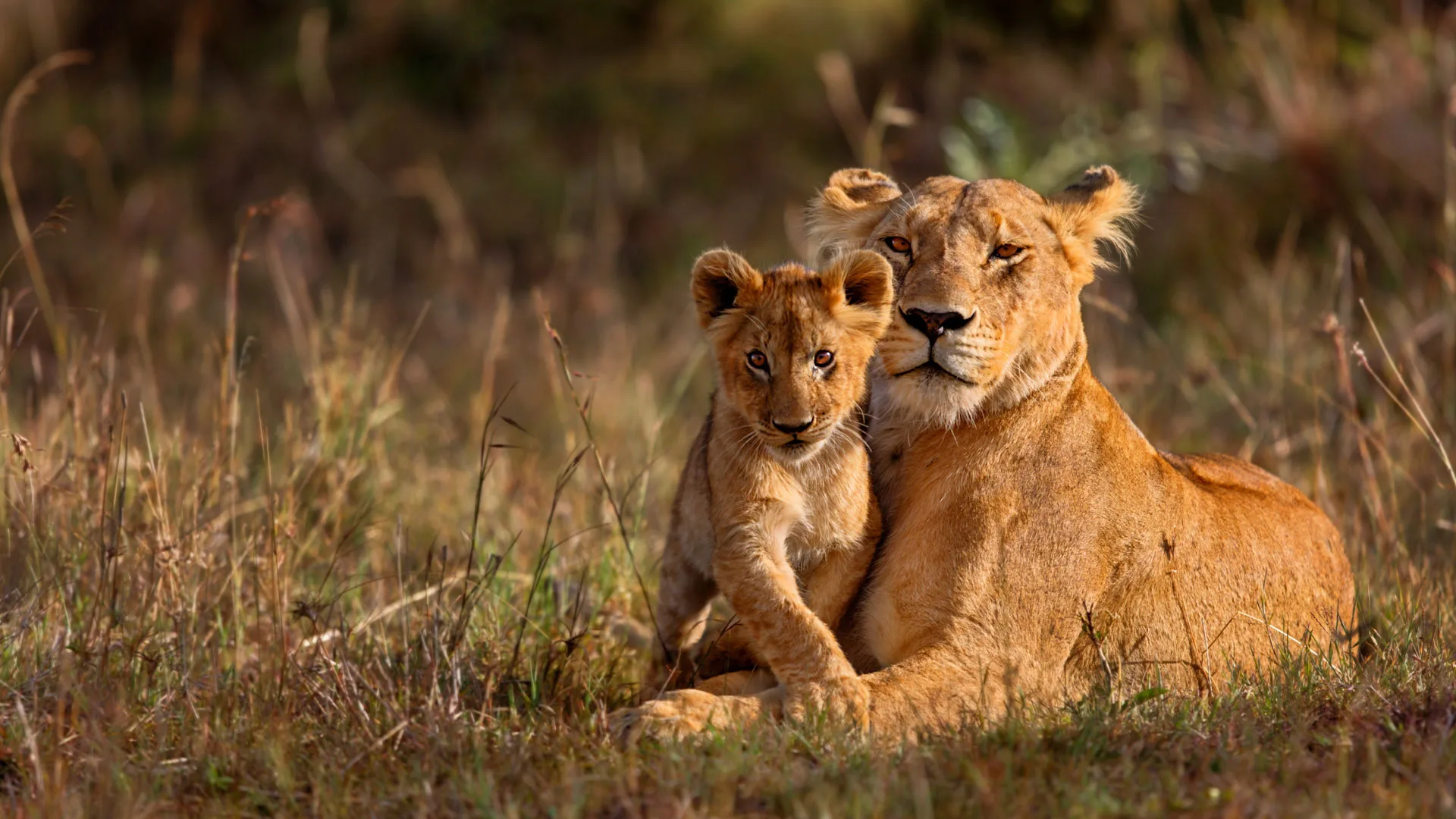
Lions are among the reserve's best-known predators and may be encountered resting, travelling or interacting within their prides. Cheetahs favour open habitats where they can watch for prey, while leopards are more elusive and often use woodland or riverine cover.
Elephants, buffaloes, giraffes, zebras, wildebeest and numerous antelopes inhabit the grasslands. Hippos and crocodiles occur in suitable river habitats, while birds include vultures, eagles, ostriches, rollers and many smaller species.
Wildlife encounters remain unpredictable. The quality of a safari should be measured by the experience of observing natural behaviour rather than checking off a fixed list of animals.
Is Three Days Enough for the Great Migration?
Three days can provide a worthwhile introduction, particularly for travellers already visiting Nairobi or those with limited annual leave. The itinerary includes one substantial full day of wildlife viewing and potentially an additional afternoon session.
However, the short duration creates limitations. Road travel occupies much of the first and final days, and the Masai Mara is a large ecosystem. If the herds are concentrated far from your lodge, reaching them may take considerable time.
A 4 Days Migration Safari provides an additional full day, while a five- or six-day itinerary offers more flexibility for photography and repeated visits to productive wildlife areas.
For travellers who value a relaxed pace, extending the safari is often worthwhile.
Private Safari Versus Shared Group Safari
A private Masai Mara migration safari provides greater flexibility with departure times, wildlife interests and game-drive routines. It is particularly suitable for couples, families and photographers who may want to spend longer at individual sightings.
A shared group safari can reduce vehicle costs, making the experience more affordable for solo travellers and small parties. However, participants normally follow fixed departure dates, accommodation arrangements and game-drive schedules.
During the migration season, a private vehicle can be advantageous because it allows the guide and travellers to respond more easily to changing wildlife conditions.
Choosing the Right Masai Mara Accommodation
Accommodation location can have a significant effect on a short safari. A lodge close to the areas you intend to explore may reduce unnecessary driving and provide more time for wildlife viewing.
Properties inside the national reserve, outside its gates and within neighbouring conservancies operate under different access arrangements. Conservancy accommodation does not automatically include unlimited entry into the main reserve.
Safari Trips to Kenya offers four accommodation categories: Essential, Comfort, Premium and Signature.
Essential properties focus on clean, comfortable accommodation and value. Comfort lodges provide additional facilities and convenience. Premium properties offer higher standards of service and attractive locations, while Signature camps emphasise exclusivity and personalised experiences.
The exact property should be selected according to travel dates, budget and preferred wildlife-viewing areas.
How Much Does a 3 Days Migration Safari Cost?
The cost depends on travel dates, group size, accommodation category, vehicle type and applicable reserve fees. The main migration season is a high-demand period, and popular lodges may charge significantly more than during quieter months.
A private safari for two people generally has a higher per-person transport cost than a group departure because the vehicle and guide expenses are shared among fewer travellers.
Reserve entrance fees can also be substantial, and their structure may vary according to season, visitor category and the rules in force at the time of travel.
Rather than relying on a generic advertised price, request a quotation showing accommodation, meals, transport, park fees and any optional activities separately.
What to Pack for a Short Migration Safari
Pack light, comfortable clothing in neutral colours, a warm layer for early mornings and a waterproof jacket if rain is possible. Comfortable closed shoes, sunglasses, sunscreen and a wide-brimmed hat are useful.
Binoculars improve wildlife viewing, especially when animals are distant. Photographers should bring charged batteries, memory cards and protective equipment for dust.
A small daypack is useful for carrying water, personal medication and essential items during game drives.
Book Your 3 Days Migration Safari
A short Masai Mara migration safari can deliver remarkable wildlife encounters when planned around realistic expectations, suitable accommodation and knowledgeable guiding.
Our 3 Days Migration Safari provides a practical route from Nairobi to the Masai Mara, with a full day dedicated to exploring one of Africa's most celebrated wildlife ecosystems.
At Safari Trips to Kenya, we can tailor the trip according to your travel dates, preferred accommodation, group size and wildlife interests. Contact our team for a personalised quotation and advice on the most suitable migration period.
Planning Questions
Frequently Asked Questions
Can I See the Great Migration in Three Days?
Yes, if migrating herds are present in accessible areas during your visit. However, their location and behaviour cannot be guaranteed.
What Is the Best Month for a Short Migration Safari?
August and September are often popular choices for Masai Mara migration travel, although conditions vary each year.
Is a Mara River Crossing Guaranteed?
No. Crossings are unpredictable and may occur at different locations or not during your visit.
How Far Is the Masai Mara from Nairobi?
The road journey commonly takes approximately five to seven hours, depending on traffic, road conditions and accommodation location.
Can I Fly to the Masai Mara Instead?
Yes. Scheduled flights may be available from Nairobi to suitable Mara airstrips, reducing road travel. Flight availability, luggage limits and transfers must be confirmed.
Is This Safari Suitable for Families?
Yes. Families can participate, although long road transfers and children's ages should be considered.
Can I Extend the Safari?
Yes. Additional nights can be arranged to allow more wildlife viewing and a less hurried schedule.
05 Request Quote
Request Quote
Tell us your dates, group size, and preferred lodge style — we will send a tailored quote for this safari.
Want to extend your safari?
Add Amboseli, Diani Beach, Tanzania and Zanzibar, or gorilla trekking in Uganda or Rwanda — we tailor the journey to your dates.