

Booking a safari in Kenya is one of the most exciting parts of planning an African holiday, but it can also involve decisions that are unfamiliar to first-time visitors. Unlike reserving a conventional city hotel, a safari combines accommodation, transport, wildlife activities, national park access, professional guiding and sometimes domestic flights, and each element needs to work together for the journey to run smoothly.
Whether you dream of watching lions in the Masai Mara, photographing elephants beneath Mount Kilimanjaro in Amboseli, visiting the rhino conservation areas of Ol Pejeta or combining wildlife with a beach holiday in Diani, understanding the booking process helps you make better decisions. This guide explains how to book a Kenya safari, from selecting your destinations and travel dates to comparing quotations, paying deposits and preparing for arrival. It also explains what to check before sending money, why two apparently similar safari packages can have very different prices and how to avoid common planning mistakes.
At Safari Trips to Kenya, we help travellers plan private safaris and selected scheduled group departures. Our approach is to match the itinerary to the traveller, rather than expecting every guest to follow the same route.
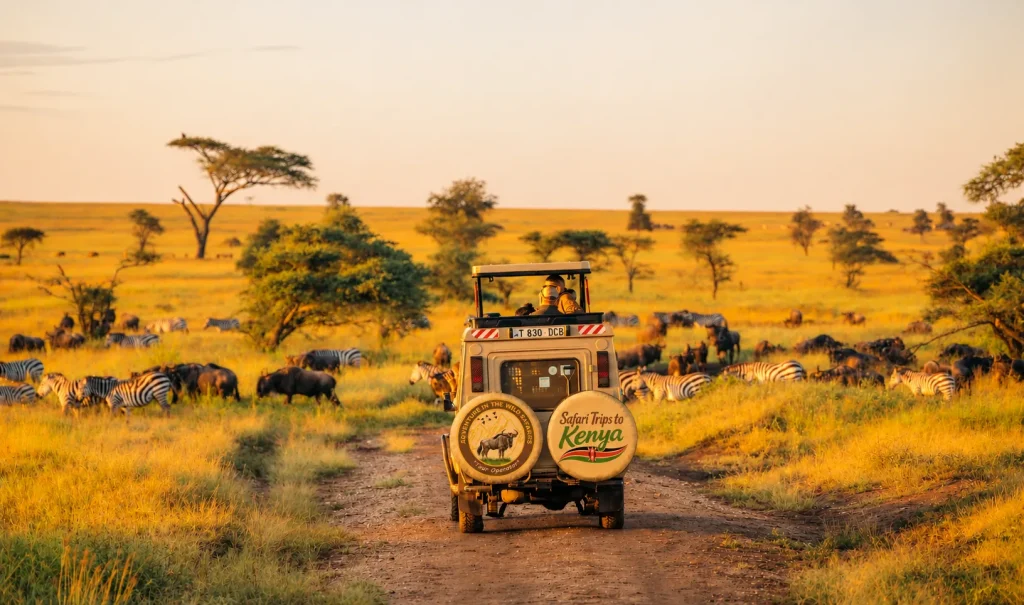
Step 1: Decide What You Want from Your Kenya Safari
Before requesting quotations, consider what you most want to experience. Some travellers are visiting Africa for the first time and want a classic wildlife itinerary with opportunities to see lions, elephants, giraffes and other large mammals, while others are particularly interested in the Great Wildebeest Migration, birdwatching, photography, family-friendly activities or luxury accommodation.
Your interests should influence the destinations and length of the safari. For example, a traveller whose main priority is the migration may prefer to spend four or five nights in the Masai Mara rather than visit several parks quickly; someone interested in rhinoceroses may benefit from including Ol Pejeta or Lake Nakuru; and a traveller who wants elephants and mountain scenery may prefer Amboseli. There is no single itinerary that is best for everyone—the most rewarding safari is one designed around your priorities, available time and realistic budget.
Step 2: Choose the Best Kenya Safari Destinations
Kenya offers a remarkable range of wildlife destinations, each with distinctive landscapes and attractions.
Masai Mara National Reserve
The Masai Mara is famous for big cats, extensive grasslands and the seasonal wildebeest migration. It is one of Kenya’s most popular destinations for first-time safari travellers, and although a three-day visit is possible, four or more days provide greater flexibility for wildlife viewing.
Amboseli National Park
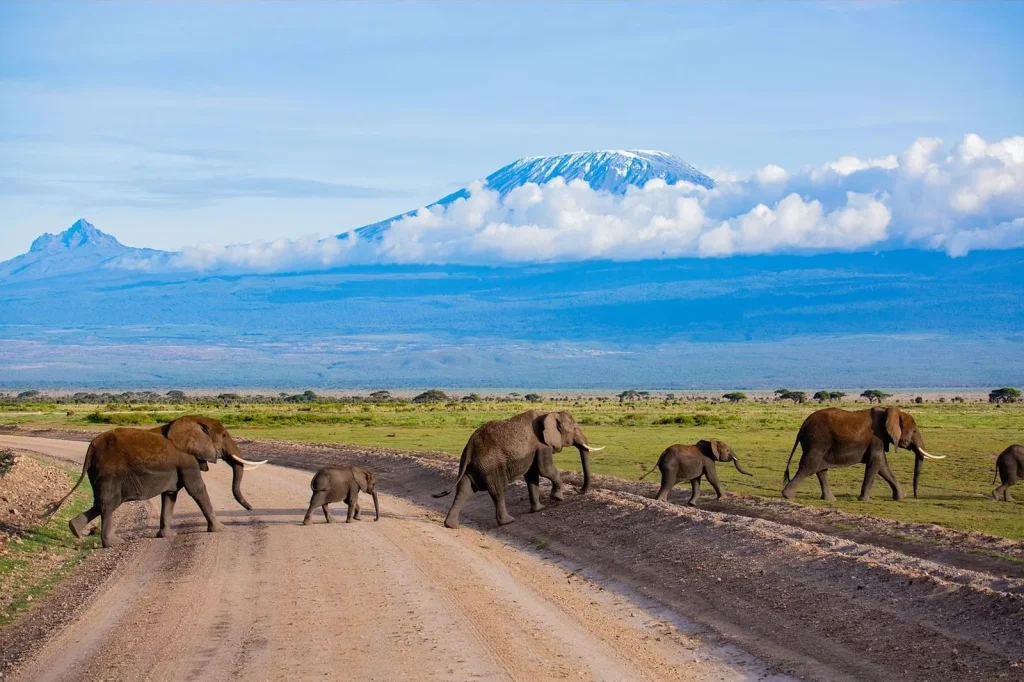
Amboseli is internationally recognised for its elephant populations and views of Mount Kilimanjaro when the weather is clear. It is particularly attractive for wildlife photographers and travellers interested in elephant behaviour.
Lake Nakuru National Park
Lake Nakuru offers opportunities to observe rhinos, buffaloes, giraffes and other wildlife, although birdlife varies with lake conditions and seasonal changes. It can be incorporated into a Rift Valley itinerary alongside Lake Naivasha and the Masai Mara.
Samburu National Reserve
Samburu is known for northern Kenya’s distinctive species, including Grevy’s zebra, reticulated giraffe, gerenuk, Beisa oryx and Somali ostrich. It is an excellent choice for travellers seeking a different landscape from the southern safari circuit.
Ol Pejeta Conservancy
Ol Pejeta is recognised for its rhino conservation work and supports a variety of wildlife. It combines well with Samburu, Mount Kenya and other central Kenya destinations.
Tsavo East and Tsavo West
The Tsavo parks offer extensive wilderness landscapes and are convenient for travellers combining wildlife viewing with a Kenyan coastal holiday.
Step 3: Decide How Many Days You Need
Safari duration has a major influence on the quality of the experience. A 3-day Kenya safari is suitable for travellers with limited time, particularly when visiting one destination from Nairobi; a 5-day Kenya safari can include two complementary destinations or provide a more relaxed stay in one major wildlife area; a 7-day Kenya safari offers greater flexibility and may include several parks without excessively rushing the itinerary; and a 10- to 14-day Kenya safari allows travellers to explore a broader range of landscapes, include additional activities or add time at the coast.
The number of days should not be judged independently of driving distances. A seven-day itinerary covering too many destinations can feel more exhausting than a carefully planned five-day safari, so when reviewing a proposed programme, pay particular attention to the time spent travelling between parks and the number of full days available for game drives.
Step 4: Choose the Best Time to Visit Kenya
Kenya can be visited throughout the year, although weather, wildlife conditions and accommodation prices vary.
January to March
These months often provide relatively dry conditions in several wildlife destinations. They can be attractive for travellers interested in general wildlife viewing and photography.
April to May
The long-rains period may bring greener landscapes and lower accommodation demand in some areas. However, heavy rainfall can affect roads and game-drive tracks.
June to October
This is a popular safari period. The Masai Mara migration season is generally associated with July through October, although the timing of herd movements varies, and accommodation demand can be high, especially during August and September.
November to December
The short-rains period can bring fresh vegetation and changing wildlife conditions. Holiday periods may still attract substantial demand.
The best month depends on your destination and wildlife interests, not simply the country’s overall weather.
Step 5: Choose Between a Private Safari and a Group Safari
One of the most important booking decisions is whether to travel privately or join a scheduled departure.
Private Kenya Safari
A private Kenya safari provides a dedicated safari vehicle and guide for your party. It offers flexibility with departure dates, accommodation, stops and game-drive interests, and private travel is particularly suitable for couples, families, photographers and travellers with specific requirements. The cost of transport is shared among the members of your party, so larger groups may benefit from lower per-person vehicle expenses.
Shared Group Safari
A Kenya group safari allows travellers to share transport and guiding costs. Group departures normally follow fixed dates, itineraries and accommodation arrangements, and they can provide good value for solo travellers and couples who are comfortable travelling with others. Before booking, confirm the maximum group size, vehicle type, seating arrangements, luggage limits and room-sharing policy.
Step 6: Select Your Accommodation Category
Accommodation is one of the largest components of a Kenya safari quotation. At Safari Trips to Kenya, we use four categories to help travellers compare options:
- Essential accommodation focuses on clean, comfortable lodging and value and suits travellers who prioritise wildlife activities over luxury facilities.
- Comfort accommodation offers a balance of convenience, attractive settings and additional amenities.
- Premium accommodation provides higher standards of service, more spacious rooms and desirable locations.
- Signature accommodation emphasises distinctive settings, personalised hospitality and exclusive experiences.
The location of a lodge can be as important as its facilities. A property far outside a national park may require longer daily transfers, while accommodation inside a reserve or conservancy may have different access arrangements. Always request the proposed lodge names rather than accepting only a broad description such as “mid-range accommodation.”
Step 7: Request a Detailed Safari Quotation
A useful safari quotation should be more than a total price—it should clearly identify the route, travel dates, accommodation, transport arrangements, activities and applicable fees. When requesting a quotation, provide your preferred travel dates, number of adults and children, accommodation preferences, approximate budget and desired destinations, and explain whether you want a private safari or would consider joining a group.
If you have particular interests, such as photography, birdwatching or the migration, mention them at the beginning. A good operator should be able to explain why particular destinations and accommodation properties are recommended.
Step 8: Understand What Your Safari Price Includes
Different operators may present packages with similar titles but different inclusions. A typical Kenya safari quotation may include transport in a safari vehicle, professional guiding, accommodation, specified meals, scheduled game drives and applicable park entrance fees; airport transfers and drinking water during game drives may also be included. However, these services should never be assumed—check the final quotation carefully.
Some packages exclude park fees, while others include them, and this can create a substantial difference in the advertised price. Domestic flights, optional balloon safaris, cultural visits and specialist activities may also be priced separately.
Step 9: Compare Safari Vehicles
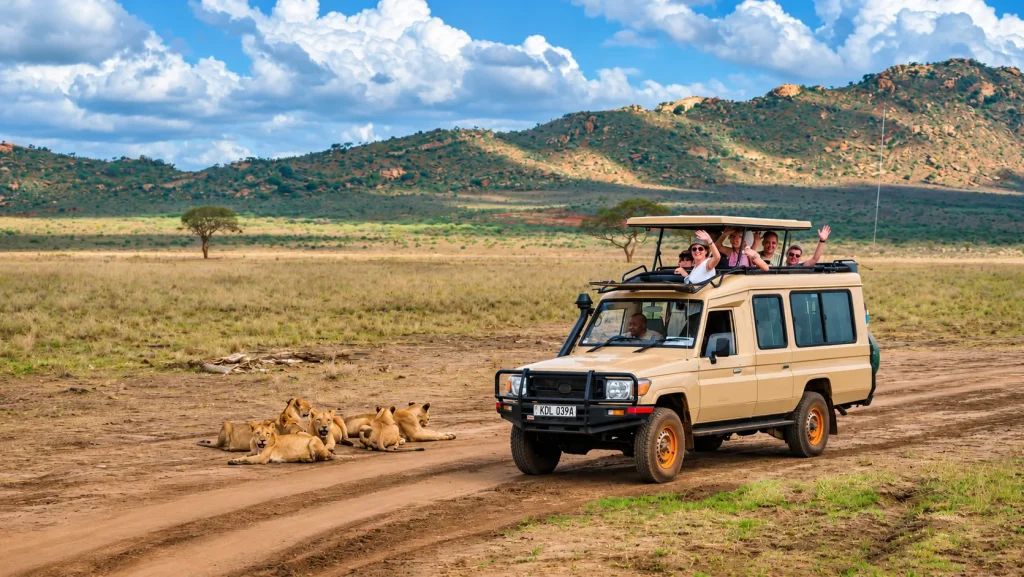
The vehicle influences comfort, wildlife viewing and the overall safari experience. Common options include safari-modified 4×4 Land Cruisers and other suitable safari vehicles, depending on the itinerary, and a 4×4 safari Land Cruiser is particularly popular for private wildlife safaris because of its off-road capability and elevated viewing arrangements.
When comparing quotations, ask whether the vehicle has a pop-up roof, how many passengers will share it and whether each guest has a suitable viewing position. Air conditioning, charging facilities and luggage space vary between vehicles, and for photographers, seating arrangements and access to both sides of the vehicle can be especially important.
Step 10: Check Park Fees and Conservancy Charges
National park and conservancy entrance fees can represent a significant part of a safari’s cost. Fees vary according to the protected area, visitor category, season and applicable regulations, and the Masai Mara National Reserve and neighbouring conservancies may have different charging structures and access rules. Do not assume that accommodation in a conservancy automatically includes unlimited access to the main reserve.
Before paying, ask your operator to confirm which entrance fees are included and whether any additional fees may apply. Because official rates can change, a quotation should identify the fees applicable to the intended travel dates.
Step 11: Confirm Availability Before Paying
Accommodation availability can change quickly, particularly during the main migration season, and a quotation does not always mean that every lodge room has been held. Before paying a deposit, ask whether the proposed accommodation is available and whether a temporary reservation has been made; if a particular property is unavailable, request a suitable alternative in the same accommodation category.
For group departures, confirm whether the departure is guaranteed and whether the minimum number of participants has been reached. For domestic flights, check the proposed schedule and luggage restrictions.
Step 12: Review the Payment Schedule
Safari operators commonly request an advance payment to secure accommodation and other services. The exact deposit percentage and balance deadline vary according to the operator, itinerary and supplier conditions. Before making payment, request a written invoice showing the total price, deposit amount, balance due and payment instructions, and check that the beneficiary details match the operator’s official information.
Avoid transferring money to an unfamiliar personal account without a clear explanation and independent verification. Where possible, communicate through the company’s established email address and confirm any unexpected change of bank details through a separate trusted channel.
Step 13: Understand Cancellation and Amendment Terms
Cancellation conditions are especially important because accommodation properties, airlines and specialist activity providers may have different policies. Some deposits may become non-refundable after bookings are confirmed, and changing travel dates may also involve additional costs, particularly during high-demand periods.
Before paying, request written information covering cancellation deadlines, refunds, date changes, no-shows and supplier charges. Travel insurance with suitable cancellation coverage can help reduce financial exposure, subject to the policy’s terms, and you should not rely on verbal assurances that a booking can always be changed without cost.
Step 14: Check Entry Requirements and Travel Documents
Before travelling, confirm Kenya’s current entry requirements for your nationality and circumstances. Many visitors may need an approved Electronic Travel Authorisation (eTA) or another applicable entry permission, subject to exemptions and current government rules, and you should use official Kenyan government sources to verify the latest requirements.
Your passport should meet the applicable validity requirements, and you may need to provide travel information or supporting documents. If your safari includes another country, such as Tanzania, confirm that country’s entry requirements separately, and travel health advice, vaccinations and insurance requirements should also be reviewed with qualified providers before departure.
Step 15: Arrange International Flights Carefully
When booking a Kenya safari, avoid scheduling a tight international connection immediately after a long road transfer, because road conditions, traffic and unexpected delays can affect arrival times. For safaris ending in Nairobi, it may be more comfortable to spend the final night in the city before an early international departure.
If you are flying from the Masai Mara or another safari destination, confirm the airstrip, flight schedule, baggage allowance and transfer arrangements. Domestic flight schedules can change, so allow suitable connection time.
Step 16: Prepare for Your Safari
Once your booking is confirmed, request your final itinerary, accommodation details, emergency contact information and any relevant vouchers. Pack comfortable neutral-coloured clothing, a warm layer for early morning game drives, sun protection and comfortable shoes.
- Binoculars are strongly recommended for wildlife viewing.
- Photographers should bring spare batteries, memory cards and protection against dust.
- Carry personal medication in your hand luggage and ensure that your travel insurance details are accessible.
Common Mistakes When Booking a Kenya Safari
One common mistake is choosing an itinerary based only on the number of destinations; visiting too many parks in a short period can result in long driving days and limited wildlife viewing. Another mistake is comparing prices without checking inclusions—a package that excludes park fees may appear cheaper but cost more after additional charges.
Travellers sometimes choose accommodation without considering its location, leading to unnecessary daily transfers, and booking too late during the migration season can also reduce accommodation choices. Finally, expecting guaranteed sightings of particular animals or river crossings can create unrealistic expectations: wildlife is unpredictable, and a good safari should be appreciated as a natural experience.
How Far in Advance Should You Book?
For travel during the main migration season, booking several months in advance is advisable, particularly for popular lodges and smaller camps. Families requiring interconnected rooms and groups needing several rooms should also plan early, and during quieter periods, more flexibility may be available. However, early planning is still useful when requesting specific accommodation, specialist activities or domestic flights.
Frequently Asked Questions
How Do I Book a Kenya Safari?
Choose your destinations and dates, request a detailed quotation, confirm availability, review the payment and cancellation terms, and pay the required deposit through verified channels.
How Much Deposit Is Required?
Deposit requirements vary by operator and supplier. The exact amount should be stated in your invoice and booking terms.
Can I Book a Kenya Safari Online?
Yes. Many operators accept enquiries and reservations online. Always verify the company and payment details before transferring funds.
Is a Private Safari Better Than a Group Safari?
Private safaris offer greater flexibility, while group safaris may reduce per-person costs. The best option depends on your budget and travel preferences.
Are Park Fees Included?
They may be, but you should confirm this in writing before booking.
Can I Change My Safari Dates?
Date changes depend on availability and the cancellation or amendment terms of the services booked.
Can I Combine Kenya with Tanzania?
Yes. Cross-border itineraries can be arranged, but travel times, entry requirements and transport logistics must be considered.
Book Your Kenya Safari with Safari Trips to Kenya
Booking a Kenya safari should be an enjoyable process built around clear information, realistic expectations and transparent pricing. At Safari Trips to Kenya, we can help you select suitable destinations, compare accommodation categories and arrange private or scheduled group safaris.
Whether you are planning a short Masai Mara safari, a family wildlife holiday, a luxury honeymoon or a longer Kenya safari-and-beach itinerary, our team can prepare a personalised proposal. Send us your travel dates, number of travellers, accommodation preferences and preferred destinations to begin planning your Kenya safari.