

The Central Serengeti is one of the most rewarding wildlife destinations in East Africa. Its landscapes combine open grasslands, scattered acacia trees, rocky outcrops and riverine habitats that support an extraordinary variety of animals throughout the year.
While many travellers associate the Serengeti with the Great Wildebeest Migration, the central region offers something equally important: a substantial resident wildlife population. Lions rest on rocky outcrops, leopards may be found in suitable woodland and riverine habitats, cheetahs hunt across open plains, and herds of zebras, buffaloes, giraffes and other herbivores move through the landscape.
At the heart of this region is the Seronera Valley, one of the best-known safari areas within Serengeti National Park. For travellers planning a Tanzania extension after a Kenya safari, Central Serengeti provides an opportunity to explore a different part of the wider Serengeti–Mara ecosystem. At Safari Trips to Kenya, we help travellers combine the Masai Mara, northern Tanzania and other East African destinations into practical wildlife itineraries.
Where Is Central Serengeti?
Central Serengeti is located within Serengeti National Park in northern Tanzania. The region is generally associated with the Seronera area and surrounding grassland, woodland and riverine habitats. Serengeti National Park forms part of a much larger ecosystem extending across northern Tanzania and into Kenya’s Masai Mara.
Although the two countries share an ecological landscape, the protected areas have different management systems, entrance fees and access arrangements. The Central Serengeti is situated between the southern short-grass plains and the northern migration areas. This central position makes it a useful destination for itineraries travelling between different parts of the national park.
What Makes Central Serengeti Special?
The region’s appeal comes from its habitat diversity and resident wildlife. Open grasslands provide hunting areas for cheetahs and grazing opportunities for herbivores. Riverine vegetation supports species that prefer shade and cover. Rocky outcrops, known as kopjes, create distinctive landmarks and may provide resting places or observation points for predators.
The Seronera area is particularly famous for big-cat sightings. However, wildlife remains unpredictable, and even productive safari areas cannot guarantee specific encounters. Central Serengeti is also an excellent place to observe ecological relationships between predators, grazers and scavengers.
Seronera Valley: The Heart of Central Serengeti
The Seronera Valley is one of the most visited areas of Serengeti National Park. Its river systems and surrounding habitats provide important resources for wildlife. The presence of permanent or seasonal water and varied vegetation contributes to year-round animal activity.
The area is well known for lions and leopards, although sightings depend on animal behaviour and conditions. Game drives may also reveal elephants, buffaloes, giraffes, zebras, antelopes and numerous bird species. The landscape is especially attractive for photographers because of its combination of open views, trees and rocky features.
Wildlife in Central Serengeti
Lions
Central Serengeti is one of the best-known places in Tanzania for observing lions. Prides occupy territories that may include grasslands, kopjes and riverine habitats. Visitors may encounter lions resting, interacting or moving through the landscape. Hunting activity is possible but unpredictable.
Leopards
Leopards are more elusive than lions. They often use habitats offering cover, including woodland and riverine areas. An experienced guide may search suitable trees and other locations where leopards are sometimes observed. However, no leopard sighting can be guaranteed.
Cheetahs
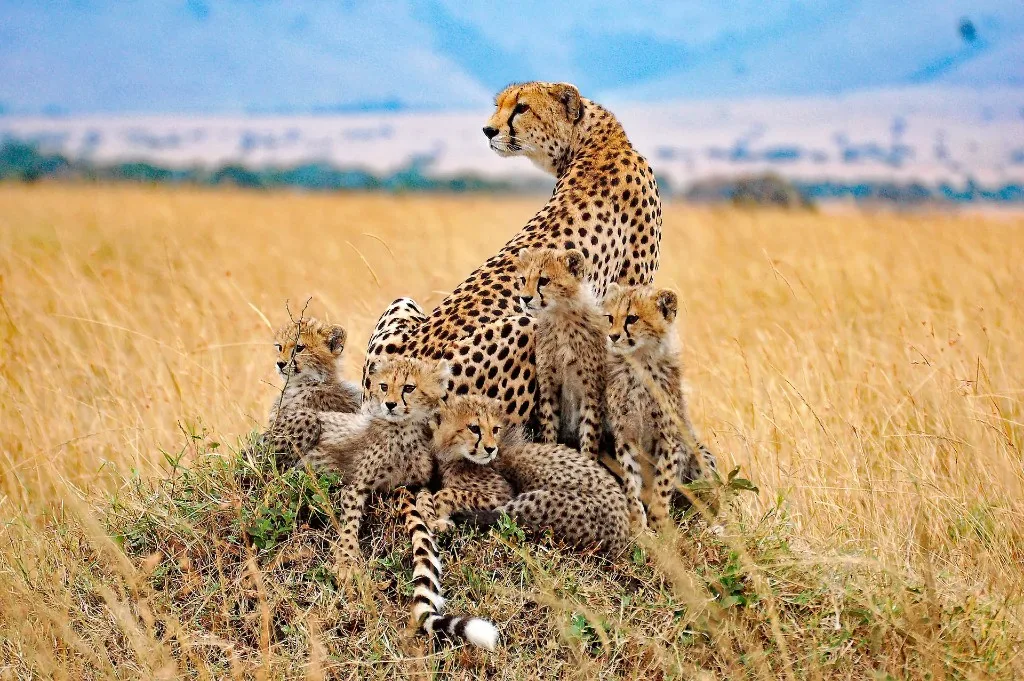
Cheetahs are associated with open habitats where they can use their speed to pursue prey. The Central Serengeti’s grasslands provide suitable environments in some areas. Photographers may have opportunities to observe cheetahs resting, scanning the plains or moving through their territories.
Elephants
Elephants occur in the Central Serengeti and may be encountered in family groups. Their movements depend on food, water and seasonal conditions.
Buffaloes
African buffaloes are among the large herbivores found in the region. They may form substantial herds and occupy grassland or woodland habitats.
Giraffes
Giraffes are frequently associated with acacia woodland and other suitable browsing habitats. Their height and distinctive appearance make them popular photographic subjects.
Zebras and Wildebeest
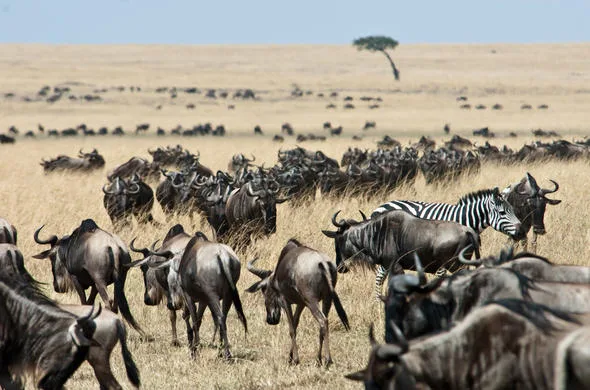
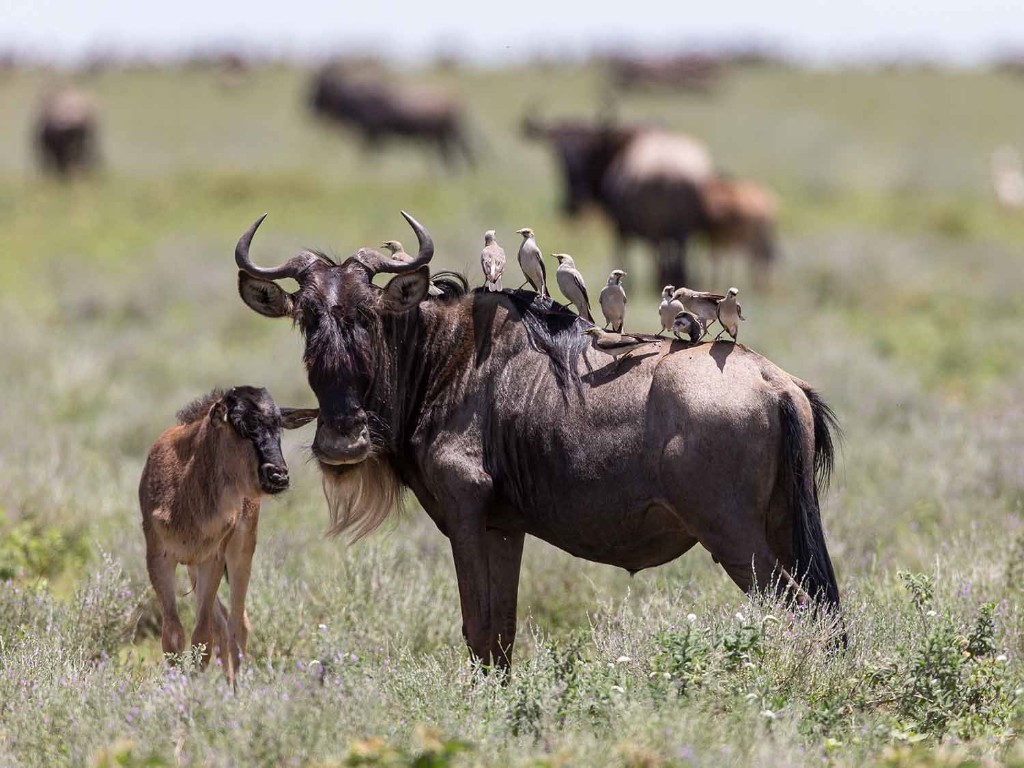
Zebras and wildebeest may be encountered in Central Serengeti. The abundance of migrating wildebeest varies seasonally. Resident animals and smaller groups may be present even when the main migration concentrations are elsewhere.
Birds
The region supports a wide variety of birds, including raptors, vultures, ostriches and numerous smaller species. Birdwatching can be rewarding throughout the year, with seasonal variation.
Central Serengeti and the Great Wildebeest Migration
The Great Wildebeest Migration is a seasonal movement through the Serengeti–Mara ecosystem. Central Serengeti forms part of the wider landscape used by migrating animals. However, the main herds do not remain in the central region throughout the year.
During some periods, substantial groups may move through the area as they travel between southern and northern grazing grounds. At other times, the principal migration concentrations may be in the southern Serengeti, western corridor, northern Serengeti or Masai Mara. Travellers should therefore distinguish between a Central Serengeti wildlife safari and a migration-focused itinerary designed around current seasonal patterns.
Best Time to Visit Central Serengeti
Central Serengeti is a year-round safari destination.
January to March
The wider Serengeti ecosystem is influenced by wet-season conditions. The principal wildebeest calving areas are generally farther south, although resident wildlife remains present in the central region.
April to May
Rainfall may be substantial. Vegetation can become lush, and some tracks may be difficult after heavy rain. Wildlife viewing remains possible, but travel conditions require flexibility.
June to October
These months are popular for safari travel. The principal migration herds may be moving through other parts of the ecosystem, but Central Serengeti continues to offer resident wildlife viewing.
November to December
Seasonal rains may bring changing vegetation and animal movements. Conditions vary from year to year. The best time depends on whether your priority is resident predators, photography, general wildlife or the migration.
Central Serengeti Versus Northern Serengeti
Central and northern Serengeti offer different experiences. Central Serengeti is particularly attractive for year-round resident wildlife, including big cats. Northern Serengeti is associated with migration activity and potential Mara River crossings during suitable months.
The northern region is more remote from some common southern entry routes. Travellers hoping to see river crossings should not assume that staying in Seronera will provide convenient daily access to all northern crossing areas. The distances can be substantial. For a crossing-focused safari, accommodation closer to the relevant northern region may be more practical.
Central Serengeti Versus Southern Serengeti
The southern Serengeti is famous for short-grass plains and the principal wildebeest calving period. Central Serengeti has more varied habitats and a strong resident wildlife population. During February, travellers particularly interested in newborn wildebeest should generally prioritise the southern Serengeti and Ndutu region.
Those interested in lions, leopards and varied wildlife throughout the year may find Central Serengeti particularly rewarding. A longer itinerary can include both regions.
Central Serengeti Versus Masai Mara
The Masai Mara and Central Serengeti belong to the same wider ecosystem but offer different safari experiences. The Masai Mara is located in Kenya and is well known for its grasslands, predators and seasonal migration concentrations. Central Serengeti is in Tanzania and offers extensive habitats around Seronera.
Both destinations support excellent wildlife viewing. The best choice depends on travel dates, access routes, accommodation preferences and the overall safari programme. Travellers with sufficient time may choose to visit both.
How to Reach Central Serengeti
By Road from Arusha
Central Serengeti can be reached by road from Arusha, commonly via the Ngorongoro area. The journey is long and depends on road conditions, park procedures and the route selected. Many travellers include overnight stops or combine the transfer with visits to other northern Tanzania destinations.
By Domestic Flight
Scheduled and charter flights may serve Seronera Airstrip, depending on the operator and season. Flying can reduce travel time compared with a full road transfer. However, baggage restrictions and schedules should be confirmed.
From Kenya
Travellers combining Kenya and Tanzania may use suitable flight connections or authorised land border crossings. The most practical route depends on the itinerary. A direct game-drive transfer across the Masai Mara–Serengeti international boundary should not be assumed possible. Cross-border journeys generally require designated immigration routes and separate transport arrangements.
Accommodation in Central Serengeti
Central Serengeti offers a wide range of accommodation.
Essential Accommodation
Essential options focus on practical lodging and value. Depending on the itinerary, these may include authorised camping arrangements or simpler properties serving the wider region.
Comfort Accommodation
Comfort safari camps provide furnished accommodation, meals and convenient access to game-drive areas. Facilities vary by property.
Premium Accommodation
Premium camps and lodges generally offer enhanced facilities, spacious accommodation and higher service standards.
Signature Accommodation
Signature properties emphasise distinctive locations, personalised hospitality and an exclusive atmosphere. The best accommodation is not necessarily the most expensive. Location, access to wildlife areas and the number of nights can have a greater effect on the overall safari experience.
How Many Days Should You Spend?
Two nights provide an introduction to Central Serengeti. Three nights are preferable for travellers who want several substantial game drives. Four or more nights allow greater flexibility for wildlife photography and exploring different habitats.
A longer stay is particularly useful when travelling by road because arrival and departure days may include significant transfer time.
Suggested Five-Day Central Serengeti Safari
Day 1: Arrival in Arusha
Arrive in northern Tanzania and transfer to your hotel. Meet your safari representative and review the travel arrangements.
Day 2: Arusha to Central Serengeti
Travel towards Serengeti National Park through the agreed route. Depending on timing, enjoy wildlife viewing before arriving at your accommodation.
Day 3: Full-Day Seronera Wildlife Safari
Explore the Seronera Valley and surrounding habitats. Search for lions, leopards, elephants, buffaloes, giraffes and other wildlife. Enjoy a picnic lunch at an authorised location.
Day 4: Central Serengeti Game Drives
Spend another day exploring suitable areas. Your guide may focus on predator activity, riverine habitats or open grasslands according to current wildlife conditions.
Day 5: Return or Onward Travel
Depart for Arusha or continue to another Tanzania destination according to the itinerary.
Central Serengeti Photography
Central Serengeti is particularly attractive for wildlife photography. The region’s kopjes, acacia trees and open plains provide varied backgrounds. Early morning and late afternoon often offer favourable light.
Photographers interested in big cats may benefit from a private vehicle, allowing more flexibility at sightings. A telephoto lens is useful for animal portraits, while a wider lens can capture landscape context. All photography should follow park regulations and avoid disturbing wildlife.
Family Safaris in Central Serengeti
Families can enjoy Central Serengeti safaris with suitable accommodation and a carefully planned schedule. A private vehicle allows flexibility with game-drive duration and rest stops. Parents should consider children’s ages, tolerance for long drives and accommodation policies.
Some lodges offer family tents or interconnected rooms, subject to availability. Children must follow camp safety instructions because wildlife may move through unfenced safari areas.
Honeymoon Safaris in Central Serengeti
Central Serengeti can be a rewarding destination for honeymooners. Premium and Signature camps may offer intimate settings and personalised services. Couples can combine wildlife viewing with relaxing evenings in a safari camp.
A longer honeymoon itinerary might include the Serengeti, Ngorongoro and the Indian Ocean coast. Specific honeymoon benefits vary by property and should be confirmed rather than assumed.
Central Serengeti Safari Costs
The total cost depends on travel duration, accommodation, transport, park fees and group size. Flying into Seronera may increase transport costs but reduce road travel. Private safaris provide flexibility, while shared arrangements may offer lower per-person costs where available.
A quotation should clearly identify accommodation, meals, vehicle arrangements, guiding, park fees and any domestic flights.
Conservation and Responsible Tourism
Serengeti National Park protects important habitats and wildlife populations. Responsible tourism helps minimise disturbance. Visitors should:
- Remain on authorised tracks and follow guide instructions
- Avoid approaching animals too closely or feeding wildlife
- Keep noise to a minimum at sensitive sightings
- Respect accommodation safety procedures and avoid leaving designated areas without permission
Frequently Asked Questions
Is Central Serengeti Good for Wildlife?
Yes. The Seronera region is well known for resident wildlife, including lions, leopards, elephants and other species.
Is Central Serengeti Good All Year?
Yes. Wildlife viewing is possible throughout the year, although rainfall and seasonal movements affect conditions.
Can I See the Great Migration in Central Serengeti?
Migrating herds may pass through the region during parts of the year, but the main concentrations move seasonally.
Is Seronera the Same as Central Serengeti?
Seronera is a principal area within the Central Serengeti region.
How Many Nights Do I Need?
Three nights are a useful choice for many travellers, while longer stays offer greater flexibility.
Can I Combine Central Serengeti with Kenya?
Yes. A Kenya and Tanzania safari can include Central Serengeti with suitable transport and border arrangements.
Book Your Central Serengeti Safari
The Central Serengeti offers an exceptional combination of resident wildlife, varied landscapes and year-round safari opportunities. Whether your priority is big-cat photography, a family safari or a longer East African wildlife holiday, the Seronera region deserves serious consideration.
At Safari Trips to Kenya, we can help combine Central Serengeti with the Masai Mara, Amboseli and other destinations according to your dates and interests.
END-OF: `/tanzania/central-serengeti/` PERMALINK: `/wildebeest-migration/locations/central-serengeti-migration/`