10 Days Kenya Northern Reserves and Maasai Mara
A 10 day Kenya journey connecting Nairobi, Ol Pejeta, Samburu or Buffalo Springs, Solio, Lake Nakuru, Maasai Mara…
Lake Naivasha, Lake Nakuru, Masai Mara
View SafariHandpicked Ol Pejeta Safari Tours for Every Traveler
Explore Nairobi to Ol Pejeta safari itineraries, rhino conservation, chimpanzee sanctuary visits, game drives, accommodation and practical Laikipia travel advice.
Ol Pejeta Conservancy is a privately managed wildlife conservancy in Laikipia County, near Nanyuki and the foothills of Mount Kenya. It covers approximately 360 square kilometres and combines biodiversity conservation, wildlife protection, tourism and community-focused initiatives.
The conservancy is recognised for its substantial black rhino population and its work with other threatened species. It also provides a sanctuary for rescued chimpanzees, which are not native to Kenya.
Ol Pejeta's landscape includes grasslands, woodland and riverine habitats supporting a wide range of mammals and birds. The area forms part of the broader Laikipia ecosystem, where wildlife conservation operates alongside ranching, agriculture and community land use.
Visitors can explore the conservancy through guided game drives and selected conservation experiences. Some activities require advance booking, additional fees or special arrangements, so they should not automatically be treated as included in a standard safari package.
Showing 1–12 of 13 safaris
A 10 day Kenya journey connecting Nairobi, Ol Pejeta, Samburu or Buffalo Springs, Solio, Lake Nakuru, Maasai Mara…
Lake Naivasha, Lake Nakuru, Masai Mara
View SafariPlan a 10 Days Samburu, Ol Pejeta & Masai Mara with expert guides, game drives and carefully chosen…
Masai Mara, Samburu, Ol Pejeta
View SafariPlan a 11 Days Samburu, Ol Pejeta, Nakuru & Mara with expert guides, game drives and carefully chosen…
Lake Nakuru, Samburu, Ol Pejeta
View SafariA 14 day Kenya journey connecting Nairobi, Ol Pejeta, Samburu, Solio, Lake Nakuru, Maasai Mara, Lake Naivasha, Amboseli,…
Amboseli, Lake Naivasha, Lake Nakuru
View SafariA 14 day Kenya journey connecting Nairobi, Ol Pejeta, Samburu, Solio, Lake Naivasha, Maasai Mara and Diani Beach.
Diani Beach, Lake Naivasha, Masai Mara
View SafariA 15 day Kenya journey connecting Nairobi, Ol Pejeta, Samburu or Buffalo Springs, Solio, Lake Nakuru, Maasai Mara,…
Amboseli, Lake Naivasha, Lake Nakuru
View SafariA 16 day Kenya journey connecting Nairobi, Ol Pejeta, Samburu or Buffalo Springs, Solio, Lake Nakuru, Maasai Mara,…
Amboseli, Diani Beach, Lake Naivasha
View SafariA 18 day Kenya journey connecting Nairobi, Ol Pejeta, Samburu or Buffalo Springs, Solio, Lake Nakuru, Maasai Mara,…
Amboseli, Diani Beach, Lake Naivasha
View SafariPlan a 3 Days Ol Pejeta Safari with expert guides, game drives and carefully chosen camps. Request a…
Ol Pejeta
View SafariDiscover northern Kenya on a 5 Days Samburu & Ol Pejeta safari, featuring Samburu's Special Five, elephants, rhino…
Samburu, Ol Pejeta
View SafariA 6 day Kenya journey connecting Nairobi, Ol Pejeta, Samburu or Buffalo Springs and Aberdare.
Aberdare, Nairobi, Ol Pejeta
View SafariA 8 day Kenya journey connecting Nairobi, Ol Pejeta, Solio, Lake Nakuru, Maasai Mara and Lake Naivasha.
Lake Naivasha, Lake Nakuru, Masai Mara
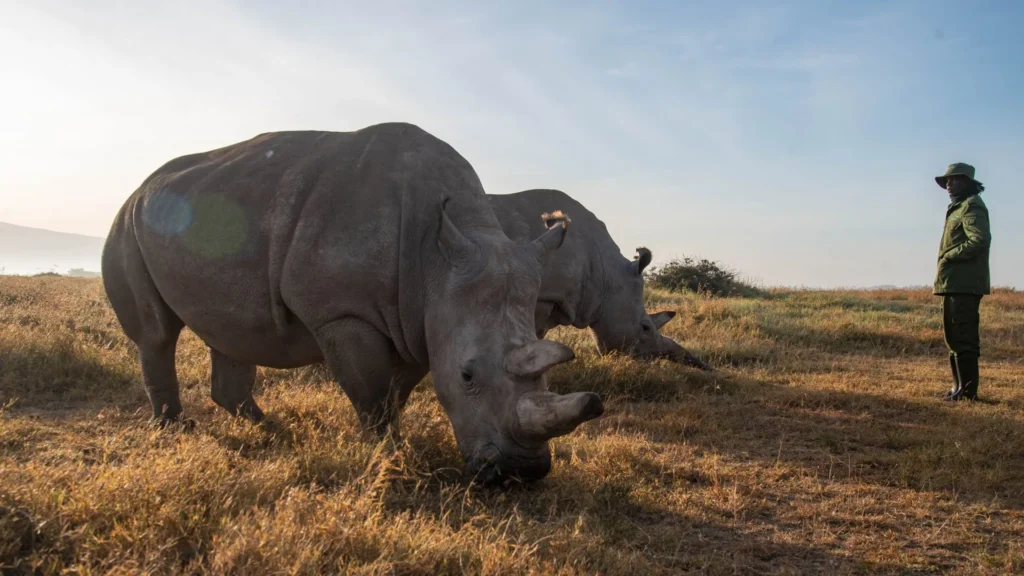
View SafariOl Pejeta is one of the most important rhino conservation destinations in East Africa. It protects a substantial population of eastern black rhinos and southern white rhinos, while also caring for the last two surviving northern white rhinos, Najin and Fatu.
The northern white rhino's situation illustrates the consequences of habitat loss, poaching and long-term population decline. The remaining animals are protected under carefully managed conditions, and international scientific efforts continue to investigate possible ways of preventing the complete loss of the subspecies.
For travellers, visiting Ol Pejeta provides an opportunity to learn about these challenges directly. However, access to particular conservation areas is controlled, and any special rhino experience must be confirmed according to the conservancy's current rules.
The Sweetwaters Chimpanzee Sanctuary is one of Ol Pejeta's most distinctive attractions. It provides refuge for chimpanzees rescued from difficult circumstances, including illegal wildlife trade and unsuitable captivity.
Chimpanzees are not naturally distributed in Kenya, so the sanctuary should not be confused with a wild chimpanzee trekking destination. The animals live in a protected care environment, and visitor experiences are designed around conservation education and animal welfare.
A visit can help travellers understand the threats facing great apes and the long-term responsibilities involved in caring for rescued animals.
Ol Pejeta supports all five species traditionally associated with the African Big Five: lion, leopard, elephant, rhino and buffalo.
This does not mean visitors will see all five during a short safari. Leopards are especially elusive, and animal movements vary with weather, habitat and time of day.
The conservancy is particularly attractive because visitors can combine general wildlife viewing with focused conservation experiences.
Ol Pejeta is accessible by road from Nairobi, making it suitable for a short safari without the long transfers required for some more distant destinations.
The conservancy's official visitor information places it approximately 220 kilometres from Nairobi, with a typical journey of around four hours. Actual travel times can be longer depending on traffic, stops and accommodation location.
This accessibility makes Ol Pejeta appealing for families, travellers with limited time and visitors wanting to explore central Kenya.
The most common road route travels north from Nairobi through central Kenya towards Nanyuki. Depending on the selected route, travellers may pass through areas associated with Thika, the central highlands and the Mount Kenya region.
The journey introduces visitors to changing agricultural landscapes, roadside towns and distant views of the highlands. As the route approaches Nanyuki, the terrain becomes increasingly associated with the Laikipia plateau.
A Nairobi to Ol Pejeta Road Safari generally requires approximately four to five hours, allowing for normal traffic and stops. Delays may occur around Nairobi or on busy sections of the highway.
The final transfer depends on the conservancy entrance and selected accommodation. A professional guide will plan the route to ensure that visitors arrive with sufficient time for check-in and any scheduled afternoon activities.
A private 4x4 safari vehicle is a practical choice because it can be used for the road journey and game drives, subject to the selected arrangements.
Private transport provides flexibility for comfort stops, photography and changes in the itinerary.
Travellers wishing to reduce road travel may consider domestic flights to Nanyuki, followed by a ground transfer to Ol Pejeta.
Flight schedules, luggage allowances and transfer arrangements should be confirmed before booking. Flying may be particularly attractive for luxury travellers or those combining several destinations.
The following is a recommended three-day programme. It is an illustrative itinerary rather than a confirmed departure, and accommodation, meals, entrance fees and optional conservation experiences should be specified in the final quotation.
Your safari begins with pickup from your Nairobi hotel or another agreed location. After meeting your professional driver-guide, depart north towards the central highlands and the Laikipia region. The journey offers an opportunity to see a different side of Kenya, passing through agricultural landscapes, commercial towns and countryside associated with the Mount Kenya region.
Depending on weather and the selected route, distant mountain views may be possible. Your guide can explain the geographical differences between the central highlands and the drier landscapes of Laikipia, as well as the importance of conservation areas in northern and central Kenya.
Arrive in the Ol Pejeta area around midday or early afternoon, depending on departure time and road conditions. Proceed to your selected lodge or camp for check-in and lunch if included in the confirmed package. After a short rest, prepare for the first game drive.
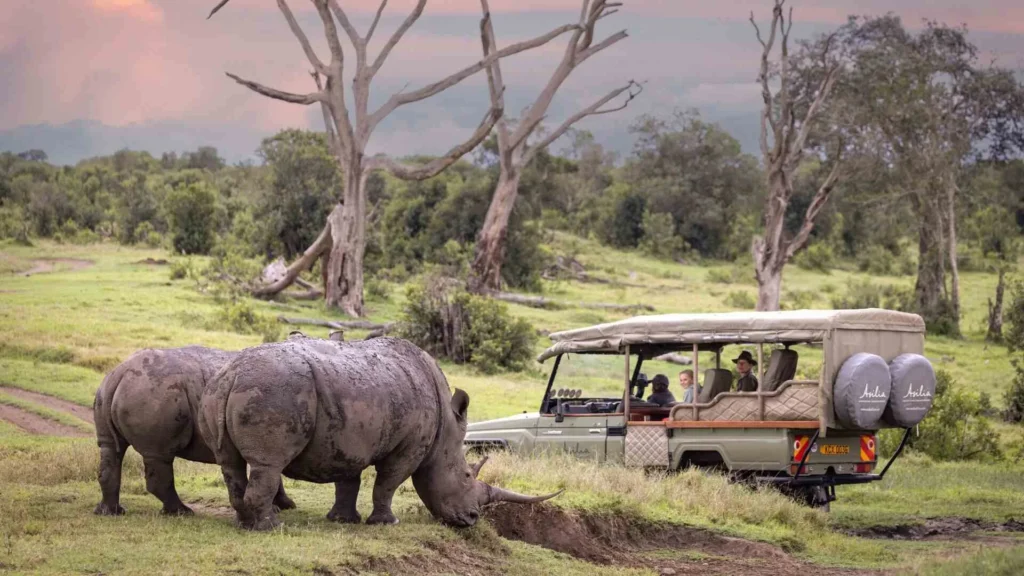
During the afternoon, explore suitable conservancy tracks in search of rhinos, elephants, buffaloes, giraffes, zebras and other wildlife. Your guide will introduce the conservancy's conservation work and explain how different animals use the grassland and woodland habitats.
The game drive provides a useful introduction to the area before the more focused conservation experiences planned for the following day. Return to your accommodation in the evening for dinner and overnight.
Approximate road journey: 4–5 hours, depending on traffic and stops.
Accommodation: Selected Essential, Comfort, Premium or Signature property in or around Ol Pejeta.
Meals: As confirmed in the final quotation.
Begin the morning with an early game drive, when temperatures are cooler and wildlife may be active. Your guide explores different parts of the conservancy, searching for rhinos and other large mammals while interpreting animal behaviour and the surrounding environment.
Black rhinos and white rhinos use different feeding strategies and habitats. Your guide can explain these distinctions and describe the conservation measures needed to protect them. Although rhino viewing is one of Ol Pejeta's main attractions, the animals remain wild and their movements cannot be guaranteed.
During the day, include a visit to the Sweetwaters Chimpanzee Sanctuary if it is part of the confirmed programme and visitor access is available. The sanctuary provides an opportunity to learn about rescued chimpanzees and the threats facing great apes. The experience is educational and should be approached with respect for the animals' welfare.
Depending on the package, travellers may also arrange a special conservation activity associated with the northern white rhinos or other protected wildlife. Such experiences may require separate reservations and additional fees, and availability should be confirmed well in advance.
Lunch can be arranged at the lodge or through another suitable meal arrangement. The afternoon may be devoted to additional game drives, allowing time to explore habitats not visited during the morning.
Look for elephants, buffaloes, giraffes, zebras, antelopes and predators such as lions. Birdwatchers may also enjoy the variety of species found in the conservancy's grasslands and woodland.
Return to your lodge or camp in the evening for dinner and overnight. The exact order of activities should be adjusted around conservation experience schedules, weather and wildlife movements.
Safari activities: Game drives and confirmed conservation visits.
Accommodation: Second night in the Ol Pejeta area.
Meals: According to the agreed package.
Begin your final morning with breakfast and, where time permits, a short game drive. This provides another opportunity to observe wildlife under cooler conditions and photograph the Laikipia landscape.
Depending on your accommodation location and departure schedule, you may encounter animals while travelling towards the conservancy exit. Your guide will balance wildlife viewing with the need to complete the return journey comfortably.
After checkout, depart towards Nanyuki and continue south to Nairobi. The drive passes through central Kenya's agricultural and highland landscapes, with suitable stops for refreshments and comfort.
Arrive in Nairobi during the afternoon or early evening, depending on road conditions and departure time. Your safari ends with drop-off at the agreed hotel, residence or other location.
Travellers connecting to international flights should allow generous additional time or consider an overnight stay in Nairobi before departure.
Approximate return drive: 4–5 hours or longer depending on traffic.
End of safari: Nairobi.
A 2 Days Ol Pejeta Safari is suitable for travellers with limited time who want to experience the conservancy's wildlife and conservation work.
Depart Nairobi early and travel towards Nanyuki and Ol Pejeta. After arrival and check-in, enjoy an afternoon game drive focusing on rhinos and other wildlife.
Spend the night at a selected lodge or camp.
Begin with an early game drive or a prearranged conservation experience, depending on availability and the confirmed itinerary.
After breakfast and checkout, travel back to Nairobi, arriving later in the day.
A two-day programme requires careful scheduling. Travellers who want to include both the chimpanzee sanctuary and specialist rhino experiences should consider three days, especially when activities have fixed visitor times.
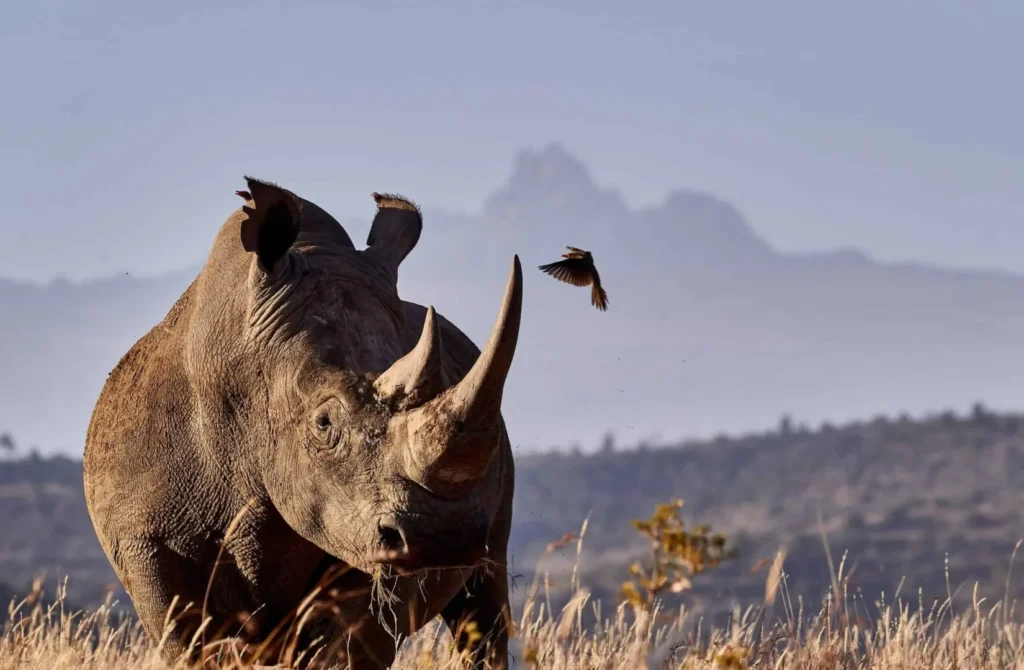
The eastern black rhino is one of Ol Pejeta's most important conservation species. Black rhinos are browsers, using their pointed upper lips to feed on leaves, shoots and woody vegetation.
They can be difficult to observe in dense vegetation, and guides should maintain safe distances because rhinos may react defensively when disturbed.
Ol Pejeta's protection programmes demonstrate the importance of monitoring, security and long-term habitat management.
Southern white rhinos are generally associated with open grassy habitats. Their broad mouths are adapted for grazing, and they may be encountered in small groups.
Visitors can learn to distinguish white and black rhinos by body shape, head position, mouth structure and feeding behaviour.
The northern white rhino is among the most endangered large mammals in the world. The last two surviving individuals, Najin and Fatu, live under protection at Ol Pejeta.
Their conservation story is particularly significant because the subspecies is functionally extinct, with no surviving males. Scientific programmes involving reproductive technologies are being pursued, but their outcomes remain uncertain.
Special visitor experiences associated with these rhinos are managed carefully and should be booked through authorised channels.
African elephants occur within the conservancy and may be observed feeding, travelling or interacting in family groups.
Elephant viewing provides opportunities to understand social relationships and the importance of wildlife movement corridors.
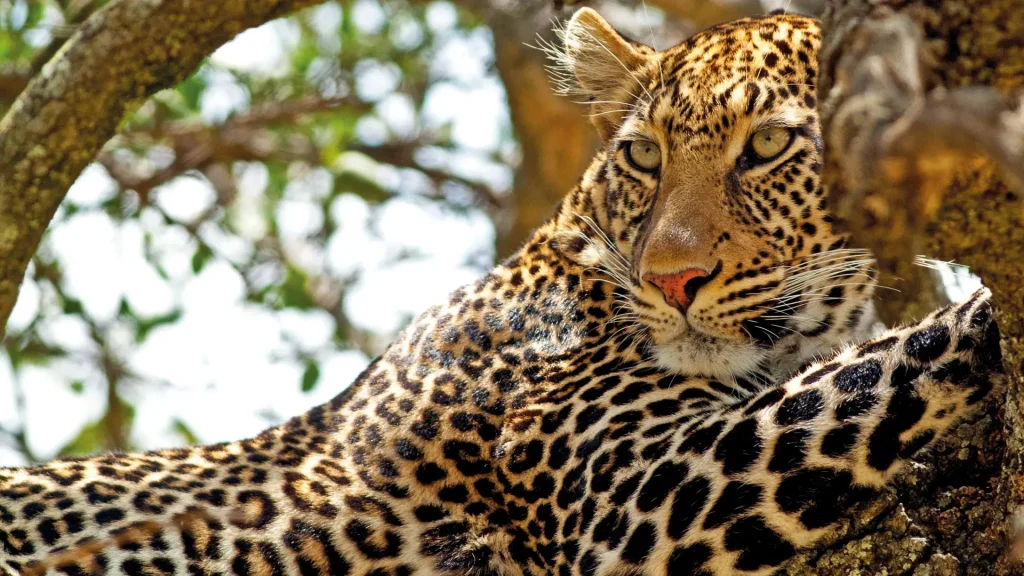
Lions and leopards inhabit suitable areas of Ol Pejeta. Lions may be encountered in open country, while leopards are generally more elusive.
Predator sightings depend on natural movements and should never be guaranteed.
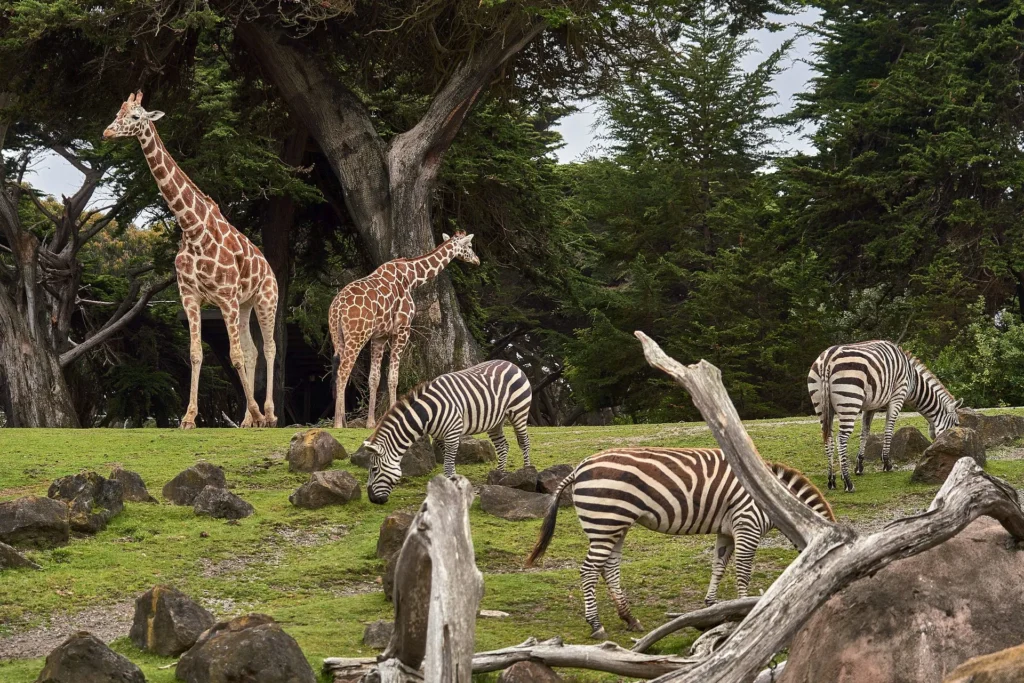
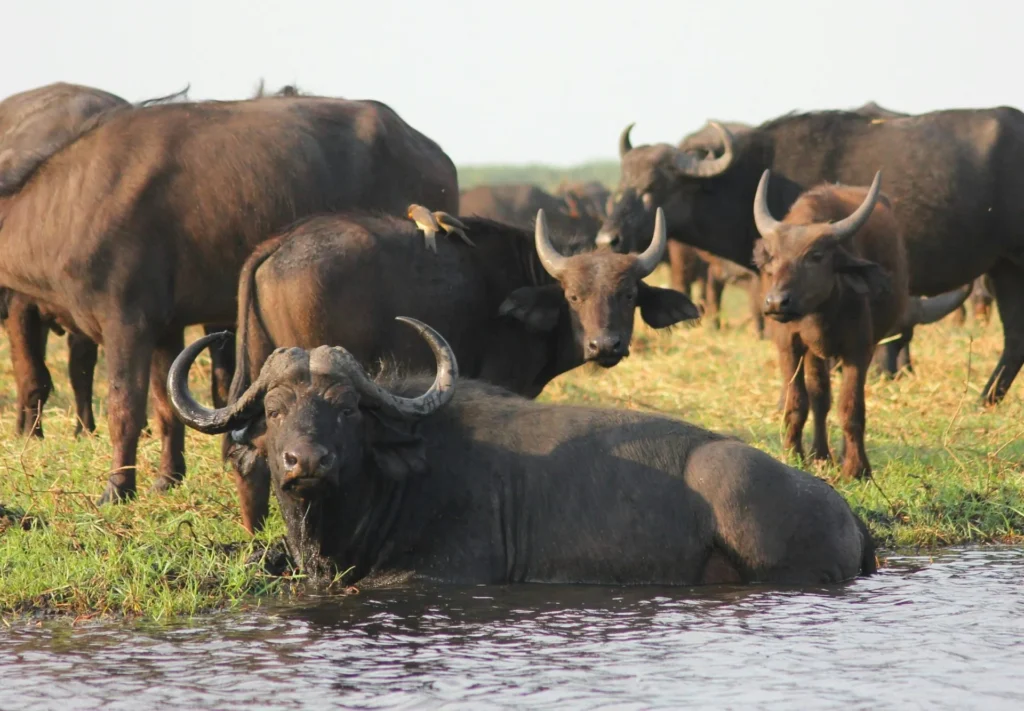
African buffaloes, giraffes and zebras contribute to the conservancy's varied wildlife population.
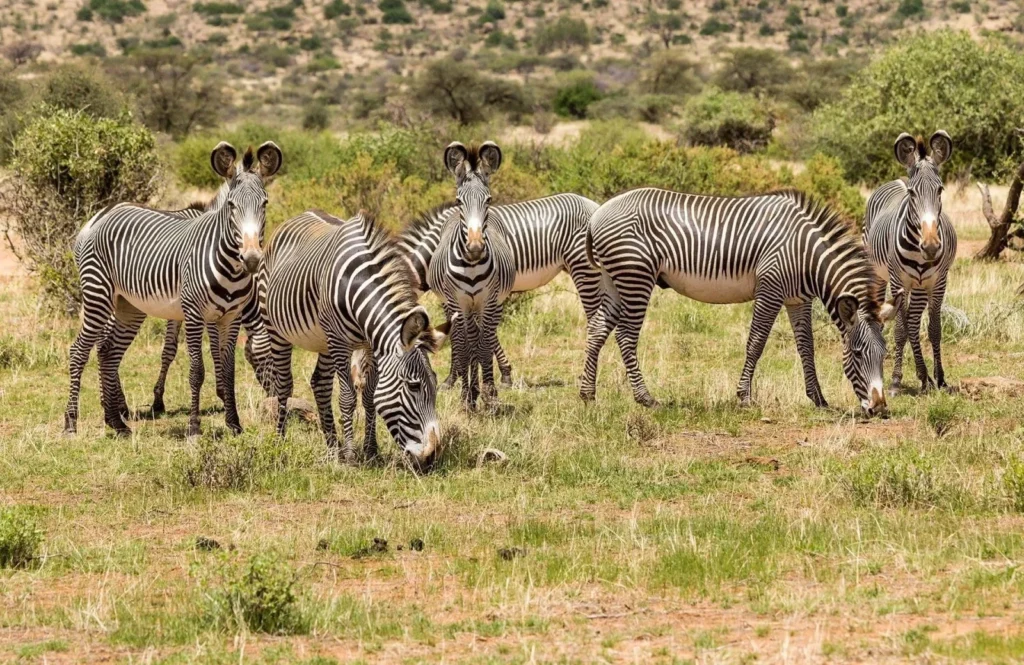
Laikipia is also associated with conservation of threatened species such as Grevy's zebra, although the presence and visibility of particular species depend on the location and current conservation conditions.
The Sweetwaters Chimpanzee Sanctuary is an important part of Ol Pejeta's conservation identity. It provides long-term care for chimpanzees rescued from unsuitable or dangerous circumstances.
Chimpanzees are highly intelligent, social primates requiring complex care and suitable environments. Their rehabilitation involves specialised feeding, veterinary attention, social management and behavioural monitoring.
The sanctuary helps visitors understand the consequences of illegal wildlife trade and the difficulties involved in caring for animals that cannot simply be released into unfamiliar habitats.
A sanctuary visit should not be described as chimpanzee trekking. Unlike wild chimpanzee trekking experiences in Uganda or Tanzania, this is a controlled conservation facility.
Visitor arrangements may change according to animal welfare requirements and operational conditions. Confirm access, timing and any additional charges before booking.
Ol Pejeta offers selected experiences that go beyond conventional game drives. These may include opportunities to learn more about rhino conservation, wildlife protection and other conservation programmes.
Some experiences are restricted, require advance booking or involve additional charges. Availability may also depend on animal welfare considerations and operational schedules.
Travellers interested in a particular activity should request confirmation before finalising the safari itinerary.
The most rewarding conservation experiences are those that provide genuine educational value without disrupting wildlife or interfering with conservation work.
Ol Pejeta can be visited throughout the year, although weather and vegetation affect the experience.
These months often bring relatively dry conditions. Wildlife viewing can be rewarding, and open areas may provide good visibility.
Early mornings can still be cool because of the conservancy's elevation.
The longer rainy season generally occurs around these months. Rain can make the landscape greener and improve conditions for some bird species.
However, wet tracks may affect game drive routes, and travellers should use suitable vehicles.
This period often offers comparatively dry conditions and is popular for Kenya wildlife safaris.
Morning and evening temperatures can be cool, so warm layers are useful.
The shorter rainy season may bring fresh vegetation and changing wildlife distribution.
Rainfall patterns vary between years, and visitors should plan with some flexibility.
There is no single month that guarantees particular wildlife encounters. Travellers interested in specialist conservation activities should prioritise availability and appropriate scheduling.
Accommodation is available within and around the conservancy, with different standards, settings and access arrangements.
Essential Ol Pejeta Accommodation focuses on practical comfort and affordability. Some properties may be located outside the conservancy, requiring additional transfers.
Travellers should check room facilities, meal arrangements and the distance to the entrance.
Comfort Ol Pejeta Safari Lodges offer a balance between price and facilities. They are suitable for couples, families and small groups seeking dependable accommodation.
Location can influence how much time is available for early morning game drives.
Premium Ol Pejeta Safari Camps may provide upgraded rooms, attractive settings and more personalised hospitality.
Properties such as Sweetwaters Serena Camp are established options within the conservancy, subject to availability and current arrangements.
Signature Ol Pejeta Safari Accommodation focuses on distinctive hospitality and higher-end facilities. Properties such as Ol Pejeta Bush Camp may appeal to travellers seeking an intimate safari setting.
Accommodation categories should be based on the actual room type, services and traveller expectations rather than the property's name alone.
The cost of a Nairobi to Ol Pejeta Safari depends on the number of travellers, duration, accommodation category, transport method and selected activities.
A private safari for two travellers generally has a higher per-person transport cost than a group sharing the same vehicle and guide.
Accommodation rates may vary by season and room category. Specialist conservation experiences can also add to the total cost.
Conservancy entry fees are set by Ol Pejeta and may differ according to visitor category, age and current policies. These should be verified when preparing a quotation.
A clear safari proposal should identify the exact inclusions and exclusions so travellers understand what they are paying for.
Depending on the selected package, inclusions may cover private safari transport, professional guiding, accommodation, specified meals, scheduled game drives and conservancy entrance fees.
Special activities, chimpanzee sanctuary visits and rhino conservation experiences should be listed individually where included.
Travellers should not assume that every activity advertised at Ol Pejeta is automatically part of a standard safari package.
Unless expressly included, international flights, travel insurance, personal expenses, gratuities and additional drinks may be excluded.
Optional conservation activities, accommodation upgrades and specialist guiding may carry separate charges.
Travellers should also check current immigration requirements and any applicable travel authorisation arrangements before arriving in Kenya.
A Private Ol Pejeta Safari provides exclusive use of the arranged vehicle and guide. This allows greater flexibility for photography, family needs and the timing of conservation activities.
Private arrangements are particularly useful when travellers want to combine game drives with specific experiences requiring reservations.
A group safari can reduce transport costs and provide a social travel experience.
However, the itinerary follows a shared schedule, and specialist activities may not be available to every group departure.
Before booking, confirm the group size, vehicle type, accommodation arrangements and included conservation visits.
A Samburu and Ol Pejeta Safari combines rhino conservation with the distinctive wildlife and landscapes of northern Kenya.
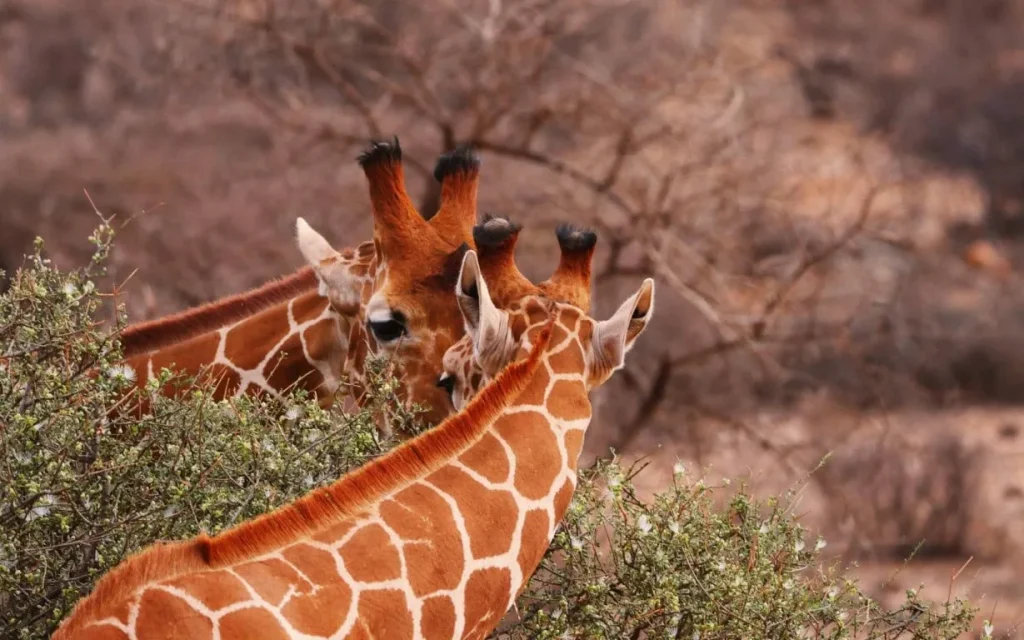
Samburu is known for species associated with drier northern habitats, including reticulated giraffes, Grevy's zebras and gerenuks.
The combination provides a useful contrast between Laikipia and the more arid landscapes farther north.
Aberdare National Park offers highland forests, moorlands, waterfalls and a different wildlife environment.
A combined itinerary is attractive for travellers interested in landscape diversity and central Kenya's ecosystems.
The Mount Kenya region offers mountain scenery, forest habitats and outdoor activities.
Travellers can combine a wildlife safari with selected nature walks or other experiences, subject to the location and required arrangements.
A combined Ol Pejeta and Lake Nakuru Safari provides opportunities to learn about rhino conservation in two different protected areas.
The itinerary can also include Rift Valley scenery and birdwatching.
Travellers seeking a longer wildlife holiday can combine Ol Pejeta with the Masai Mara.
This creates a safari covering rhino conservation, chimpanzee rehabilitation and the predator-rich grasslands of southwestern Kenya.
Because the destinations are separated by a substantial distance, the route should be planned carefully to avoid excessive driving.
Ol Pejeta demonstrates how wildlife conservation requires more than protecting animals inside a boundary. Effective conservation depends on habitat management, security, scientific research, veterinary support and cooperation with surrounding communities.
Rhinos face serious threats from poaching and habitat pressures. Protecting them requires long-term financial and operational commitments, including monitoring and anti-poaching work.
Conservation tourism can contribute to these efforts through visitor fees and support for responsible accommodation providers.
Visitors also have responsibilities. Follow designated tracks, maintain safe wildlife distances, avoid littering and respect restrictions around sensitive conservation areas.
Photography should never interfere with animal welfare or security arrangements.
Bring lightweight safari clothing, a warm layer for early mornings, comfortable footwear, sunscreen, a hat and insect repellent.
Binoculars are valuable for observing wildlife at a distance, while a camera with a telephoto lens is useful for photography.
Consult appropriate medical guidance before travelling to Kenya and ensure that travel insurance covers the planned activities.
Follow your guide's instructions during game drives and conservation visits.
Never leave the vehicle in undesignated areas or approach wildlife without authorisation.
Carry appropriate identification and confirm current Kenyan entry requirements before departure.
Visitors participating in special conservation experiences may need to follow additional booking or identification procedures.
Respect wildlife distances and avoid flash photography where it may disturb animals.
Drones are subject to strict restrictions and should not be used without the necessary permissions.
Allow sufficient time for the journey between Nairobi and Ol Pejeta.
Travellers with onward flights should avoid relying on optimistic arrival estimates, especially during busy traffic periods.
Ol Pejeta is approximately 220 kilometres from Nairobi, according to the conservancy's visitor information.
The journey typically takes around four hours, although traffic and stops can extend the travel time.
Ol Pejeta protects the last two surviving northern white rhinos. Special viewing arrangements are controlled and subject to the conservancy's current rules.
No. The chimpanzees live in a protected sanctuary and are rescued animals. Chimpanzees are not native to Kenya.
All five Big Five species occur within Ol Pejeta, but sightings are not guaranteed.
Two days provide an introduction, but three days allow more time for game drives and selected conservation activities.
Yes. Its wildlife viewing and conservation education opportunities can be particularly valuable for families when activities are selected according to children's ages.
Ol Pejeta is a year-round destination. Dry periods can provide easier wildlife viewing, while greener months offer different scenery and birdwatching opportunities.
Yes. Private arrangements allow flexibility in accommodation, game drives and the selection of conservation activities.
Yes. The two destinations complement each other and can form part of a longer northern Kenya safari.
A Nairobi to Ol Pejeta Safari offers more than conventional wildlife viewing. It provides an opportunity to explore Laikipia's landscapes, observe rhinos and other wild animals, and learn about some of Kenya's most important endangered species conservation programmes.
Safari Trips to Kenya can help arrange private transport, professional guiding, suitable accommodation and itineraries tailored to your interests. Choose a two-day safari for a short introduction or a three-day programme for more time to explore the conservancy and its educational experiences.
Accommodation can be selected from Essential, Comfort, Premium and Signature categories, with optional extensions to Samburu, Mount Kenya, Lake Nakuru or other destinations.
Contact Safari Trips to Kenya with your preferred dates, number of travellers and desired conservation experiences to receive a personalised Ol Pejeta safari proposal with clearly stated arrangements and costs.