
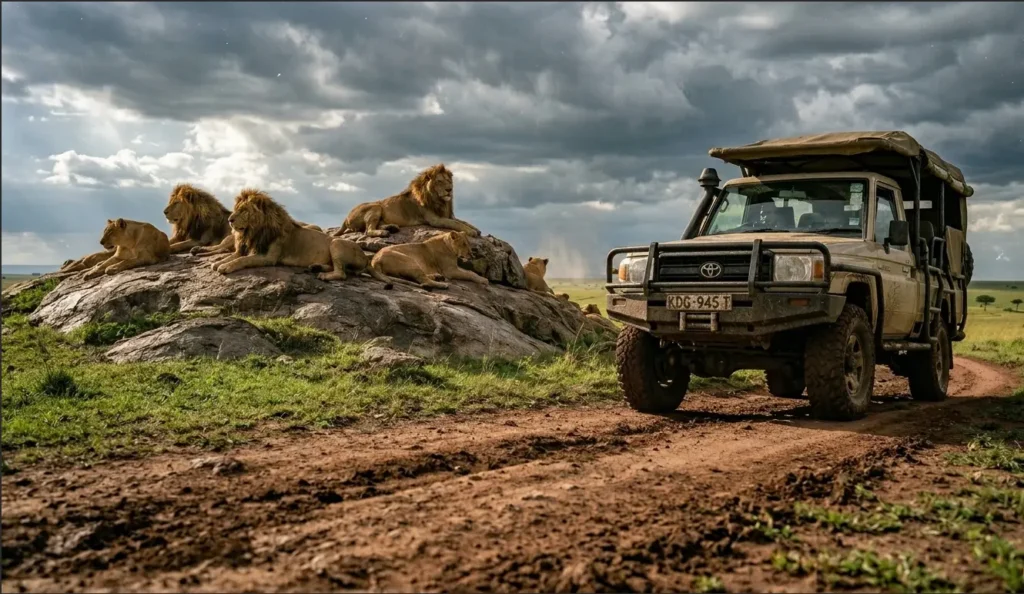
Mara North Safaris
Mara North Safaris: Complete Guide to Safari in Mara North Conservancy
Mara North safaris offer a quieter and more exclusive alternative to the busier sections of the greater Masai Mara ecosystem. Located north of the Masai Mara National Reserve, Mara North Conservancy is a privately managed wildlife area known for open savannah, riverine woodland, abundant predators, elephant herds and a safari model designed around lower vehicle numbers and carefully managed tourism.
For travelers who want excellent wildlife viewing without concentrating solely on the most heavily visited areas of the Masai Mara, Mara North can be an outstanding choice.
The conservancy forms part of the wider Masai Mara ecosystem, meaning wildlife moves naturally between Mara North, neighboring conservancies and the national reserve. There are no wildlife fences separating the broader ecosystem, allowing lions, elephants, giraffes, zebras, wildebeest, buffaloes and other animals to move according to water, grazing and territorial behavior.
A Mara North safari is especially attractive for travelers who value:
- Lower vehicle density.
- Intimate wildlife encounters.
- High-quality guiding.
- Smaller safari camps.
- Predator viewing.
- Photography.
- Private or semi-exclusive safari experiences.
- Walking and other conservancy-based activities where permitted.
- Combining a conservancy with the Masai Mara National Reserve.
What Is Mara North Conservancy?
Mara North Conservancy lies along the northern side of the greater Masai Mara ecosystem. It is part of the conservancy model that has become important to wildlife conservation around the Masai Mara. Rather than operating solely as a conventional public wildlife reserve, conservancy land is generally managed through partnerships involving landowners, tourism operators and conservation organizations.
This model can help maintain wildlife habitat while generating revenue for local landowners and communities. For visitors, it can also create a different safari atmosphere from the national reserve.
Mara North is characterized by a mixture of:
- Open grassland.
- Riverine forest.
- Acacia woodland.
- Seasonal watercourses.
- Rolling hills.
- Valleys.
- Wildlife corridors.
This variety of habitat contributes to excellent year-round game viewing.
Why Choose a Mara North Safari?
There are several reasons to consider Mara North safaris when planning a Kenya safari.
1. Lower Vehicle Density
One of the strongest attractions is the opportunity to enjoy wildlife sightings with fewer safari vehicles. During major sightings in high-demand areas of the Masai Mara, several vehicles can sometimes gather around predators or migration activity. Conservancy management can place tighter controls on vehicle numbers and access, which can create a calmer safari atmosphere and provide more space for both wildlife and visitors.
2. Excellent Predator Viewing
Mara North supports important populations of predators. Travelers may encounter:
- Lions.
- Leopards.
- Cheetahs.
- Spotted hyenas.
- Black-backed jackals.
Predator sightings are never guaranteed, but the combination of suitable habitat and abundant prey makes Mara North particularly attractive to travelers interested in big cats.
3. Resident Wildlife
The safari experience does not depend entirely on the Great Migration, as Mara North supports substantial resident wildlife throughout the year. Possible sightings include:
- African elephants.
- Buffaloes.
- Masai giraffes.
- Zebras.
- Wildebeest.
- Topis.
- Impalas.
- Thomson's gazelles.
- Grant's gazelles.
- Warthogs.
- Elands.
- Baboons.
- Vervet monkeys.
This makes Mara North suitable for safaris throughout the year.
4. Exclusive Safari Atmosphere
Many Mara North accommodation properties are small safari camps rather than large lodges, which can create a more intimate experience. Guests may enjoy:
- Smaller dining groups.
- Personalized guiding.
- Flexible safari schedules.
- Fewer vehicles.
- Close interaction with guides and camp staff.
5. Excellent Photography
Open landscapes and relatively controlled vehicle numbers can make Mara North very rewarding for wildlife photographers. Photographers may have more opportunity to:
- Position vehicles carefully.
- Wait for animal behavior.
- Work with different angles.
- Avoid excessive vehicle congestion.
- Spend extended periods with predators.
A private safari vehicle provides even greater flexibility.
Wildlife on Mara North Safaris
Wildlife is the central attraction. Because Mara North forms part of the greater Masai Mara ecosystem, it supports many of the species associated with a classic Kenya safari.
Lions
Lions are among the principal predators. Visitors may encounter prides resting in the grass, moving between territories or watching prey. Early morning and late afternoon are often particularly rewarding times to search for lions, and during cooler conditions prides can be more active.
Leopards
Leopards occur within the wider Mara ecosystem and may be found in areas with suitable cover. Riverine woodland, drainage lines and trees provide favorable habitat. Leopards are naturally secretive, so sightings require patience and experienced guiding.
Cheetahs
Open plains can provide excellent conditions for cheetahs, which rely on visibility and speed, making grassland habitats particularly important. Visitors may encounter:
- Solitary adults.
- Male coalitions.
- Mothers with cubs.
- Hunting behavior.
- Cheetahs using termite mounds or raised ground to scan for prey.
Elephants
Elephant herds regularly move through the broader Mara ecosystem. Mara North's mix of grassland, woodland and water sources can support excellent elephant viewing, and family groups may be seen feeding, moving across open areas or interacting socially.
Buffaloes
African buffaloes occur in herds and smaller groups, and large males can sometimes be encountered separately. Buffaloes also form part of the prey base for large lion prides.
Giraffes
The Masai giraffe is a characteristic species of the region. Its irregular coat pattern distinguishes it from other giraffe forms found elsewhere in Africa, and Mara North's woodland and scattered trees provide useful browsing habitat.
Zebras and Wildebeest
Resident populations of zebra and wildebeest can be seen outside the principal migration season, although numbers may change as animals move across the wider ecosystem. When migratory herds enter the greater Mara, concentrations can increase dramatically in some areas.
Hyenas
Spotted hyenas are important predators and scavengers. They may be seen alone, in groups or around denning areas, and are highly social and capable hunters rather than simply opportunistic scavengers.
Is the Great Migration in Mara North?
The Great Wildebeest Migration moves through the wider Serengeti-Mara ecosystem rather than following a fixed route through every conservancy each year. Mara North can experience migration-related wildlife movements, particularly as animals spread across the greater ecosystem in response to grazing and rainfall.
However, travelers should not choose Mara North expecting a guaranteed concentration of migrating wildebeest on particular dates. Migration movements depend on:
- Rainfall.
- Grass availability.
- Water.
- Herd behavior.
- Conditions elsewhere in the ecosystem.
For travelers whose main objective is witnessing major migration concentrations or Mara River crossings, an itinerary can combine Mara North with other appropriate parts of the Masai Mara. This creates a strong balance between exclusive conservancy safari experiences and access to migration-focused areas.
Game Drives in Mara North
Game drives are the primary safari activity. The quieter environment can create excellent conditions for observing wildlife behavior rather than simply moving rapidly between sightings.
Early Morning Game Drives
Morning drives often begin around sunrise or earlier depending on conservancy regulations and camp arrangements. The advantages include:
- Cooler temperatures.
- Active predators.
- Soft photographic light.
- Fresh animal tracks.
- Greater wildlife movement.
Breakfast may sometimes be taken after returning to camp or arranged as a bush breakfast depending on the property.
Afternoon Game Drives
Afternoon drives typically begin after the hottest part of the day. As temperatures decline, predators and herbivores can become more active, and the drive may continue toward sunset.
Longer Game Drives
Travelers interested in photography or specific wildlife can spend longer periods in the field. A private vehicle gives the greatest flexibility.
Night Game Drives
One of the important differences between some private conservancies and the national reserve is the possibility of night game drives, where permitted. Night drives offer opportunities to experience a different side of the ecosystem. Potential sightings can include:
- Hyenas.
- Jackals.
- Genets.
- Nocturnal birds.
- Smaller mammals.
- Predators becoming active after dark.
Activities vary according to camp and current conservancy regulations. Travelers interested in night drives should confirm availability when choosing accommodation.
Guided Walking Safaris
Some conservancy-based safari programs can offer guided walks. Walking creates a completely different perspective from game viewing in a vehicle. Rather than concentrating only on large animals, visitors can learn about:
- Tracks.
- Dung.
- Plants.
- Insects.
- Smaller wildlife.
- Animal communication.
- Ecology.
- Traditional knowledge of the landscape.
Walks should always be led by appropriately qualified guides and conducted according to conservancy safety regulations. Availability can vary according to the property and local conditions.
Bush Breakfasts and Picnic Experiences
Some camps can arrange meals away from the main property. Possible experiences include:
- Bush breakfast.
- Picnic lunch.
- Sundowner stop.
- Private meal arrangements.
These activities depend on camp facilities and conservancy regulations. They should always be carried out responsibly and without disturbing wildlife.
Sundowners
A sundowner is a classic safari experience. Guests stop at a safe scenic location near sunset and enjoy a drink while watching the light change across the landscape. Mara North's open plains and hills can provide attractive sunset views, and sundowners are generally combined with an afternoon game drive.
Mara North Safaris for Photographers
Mara North is particularly suitable for wildlife photographers. Benefits can include:
- Lower vehicle density.
- Strong predator populations.
- Open terrain.
- Varied landscapes.
- Flexible guiding.
- Potential access to activities not offered in every public reserve.
Serious photographers should consider booking a private safari vehicle.
Advantages of a Private Vehicle
A private vehicle allows you to:
- Remain with a sighting longer.
- Concentrate on particular species.
- Choose the best light.
- Position for behavior rather than quick viewing.
- Carry extensive camera equipment.
- Avoid compromises with travelers who have different priorities.
Photographers should inform the safari operator about their requirements before booking.
Mara North Safaris for Families
Mara North can work very well for families, as a quieter conservancy can provide a less hectic safari experience than heavily visited wildlife areas. Families should consider:
- Children's ages.
- Camp age restrictions.
- Family tents.
- Private vehicle options.
- Flexible meal times.
- Length of game drives.
- Availability of child-friendly activities.
A private vehicle is especially useful because families can return to camp if children become tired. Some activities, particularly walking safaris, may have minimum-age restrictions.
Mara North for Honeymoons
Mara North is well suited to honeymoon safaris because many camps are small, intimate and positioned in scenic wildlife areas. Honeymooners may prioritize:
- Small safari camps.
- Private tents.
- Private verandas.
- Private game drives.
- Sundowners.
- Bush dining.
- Scenic locations.
- Personalized service.
The safari can also be combined with the Kenya Coast for a bush-and-beach honeymoon.
Luxury Mara North Safaris
Mara North is particularly known for high-quality tented safari experiences. Luxury properties may provide:
- Spacious tented suites.
- En-suite bathrooms.
- High-quality dining.
- Experienced guides.
- Personalized hosting.
- Small guest numbers.
- Premium locations.
- Laundry.
- Private vehicle options.
- Bush meals.
- Sundowners.
However, luxury should not be judged only by accommodation furnishings. A major component of luxury in Mara North is space, exclusivity and the quality of the wildlife experience.
Mid-Range Mara North Safaris
Travelers seeking comfortable accommodation without the highest luxury rates can look for mid-range options in the wider ecosystem. A good mid-range safari can include:
- Comfortable tented accommodation.
- En-suite facilities.
- Full-board meals.
- Professional guiding.
- Game drives.
- Conservancy access.
- Transfers.
Location remains particularly important when comparing accommodation.
Mara North Safari Accommodation
Accommodation choice strongly influences the safari experience. Consider:
- Camp location.
- Number of rooms or tents.
- Vehicle-sharing policy.
- Private vehicle cost.
- Distance from airstrip.
- Included game drives.
- Walking safari availability.
- Night-drive availability.
- Child policies.
- Meal plan.
- Conservancy fees.
Travelers should avoid selecting accommodation based only on room photographs, as the quality of guiding and access to wildlife areas can be more important.
Fly-In Mara North Safari
Flying is one of the most convenient ways to reach the greater Masai Mara ecosystem. Scheduled light-aircraft flights connect Nairobi with airstrips serving the Mara. A typical fly-in itinerary involves:
- Transfer to the appropriate Nairobi airport.
- Light-aircraft flight to the Mara.
- Airstrip pickup.
- Transfer to camp.
- Afternoon or evening safari activity depending on arrival time.
Fly-in safaris are particularly suitable for:
- Short trips.
- Luxury travelers.
- Honeymooners.
- Travelers combining several distant destinations.
- Visitors wanting to minimize road travel.
Road Safari to Mara North
Travelers can also reach the greater Mara region by road from Nairobi or other Kenya safari areas. Road safaris are particularly useful for longer itineraries. Advantages include:
- Private safari vehicle.
- Dedicated driver-guide.
- More flexible luggage arrangements.
- Ability to combine destinations.
- Potentially lower cost per person for small groups.
The disadvantage is the longer travel time.
Combining Mara North with Masai Mara National Reserve
One of the best ways to experience the wider ecosystem is to combine Mara North Conservancy with the Masai Mara National Reserve. This creates two complementary safari environments.
Mara North Can Offer:
- Lower vehicle density.
- Conservancy atmosphere.
- Smaller camps.
- Potential night activities.
- Walking opportunities where permitted.
- Excellent resident wildlife.
National Reserve Can Offer:
- Extensive classic Mara landscapes.
- Access to additional migration areas.
- Mara River sectors.
- Large wildlife concentrations.
- Broad game-drive territory.
A split stay of several nights in each area can provide a particularly complete Masai Mara safari.
Mara North vs Staying Only in the National Reserve
Neither option is automatically better. Choose Mara North if your priorities include:
- Privacy.
- Fewer vehicles.
- Small camps.
- High-quality guiding.
- Conservancy activities.
Choose a reserve-focused itinerary if your primary objective is maximizing access to specific sections within the national reserve. For many travelers, combining both provides the strongest experience.
How Many Nights Do You Need in Mara North?
2 Nights
Suitable for a short introduction but provides limited time.
3 Nights
A good minimum for many travelers. This allows several game drives and time to appreciate the conservancy atmosphere.
4 Nights
Excellent for wildlife enthusiasts and photographers. It provides flexibility to spend longer at sightings and experience different parts of the conservancy.
5 Nights or More
Best for travelers seeking a slower, immersive safari. Long stays work particularly well for:
- Photographers.
- Repeat visitors.
- Big-cat enthusiasts.
- Honeymooners.
- Travelers combining different safari activities.
Best Time for Mara North Safaris
Mara North offers wildlife viewing throughout the year.
January to March
These months can provide excellent resident wildlife viewing and predator activity.
April and May
The wetter season brings green landscapes and fewer visitors, although road conditions can become more challenging.
June
Conditions generally begin drying, and wildlife viewing can be excellent before the busiest migration travel period.
July to October
This is the period most associated with Great Migration activity in the greater Masai Mara ecosystem. Demand is generally higher.
November
Short rains can refresh the landscape and create attractive green scenery.
December
Resident wildlife remains excellent, while festive holiday demand can increase around Christmas and New Year.
Mara North Safari Cost
The cost of a Mara North safari varies according to:
- Season.
- Accommodation.
- Number of nights.
- Number of travelers.
- Fly-in versus road access.
- Conservancy fees.
- Private versus shared game drives.
- Private vehicle requirements.
- Extra activities.
Because many Mara North camps focus on exclusive experiences and smaller guest numbers, prices can be higher than basic accommodation options elsewhere. However, the cost often reflects more than the room. Packages may combine:
- Accommodation.
- Meals.
- Conservancy access.
- Game drives.
- Guide services.
- Airstrip transfers.
- Selected activities.
Always compare complete inclusions.
What to Pack for Mara North
Recommended safari items include:
- Neutral-colored lightweight clothing.
- Warm jacket or fleece.
- Comfortable closed shoes.
- Hat.
- Sunscreen.
- Sunglasses.
- Binoculars.
- Camera.
- Spare batteries.
- Power bank.
- Personal medication.
- Small backpack.
- Rain jacket during wetter periods.
Morning drives can be surprisingly cool, so layering is recommended.
Wildlife Photography Equipment
Photographers may consider:
- Telephoto lens.
- Medium-range zoom.
- Wide-angle lens.
- Extra batteries.
- Multiple memory cards.
- Beanbag.
- Lens-cleaning kit.
- Dust protection.
- Laptop or backup drive.
Travelers using light aircraft should check baggage limits carefully.
Responsible Safari Travel in Mara North
The conservancy model depends on responsible wildlife tourism. Visitors should:
- Follow guide instructions.
- Maintain appropriate wildlife distance.
- Avoid loud behavior.
- Never feed animals.
- Never block wildlife movements.
- Avoid pressuring predators.
- Stay within conservancy regulations.
- Dispose of waste properly.
- Respect local communities.
- Support responsible tourism practices.
Wildlife welfare should always take priority over obtaining a photograph.
Conservation and Community Importance
Private conservancies around the Masai Mara can play an important role in preserving wildlife habitat outside the national reserve. Conservancy arrangements can help:
- Maintain migration corridors.
- Reduce habitat fragmentation.
- Generate tourism income.
- Support landowners.
- Encourage wildlife-compatible land use.
- Expand the effective conservation landscape.
Travelers staying in conservancies therefore participate in a tourism model that connects wildlife conservation with local economic benefits.
Frequently Asked Questions
Is Mara North good for safari?
Yes. Mara North Conservancy offers excellent year-round wildlife viewing, strong predator populations and a quieter safari atmosphere.
Where is Mara North?
It lies north of the Masai Mara National Reserve within the wider Masai Mara ecosystem.
What animals can I see?
Possible sightings include lions, elephants, buffaloes, giraffes, leopards, cheetahs, zebras, wildebeest, hyenas and numerous antelopes.
Are there lions in Mara North?
Yes. Lions are among the major predators travelers can encounter.
Can I see leopards?
Yes, although leopards are naturally elusive and sightings cannot be guaranteed.
Are there cheetahs?
Yes. Open grassland provides suitable cheetah habitat.
Can I see the Great Migration?
Migration-related wildlife can move through the wider Mara ecosystem, but exact herd locations vary annually.
Can I see Mara River crossings from Mara North?
Travelers whose priority is river-crossing activity may need to travel to appropriate parts of the greater Masai Mara depending on herd movements and access arrangements. Crossings can never be guaranteed.
Are night game drives possible?
Night game drives may be available in private conservancy settings, depending on the camp and current regulations.
Are walking safaris available?
Some accommodation properties offer guided walking experiences, subject to conservancy rules and safety requirements.
Is Mara North suitable for families?
Yes, although individual camp age policies and activity restrictions should be checked.
Is Mara North suitable for honeymooners?
Yes. Small camps, quieter wildlife areas and personalized service make it particularly attractive for couples.
Is Mara North good for photographers?
Yes. Lower vehicle density, predators and open landscapes can create excellent photographic opportunities.
How many nights should I stay?
Three nights is a good starting point, while four or more nights are excellent for photographers and wildlife enthusiasts.
Should I combine Mara North with the Masai Mara National Reserve?
For many travelers, yes. Combining the conservancy and reserve provides a broader range of landscapes, activities and wildlife-viewing opportunities.
Suggested 3-Night Mara North Safari
Day 1: Nairobi – Mara North
Fly or drive from Nairobi to the Masai Mara ecosystem. After arrival, transfer to your camp and settle in. Depending on arrival time, take an afternoon game drive searching for elephants, giraffes, antelopes and predators, then return to camp for dinner and overnight.
Day 2: Full Safari Day in Mara North
Begin with an early morning game drive, searching for lions, leopards, cheetahs and hyenas while exploring open plains and riverine habitats. Return to camp for breakfast and relaxation, or remain in the field depending on your safari plan. In the afternoon, return for another game drive followed by a possible sundowner where available, then dinner and overnight at camp.
Day 3: Wildlife and Conservancy Experience
Take another morning safari, concentrating on wildlife behavior and areas not explored previously. Depending on camp arrangements, the day can incorporate a guided walk, photography session or longer game drive. Enjoy a final afternoon safari.
Day 4: Mara North – Nairobi or Onward Safari
Take a final early wildlife drive if timing allows. After breakfast, transfer to the airstrip or begin the road journey to your next destination.
Suggested 5-Day Combined Mara North and Masai Mara Safari
A longer itinerary can combine both experiences.
Days 1–3: Mara North Conservancy
Spend several nights experiencing:
- Quiet game drives.
- Predators.
- Elephants.
- Conservancy landscapes.
- Photography.
- Optional conservancy activities.
Days 4–5: Masai Mara National Reserve
Move into another part of the ecosystem to experience:
- Different landscapes.
- Larger game-drive areas.
- Mara River regions where appropriate.
- Additional migration opportunities during the relevant season.
This combination is particularly strong for first-time Masai Mara visitors.
Who Should Choose Mara North?
Mara North safaris are especially suitable for travelers who want more than simply checking animals off a list. Choose Mara North if you value:
- Quality over quantity of sightings.
- Fewer vehicles.
- A slower safari pace.
- Strong predator viewing.
- Smaller camps.
- Experienced guiding.
- Photography.
- Private conservancy experiences.
- Combining conservation with tourism.
For travelers seeking an immersive Masai Mara experience, Mara North can be one of the strongest components of a wider Kenya safari.
Plan Your Mara North Safari
A well-designed Mara North safari should be built around your interests rather than a rigid daily checklist. Wildlife enthusiasts can concentrate on predators and resident game. Photographers can use private vehicles and longer game drives. Couples can choose intimate tented camps, while families can arrange private guiding and flexible schedules.
Travelers visiting during the Great Migration can combine Mara North with other parts of the Masai Mara ecosystem to gain both the quieter conservancy experience and access to migration-focused wildlife areas.
Whether visited independently or combined with the Masai Mara National Reserve, Mara North Conservancy offers a compelling mix of wildlife, space, conservation and exclusivity that makes it one of the most rewarding safari areas within the broader Masai Mara ecosystem.