

Conservancies
The Masai Mara is one of Africa’s most celebrated wildlife destinations, but the experience extends well beyond the boundaries of the famous national reserve. Surrounding the reserve is a network of wildlife conservancies that protect important habitats, support local landowners and provide distinctive safari experiences.
These Masai Mara conservancies are particularly attractive to travellers seeking a different style of wildlife viewing, with opportunities to explore open grasslands, river valleys and wildlife corridors under conservation-focused tourism arrangements. In some conservancies, visitor numbers are carefully managed, and accommodation is limited to authorised camps and lodges. Depending on the conservancy’s rules, activities may include guided walking safaris, night game drives and other experiences not ordinarily available in the same form inside the national reserve.
However, not every conservancy operates in the same way. Access rights, tourism activities, fees, land agreements and accommodation arrangements vary considerably. At Safari Trips to Kenya, we help travellers compare the Masai Mara National Reserve with surrounding conservancies so they can select the experience that best matches their travel dates, interests and budget.
What Is a Wildlife Conservancy?
A wildlife conservancy is an area managed for conservation under a defined land-use and governance arrangement. In the Masai Mara ecosystem, several conservancies operate through partnerships involving local landowners, tourism businesses and conservation organisations. Some agreements involve landowners leasing land for wildlife conservation and tourism. This can provide income to participating landowners while maintaining habitat for wild animals.
However, conservancies are not identical to national parks. Their management structures, ownership arrangements, visitor policies and conservation objectives differ. A traveller should therefore consider the specific conservancy rather than assuming all properties offer the same experience.
Why Are Conservancies Important Around the Masai Mara?
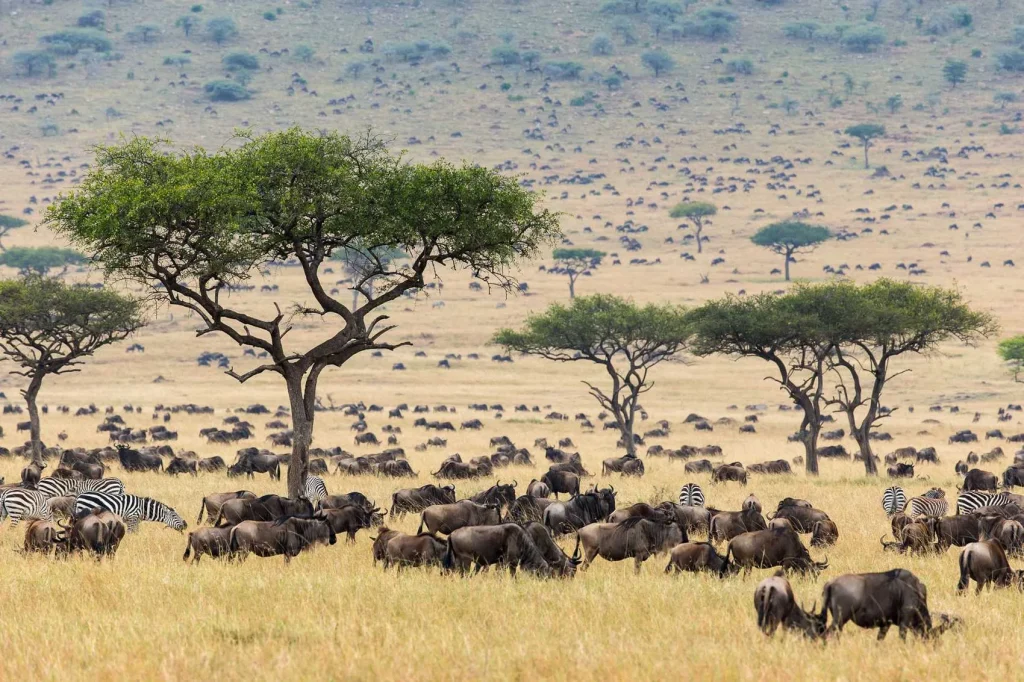
Wild animals do not recognise the administrative boundaries of national parks and reserves. Lions, elephants, giraffes, zebras, wildebeest and other species move across extensive landscapes according to food availability, water, breeding behaviour and seasonal conditions. The wider Masai Mara ecosystem includes land used for livestock grazing, settlement and other human activities.
Conservancies can help maintain wildlife habitat outside the national reserve. They may also provide economic incentives for participating landowners to retain open land rather than convert it to other uses. This relationship between wildlife conservation and community livelihoods is one of the defining features of the conservancy model. Nevertheless, effective conservation requires ongoing governance, fair financial arrangements and cooperation among stakeholders.
Masai Mara National Reserve vs Conservancies
The Masai Mara National Reserve is managed under a different framework from surrounding conservancies. The reserve offers extensive wildlife-viewing opportunities and is particularly famous for big cats and the seasonal Great Wildebeest Migration. Conservancies can provide a more specialised safari experience, depending on their location and visitor policies.
| Feature | National Reserve | Surrounding Conservancies |
|---|---|---|
| Management | Public reserve management framework | Varies by conservancy |
| Accommodation | Properties inside and outside reserve boundaries | Usually authorised camps and lodges |
| Visitor access | Subject to reserve entry rules | Often restricted by conservancy arrangements |
| Game drives | Subject to reserve regulations | Subject to individual conservancy rules |
| Guided walks | Limited to authorised arrangements | Available in some conservancies |
| Night drives | Generally restricted within the reserve | Permitted in some conservancies |
| Community involvement | Varies through wider tourism economy | Often includes direct landowner partnerships |
The best choice depends on your priorities and the particular property.
Mara North Conservancy
Mara North Conservancy lies within the wider northern Masai Mara ecosystem. It is known for its grassland habitats, riverine landscapes and resident wildlife. Visitors may encounter lions, elephants, giraffes, buffaloes and numerous antelope species. Cheetahs and leopards are also present in suitable habitats, although sightings cannot be guaranteed.
Mara North is associated with a conservation and tourism model involving local landowners and authorised tourism operators. Accommodation options include established safari camps and lodges, with different levels of comfort and service.
Why Choose Mara North?
Mara North may appeal to travellers who want to spend several nights exploring one conservancy rather than repeatedly travelling between distant areas. It can also be attractive for photographers interested in resident predators and open grassland scenes. However, access to the national reserve and other conservancies depends on the property’s arrangements and any applicable fees. These details should be confirmed before booking.
Mara Naboisho Conservancy
Mara Naboisho Conservancy, often called Naboisho, is another important conservation area adjoining the wider Masai Mara ecosystem. Its landscapes include open plains, wooded areas and other habitats supporting diverse wildlife. Naboisho is particularly recognised for its predator populations and conservation-oriented tourism model. The conservancy has established visitor management arrangements, although the precise rules should be checked for current travel dates.
Wildlife in Naboisho
Lions are among the most sought-after animals in the conservancy. Visitors may also encounter elephants, giraffes, buffaloes, zebras and various antelopes. Cheetahs and leopards may be observed in suitable areas. Birdlife adds another dimension to the experience.
Safari Activities
Some authorised properties offer guided walking safaris and night drives. These activities must be arranged according to conservancy regulations. A night drive does not guarantee nocturnal predator sightings, but it can introduce visitors to a different side of the ecosystem.
Olare Motorogi Conservancy
Olare Motorogi Conservancy is well known for its wildlife habitats and premium safari accommodation. It is associated with a tourism model that regulates visitor activity and supports conservation partnerships with local landowners. The conservancy offers opportunities to observe resident wildlife, including lions and other predators. Its grasslands and wooded habitats provide varied photographic settings.
Why Choose Olare Motorogi?
Olare Motorogi is particularly attractive for travellers seeking a high-quality safari experience with accommodation located within a managed conservation area. Some properties offer a strong emphasis on guiding, wildlife photography and personalised service. However, prices and inclusions vary considerably. Travellers should confirm conservancy fees, game-drive arrangements and access to other areas.
Ol Kinyei Conservancy
Ol Kinyei Conservancy is an established conservancy in the wider Mara ecosystem. It has played a significant role in demonstrating tourism partnerships involving local landowners and wildlife conservation. The landscape includes grassland and other habitats supporting herbivores and predators. Accommodation is generally associated with authorised camps operating under conservancy arrangements.
What Makes Ol Kinyei Different?
Ol Kinyei can appeal to travellers interested in community conservation and relatively focused wildlife experiences. Depending on the operator, itineraries may combine time within the conservancy with visits to other parts of the Mara ecosystem. Access conditions should be confirmed before booking.
Other Conservancies in the Mara Ecosystem
The wider Masai Mara landscape includes additional conservancies and conservation areas. Examples include Mara Siana, Ol Chorro Oiroua, Enonkishu and other initiatives with different land-use and tourism models.
Not every conservancy offers the same type of safari accommodation or visitor access. Some have a stronger emphasis on livestock management, community conservation or habitat restoration. Travellers should verify the exact location and permitted activities before choosing a property.
Wildlife in the Masai Mara Conservancies
The conservancies support many of the same wildlife species found within the national reserve.
Lions
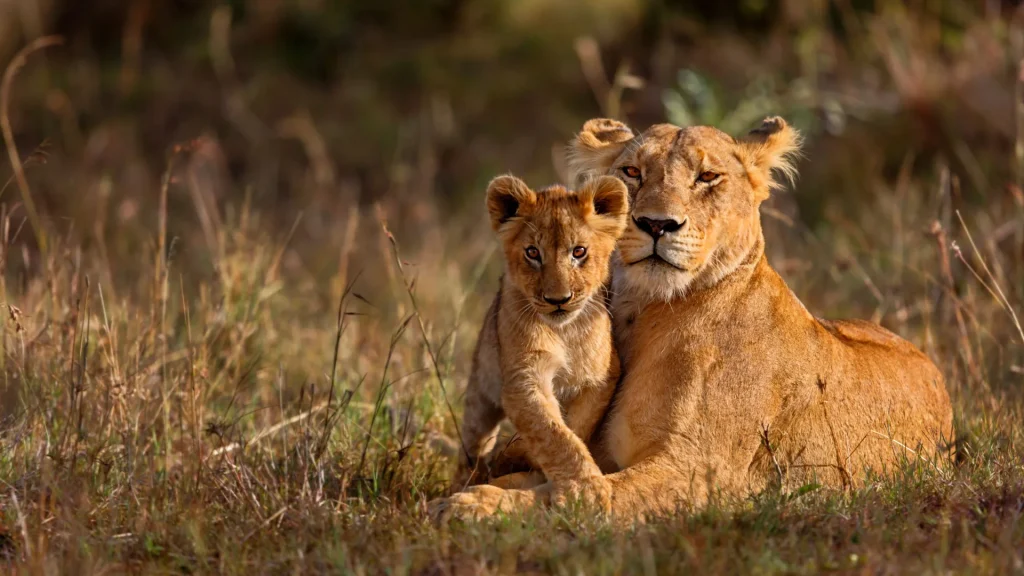
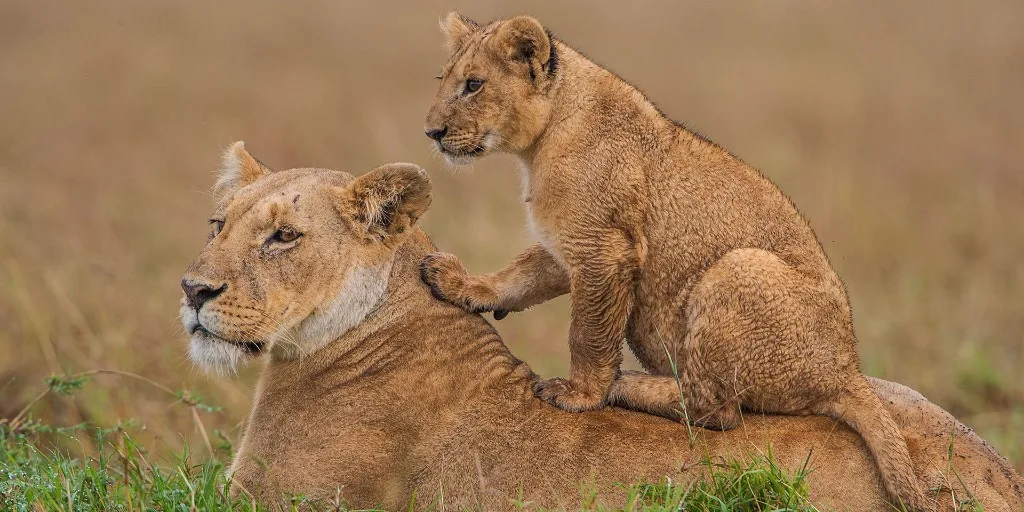
Lions are among the principal attractions. They occupy territories that may extend across conservancy boundaries. Visitors may observe resting, social interactions or movement through grassland habitats.
Cheetahs
Cheetahs favour suitable open habitats where they can pursue prey. They are particularly rewarding for wildlife photographers.
Leopards
Leopards may be found in riverine vegetation and other areas offering cover. Their elusive behaviour makes sightings unpredictable.
Elephants
Elephants move through the wider Mara ecosystem according to seasonal conditions and habitat needs.
Giraffes
Giraffes are commonly associated with woodland and browsing habitats.
Buffaloes
Buffaloes may occur in substantial groups, particularly in suitable grazing areas.
Zebras and Wildebeest
Resident herbivores and seasonal migrating animals contribute to the ecosystem. The presence of the main migration herds varies with rainfall and grazing conditions.
Do the Conservancies Have the Great Wildebeest Migration?
Migrating wildebeest and zebras may move through parts of the wider Mara ecosystem, including some conservancy areas. However, the main migration concentrations change location. The famous Mara River crossing sites are not all located within the conservancies.
Travellers whose main priority is witnessing a river crossing should choose accommodation and game-drive arrangements that provide practical access to the relevant river areas. A conservancy stay does not automatically include entry to the national reserve. Similarly, staying in the reserve does not automatically provide access to every conservancy.
Guided Walking Safaris
Walking safaris are among the attractions offered by some conservancies. They allow visitors to experience the landscape at a slower pace. Rather than concentrating exclusively on large mammals, a guided walk may introduce animal tracks, plants, insects, birds and ecological relationships.
Walking activities must be conducted by authorised guides under the applicable conservancy rules. Age restrictions, group sizes and safety procedures may apply. Travellers should not attempt independent walks in wildlife areas.
Night Game Drives
Some conservancies permit night game drives under controlled arrangements. These excursions provide opportunities to observe wildlife after sunset. Possible sightings may include nocturnal mammals and animals that are less active during the heat of the day. However, no species is guaranteed.
Night drives should be conducted responsibly, using appropriate lighting and avoiding disturbance to wildlife. Not every accommodation property includes this activity in its standard rates.
Conservancy Safaris for Wildlife Photographers
Conservancies can be attractive for photography because some limit the number of authorised vehicles and accommodation beds. However, visitor density and wildlife activity vary by area. A private vehicle can provide additional flexibility for positioning and waiting at sightings.
Photographers should discuss their priorities with the operator before booking. The guide’s experience, vehicle configuration and location of the camp can be more important than the accommodation’s luxury category.
Accommodation in the Conservancies
Accommodation ranges from comfortable tented camps to exclusive luxury properties. At Safari Trips to Kenya, we compare accommodation using Essential, Comfort, Premium and Signature categories. Not every category is available in every conservancy.
Some conservancies have relatively high accommodation costs because of limited bed capacity and conservation-related fees. Travellers should compare complete packages rather than room prices alone.
Conservancy Fees Explained
Conservancy fees help finance the management and operation of the relevant conservation area. Depending on the arrangement, revenue may contribute to landowner payments, conservation activities, administration and other costs. Fee structures vary. Some accommodation rates include conservancy fees, while others list them separately. Travellers should confirm what is included before paying a deposit.
Community Benefits and Landowner Partnerships
One of the most important aspects of the conservancy model is the relationship between tourism and local landowners. Where agreements are functioning effectively, participating landowners may receive lease payments or other benefits. Tourism can also create employment and business opportunities.
However, the distribution of benefits depends on individual agreements and governance. Travellers interested in responsible tourism should ask about the conservancy’s community arrangements and conservation outcomes.
How to Choose the Best Conservancy
The right conservancy depends on your priorities. Consider the following when comparing options:
- For big-cat photography: wildlife habitats, guide expertise and accommodation location
- For a honeymoon: privacy and camp atmosphere
- For families: age policies, room configurations and activity restrictions
- For migration-focused travel: access to the national reserve and relevant seasonal wildlife areas
A well-located Comfort camp may suit some travellers better than a distant Signature property.
How Many Nights Should You Spend?
Two nights provide an introduction to a conservancy. Three nights allow more substantial wildlife-viewing time. Four or more nights may be preferable for dedicated photographers or travellers seeking a slower pace.
If combining a conservancy with the national reserve, consider dividing your stay between two accommodation locations. This can provide access to different habitats without requiring excessively long daily transfers.
Suggested Six-Day Masai Mara Reserve and Conservancy Safari
Day 1: Nairobi to Masai Mara
Travel from Nairobi to the Masai Mara region. Arrive at your accommodation and enjoy an afternoon game drive if timing permits.
Day 2: Masai Mara National Reserve
Explore the reserve, searching for lions, elephants, giraffes, buffaloes and other wildlife.
Day 3: Full-Day Reserve Safari
Enjoy another day of game drives. During suitable months, migrating wildebeest herds may also be present.
Day 4: Transfer to a Mara Conservancy
Travel to your selected conservancy accommodation. Enjoy an afternoon wildlife excursion under the conservancy’s regulations.
Day 5: Conservancy Wildlife Activities
Explore the conservancy with your guide. Depending on the property and applicable rules, optional activities may include a guided walk or night drive.
Day 6: Return to Nairobi
After breakfast, travel back to Nairobi or connect with an onward flight. This itinerary is illustrative and should be adjusted according to the chosen conservancy and accommodation.
Responsible Wildlife Viewing
Conservancy tourism should respect wildlife and local communities. When viewing animals, follow these principles:
- Keep vehicles on applicable routes and authorised tracks
- Do not interfere with hunts, feed animals or approach wildlife excessively closely
- Use authorised guides for walking and night activities
- Never let photography take priority over animal welfare
Frequently Asked Questions
What Is the Best Masai Mara Conservancy?
There is no single best conservancy. Mara North, Naboisho, Olare Motorogi and Ol Kinyei offer different accommodation, access and tourism arrangements.
Are Conservancies Part of the Masai Mara National Reserve?
They are separate conservation areas within the wider Mara ecosystem.
Can I Visit the National Reserve from a Conservancy?
Often yes, but access depends on location, fees and operator arrangements.
Are Conservancies More Expensive?
Some have higher accommodation and conservation-related costs, although prices vary.
Can I See the Great Migration in a Conservancy?
Migrating animals may enter conservancy areas, but their movements are seasonal and unpredictable.
Are Walking Safaris Available?
Some conservancies offer guided walks under authorised arrangements.
Plan Your Masai Mara Conservancy Safari
The Masai Mara conservancies provide an important alternative or complement to a conventional national reserve safari. They combine wildlife habitats with conservation partnerships and, in some locations, specialised activities and carefully managed visitor access.
At Safari Trips to Kenya, we can help compare conservancy camps, reserve accommodation and combined itineraries to find the right option for your dates and budget.
END-OF: https://www.safaritripstokenya.com/masai-mara/conservancies/(https://www.safaritripstokenya.com/east-africa/is-a-kenya-safari-worth-it/) PERMALINK: https://www.safaritripstokenya.com/masai-mara/conservancies/