Travelling from Tanzania to Kenya creates an opportunity to explore two of East Africa's most important safari destinations within one holiday. The countries share wildlife ecosystems, cultural connections and extensive landscapes, but each offers different national parks, conservation areas and safari experiences.
Our Kenya safaris from Tanzania are designed for travellers beginning their journey in Arusha, Moshi, Dar es Salaam, Zanzibar, the Serengeti region or other Tanzanian destinations. Safari Trips to Kenya helps coordinate the Kenya portion of cross-border holidays, including transport connections, accommodation, professional guiding, game drives and personalised itineraries.
A combined journey can feature the Serengeti and Masai Mara, Ngorongoro Crater and Amboseli, or a longer programme linking northern Tanzania with Kenya's Rift Valley and wildlife conservancies. The most suitable route depends on the starting point, travel dates, available time and preferred balance between wildlife viewing and road transfers.
Why Combine Tanzania and Kenya on One Safari?
Tanzania and Kenya offer complementary safari experiences, particularly for travellers interested in wildlife migration, large predators and diverse ecosystems. The Serengeti and Masai Mara form part of a connected transboundary landscape. Wildebeest, zebras and other grazing animals move across this ecosystem in response to seasonal rainfall and pasture conditions.
Although the countries share this ecosystem, their protected areas have different management structures, access rules, accommodation options and visitor experiences. Tanzania's northern safari circuit includes the Serengeti, Ngorongoro Conservation Area, Tarangire and Lake Manyara. Kenya offers the Masai Mara, Amboseli, Lake Nakuru, Samburu and several important conservancies.
A Kenya Tanzania combined safari allows travellers to appreciate these different environments while observing how wildlife, landscapes and conservation practices vary across the region. For travellers already visiting Tanzania, extending the holiday into Kenya can be more efficient than returning to East Africa on a separate trip.
Main Routes from Tanzania to Kenya
Arusha to Nairobi via Namanga
Arusha is one of Tanzania's principal safari centres and a practical starting point for travel into Kenya. The Namanga border crossing connects northern Tanzania with southern Kenya. Travellers can cross by road and continue towards Nairobi or Amboseli, depending on the itinerary.
The journey between Arusha and Nairobi normally takes several hours, with additional time required for immigration procedures and traffic. A private transfer provides greater flexibility than a scheduled bus, particularly for travellers carrying safari luggage or travelling with children.
Arusha to Amboseli National Park
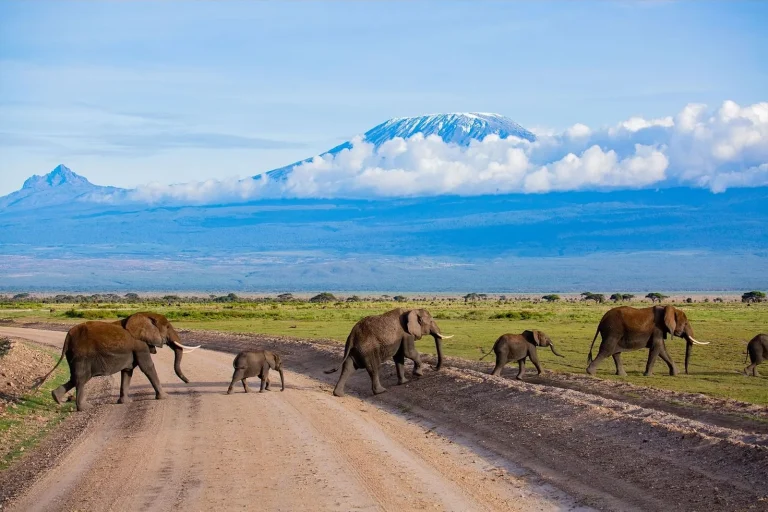
Amboseli is a logical Kenyan wildlife destination for travellers beginning near Arusha or Moshi. The route generally involves crossing at Namanga and continuing through the appropriate Kenyan road network to the park. Amboseli is recognised for elephant viewing, wetland habitats and views towards Mount Kilimanjaro when conditions are clear.
A two-night stay is a practical starting point, allowing time for morning and afternoon game drives.
Serengeti to Masai Mara
A Serengeti to Masai Mara safari is one of East Africa's most requested cross-border wildlife journeys. However, the two protected areas should not be treated as though ordinary tourist vehicles can simply drive directly from one reserve into the other. The international boundary and the absence of a routine direct tourist crossing between the adjacent protected areas mean that travel requires an appropriate authorised route or air connection.
Road transfers commonly involve travelling towards an established border crossing, completing immigration formalities and continuing through the road network to the next safari destination. Selected air arrangements may be possible through approved airports and connections, depending on current operators, schedules and immigration procedures. Travellers should plan this transfer carefully rather than assuming it is a short journey based on the geographical proximity of the parks.
Zanzibar to Nairobi
Travellers finishing a beach holiday in Zanzibar can continue to Kenya by air. Depending on airline schedules, flights may connect Zanzibar with Nairobi directly or through another airport. This is an attractive option for travellers who want to experience Tanzania's coast before beginning a Kenyan wildlife safari.
A short Masai Mara fly-in safari can be particularly suitable when the available time is limited.
Dar es Salaam to Kenya
Dar es Salaam provides another starting point for travellers combining Tanzania and Kenya. Air connections to Nairobi are generally more practical than a long overland journey for visitors with limited holiday time. From Nairobi, travellers can continue to the Masai Mara, Amboseli or another wildlife destination.
Best Kenya Safari Destinations after Visiting Tanzania
Masai Mara National Reserve
The Masai Mara National Reserve is the most natural Kenyan addition for travellers who have already visited the Serengeti. The two areas form part of the greater Serengeti–Mara ecosystem, but their landscapes and visitor experiences are not identical. The Mara is particularly associated with open grasslands, predators and seasonal movements of large herbivore herds.
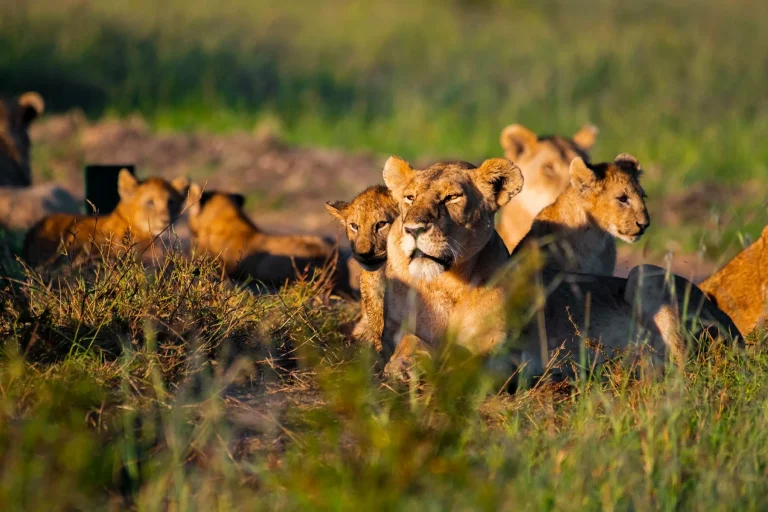
Lions, cheetahs, elephants, buffaloes, giraffes and numerous antelope species may be encountered. The Mara is also an excellent destination for photographers interested in observing animal behaviour over several days.
Amboseli National Park
Amboseli is a rewarding choice for travellers coming from Arusha, Moshi or northern Tanzania. Its elephant populations and open landscapes provide excellent opportunities for wildlife observation. Mount Kilimanjaro lies across the border in Tanzania and can be visible from Amboseli when weather conditions permit.
Amboseli is especially suitable for travellers interested in elephant photography and scenic game drives.
Lake Nakuru National Park
Lake Nakuru offers a different wildlife environment from the Serengeti and Masai Mara. The park includes woodland, grassland and lake habitats, with opportunities to observe rhinoceroses, buffaloes, giraffes and birdlife. It can be incorporated into a road safari between Nairobi and the Masai Mara.
Samburu National Reserve
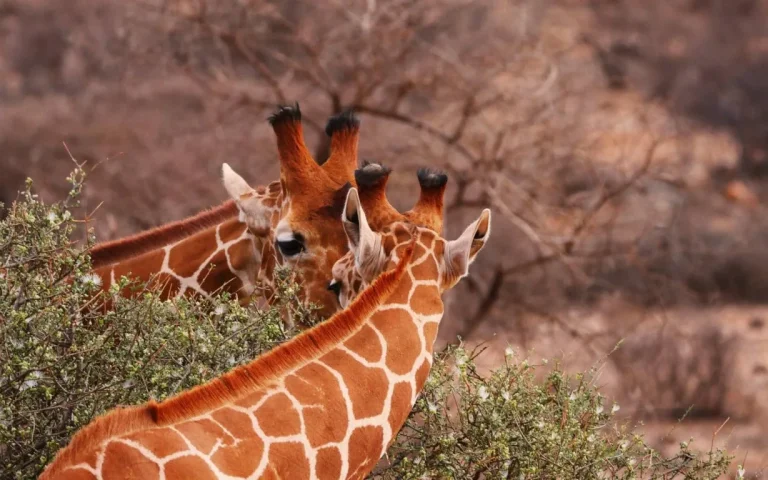
Samburu provides a distinctive northern Kenyan experience. Its dry landscapes and Ewaso Ng'iro River support wildlife associated with arid and semi-arid environments. Species of particular interest include Grevy's zebra, reticulated giraffe, gerenuk, Beisa oryx and Somali ostrich.
Samburu is especially worthwhile for travellers who have already explored Tanzania's major southern and northern wildlife ecosystems.
Ol Pejeta Conservancy
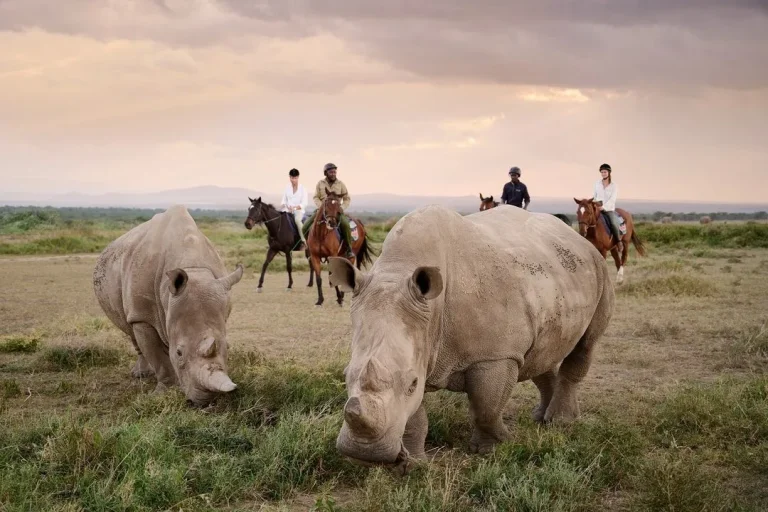
Ol Pejeta is an important destination for rhino conservation in Kenya's Laikipia region. It offers opportunities for game viewing and selected conservation-related experiences, subject to current programmes. A visit can add educational value to a multi-country safari.
Recommended Kenya Safaris from Tanzania
4 Days Amboseli and Nairobi Safari from Arusha
This proposed itinerary is suitable for travellers who have completed a northern Tanzania safari and want to add a short Kenyan wildlife experience.
Day 1: Arusha to Amboseli
Depart Arusha and travel towards the Namanga border crossing. After completing immigration procedures, continue into Kenya and travel towards Amboseli National Park. Depending on border processing and arrival time, enjoy an introductory game drive before settling into the selected lodge.
Day 2: Amboseli Wildlife Viewing
Spend the day exploring Amboseli with your safari guide. The park's wetlands and open plains provide opportunities to observe elephants, buffaloes, zebras, giraffes and other wildlife. Clear weather may reveal Mount Kilimanjaro in the background.
Day 3: Further Amboseli Exploration
Enjoy another day of game drives, allowing time to explore different sections of the park. Wildlife movements vary according to water availability and seasonal conditions. An additional night gives photographers and wildlife enthusiasts greater flexibility.
Day 4: Amboseli to Nairobi
After breakfast, depart for Nairobi. The journey can conclude at a hotel or international airport, depending on onward travel arrangements.
6 Days Masai Mara and Lake Nakuru Safari from Tanzania
This itinerary can begin after a transfer or flight from Tanzania to Nairobi. Spend the first night in Nairobi if arrival timing requires it, then continue towards Lake Nakuru. Enjoy game viewing in the Rift Valley before travelling to the Masai Mara for several nights. The Mara portion provides opportunities for extended wildlife observation and exploration of the savannah ecosystem.
Return to Nairobi by road or domestic flight, depending on the selected arrangements.
10 Days Tanzania and Kenya Wildlife Safari
A ten-day itinerary can combine selected northern Tanzania destinations with the Masai Mara. A possible route begins in Arusha, continues to Tarangire and Ngorongoro, then explores the Serengeti before transferring to Kenya. The final days are spent in the Masai Mara, allowing travellers to experience both sides of the wider ecosystem.
Because the international transfer can consume substantial time, the itinerary should be designed carefully to avoid excessive driving.
14 Days Kenya, Tanzania and Zanzibar Safari
A longer East African holiday can combine wildlife viewing with coastal relaxation. One possible programme includes the Masai Mara, Serengeti, Ngorongoro Crater and Zanzibar. Travellers can begin in either Kenya or Tanzania, depending on international flights and seasonal preferences.
The order of destinations should be chosen to minimise unnecessary backtracking and provide appropriate time in each wildlife area.
Understanding the Great Wildebeest Migration
The Great Wildebeest Migration is a continuous seasonal movement of grazing animals within the Serengeti–Mara ecosystem. It is not a single event that occurs on one predictable date. Large herds respond to rainfall, pasture availability and environmental conditions. Their distribution changes throughout the year.
The southern Serengeti and adjoining areas are particularly associated with calving during parts of the early year, while northern movements may bring herds towards the Masai Mara later in the season. River crossings are among the most dramatic events, but they are unpredictable. A combined Tanzania and Kenya safari can provide opportunities to explore different migration habitats, although no itinerary can guarantee a river crossing or a particular herd location.
Travellers should select dates according to their broader wildlife interests rather than relying on one expected event.
Best Time for Kenya Safaris from Tanzania
January to March
These months can be attractive for travellers exploring the southern Serengeti and other northern Tanzania destinations. Kenya's Masai Mara and Amboseli also provide wildlife viewing opportunities, although conditions vary. A combined itinerary can be designed around the habitats and activities most relevant to the season.
April and May
These months are commonly associated with longer seasonal rains across parts of East Africa. Road conditions can become challenging, particularly on unpaved routes. Some accommodation properties close seasonally, and cross-border travel may require additional flexibility.
June to October
This is a popular period for safaris in Kenya and Tanzania. The northern Serengeti and Masai Mara attract attention because of seasonal herd movements. Accommodation in popular wildlife areas should be reserved early.
November and December
Seasonal rains may influence wildlife distribution and road conditions. December is popular for festive holidays, while November can offer quieter experiences in some areas. Travellers should plan according to the specific destinations rather than treating East Africa as one uniform climate zone.
Cross-Border Travel Requirements
Travellers moving between Tanzania and Kenya must meet the immigration requirements of both countries. Requirements depend on passport nationality, visa or travel authorisation category and travel history. Kenya operates an electronic travel authorisation system for many visitors, while Tanzania has its own visa and immigration procedures.
An authorisation for one country does not automatically provide entry to the other. Travellers should consult official government immigration sources before departure. Passports should have adequate validity and available pages for immigration procedures. Yellow fever vaccination documentation may be required depending on the traveller's route and applicable entry rules.
Safari Vehicles and Border Transfers
Cross-border safari transport requires careful coordination. Not every safari vehicle or driver is authorised to operate across international borders under the same arrangements. Some itineraries use a vehicle change at the border, while others involve approved cross-border transport services.
Travellers should confirm whether the quoted price includes border transfers, luggage handling and any required vehicle changes. For private safaris, a dedicated vehicle on each side of the border can provide a practical solution. The exact arrangements should be communicated before the journey begins.
Road Safari versus Fly-In Safari
Road safaris allow travellers to experience more of the countryside and may be economical for groups. However, distances between major destinations can be substantial, particularly when crossing from the Serengeti region to the Masai Mara. A fly-in safari can reduce transfer time, but flight routes may involve connections and separate immigration arrangements.
Small safari aircraft also have luggage restrictions. Travellers should compare total journey time, cost and convenience rather than assuming flying is always faster for every route.
Accommodation Options
Safari Trips to Kenya can arrange accommodation in four broad categories. Essential accommodation focuses on practical lodges and tented camps offering good value. Comfort accommodation provides a balanced standard of facilities and service. Premium accommodation offers more refined rooms or tents, attractive settings and additional amenities.
Signature accommodation focuses on high-end safari experiences and carefully selected properties. Accommodation should be chosen according to location as well as comfort. A lodge close to the intended wildlife area can reduce daily driving time and improve the overall safari experience.
Kenya Safari Costs from Tanzania
The total cost depends on itinerary length, accommodation category, group size, transport method and travel season. Cross-border transfers can increase costs because of vehicle arrangements, immigration logistics and the distance between wildlife destinations. Park and conservancy fees are another important consideration.
Premium accommodation in the Masai Mara may cost considerably more during popular migration months. A detailed quotation should clearly identify included transport, accommodation, meals, park fees, guiding and any domestic flights. Optional activities should be listed separately.
Private versus Group Safaris
A private Kenya Tanzania safari offers flexibility in daily schedules, wildlife viewing and accommodation choices. It is particularly suitable for families, photographers and couples seeking a personalised experience. Group safaris can provide better value but usually follow fixed routes and departure dates.
Cross-border group itineraries should be reviewed carefully to understand vehicle changes, luggage arrangements and the time allocated to each destination.
Health and Safety Considerations
Travellers should seek medical advice before visiting East Africa. Malaria risk varies by region and altitude, and preventative recommendations should be tailored to the itinerary. Travel insurance should cover medical treatment, evacuation and travel interruption in both countries.
During game drives, visitors should follow guide instructions and respect wildlife viewing regulations. Cross-border travel documents should be kept accessible during transfers.
Responsible Safari Travel
Kenya and Tanzania contain internationally important wildlife ecosystems. Visitors can support responsible tourism by choosing operators who respect park regulations, wildlife habitats and local communities. Game drives should avoid disturbing animals or blocking natural movement routes.
Cultural visits should be arranged respectfully and with appropriate consent. Travellers interested in conservation can request itineraries that include suitable educational experiences.
Frequently Asked Questions
Can I travel directly from the Serengeti to the Masai Mara?
Not through a routine direct tourist road crossing between the adjoining protected areas. Travel generally requires an established border route or an appropriate air connection.
Which border crossing is suitable from Arusha to Kenya?
Namanga is a commonly used crossing for travel between Arusha and Nairobi or Amboseli.
Can I start a Kenya safari in Zanzibar?
Yes. Travellers can arrange a flight from Zanzibar to Nairobi and continue to a Kenyan wildlife destination.
Is the Masai Mara different from the Serengeti?
Yes. Although they share a wider ecosystem, the protected areas have different landscapes, management arrangements and visitor experiences.
How many days are needed for Kenya and Tanzania?
Ten to fourteen days is a useful starting point for a combined safari, while longer itineraries allow a more relaxed pace.
Can I see the migration in both countries?
The migration moves through the wider ecosystem, but the location of herds changes seasonally and cannot be guaranteed.
Can I book a private cross-border safari?
Yes. Private itineraries can be designed with appropriate transport and border arrangements.
Can I finish the safari in Nairobi?
Yes. Many combined itineraries end in Nairobi, where travellers can connect with international flights.
Plan Your Kenya Safari from Tanzania
Safari Trips to Kenya can help coordinate a personalised safari beginning in Arusha, Zanzibar, Dar es Salaam or another Tanzanian destination. Choose a short Amboseli extension, a Serengeti to Masai Mara safari, a multi-park wildlife journey or a longer Kenya and Tanzania holiday. Share your starting location, travel dates, number of travellers, accommodation preferences and preferred destinations.
Our team can prepare a tailored itinerary that considers border logistics, wildlife experiences, travel time and your available budget.