A Kenya safari from Seattle offers an extraordinary opportunity to experience the landscapes, wildlife and natural heritage of East Africa. From the sweeping grasslands of the Masai Mara to the elephant-rich wetlands of Amboseli and the rugged wilderness of Samburu, Kenya provides some of the most memorable wildlife experiences available anywhere in the world.
For travellers from Seattle, Washington State and the wider Pacific Northwest, a safari in Kenya offers a striking contrast to the evergreen forests, mountains and coastal landscapes of the American Northwest. Instead of searching for elk, black bears or mountain wildlife, visitors can observe lions, elephants, giraffes, zebras, buffaloes, cheetahs and numerous African bird species in their natural habitats.
Most Kenya safari holidays from Seattle begin with an international flight to Nairobi, Kenya's capital. From Nairobi, visitors can travel to the national parks and wildlife reserves by private safari vehicle or domestic aircraft.
A carefully planned Kenya safari should account for the long international journey, significant time-zone difference, available holiday duration and preferred wildlife experiences. For travellers departing from the West Coast of the United States, a holiday lasting ten to fourteen days is often more rewarding than a very short visit.
Safari Trips to Kenya arranges private wildlife safaris, selected group departures, family holidays, luxury fly-in experiences and safari-and-beach combinations. This guide explores the best safari destinations, flight arrangements, recommended itineraries, accommodation options and practical advice for travellers beginning their African adventure in Seattle.
Why Travel from Seattle to Kenya for a Safari?
Kenya is one of Africa's most established wildlife tourism destinations, with a network of national parks, national reserves, conservancies and community-managed conservation areas. The country's greatest attraction is the opportunity to observe large wild animals in expansive natural ecosystems. Game drives provide the chance to watch animal behaviour, learn about predator-prey relationships and appreciate the ecological importance of protected habitats. The Masai Mara National Reserve is particularly famous for lions, cheetahs, elephants, giraffes and the seasonal Great Wildebeest Migration.
Amboseli National Park is renowned for elephants and views towards Mount Kilimanjaro. Lake Nakuru offers opportunities to observe rhinos, while Samburu introduces travellers to species associated with northern Kenya's drier environments.
Kenya also offers a range of travel experiences beyond conventional game drives. Depending on the destination, visitors may enjoy guided nature walks, conservation activities, cultural visits or scenic flights. A safari can also be combined with several nights at Diani Beach or Watamu, providing a relaxing coastal conclusion to an active wildlife holiday. For Seattle travellers interested in photography, conservation and outdoor adventure, Kenya provides a particularly rewarding destination.
Flights from Seattle to Nairobi
Departing from Seattle-Tacoma International Airport
Seattle-Tacoma International Airport is the main international departure point for travellers from Seattle and much of Washington State. Most journeys from Seattle to Nairobi involve at least one international connection. Depending on airline schedules, possible connecting hubs may include Doha, Dubai, Istanbul, Amsterdam, Paris or other major international airports.
The most suitable route depends on total journey time, connection duration, ticket price, baggage allowance and arrival time in Nairobi. A flight with a convenient connection and reasonable arrival schedule may be preferable to a cheaper itinerary involving lengthy layovers.
How Long Does It Take to Travel from Seattle to Kenya?
The journey from Seattle to Nairobi is a substantial long-haul trip. Depending on routing and connections, total travel time may be approximately nineteen to twenty-six hours or longer. Travellers should allow for possible delays, transit procedures and the time required to reach their final accommodation.
Kenya operates on East Africa Time throughout the year. Nairobi is ten or eleven hours ahead of Seattle, depending on daylight saving time in Washington State. This significant time difference can affect sleep patterns during the first days of the holiday. An overnight stay in Nairobi before beginning a lengthy road safari can make the experience more comfortable.
Arrival at Jomo Kenyatta International Airport
Most international visitors arrive at Jomo Kenyatta International Airport in Nairobi. After completing immigration procedures and collecting baggage, travellers can meet their arranged airport transfer representative. Depending on the itinerary, the next stage may involve travelling to a Nairobi hotel, beginning a road safari or transferring to Wilson Airport for a domestic flight.
Nairobi traffic can be unpredictable, particularly during busy commuting periods. International arrivals should therefore be coordinated carefully with domestic flights and safari transfers.
Domestic Flights to Wildlife Destinations
Domestic flights are a convenient option for travellers wishing to reduce long road journeys. Many flights to the Masai Mara and other wildlife destinations depart from Wilson Airport. Wilson Airport is separate from Jomo Kenyatta International Airport, so adequate transfer time is essential.
Domestic light aircraft may have strict luggage restrictions, including weight limits and requirements for soft-sided bags. Travellers carrying substantial photography equipment should check these restrictions before booking.
Best Kenya Safari Destinations from Seattle
Masai Mara National Reserve
The Masai Mara National Reserve is one of the most famous wildlife destinations in Africa. Located in southwestern Kenya, the reserve forms part of the wider Serengeti-Mara ecosystem. Its rolling grasslands, riverine woodland and seasonal watercourses support an exceptional variety of wildlife.
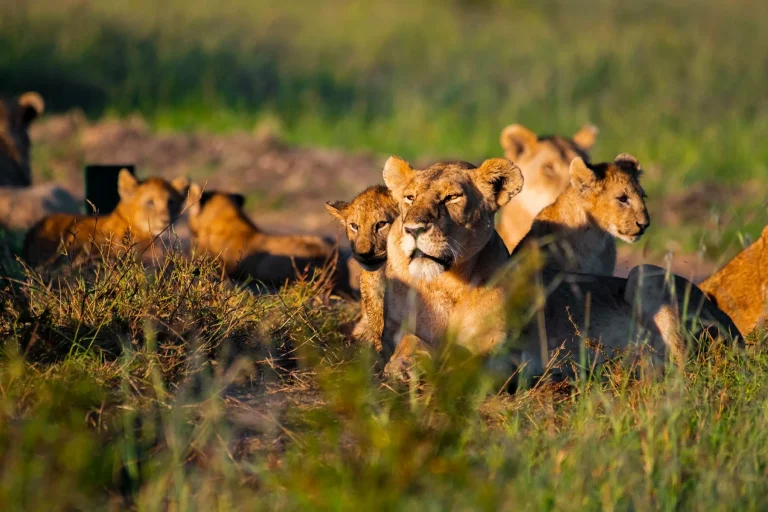
Visitors may encounter lions, elephants, buffaloes, giraffes, zebras, wildebeest, gazelles, topis and hyenas. The Masai Mara is particularly attractive for predator viewing. Lions are regularly observed, while cheetahs favour suitable open habitats and leopards are generally more elusive.
Wildlife viewing is not limited to finding individual animals. Visitors may watch elephants interacting within family groups, predators resting between hunts or grazing herds moving across the plains. Three or four nights in the reserve provide more time to explore different habitats and enjoy game drives without rushing.
Great Wildebeest Migration
The Great Wildebeest Migration is a seasonal movement of large herbivore populations through the Serengeti-Mara ecosystem. Wildebeest and zebras move in response to rainfall, grazing conditions and changing environmental factors. Migration activity in the Kenyan portion of the ecosystem is commonly associated with approximately July to October.
However, the exact timing varies between years. River crossings attract considerable interest, but they are unpredictable. No safari operator can guarantee that a crossing will occur during a particular game drive. Travellers interested in migration photography should allow several days in the Masai Mara and remain flexible about daily wildlife-viewing routes.
The reserve also supports resident wildlife outside the migration period.
Amboseli National Park
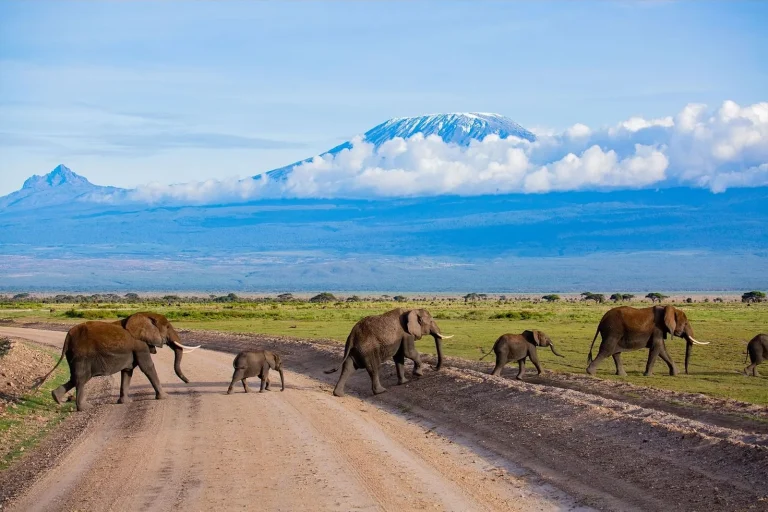
Amboseli National Park is renowned for its elephants and views towards Mount Kilimanjaro. The park contains open plains, wetlands, seasonal lakebeds and acacia habitats. Elephants are among its most prominent animals, but visitors may also encounter buffaloes, giraffes, zebras, wildebeest and numerous bird species.
Amboseli is particularly attractive for wildlife photographers because of the combination of elephants, open landscapes and mountain scenery. Mount Kilimanjaro is located across the border in Tanzania. Clear views depend on weather conditions, and clouds can obscure the mountain. A two- or three-night stay provides time for several game drives and different photographic opportunities.
Lake Nakuru National Park
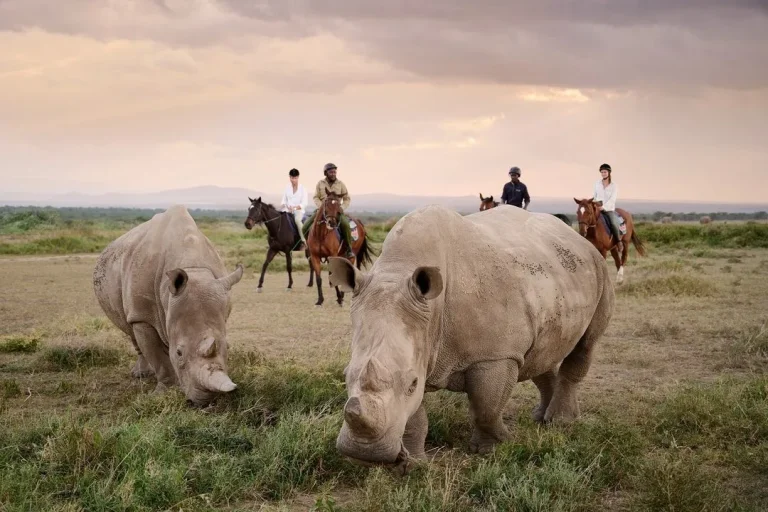
Lake Nakuru National Park lies in Kenya's Rift Valley. The park is important for rhino conservation and provides opportunities to observe both black and white rhinos. Other wildlife includes buffaloes, giraffes, waterbucks, zebras and various antelope species. The lake supports numerous waterbirds, although flamingo numbers vary according to ecological conditions.
Lake Nakuru is often included on road itineraries between Nairobi and the Masai Mara. It provides a useful contrast to the open grasslands of the Mara.
Samburu National Reserve
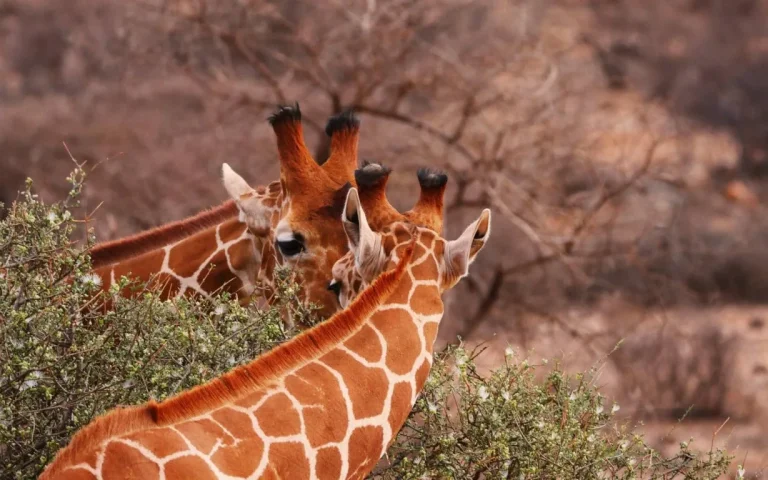
Samburu National Reserve lies in northern Kenya and offers a distinctive semi-arid environment. The reserve is associated with Grevy's zebra, reticulated giraffe, gerenuk, Beisa oryx and Somali ostrich. These species are particularly interesting to travellers seeking wildlife beyond the animals commonly associated with southern Kenya.
The Ewaso Ng'iro River provides an important ecological corridor and attracts wildlife. Samburu is best included in a longer safari because of its distance from the Masai Mara.
Laikipia Conservancies
Laikipia contains a network of conservation areas, private wildlife properties and community conservation initiatives. The region is important for rhino conservation and broader wildlife protection. Depending on the selected conservancy, activities may include guided walks, night drives or conservation-focused experiences.
These activities depend on local regulations and individual property arrangements. Laikipia can be particularly appealing to travellers interested in conservation and quieter safari environments.
Tsavo East and Tsavo West
The Tsavo parks protect extensive landscapes in southeastern Kenya. Tsavo East National Park is associated with open plains, red soils and elephants that often appear reddish after dust bathing. Tsavo West National Park contains more varied terrain, including rocky hills and volcanic landscapes.
The parks are particularly suitable for travellers planning a safari that continues towards Kenya's Indian Ocean coast. They can also be combined with Amboseli on a longer southern Kenya itinerary.
Recommended Kenya Safari Itineraries from Seattle
Eight-Day Masai Mara and Lake Nakuru Safari
Day 1: Depart Seattle Depart Seattle-Tacoma International Airport on a suitable international flight to Nairobi. Depending on the route, the journey may involve one or more connections.
Day 2: Arrival in Nairobi
Arrive at Jomo Kenyatta International Airport. Meet the arranged transfer representative and continue to a Nairobi hotel. Spend the remainder of the day resting after the long journey.
Day 3: Nairobi to Lake Nakuru
After breakfast, travel towards Kenya's Rift Valley. Continue to Lake Nakuru National Park for an afternoon game drive. Look for rhinos, buffaloes, giraffes and other wildlife.
Day 4: Lake Nakuru to Masai Mara
Travel towards the Masai Mara through western Kenya's countryside. Arrive at the selected lodge or tented camp. Depending on arrival time, enjoy an introductory game drive.
Day 5: Full-Day Masai Mara Safari
Spend the day exploring the reserve with a professional guide. Search for lions, elephants, buffaloes, giraffes, zebras and other wildlife. A packed lunch may be arranged for an extended game drive.
Day 6: Additional Masai Mara Game Viewing
Enjoy another day in the reserve. Your guide may explore different habitats according to wildlife movements and permitted access routes.
Day 7: Masai Mara to Nairobi
Return to Nairobi by road or domestic flight. Depending on the schedule, overnight in Nairobi or connect with the international departure.
Day 8: Return Journey
Begin the return journey towards Seattle. The actual arrival date in Washington State depends on airline schedules and connections.
Ten-Day Classic Kenya Safari
A 10-day Kenya safari allows travellers to explore several wildlife destinations at a more comfortable pace. Begin with arrival in Nairobi and a relaxed overnight stay. Continue to Amboseli for two nights, allowing time for elephant viewing and mountain scenery. Travel towards the Rift Valley for a visit to Lake Nakuru.
Finish with three or four nights in the Masai Mara before returning to Nairobi. This itinerary can be adapted with domestic flights to reduce driving.
Fourteen-Day Kenya Safari and Beach Holiday
A 14-day Kenya safari and beach holiday is particularly suitable for travellers making the long journey from Seattle. The itinerary can include Amboseli, Lake Nakuru and the Masai Mara, with several nights dedicated to each major wildlife destination. After the safari, continue to Diani Beach for relaxation along the Indian Ocean.
Optional coastal activities may include boat excursions, marine experiences and visits to nearby attractions, subject to availability. The journey ends with suitable domestic and international flight connections.
Best Time to Visit Kenya from Seattle
January to March
These months are often relatively dry in several major safari destinations. Wildlife viewing can be rewarding in the Masai Mara, Amboseli and other regions. January and February can be attractive for travellers seeking a warm-weather holiday during Seattle's cool, wet winter.
April to May
The long-rains period generally brings greener landscapes and fewer visitors to some safari areas. Road conditions may become challenging, particularly on unpaved tracks. Selected camps may close seasonally.
June to October
This is a popular safari period, particularly in the Masai Mara. Seasonal wildebeest movements attract considerable interest. Accommodation demand can be high during the main migration period. The American summer holiday season overlaps with part of this period, so families should consider booking well in advance.
November to December
Short rains may occur, creating fresh vegetation and changing wildlife distribution. Christmas and New Year are popular travel periods, with higher accommodation demand.
Accommodation Categories
Safari Trips to Kenya offers four broad accommodation categories. The best choice depends on budget, location and preferred travel style.
- Essential Safari Accommodation focuses on practical camps and lodges suitable for travellers prioritising wildlife experiences.
- Comfort Safari Accommodation offers private facilities, comfortable rooms and established dining arrangements.
- Premium Safari Accommodation generally provides enhanced amenities and attractive locations.
- Signature Safari Accommodation includes selected high-end camps and lodges with exclusive settings or personalised experiences.
Luxury Kenya Safaris from Seattle
A Luxury Kenya Safari can be designed around exclusive accommodation, private guiding and convenient transport. Luxury tented camps in the Masai Mara may offer spacious suites, attractive views and personalised service. Some properties are located within private conservancies, where activities and access arrangements may differ from those in national reserves.
Fly-in transfers can reduce long road journeys. Luxury travellers should compare properties carefully because facilities and included activities vary.
Private Kenya Safaris
A Private Kenya Safari provides flexibility in travel dates, accommodation, destinations and daily activities. Private arrangements are particularly suitable for couples, families, photographers and small groups. A dedicated safari vehicle allows the guide to adjust the schedule around wildlife interests. For visitors travelling from Seattle, a private itinerary can also incorporate rest days after long-haul flights.
Group Kenya Safaris
A Kenya Group Safari can be a more economical option for travellers comfortable with fixed departure dates. Most group safaris begin in Nairobi rather than Seattle. Travellers therefore arrange international flights and join the group at the designated meeting point. Before booking, confirm group size, vehicle arrangements, accommodation category and included activities.
Kenya Safari Costs from Washington State
The overall cost depends on international flights, accommodation, park fees, vehicle arrangements, guiding services and travel season. Flights from Seattle are an important component of the travel budget. Domestic safari flights increase convenience but also add expense. Accommodation prices vary considerably between Essential, Comfort, Premium and Signature properties.
Private safari costs are shared among the travellers in the booking, making group size an important consideration. Optional activities such as balloon safaris may be charged separately.
Travel Requirements for US Citizens
US citizens should verify Kenya's current entry requirements before departure. Kenya operates electronic travel authorisation arrangements, with rules and exemptions depending on the traveller's circumstances. Official Kenyan immigration information should be consulted before travel.
Passport validity and any applicable vaccination documentation should also be checked. Comprehensive travel insurance is strongly recommended. Visitors combining Kenya with other countries must confirm the entry requirements for each destination.
Health and Travel Preparation
Travellers should consult an appropriate travel health professional before departure. Advice may include vaccinations, malaria prevention and other precautions relevant to the itinerary. The health considerations for Nairobi, the Masai Mara and coastal Kenya may differ. Carry necessary medication and confirm any restrictions on bringing prescription medicines into the country.
During the safari, follow safe food and water practices and protect yourself from excessive sun exposure.
Managing Jet Lag
The time difference between Seattle and Kenya can affect sleep patterns. Travellers may benefit from adjusting their sleep schedule gradually before departure. During the flight, stay hydrated and follow a reasonable rest schedule. After arriving in Kenya, spending time outdoors during daylight hours may help with adjustment.
A relaxed first day in Nairobi can be especially useful before beginning early morning game drives.
Packing for a Kenya Safari
Pack the following items for a comfortable safari experience.
- Lightweight clothing suitable for warm daytime conditions.
- A fleece or light jacket for cool mornings in higher-altitude destinations.
- Comfortable shoes, a hat, sunglasses, sunscreen and insect repellent.
- Binoculars for wildlife viewing.
- For photographers: suitable lenses, spare batteries and sufficient storage.
- If travelling by domestic light aircraft, check baggage restrictions carefully.
Kenya Family Safaris from Seattle
A Kenya Family Safari can provide an educational and enjoyable experience for children and adults. Watching elephants, giraffes and zebras in natural habitats can be especially memorable. However, family itineraries should consider children's ages, driving tolerance and accommodation requirements.
Some camps and activities have minimum age restrictions. Private safaris allow greater flexibility in daily schedules.
Kenya Honeymoon Safaris
A Kenya Honeymoon Safari combines wildlife viewing with comfortable accommodation and opportunities for privacy. Couples may choose a luxury camp in the Masai Mara followed by a beach stay at Diani. Private game drives, attractive lodge settings and relaxed schedules can enhance the experience. The itinerary should reflect the couple's preferences rather than simply including the largest possible number of destinations.
Responsible Safari Travel
Responsible wildlife tourism helps protect Kenya's natural habitats. Visitors should follow park rules, respect wildlife-viewing distances and avoid disturbing animals. Wildlife should never be fed or chased for photographs. Travellers should remain inside vehicles where required and follow the guide's instructions.
Respectful interactions with local communities are equally important.
Frequently Asked Questions
Can I book a Kenya safari from Seattle?
Yes. Travellers can fly from Seattle to Nairobi through suitable international connections and begin a private or group safari.
Are there direct flights from Seattle to Nairobi?
Most itineraries involve at least one international connection. Current airline schedules should be checked before booking.
How many days should I spend in Kenya?
Ten to fourteen days is a practical duration for many travellers making the long journey from Washington State.
What is the best wildlife destination?
The Masai Mara is particularly popular for savannah wildlife, while Amboseli is famous for elephants and Kilimanjaro scenery.
Can I combine Kenya with Tanzania?
Yes. A longer East African safari can include Kenya and Tanzania, subject to suitable transport and entry arrangements.
Can I combine Kenya with gorilla trekking?
Yes. Gorilla trekking in Uganda or Rwanda can be incorporated into a multi-country safari.
Are luxury safaris available?
Yes. Kenya offers a wide range of high-end camps, lodges and private safari experiences.
Is the Great Wildebeest Migration guaranteed?
No. Migration timing and river crossings depend on natural wildlife movements and environmental conditions.
Can I add a beach holiday?
Yes. Diani Beach and other coastal destinations can be incorporated into a longer itinerary.
Book Your Kenya Safari from Seattle
A Kenya safari from Seattle can be designed around wildlife interests, travel dates and accommodation preferences. Whether you want a Masai Mara Safari, a family wildlife holiday, a luxury honeymoon or a Kenya safari combined with Diani Beach, careful planning helps make the most of your time in East Africa. Safari Trips to Kenya can help you explore Masai Mara Safari Packages, Amboseli tours, luxury wildlife holidays, family safaris and Kenya safari-and-beach itineraries.
Share your intended travel dates, number of travellers, preferred accommodation category and available holiday duration. We can then prepare a personalised Kenya safari proposal with suitable transport arrangements, realistic travel times and clearly explained inclusions.