Kenya safaris from Kenya offer travellers a convenient way to explore the country's national parks, wildlife reserves and conservation areas without beginning their holiday with an international journey. Whether you live in Nairobi, work in Mombasa, are visiting Kenya for business or have already arrived for a holiday, a locally organised safari provides access to some of Africa's most rewarding wildlife destinations.
Kenya has an exceptionally varied natural environment. Its landscapes range from the grasslands of the Masai Mara to the wetlands of Amboseli, the semi-arid plains of Samburu, the Rift Valley lakes and the coastal forests near the Indian Ocean. These regions support different wildlife communities and provide safari experiences suited to different interests, travel periods and budgets.
Starting a safari within Kenya can simplify travel arrangements. Visitors may choose road transfers from Nairobi, domestic flights to remote wildlife areas or a combination of transport methods. Some safari destinations are suitable for a short weekend, while others deserve several days of exploration.
At Safari Trips to Kenya, we help travellers plan Kenya Safari Tours with flexible departure points, suitable accommodation and realistic itineraries. This guide covers the main places to begin a safari, popular wildlife destinations, recommended trip lengths, travel seasons, transport arrangements and practical booking considerations.
Why Book a Safari Starting Within Kenya?
Beginning your safari from a Kenyan city or town offers several advantages.
First, travellers can focus their time on wildlife viewing rather than international travel. Someone already staying in Nairobi may reach Nairobi National Park within a relatively short journey, while a visitor planning a longer holiday can travel to the Masai Mara or Amboseli.
Second, local departure points make it easier to design itineraries around specific interests. A traveller in Mombasa may prefer Tsavo East or Tsavo West, while someone based in Nanyuki may find Laikipia and Mount Kenya particularly convenient.
Third, Kenya offers a broad range of accommodation and safari styles. Visitors can choose practical camping programmes, comfortable lodge safaris, luxury tented camps or exclusive conservancy experiences. A Private Kenya Safari allows the itinerary to be adapted to your travel dates and preferences. Shared group departures can also be considered where established programmes operate.
The best safari is not necessarily the one covering the most national parks. It is the itinerary that provides sufficient time to appreciate each destination without excessive travel.
Popular Departure Points for Kenya Safaris
Kenya Safaris from Nairobi
Nairobi is Kenya's principal international aviation hub and one of the most practical starting points for wildlife safaris. The city provides road access to Nairobi National Park, Lake Naivasha, Lake Nakuru, Amboseli and the Masai Mara. It is also served by Wilson Airport, which handles many domestic safari flights.
A Kenya Safari from Nairobi can last from a single day to two weeks or longer. Shorter trips may focus on Nairobi National Park, Amboseli or the Masai Mara. Longer itineraries can include several destinations across southern, central or northern Kenya. Travellers who have just arrived internationally should consider whether an overnight stay in Nairobi would make the onward journey more comfortable.
Kenya Safaris from Mombasa
Mombasa is a popular starting point for travellers staying along Kenya's Indian Ocean coast. The most convenient major safari destinations include Tsavo East National Park, Tsavo West National Park and, for longer itineraries, Amboseli National Park. A Kenya Safari from Mombasa is particularly attractive for visitors combining beach relaxation with wildlife viewing.
Travellers staying at Diani Beach, Nyali, Bamburi or Watamu can arrange suitable transfers, although travel distances differ considerably. A two- or three-day Tsavo safari can work well as a beach holiday extension, while four or five days allow additional wildlife destinations.
Kenya Safaris from Diani Beach
Diani Beach is located south of Mombasa and is known for its white-sand beaches and coastal accommodation. Visitors can arrange a Diani Beach Safari to Tsavo East or other wildlife destinations. A safari beginning in Diani requires planning around the chosen route, traffic and any necessary ferry or road connections.
For longer journeys, domestic flights may be considered, depending on available services and the destination. Many travellers prefer to complete the wildlife safari first and spend the final days relaxing at the beach.
Kenya Safaris from Nakuru
Nakuru provides convenient access to Lake Nakuru National Park and other Rift Valley attractions. Visitors based in Nakuru may also explore Lake Naivasha, nearby viewpoints and the wider Rift Valley region. For longer safaris, Nakuru can be incorporated into a route towards the Masai Mara.
Kenya Safaris from Nanyuki
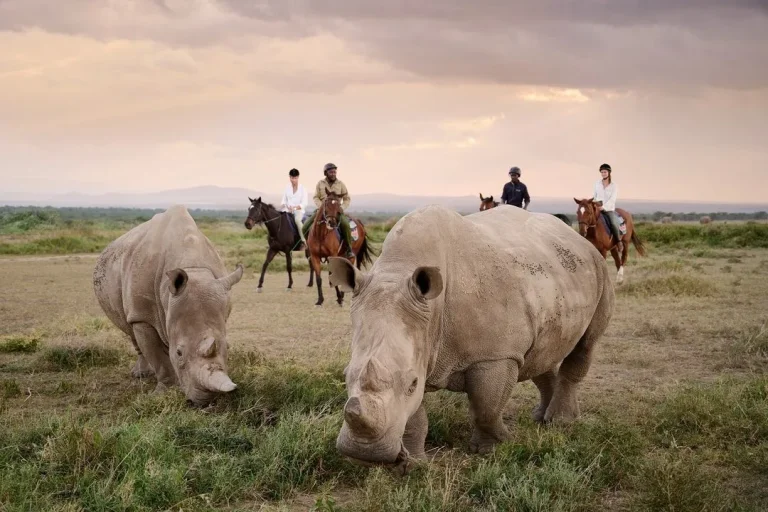
Nanyuki is a useful gateway to Mount Kenya and several conservation areas in Laikipia. The surrounding region is known for private and community conservancies, wildlife conservation initiatives and varied safari accommodation. Visitors interested in rhinos, walking activities, conservation programmes or more exclusive wilderness experiences may find Laikipia especially appealing.
Kenya Safaris from Kisumu
Kisumu, on the shores of Lake Victoria, can serve as a starting point for exploring western Kenya. Travellers may arrange longer road journeys towards the Masai Mara or explore regional attractions around Lake Victoria. Because travel distances and road conditions vary, an itinerary beginning in Kisumu should be designed around the specific destination rather than assuming it follows the same schedule as a Nairobi departure.
Best Wildlife Destinations for Safaris Within Kenya
Masai Mara National Reserve
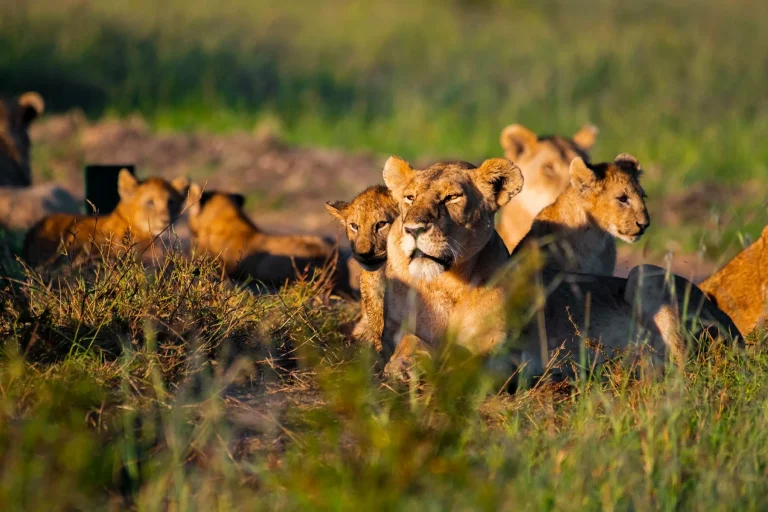
The Masai Mara National Reserve is one of Kenya's most recognised safari destinations. Its grasslands, wooded river corridors and seasonal watercourses support a remarkable variety of wildlife. Lions, elephants, buffaloes, giraffes, zebras, wildebeest and numerous antelope species inhabit the ecosystem.
The reserve is particularly valued for predator viewing. Lions may be observed resting, interacting socially or hunting, while cheetahs favour suitable open habitats. Leopards are generally more difficult to find.
The Masai Mara also forms part of the greater Serengeti-Mara ecosystem, where large herbivore movements respond to rainfall and grazing conditions. During part of the year, migrating wildebeest and zebras may move into Kenya from Tanzania's Serengeti ecosystem. A Masai Mara Migration Safari is most commonly planned during the middle and later months of the year, although the exact timing of migration activity cannot be guaranteed.
For a satisfying visit, two or three nights are preferable to a rushed day trip from a distant city.
Amboseli National Park
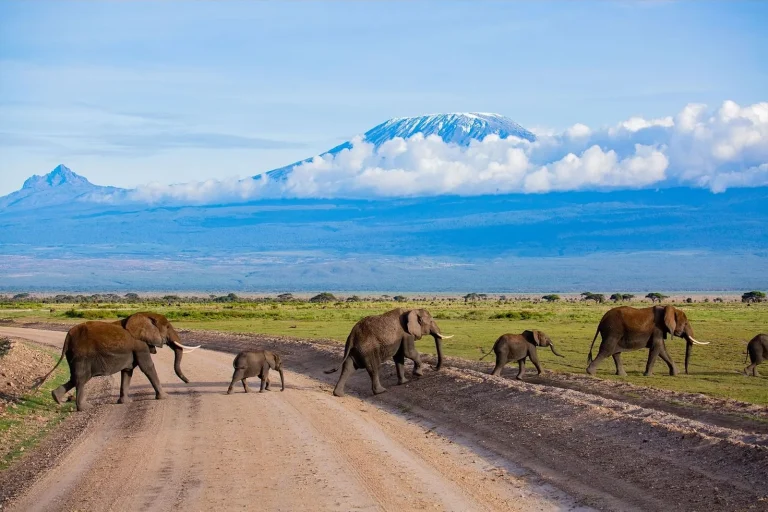
Amboseli National Park is one of Kenya's best-known destinations for elephant viewing. The park lies near the Tanzanian border and is famous for its landscapes beneath Mount Kilimanjaro. Amboseli contains open plains, wetlands, seasonal lakebeds and acacia habitats. These environments attract elephants, buffaloes, zebras, wildebeest, giraffes and many bird species.
The park is particularly appealing to photographers interested in elephants and expansive landscapes. Mount Kilimanjaro is sometimes clearly visible during early morning or late afternoon, but cloud cover frequently affects the view. A two-night stay allows time for several game drives and improves the chances of experiencing different lighting and weather conditions.
Lake Nakuru National Park
Lake Nakuru National Park is situated in Kenya's Rift Valley. The park is known for its rhino conservation work, scenic lake environment and varied habitats. Black and white rhinos occur within the protected area, although sightings depend on animal location and vegetation. Other wildlife includes buffaloes, waterbucks, giraffes, zebras and various antelope species.
Birdwatchers may encounter pelicans, flamingos and other waterbirds, but flamingo numbers fluctuate significantly. Lake Nakuru is often combined with the Masai Mara or Lake Naivasha in multi-day road itineraries.
Tsavo East National Park
Tsavo East National Park is one of Kenya's major wildlife areas and an important destination for safaris beginning on the coast. The park is characterised by broad landscapes, dry-country vegetation, seasonal watercourses and distinctive red soils. Elephants in Tsavo are often associated with a reddish appearance caused by dust bathing in the area's soil.
Other wildlife includes lions, buffaloes, giraffes, zebras and various antelope species. Tsavo East appeals to travellers seeking extensive landscapes and a sense of wilderness. A two-day safari can provide an introduction, although additional time is beneficial for exploring more areas.
Tsavo West National Park
Tsavo West National Park offers a different landscape from Tsavo East. Its terrain includes volcanic features, rocky hills, woodland and natural springs. Mzima Springs is among the park's best-known attractions, providing an important freshwater habitat. Wildlife viewing can be more challenging in densely vegetated sections, but the park offers rewarding scenery and varied ecological environments.
Tsavo West combines well with Tsavo East and Amboseli on longer itineraries.
Samburu National Reserve
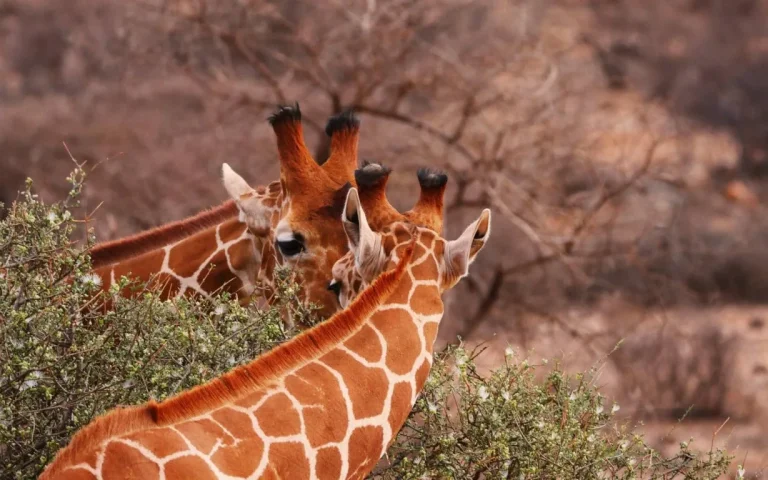
Samburu National Reserve lies in northern Kenya and provides a safari environment distinct from the southern grasslands. Its semi-arid landscapes support reticulated giraffes, Grevy's zebras, gerenuks, Beisa oryx and Somali ostriches. The Ewaso Ng'iro River supports riverine vegetation and attracts wildlife.
Samburu also supports elephants, lions, leopards and other mammals, although sightings vary. The reserve is an attractive choice for travellers interested in unusual wildlife species and less familiar Kenyan landscapes.
Laikipia Conservancies
Laikipia contains a network of private, community and other conservation areas with different management arrangements. Wildlife experiences vary between properties, but the region is particularly important for rhino conservation and broader landscape-level conservation initiatives. Some conservancies offer guided walks, night drives or other activities that may not be available in the same form within national parks.
These activities depend on individual conservancy rules, safety arrangements and accommodation programmes. Laikipia is suitable for travellers seeking a conservation-focused safari or an alternative to the busiest traditional routes.
Recommended Kenya Safari Itineraries
The following itineraries illustrate possible safari arrangements. They are planning examples and can be adjusted according to departure point, available time and accommodation preferences.
Two-Day Kenya Safari
A two-day safari is most suitable when the wildlife destination is reasonably close to the departure point. For travellers staying in Mombasa or Diani, a 2 Days Tsavo East Safari may be practical. Day 1 begins with an early departure towards Tsavo East, followed by wildlife viewing and an overnight stay at a lodge or camp.
Day 2 includes a morning game drive before returning to the coast. Travellers based in Nairobi may consider a short Amboseli itinerary, although the journey requires an early start and provides limited time inside the park. A two-day safari is best viewed as an introduction rather than a comprehensive wildlife holiday.
Three-Day Masai Mara Safari
A 3 Days Masai Mara Safari is one of the most popular short safari formats from Nairobi.
Day 1: Nairobi to Masai Mara
Depart Nairobi and travel towards the Masai Mara, passing through sections of the Rift Valley and western Kenya. The road journey generally occupies a substantial part of the day. On arrival, check into your selected accommodation and enjoy a game drive if time and park-entry arrangements permit.
Day 2: Full-Day Wildlife Viewing
Spend the day exploring the Masai Mara with a professional guide. Wildlife viewing may include elephants, lions, buffaloes, giraffes, zebras, wildebeest and numerous antelope species. A full-day safari allows the guide to explore different habitats without returning to the lodge between drives.
Day 3: Return to Nairobi
After breakfast, begin the return journey to Nairobi. Depending on the itinerary, a morning game drive may be possible before departure, although this must be balanced against travel time and any onward flight.
Five-Day Masai Mara and Lake Nakuru Safari
A 5 Days Kenya Safari can combine two important wildlife destinations. Day 1 begins with a road transfer from Nairobi to Lake Nakuru National Park and an afternoon game drive. Day 2 allows additional wildlife viewing before travelling towards the Masai Mara. Days 3 and 4 are spent exploring the Mara's grasslands, river corridors and wildlife habitats.
Day 5 involves returning to Nairobi. This itinerary offers a combination of rhino conservation landscapes and classic savannah game viewing.
Seven-Day Kenya Wildlife Safari
A seven-day itinerary provides greater flexibility and can include three destinations. One possible route begins in Nairobi and continues to Amboseli, Lake Nakuru and the Masai Mara. Amboseli offers elephant viewing and Kilimanjaro scenery. Lake Nakuru provides a contrasting Rift Valley environment, while the Masai Mara adds extensive savannah wildlife viewing.
Because this itinerary involves significant driving, travellers seeking a more relaxed holiday may prefer to focus on two destinations.
Ten-Day Kenya Safari and Beach Holiday
A 10 Days Kenya Safari and Beach Holiday combines wildlife viewing with time on the Indian Ocean coast. The safari may begin in Nairobi with visits to the Masai Mara, Lake Nakuru and Amboseli before continuing towards Mombasa or Diani Beach. Alternatively, a southern circuit can focus on Amboseli, Tsavo West and Tsavo East before reaching the coast.
The final days are spent relaxing at the beach, enjoying the coastal environment or participating in optional marine activities. This format is particularly attractive for honeymooners, couples and families who want variety without spending the entire holiday on game drives.
Best Time to Book Kenya Safaris
Kenya's safari seasons are influenced by rainfall, wildlife movements, regional climate and accommodation demand.
January to March
These months are often relatively dry in several major safari regions. Wildlife viewing can be rewarding in the Masai Mara, Amboseli and other destinations. Warm daytime conditions are common, although early mornings can be cool in higher-altitude areas.
April to May
The long-rains period generally produces greener landscapes. Some roads and wildlife tracks may become muddy, and selected accommodation properties may close seasonally. Visitor numbers can be lower, making this period attractive for travellers who prefer quieter safari environments.
June to October
This is a popular safari season, especially in the Masai Mara. Drier conditions often improve visibility, and seasonal wildebeest movements attract significant visitor interest. Accommodation demand may be high, particularly during the main migration period. Advance planning is recommended.
November to December
Short rains may occur, creating fresh vegetation and changing wildlife distribution. November can be a rewarding period for photography, while the festive season attracts substantial demand. Travellers planning Christmas or New Year safaris should book well ahead.
Accommodation Categories for Kenya Safaris
Essential
Essential Safari Accommodation provides practical lodging for travellers focused on wildlife viewing. Options may include modest lodges, permanent camps and selected guesthouses. Facilities vary by property, and the exact room configuration should be checked before booking.
Comfort
Comfort Safari Accommodation offers a balance between value and convenience. Properties generally provide private bathrooms, comfortable sleeping arrangements and established dining facilities. This category suits many families, couples and small groups.
Premium
Premium Kenya Safari Lodges provide enhanced accommodation, attractive locations and additional guest facilities. Depending on the property, amenities may include swimming pools, spacious rooms, private verandas and upgraded dining experiences.
Signature
Signature Safari Accommodation focuses on high-end properties with distinctive settings and personalised services. Some camps operate within private conservancies or offer specialised wildlife experiences. The exact inclusions depend on the selected lodge.
Private Kenya Safaris Versus Group Departures
A Private Kenya Safari offers flexibility over travel dates, destinations, accommodation and daily activities. Private arrangements are especially useful for photographers, families, couples and travellers with specific wildlife interests. A dedicated vehicle can make it easier to spend additional time observing particular animals or exploring preferred habitats.
A Kenya Group Safari may be more economical because some transport and guiding costs are shared. However, group itineraries generally follow fixed departure dates and established schedules. Travellers should compare vehicle capacity, accommodation standards, group size and included activities before choosing a shared safari.
What Affects Kenya Safari Prices?
Safari prices vary according to destination, season, accommodation category and transport arrangements. Park and conservancy fees can represent a substantial portion of the cost. These charges may differ according to residency, age, destination and travel dates. Accommodation rates are also seasonal, with some properties charging higher prices during peak travel periods.
Private vehicle costs are divided among the travellers in the booking, which can make a private safari more economical per person for larger groups. Domestic flights provide convenience but increase the overall cost. Optional activities, such as hot-air balloon flights, cultural visits or specialised guiding, may be charged separately.
For an accurate quotation, travellers should specify their departure point, travel dates, number of participants and preferred accommodation standard.
Safari Transport and Vehicle Options
Most road-based safaris use purpose-adapted vehicles designed for wildlife viewing. A 4×4 Safari Land Cruiser is particularly useful for longer routes and areas with uneven or muddy tracks. Some group tours use safari vans where conditions and itinerary arrangements permit. Travellers should confirm whether the vehicle provides a pop-up roof, suitable seating arrangements and adequate luggage capacity.
For fly-in safaris, light aircraft may connect Nairobi with airstrips near major wildlife destinations. Domestic flights are especially valuable when travellers want to reduce long road journeys.
Family Safaris in Kenya
Kenya offers many opportunities for family wildlife holidays. Children often enjoy observing elephants, giraffes, zebras and other animals in their natural habitats. However, a successful Kenya Family Safari requires realistic driving times, appropriate accommodation and activities suited to the children's ages.
Some camps and conservancies impose minimum ages for particular experiences. Families should also consider room configurations, meal arrangements, swimming facilities and the availability of family-friendly guides. Private safaris can be particularly convenient because daily schedules can be adjusted around the family's needs.
Kenya Safari Packing and Preparation
Pack lightweight clothing suitable for warm daytime conditions and cooler mornings. A fleece or light jacket is useful in higher-altitude destinations such as the Masai Mara. Comfortable shoes, a hat, sunglasses, sunscreen and insect repellent are practical essentials. Binoculars are highly recommended for observing birds and distant wildlife.
Travellers interested in photography should bring suitable camera equipment, spare batteries and sufficient storage. Avoid overpacking, particularly when using domestic safari flights with strict luggage limits.
Responsible Wildlife Tourism
Responsible safari travel helps protect wildlife habitats and supports conservation efforts. Visitors should follow park rules, remain inside vehicles where required and respect instructions from professional guides. Wild animals should never be fed, chased or deliberately disturbed for photographs.
Travellers should avoid excessive noise around wildlife and maintain appropriate viewing distances. When visiting communities or cultural attractions, photography should be respectful and permission obtained where appropriate. Choosing accommodation and safari operators that follow responsible practices can contribute to more sustainable tourism.
Frequently Asked Questions
Can I start a Kenya safari from Nairobi?
Yes. Nairobi is one of the most convenient safari departure points, with road and air connections to several major wildlife destinations.
Can I book a safari from Mombasa?
Yes. Tsavo East and Tsavo West are popular destinations for travellers departing from Mombasa and nearby beach resorts.
What is the best national park in Kenya?
There is no single best park for every traveller. The Masai Mara is especially popular for savannah wildlife, Amboseli for elephants and Kilimanjaro scenery, and Samburu for northern Kenya's distinctive species.
How many days do I need for a Kenya safari?
Three days can provide a short Masai Mara experience. Five to seven days allow more variety, while ten days or longer can support a broader safari and beach itinerary.
Are private safaris available?
Yes. Private itineraries can be arranged for individuals, couples, families and groups.
Can I combine a safari with Diani Beach?
Yes. Wildlife safaris can be combined with beach stays along Kenya's coast, including Diani Beach.
Is Kenya suitable for first-time safari travellers?
Yes. Kenya has an established safari tourism industry, varied accommodation and numerous destinations suitable for first-time visitors.
Are wildlife sightings guaranteed?
No. Wildlife moves freely, and sightings depend on habitat, season, weather and animal behaviour.
Plan Your Kenya Safari with Safari Trips to Kenya
Booking Kenya safaris from Kenya gives travellers the freedom to choose a departure point and itinerary that suit their circumstances.
Whether you are planning a Masai Mara Safari from Nairobi, a Tsavo Safari from Mombasa, a family wildlife holiday or a longer private tour across several national parks, careful route planning makes a substantial difference.
Safari Trips to Kenya can help compare destinations, accommodation categories, travel seasons and transport options.
Tell us where you would like to begin, how many days you have available and the wildlife experiences that interest you most. We can then prepare a customised Kenya safari itinerary with clearly explained arrangements and a practical travel schedule.