Planning Kenya safaris from Durban gives South African travellers an opportunity to explore some of East Africa's most celebrated wildlife destinations. Kenya offers extensive savannah ecosystems, large concentrations of plains game, impressive predator populations, varied landscapes and a safari tradition that has attracted wildlife enthusiasts for generations.
For travellers departing from Durban, a Kenya safari can be organised as a short wildlife holiday, a longer journey covering several national parks or a combination of game viewing and relaxation along the Indian Ocean coastline. The most suitable itinerary depends on available travel dates, flight connections, preferred accommodation standards and the amount of time visitors want to spend observing wildlife.
Kenya's best-known destinations include the Masai Mara National Reserve, Amboseli National Park, Lake Nakuru National Park, Samburu National Reserve, Tsavo East National Park and Tsavo West National Park. Each offers a different safari experience, making it possible to design a holiday around big cats, elephants, birdwatching, photography, conservation or a combination of interests.
At Safari Trips to Kenya, itineraries can be developed around travellers' arrival schedules, preferred destinations and available budgets. Both private safaris and selected group departure arrangements may be considered, depending on the chosen programme.
Why Travel from Durban to Kenya for a Safari?
South Africa already offers outstanding wildlife destinations, including Kruger National Park and several respected private reserves. Kenya complements these experiences with different ecosystems, landscapes, wildlife movements and safari traditions.
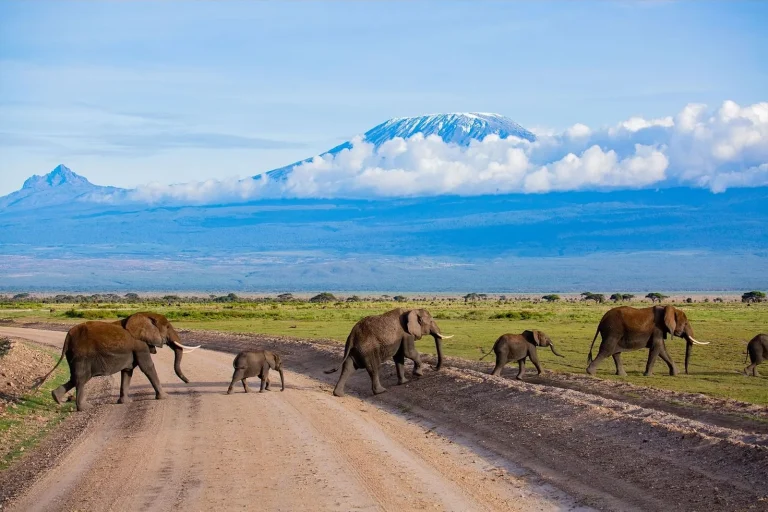
The Masai Mara is especially attractive to travellers interested in large predator populations and the annual movements of wildebeest and zebra across the greater Mara–Serengeti ecosystem. Amboseli provides opportunities to photograph elephants against the dramatic backdrop of Mount Kilimanjaro when weather conditions permit. Samburu introduces visitors to northern Kenya's semi-arid landscapes and wildlife species that are less commonly encountered in southern Kenya.
Another advantage is the opportunity to combine a safari with a coastal holiday. Kenya's Indian Ocean beaches, particularly Diani Beach and Watamu, offer warm-water activities, tropical surroundings and comfortable accommodation after several days of early morning game drives.
For travellers familiar with southern African safaris, Kenya provides an opportunity to compare different conservation landscapes, guiding styles and animal behaviour.
How to Travel from Durban to Kenya
Flying from King Shaka International Airport
Most international journeys begin at King Shaka International Airport, serving Durban and the surrounding KwaZulu-Natal region.
Nairobi's Jomo Kenyatta International Airport is the principal arrival point for most Kenya safari itineraries. Travellers should compare flight options carefully because routes, schedules and airline partnerships can change.
Depending on available services, journeys may involve connections through Johannesburg or another international aviation hub. A connection through Johannesburg can be particularly practical when suitable onward services to Nairobi are available.
Rather than assuming a particular airline operates a direct Durban–Nairobi service, travellers should confirm current schedules before committing to accommodation and safari dates.
Planning Flight Connections
When comparing flights, consider the total journey time rather than simply the advertised flying time. A cheaper itinerary with an extended connection may leave travellers tired before the safari begins. Important considerations include:
- Connection duration and airport transfer requirements.
- Whether checked baggage is transferred automatically.
- Arrival time in Nairobi.
- Airline baggage allowances.
- Whether separate tickets require another check-in.
- Flexibility if a flight is delayed.
- Return-flight timing after the safari.
An afternoon or evening arrival in Nairobi often makes an overnight stay advisable before beginning a long road journey.
Arriving in Nairobi
Jomo Kenyatta International Airport is located southeast of central Nairobi. Transfer times to hotels depend on traffic conditions, the accommodation location and the arrival terminal. Travellers arriving after a long journey may prefer to spend their first night in Nairobi. This provides time to rest, meet the safari guide and begin the journey into Kenya's national parks the following morning.
Alternatively, travellers with suitable flight schedules can arrange onward domestic flights to selected safari airstrips, reducing road travel.
Best Kenya Safari Destinations from Durban
Masai Mara National Reserve
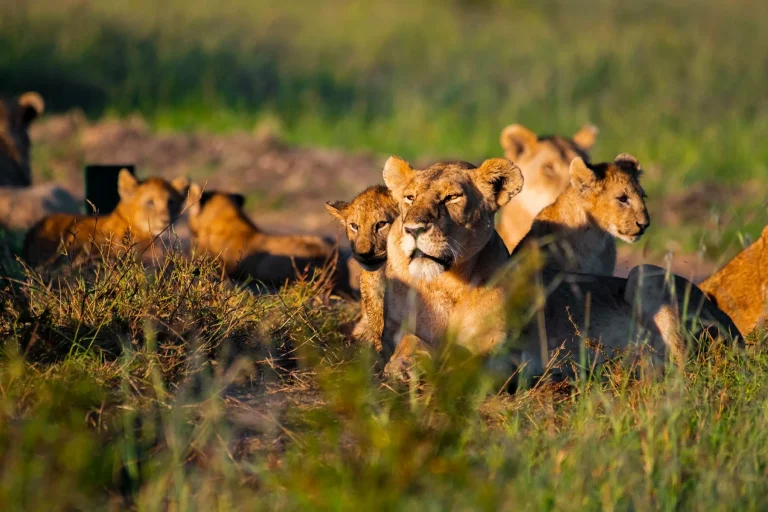
The Masai Mara National Reserve is one of Kenya's most recognisable wildlife destinations. Its open grasslands, river systems and rolling plains support large populations of herbivores and predators.
Wildlife sightings may include lions, elephants, buffaloes, giraffes, zebras, wildebeest, spotted hyenas and several antelope species. Leopards and cheetahs are also present, although sightings depend on conditions and animal movements.
The reserve forms part of the wider Mara–Serengeti ecosystem. During the migration period, large herds may move into the Kenyan section of this landscape, although the timing and location of individual crossings are unpredictable.
A Masai Mara Safari from Durban is suitable for travellers wanting to concentrate on game viewing rather than covering numerous destinations.
Three nights in the Mara generally provide a more relaxed experience than a rushed overnight visit. Additional time allows exploration of different wildlife habitats and improves flexibility when weather or animal movements affect individual game drives.
Amboseli National Park
Amboseli is particularly well known for its elephants and views towards Mount Kilimanjaro. The park contains open plains, seasonal lakebeds, wetlands and areas of woodland. These different habitats attract elephants, buffaloes, zebras, wildebeest and numerous bird species. The wetlands provide important feeding areas, especially when surrounding landscapes are dry.
Amboseli is an excellent choice for travellers interested in elephant photography. Early morning conditions can be especially rewarding when Kilimanjaro is visible, although cloud cover may obscure the mountain. Two nights are often suitable for an introductory Amboseli visit, while longer stays allow more time for wildlife observation.
Lake Nakuru National Park
Lake Nakuru National Park lies within Kenya's Great Rift Valley and combines lake scenery with woodland, grassland and rocky escarpments.
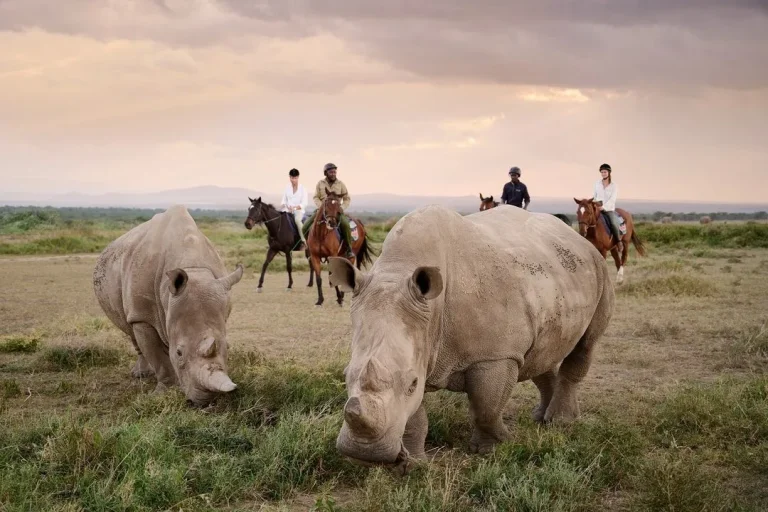
The park is known for its rhino conservation significance and provides opportunities to observe both black and white rhinoceroses. Visitors may also encounter buffaloes, giraffes, zebras, baboons, waterbuck and various bird species.
Flamingo numbers fluctuate with water conditions and food availability. Travellers should therefore avoid expecting the enormous flamingo concentrations associated with older photographs of the lake. Lake Nakuru works well as part of a road safari linking Nairobi with the Masai Mara.
Samburu National Reserve
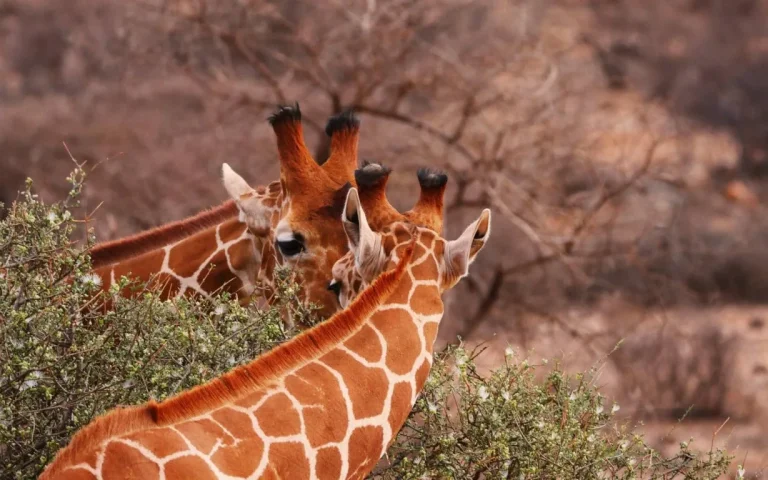
Samburu lies in northern Kenya, where the environment differs considerably from the greener highlands and southern savannahs. The Ewaso Ng'iro River supports wildlife in an otherwise relatively dry landscape. Samburu is particularly interesting for species such as Grevy's zebra, reticulated giraffe, gerenuk, Beisa oryx and Somali ostrich.
These animals are often collectively described as the Samburu Special Five. Elephants, lions, leopards and other wildlife may also be encountered. Samburu is ideal for travellers who have already visited the Masai Mara and want a contrasting safari environment.
Tsavo East and Tsavo West
The Tsavo conservation landscape is one of Kenya's largest protected wildlife areas. Tsavo East National Park is associated with broad plains, seasonal rivers and elephants frequently coloured reddish by the region's soil. Tsavo West National Park features more varied terrain, including volcanic landscapes, hills, woodland and the Mzima Springs area.
Tsavo is particularly suitable for travellers planning to continue towards Kenya's coast after their safari.
Suggested Seven-Day Kenya Safari from Durban
The following itinerary is an example of how a wildlife-focused holiday can be organised. It is a proposed programme rather than a confirmed departure.
Day 1: Fly from Durban to Nairobi
Depart Durban according to the selected international flight itinerary, connecting through an appropriate hub if necessary. Upon arrival at Jomo Kenyatta International Airport, complete immigration procedures and meet the arranged transfer representative. Transfer to your Nairobi accommodation for an overnight stay.
Depending on arrival time, the remainder of the day can be spent resting or enjoying an optional city activity. An overnight stop is particularly useful after a long international journey because it avoids beginning the safari tired.
Day 2: Nairobi to Lake Nakuru National Park
After breakfast, meet your professional safari guide and depart Nairobi towards the Great Rift Valley. The journey passes changing landscapes, settlements and agricultural areas before reaching the Lake Nakuru region. After arrival, enter the national park for game viewing, subject to the final schedule.
Look for rhinos, buffaloes, giraffes and other wildlife inhabiting the park's woodland and open areas. Birdwatchers may enjoy observing waterbirds around the lake, although species and numbers vary seasonally. Spend the night at a selected lodge or camp in the Lake Nakuru area.
Day 3: Lake Nakuru to Masai Mara
Leave Lake Nakuru after breakfast and travel towards the Masai Mara. The journey crosses parts of Kenya's Rift Valley landscape before continuing through the Narok region towards the reserve. Road conditions and the selected accommodation location influence the total travel time.
Arrive at the lodge or camp, check in and prepare for an afternoon game drive if time permits. The first drive introduces the Mara's open plains and wildlife habitats. Spend the night in the Masai Mara area.
Day 4: Full-Day Masai Mara Safari
Begin early to take advantage of cooler conditions and potentially active wildlife. The day's activities may involve morning and afternoon game drives or an extended excursion with a packed lunch. Search for lions, cheetahs, elephants, buffaloes, giraffes and the many herbivores that support the ecosystem.
Your guide will consider recent wildlife movements, weather, road access and park regulations when selecting routes. During migration months, it may be possible to observe large wildebeest herds. River crossings cannot be guaranteed. Return to camp for dinner and overnight accommodation.
Day 5: Another Day in the Masai Mara
A second full day provides more time to explore areas that were not visited previously. This is particularly valuable for wildlife photographers, who may wish to spend longer observing individual animals rather than constantly moving between sightings. Depending on accommodation location and applicable regulations, an optional cultural visit may be arranged outside game-drive hours.
A hot-air balloon safari may also be available at an additional cost, subject to availability and weather conditions. The day concludes with another overnight stay in the Mara.
Day 6: Masai Mara to Nairobi
After breakfast, depart the Masai Mara and return to Nairobi. The road journey may take much of the day, depending on traffic, weather and the location of the lodge. Alternatively, a scheduled domestic flight may be considered where suitable services are available. Upon arrival in Nairobi, transfer to your hotel or airport according to the confirmed travel arrangements.
An overnight stay is advisable when the international departure schedule does not allow a comfortable same-day connection.
Day 7: Departure from Nairobi
Transfer to Jomo Kenyatta International Airport for the return journey to Durban. The exact travel schedule will depend on the selected airline and connecting flights. Travellers with additional holiday time can extend their stay to Amboseli, Samburu or Kenya's Indian Ocean coast.
Alternative Kenya Safari Itineraries
Four-Day Masai Mara Safari
A short safari is suitable for travellers with limited time. The itinerary generally includes arrival in Nairobi, transfer to the Masai Mara, game drives and return to Nairobi. A fly-in arrangement can reduce road travel and allow more time in the reserve. However, travellers should account for the international journey from Durban when deciding whether four safari days provide enough value.
Five-Day Amboseli and Tsavo Safari
This combination is suitable for elephant enthusiasts and travellers interested in contrasting landscapes. Amboseli offers open plains and mountain scenery, while Tsavo introduces a larger and more rugged wilderness environment. The itinerary can be extended towards the coast if travellers wish to include beach accommodation.
Eight-Day Kenya Wildlife Safari
An eight-day itinerary allows travellers to combine Lake Nakuru, the Masai Mara and Amboseli. This programme provides greater habitat diversity but involves significant road travel unless domestic flights are incorporated. Travellers who prefer a slower pace may choose to spend additional nights in fewer destinations.
Ten-Day Kenya Safari and Beach Holiday
A longer holiday can combine several nights of wildlife viewing with a coastal extension. A typical arrangement might include Nairobi, Amboseli, the Masai Mara and Diani Beach. However, combining destinations across Kenya requires careful planning. Domestic flights or a revised park sequence may be necessary to avoid excessive driving.
Best Time to Visit Kenya from Durban
Kenya offers wildlife viewing throughout the year, but seasonal conditions influence vegetation, road access, photography and animal movements.
January to March
These months often provide relatively dry conditions in several major safari areas. Vegetation may be shorter in some locations, making wildlife easier to observe. The period can be attractive for photographers and travellers seeking good general game viewing outside the main migration season.
April to May
Long-rain conditions commonly affect parts of Kenya during these months. Rainfall varies by region and year, but some roads can become muddy or difficult. The landscape is often greener, and birdwatching can be rewarding. Some camps may operate reduced schedules or close temporarily, so accommodation availability should be checked.
June to October
This is a popular period for wildlife safaris, especially in the Masai Mara. The main dry-season conditions can encourage wildlife to concentrate around reliable water sources. The migration may bring large herds into the Mara during part of this period, although exact timing changes annually.
Accommodation demand is often strong during peak migration months, making advance reservations important.
November to December
Short-rain patterns may affect some regions, but safaris remain possible. The landscape can become greener, and birdlife may be particularly interesting. December holiday periods can attract substantial visitor demand.
Kenya Safari Accommodation Options
Safari Trips to Kenya can organise accommodation according to the preferred level of comfort, location and budget.
Essential Accommodation
Essential accommodation focuses on practical facilities and value. Options may include simple safari camps, modest lodges and accommodation outside reserve boundaries. These arrangements are suitable for travellers who prioritise game viewing over luxury facilities.
Comfort Accommodation
Comfort accommodation generally provides private bathrooms, comfortable beds, established dining facilities and convenient safari access. This category is popular among couples, families and travellers seeking a balance between cost and convenience.
Premium Accommodation
Premium properties may offer larger rooms or tents, more personalised service, attractive locations and additional facilities. Some are situated inside protected areas or adjoining conservancies.
Signature Accommodation
Signature safari properties focus on highly personalised experiences, distinctive locations and high accommodation standards. Depending on the property, experiences may include private guiding, exclusive-use vehicles and specialised activities. The exact inclusions must be confirmed for each lodge.
Private Kenya Safari or Group Safari?
A Private Kenya Safari gives travellers greater control over the itinerary. The safari vehicle is reserved for the travelling party, allowing the guide to adjust game-drive priorities around photography, birdwatching or particular wildlife interests. Private arrangements are especially suitable for families, couples and small groups travelling together.
A Kenya Group Safari can reduce individual transport costs by sharing the vehicle and guide. However, group tours generally follow fixed departure dates, predetermined accommodation arrangements and shared game-drive schedules. Travellers should confirm the maximum group size, vehicle seating arrangement and luggage restrictions before booking.
What Determines Kenya Safari Prices?
The total cost of a Kenya safari from Durban depends on several factors. International flights are a major consideration. Fares vary according to travel season, booking date, airline and connection arrangements. Accommodation also affects the overall price. A lodge inside or close to a major reserve may cost more than a property farther away.
Other important factors include park and conservancy fees, domestic flights, vehicle type, number of travellers and optional activities. A private safari for two people generally has a higher per-person transport cost than a private safari shared by four or six travellers. When comparing quotations, travellers should examine what is included rather than judging the package solely by the advertised price.
Typical Safari Inclusions
Depending on the selected programme, a Kenya safari quotation may include:
- Airport pickup and departure transfers.
- Private or shared safari transport.
- Services of a professional safari guide.
- Accommodation at selected lodges or camps.
- Meals according to the itinerary.
- Scheduled game drives.
- Applicable park entrance fees.
- Drinking water during safari drives.
International flights, travel authorisation, mandatory travel health insurance, gratuities, personal purchases and optional activities may be excluded unless specifically stated.
Entry Requirements for Travellers from Durban
Entry requirements depend on nationality and immigration status, not simply the city of departure.
South African passport holders should check Kenya's current exemption arrangements for their intended duration of stay. Travellers holding other passports may require an approved electronic travel authorisation before departure.
Kenya also introduced mandatory inbound travel health insurance in October 2026 for many non-exempt visitors. South African travellers should verify the applicable requirements through official Kenyan immigration and insurance platforms.
A yellow fever vaccination certificate may be required depending on the countries visited or transited and the relevant health regulations. Travellers should check passport validity, airline requirements and health documentation before purchasing non-refundable travel arrangements.
Practical Advice for Durban Travellers
Allow Enough Time for the Safari
A Kenya safari should not be planned around the shortest possible itinerary without considering international travel time. For a holiday involving long-haul connections, seven to ten days in Kenya often provide a better balance than a rushed three-day visit.
Pack for Different Temperatures
Kenya's climate varies considerably by location and altitude. Nairobi and the central highlands can be cool in the early morning, while northern reserves and coastal areas are generally warmer. Pack lightweight clothing, a warm layer, comfortable shoes, sun protection and suitable rainwear.
Choose the Right Safari Vehicle
A 4×4 safari Land Cruiser with a pop-up roof is commonly preferred for wildlife photography and travel on rougher roads. Ask about window access, passenger numbers and luggage capacity before confirming a group tour.
Consider Domestic Flights
Domestic flights can be useful when combining distant destinations or when travelling with children or older family members. However, smaller aircraft may impose stricter baggage limits than international airlines.
Arrange Suitable Travel Insurance
In addition to any mandatory Kenyan inbound health insurance, travellers should consider comprehensive cover for medical emergencies, evacuation, cancellation and personal belongings.
Frequently Asked Questions
Can I book a Kenya safari directly from Durban?
Yes. Safari arrangements can be organised around flights departing King Shaka International Airport, with airport reception and safari services beginning in Kenya.
Are there direct flights from Durban to Nairobi?
Flight availability changes, and travellers should not assume a nonstop service is operating. Compare current airline schedules and connection options before booking.
How many days are recommended for a Kenya safari?
Five to seven safari days are suitable for many travellers. Eight to twelve days allow a more relaxed combination of several destinations.
Is Kenya suitable for families?
Yes. Kenya offers family-friendly lodges and private safari arrangements. The itinerary should account for children's ages, travel times and individual property policies.
Can I combine Kenya with a beach holiday?
Yes. Diani Beach, Watamu and other coastal destinations can be incorporated after the wildlife safari.
Is the Great Migration guaranteed?
No. Migration movements depend on rainfall, grazing conditions and wildlife behaviour. Specific river crossings cannot be guaranteed.
Can I choose luxury accommodation?
Yes. Essential, Comfort, Premium and Signature accommodation options can be considered according to budget and availability.
Should I choose a private or shared safari?
Private safaris offer greater flexibility, while group departures may be more economical for solo travellers and smaller parties.
Book Your Kenya Safari from Durban
A successful Kenya safari begins with selecting the right destinations, travel dates and transport arrangements. Safari Trips to Kenya can help develop a Kenya Safari Package from Durban that matches your available holiday time and preferred travel style. Share your proposed dates, number of travellers, accommodation preference and wildlife interests to receive a customised itinerary and quotation.