
Amboseli Elephants
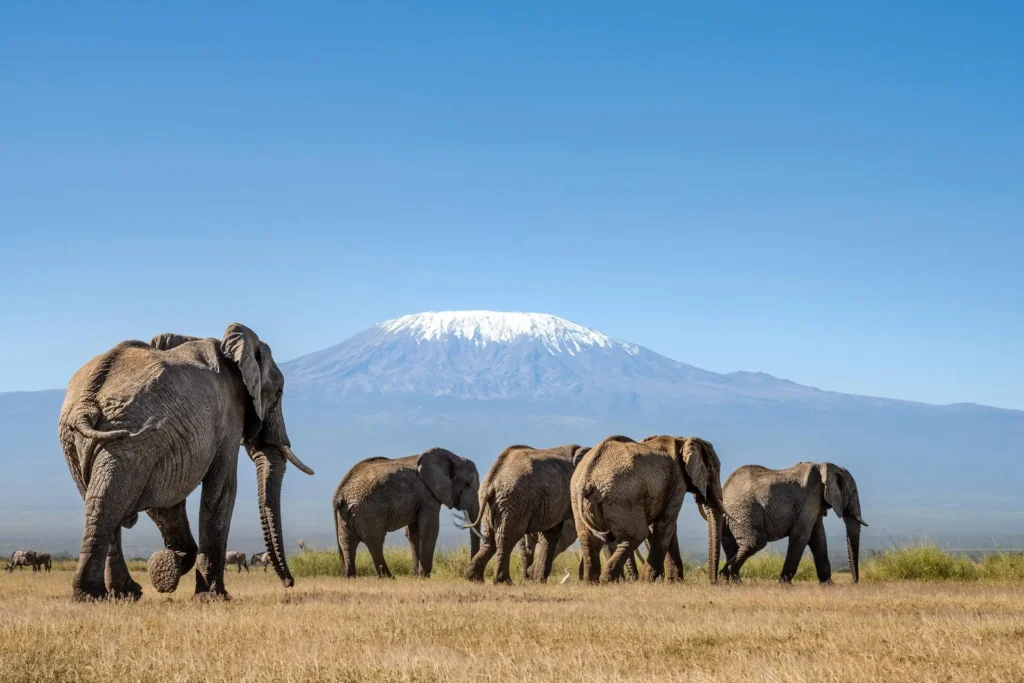
An elephant family moves slowly across the Amboseli plains. A calf walks between two adults, occasionally stretching its trunk towards the ground. Behind them, another elephant pauses to feed, while the oldest female appears to assess the group’s direction. Beyond the grassland, Mount Kilimanjaro rises above the landscape, its summit sometimes visible through the morning clouds.
This is the experience that has made Amboseli elephants famous among wildlife enthusiasts, photographers and conservation researchers. Amboseli National Park, in southern Kenya near the Tanzanian border, is one of Africa’s most important places for observing free-ranging African savannah elephants. The animals are known not only for their visibility against open landscapes but also for the extraordinary scientific research that has documented their lives across generations.
The Amboseli Elephant Research Project, established in 1972, has followed individually identified elephants and their family relationships over decades. This work has contributed significantly to understanding elephant social organisation, communication, reproduction, survival and the importance of experienced older females.
For visitors, an Amboseli Elephant Safari offers much more than an opportunity to photograph a large animal. With patience and knowledgeable guiding, travellers can observe family relationships, feeding behaviour, playful calves, interactions between males and the subtle ways elephants communicate. This guide explores what makes Amboseli’s elephants special, where they are commonly encountered, how they behave, the challenges they face and how to plan a responsible safari.
Why Is Amboseli Famous for Elephants?
Amboseli is renowned for its long-studied elephant population, open wildlife-viewing landscapes and the dramatic backdrop of Mount Kilimanjaro. Unlike densely forested environments where elephants may disappear quickly into vegetation, Amboseli contains extensive open plains and wetlands. These habitats often make it possible to observe elephants from a considerable distance.
The park’s permanent swamps are particularly important. They receive water through the broader Kilimanjaro hydrological system, helping sustain vegetation and wildlife even during relatively dry periods. Elephants move between feeding areas, wetlands and surrounding rangelands according to seasonal conditions.
Their movements are not restricted to the national park boundary. The wider Amboseli ecosystem includes community lands and important wildlife corridors extending beyond the protected area. This combination of open habitats, reliable water and long-term research has made Amboseli one of the world’s best-known elephant landscapes.
What Species of Elephants Live in Amboseli?
The elephants of Amboseli are African savannah elephants, scientifically known as Loxodonta africana. They are distinct from African forest elephants, which belong to a separate species, Loxodonta cyclotis.
African savannah elephants are the largest living terrestrial animals. Adult males can reach impressive sizes, with some weighing several tonnes. Females are generally smaller but remain formidable animals. Their large ears help with temperature regulation, while their trunks perform numerous functions, including feeding, drinking, smelling, touching and communication.
Tusks are elongated upper incisor teeth. Elephants use them for digging, stripping bark, manipulating vegetation and social interactions. Not every elephant has the same tusk shape or size. Genetics, age, sex and individual circumstances influence their appearance. The species is classified as Endangered on the IUCN Red List, making conservation of populations such as Amboseli’s particularly important.
The Famous Elephant Families of Amboseli
One of the most remarkable features of elephants in Amboseli National Park is the opportunity to observe stable family relationships. Elephant families are generally organised around related females and their dependent offspring. A family group may include mothers, daughters, sisters, aunts and calves of different ages. These relationships can continue for decades.
The Role of the Matriarch
A matriarch is typically an older female who plays an important role in family leadership. Her experience can be valuable when the group must locate resources, respond to threats or navigate changing environmental conditions. Research has demonstrated that older elephants may possess important social and ecological knowledge.
However, elephant families are not controlled through constant aggression or rigid commands. Their movements and decisions involve communication, social relationships and responses to the surrounding environment.
Mothers and Calves
Elephant calves depend heavily on their mothers during the early stages of life. Newborn calves must learn how to coordinate their trunks, navigate uneven terrain and interact with other elephants. Young calves often remain close to their mothers, particularly when the group is moving through unfamiliar or potentially dangerous surroundings. Watching a calf experiment with its trunk can be entertaining, but these behaviours are also part of important developmental learning.
Allomothering and Family Support
Female elephants other than the calf’s mother may help protect or supervise young animals. This behaviour is often described as allomothering. Older siblings and other female relatives can play roles in calf care. Such cooperation contributes to the complex social relationships for which elephants are known.
Family Reunions
Elephant groups sometimes separate into smaller units before coming together again. Reunions may involve vocalisations, touching and energetic social behaviour. Observers may see elephants approach one another with raised heads, extended trunks or increased vocal activity. These interactions illustrate the importance of social relationships within elephant society.
The Amboseli Elephant Research Project
The Amboseli Elephant Research Project is one of the world’s longest-running studies of a free-ranging elephant population. Established in 1972, it has followed individually identified elephants through changes in family structure, reproduction, environmental conditions and survival.
Researchers identify animals using physical characteristics such as ear patterns, tusks and other distinguishing features. Because elephants can live for many decades, long-term monitoring provides information that shorter studies cannot capture. The research has helped scientists understand elephant life histories, social networks and the importance of family relationships. It has also documented how environmental pressures, including drought, can affect survival and reproduction.
Why Long-Term Elephant Research Matters
An elephant’s life unfolds over many years. Females generally begin reproducing after reaching maturity, and pregnancies last approximately 22 months. Calves require prolonged maternal care, and the interval between births can be several years.
Studying only one or two seasons would reveal little about the long-term consequences of drought, family disruption or habitat changes. Decades of research make it possible to examine these relationships more thoroughly.
Recognising Individual Elephants
Experienced researchers can identify individual elephants by their physical features. Ear tears, holes, vein patterns, tusk shapes and other characteristics help distinguish animals. This allows scientists to follow the same elephants over time and understand how their lives change.
For safari visitors, learning that elephants have recognisable individual histories can transform the experience of watching a herd.
Famous Amboseli Elephants and Big Tuskers
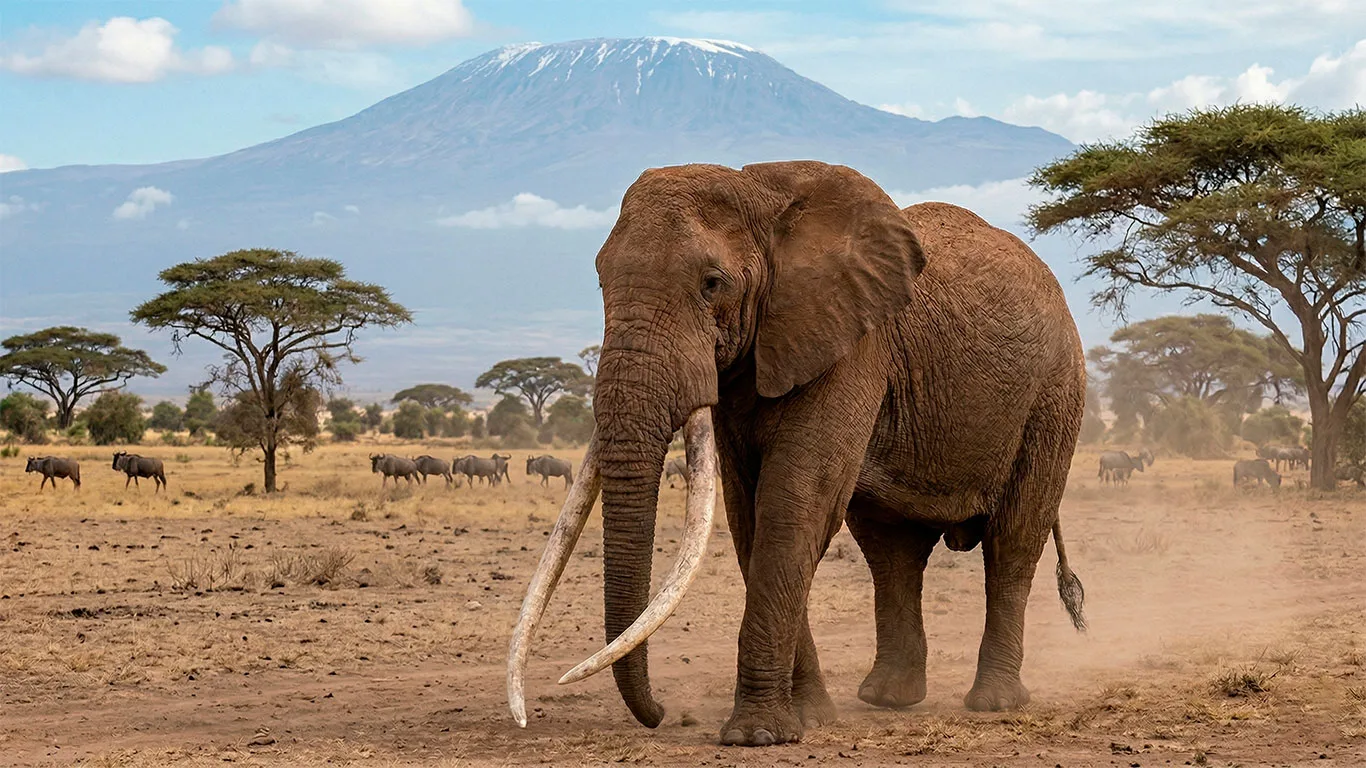
Amboseli has become associated with remarkable elephants carrying unusually large tusks. These animals are often called big tuskers. A big tusker is generally understood to be an elephant with exceptionally long or heavy tusks, although the term is used somewhat differently in popular wildlife discussions. Such elephants are rare, and their survival has particular conservation significance.
Craig, the Famous Amboseli Tusker
Craig is among the best-known elephants associated with the Amboseli ecosystem. His exceptionally large tusks have made him a celebrated subject for wildlife photographers and conservation enthusiasts. However, sightings of any named elephant depend on the animal’s current location, health and natural movements. Visitors should never expect a particular individual to appear during a scheduled game drive.
Why Big Tuskers Matter
Large tusks can be associated with age and inherited characteristics. Older males may also possess important social experience. Protecting mature elephants helps preserve natural population structures and the genetic diversity of the species. The rarity of big tuskers makes ethical viewing especially important. Vehicles should maintain appropriate distances and avoid interfering with their movements.
Where to See Elephants in Amboseli National Park
Elephants use different parts of Amboseli according to water, vegetation and seasonal conditions. No single location guarantees sightings throughout the year. However, several habitats are particularly important.
Amboseli’s Permanent Swamps
The park’s swamps are important feeding and drinking areas. Elephants may enter wetland vegetation to feed on aquatic plants or move through shallow water. Visitors sometimes observe groups standing in marshy areas with only parts of their bodies visible above the vegetation. Wetlands also attract buffaloes, hippos and numerous birds.
Open Grasslands
Amboseli’s plains provide some of the most recognisable elephant-viewing scenes. Herds may travel across open areas between feeding and drinking locations. These movements can create excellent opportunities for observing family formations and photographing elephants against distant landscapes.
Woodland and Acacia Habitats
Elephants also use woodland areas for feeding and shade. They may browse on branches, strip bark or manipulate vegetation with their trunks. These habitats can be more difficult for photography because trees and bushes partially obscure the animals. However, they reveal important aspects of elephant feeding behaviour.
Seasonal Movement Areas
Elephants move beyond the national park into the surrounding ecosystem. Their routes are influenced by rainfall, grazing conditions, water availability and human activity. These movements demonstrate why conservation of the wider landscape is essential.
Elephants and Mount Kilimanjaro Photography
One of the most sought-after wildlife photographs in Kenya shows elephants walking across the Amboseli plains with Mount Kilimanjaro behind them. The image combines two remarkable natural subjects: Africa’s largest land mammal and its highest mountain. However, creating this photograph requires patience.
Kilimanjaro Visibility
Mount Kilimanjaro is frequently obscured by clouds. Early mornings sometimes provide clearer views, but conditions vary. A traveller may enjoy excellent elephant sightings without ever seeing the entire mountain. Photographers should therefore avoid making the success of their safari dependent on a particular composition.
Positioning and Light
A professional guide can help identify suitable legal viewing positions. The angle of sunlight, direction of elephant movement and location of the mountain all influence the photograph. Early morning and late afternoon light can produce attractive colours and softer shadows. However, wildlife should never be chased or forced into a position for photography.
Choosing a Camera Lens
A telephoto zoom lens is useful for elephant portraits and behavioural photographs. A wider lens can be valuable for landscape compositions showing elephants and Kilimanjaro together. Photographers should keep equipment protected from dust, particularly during dry conditions.
Respecting Elephant Space
Elephants may react defensively when vehicles approach too closely. Visitors should remain quiet, avoid sudden movements and follow the guide’s instructions. A good photograph is never worth disturbing a family group.
Understanding Elephant Behaviour in Amboseli
Watching elephants becomes more rewarding when visitors understand their behaviour.
Trunk Communication
Elephants use their trunks to smell, touch, investigate and interact. A calf may touch its mother’s mouth or body, while adults may greet one another through trunk contact. These interactions can communicate social information.
Ear Movements
Elephants move their ears for several reasons. Ear flapping can help regulate body temperature. Changes in ear position may also occur during social interactions or responses to disturbances. A single ear movement should not automatically be interpreted as aggression.
Vocal Communication
Elephants produce a variety of sounds, including rumbles and trumpets. Some low-frequency vocalisations can travel considerable distances. Communication helps elephants coordinate movements and maintain social relationships.
Dust Bathing
Elephants frequently throw dust or soil over their bodies. Dusting can help protect the skin and may reduce irritation from insects and sunlight. It also creates dramatic photographic opportunities.
Mud Bathing
Mud bathing is another common behaviour. Elephants may coat their bodies with wet soil, particularly during warm conditions. Mud can help with cooling and skin protection.
Feeding
Adult elephants consume large quantities of vegetation. Their diet includes grasses, leaves, bark, roots and other plant material, depending on availability. Their feeding behaviour influences vegetation structure and contributes to ecological processes.
Why Elephants Move in Groups
Elephant families benefit from social cooperation. Adults can help protect calves and share information about the environment. Family groups may travel together between feeding and water areas.
However, elephant society is flexible. Groups may split temporarily and later reunite. Adult males often live separately from female-led family groups after reaching maturity. They may travel alone or associate with other males. Understanding these patterns helps visitors interpret what they see during game drives.
Male Elephants and Musth
Adult male elephants may enter a physiological condition known as musth. Musth is associated with elevated reproductive hormones and changes in behaviour. A male in musth may show temporal gland secretion, urine dribbling and increased interest in females. Such animals can be particularly unpredictable and should be given ample space.
Guides must assess elephant behaviour carefully and avoid positioning vehicles in ways that could create conflict. Visitors should never approach elephants on foot without appropriate authorisation and specialist supervision.
Elephant Calves in Amboseli
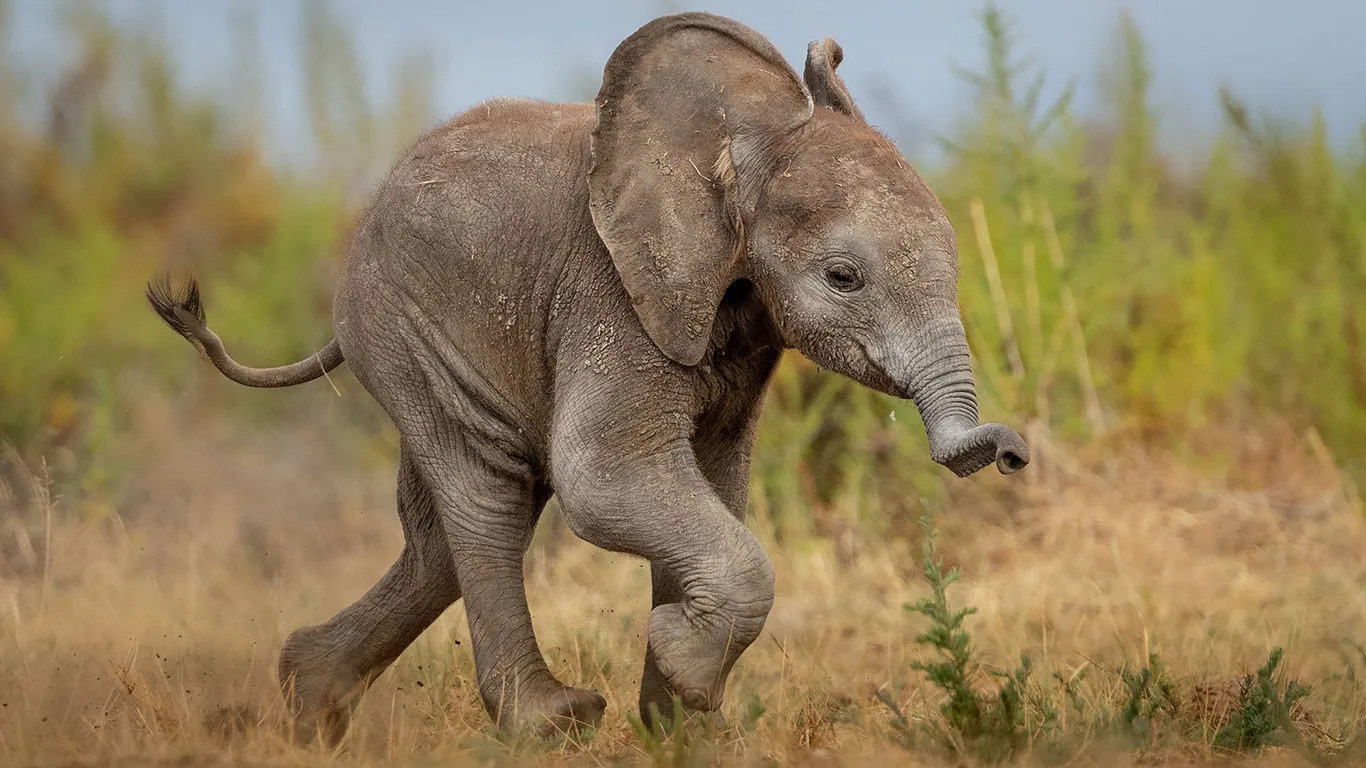
Young elephants are among the most engaging animals to observe. Calves often display playful behaviour, including mock charges, trunk exploration and interactions with siblings. However, young calves are also vulnerable. Mothers and other family members may become defensive if they perceive a threat.
Vehicles should never separate a calf from its family or block the group’s movement. Photographers should use appropriate lenses rather than approaching closely.
Best Time to See Elephants in Amboseli
Elephants can be observed in Amboseli throughout the year. The best season depends on the type of experience desired.
Dry-Season Elephant Viewing
During drier periods, reliable water sources become particularly important. Elephants may concentrate around wetlands and other areas with suitable vegetation. Open landscapes can provide good visibility. However, dry conditions may also create dust.
Wet-Season Elephant Viewing
Rainfall can transform the landscape into greener grassland. Elephants may spread across a wider area as water and vegetation become available. The scenery can be attractive for photography, although animals may be more dispersed.
Early Morning Game Drives
Early mornings often provide cooler temperatures and favourable light. Kilimanjaro may also be more visible before clouds develop. Elephant activity varies, so sightings cannot be guaranteed at a particular time.
Afternoon Game Drives
Late afternoon can provide attractive light and opportunities to observe elephants moving between habitats. The best route depends on current wildlife activity.
How Many Days Are Needed for an Amboseli Elephant Safari?
A one-day visit can provide rewarding elephant sightings, but it allows limited time to explore the park. Two nights are suitable for many first-time visitors. Three nights provide additional opportunities to observe different family groups, photograph elephants and respond to changing weather. Dedicated photographers may prefer a longer stay. The ideal duration depends on the wider Kenya safari itinerary.
Conservation Challenges Facing Amboseli Elephants
Amboseli’s elephants face challenges that extend beyond the national park boundary.
Habitat Loss and Fragmentation
The wider Amboseli ecosystem includes important elephant movement areas. Agricultural expansion, settlement, fencing and infrastructure can affect wildlife corridors. Maintaining connected habitats is essential for elephants that move between seasonal resources.
Human–Elephant Conflict
Elephants may enter agricultural areas or encounter people and livestock. Crop damage and other conflicts can create serious difficulties for surrounding communities. Conservation efforts must address both wildlife protection and human livelihoods.
Drought
Severe drought can reduce vegetation and water availability. Elephants require substantial resources, and prolonged environmental stress can affect survival and reproduction. Calves and older animals may be particularly vulnerable during extreme conditions.
Climate Variability
Changing rainfall patterns can influence the availability of food and water. Conservation planning must consider how environmental conditions affect elephant movements.
Poaching and Illegal Ivory Trade
Ivory poaching has historically threatened African elephant populations. Continued protection, monitoring and law enforcement remain important.
The Importance of the Wider Amboseli Ecosystem
The national park is only one part of the landscape used by elephants. Animals may move across community lands, conservancies and other areas beyond its boundaries. These movements allow elephants to respond to changing environmental conditions.
Conservation therefore depends on maintaining suitable habitats and reducing conflict across the wider ecosystem. Local communities play an important role because their land-use decisions influence wildlife movement. Tourism can contribute economically, but long-term conservation also requires fair and practical approaches to coexistence.
Responsible Elephant Viewing in Amboseli
- Remain on permitted tracks and follow park regulations.
- Do not surround elephants or block their intended route.
- Exercise particular care around mothers with young calves and males showing signs of musth.
- Remain quiet, avoid sudden movements and never feed elephants.
- Use suitable lenses for photography rather than approaching too closely.
- Follow a professional guide’s judgement when interpreting elephant behaviour.
Amboseli Elephant Safari Accommodation
Accommodation choices influence how conveniently travellers reach the park’s wildlife-viewing areas. Amboseli Serena Safari Lodge and Ol Tukai Lodge are established properties inside the national park. Other accommodation options include lodges and tented camps outside the park or in the wider ecosystem.
Safari Trips to Kenya uses Essential, Comfort, Premium and Signature categories to help travellers compare options. The best choice depends on location, budget, facilities and the planned game-drive schedule. Photographers may prefer accommodation that allows convenient early departures. Families may prioritise suitable room arrangements and rest facilities.
Combining Amboseli Elephants with Other Kenya Wildlife
Amboseli can be combined with several other destinations.
Masai Mara National Reserve
The Masai Mara is famous for predators, grassland wildlife and the seasonal Great Wildebeest Migration. Combining the Mara with Amboseli provides contrasting wildlife experiences.
Tsavo West National Park
Tsavo West offers volcanic landscapes, woodland and varied wildlife habitats. It can be incorporated into longer southern Kenya safari routes.
Tsavo East National Park
Tsavo East is known for its extensive landscapes and elephants, some of which appear reddish because of the local soil.
Diani Beach
A safari in Amboseli can be followed by relaxation on Kenya’s Indian Ocean coast. This combination is particularly attractive for honeymooners and families.

Frequently Asked Questions About Amboseli Elephants
Why are Amboseli elephants famous?
They are known for their visibility in open landscapes, long-term scientific research and the opportunity to photograph them beneath Mount Kilimanjaro.
Are elephants easy to see in Amboseli?
Amboseli is one of Kenya’s best-known elephant-viewing destinations, but sightings remain dependent on natural wildlife movements.
What species of elephant lives in Amboseli?
African savannah elephants, Loxodonta africana.
Can I see baby elephants in Amboseli?
Calves may be encountered within family groups, although sightings cannot be guaranteed.
Are there big tuskers in Amboseli?
The ecosystem is associated with notable big tuskers, but individual animals cannot be guaranteed during a safari.
What is the Amboseli Elephant Research Project?
It is a long-running scientific study established in 1972 that has documented the lives and relationships of individually identified elephants.
Can elephants be photographed with Kilimanjaro?
Yes, when elephant positions and mountain visibility align.
How many days should I spend in Amboseli?
Two or three nights are suitable for many travellers, while photographers may prefer longer stays.
Are Amboseli elephants dangerous?
Elephants are powerful wild animals. Visitors must maintain appropriate distances and follow their guide’s instructions.
Can I visit Amboseli from Nairobi?
Yes. Amboseli can be reached by road or suitable domestic flight arrangements, depending on the itinerary.
Plan Your Amboseli Elephant Safari
The Amboseli elephants represent one of Kenya’s most remarkable wildlife experiences. Their complex family relationships, impressive size and long conservation history make them fascinating animals to observe. Amboseli also provides a distinctive landscape, with permanent wetlands, open grasslands and views towards Mount Kilimanjaro when conditions permit.
Safari Trips to Kenya can arrange a personalised Amboseli Elephant Safari with suitable accommodation, private game drives and opportunities for wildlife photography. Contact Safari Trips to Kenya with your preferred travel dates, number of travellers and accommodation category to begin planning your Amboseli safari.