
Planning a safari in Kenya should be exciting, but the number of destinations, accommodation choices and travel options can make it difficult to know where to begin. Should you spend more time in the Masai Mara or combine it with Amboseli? Is a four-day safari enough? When is the best time to see the Great Wildebeest Migration? And how can you include a few days on the Indian Ocean coast without spending most of your holiday travelling?
Welcome to the Safari Trips to Kenya Blog, our collection of practical guides, destination information and travel advice designed to help you make informed decisions about your Kenya safari.
Our aim is to go beyond general descriptions of wildlife and scenery. We explain what different safari destinations actually offer, how journeys work, which experiences suit different travellers and what to consider before committing to an itinerary.
Whether you are planning your first African safari, organising a family holiday, looking for a honeymoon experience or comparing wildlife parks, our Kenya Safari Blog provides a starting point for exploring the country.
From the grasslands of the Masai Mara to the elephant landscapes of Amboseli, the dry wilderness of Samburu and the beaches of Diani, Kenya offers an extraordinary variety of experiences. Understanding how these destinations fit together is one of the most important parts of planning a rewarding trip.
Start Planning Your Kenya Safari
A successful safari begins with a few practical decisions: how many days you have, which wildlife experiences matter most, how much driving you are comfortable with and what type of accommodation you prefer.
Kenya has excellent safari destinations, but they are not all close together. An itinerary that looks attractive on a map may involve long road transfers, particularly when several parks are combined within a short holiday.
For this reason, we recommend choosing destinations according to your available time rather than attempting to visit every famous park.
A traveller with three days may be better served by concentrating on one wildlife area. Someone with seven to ten days can usually explore several destinations at a more comfortable pace.
Our Kenya Safari Travel Guides explain these trade-offs and help you understand the differences between popular routes.
First-Time Safari Planning
If this is your first safari, begin by considering the experience you want.
Some travellers prioritise lions, elephants and other large mammals. Others are interested in photography, birdwatching, walking experiences or a combination of wildlife and cultural activities.
The accommodation style also matters. A comfortable lodge can be ideal for families, while a smaller tented camp may appeal to travellers seeking a more intimate bush experience.
Our guides explain these choices without assuming that one safari style is suitable for everyone.
Choosing the Right Safari Duration
The number of days available determines how much of Kenya you can realistically explore.
A three-day itinerary generally works best when focused on one destination.
A five-day safari can introduce two areas, depending on their locations and the chosen transport.
Seven to ten days allows more flexibility for combining major wildlife parks.
Longer itineraries can incorporate northern Kenya, the coast or more specialised interests.
The goal should be to spend meaningful time enjoying wildlife rather than simply collecting destinations.
Explore Kenya’s Best Safari Destinations
Kenya’s national parks, reserves and conservancies offer very different experiences.
Our destination guides explain the wildlife, landscapes, activities, accommodation and practical considerations associated with each area.
Masai Mara National Reserve
The Masai Mara is one of Africa’s best-known wildlife destinations.
Its open grasslands support lions, elephants, giraffes, buffaloes, antelopes and numerous other animals.
The wider Mara–Serengeti ecosystem is also associated with the Great Wildebeest Migration.
However, the timing and location of migration movements vary according to rainfall and grazing conditions.
Our Masai Mara guides explore wildlife viewing, accommodation, conservancies, game-drive planning and the differences between visiting during migration season and other times of year.
Amboseli National Park
Amboseli National Park is particularly famous for elephants and views towards Mount Kilimanjaro.
Its wetlands, grasslands and woodland habitats support diverse wildlife.
Amboseli can be an excellent destination for photographers, especially when conditions provide clear mountain views.
Our guides explain the best approaches to planning game drives, choosing accommodation and combining Amboseli with other southern Kenya parks.
Tsavo East and Tsavo West
Tsavo East National Park and Tsavo West National Park form part of a vast wildlife landscape in southeastern Kenya.
Tsavo East is associated with open plains, red soil and elephants.
Tsavo West offers more varied terrain, including volcanic landscapes and freshwater habitats.
Both parks are particularly relevant for travellers combining a safari with a holiday on Kenya’s coast.
Our Tsavo articles explain how to choose between the two parks and when visiting both makes sense.
Samburu National Reserve
Samburu National Reserve introduces visitors to the drier landscapes of northern Kenya.
The region is associated with distinctive wildlife, including Grevy’s zebra, reticulated giraffe, gerenuk, Beisa oryx and Somali ostrich.
Its birdlife and riverine habitats also make it attractive to specialist wildlife enthusiasts.
Our Samburu guides explain the reserve’s character, wildlife and practical travel arrangements.
Lake Nakuru National Park
Lake Nakuru National Park combines birdwatching with opportunities to observe rhinos and other mammals.
The lake is historically associated with flamingos, although their numbers fluctuate according to environmental conditions.
Our guides discuss birdwatching, wildlife viewing and how Lake Nakuru fits into a Rift Valley safari.
Lake Naivasha
Lake Naivasha is a freshwater lake with opportunities for boat excursions, birdwatching and nearby outdoor activities.
It is often combined with Lake Nakuru or used as a stop on longer safari routes.
Our Lake Naivasha articles cover the lake’s wildlife, accommodation, boat activities and surrounding attractions.
Wildlife Guides: Understand What You May See
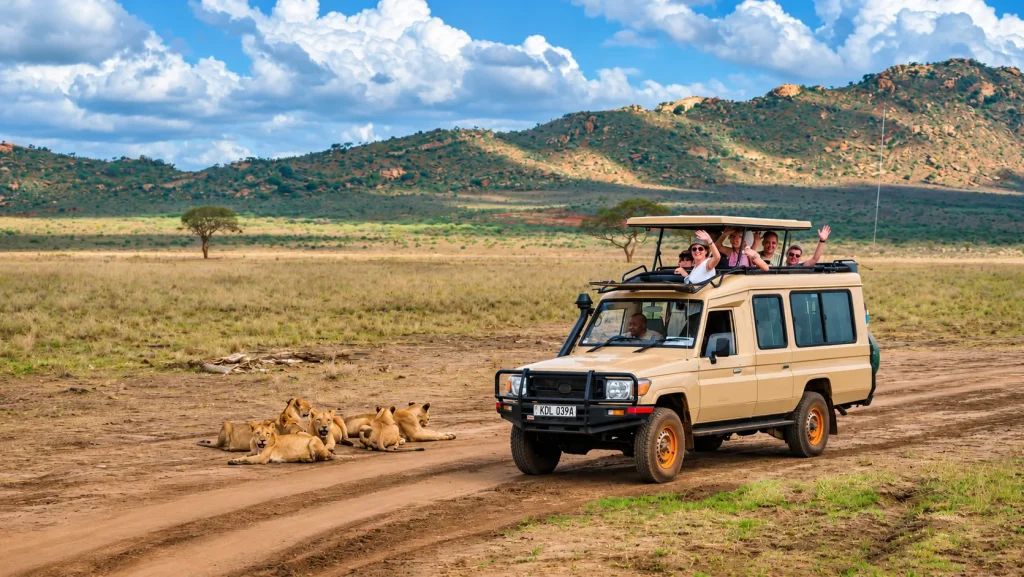
A safari becomes more rewarding when you understand the animals you are observing.
Our Kenya Wildlife Guides introduce the country’s major mammals, birds and other wildlife.
They explain habitats, behaviour, conservation issues and the destinations where different species may be encountered.
The Big Five
The Big Five refers to the lion, leopard, elephant, buffalo and rhinoceros.
The term originated in historical hunting terminology but is now widely used in photographic safari tourism.
Not every Kenyan park offers equally strong opportunities to observe all five species.
For example, some destinations are particularly known for elephants, while others are important rhino conservation areas.
Our guides help travellers understand these differences and avoid unrealistic expectations.
Lions, Leopards and Cheetahs
Kenya supports several of Africa’s most sought-after predators.
However, the chances of observing a particular species depend on habitat, season, natural behaviour and the time available.
Our predator guides explain where different species occur and what makes their behaviour distinctive.
Elephants and Giraffes
Elephants and giraffes are among Kenya’s most recognisable animals.
Different destinations provide different settings for observing them.
Amboseli is particularly associated with elephants, while northern Kenya supports the distinctive reticulated giraffe.
Our wildlife articles explore these species and their habitats.
Birds of Kenya
Kenya has recorded more than 1,100 bird species.
Birdwatching adds considerable variety to a safari, even for travellers who are primarily interested in mammals.
Our bird guides cover destinations such as Amboseli, the Masai Mara, Samburu, Lake Naivasha, Lake Nakuru and Tsavo.
They introduce important species, habitats and practical birdwatching advice.
Great Wildebeest Migration Guides
The Great Wildebeest Migration is one of East Africa’s most famous natural events.
Large numbers of wildebeest, zebras and other grazing animals move through the wider Mara–Serengeti ecosystem in response to seasonal conditions.
Many travellers associate the migration exclusively with dramatic river crossings.
However, the migration is a year-round ecological process, and river crossings represent only one part of it.
Our migration guides explain seasonal movements, what visitors may realistically encounter and how to plan a safari without relying on guaranteed wildlife events.
When Is the Migration in Kenya?
The main migratory herds often reach the Masai Mara during parts of the year commonly associated with July to October.
However, the precise timing varies.
Rainfall and grazing conditions influence the movements of animals.
Travellers should avoid treating a particular date as a guarantee of river crossings.
Can River Crossings Be Guaranteed?
No. River crossings are natural events and cannot be scheduled.
Animals may gather near a river without crossing, and crossings may occur unexpectedly.
Our guides explain how to plan a rewarding Masai Mara safari even when a crossing does not take place.
Migration Safari Accommodation
Accommodation location can influence travel time to different wildlife areas.
Properties inside the reserve and those in surrounding conservancies may offer different access arrangements.
Our articles help travellers understand these differences before choosing a camp or lodge.
Best Time to Visit Kenya
One of the most common questions we receive concerns the Best Time to Visit Kenya.
There is no single answer that applies equally to every destination and activity.
Different regions experience different rainfall patterns, and wildlife viewing opportunities change with the seasons.
The generally drier periods are often popular for conventional wildlife safaris because vegetation may be less dense and roads more accessible.
However, wetter periods can offer attractive landscapes, bird activity and other advantages.
Our seasonal guides explain what travellers can expect during different months.
Kenya Safaris in January and February
These months can be attractive for wildlife viewing in many regions.
However, conditions vary by destination and year.
Kenya Safaris from March to May
This period often includes substantial rainfall in parts of Kenya.
Travel remains possible, but road conditions and activity arrangements require careful consideration.
Kenya Safaris from June to October
These months are popular for wildlife safaris in many destinations.
They are also associated with the period when migratory herds may be present in the Masai Mara.
Kenya Safaris in November and December
Rainfall patterns vary, but these months can provide rewarding wildlife and birdwatching experiences.
Our monthly guides help travellers choose dates according to their priorities.
Kenya Safari Itineraries and Travel Routes
A good safari itinerary should balance wildlife viewing with realistic travel times.
Our Kenya Safari Itineraries explain how different routes work and what travellers can expect each day.
Three-Day Kenya Safaris
Short safaris are suitable for travellers with limited time.
The Masai Mara is a popular option, although the road journey from Nairobi is substantial.
Other destinations may be more practical depending on where the traveller begins.
Five-Day Kenya Safaris
Five days can provide opportunities to explore more than one wildlife area.
However, the route should be selected carefully to avoid excessive driving.
Seven-Day Kenya Safaris
A week allows greater flexibility.
Travellers may combine destinations such as Amboseli, Lake Nakuru and the Masai Mara, depending on the itinerary.
Ten-Day Kenya Safaris
Ten days can support a more relaxed wildlife circuit or a combination of safari and coastal relaxation.
Fourteen-Day Kenya Safaris
Longer itineraries provide opportunities to explore additional regions, spend more time in selected parks or include a beach holiday.
Our guides help travellers compare these options before booking.
Kenya Safari and Beach Holidays
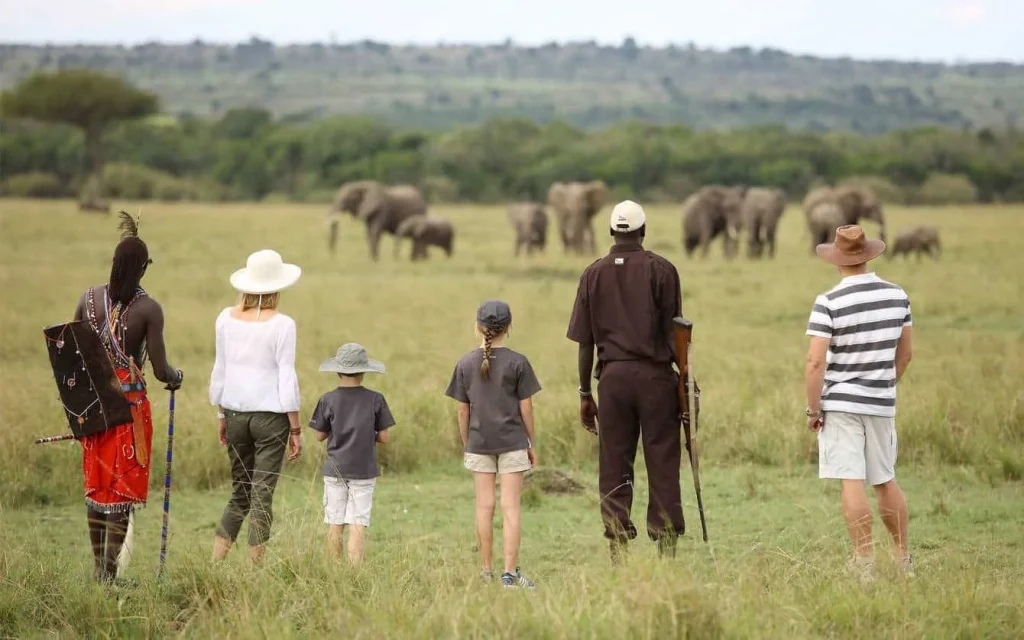
Kenya is one of the few African safari destinations where travellers can combine major wildlife parks with a tropical coastline.
The Indian Ocean coast offers beaches, marine environments and a different cultural atmosphere from the inland safari regions.
Diani Beach
Diani Beach is one of Kenya’s best-known coastal destinations.
It is popular for relaxation after a wildlife safari.
Mombasa
Mombasa is a major coastal city with historical attractions, beaches and transport connections.
Watamu
Watamu is associated with beaches, marine environments and nearby coastal forest attractions.
Our Kenya Safari and Beach Holiday guides explain how to combine these destinations with wildlife parks and choose a practical route.
Safari Accommodation Guides
Accommodation can have a significant influence on the overall safari experience.
Our guides explain the differences between hotels, lodges, tented camps and more exclusive safari properties.
At Safari Trips to Kenya, we use four broad accommodation categories.
Essential focuses on practical accommodation and good value.
Comfort provides additional amenities while maintaining a balance between price and convenience.
Premium offers enhanced facilities and carefully selected locations.
Signature is suited to travellers seeking distinctive, high-end accommodation and personalised service.
Our accommodation guides also explain why location matters.
A beautiful property far from the planned wildlife area may involve longer daily transfers.
The best accommodation is not necessarily the most expensive; it is the property that fits the itinerary and traveller’s priorities.
Private Safaris and Group Safaris
Travellers often ask whether to choose a Private Kenya Safari or a group departure.
Both options can be suitable, depending on budget and preferences.
A private safari provides flexibility over departure times, observation stops and daily activities.
It can be particularly useful for families, photographers and travellers with specialist interests.
Group safaris may offer lower individual transport costs and opportunities to meet other travellers.
However, they generally follow a fixed itinerary.
Our guides explain the advantages and limitations of each approach.
Family Safaris in Kenya
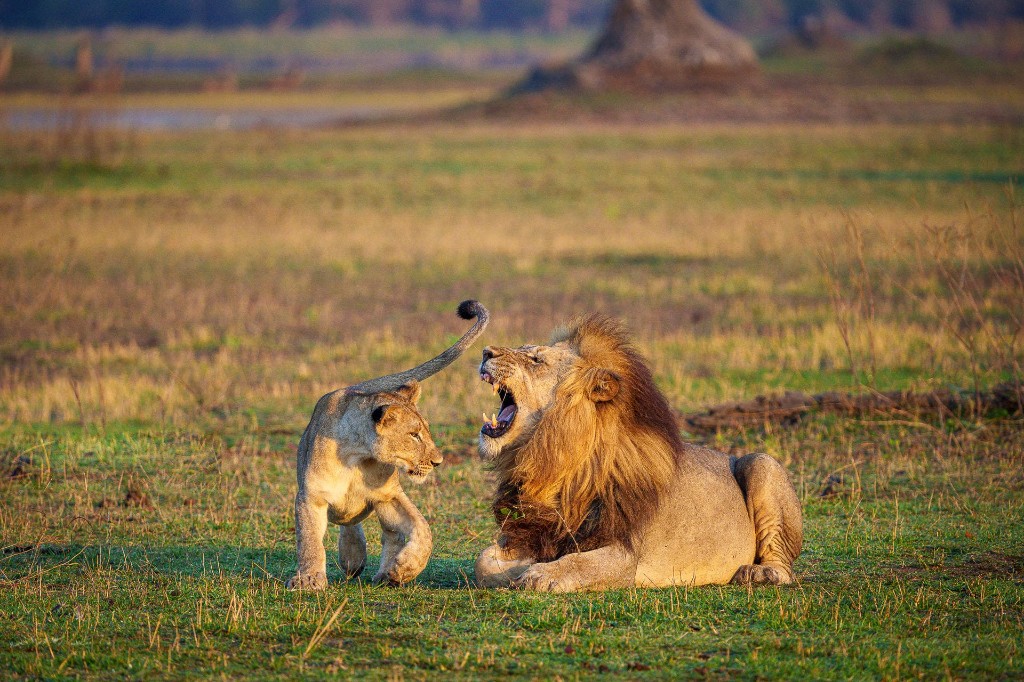
Kenya can be an excellent destination for families.
However, a successful family safari requires careful attention to travel times, accommodation and activity suitability.
Young children may find long road journeys tiring.
Some activities have age restrictions or specific safety requirements.
Our Family Safari Kenya guides explain how to select destinations, organise comfortable travel days and choose suitable accommodation.
Honeymoon Safaris in Kenya
A Kenya Honeymoon Safari can combine wildlife viewing, distinctive accommodation and coastal relaxation.
Couples may prefer private transport, smaller camps and itineraries with fewer accommodation changes.
Our honeymoon guides explore romantic safari experiences without assuming that every couple wants the same level of luxury.
Safari Costs and Budget Planning
Safari prices vary according to season, accommodation, transport, park fees and the number of travellers.
A private safari for two people may cost more per person than a trip shared by four or six travellers.
Accommodation rates may also change significantly between seasons.
Our Kenya Safari Cost Guides explain the main expenses and help travellers understand what to look for in a quotation.
We recommend checking whether park fees, accommodation, meals, transport, guiding and activities are included.
International flights, visas or travel authorisations, insurance and personal expenses may be excluded.
Practical Kenya Travel Advice
Our blog also covers practical questions that arise before departure.
These include packing, transport, travel documents, health precautions and responsible wildlife viewing.
What to Pack for a Kenya Safari
Neutral-coloured clothing, comfortable footwear, sun protection and a light jacket are useful for many itineraries.
Packing requirements vary by destination and season.
Travel Documents
Entry requirements depend on nationality and current Kenyan immigration regulations.
Travellers should check official requirements before departure.
Health and Travel Insurance
Appropriate travel insurance is strongly recommended.
Health advice should be obtained from qualified medical professionals or recognised travel health services.
Safari Etiquette
Respecting wildlife and protected areas is essential.
Visitors should follow their guide’s instructions, avoid feeding animals and remain within permitted areas.
Responsible Safari Travel
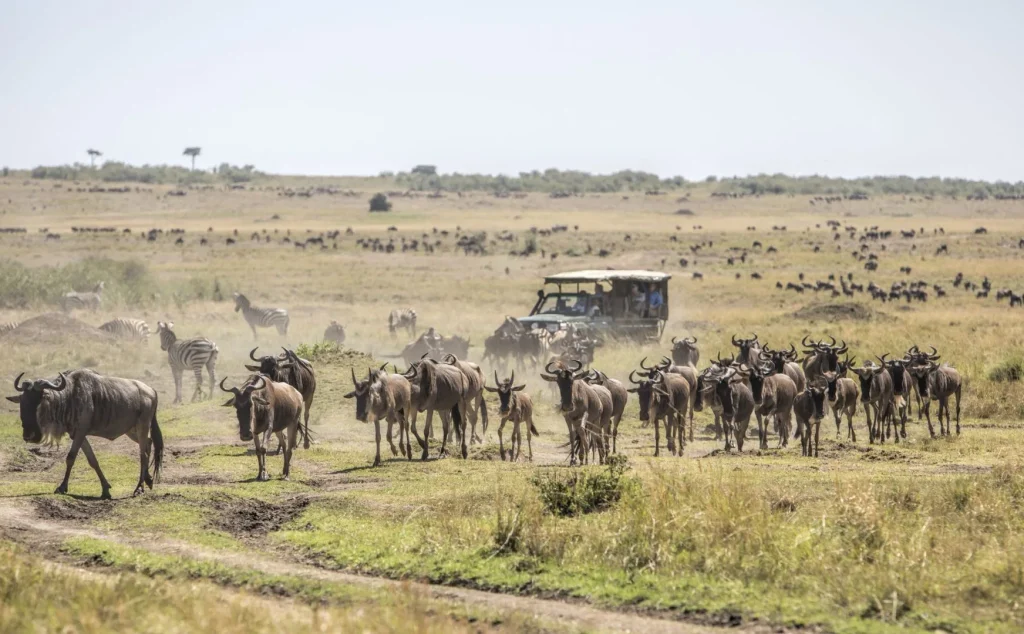
Kenya’s wildlife depends on healthy habitats and effective conservation.
Responsible tourism can contribute to conservation and support local communities.
Our articles explain how travellers can make informed choices about wildlife activities, accommodation and local experiences.
We encourage visitors to respect protected areas, avoid disturbing animals and support responsible tourism practices.
Wildlife sightings should never be guaranteed.
A safari is most rewarding when travellers appreciate natural behaviour rather than expecting animals to perform on demand.
How to Use Our Kenya Safari Blog
Our blog is organised around practical travel questions.
If you are choosing destinations, begin with our national park and reserve guides.
If you are deciding when to travel, explore our seasonal articles.
If you already know your preferred destinations, compare our safari itineraries and accommodation guides.
For specialist interests, explore wildlife, birdwatching, photography and activity guides.
You can also use the blog to prepare questions before requesting a customised safari quotation.
Our content is intended to help you understand the possibilities and limitations of different experiences.
Frequently Asked Questions About Planning a Kenya Safari
How many days do I need for a Kenya safari?
Three to five days can provide an introduction to selected wildlife areas. Seven to ten days allows a broader itinerary, while longer holidays offer greater flexibility.
Which Kenya safari park is best for first-time visitors?
The Masai Mara is a popular choice because of its wildlife diversity, but Amboseli, Tsavo and other destinations may be better suited to particular interests or routes.
When is the best time to see the Great Migration?
The main migratory herds often enter the Masai Mara during parts of July to October, but timing varies and river crossings cannot be guaranteed.
Can I combine a safari with a beach holiday?
Yes. Kenya’s wildlife parks can be combined with coastal destinations such as Diani Beach, Mombasa and Watamu.
Are private safaris available?
Yes. Private safaris can be designed around preferred dates, accommodation categories and wildlife interests.
Is Kenya suitable for family safaris?
Yes, provided the itinerary considers children’s ages, travel times and activity requirements.
How do I choose safari accommodation?
Consider location, comfort, budget and access to planned activities. The most suitable property depends on the itinerary rather than price alone.
Plan Your Kenya Safari with Safari Trips to Kenya
The Safari Trips to Kenya Blog is designed to help you explore the country with greater confidence.
Whether you are comparing national parks, researching wildlife, planning a migration safari or deciding how to combine the bush with the beach, our guides provide practical information to support your decisions.
When you are ready to turn your ideas into a journey, Safari Trips to Kenya can help prepare a personalised itinerary based on your travel dates, number of travellers, budget and preferred experiences.
Explore our destination guides, wildlife articles and safari itineraries, then contact our team to begin planning your Kenya adventure.