

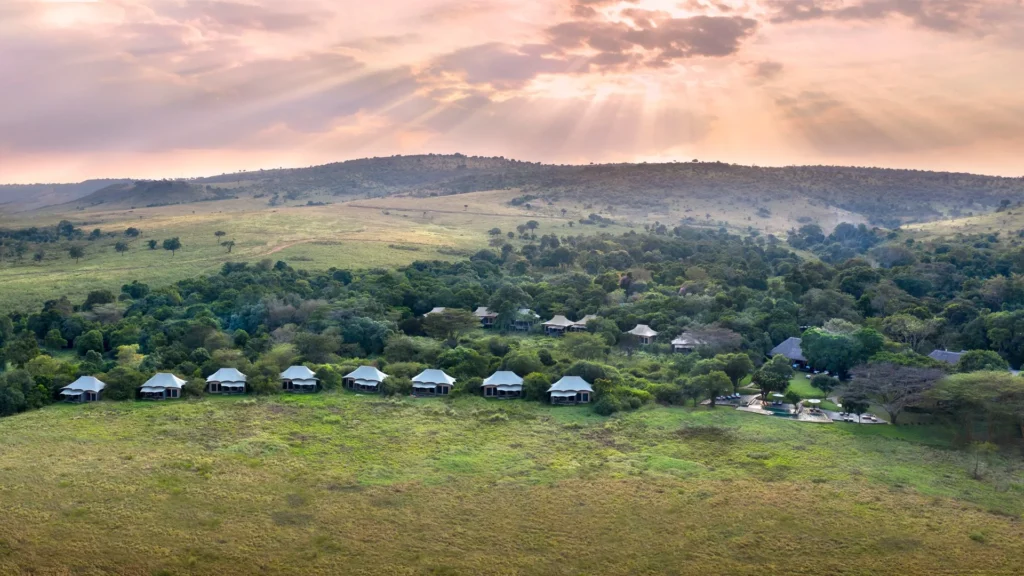
Olare Motorogi Camps provide access to one of the most sought-after private conservancy safari experiences in Kenya's greater Masai Mara ecosystem. Situated north of the Masai Mara National Reserve, Olare Motorogi Conservancy combines rolling grasslands, seasonal streams, woodland and important wildlife habitats with a tourism model designed around relatively low accommodation density and carefully managed visitor access. For travellers seeking wildlife viewing, professional guiding and a quieter atmosphere, its established camps range from intimate tented properties to exceptional luxury retreats.
The conservancy is especially well known for predators, including lions, cheetahs and leopards, alongside elephants, giraffes, buffaloes, zebras, wildebeests and numerous antelope species that move across conservancy boundaries and neighbouring protected areas. Choosing the right camp requires understanding differences in location, conservancy fees, guiding arrangements, activities, room categories and national reserve access. This guide explores the conservancy, its accommodation options, wildlife experiences, seasonal conditions and practical planning considerations.
Where Is Olare Motorogi Conservancy?
Olare Motorogi Conservancy lies within the greater Masai Mara ecosystem in southwestern Kenya, adjoining the northern side of the Masai Mara National Reserve. It is part of a network of wildlife areas managed through agreements involving Maasai landowners and tourism operators, with open savannah, rolling hills, drainage lines and woodland supporting grazing herbivores and predators. The conservancy is distinct from the Masai Mara National Reserve, and paying conservancy fees does not automatically include access to the national reserve or other neighbouring conservancies, so the precise location of a camp and its transfer arrangements matter considerably.
Why Stay in Olare Motorogi?
Lower-Density Safari Tourism
Olare Motorogi's conservancy model is designed to manage tourism development and vehicle activity more carefully than an unrestricted accommodation landscape. Smaller camps and controlled access can create a quieter atmosphere for wildlife viewing, especially when compared with busy areas of the national reserve during peak travel periods. This does not guarantee exclusive sightings. Several vehicles may still be present at popular wildlife encounters, and guides must follow applicable conservancy rules.
Strong Predator Habitat
The conservancy is associated with important lion, leopard and cheetah habitats. Open grassland provides hunting opportunities for cheetahs, while drainage lines and wooded areas offer cover for leopards. Lions use a variety of habitats and may be encountered resting, moving or interacting within prides.
Predator sightings remain unpredictable. A responsible safari operator will never promise that a particular animal will be seen.
Intimate Safari Accommodation
Many Olare Motorogi safari camps offer relatively small numbers of guest tents or suites. This can create a personalised experience, with opportunities for attentive hospitality and a more relaxed atmosphere than large hotel-style properties. However, small camp size does not automatically mean that every activity is private. Vehicle sharing, dining arrangements and guide allocation should be confirmed before booking.
Conservation and Community Connections
The conservancy model links tourism revenue to agreements involving local landowners. Travellers interested in responsible tourism should ask how a camp supports land stewardship, local employment, conservation and community partnerships. These details provide a more meaningful measure of sustainability than broad claims about being environmentally friendly.
Best-Known Olare Motorogi Camps
The following properties are associated with Olare Motorogi Conservancy. Accommodation brands, ownership, operating arrangements and available room categories may change, so the final selection should always be verified for the intended travel dates.
Mara Plains Camp
Mara Plains Camp is an established high-end safari property associated with Olare Motorogi Conservancy. The camp is known for its intimate accommodation style, emphasis on wildlife experiences and carefully designed guest spaces.
It appeals particularly to couples, photographers and travellers seeking a premium safari atmosphere. The property's location provides access to the surrounding conservancy habitats, with activities subject to current management rules and package arrangements.
Before booking, confirm the selected suite category, whether vehicle use is shared or exclusive, photography equipment provisions if relevant, and whether excursions outside the conservancy are included. The most expensive room is not necessarily the most appropriate choice for every guest. Travellers should assess the complete experience, including guiding, privacy and activity flexibility.
Mahali Mzuri
Mahali Mzuri is a luxury tented safari camp located in Olare Motorogi Conservancy. Its accommodation combines an elevated tented-camp concept with contemporary hospitality and expansive views of the surrounding landscape. The property is particularly attractive for travellers seeking a high-comfort safari, with opportunities for game drives and time spent enjoying the camp setting.
Families should confirm minimum age policies, room configurations and activity suitability before booking. Couples should ask about private dining or special arrangements if these are important to their stay. Camp facilities, package inclusions and vehicle arrangements should be checked against the current booking terms.
Kicheche Bush Camp
Kicheche Bush Camp is another established tented safari property associated with Olare Motorogi Conservancy. Its appeal lies in a relatively intimate camp atmosphere and a strong focus on wildlife viewing. Travellers interested in photography and guiding may find this style of accommodation especially attractive because the safari experience is central to the stay.
Confirm the current tent categories, family arrangements, activity programme and any additional charges before selecting the camp.
Porini Lion Camp
Porini Lion Camp is associated with the Olare Motorogi conservancy safari experience and is known for its small-scale tented accommodation model. It is an option for travellers who value conservancy wildlife viewing and an atmosphere centred on nature rather than extensive resort facilities. As with other tented properties, the exact facilities, meal arrangements, power supply and safari activities should be confirmed.
Comparing the Camps
Choosing between camps requires consideration of several practical factors:
- Accommodation style: Some properties emphasise contemporary luxury, while others retain a traditional tented safari character. Neither approach is inherently better; the appropriate choice depends on the guest's expectations.
- Camp size: Smaller camps may provide a more intimate atmosphere, although availability can be limited during popular travel periods.
- Guiding: Ask about guide qualifications, experience, language options and the number of guests sharing a vehicle.
- Vehicle arrangements: Photographers may benefit from exclusive vehicle use, while couples comfortable with shared game drives may prefer an inclusive package.
- Location: A camp's precise position influences transfer times and access to different habitats.
- Activities: Confirm whether night drives, guided walks, national reserve excursions and cultural experiences are included or charged separately.
- Family suitability: Minimum ages and room configurations vary considerably.
The best camp is the one that matches the traveller's priorities across all these dimensions.
Wildlife in Olare Motorogi Conservancy
Lions
Lions are among the main attractions of the wider Mara ecosystem. They may be observed resting in the shade, moving across grassland, interacting within prides or hunting. The quality of a lion encounter depends on animal behaviour and respectful viewing practices, not simply proximity.
Guides should avoid obstructing hunting routes or surrounding animals with vehicles.
Cheetahs
Cheetahs are adapted to open landscapes, where they can detect prey and use speed during hunts. They are sensitive to disturbance, especially while hunting or caring for cubs. Patient observation at a suitable distance is essential.
Leopards
Leopards are secretive predators that use woodland, drainage lines and other cover. They may be encountered resting, moving or feeding, but sightings are never guaranteed. A longer stay gives travellers more opportunities to explore suitable habitats without rushing.
Elephants
Elephants move through the greater Mara ecosystem according to food and water availability. Observing family groups can provide insight into social relationships, feeding behaviour and the importance of wildlife corridors.
Giraffes
Giraffes browse on trees and shrubs and may be encountered in woodland and open habitats. Their distinctive movements and interactions make them rewarding photographic subjects.
Buffaloes
African buffaloes are powerful grazing animals that may be seen in groups of different sizes. They require careful viewing distances, particularly when calves are present.
Wildebeests and Zebras
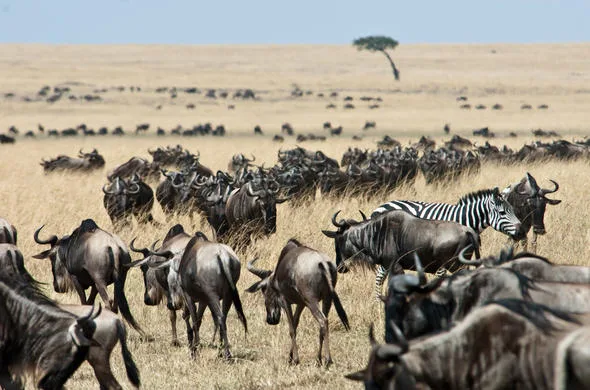
Wildebeests and plains zebras occur in the wider Mara ecosystem, with their distribution influenced by rainfall and vegetation. During migration periods, substantial herds may enter different parts of the Kenyan Mara. However, major herd movements are variable and cannot be guaranteed from any specific camp.
Birdlife
The conservancy supports numerous birds associated with grassland, woodland and seasonal waterways. Raptors, hornbills, rollers, bee-eaters and smaller species can reward travellers who take time to observe beyond large mammals.
Olare Motorogi and the Great Migration
The Great Wildebeest Migration is one of the major attractions of the Serengeti–Mara ecosystem. Large herds may move into the Kenyan Mara during approximately July to October, but the timing and distribution depend on rainfall and grazing conditions. Olare Motorogi can offer opportunities to observe migration-related wildlife activity when herds move through suitable areas.
However, the famous Mara River crossings take place in particular locations, and staying in Olare Motorogi does not mean those crossings are visible from camp. Travellers specifically interested in river crossings should discuss the required national reserve excursions, driving times and suitable accommodation locations. Migration safaris benefit from flexibility and realistic expectations. Even during a traditionally popular month, wildlife may be concentrated elsewhere.
Safari Activities in Olare Motorogi
Morning Game Drives
Early morning game drives are a central part of the conservancy experience. Cooler temperatures and soft light can provide favourable conditions for wildlife activity and photography. Guides may focus on predator habitats, grazing areas or recent wildlife movements.
Afternoon Game Drives
Afternoon drives allow travellers to explore different habitats and observe animals as temperatures change. The light before sunset can be particularly attractive for photography.
Night Game Drives
Night game drives may be permitted under conservancy regulations and offered by selected camps. These experiences can introduce visitors to nocturnal wildlife and behaviour not normally observed during daylight. Availability, duration and inclusions vary, so they must be confirmed in advance.
Guided Nature Walks
Guided walks may be available in authorised areas with appropriately qualified guides. They provide opportunities to examine tracks, plants, insects and ecological details that are easy to overlook from a vehicle. Walking activities are subject to safety rules and may have age restrictions.
Photography Safaris
Olare Motorogi is attractive for wildlife photography because of its predator populations and varied habitats. A specialist photography itinerary may include longer time at sightings, a suitable vehicle layout and guidance on light and composition. Travellers should confirm whether exclusive vehicle use is required or included.
Community and Cultural Experiences
Some operators can arrange respectful visits involving local communities. These experiences should be developed with community consent and fair compensation. Visitors should avoid treating cultural activities as staged encounters or assuming that all Maasai communities have identical lifestyles.
Proposed 4 Days Olare Motorogi Safari
The following itinerary illustrates a comfortable conservancy-based safari. The final programme depends on the selected camp and its activities.
Day 1: Nairobi to Olare Motorogi – Arrival and Afternoon Game Drive
Depart Nairobi by road or take a scheduled safari flight from Wilson Airport to an appropriate Mara airstrip.
Road journeys may take approximately five to seven hours or longer, depending on traffic and the final camp location. Fly-in arrangements can reduce travel time, but airstrip transfers and baggage limits must be considered.
Arrive at the camp and receive an introduction to the property, safety procedures and planned safari activities. After lunch and a rest, depart for an afternoon game drive through the conservancy. Your guide searches for lions, giraffes, elephants, antelopes and other wildlife while explaining the landscape and conservancy model.
Return to camp for dinner and overnight.
Day 2: Full-Day Wildlife Exploration
Begin early with a morning game drive. Explore different habitats, allowing time for wildlife behaviour and photography. The guide may focus on predators or follow recent wildlife activity while respecting conservancy rules. Return to camp for breakfast or lunch according to the schedule.
Enjoy a relaxed midday break before another afternoon drive. If offered and included, a night drive may provide a different wildlife experience. Dinner and overnight at the camp.
Day 3: Photography, Conservancy Activities and Wildlife
Spend another day exploring Olare Motorogi. Travellers interested in photography can revisit productive areas under different lighting conditions. Depending on the camp and applicable regulations, the programme may include a guided walk or a separately arranged national reserve excursion.
A third night provides flexibility if earlier wildlife sightings were limited by weather or animal movements.
Day 4: Morning Safari and Departure
Enjoy a final early game drive or scheduled activity. After breakfast and checkout, transfer to the airstrip or begin the road journey to Nairobi. The itinerary can also continue to another Kenyan safari destination.
Best Time to Stay at Olare Motorogi Camps
January to March
These months often bring relatively warm conditions and dry periods. Resident wildlife remains an important attraction, even outside the main migration season.
April and May
The longer rains can create green landscapes and dramatic skies. Some roads may become difficult, and certain camps may operate seasonally. Confirm availability and cancellation terms before booking.
June to October
This is a popular period for Masai Mara safaris, especially during the broader migration season. Accommodation demand may be high, and early reservations are advisable.
November and December
Shorter rains may occur, producing fresh vegetation and changing wildlife movements. Resident predators and herbivores remain present throughout the year.
Accommodation Categories: Essential to Signature
Olare Motorogi is particularly associated with Premium and Signature-style safari accommodation, although exact classifications should be based on the selected property's facilities and service. Broad categories include:
- Essential: Travellers seeking lower-cost accommodation may find more options outside the conservancy and should compare access fees and travel time carefully.
- Comfort: Suitable for visitors wanting practical facilities and good guiding without the highest luxury rates, although options within the conservancy may be limited.
- Premium: Intimate tented camps with strong guiding and comfortable facilities.
- Signature: High-end camps offering distinctive accommodation, personalised hospitality and carefully managed safari experiences.
The total package value matters more than an accommodation label.
How to Reach Olare Motorogi
By Road
A road safari from Nairobi commonly requires several hours, depending on the selected route and camp. The final approach may involve unpaved roads. Private road transport provides flexibility for stops and luggage but requires more travel time than flying.
By Air
Scheduled flights from Nairobi's Wilson Airport serve different airstrips in the Mara region. The appropriate airstrip depends on the camp. Travellers should confirm the flight schedule, transfer arrangements and luggage allowance, especially for photographic equipment.
Olare Motorogi Camp Prices
The cost of staying at Olare Motorogi Camps depends on season, camp category, room type, number of nights and included activities. Conservancy fees may be included in a camp rate or charged separately. National reserve visits, private vehicles, specialist guides and additional activities may attract extra costs.
A quotation should clearly state whether the package includes accommodation, meals, drinks, game drives, transfers, conservancy access and laundry. Travellers should also review cancellation terms and any minimum-night requirements.
Family Safaris in Olare Motorogi
Families can enjoy conservancy safaris, but individual camps may have minimum age restrictions. Some properties may offer family tents or private accommodation arrangements, while others are better suited to adults or older children. Parents should confirm safety procedures, child rates, activity restrictions and the suitability of shared vehicles.
A private safari schedule can be especially valuable for families who need shorter game drives.
Honeymoon Safaris
Olare Motorogi is a strong option for couples seeking a quieter safari atmosphere. Intimate tented accommodation, scenic landscapes and personalised hospitality can create a memorable honeymoon experience. However, special services such as private dining, exclusive game drives or room enhancements should be confirmed rather than assumed.
A four-night stay may provide a more relaxed experience than a short visit dominated by transfers.
Responsible Tourism and Conservation
The conservancy model depends on maintaining wildlife habitat and agreements with local landowners. Travellers can support responsible tourism by selecting camps that follow wildlife viewing rules and maintain transparent community relationships. Do not encourage off-track driving where prohibited, crowd predators or interfere with animal behaviour.
Avoid single-use waste where practical and follow the camp's environmental procedures. Community visits should be respectful and appropriately compensated.
Practical Packing Advice
Pack lightweight neutral-coloured clothing, warm layers for early mornings, sunscreen, insect repellent and comfortable footwear. Bring binoculars for distant wildlife and birds. Photographers should carry spare batteries, memory cards and dust protection. Soft-sided luggage may be required for domestic flights.
Ask the camp about charging facilities, Wi-Fi, laundry and any restrictions on electrical equipment.
Frequently Asked Questions
Where is Olare Motorogi Conservancy?
It is located in the greater Masai Mara ecosystem in southwestern Kenya, north of the Masai Mara National Reserve.
Is Olare Motorogi inside the national reserve?
No. It is a separate conservancy with its own access and management arrangements.
Which camps are located in Olare Motorogi?
Established properties associated with the conservancy include Mara Plains Camp, Mahali Mzuri, Kicheche Bush Camp and Porini Lion Camp, subject to current operating arrangements.
Is Olare Motorogi good for predators?
The conservancy supports lions, cheetahs and leopards, although sightings are not guaranteed.
Are night game drives possible?
They may be available under conservancy rules and selected camp arrangements.
Can I visit the Masai Mara National Reserve?
Yes, where appropriate excursions are arranged, but separate fees and access conditions may apply.
How many nights should I stay?
Three or four nights offer a good balance between wildlife viewing and relaxation. Photographers may prefer longer stays.
Is Olare Motorogi suitable for children?
Some camps accommodate families, but age policies and room arrangements vary.
Can I see the migration?
Migration-related wildlife may occur in the wider ecosystem, but the timing and location of herds are unpredictable.
Is flying better than driving?
Flying reduces transfer time, while driving can be more economical and allows flexibility for stops. The best option depends on the itinerary and budget.
Book Olare Motorogi Camps with Safari Trips to Kenya
Olare Motorogi Camps provide an opportunity to experience the Masai Mara ecosystem through intimate accommodation, professional guiding and conservancy-based wildlife tourism. Safari Trips to Kenya can help compare suitable camps, arrange road or air transfers and design private safari itineraries that include Olare Motorogi, the Masai Mara National Reserve and other Kenyan destinations. Contact Safari Trips to Kenya with your preferred travel dates, number of guests and accommodation expectations to receive a personalised Olare Motorogi safari proposal.