

Ol Kinyei Camps offer an opportunity to experience the Masai Mara ecosystem from a quieter conservancy setting rather than relying exclusively on accommodation inside or immediately outside the main national reserve. Located in the wider Mara landscape of southwestern Kenya, Ol Kinyei Conservancy is associated with community-based conservation, low-density safari tourism and wildlife habitats that support predators, herbivores and a wide variety of birds.
For travellers choosing where to stay in the Masai Mara, the distinction between a national reserve and a conservancy is important. Conservancies generally operate through agreements involving local landowners and tourism partners, with specific rules governing visitor access, accommodation development and safari activities. These arrangements can create a different safari atmosphere, particularly where vehicle numbers are controlled and accommodation capacity is limited.
Ol Kinyei is especially appealing to travellers who value time in nature, professional guiding and an intimate tented-camp experience. Instead of large hotel-style properties, accommodation is typically associated with smaller safari camps designed to blend into the surrounding landscape. Guests can enjoy wildlife viewing while learning about conservation arrangements and the role of local communities.
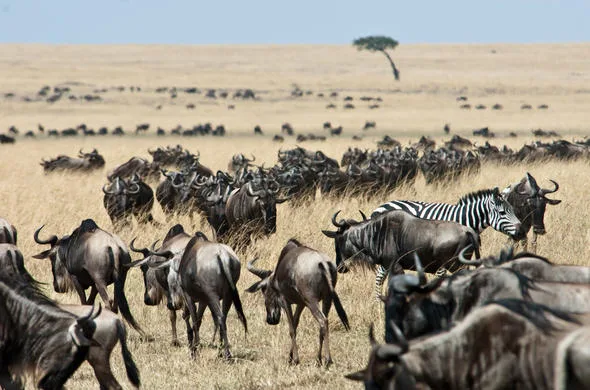
The conservancy is part of the broader Masai Mara ecosystem, which supports lions, cheetahs, leopards, elephants, giraffes, zebras, wildebeests, buffaloes and numerous antelope species. Wildlife moves across the landscape according to rainfall, grazing conditions and other environmental factors, so no camp can guarantee sightings of particular animals.
This guide explains Ol Kinyei's location, accommodation styles, wildlife, safari activities, seasonal considerations, access routes and practical questions to consider before booking.
Where Is Ol Kinyei Conservancy?
Ol Kinyei Conservancy is located in the greater Masai Mara ecosystem in Narok County, Kenya. It forms part of the network of community conservancies established around the Masai Mara National Reserve. These conservancies help protect wildlife habitats outside the national reserve while supporting land-use agreements involving local communities and tourism operators.
Ol Kinyei is associated with open grasslands, rolling terrain, woodland and seasonal watercourses. Its position within the wider ecosystem means that wildlife movements are influenced by conditions across a much larger landscape.
The conservancy should not be confused with the Masai Mara National Reserve itself. Different management arrangements, fees and permitted activities apply, and access to the national reserve may require separate arrangements.
For travellers comparing camps, it is essential to establish whether a property is located inside Ol Kinyei, in a neighbouring conservancy or elsewhere in the Mara region.
Why Stay at Ol Kinyei Camps?
A More Intimate Safari Atmosphere
One of the main attractions of Ol Kinyei Conservancy Accommodation is the opportunity to stay in smaller tented camps rather than large hotel complexes. Intimate camps can create a close connection with the surrounding environment. Guests may hear birds, insects and distant animal calls while enjoying the comfort of a properly managed safari property.
The atmosphere is particularly attractive for couples, photographers and travellers who prefer a slower pace.
Lower-Density Wildlife Viewing
Many Mara conservancies use limits on tourism development and vehicle access to help manage visitor pressure. Where these arrangements are effectively implemented, game drives may involve fewer vehicles than some busy areas of the national reserve. However, visitors should not assume that every sighting will be private. Wildlife locations and vehicle movements vary, and conservancy rules differ.
Community-Based Conservation
Ol Kinyei is associated with a conservation model involving agreements with Maasai landowners. Such arrangements aim to provide economic incentives for maintaining wildlife habitat while supporting local livelihoods.
The conservation model is an important reason to choose a conservancy stay, although visitors should ask operators about current land agreements, community benefits and environmental practices rather than relying on broad marketing claims.
Access to the Wider Mara Ecosystem
The conservancy's location provides access to wildlife habitats within the broader Mara landscape. Some safari itineraries may include visits to the national reserve, but these require appropriate arrangements and fees. Travellers should check whether such excursions are included in their package.
Ol Kinyei Safari Camp Options
Accommodation within Ol Kinyei is closely associated with the Porini safari camp model, which emphasises small-scale tented accommodation and conservancy-based wildlife experiences.
Porini Mara Camp
Porini Mara Camp is an established tented safari camp associated with Ol Kinyei Conservancy.
The camp is known for its intimate safari setting and focus on wildlife experiences within the conservancy. Its accommodation style is designed to provide comfort while maintaining a connection with the surrounding environment.
Travellers should confirm current tent configurations, bathroom facilities, electricity arrangements and meal plans before booking. Facilities and operating arrangements may change, and the exact room category matters more than a general description of the camp.
The camp can appeal to guests who prioritise guiding, wildlife access and a relatively small property over extensive resort-style facilities.
Other Accommodation in the Wider Area
The greater Masai Mara region contains numerous tented camps and lodges, but not all are situated within Ol Kinyei. When comparing options, confirm the exact conservancy and the applicable access rules. A camp in a neighbouring conservancy may provide a different experience and may not include access to Ol Kinyei.
Safari Trips to Kenya can help travellers compare suitable properties according to location, comfort, availability and the desired safari programme.
What Is a Tented Safari Camp?
A Tented Safari Camp in the Masai Mara is not necessarily a basic camping facility. Many established safari camps use spacious canvas tents with proper beds, private bathrooms, furnished sitting areas and professionally prepared meals.
The tented design allows guests to experience the sounds and atmosphere of the surrounding landscape while enjoying a level of comfort appropriate to the property category. Facilities vary significantly. Some camps offer simple solar-powered lighting and bucket-style showers, while others provide permanent plumbing, extensive electricity access and upgraded furnishings.
Travellers should not assume that all tented camps have identical amenities. Before booking, ask about private bathrooms, hot-water arrangements, charging facilities, Wi-Fi, laundry, dietary requirements and accessibility.
Wildlife Around Ol Kinyei Conservancy
Lions
Lions occur within the greater Mara ecosystem and may be encountered during conservancy game drives. Visitors may observe lions resting, interacting within prides or moving through the grasslands. Sightings depend on natural behaviour and cannot be guaranteed. Responsible guiding is particularly important around cubs, feeding animals and hunting activity.
Cheetahs
Cheetahs favour suitable open habitats where visibility helps them detect prey and pursue hunting opportunities. They are sensitive to disturbance, particularly during hunting or when caring for cubs. Guides should maintain appropriate distances and avoid crowding.
Leopards
Leopards occur in the wider Mara landscape, often using woodland and riverine areas for cover. They are elusive animals, and sightings require patience and luck.
Elephants
Elephants may move through the conservancy and surrounding habitats according to water and food availability. Observing elephant family groups can be particularly rewarding because of their complex social relationships.
Giraffes
Giraffes browse on trees and shrubs and may be encountered in suitable woodland and open habitats. Their movements and feeding behaviour provide interesting photographic opportunities.
Zebras, Wildebeests and Antelopes
Plains zebras, wildebeests, impalas, topis and other grazing animals are part of the wider ecosystem. Their distribution changes with rainfall and vegetation conditions.
Birdlife
Ol Kinyei's habitats support a range of birds, including raptors, grassland species and woodland birds. Travellers interested in birdwatching should request a guide with suitable identification skills and allow time for smaller species.
Ol Kinyei and the Great Wildebeest Migration
The Great Wildebeest Migration involves seasonal movements across the wider Serengeti–Mara ecosystem. Although migration activity is commonly associated with July to October in the Kenyan Mara, the timing varies with rainfall and grazing conditions. Ol Kinyei may experience wildlife movements associated with the wider ecosystem, but staying in the conservancy does not guarantee that major migration herds will be present.
Likewise, the famous Mara River crossings occur in particular areas and cannot be promised from an Ol Kinyei camp. Travellers whose primary objective is migration photography should discuss the most suitable camp location and safari duration for their travel dates.
Safari Activities at Ol Kinyei
Guided Game Drives
Ol Kinyei Safari Game Drives are the central activity for most visitors. Guides explore suitable conservancy tracks in search of wildlife, adapting the route according to recent activity, weather and visitor interests. A private or small-group arrangement can allow more time for photography and interpretation.
Night Game Drives
Some conservancies permit night game drives under specific rules, offering opportunities to observe nocturnal wildlife. Availability depends on the camp, conservancy regulations and confirmed package. Night drives should not be assumed to be included automatically.
Guided Nature Walks
Guided walks may be available in authorised areas under appropriate safety arrangements. Walking provides an opportunity to learn about tracks, plants, insects and smaller ecological details that are often overlooked from a vehicle. These activities require qualified guiding and must comply with conservancy rules.
Cultural Experiences
A carefully arranged community visit may provide opportunities to learn about Maasai livelihoods, traditions and contemporary life. Such visits should be voluntary, respectful and appropriately compensated.
Masai Mara National Reserve Excursions
Some camp packages may offer excursions into the national reserve. Travellers should confirm whether reserve entry fees, transport and meals are included, and how much time the excursion allows for wildlife viewing.
Proposed 3 Days Ol Kinyei Conservancy Safari
The following itinerary is illustrative and should be adjusted according to the selected camp's activity programme.
Day 1: Nairobi to Ol Kinyei – Arrival and Afternoon Game Drive
Depart Nairobi by road or take a scheduled safari flight to an appropriate Mara airstrip, followed by a transfer arranged by the camp. Road journeys generally require several hours, depending on traffic and the final property location. Fly-in arrangements can reduce travel time but involve additional transfer and baggage considerations.
Arrive at the camp and receive an introduction to the property, safety procedures and planned activities. After lunch and a rest, enjoy an afternoon game drive within the conservancy. Your guide introduces the landscape and searches for elephants, giraffes, antelopes and predators.
Return to camp for dinner and overnight.
Day 2: Full-Day Conservancy Wildlife Experience
Begin with an early morning game drive, when temperatures are cooler and many animals may be active. Explore different habitats, allowing time to observe wildlife behaviour and take photographs. The guide may focus on predators, grazing animals or birdlife according to the group's interests.
Return to camp for breakfast or lunch, depending on the agreed schedule. In the afternoon, enjoy another game drive or a permitted guided activity. A night drive may be possible where offered and included in the confirmed arrangements. Dinner and overnight at the camp.
Day 3: Morning Safari and Departure
Enjoy an early game drive or another scheduled activity before breakfast. After checkout, transfer to the airstrip or begin the road journey to Nairobi. The itinerary can be extended with additional nights in Ol Kinyei or another part of the Mara ecosystem.
Four- and Five-Day Ol Kinyei Safaris
A longer stay allows travellers to explore the conservancy at a more relaxed pace. Four days can provide additional game drives and opportunities for birdwatching, photography or a guided walk. Five days may allow a combination of conservancy activities and a separately arranged national reserve excursion.
Longer stays are particularly worthwhile for photographers, who benefit from revisiting productive locations under different lighting conditions.
Best Time to Stay at Ol Kinyei Camps
January to March
These months often bring warm conditions and relatively dry periods. Resident wildlife remains present, and game drives can be rewarding even outside the main migration season.
April and May
The longer rains can produce green landscapes and dramatic skies. Some tracks may become muddy, and travel arrangements should allow flexibility. Certain camps may have seasonal operating schedules, so availability should be checked.
June to October
This is a popular period for Mara safaris, particularly because of migration activity in the wider ecosystem. Accommodation demand can increase, and early booking is advisable.
November and December
Shorter rains may bring fresh vegetation and changing wildlife distribution. The conservancy remains attractive for resident wildlife viewing, subject to camp operating arrangements.
Choosing the Right Accommodation Category
Essential
Travellers seeking Essential Masai Mara Accommodation may find more options outside premium conservancy camp settings. If budget is the primary concern, compare the total package cost rather than only the nightly room rate.
Comfort
Comfort Masai Mara Camps can provide practical facilities and guided wildlife experiences at a moderate price. However, not every Comfort property offers the same conservancy access.
Premium
Ol Kinyei's intimate tented-camp model may appeal to travellers seeking a Premium experience centred on wildlife and guiding. Facilities should be assessed individually.
Signature
A Signature Masai Mara Safari may combine distinctive accommodation, private guiding and carefully selected conservancy experiences. The classification should reflect actual services and exclusivity rather than the use of luxury language alone.
How to Reach Ol Kinyei
By Road from Nairobi
Road travel from Nairobi to the Mara region commonly takes five to seven hours or longer, depending on the selected route and property. The final approach to a conservancy camp may involve unpaved roads. A suitable safari vehicle and experienced guide are recommended.
By Air from Nairobi
Domestic safari flights operate from Nairobi's Wilson Airport to airstrips serving different parts of the Mara ecosystem. The correct airstrip depends on the selected camp and flight schedule. Travellers should confirm luggage allowances and transfer arrangements before departure.
Ol Kinyei Camps Prices
The price of an Ol Kinyei Safari Camp stay depends on season, accommodation, number of nights, group size and included activities. Conservancy fees may be incorporated into a camp package or itemised separately. National reserve excursions may involve additional charges. Fly-in packages can cost more because of flights and airstrip transfers.
A reliable quotation should specify accommodation, meals, game drives, conservancy access, transfers and optional activities.
Family Safaris at Ol Kinyei
Ol Kinyei can be suitable for families, but individual camps may have minimum age requirements or restrictions on walking and night activities. Parents should confirm room configurations, child rates, supervision arrangements and the suitability of the camp environment. Some tented camps are unfenced, and wildlife may move near accommodation. Children must follow camp safety procedures at all times.
Families with very young children may prefer properties offering more extensive facilities and flexible activity schedules.
Honeymoon and Couples' Safaris
An intimate conservancy camp can be particularly attractive for honeymooners and couples seeking a quieter safari atmosphere. The appeal lies in the combination of natural surroundings, personalised hospitality and wildlife experiences. Travellers should confirm whether private dining, special room arrangements or exclusive vehicle use are available rather than assuming they are included.
A longer stay may provide a more relaxed experience than a short visit dominated by transfers.
Responsible Tourism in Ol Kinyei
The conservancy model depends on relationships between tourism operators, landowners and wildlife conservation. Visitors can support responsible tourism by choosing operators that follow conservancy rules, respect community agreements and employ qualified local staff. During game drives, avoid crowding wildlife or pressuring guides to approach too closely.
Do not leave litter, feed animals or interfere with natural behaviour. Cultural visits should be arranged with consent and fair compensation.
Practical Packing Advice
Pack neutral-coloured safari clothing, comfortable footwear, sunscreen, a hat and insect repellent. Early mornings can be cool, so a warm layer is useful. Binoculars are valuable for wildlife and birdwatching. Photographers should bring spare batteries and dust protection. Check whether the camp provides charging facilities, laundry and Wi-Fi.
Soft-sided luggage may be required for domestic safari flights.
Frequently Asked Questions
Where is Ol Kinyei Conservancy?
Ol Kinyei is located in the greater Masai Mara ecosystem in southwestern Kenya.
Is Ol Kinyei inside Masai Mara National Reserve?
No. It is a separate conservancy with its own management and access arrangements.
What camps are associated with Ol Kinyei?
Porini Mara Camp is an established camp associated with Ol Kinyei Conservancy. Current accommodation options should be verified before booking.
Can I see lions and cheetahs?
Both occur in the wider Mara ecosystem, but sightings depend on natural wildlife movements.
Are night game drives available?
They may be available under conservancy rules and specific camp arrangements. Confirm before booking.
Can I visit the Masai Mara National Reserve?
Excursions may be arranged, subject to access rules, fees and the selected package.
Is Ol Kinyei suitable for children?
Some camps welcome families, but age restrictions and activity rules vary.
How many nights should I stay?
Three nights provide a good introduction, while four or five nights allow a more relaxed experience.
Is the migration guaranteed?
No. Migration movements vary with rainfall and grazing conditions, and river crossings cannot be guaranteed.
Book Ol Kinyei Camps with Safari Trips to Kenya
Ol Kinyei Camps offer an opportunity to experience the Masai Mara ecosystem through smaller-scale tented accommodation and conservancy-based wildlife tourism. Safari Trips to Kenya can help compare suitable camp options, arrange road or air transfers and design a safari that includes Ol Kinyei, the Masai Mara National Reserve or other Kenyan destinations. Contact Safari Trips to Kenya with your preferred dates, number of travellers and accommodation expectations to receive a tailored Ol Kinyei safari proposal.