

The Mara River is one of the most remarkable locations for safari accommodation in Kenya. Flowing through the greater Masai Mara ecosystem, its wooded banks, open grasslands and wildlife-rich surroundings create an exceptional setting for travellers seeking an authentic African safari. Choosing one of the Mara River camps places visitors close to an important wildlife corridor where hippos gather in deep pools, crocodiles patrol the water and numerous animals visit the river throughout the year.
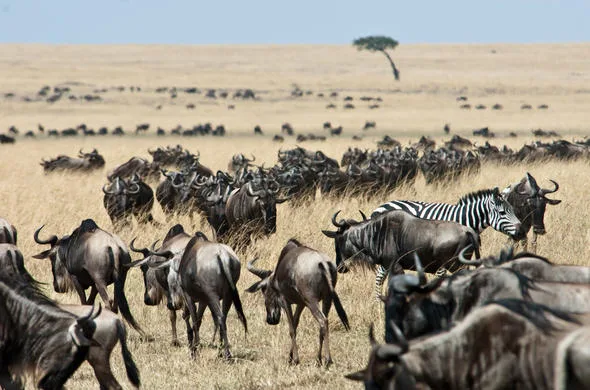
The river is internationally recognised for its role in the Great Wildebeest Migration, particularly when enormous herds of wildebeest and zebra move between Tanzania's Serengeti and Kenya's Masai Mara. However, riverside accommodation offers considerably more than seasonal migration viewing. The Mara River supports a complex ecosystem, and its surroundings provide excellent opportunities to observe elephants, buffaloes, giraffes, antelopes, predators and an impressive variety of birds.
Accommodation ranges from comfortable tented safari camps to exclusive luxury properties featuring spacious suites, private decks, attentive hospitality and personalised safari experiences. Some camps overlook the river directly, while others occupy elevated sites or nearby conservancies with convenient access to important wildlife areas.
This guide explains how to select the best Mara River safari camps, what travellers can expect from different accommodation categories, how location influences game-viewing opportunities and why the timing of a visit matters.
Why Stay at a Mara River Safari Camp?
A riverside safari camp offers an atmosphere quite different from a conventional hotel. Rather than being surrounded by urban activity, guests experience the changing sounds and rhythms of the African wilderness. Hippos may be heard calling during the night, birds gather around the riverine trees, and wildlife activity often changes noticeably between morning and evening.
The Mara River also provides an important natural reference point for safari exploration. Its permanent water and surrounding vegetation attract animals throughout the year, although their distribution varies with rainfall, grazing conditions and seasonal movements.
Wildlife Viewing Around the Camp
One of the main attractions of Mara River accommodation is the opportunity to observe wildlife in a riverine environment. Hippos are especially associated with the Mara River, where they occupy pools and deeper stretches during the day before moving onto surrounding grasslands to feed at night.
Nile crocodiles inhabit parts of the river, while elephants and buffaloes may approach suitable access points to drink. Antelope species, giraffes and other herbivores also use the surrounding habitat.
Birdwatching can be particularly rewarding. Kingfishers, herons, storks, fish eagles and numerous smaller species occur around riverbanks and adjacent woodland. The combination of water, trees and open plains supports a wider range of birdlife than travellers might expect from the Mara's grassland scenery alone.
Wildlife sightings from individual camps depend on their precise position, season and surrounding habitat. A river-facing room does not automatically guarantee frequent animal encounters, and guests should always follow camp safety instructions.
Access to the Great Wildebeest Migration
For many visitors, the strongest reason to book Mara River crossing camps is their proximity to migration routes.
The Great Wildebeest Migration is a continuous seasonal movement of grazing animals across the Serengeti–Mara ecosystem. During parts of the year, herds may approach the Mara River and attempt crossings as they move between grazing areas.
Crossings are unpredictable. Animals can gather near the water for hours or days before crossing, retreating or changing direction. A camp located near a recognised crossing area may reduce travel time, but it cannot guarantee a crossing during a particular stay.
For travellers whose priority is witnessing a river crossing, accommodation location should be considered alongside safari duration, guide expertise and flexibility in the daily game-drive programme.
Understanding the Different Mara River Accommodation Areas
The Mara River passes through different sections of the greater ecosystem. Although these areas share wildlife populations and landscapes, their accommodation options and safari logistics are not identical.
Camps Along the Main Mara River
Properties located directly beside the main river may provide views of hippo pools, wooded banks and surrounding wildlife corridors.
These camps appeal to visitors who value the river setting itself, including travellers interested in photography, birdwatching and watching changing activity around the water.
However, not every riverfront property is equally close to a major migration crossing point. Some are better suited to general wildlife viewing than to concentrated migration photography.
When comparing camps, ask for the actual position of the accommodation, its nearest access roads and the typical driving distance to the wildlife areas you want to explore.
Mara Triangle Accommodation
The Mara Triangle, situated west of the Mara River, is known for its open landscapes, riverine habitats and productive game-viewing areas.
Accommodation in or near the Triangle can be particularly appealing to photographers and travellers interested in combining migration viewing with year-round wildlife encounters.
The Triangle is managed separately from the main eastern section of the Masai Mara National Reserve, and access arrangements should be checked carefully when planning excursions between different areas.
Some camps described commercially as Mara Triangle accommodation may be situated outside the protected area itself. The distinction matters because it affects driving routes, entry arrangements and the amount of time available for wildlife viewing.
Mara North Conservancy and Nearby Areas
The wider Mara North Conservancy contains attractive safari camps in a landscape of open plains, wooded drainage lines and wildlife corridors.
Certain camps are situated along rivers or streams, but not every watercourse in the conservancy is the main Mara River. Travellers should verify this when seeking genuine Mara River frontage.
Conservancy-based accommodation can offer a different safari experience from staying inside the national reserve. Depending on the operator and applicable conservancy rules, activities may include guided walks and carefully managed night drives.
Access to the national reserve may involve additional fees or specific arrangements, so travellers should not assume that every conservancy package includes unlimited reserve entry.
Recommended Types of Mara River Camps
Safari Trips to Kenya organises accommodation into four broad categories: Essential, Comfort, Premium and Signature. These describe the general level of accommodation and service rather than official government classifications.
Essential Mara River Accommodation
Essential accommodation focuses on affordability, practical facilities and access to safari activities.
Travellers may find simple permanent tents, modest lodges or camps outside the most expensive riverfront locations. Rooms generally provide the necessary sleeping arrangements and bathroom facilities, although the exact standard varies.
True riverfront accommodation can command a premium, particularly during migration season. Budget-conscious travellers may therefore achieve better value by staying a short drive from the river rather than insisting on direct river views.
Essential options are suitable for travellers who spend most of their time on game drives and prefer to allocate more of their budget to wildlife experiences.
Comfort Mara River Safari Camps
Comfort accommodation offers an attractive balance between affordability and a traditional tented safari atmosphere.
Guests can generally expect more spacious rooms, en-suite bathrooms, comfortable bedding, organised dining and inviting communal areas.
Some properties provide private verandas overlooking woodland, grassland or river scenery. Others emphasise convenient access to wildlife-viewing routes rather than an uninterrupted river outlook.
This category works well for couples, families and first-time safari visitors who want a pleasant accommodation experience without paying for the most exclusive luxury facilities.
Premium Mara River Camps
Premium camps typically offer refined tented suites, attractive locations, higher service levels and carefully designed communal spaces.
Rooms may feature substantial beds, elegant furnishings, private terraces and bathrooms with modern amenities. Dining is often more personalised, and safari programmes may be organised around smaller guest numbers.
The strongest advantage is not simply greater comfort. Premium camps may also offer experienced guiding teams, thoughtfully planned game drives and access to particularly attractive wildlife habitats.
For migration-focused travellers, a well-positioned Premium camp can be an excellent investment, especially when it reduces daily transfers to important viewing areas.
Signature Luxury Mara River Camps
Signature accommodation represents the most exclusive end of the safari experience.
Properties in this category may offer large luxury suites, private plunge pools, personal butler-style service, exceptional dining and highly personalised safari arrangements.
Some have limited numbers of rooms, creating a more intimate atmosphere. Others specialise in private family accommodation or luxury safari experiences for couples.
The additional cost should be assessed against the overall safari experience. A spectacular room is valuable, but travellers should also examine guiding quality, vehicle arrangements, park access and the location of game-drive routes.
Notable Safari Camps Associated With the Mara River
Several established properties illustrate the range of riverside accommodation available in the Masai Mara ecosystem. Their exact locations, operating arrangements and availability should be verified before booking.
Governors' Camp
Governors' Camp is a well-known tented safari property in the Masai Mara National Reserve, situated in a wildlife-rich setting near the Mara River.
Its traditional tented accommodation and established safari atmosphere appeal to travellers seeking a classic Masai Mara experience.
The surrounding landscape combines riverine forest with accessible savannah, making it a practical base for wildlife exploration. Guests should confirm the precise room category and safari inclusions when comparing packages.
Little Governors' Camp
Little Governors' Camp offers a smaller, more intimate tented safari experience in the greater Governors' collection.
Its secluded setting and traditional safari character appeal particularly to couples, photographers and travellers seeking a quieter atmosphere.
As with any Mara accommodation, the value of staying here depends on the desired experience, travel season and the specific activities included in the booking.
Mara Serena Safari Lodge
Mara Serena Safari Lodge occupies an elevated position in the Mara Triangle rather than a conventional tented site directly on the riverbank.
Its hillside setting provides broad views across the surrounding plains and is particularly attractive to travellers who appreciate expansive landscapes.
The lodge offers a different accommodation style from smaller riverfront tented camps and can be a useful option for travellers prioritising the Mara Triangle.
Other River-Oriented Safari Properties
The wider ecosystem contains additional camps marketed for their river settings, including properties beside the Mara River and its tributaries.
When reviewing these options, it is essential to distinguish between the Mara River itself and waterways such as the Talek River or smaller seasonal streams.
A camp beside a tributary may offer excellent wildlife viewing and a beautiful setting, but it should not be presented as being directly on the main Mara River unless that is geographically accurate.
Best Time to Stay at Mara River Camps
The best travel period depends on whether your priority is migration viewing, general wildlife photography, comfortable weather or lower accommodation costs.
July to October: Main Migration Interest
July through October is commonly associated with the presence of migrating wildebeest and zebra in the Masai Mara, although actual movements vary from year to year.
During this period, some herds may approach the Mara River and attempt crossings. The timing and location of these events depend on rainfall, grazing conditions and animal movement.
Accommodation demand is often high, especially at established camps near popular game-viewing areas.
Travellers planning a migration-focused safari should consider booking well ahead and allowing several days in the ecosystem rather than relying on a single game drive.
November to December: Changing Landscapes
Short rains may occur during these months, bringing fresh grass and greener scenery.
Wildlife remains present, although migratory herd distribution changes as animals respond to conditions across the wider ecosystem.
The landscape can be particularly attractive for photography, with fresh vegetation, dramatic clouds and varied light.
Some accommodation providers offer more competitive seasonal rates outside peak migration periods.
January to March: Resident Wildlife and Open Landscapes
These months can provide excellent opportunities to observe resident wildlife, including lions, elephants, giraffes, buffaloes and numerous antelope species.
The Mara River remains an important water source, and hippos and crocodiles may be observed in suitable sections.
Travellers should not expect the large migration river crossings commonly associated with the July–October period.
For visitors primarily interested in general wildlife viewing rather than crossings, this can be a rewarding time to travel.
April to June: Green-Season Safaris
Rainfall is often more significant during parts of April and May, although seasonal conditions vary.
The landscape becomes lush, and birdlife can be especially interesting. Photographers may enjoy green backgrounds and dramatic skies.
However, heavy rain can affect road conditions and some safari activities. Certain camps may close temporarily for maintenance or seasonal operations.
Always confirm that your chosen accommodation is operating during your intended travel dates.
How Many Nights Should You Spend at a Mara River Camp?
A two-night stay allows a basic introduction to the area, usually with an arrival game drive and one full day of wildlife exploration.
Three nights provide a more comfortable experience, allowing guests to explore different habitats without feeling rushed.
For travellers hoping to witness a migration crossing, four or more nights can be worthwhile because crossings cannot be scheduled.
A longer stay also gives guides greater flexibility to respond to changing wildlife movements, weather and road conditions.
The ideal duration depends on the overall itinerary. Visitors combining the Masai Mara with Amboseli National Park, Lake Nakuru National Park or other Kenyan destinations may need to balance time in each area.
Safari Activities Available From Mara River Camps
Guided Game Drives
Game drives are the principal activity for most guests staying in the Masai Mara.
Professional guides search for wildlife across grasslands, riverine woodland and open valleys, interpreting tracks, animal behaviour and changing ecological conditions.
Morning drives can be productive because temperatures are often cooler and predators may still be active. Afternoon drives offer different lighting and opportunities to observe wildlife before sunset.
The exact driving hours and permitted routes depend on the protected area and applicable regulations.
Migration River-Crossing Excursions
During migration season, guides may explore areas where herds have gathered near the Mara River.
Observing a crossing requires patience and responsible behaviour. Vehicles must respect designated viewing areas, avoid blocking animals and follow the instructions of wildlife authorities.
A good guide will explain why herds hesitate, how crocodiles influence crossing behaviour and why crossings sometimes occur at unexpected locations.
Guests should understand that even a full day near the river may not produce a crossing.
Wildlife Photography
The combination of open plains, riverbanks and varied wildlife makes the Mara an outstanding photography destination.
Long lenses are useful for photographing predators, birds and river crossings from appropriate distances.
Photographers should also prepare for dust, changing light and movement within safari vehicles.
Private vehicles can be particularly valuable because they allow more flexibility in positioning and time spent observing subjects, within park rules.
Hot-Air Balloon Safaris
Balloon safaris are available in parts of the Masai Mara and offer an elevated perspective over the landscape.
These excursions usually begin early in the morning and require advance booking.
Balloon routes depend on weather and wind conditions, so the flight cannot guarantee views of the Mara River or particular animals.
The activity is generally an additional cost unless specifically included in the safari package.
Cultural Experiences
Visits to Maasai communities may be arranged through appropriate local partners.
A meaningful cultural experience should involve respectful interaction and provide opportunities to learn about local traditions, livelihoods and the relationship between communities and wildlife conservation.
Visitors should ask about the nature of the experience, any fees and how the host community benefits.
Getting to Mara River Camps
Road Transfers From Nairobi
Many travellers begin their Masai Mara safari from Nairobi.
Road journeys to the greater Masai Mara commonly take approximately five to seven hours or longer, depending on the exact camp location, traffic, road conditions and stops.
Properties in the western Mara or remote conservancies may require additional driving time.
A private 4×4 safari vehicle is particularly useful for travellers combining transfers with wildlife viewing.
Domestic Flights
Scheduled safari flights connect Nairobi's Wilson Airport with various Masai Mara airstrips.
Flight times are generally much shorter than road transfers, although the complete journey includes airport procedures and onward transfers to the camp.
The appropriate airstrip depends on the accommodation location, and some itineraries may involve multiple airstrip stops.
Guests should check baggage allowances carefully because smaller safari aircraft often apply strict weight and luggage-type restrictions.
What to Consider Before Booking a Mara River Camp
Location should be the first consideration. A camp's marketing description may mention the Mara River even when the property is several kilometres away.
Ask whether the accommodation directly overlooks the river, whether rooms have unobstructed views and how long it takes to reach the relevant game-viewing areas.
Next, compare what is included. Some properties sell accommodation-only or full-board packages, while others offer comprehensive safari arrangements with game drives, transfers and selected activities.
Park and conservancy fees can represent a significant additional expense, particularly for multi-day stays. Confirm whether these fees are included and whether excursions into neighbouring protected areas require separate payment.
Vehicle arrangements are equally important. Shared game drives may offer good value, while private vehicles provide greater flexibility for families, photographers and migration-focused travellers.
Finally, consider the overall atmosphere. A traditional tented camp may offer a more immersive wilderness experience, while a larger lodge can provide additional facilities and a more conventional hotel-style environment.
Practical Advice for Staying Beside the Mara River
Riverfront accommodation requires sensible wildlife precautions.
Hippos are powerful wild animals and can be dangerous, especially when moving between water and feeding grounds after dark. Crocodiles also inhabit sections of the river.
Guests should never approach the riverbank independently unless the camp specifically permits access under safe conditions.
Many safari camps require an escort when walking between rooms and communal areas at night. This is a normal safety procedure rather than an indication that the property is unsafe.
Pack neutral-coloured clothing, comfortable walking shoes, sun protection, insect repellent and a light jacket for cooler mornings.
Binoculars are particularly useful for observing birds and animals from camp viewing areas.
Electricity, internet access and mobile reception vary between properties. Some remote camps operate on solar power or generators and may have limited charging facilities.
Frequently Asked Questions About Mara River Camps
Are Mara River camps good for seeing the Great Migration?
Yes. Well-positioned camps can provide convenient access to areas where migration herds may approach the river. However, no camp can guarantee a crossing, and wildlife movements vary by season and year.
Can you see hippos from a riverside camp?
Some camps overlook stretches of river regularly occupied by hippos. Sightings depend on the property's exact position, the river conditions and the animals' movements.
Are luxury Mara River camps suitable for families?
Many luxury camps welcome families, but minimum-age policies, room configurations and children's activity restrictions differ. Confirm these details before booking.
Is it better to stay inside the reserve or in a conservancy?
Both options have advantages. Reserve-based accommodation may provide convenient access to established game-viewing areas, while conservancies can offer different activities and a more exclusive safari atmosphere. The best choice depends on your priorities.
How many days are needed to see a river crossing?
There is no guaranteed number. Three or four nights may improve opportunities compared with a short visit, but crossings remain unpredictable.
Are Mara River camps open throughout the year?
Many operate year-round, while some close seasonally. Confirm operating dates directly before finalising an itinerary.
Do Mara River camps include safari drives?
Some packages include guided game drives, while others price them separately. Always review the written inclusions before paying.
Can I combine a Mara River camp with other Kenya destinations?
Yes. Popular combinations include Lake Nakuru Safaris, Amboseli Safari Packages, Laikipia wildlife experiences and Diani Beach Holidays.
Book Your Mara River Safari Camp With Safari Trips to Kenya
Choosing the right Mara River camp involves more than selecting an attractive photograph or a luxury room category. The camp's location, wildlife access, guiding arrangements, travel season and package inclusions all influence the experience.
At Safari Trips to Kenya, we help travellers compare accommodation in the Masai Mara according to their interests and budget. Whether you prefer a comfortable tented camp, a premium riverside property or a Signature luxury safari experience, the aim is to match your accommodation with the wildlife activities you value most.
Contact Safari Trips to Kenya to plan a personalised Masai Mara safari, compare suitable Mara River accommodation and arrange a safari itinerary that makes effective use of your time in Kenya.