

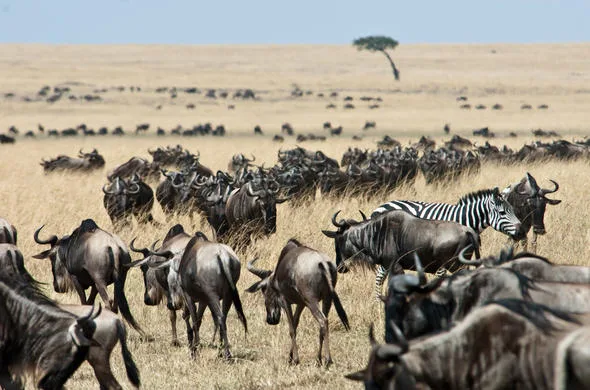
Lewa Safari Lodges offer some of Kenya's most distinctive conservation-focused accommodation experiences, combining comfortable safari living with access to an important protected wildlife landscape on the northern slopes of Mount Kenya. Lewa Wildlife Conservancy is internationally recognised for its work protecting endangered rhinoceroses, Grevy's zebras and other wildlife, making it an attractive destination for travellers who want to understand conservation while enjoying a high-quality safari.
Accommodation in Lewa differs from the large resort-style hotels found in some popular tourist destinations. Many properties are relatively small and emphasise personalised hospitality, knowledgeable guiding and access to wildlife habitats. Guests may stay in permanent tented camps, elegant safari cottages or exclusive lodges surrounded by grasslands, wooded valleys and rolling hills.
The choice of accommodation has a significant influence on the experience. Some properties are particularly attractive for couples and honeymooners, while others offer family-friendly arrangements, private activities or opportunities to explore the landscape on foot or horseback. Location, guiding arrangements and conservancy access are often more important than the number of luxury facilities advertised.
This detailed guide compares Lewa Wildlife Conservancy Accommodation, explains the main safari activities, discusses travel seasons and costs, and helps travellers select a lodge that matches their interests and budget.
Where Is Lewa Wildlife Conservancy?
Lewa Wildlife Conservancy is situated in northern Kenya, on the northern slopes of Mount Kenya, within the broader conservation landscape associated with Laikipia and Meru County. The conservancy protects a varied environment of open grasslands, wooded areas, valleys and riverine habitats. Its elevation contributes to relatively mild temperatures compared with Kenya's lower, hotter regions.
Lewa is particularly important for rhino conservation and supports both black and white rhinoceroses. It also provides habitat for endangered Grevy's zebras, elephants, giraffes, buffaloes and several predator species. The conservancy forms part of a wider protected landscape connected with neighbouring conservation areas, including Borana.
Because Lewa is managed as a conservation area, visitor access and accommodation arrangements are controlled. Travellers should confirm entry requirements and lodge bookings before arrival.
Why Stay in Lewa?
The main attraction of staying in Lewa is the opportunity to combine wildlife viewing with an understanding of conservation. Unlike destinations where tourism is focused almost entirely on game drives, Lewa provides opportunities to learn about the management of endangered species and the protection of wildlife habitats. Rhinos are a major focus, but the conservancy supports a wider range of wildlife, including elephants, Grevy's zebras, giraffes, buffaloes and predators.
Another advantage is the relatively intimate accommodation environment. Many lodges operate with limited guest numbers, allowing personalised guiding and a quieter safari atmosphere. Lewa also offers attractive scenery, with rolling landscapes and views toward Mount Kenya when weather conditions permit.
For travellers who have already visited the Masai Mara, Lewa provides a different perspective on Kenya's wildlife and conservation efforts.
Best Lewa Safari Lodges and Camps
Lewa Safari Camp
Lewa Safari Camp is one of the established tented accommodation properties associated with Lewa Wildlife Conservancy. The camp offers a traditional safari atmosphere combined with comfortable facilities and access to the conservancy's wildlife habitats. Permanent safari tents provide accommodation designed to connect guests with the surrounding landscape while maintaining practical comfort.
The camp is particularly attractive for travellers interested in rhino conservation, game drives and the experience of staying within an important wildlife area. Depending on the selected package, guests may enjoy guided wildlife activities and opportunities to learn about conservation initiatives. The exact room categories, activity inclusions and operating arrangements should be confirmed before booking.
Lewa Safari Camp is suitable for couples, wildlife enthusiasts and travellers who prefer a tented camp rather than a conventional hotel.
Lewa Wilderness
Lewa Wilderness is an established safari property associated with the Lewa conservation landscape. The accommodation is known for its intimate atmosphere, distinctive setting and opportunities to experience the surrounding environment. Lewa Wilderness is particularly attractive for travellers interested in combining wildlife viewing with a broader range of outdoor activities.
Depending on current arrangements, activities may include game drives, guided walks, horseback riding and other experiences. Not every activity is suitable for every guest, and certain experiences may have age, fitness or skill requirements. The property's style appeals to couples, families and travellers seeking a personalised safari.
When comparing Lewa Wilderness with other lodges, consider the available activities and overall atmosphere rather than focusing only on room facilities.
Lewa House
Lewa House offers another accommodation option within the Lewa conservation landscape. The property is associated with an intimate safari-house atmosphere and views across the surrounding countryside. Its accommodation style differs from a conventional tented camp, making it attractive to travellers who prefer more permanent structures.
Lewa House can be particularly suitable for families and small groups seeking comfortable accommodation with access to wildlife experiences. The exact room arrangements, family facilities and guiding services should be confirmed according to the booking dates. Travellers interested in a relaxed safari with time to appreciate the landscape may find this style of accommodation appealing.
Sirikoi
Sirikoi is one of Lewa's recognised luxury safari properties. The accommodation is associated with a high level of comfort, attractive surroundings and personalised hospitality. Its setting provides opportunities to experience the conservancy's wildlife while enjoying a more exclusive accommodation environment.
Sirikoi appeals to travellers seeking a premium or signature safari, including couples celebrating special occasions and families wanting a high-quality private holiday. Accommodation arrangements may include different room or exclusive-use options, depending on the property's current offerings. Because luxury property inclusions vary, travellers should confirm whether private vehicles, conservation activities, meals and transfers are included.
Other Accommodation in the Lewa Region
The wider Lewa and Borana conservation landscape includes additional accommodation options. Some properties are located within Lewa itself, while others lie in neighbouring conservancies with separate access arrangements. Travellers should not assume that accommodation advertised as being near Lewa automatically includes access to Lewa Wildlife Conservancy.
A property in Borana, for example, may provide an excellent wildlife experience but operate under different conservancy arrangements. The precise location and permitted activities should always be checked before confirming a safari.
Lewa Safari Lodges by Accommodation Category
Safari Trips to Kenya uses four accommodation categories to help travellers compare different comfort levels.
Essential Accommodation
Essential Safari Accommodation is comparatively limited within some exclusive conservation areas. Travellers seeking lower-cost options may consider accommodation in nearby towns or selected properties outside the most expensive conservancy areas. However, staying outside Lewa can create additional transfer and access costs.
A lower room rate should therefore be compared with the total cost of transport, guiding and conservancy fees.
Comfort Accommodation
Comfort accommodation provides practical facilities and a reliable standard of hospitality. Depending on the property, guests may stay in cottages, lodge rooms or permanent safari tents with private bathrooms. This category is suitable for travellers who prioritise wildlife activities while maintaining a comfortable place to relax.
Premium Accommodation
Premium Lewa Safari Lodges generally offer spacious rooms, attractive settings and higher levels of guest service. Facilities may include private verandas, comfortable lounges, swimming pools and organised safari activities. The precise inclusions vary between properties.
Signature Accommodation
Signature Lewa Safari Accommodation focuses on privacy, distinctive design and personalised experiences. Properties may offer exclusive suites, private houses, dedicated guiding arrangements or specialised activities. Signature accommodation is particularly suitable for luxury travellers, honeymooners and private family groups.
The best choice depends on the experience desired rather than luxury branding alone.
Wildlife Experiences from Lewa Safari Lodges
Black Rhinoceroses
Black rhinos are among Lewa's most important conservation species. They are primarily browsers and often use habitats with shrubs and woody vegetation. Visitors may encounter them during guided game drives, although sightings depend on their movements and local conditions. Lewa's conservation programmes have contributed significantly to rhino protection in Kenya.
White Rhinoceroses
White rhinos also occur in Lewa and are generally associated with grazing habitats. Their physical characteristics and feeding behaviour differ from those of black rhinos. Observing both species can provide a valuable introduction to rhino ecology and conservation. However, travellers should not expect to encounter both species during every game drive.
Grevy's Zebras
The endangered Grevy's Zebra is one of Lewa's distinctive wildlife species. Compared with plains zebras, Grevy's zebras have narrower stripes, larger ears and different social behaviour. Lewa plays an important role in the protection of this species. Visitors interested in northern Kenya's unique wildlife may find Grevy's zebra encounters especially rewarding.
African Elephants
Elephants move through Lewa and the wider conservation landscape according to food, water and seasonal conditions. Their movements demonstrate the importance of maintaining wildlife corridors between protected areas. Guests may observe family groups feeding, drinking or travelling through suitable habitats.
Giraffes and Antelopes
Lewa supports giraffes and several antelope species, including animals adapted to different grassland and woodland environments. These herbivores contribute to the conservancy's ecological diversity and provide prey for predators. Their behaviour can be rewarding to observe, particularly during quieter game drives.
Lions, Leopards and Other Predators
Lions, leopards and other predators inhabit suitable habitats within the wider Lewa landscape. Predator sightings are unpredictable and depend on animal movements. Experienced guides can help visitors understand signs of predator activity and select appropriate wildlife-viewing routes.
Safari Activities Available from Lewa Lodges
Guided Game Drives
Game drives are the principal activity for most visitors staying in Lewa. Professional guides explore different habitats while searching for wildlife and explaining conservation issues. Morning and afternoon drives are commonly offered, although schedules depend on the selected lodge and conservancy regulations.
A private vehicle may be available at certain properties or through additional arrangements.
Walking Safaris
Selected lodges offer guided walking experiences. These activities provide opportunities to learn about animal tracks, vegetation, insects and smaller wildlife. Walking safaris require authorised guides and appropriate safety procedures. Age and fitness restrictions may apply.
Horseback Riding
Horseback riding is associated with selected properties in the Lewa region. It offers a different way to explore suitable landscapes and may appeal to experienced riders. Travellers should provide accurate information about their riding ability before booking. The activity is not universally available.
Conservation Experiences
Lewa is internationally recognised for its conservation programmes. Some accommodation providers may arrange educational visits or presentations about rhino protection, wildlife monitoring and community conservation. Availability depends on current management arrangements and conservation priorities.
Sensitive wildlife protection activities may not be accessible to visitors.
Birdwatching
Lewa's varied habitats support numerous bird species. Birdwatching can be enjoyed during game drives, guided walks and time spent around accommodation properties. Travellers with specialist birdwatching interests should request an appropriately experienced guide.
Photography
Lewa provides opportunities to photograph rhinos, elephants, zebras, giraffes and varied landscapes. Early morning and late afternoon often provide attractive lighting. A private vehicle can be useful for photographers who want more control over observation time and positioning. However, wildlife welfare and conservancy regulations must always take priority.
Best Time to Stay at Lewa Safari Lodges
January to March
January through March often brings relatively dry conditions in the Lewa region. Game drives and outdoor activities can be comfortable, although temperatures vary with elevation. These months are attractive for travellers interested in general wildlife viewing and conservation experiences.
April to May
April and May are commonly associated with the long-rains season. Vegetation becomes greener, and some tracks may be muddy. Certain properties may adjust their activities or operating schedules. Travellers should confirm accommodation availability and road conditions.
June to October
June through October is generally a popular period for Kenya safaris. Conditions are often relatively dry, making wildlife viewing and outdoor activities attractive. Mornings and evenings can be cool, so warm clothing is useful. Accommodation demand may be high during school holidays and peak travel periods.
November to December
Short rains may occur during November and parts of December. The landscape can become greener, and birdwatching may be rewarding. Christmas and New Year can be busy, particularly at small luxury properties.
How to Get to Lewa Wildlife Conservancy
By Road from Nairobi
Travellers can reach the Lewa region by road from Nairobi through central Kenya. The journey commonly takes approximately four to six hours or longer, depending on traffic, road conditions and the selected lodge. The route passes through agricultural highlands and landscapes associated with Mount Kenya.
A private safari vehicle provides flexibility for stops and onward travel.
By Domestic Flight
Domestic flights can connect Nairobi with airstrips serving Lewa and the surrounding region, depending on airline schedules and operating arrangements. Flying is particularly attractive for travellers with limited time or those combining Lewa with distant safari destinations. Baggage restrictions may apply on small aircraft.
Transfers between the airstrip and lodge should be confirmed before booking.
Combining Lewa with Other Destinations
Lewa combines naturally with Samburu National Reserve, Borana and other northern Kenya conservation areas. It can also be included in a longer itinerary with the Masai Mara. However, the distances between destinations require careful planning. Domestic flights may be preferable when combining Lewa with southwestern Kenya.
Recommended 3-Day Lewa Safari Itinerary
The following is a proposed itinerary that can be adapted according to accommodation availability and preferred activities.
Day 1: Nairobi to Lewa Wildlife Conservancy
Depart Nairobi in the morning and travel toward the Mount Kenya region. Continue to Lewa and check in at your selected safari lodge. Depending on arrival time, enjoy lunch and an afternoon game drive. Your guide will introduce the conservancy's habitats and explain its conservation significance.
Overnight at your selected Lewa accommodation.
Day 2: Full-Day Lewa Wildlife Experience
Begin with an early game drive, searching for rhinos, Grevy's zebras, elephants, giraffes and other animals. Your guide will explain the conservancy's wildlife management and the importance of protecting endangered species. Return to the lodge for lunch and relaxation. In the afternoon, enjoy another game drive or a prearranged activity such as a guided walk or conservation experience.
Overnight at the same lodge.
Day 3: Morning Activity and Return to Nairobi
Enjoy a final morning game drive or another suitable activity, depending on the selected package. After breakfast, prepare for the return journey to Nairobi. Travellers continuing to Samburu or another northern destination can adjust the route accordingly.
Recommended 5-Day Lewa and Samburu Safari
A five-day itinerary can combine Lewa's conservation-focused experiences with the distinctive wildlife habitats of Samburu. The journey may begin with two nights in Lewa, allowing time for rhino viewing and selected activities. Travellers then continue north toward Samburu for two nights of wildlife viewing.
Samburu is particularly associated with reticulated giraffes, Grevy's zebras, gerenuks, Beisa oryx and Somali ostriches. The final day involves a return to Nairobi or an onward flight, depending on the travel arrangements. This combination is attractive for travellers who want to explore northern Kenya without including the more distant Masai Mara.
Lewa Safari Lodge Prices
The cost of staying in Lewa depends on the selected property, travel season, room category and services included. Exclusive conservancy accommodation can be relatively expensive because of limited guest numbers, conservation costs and personalised guiding. Some properties offer comprehensive packages including accommodation, meals and selected activities.
Others may charge separately for private vehicles, specialist experiences or transfers. Conservancy fees may be included in certain packages but should always be confirmed. A complete quotation should explain the total cost rather than providing only a nightly room rate.
What Is Usually Included in Lewa Accommodation Packages?
Inclusions vary between lodges and booking arrangements. Common inclusions may include:
- Accommodation for the specified number of nights.
- Meals according to the selected package.
- Scheduled game drives.
- Services of professional safari guides.
- Conservancy fees where expressly included.
- Transfers from designated arrival points where specified.
- Selected lodge activities.
Optional activities, private vehicles, alcoholic beverages, gratuities and additional transfers may be excluded. Travellers should request a detailed written quotation before confirming their booking.
Private Versus Shared Safari Activities
Some Lewa lodges operate shared game drives for resident guests. This can be sociable and suitable for couples or solo travellers. Other properties offer private vehicles or exclusive guiding arrangements. A private vehicle is particularly useful for photographers, families and travellers with specialist wildlife interests.
However, private arrangements may involve additional costs. The choice should be made according to budget, group size and desired flexibility.
Lewa Safari Lodges for Families
Lewa can be an attractive destination for family safaris because of its wildlife diversity and educational conservation opportunities. However, accommodation policies vary. Some lodges offer family rooms, cottages or exclusive-use arrangements. Age restrictions may apply to walking safaris, horseback riding and other activities.
Families should also consider transfer times and the suitability of daily schedules for younger children. A private safari can provide additional flexibility for rest periods and shorter game drives.
Lewa Safari Lodges for Honeymoons
Lewa is well suited to couples seeking a quiet safari with attractive scenery and personalised hospitality. Small lodges and exclusive accommodation properties can provide privacy and opportunities to enjoy the surrounding landscape. Couples may prefer properties offering spacious suites, private verandas or special dining arrangements.
However, honeymoon services and private activities should be confirmed in advance. A Lewa honeymoon safari can also be combined with the Masai Mara or a beach holiday on Kenya's Indian Ocean coast.
Responsible Tourism in Lewa
Lewa's conservation programmes are central to the destination's identity. Protecting rhinos and other endangered species requires long-term habitat management, security, scientific monitoring and community cooperation. Tourism contributes to the broader conservation economy, but responsible visitor behaviour remains essential.
Guests should follow conservancy regulations, respect wildlife-viewing distances and avoid disturbing animals. Travellers interested in conservation should ask their accommodation provider about its environmental practices and community partnerships. Meaningful conservation tourism involves more than visiting wildlife; it also requires understanding the challenges of protecting habitats and supporting neighbouring communities.
Practical Tips for Booking Lewa Safari Lodges
Book Early During Popular Seasons
Many Lewa properties have relatively few rooms, so availability can be limited. Advance booking is particularly important during peak travel months and major holidays.
Confirm Conservancy Access
Ensure that your accommodation package includes the necessary access arrangements. Do not assume that staying near Lewa provides automatic entry to the conservancy.
Check Activity Inclusions
Ask whether game drives, walking safaris, horseback riding and conservation visits are included.
Consider the Lodge Location
Different properties provide different views, activities and access arrangements. Choose according to your interests rather than accommodation photographs alone.
Prepare for Cool Mornings
Lewa's elevation means early mornings and evenings can be cool. Pack warm layers for game drives.
Confirm Flight Baggage Rules
Small aircraft may impose strict baggage limits. Soft-sided luggage is often preferable.
Arrange Travel Insurance
Comprehensive travel insurance should cover medical emergencies, evacuation, cancellation and planned activities.
Frequently Asked Questions About Lewa Safari Lodges
Where is the best place to stay in Lewa?
The best property depends on your preferences. Lewa Safari Camp offers a tented safari experience, while Lewa Wilderness, Lewa House and Sirikoi provide different accommodation styles and facilities.
Are Lewa safari lodges luxurious?
Many Lewa properties fall within premium or luxury accommodation categories, although comfort levels and inclusions vary.
Can I see rhinos in Lewa?
Lewa supports both black and white rhinos. Sightings are possible during game drives but cannot be guaranteed.
How many nights should I stay in Lewa?
Three nights is a good starting point. Longer stays are suitable for travellers interested in specialist activities and a more relaxed pace.
Is Lewa suitable for children?
Yes, selected properties welcome families. Age restrictions may apply to particular activities.
Can I visit Lewa from Nairobi?
Yes. Lewa can be reached by road or suitable domestic flight arrangements.
Is Lewa better than the Masai Mara?
The destinations offer different experiences. Lewa is particularly attractive for rhino conservation and exclusive safari accommodation, while the Masai Mara is known for extensive grasslands, predators and migratory herbivores.
Can I combine Lewa and Samburu?
Yes. The two destinations form a practical northern Kenya safari combination.
Are game drives included in lodge rates?
Some accommodation packages include game drives, while others have separate activity charges. Always check the written quotation.
What is the best time to visit Lewa?
Lewa can be visited throughout the year. Relatively dry months are often convenient for wildlife viewing and outdoor activities, but conditions vary.
Book Lewa Safari Lodges with Safari Trips to Kenya
Choosing the right Lewa Safari Lodge involves balancing accommodation comfort, wildlife access, guiding arrangements and the activities you want to experience. Lewa offers a distinctive safari environment where endangered species conservation, personalised hospitality and scenic landscapes come together. Safari Trips to Kenya can help travellers compare Lewa Safari Camp, Lewa Wilderness, Lewa House, Sirikoi and other suitable accommodation options in the surrounding conservation landscape.
Private itineraries can be arranged according to travel dates, group size, accommodation category and wildlife interests. Lewa can also be combined with Samburu, Laikipia, the Masai Mara and other Kenya destinations for a more comprehensive safari. When requesting a quotation, provide your preferred dates, number of guests, budget and any specialist activities you would like to include.
With carefully selected accommodation and knowledgeable guiding, a stay in Lewa provides an opportunity to experience Kenya's wildlife while learning about the conservation efforts that help protect it.