

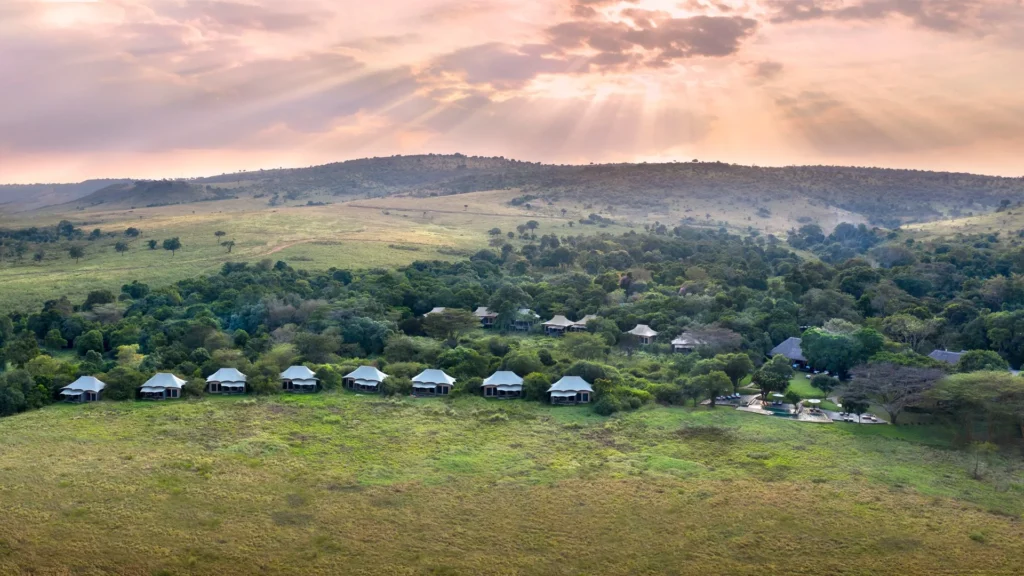
Kenya Safari Camps offer one of the most distinctive ways to experience an African wildlife holiday. Instead of staying in a conventional city hotel, travellers spend their nights in accommodation designed around the surrounding natural environment, often within or near important wildlife habitats.
A safari camp may consist of simple permanent tents with private bathrooms, spacious canvas suites with comfortable furnishings, or exclusive luxury accommodation offering highly personalised service. Some camps are situated inside national parks or reserves, while others operate in neighbouring conservancies or private wildlife areas.
Kenya has a particularly well-established safari camp tradition. The Masai Mara, Amboseli, Samburu, Tsavo, Laikipia, and other wildlife destinations offer accommodation across a wide range of budgets and styles.
At Safari Trips to Kenya, we help travellers select Kenya Safari Accommodation according to location, comfort expectations, safari activities, and the overall itinerary. Choosing the right camp can significantly influence the quality of a safari because accommodation location affects travel times, game-drive access, and the atmosphere of the holiday.
The best camp is not necessarily the most expensive. A well-positioned Comfort camp with reliable guiding may provide a more rewarding experience for some travellers than a luxurious property located far from their preferred wildlife-viewing areas.
What Is a Safari Camp in Kenya?
A safari camp is accommodation developed specifically for travellers visiting wildlife destinations. Many camps use canvas structures, but this does not necessarily mean guests are sleeping in basic camping tents. Modern tented safari accommodation can include comfortable beds, private bathrooms, hot showers, electricity, furniture, and outdoor seating areas.
Some luxury camps feature spacious suites, private decks, plunge pools, and personalised dining arrangements. Other camps provide simpler facilities while maintaining convenient access to wildlife activities. The term "safari camp" therefore describes a broad category rather than one fixed accommodation standard.
Travellers should review the facilities of each property carefully before booking.
Safari Camps Versus Safari Lodges
Safari camps and safari lodges share many characteristics, but their structures and atmosphere may differ. A traditional safari lodge often uses permanent buildings constructed from materials such as stone, timber, or masonry. A tented safari camp typically incorporates canvas accommodation, sometimes supported by permanent foundations and structures.
However, the distinction is not always clear. Some luxury tented camps offer facilities comparable to high-end lodges.
The choice depends on personal preference. Travellers seeking a more traditional safari atmosphere may appreciate the canvas design of a tented camp. Those who prefer solid walls, larger communal facilities, or particular accessibility features may find a lodge more suitable.
Best Regions for Kenya Safari Camps
Masai Mara Safari Camps
The Masai Mara is one of Kenya's most important safari accommodation regions. Camps are located inside the national reserve, in surrounding conservancies, and in nearby areas outside protected boundaries.
The location of a camp can influence the amount of time spent reaching wildlife-viewing areas. Properties inside or close to important habitats may provide convenient game-drive access, although wildlife movements remain unpredictable. Camps in neighbouring conservancies may offer a quieter atmosphere and additional activities under applicable regulations.
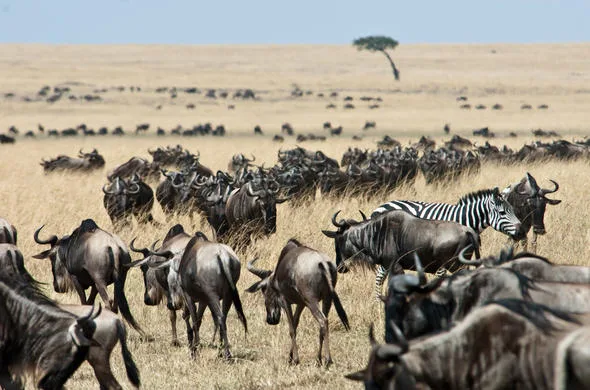
During the migration season, accommodation demand can be particularly strong. Travellers interested in the Great Wildebeest Migration should book early and consider location carefully rather than assuming every Mara camp provides equal access to migration areas.
Amboseli Safari Camps
Amboseli National Park and its surrounding areas offer a range of safari camps and lodges. The region is particularly attractive for elephant viewing and views toward Mount Kilimanjaro. Accommodation location influences access to the park and the amount of time required for game drives.
Some properties are located within the park, while others operate outside its boundaries. Guests should confirm whether park entrance fees and transfers are included in the accommodation package. Amboseli camps are suitable for couples, families, photographers, and travellers combining the park with Tsavo or other southern Kenya destinations.
Samburu Safari Camps
Samburu National Reserve offers safari accommodation in a semi-arid northern Kenya environment. The landscape differs from the Masai Mara and Amboseli, with riverine vegetation, dry plains, and habitats supporting distinctive wildlife.
Visitors may encounter Grevy's zebras, reticulated giraffes, gerenuks, Beisa oryx, and other species associated with northern Kenya. Safari camps in the region may provide attractive views of the surrounding landscape or river environment. Because temperatures can be high, travellers should consider ventilation, shade, and accommodation facilities when choosing a property.
Tsavo Safari Camps
The Tsavo ecosystem offers a range of accommodation in and around Tsavo East and Tsavo West national parks. Tsavo East is associated with extensive open landscapes and elephants, while Tsavo West offers more varied topography and woodland habitats. Safari camps may be situated near important water sources, scenic viewpoints, or convenient park access routes.
Some properties provide opportunities to observe wildlife from designated viewing areas, although sightings are never guaranteed. Tsavo camps are particularly practical for visitors combining wildlife safaris with Mombasa or Diani Beach.
Laikipia Safari Camps
Laikipia is known for conservation areas, private wildlife properties, and distinctive safari accommodation. The region includes destinations such as Ol Pejeta Conservancy and other wildlife landscapes. Accommodation can range from comfortable camps to exclusive properties offering specialist activities. Laikipia is particularly attractive for travellers interested in conservation, rhinos, and experiences beyond conventional national park game drives.
Lake Nakuru Safari Accommodation
Lake Nakuru National Park and the surrounding region offer lodges and other accommodation options suitable for Rift Valley itineraries.
- The park is known for rhinos, buffaloes, giraffes, and birdlife.
- Some travellers stay within the park, while others choose properties in the surrounding area.
- Accommodation selection should consider park access, travel times, and the planned itinerary.
Types of Kenya Safari Camps
Permanent Tented Camps
Permanent tented camps use established accommodation structures that remain in place throughout the operating season or year. They may include private bathrooms, electricity, dining facilities, and comfortable furnishings.
This style is common in several major safari destinations. Permanent camps can provide a balance between traditional safari atmosphere and modern comfort.
Seasonal Migration Camps
Some camps operate seasonally or move between designated locations according to tourism arrangements and wildlife-viewing priorities. These properties may be particularly associated with the migration season. However, not every camp described as a migration camp is mobile, and exact operating locations should be confirmed.
Seasonal camps can provide an intimate atmosphere, but facilities vary.
Luxury Tented Camps
Luxury Safari Camps Kenya may offer spacious tented suites, personalised hospitality, premium dining, and attractive locations. Some properties include private plunge pools, outdoor decks, or specialist guiding services. Luxury camps are particularly popular with honeymooners, couples, and travellers seeking a high level of comfort. However, the term "luxury" is used broadly, so individual facilities and inclusions should be checked.
Private Conservancy Camps
Private Conservancy Camps Kenya operate in wildlife areas managed through specific conservation arrangements. Some conservancies restrict tourism capacity or offer activities not permitted in nearby national reserves.
Depending on the location, these may include guided walks or night drives. Access rules vary, and conservancy accommodation does not automatically include entry into adjacent national parks.
Budget and Essential Safari Camps
Budget Safari Camps Kenya focus on providing practical accommodation for travellers who prioritise wildlife viewing over luxury facilities. Properties may offer simpler rooms or tents, shared communal spaces, and straightforward dining arrangements.
The exact facilities vary considerably. Travellers should confirm bathroom arrangements, electricity, bedding, and location before booking.
Safari Trips to Kenya Accommodation Categories
We use four broad categories to help travellers compare accommodation options.
Essential Safari Camps
Essential camps focus on value and practical comfort. They may provide simple private accommodation, basic dining facilities, and convenient access to safari activities.
This category is suitable for budget-conscious travellers and some group safari programmes.
Comfort Safari Camps
Comfort camps generally provide upgraded tents or rooms, private bathrooms, and established hospitality. They are suitable for couples, families, and travellers seeking a balance between affordability and comfort.
Premium Safari Camps
Premium camps may offer spacious accommodation, attractive locations, enhanced dining, and personalised service. They are particularly suitable for travellers wanting a comfortable safari atmosphere without necessarily choosing the most exclusive properties.
Signature Safari Camps
- Signature camps offer distinctive accommodation and highly personalised hospitality.
- Some properties may include private guiding arrangements, exclusive-use facilities, or luxury amenities.
- Specific features depend on the selected camp and should be confirmed individually.
How to Choose the Best Safari Camp in Kenya
Consider the Location First
Location is one of the most important factors when choosing safari accommodation. A camp located far from the wildlife-viewing areas you want to explore may require lengthy daily transfers. In the Masai Mara, for example, accommodation outside the national reserve may involve additional travel time and entry arrangements. A camp inside a conservancy may offer excellent wildlife viewing within that area but require separate arrangements for visiting the reserve.
The best location depends on your priorities.
Compare Wildlife Access
Some camps are located near important wildlife habitats, but no property can guarantee animal sightings. Wildlife moves according to food availability, water, weather, and other environmental conditions.
Travellers should therefore avoid choosing accommodation based solely on claims that animals are always nearby. Professional guiding and sufficient time in the field are equally important.
Review Camp Facilities
Before booking, confirm whether the accommodation has private bathrooms, hot water, electricity, charging facilities, and suitable bedding. Travellers with mobility limitations should ask about walking distances, steps, terrain, and access to communal facilities.
Families should confirm room configurations and child policies.
Understand the Meal Plan
- Safari camps may operate on full-board, half-board, or other package arrangements.
- Some premium camps include selected beverages and activities, while others charge separately.
- The final quotation should clearly explain what is included.
Check Safari Activities
- Some camps arrange game drives using their own vehicles and guides.
- Others accommodate guests travelling with an independent safari operator.
- Conservancy properties may offer specialist activities under local regulations.
- Travellers should confirm whether activities are included or charged separately.
Sample 7-Day Kenya Safari Camp Experience
The following proposed itinerary illustrates how travellers can experience different safari accommodation environments during one Kenya holiday.
Day 1: Arrival in Nairobi
Arrive at Jomo Kenyatta International Airport and transfer to your Nairobi hotel. The remainder of the day is available for rest. Your safari briefing covers the planned route, accommodation categories, and wildlife activities.
Overnight accommodation is arranged in Nairobi.
Day 2: Nairobi to Lake Nakuru
- After breakfast, depart Nairobi toward Lake Nakuru National Park.
- The road journey passes through sections of the Rift Valley.
- After arrival, check in at your selected lodge or camp.
An afternoon game drive provides opportunities to search for rhinos, buffaloes, giraffes, and birdlife. Return to your accommodation for dinner.
Day 3: Lake Nakuru to Masai Mara
- After breakfast, travel toward the Masai Mara.
- The journey passes through rural landscapes before approaching the Mara ecosystem.
- After arrival, check in at your selected tented camp.
- Depending on the schedule, an afternoon game drive may be possible.
- Enjoy dinner and overnight accommodation in the Mara region.
Day 4: Full-Day Masai Mara Safari
Spend the day exploring the Masai Mara with your professional guide. The reserve supports lions, elephants, buffaloes, giraffes, zebras, and numerous other species.
During the migration season, substantial wildebeest herds may occupy parts of the ecosystem. Return to your camp after the day's wildlife activities.
Day 5: Additional Masai Mara Wildlife Exploration
- Another full day allows you to explore different habitats.
- Your guide selects suitable game-drive routes according to current conditions.
- An optional balloon safari may be available at additional cost.
- Return to camp for dinner and relaxation.
Day 6: Masai Mara to Lake Naivasha
- After breakfast, depart the Mara and travel toward Lake Naivasha.
- After arrival, check in at your selected accommodation.
- An optional boat excursion may be arranged depending on the schedule.
- The evening is available for relaxation.
Day 7: Lake Naivasha to Nairobi
- After breakfast, begin the return journey to Nairobi.
- Depending on your flight schedule, additional activities may be possible.
- Transfer to the agreed hotel or airport location.
- Your safari camp experience concludes with the confirmed departure arrangements.
Safari Camp Facilities: What to Expect
Bedrooms and Sleeping Arrangements
- Many tented camps provide proper beds with mattresses, bedding, and mosquito protection where appropriate.
- Room configurations may include doubles, twins, triples, or family tents.
- However, availability varies between properties.
Bathrooms
- Comfort, Premium, and Signature camps commonly provide private bathrooms.
- Essential properties may have simpler arrangements.
- Hot water systems vary, and some camps use solar heating or scheduled water supply systems.
Electricity and Charging
- Some camps use mains electricity, generators, or solar power.
- Electricity may be available continuously or during specified hours.
- Travellers carrying camera equipment should confirm charging arrangements.
Wi-Fi and Mobile Connectivity
- Internet access varies considerably.
- Some camps provide Wi-Fi in communal areas or guest rooms, while others have limited connectivity.
- Remote locations may experience interruptions.
- Visitors who need reliable internet for work should discuss this before booking.
Dining
Safari camps generally provide meals according to the booked package. Menus may include local and international dishes. Dietary requirements can often be accommodated with advance notice, but arrangements should be confirmed.
Swimming Pools and Leisure Facilities
- Some Premium and Signature camps offer swimming pools, lounges, spa services, or other leisure facilities.
- These amenities are not standard across all safari camps.
- Travellers should review individual property descriptions carefully.
Safari Camp Safety
- Wildlife areas require appropriate safety precautions.
- Some camps are unfenced or located in areas where animals may move through the property.
- Guests must follow camp instructions, particularly after dark.
- Walking between tents and communal areas may require an escort at certain times.
- Visitors should never approach or feed wildlife.
- Food should not be left outside accommodation where it may attract animals.
- Parents should supervise children carefully and confirm camp policies before booking.
Best Time to Stay in Kenya Safari Camps
January through March can provide rewarding wildlife viewing and relatively dry conditions in several regions. April and May are associated with the long-rains season, when some camps may close temporarily or operate with reduced services.
- June through October is a popular safari period, particularly in the Masai Mara.
- November and December may bring short rains, although wildlife viewing remains possible.
- Accommodation rates and availability vary according to season, destination, and demand.
Kenya Safari Camp Prices
The cost of staying at a safari camp depends on location, season, accommodation standard, and package inclusions. Camps inside national parks or private conservancies may have additional fees associated with their location.
- Luxury properties can be substantially more expensive than Essential or Comfort camps.
- Some camps quote accommodation separately from game drives and park fees.
- Others operate packages that include meals, selected activities, and transfers.
- Travellers should compare the total cost of the safari experience rather than the nightly room rate alone.
Safari Camps for Honeymooners
Kenya's tented safari camps can provide an intimate atmosphere for honeymooners. Smaller Premium and Signature properties may offer spacious suites, attractive views, and personalised hospitality.
- Couples may prefer private safari arrangements and longer stays in fewer destinations.
- Special dining arrangements or romantic room setups may be available at selected camps.
- These services should be requested and confirmed before travel.
Safari Camps for Families
- Families should choose accommodation according to children's ages, room requirements, and camp safety policies.
- Some properties offer family tents or interconnected accommodation.
- Others have minimum-age restrictions.
- A private safari vehicle can provide flexibility around game-drive duration.
Parents should also consider swimming pool safety, walking distances, and the possibility of wildlife moving near the camp.
Safari Camps for Photographers
- Wildlife photographers often prioritise camp location and guiding arrangements.
- A camp with convenient access to suitable wildlife habitats can reduce travel time.
- Some properties offer specialist photographic vehicles or guides, subject to availability.
Photographers should confirm charging facilities, luggage arrangements, and vehicle space for equipment. Longer stays in one location can be particularly valuable for observing wildlife behaviour.
Conservancy Camps Versus National Reserve Camps
Conservancy camps may offer access to wildlife areas with controlled tourism arrangements. Some conservancies permit activities such as guided walks or night drives under specific regulations. National reserve camps provide access to important protected habitats and established game-drive routes.
However, location alone does not guarantee better wildlife sightings. The choice should depend on preferred activities, budget, accommodation style, and desired safari experience.
Environmental Sustainability in Safari Camps
Safari accommodation can influence local ecosystems through water use, energy consumption, waste management, and land use. Responsible camps may adopt measures such as solar power, water conservation, waste reduction, and community employment.
However, sustainability claims should be assessed carefully. Travellers can ask accommodation providers about their environmental practices and conservation partnerships. Supporting responsibly managed properties can contribute to broader conservation and community objectives.
What to Pack for a Safari Camp Stay
- Bring comfortable lightweight clothing, a warm layer for cool mornings, and suitable footwear.
- A hat, sunscreen, sunglasses, and binoculars are useful for game drives.
- A small torch may be helpful, particularly in camps with limited outdoor lighting.
- Carry personal medication and important travel documents.
- Photographers should bring spare batteries, memory cards, and suitable protective storage.
- Soft-sided luggage can be practical for safari vehicles and smaller aircraft.
Frequently Asked Questions
Are Kenya safari camps comfortable?
Many safari camps provide comfortable beds, private bathrooms, and established dining facilities. Standards vary from simple Essential camps to highly luxurious Signature properties.
Are safari camps safe?
Safari camps operate with safety procedures appropriate to their locations. Guests must follow staff instructions, especially in unfenced wildlife areas.
Can animals enter safari camps?
In some unfenced camps, wildlife may move through or near the property. Visitors should follow camp rules and avoid approaching animals.
Are safari camps suitable for children?
Many camps welcome families, but some have age restrictions or particular safety requirements.
Do safari camps have electricity?
Many do, although power sources and operating hours vary.
Is Wi-Fi available?
Some camps provide Wi-Fi, but connectivity can be limited in remote areas.
Which area has the best safari camps?
The Masai Mara offers an extensive range of camps, while Amboseli, Samburu, Tsavo, and Laikipia provide distinctive alternatives.
Should I stay inside the Masai Mara National Reserve?
Staying inside the reserve can offer convenient access to certain wildlife areas, but nearby conservancies and other accommodation locations may also provide excellent experiences.
Are game drives included in safari camp rates?
Not always. Inclusions depend on the property and package.
How far in advance should I book?
Early booking is advisable for popular travel periods, particularly the Masai Mara migration season and major holidays.
Book Kenya Safari Camps with Safari Trips to Kenya
Choosing the right Kenya Safari Camp can significantly improve the comfort, convenience, and atmosphere of your wildlife holiday. Safari Trips to Kenya can help select accommodation in the Masai Mara, Amboseli, Samburu, Tsavo, Laikipia, Lake Nakuru, and other suitable safari destinations. We offer Essential, Comfort, Premium, and Signature options according to your budget and preferences. Our safari packages can combine carefully selected camps with professional guiding, suitable vehicles, park visits, and realistic travel arrangements.
Contact us with your preferred dates, number of travellers, destinations, accommodation expectations, and approximate budget. We will help you choose Kenya Safari Camps that complement your itinerary and provide a rewarding wildlife experience.