

Choosing the right family lodge in Samburu can make an enormous difference to the enjoyment of a Kenya safari, particularly when travelling with younger children, teenagers or several generations of the same family. The Samburu region offers a distinctive safari experience, combining excellent wildlife viewing with dramatic semi-arid landscapes, the Ewaso Ng'iro River and opportunities to learn about Samburu culture. Families can enjoy game drives, comfortable accommodation and memorable encounters with wildlife without following exactly the same itinerary as visitors to Kenya's southern safari destinations.
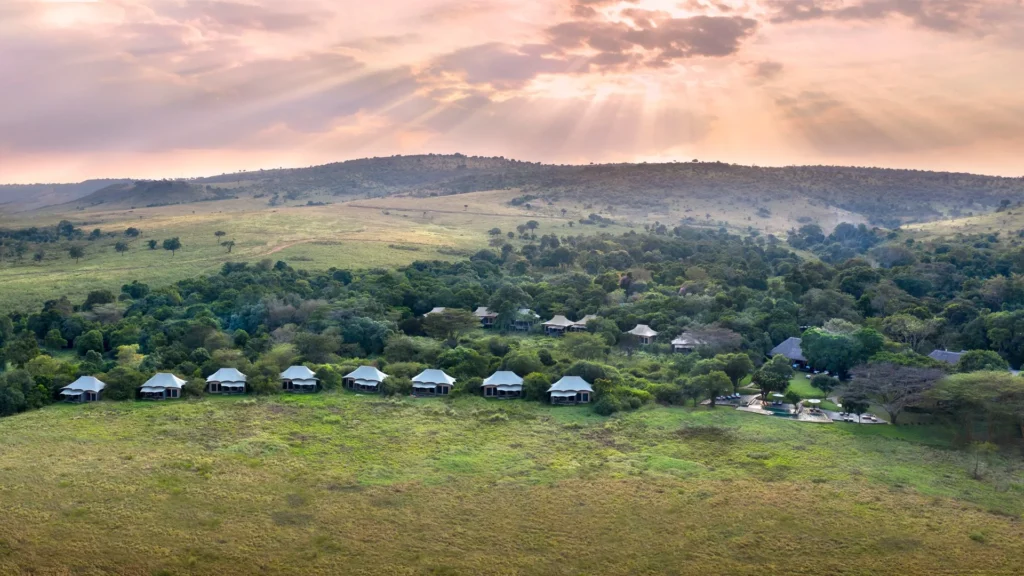
The best family lodges in Samburu provide more than a comfortable bed and convenient access to wildlife. They offer practical room arrangements, attentive staff, suitable meals, flexible safari schedules and an environment where children can learn about the natural world. Some properties feature swimming pools and spacious family accommodation, while smaller tented camps provide an intimate bush experience particularly appealing to families with older children.
Samburu is especially rewarding for families who want to see animals that are less commonly encountered on traditional southern Kenya safari circuits. The reserve is known for the Samburu Special Five: Grevy's zebra, reticulated giraffe, Beisa oryx, gerenuk and Somali ostrich. Elephants, lions, leopards and numerous bird species also inhabit the region.
At Safari Trips to Kenya, we help families choose accommodation according to their children's ages, preferred comfort level, travel dates, safari budget and the experiences they want to enjoy.
Why Choose Samburu for a Family Safari?
Samburu National Reserve lies in northern Kenya, where the landscape differs considerably from the grassy plains of the Masai Mara and the open savannah of Amboseli. Rocky hills, acacia woodland, dry riverbeds and riverine vegetation create an interesting setting for exploring wildlife habitats.
The Ewaso Ng'iro River is particularly important because it supports wildlife in an otherwise relatively dry environment. Elephants frequently move through riverine areas, while giraffes, antelopes and predators use the surrounding habitats. The concentration of wildlife near water can create rewarding viewing opportunities, although animal movements change with rainfall and seasonal conditions.
For children, the variety of landscapes and animals can make Samburu feel like an outdoor classroom. A guide can explain why gerenuks stand on their hind legs to feed, how elephants communicate, and what distinguishes a Grevy's zebra from the more familiar plains zebra.
Families interested in conservation can also learn about the challenges facing endangered wildlife and the importance of protecting habitats beyond national parks and reserves.
Unlike destinations where the main attraction may be a single seasonal event, Samburu offers worthwhile wildlife viewing throughout much of the year. This makes it a useful destination for families planning around school holidays.
What Makes a Samburu Lodge Family-Friendly?
Not every safari lodge is equally suitable for children. A beautiful luxury tented camp may offer exceptional service but have restrictions on young guests, limited room configurations or unfenced grounds that require close supervision.
When comparing family-friendly lodges in Samburu, parents should consider several practical factors.
Family Rooms and Interconnecting Accommodation
Families with young children often prefer accommodation where everyone can sleep together or in connecting rooms. Some lodges provide family suites, additional beds or adjoining units, while others require separate rooms.
Room arrangements should be confirmed before booking because a property advertised as family-friendly may have only a limited number of suitable units.
For larger families, a private family villa or multiple rooms positioned close together can be particularly convenient. Parents should also check whether the accommodation includes private bathrooms, adequate storage and comfortable sleeping arrangements for all children.
Swimming Pools and Relaxation Areas
A swimming pool can be a valuable feature during a family safari, especially when travelling with children who enjoy physical activity between game drives.
Samburu can be hot during the day, and a pool offers an opportunity to relax after an early morning wildlife excursion. However, swimming facilities vary considerably between properties, and parents should confirm supervision arrangements and any pool restrictions.
Shaded lounges, gardens and comfortable communal areas are also useful when children need time away from the safari vehicle.
Flexible Meals and Dining Options
Children may have different eating preferences from adults, particularly after several days of travelling. Family-friendly accommodation should ideally offer flexible dining arrangements, familiar meal options and the ability to accommodate reasonable dietary requirements with advance notice. Parents travelling with infants should ask about food preparation, refrigeration, sterilisation facilities and the availability of suitable drinking water.
Child Safety
Safety is especially important in wilderness accommodation.
Many safari camps are situated in wildlife areas and may not have perimeter fencing. Animals can sometimes move through camp surroundings, particularly at night.
Parents should understand the lodge's child supervision policy, walking restrictions and procedures for moving between accommodation units and dining areas after dark. Children should never approach wildlife or move around unfenced safari camps without appropriate adult supervision.
Recommended Family Lodges and Safari Camps in Samburu
The following properties are worth considering when planning a Samburu family safari. Their suitability depends on children's ages, available room configurations, operating policies and the family's preferred accommodation style.
1. Samburu Intrepids Tented Camp
Samburu Intrepids Tented Camp is one of the established safari accommodation options within Samburu National Reserve. Its location provides convenient access to game-viewing areas, reducing the need for lengthy journeys before beginning a wildlife excursion.
The camp combines tented safari accommodation with the facilities expected from an established lodge-style operation. Its riverside setting gives guests an opportunity to experience the atmosphere of the northern Kenyan wilderness.
For families, the main attractions include its safari location, organised wildlife activities and established hospitality infrastructure. Parents should confirm current family accommodation options, age restrictions and children's activity arrangements before making reservations.
2. Samburu Sopa Lodge
Samburu Sopa Lodge is another accommodation option worth considering for families who prefer a more conventional lodge environment. Its design and shared facilities may appeal to travellers who want comfortable accommodation after spending several hours exploring the reserve. Families with younger children often appreciate lodge-style accommodation because it can provide a more familiar setting than a small wilderness tented camp.
When comparing room categories, ask whether family accommodation, extra beds or adjoining rooms are available for the intended travel dates. The lodge's location should also be considered in relation to the planned game-drive routes and entry arrangements.
3. Sarova Shaba Game Lodge
Sarova Shaba Game Lodge is situated in Shaba National Reserve, part of the wider Samburu safari region. Shaba has a different landscape character from Samburu National Reserve, with volcanic formations, rocky hills and riverine vegetation. The lodge can be attractive to families looking for a larger property with established hospitality facilities and access to wildlife excursions. Its setting also provides an opportunity to explore a different reserve rather than concentrating exclusively on Samburu.
Families should understand that Shaba and Samburu are separate protected areas, and visiting both may involve additional travel and park entry arrangements.
4. Ashnil Samburu Camp
Ashnil Samburu Camp is a tented accommodation property associated with the Ewaso Ng'iro River landscape. It is an option for travellers who want a traditional tented safari atmosphere without necessarily choosing a very small boutique camp. Families may appreciate the balance between outdoor surroundings and the comforts of a managed safari property. Before selecting this camp, check family tent availability, extra-bed policies and whether the property can accommodate the exact ages of the children travelling.
5. Elephant Bedroom Camp
Elephant Bedroom Camp offers a more intimate luxury tented safari experience in Samburu. Its style is particularly attractive to couples and travellers who value privacy, personalised service and accommodation closely connected to the surrounding wilderness.
For families with older children or teenagers, a smaller camp can provide a memorable safari experience. However, it is essential to confirm whether the camp accepts children of the relevant ages and can provide suitable sleeping arrangements.
Parents should also understand the property's safety procedures, especially where wildlife may move through camp areas.
6. Sasaab
Sasaab is a luxury safari lodge in the wider Samburu region, situated in the Westgate Community Conservancy.
The property offers a different safari experience from accommodation inside Samburu National Reserve, combining a distinctive architectural style with activities associated with its conservancy setting.
It may appeal to families looking for a high-end, personalised holiday with opportunities to explore the wider landscape. Families considering Sasaab should discuss room arrangements, child policies, activity age limits and transfer logistics directly during the planning process. Because conservancy activities and reserve game drives are not necessarily identical, it is important to understand exactly which experiences are included in a proposed stay.
Choosing Between Samburu National Reserve and Nearby Conservancies
Accommodation location is one of the most important decisions when planning a family safari.
Staying inside Samburu National Reserve generally provides convenient access to the reserve's game-viewing network. This can be useful for families who want early morning drives without first travelling from a distant property.
Accommodation outside the reserve may offer different facilities, greater privacy or access to community conservancy activities. However, families should consider how long it takes to reach the main wildlife-viewing areas and whether additional entry fees apply. Nearby conservancies may provide opportunities for guided nature activities or cultural experiences, depending on the property and applicable regulations.
The best choice is not always the most luxurious lodge. A conveniently located Comfort-category property may suit a family with young children better than a remote Signature lodge requiring longer transfers.
Essential, Comfort, Premium and Signature Family Accommodation
Safari Trips to Kenya organises accommodation discussions around four broad travel styles.
Essential Family Accommodation
Essential safari accommodation focuses on affordability, cleanliness, practical facilities and access to wildlife areas. It is suitable for families who prefer to spend more of their holiday budget on activities and destinations rather than elaborate accommodation. Essential options may have simpler rooms, fewer leisure facilities and less flexibility in family room configurations. Parents should still prioritise safety, reliable meals and suitable bathroom facilities.
Comfort Family Accommodation
Comfort safari lodges offer a balance between reasonable pricing and a relaxing safari experience. Families can generally expect private accommodation, established dining facilities and a comfortable environment for resting between game drives. This category is often suitable for families who want a well-organised safari without paying for exclusive luxury services.
Premium Family Accommodation
Premium safari accommodation places greater emphasis on room quality, location, dining and personalised hospitality. Properties in this category may offer more spacious accommodation, attractive communal areas and additional leisure facilities. For families celebrating a special occasion, the additional comfort can be worthwhile.
Signature Family Accommodation
Signature safari lodges represent highly personalised, luxury-oriented accommodation. Depending on the property, guests may have access to spacious suites, private dining arrangements and tailored activities. Signature accommodation is especially appealing to multigenerational families seeking privacy and flexibility. The actual facilities and inclusions should always be checked individually rather than assumed from the category.
Best Wildlife Experiences for Families in Samburu
Game Drives in Samburu National Reserve
Game drives are the main activity for most families visiting Samburu. Early morning excursions are particularly rewarding because temperatures are generally cooler and wildlife may be more active. Families can look for elephants, giraffes, zebras, antelopes, lions and numerous birds while learning how different animals survive in the dry northern environment. A professional guide can adapt the pace of the excursion to children's interests and attention spans.
Rather than spending an entire morning searching for one elusive predator, a family-focused game drive can include frequent stops to observe smaller animals, tracks, birds and interesting landscapes.
Discovering the Samburu Special Five
The Samburu Special Five provide a distinctive wildlife theme for children.
Grevy's zebras have narrow stripes and a different appearance from plains zebras. Reticulated giraffes are recognised by their sharply defined coat patterns, while gerenuks are unusual antelopes capable of standing upright to browse vegetation.
Beisa oryx have long, straight horns, and Somali ostriches differ in appearance from the common ostriches seen in other regions. Children can keep a wildlife checklist and learn to identify each species. This creates an engaging safari activity without placing unrealistic expectations on sightings.
Elephant Watching
Elephants are among Samburu's most important wildlife attractions.
Watching a family herd interact can be fascinating for children. Young elephants may play, remain close to adults or investigate their surroundings while older animals feed.
Guides can explain elephant social relationships, feeding behaviour and the importance of conservation. Wildlife should always be observed from an appropriate distance, and vehicles should never block an elephant's movement.
Birdwatching for Children
Samburu is a rewarding destination for bird enthusiasts, but children do not need specialist knowledge to enjoy birdwatching. Colourful species, large birds of prey and birds associated with river habitats provide opportunities to learn about feeding behaviour and adaptation. A simple illustrated bird guide or binoculars can make the activity more engaging. Families can encourage children to identify birds by size, colour, beak shape and habitat rather than expecting them to memorise complicated names.
Samburu Cultural Experiences
A carefully arranged cultural visit can introduce families to Samburu traditions, pastoral livelihoods and the relationship between local communities and their environment. Children may learn about traditional clothing, livestock keeping, local crafts and community life. Visits should be organised respectfully, with clear expectations about photography, contributions and the nature of the experience. A meaningful cultural activity should support local participation rather than treating communities as staged attractions.
How Many Nights Should Families Spend in Samburu?
For most families, two or three nights provide a practical introduction to Samburu. A two-night stay usually allows time for an afternoon or morning game drive on arrival day, a full day of wildlife viewing and a final excursion before departure, depending on the travel schedule. Three nights provide greater flexibility. Families can enjoy shorter game drives, spend time at the lodge and explore different sections of the reserve without feeling rushed.
For children under approximately eight years old, three nights may be preferable when the itinerary includes a long journey to reach Samburu. Families with teenagers who enjoy wildlife photography may benefit from additional time because animal behaviour is unpredictable. A longer stay also reduces the pressure to see every species within a single day.
Best Time to Visit Samburu with Children
Samburu can be visited throughout the year, but seasonal conditions influence road access, wildlife distribution and the overall safari experience.
January to March
These months are often relatively dry and can be suitable for wildlife viewing. Temperatures may be high during the day, so families should plan early game drives, carry adequate drinking water and avoid unnecessary exposure to midday heat. The period can work well for families whose school calendars allow travel outside the busiest holiday months.
April and May
- Rainfall may increase during the main rainy season.
- The landscape can become greener, and birdwatching may be rewarding.
- However, heavy rainfall can affect road conditions and occasionally disrupt planned activities.
- Families travelling during this period should allow flexibility and choose reliable transport arrangements.
June to October
This is a popular period for Kenya safaris, overlapping with school holidays in several international markets. Drier conditions can make wildlife viewing rewarding, particularly around water sources. Accommodation demand may be stronger during peak holiday periods, so families requiring larger rooms should book early.
November and December
Short rains may occur, although their timing and intensity vary. The landscape can become greener, and the region may be attractive to families travelling during the December holiday season. Christmas and New Year accommodation often requires advance planning.
Travelling to Samburu with Children
Road Transfers from Nairobi
Samburu is accessible by road from Nairobi. The journey commonly takes approximately six to eight hours, depending on the departure point, traffic, road conditions, stops and the location of the chosen lodge. For families, a private vehicle is often preferable because it allows flexible rest breaks. Children can stop for refreshments, use suitable facilities and stretch their legs during the journey.
A professional safari driver-guide also manages navigation and travel logistics.
Flying to Samburu
Scheduled or charter flights may be available to airstrips serving the Samburu region, depending on the airline, season and itinerary. Flying can substantially reduce road travel and may be particularly worthwhile for families with young children. However, transfers between the airstrip and lodge must still be arranged. Families should check luggage allowances carefully because light aircraft often have stricter baggage restrictions than international airlines.
Private Safari Versus Shared Safari for Families
A private Samburu safari gives families control over departure times, game-drive duration and rest stops. This flexibility can be particularly useful when children become tired or need a break. A private vehicle also allows the guide to concentrate on the family's interests, whether that involves elephants, photography or learning about animal tracks. Shared safaris may reduce costs, but they generally involve a fixed schedule and require consideration for other travellers.
For families with young children, private arrangements are often the more practical option.
Family Safari Safety and Health Considerations
Parents should prepare children for the realities of travelling in wildlife areas. Children should understand that wild animals are unpredictable, even when they appear calm. They should remain seated when instructed, avoid shouting near wildlife and follow their guide's directions.
Sun protection is important because Samburu can experience intense sunshine. Hats, lightweight clothing, sunscreen and sufficient drinking water should be part of daily preparations.
Families should also seek personalised travel health advice before departure, including guidance on routine vaccinations, malaria prevention and any other relevant health considerations. Medical facilities may be limited in remote safari areas, so suitable travel insurance and an emergency assistance plan are advisable.
Packing for a Family Safari in Samburu
A practical family packing list includes lightweight clothing, a warm layer for cooler mornings, comfortable shoes, hats and personal toiletries. Neutral-coloured clothing is convenient for game drives, although specialist safari clothing is not essential. Binoculars can make wildlife viewing more interesting, especially for older children. A small notebook, wildlife identification guide and camera can turn the safari into an educational experience.
Families should also carry essential medication, child-specific supplies and any necessary snacks for long transfers. Soft-sided luggage may be preferable when domestic flights are included.
Combining Samburu with Other Kenya Safari Destinations
Samburu works well as part of a longer Kenya family safari.
Samburu and Ol Pejeta Conservancy
Combining Samburu with Ol Pejeta Conservancy introduces families to different landscapes and conservation experiences. Ol Pejeta is known for rhino conservation and provides opportunities to learn about wildlife protection. The combination can be especially rewarding for children interested in endangered species.
Samburu and Lake Nakuru
Lake Nakuru National Park adds a different environment, with lake scenery, woodland and opportunities to see rhinos. A combined itinerary provides greater wildlife diversity than concentrating on a single reserve.
Samburu and Masai Mara
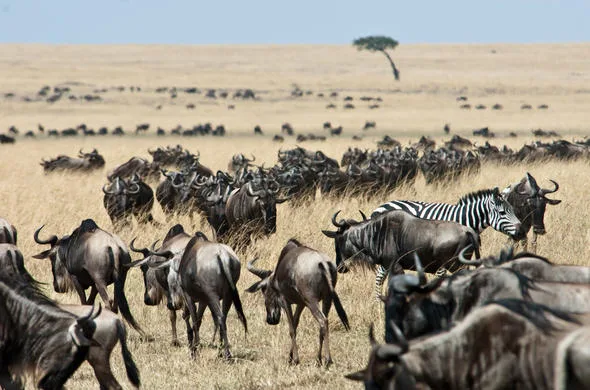
A safari combining Samburu National Reserve and the Masai Mara National Reserve offers contrasting ecosystems. Samburu introduces northern Kenya's distinctive wildlife, while the Masai Mara is known for open grasslands, predators and seasonal wildebeest migration movements. The route requires careful planning because the destinations are geographically separated.
Samburu and the Kenya Coast
Families can also combine wildlife viewing with a beach holiday at Diani, Watamu or another coastal destination. A few days beside the Indian Ocean provide time to relax after early safari mornings. Domestic flights may help reduce lengthy overland journeys.
Understanding Family Safari Costs in Samburu
The price of a Samburu family safari depends on the accommodation category, travel season, number of travellers, children's ages and transport arrangements. Private vehicle costs can be shared among family members, potentially improving value for larger groups. However, family room pricing is not always calculated simply by dividing the adult rate. Some properties offer child rates, while others charge according to room occupancy or require additional accommodation units.
Reserve entry fees, meals, activities and transfers must also be considered. When comparing quotations, families should confirm whether the price includes accommodation, game drives, transport, park fees and all applicable taxes. The cheapest quotation is not necessarily the best value if important services are excluded.
Frequently Asked Questions About Family Lodges in Samburu
Is Samburu suitable for children?
Yes. Samburu can be an excellent family safari destination when accommodation, transport and activities are selected according to the children's ages.
Young children may benefit from shorter game drives and lodges with comfortable relaxation facilities.
What is the best family lodge in Samburu?
There is no single best property for every family.
Samburu Intrepids, Samburu Sopa Lodge, Ashnil Samburu Camp and other established properties are worth comparing, while luxury options such as Sasaab may appeal to families seeking a more exclusive experience.
The best choice depends on room availability, child policies, location and budget.
Are family rooms available in Samburu?
Some lodges provide family accommodation or extra-bed arrangements. Availability varies, and suitable rooms should be confirmed before booking.
Can children participate in game drives?
Children can generally participate in vehicle-based game drives, subject to the operator's and accommodation provider's policies. Parents should discuss suitable excursion lengths and any age restrictions in advance.
Are Samburu safari camps safe for families?
Reputable safari camps operate safety procedures, but wildlife areas require constant awareness. Parents must follow staff instructions, supervise children and respect restrictions on movement around camp.
Is Samburu better than the Masai Mara for families?
- Both destinations are excellent but offer different experiences.
- Samburu is particularly interesting for its northern wildlife species and semi-arid landscapes.
- The Masai Mara offers expansive grasslands, strong predator-viewing opportunities and the possibility of seasonal migration sightings.
- Many families enjoy combining the two.
How far is Samburu from Nairobi?
Road travel commonly takes approximately six to eight hours, depending on traffic, stops and the exact destination. Flying may be preferable for families who want to minimise time on the road.
How many days are enough for a Samburu family safari?
Two or three nights are suitable for many families. Three nights provide a more relaxed schedule and additional time for wildlife viewing.
Plan Your Family Safari in Samburu with Safari Trips to Kenya
A successful family safari begins with accommodation that matches the needs of everyone travelling. The ideal lodge should provide comfortable sleeping arrangements, convenient wildlife access, appropriate safety procedures and enough flexibility for children to enjoy the experience.
Safari Trips to Kenya can help you compare family lodges in Samburu, select suitable accommodation categories and design a private safari itinerary around your family's interests.
Whether you are planning a short Samburu wildlife holiday, a multigenerational safari or a longer journey combining northern Kenya with the Masai Mara, Ol Pejeta and the coast, we can help you build a practical travel programme.
Contact Safari Trips to Kenya with your travel dates, number of adults, children's ages and preferred accommodation standard to discuss a personalised Samburu family safari package.