

Staying in one of the Amboseli tented camps is an excellent way to experience Kenya’s elephant country without losing the atmosphere that makes an African safari special. Instead of a conventional hotel room, guests sleep in purpose-built safari tents surrounded by open landscapes, acacia trees and the sounds of the bush. Many camps provide comfortable beds, private bathrooms, dining facilities and inviting outdoor spaces, while retaining a closer connection to nature than a large resort-style lodge.
Amboseli National Park, in southern Kenya near the Tanzanian border, is particularly well suited to tented safari accommodation. The landscape is dominated by expansive plains, seasonal lakebeds, permanent swamps and the distant slopes of Mount Kilimanjaro. Large elephant herds are the park’s best-known attraction, although visitors may also encounter buffaloes, zebras, giraffes, wildebeest, hyenas, lions and an impressive variety of birds. The choice of accommodation can make a considerable difference to the overall safari. Some camps are conveniently positioned near national park gates, allowing guests to begin wildlife drives shortly after breakfast. Others occupy private conservancies bordering the protected area, where the experience may include guided walks, cultural visits or other activities permitted outside the national park.
At Safari Trips to Kenya, we help travellers compare Amboseli safari camps according to location, comfort, budget, safari activities and the type of experience they want. This guide explains the different accommodation options, what to expect from tented camps and how to select a suitable place to stay.

Why Choose a Tented Camp in Amboseli?
The appeal of tented accommodation is not simply the tent itself. A good safari camp creates an environment where the accommodation feels connected to the destination. Guests may wake to birds calling from nearby trees, watch the changing light across the plains or spend the evening discussing wildlife sightings around a dining area overlooking the landscape. The atmosphere tends to be quieter and more personal than that of a large hotel, particularly at smaller camps.
Modern safari tents in Amboseli are generally very different from ordinary recreational camping tents. Depending on the property, they may have solid flooring, raised platforms, proper beds, mosquito protection, en-suite bathrooms, electricity and private verandas. Premium properties can offer spacious suites, excellent dining, plunge pools and attentive personal service. There are several reasons travellers choose this style of accommodation:
- A closer connection to the natural environment and surrounding wildlife habitat.
- A traditional safari atmosphere without necessarily sacrificing comfort.
- Accommodation options covering different budgets and travel styles.
- Opportunities to stay in smaller properties with fewer guests.
- Convenient access to Amboseli game drives and nearby conservation areas.
- Attractive landscapes, including possible views of Mount Kilimanjaro.
Not every tented camp offers the same facilities. Some are deliberately simple, while others are among Kenya’s more expensive safari properties. Comparing their actual amenities is therefore more useful than relying on the word “tented” in the accommodation description.
Where Are Amboseli Tented Camps Located?
One of the most important decisions when choosing Amboseli safari accommodation is whether to stay inside the national park, immediately outside its boundaries or in a surrounding conservancy.
Camps Inside Amboseli National Park
Accommodation within the national park offers convenient access to the protected wildlife-viewing area. Guests can begin morning game drives without first travelling from a distant property to a park entrance. This can be especially valuable for photographers hoping to capture elephants in the softer early-morning light. It also reduces the amount of time spent travelling between accommodation and wildlife-viewing areas.
However, not all accommodation inside the park consists of traditional canvas tents. Some well-known properties are permanent safari lodges rather than tented camps. Travellers should verify the exact room type and property location before booking. Activities within the national park must follow Kenya Wildlife Service regulations. Visitors cannot assume that night game drives, off-road driving or walking safaris are permitted simply because their accommodation is located inside the park.
Tented Camps Near Kimana Gate
The eastern side of Amboseli is a popular accommodation area, particularly around Kimana Gate and the roads connecting the park with Kimana and the Nairobi–Mombasa highway. Several camps and lodges are located in this wider area, offering convenient road access and a range of accommodation standards. For visitors arriving from Nairobi, these properties can be practical because they combine reasonable access to the park with facilities that suit families, couples and small safari groups.
The main consideration is the actual driving distance between the property and the gate. A camp described as being “near Amboseli” may still require a significant transfer before the first wildlife sighting inside the national park.
Camps in Private Conservancies
The wider Amboseli ecosystem extends well beyond the national park boundary. Wildlife moves through surrounding community lands, conservancies and seasonal dispersal areas. Some of the region’s most distinctive tented camps are situated in these conservation landscapes. Properties in areas such as Selenkay Conservancy and other privately managed conservation lands may provide a quieter setting and additional activities, subject to local rules and the arrangements offered by each property.
Conservancy accommodation can be especially appealing to travellers who value privacy, smaller camps and a deeper understanding of wildlife conservation. However, staying in a conservancy does not automatically mean that national park entry is included. Guests planning to visit Amboseli National Park may need separate park fees and scheduled transfers.
Recommended Amboseli Tented Camps
The following properties illustrate the different styles of tented accommodation available around Amboseli. Their inclusion is intended to help travellers compare options rather than imply that every camp is available for a particular travel date.
1. Elewana Tortilis Camp Amboseli
Elewana Tortilis Camp is one of the established luxury tented safari properties in the Amboseli ecosystem. Located in a private conservation setting near the national park, the camp is known for its classic safari style and views towards Mount Kilimanjaro when weather conditions permit. Accommodation is designed to combine canvas safari living with the comfort expected from a high-end property. Guests can expect thoughtfully furnished tents, private facilities and communal areas intended for relaxing between wildlife activities.
The surrounding landscape is a major attraction. Rather than feeling like a conventional hotel, the camp offers an atmosphere shaped by open country, vegetation and the changing light across the plains. Its safari experience can include game drives and guided activities according to the booked package and current operating arrangements.
Best suited to: Couples, photographers, honeymooners and travellers seeking luxury tented accommodation in Amboseli. Before booking, confirm whether the quotation includes national park fees, conservancy activities, drinks, transfers and private or shared game drives.
2. Kibo Safari Camp
Kibo Safari Camp is a popular tented accommodation option in the Kimana area, close to the eastern access route into Amboseli National Park. It appeals to travellers who want the atmosphere of a tented safari camp together with facilities that make a multi-night stay comfortable. The property is commonly considered for private safaris, family holidays and organised group itineraries.
The accommodation style is more substantial than basic camping, with furnished safari tents and established guest facilities. Its position near the park makes it a practical base for exploring Amboseli without committing to the price of an exclusive luxury conservancy camp. For many travellers, the principal advantage is the balance between comfort, accessibility and a recognisable safari atmosphere.
Best suited to: Families, couples and visitors looking for Comfort or Premium Amboseli safari accommodation, depending on the room category and package. When comparing Kibo Safari Camp with other properties, check the room configuration, current meal plan, transfer arrangements and park entrance logistics.
3. Sentrim Amboseli Lodge
Sentrim Amboseli provides another established accommodation option in the wider Amboseli area, with safari-style units and facilities designed for travellers visiting the national park. It is frequently considered by visitors who prefer organised lodge services and straightforward safari logistics. The property can be particularly suitable for guests who want a comfortable place to rest after full days in the safari vehicle.
Although it may appear in searches for tented camps, travellers should confirm the specific accommodation configuration offered at the time of booking rather than assuming every unit is a traditional canvas tent.
Best suited to: Value-conscious travellers, small groups and guests seeking practical Amboseli National Park accommodation.
4. Porini Amboseli Camp
Porini Amboseli Camp is associated with the Selenkay Conservancy landscape north of Amboseli National Park. Its appeal is different from that of a larger lodge near a busy entrance gate. The emphasis is on a smaller-scale safari experience, conservation-oriented tourism and wildlife activities in a community conservancy setting.
The conservancy environment can provide opportunities to learn about how wildlife conservation interacts with local livelihoods and land management. Activities depend on the camp’s current programme and the rules governing the conservancy. Guests interested in responsible Kenya safaris may find this type of accommodation especially worthwhile because it connects their visit with a wider conservation landscape.
Best suited to: Wildlife enthusiasts, photographers and travellers who prefer intimate camps and conservation-focused experiences. Check how many national park visits are included, whether drives are shared and what additional conservancy activities are available.
5. Satao Elerai Camp
Satao Elerai Camp is located in the Elerai conservation landscape, offering a quieter alternative to accommodation concentrated near the national park’s busiest areas. The setting is attractive for travellers who enjoy open views, natural surroundings and a more secluded safari atmosphere. Its position outside the main national park area means that guests should consider transfer times when planning game drives inside Amboseli. This is particularly important on short itineraries where every hour matters.
Best suited to: Couples, photographers and travellers seeking a peaceful Amboseli tented safari experience.
6. Other Tented Accommodation Around Amboseli
Additional safari-style camps operate in the wider Kimana, Loitokitok and Amboseli conservation areas. Their facilities, ownership, operating status and accommodation standards can change over time. Smaller properties may offer excellent value, especially when travellers are primarily interested in wildlife viewing rather than extensive lodge facilities.
Before selecting a less familiar camp, confirm whether the property has reliable national park access, private bathrooms, dependable electricity, meals included in the rate and roads suitable during the rainy season. A lower room rate does not necessarily produce a cheaper overall safari if additional transport, park entry or activity costs are required.
Amboseli Tented Camp Accommodation Categories
At Safari Trips to Kenya, accommodation can be compared using four broad categories: Essential, Comfort, Premium and Signature. These categories describe the intended travel experience rather than official hotel classifications.
Essential Tented Camps
Essential Amboseli accommodation focuses on affordability, cleanliness and practical access to safari activities. Accommodation may consist of simple permanent tents or modest safari-style units. Facilities can be limited compared with more expensive properties, but guests should still expect clear information about bedding, bathrooms, meals and security. This category suits travellers who prefer spending their budget on game drives and additional destinations rather than luxury accommodation. The quality of individual Essential properties varies, so the lowest price should not be the only consideration.
Comfort Tented Camps
Comfort safari camps offer a useful balance between affordability and convenience. Guests can generally expect properly furnished accommodation, private bathroom facilities and established dining arrangements, although exact amenities vary. These camps are suitable for couples, families and small groups who want a comfortable base after a day exploring Amboseli. For many first-time safari travellers, this category offers the best balance between price and experience.
Premium Tented Camps
Premium Amboseli tented camps place greater emphasis on room quality, location, atmosphere and guest services. Accommodation may feature larger tents, more attractive outdoor spaces, enhanced dining and additional facilities. Premium camps are particularly appealing to travellers who want to spend meaningful time enjoying their accommodation rather than using it solely as a place to sleep. A well-positioned Premium camp can be a worthwhile upgrade on a two- or three-night safari.
Signature Luxury Tented Camps
Signature safari accommodation represents the most exclusive end of the tented camp experience. Properties may offer spacious suites, distinctive locations, personalised guiding, private dining arrangements and a higher staff-to-guest ratio. Some occupy private conservation areas where the surrounding landscape and limited number of guests contribute significantly to the experience. Signature accommodation is especially suitable for honeymooners, special celebrations and travellers prioritising privacy. However, expensive accommodation does not guarantee better wildlife sightings. The quality of guiding, time spent in suitable habitats and natural wildlife movements remain central to the safari.
What Wildlife Can You See Around Amboseli Tented Camps?
Amboseli is particularly famous for its elephants. The park’s open landscapes and wetland habitats make it possible to observe elephant families moving between feeding areas, swamps and the surrounding plains. Large bulls, breeding herds and younger elephants may be encountered during game drives. Watching their behaviour can be more rewarding than simply counting how many animals appear.
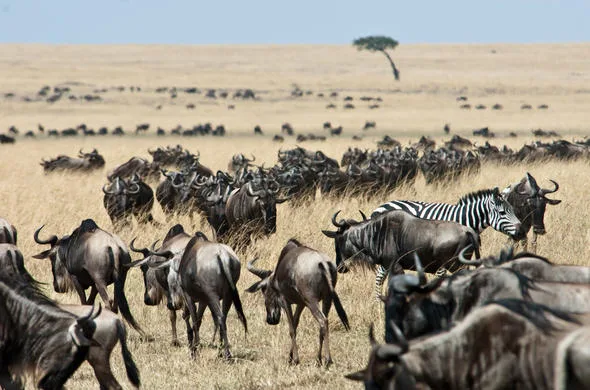
Other commonly sought wildlife includes African buffalo, plains zebra, wildebeest, Masai giraffe, gazelles and various antelope species. Predators such as lions, spotted hyenas and cheetahs also occur in the ecosystem, although sightings depend on animal movements, habitat conditions and luck. Amboseli is not a reliable destination for travellers specifically hoping to see all members of the Big Five. Rhinoceroses are not a regular wildlife-viewing feature of the national park, and leopard sightings can be difficult.
Birdwatchers can enjoy the park’s wetland and grassland habitats, which support herons, egrets, pelicans, birds of prey and numerous other species. Wildlife may also occur around conservancy camps, but animals are free-ranging. Guests should never assume that a particular species will be visible from their tent or dining area.
Best Time to Stay in Amboseli Tented Camps
Amboseli can be visited throughout the year, although seasonal conditions affect wildlife distribution, road access, scenery and accommodation demand.
January to February
These months often bring relatively dry conditions, warm afternoons and good opportunities for wildlife viewing. The vegetation may be shorter in some areas, while elephants and other animals continue using the park’s important water sources. Morning conditions can be favourable for photographing Mount Kilimanjaro, although clear views are never guaranteed.
March to May
The long-rain period generally brings greener landscapes, occasional heavy showers and changing road conditions. This can be an attractive season for photographers interested in dramatic skies and fresh vegetation. Birdwatching can also be rewarding. However, some unpaved roads may become difficult after substantial rainfall, and certain smaller camps may adjust their operations. Travellers considering these months should confirm that their chosen accommodation is open and accessible.
June to October
The extended dry season is among the most popular periods for Amboseli wildlife safaris. As surrounding areas become drier, wildlife often concentrates around dependable water sources, including the park’s swamps. July and August can be particularly busy because they coincide with international holiday travel. Booking desirable tented camps well in advance is advisable during popular travel periods.
November to December
The short rains often bring renewed vegetation and seasonal changes to the landscape. November may offer a quieter atmosphere at some properties, while demand can increase substantially during the Christmas and New Year holidays. Rainfall patterns vary from year to year, so travellers should avoid treating seasonal descriptions as fixed daily forecasts.

How Many Nights Should You Spend in an Amboseli Tented Camp?
For most visitors, two nights in Amboseli provide a good introduction to the park. A typical itinerary begins with a transfer from Nairobi, followed by an afternoon wildlife drive if arrival time permits. The second day allows for a longer game drive or separate morning and afternoon activities. Departure takes place on the third day. This arrangement gives travellers more than one opportunity to see Mount Kilimanjaro under favourable conditions and explore different wildlife habitats.
Three nights are preferable for guests who enjoy photography, relaxed travel or additional conservancy experiences. An extended stay also reduces pressure to see everything in a single game drive. Travellers combining Amboseli with Tsavo West National Park, Tsavo East National Park or a longer Kenya safari itinerary can plan accommodation according to the direction of travel.
Getting to Amboseli Tented Camps
Travelling from Nairobi by Road
Most road safaris begin in Nairobi and travel towards Amboseli using routes through the Nairobi–Mombasa corridor or the Namanga area. The journey commonly takes approximately four to six hours, depending on traffic, the selected route, weather and the camp’s location. Travellers should allow additional time for stops and for sections of unpaved road. A private 4×4 safari Land Cruiser is particularly useful for itineraries that include several days of game driving, although vehicle arrangements should be confirmed when booking.
Flying to Amboseli
Scheduled or charter flights may be available between Nairobi and airstrips serving the Amboseli ecosystem. Flying reduces the time spent travelling by road and is popular with guests staying at higher-end properties. However, the transfer from the airstrip to the chosen camp must also be considered. Flight schedules, baggage allowances and transfer arrangements should be verified before confirming an itinerary.
Combining Amboseli with Other Destinations
Amboseli works well in a wider southern Kenya safari. Popular combinations include Amboseli and Tsavo West, Amboseli and Tsavo East, or a longer journey incorporating Lake Nakuru National Park and the Masai Mara National Reserve. The best route depends on the number of days available and whether travellers intend to return to Nairobi or continue towards the Kenyan coast.
What Is Included in Amboseli Tented Camp Rates?
Accommodation pricing varies considerably, and travellers should compare what is included rather than looking only at the nightly rate. A room-only or full-board quotation may cover accommodation and meals but exclude wildlife drives, park entry and transfers. An inclusive safari package may provide transport, guiding, accommodation, meals and selected activities. Depending on the property and booking arrangement, possible inclusions are:
- Accommodation in the selected tent or suite.
- Breakfast, lunch and dinner.
- Drinking water or selected beverages.
- Shared or private safari activities.
- Transfers between the camp and a designated airstrip.
- Conservancy activities where specifically included.
- Selected laundry or guest services at higher-end camps.
Amboseli National Park entrance fees should always be checked separately. Their treatment can differ between accommodation packages and complete safari quotations. Guests should also confirm whether additional activities, premium drinks, gratuities and personal expenses are excluded.
How Much Do Amboseli Tented Camps Cost?
The cost of staying in an Amboseli tented camp depends on several factors. Accommodation standard is the most obvious consideration, but the travel season, room occupancy, property location and included services can make an equally important difference. A relatively affordable camp near a park gate may offer excellent value for guests travelling with a private guide and vehicle. A luxury conservancy property may cost considerably more but include additional activities, higher service levels and a more exclusive setting.
Prices can also vary between single travellers, couples sharing a room and families requiring multiple units. When requesting a quotation, provide your travel dates, number of adults and children, preferred accommodation category and desired activities. This allows the operator to compare the complete cost of the stay rather than presenting a room rate that excludes important safari expenses.
Private Safaris and Group Safaris from Amboseli Camps
Both private Kenya safaris and Kenya group safaris can use tented accommodation in Amboseli. A private safari provides greater flexibility over daily schedules, photography stops and the pace of wildlife viewing. It can be especially worthwhile for families, couples and photographers who prefer not to share their vehicle with unrelated travellers.
A group safari may reduce transport costs by distributing the vehicle and guide expenses among several participants. However, group itineraries normally follow a more structured programme, and accommodation choices may be limited to properties selected for the departure. Neither arrangement is universally better. The right option depends on budget, flexibility and personal travel preferences.
Practical Tips for Staying in a Tented Safari Camp
A few practical preparations help you get the most from canvas accommodation in Amboseli:
- Pack for changing temperatures: Amboseli can feel cool during early morning drives and warm during the afternoon. Lightweight layers, a fleece or jacket, neutral-coloured clothing, a hat, sunglasses and sunscreen are practical.
- Understand camp safety procedures: Wildlife may move through some camp environments. Follow staff instructions about walking after dark, storing food and moving between tents. Never approach or feed wild animals.
- Check electricity and connectivity: Some camps use solar power, generators or limited electricity schedules. Confirm power availability if you need to charge camera batteries or medical equipment. Mobile connectivity and Wi-Fi may be less reliable than in urban hotels.
- Ask about dietary requirements: Most established camps can accommodate common preferences when notified in advance. Guests with serious allergies should provide clear details before arrival.
- Consider accessibility: Tented accommodation may include raised platforms, gravel pathways, steps or uneven ground. Ask about distances between your tent, dining facilities and the safari vehicle before booking.

Frequently Asked Questions About Amboseli Tented Camps
Are Amboseli tented camps safe?
Established safari camps operate with guest safety procedures appropriate to their location. Some are fenced, while others are situated in open wildlife areas. Guests should follow staff instructions, particularly after dark, and avoid approaching wildlife.
Do tented camps have private bathrooms?
Many permanent safari tents have en-suite bathrooms, but facilities vary. Basic accommodation may offer simpler arrangements. Always confirm the exact room category before booking.
Can I see Mount Kilimanjaro from my camp?
Some camps offer views towards Kilimanjaro, but the mountain is frequently obscured by clouds. Visibility depends on the weather, time of day and the position of the accommodation.
Are tented camps suitable for families?
Yes. Several properties welcome families and offer suitable room configurations. Age restrictions, child policies and activity requirements vary, especially at smaller conservancy camps.
Is it better to stay inside or outside Amboseli National Park?
Staying inside the park can reduce transfers to wildlife-viewing areas. Staying outside may provide more accommodation choices, different price levels and access to conservancy experiences. The best choice depends on the specific property and itinerary.
Can I do night game drives from an Amboseli tented camp?
Night drives are not part of ordinary game-drive arrangements within Amboseli National Park. Certain surrounding conservancies may permit them under their own rules. Confirm the activity and location before booking.
Do tented camps offer swimming pools?
Some Comfort, Premium and Signature properties have swimming pools, while smaller eco-camps may not. Facilities should be checked for the selected camp.
How far in advance should I book?
Early booking is advisable for popular holiday periods and smaller luxury camps with limited accommodation. Greater flexibility may be available outside peak demand periods, but availability should never be assumed.
Book Your Amboseli Tented Camp with Safari Trips to Kenya
Choosing the right Amboseli tented camp involves more than finding an attractive room. Location, wildlife access, meal arrangements, guiding, travel times and the overall atmosphere all influence the quality of your stay.
Safari Trips to Kenya can help you compare Essential, Comfort, Premium and Signature accommodation options and incorporate your preferred camp into a suitable Amboseli safari package. Whether you are planning a short 3 Days Amboseli Safari, a private photographic safari or a longer journey through Kenya’s national parks, we can prepare a proposal based on your dates, group size and preferred standard of accommodation. Share your travel plans with our team to receive a personalised itinerary and accommodation quotation.