
Great Wildebeest Migration
The Greatest Wildlife Show on Earth
Each year more than a million wildebeest, with zebra and gazelle, move through the Serengeti–Masai Mara ecosystem following rain and grazing. Kenya’s Masai Mara is the northern stage of that circuit.
River crossings can be spectacular — and they are never guaranteed. We time Mara stays around herd movement, not a promise of a crossing on a given morning.
- Best Time to SeeJuly – October (river crossings possible)
- Best Places to SeeMasai Mara, Serengeti North & Grumeti
- Over1.5 million wildebeest
- What to ExpectHuge herds, predators and possible river drama
- Best ForPhotography, wildlife and unforgettable days
- Migration CycleA circular journey that follows the rain
Migration Calendar & Where to See It
January – Southern Serengeti & Ndutu
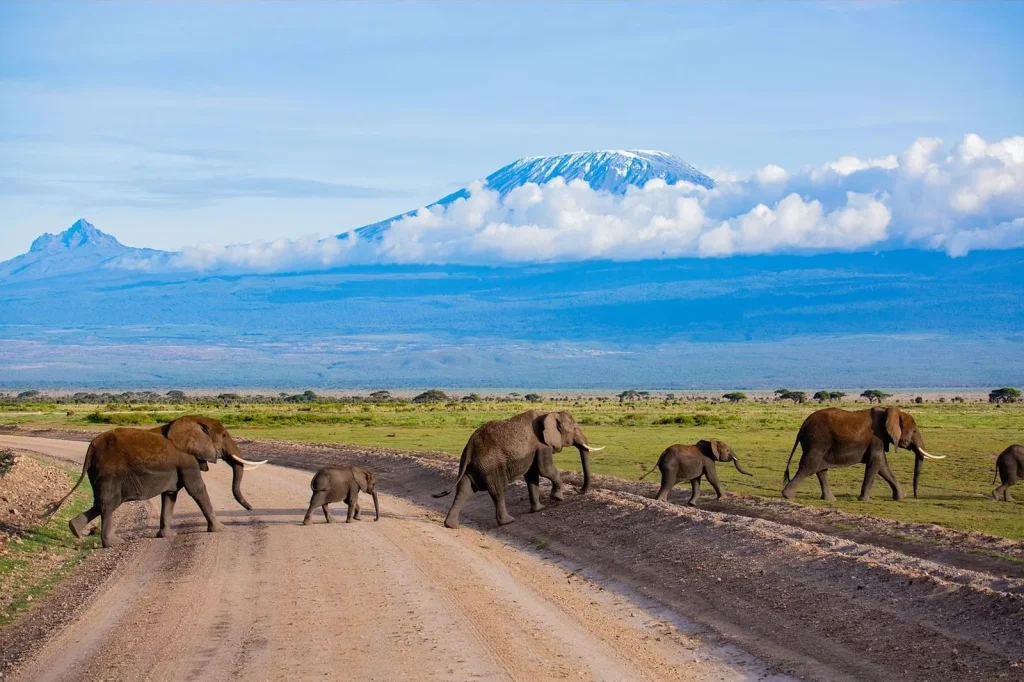
Herds are typically on the southern short-grass plains. Kenya’s Mara holds resident cats and grazing, with only straggler wildebeest in most years.
- Calving season building on the Ndutu plains
- Excellent predator viewing in the southern Serengeti
- Masai Mara is quieter for classic cat photography
- Combine Kenya with a Tanzania calving add-on if dates allow
February – Peak Calving
If the short rains cooperated, February is the heart of Ndutu calving. Kenya remains a strong cat-and-landscape safari, not a river-crossing month.
- Peak calving window on the southern plains
- Predators concentrating around newborn wildebeest
- Hot, dry days and sharp Kilimanjaro light in southern Kenya
- A Kenya–Tanzania pairing works well this month
March – Herds Begin to Drift
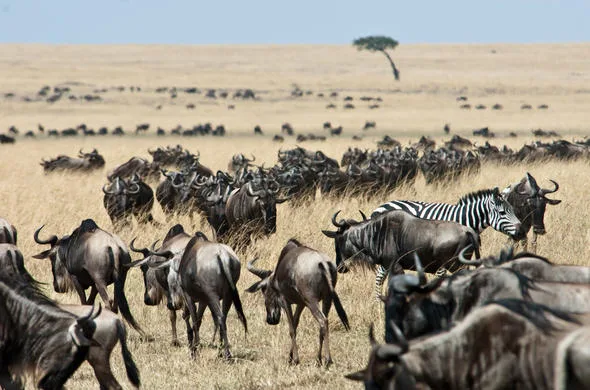
Long rains start to build. Wildebeest begin to leave the southern plains. The Mara greens up and vehicle numbers drop.
- Herds drift west and north as rains reach the south
- Green-season value in the Masai Mara
- Dramatic skies; some tracks become slower
- Good month for resident wildlife without peak crowds
April – Western Corridor / Grumeti
Long rains. Many herds are in the western Serengeti. Kenya camps can be excellent value, with lush Mara scenery and few vehicles.
- Grumeti approach in many years
- Low visitor numbers in the Masai Mara
- Some camps close; we confirm who is open before quoting
- Not a river-crossing month in Kenya
May – Gathering in the West
Rains ease. Herds gather in western and central woodlands. The Mara is one of the quietest, greenest months for resident game.
- Western Serengeti woodlands filling
- Excellent predator work in the Mara with few cars
- Lowest annual rates on many Kenya properties
- A smart month if you want space more than crossings
June – Herds Move North
The plains dry. Grumeti crossings are possible in Tanzania. First wildebeest probes can reach the northern Serengeti and, in some years, the Mara.
- Columns aiming north through the Western Corridor
- Grumeti crossings possible — never a daily promise
- Mara high season starting on many lodge contracts
- A good month to be in position without peak August crowds
July – Serengeti North to Masai Mara
In many years this is the main arrival window into Kenya. Herds fill the northern Serengeti and cross into the Masai Mara. River crossings may begin — they remain weather- and herd-dependent.
- Main wildebeest arrival into the Masai Mara in many years
- Northern Serengeti and Lamai often still busy
- Talek and Mara River becoming tense as herds mill
- Crossings are possible, never guaranteed on a given day
August – Masai Mara River Season
Typically the highest chance of Mara River crossings. Herds mill rather than follow a straight line. Peak demand — we use conservancies when you want fewer vehicles.
- Highest typical probability of Mara River crossings
- Cool, dry days and strong golden-hour light
- Peak crowds inside the reserve; quieter on conservancies
- Book camps and vehicles early for this window
September – Herds Mill in the Mara
Still the place for river drama. Herds stay in the Mara until grazing and storms pull them south. Peak pricing continues on most Mara ratesheets.
- River crossings still possible through the month
- Herds mill; they do not run a timetable
- Northern Serengeti remains relevant until they commit south
- A strong photography month if you accept the crowds
October – Leaving or Lingering
Short rains may start late month. Herds often leave Kenya or linger on the Sand and Mara depending on rain north of the border. Timing is especially year-specific.
- Herds may still be in the Mara, or already moving south
- Dramatic skies as the short rains build
- Crowds and rates ease after mid-month
- We watch rainfall reports before locking a crossing-focused stay
November – Southbound Push
Short rains and a green flush. The Mara returns to resident game, scattered wildebeest and strong birding. The main herds are typically pushing through the eastern Serengeti.
- Southbound movement through the eastern Serengeti
- Resident Mara wildlife without river chaos
- Shoulder pricing and fewer vehicles
- A fine Kenya safari month even without the mega-herds
December – Cycle Continues
If the short rains were adequate, herds return toward the southern plains. The Mara is festive and strong for cats. The circular journey starts again.
- Southern Serengeti if grazing recovered
- Festive family travel in the Masai Mara
- Predator viewing without river-crossing pressure
- Christmas supplements apply on many camps
Why Witness the Migration?
- Epic Wildlife Action
Huge herds, hunting cats and, in season, the tension of a river bank — wildlife on a scale you will not see on a short city-break safari.
- Unforgettable Moments
Dawn light on a moving column, a crossing that may or may not happen, and evenings that stay with you long after the flight home.
- Photography at Scale
Dust, backlight and density. We pace drives for light and behaviour, not a crossing checklist.
- A Living Seasonal Circuit
The migration is a year-round story. Kenya holds the northern chapter; we will tell you honestly if your dates belong in the Mara or further south.
Incredible Experiences Await
- River CrossingsPossible from about July to October. We never sell a crossing as a certainty — only time in the right sector.
- Game DrivesMorning and afternoon drives among herds, zebra and the Mara’s resident big cats, timed to how the animals are using the grass.
- Balloon SafarisA sunrise balloon over the Mara (when wind allows) is a photographic extra, not the core of a migration stay.
- Photographic ParadiseOpen plains, dust and density. We match conservancy versus reserve time to how much space you want at a sighting.
Plan Your Wildebeest Migration Safari
Tell us your dates and we will place you in the Mara — or further south — according to where the herds actually are, not a brochure promise of a river crossing.
- Tailor-Made Itineraries
- Best Lodges & Camps
- Expert Local Guides
- Best Price Guarantee
- 24/7 Support
- Local Safari Experts24/7 support in Kenya
- Tailor-Made SafarisPersonalized to your needs
- Best Price GuaranteeNo hidden costs
- Responsible TourismTravel with a positive impact