
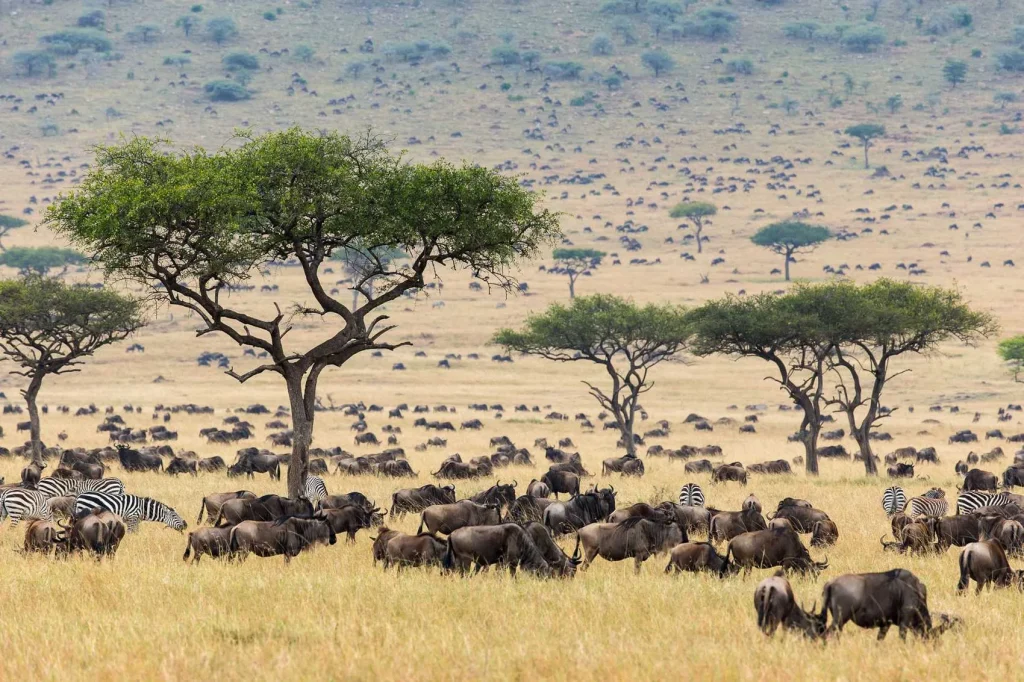
A Kenya Photography Safari offers an extraordinary opportunity to photograph wildlife in some of Africa's most celebrated natural landscapes. From lions moving through the grasslands of the Masai Mara to elephants beneath Mount Kilimanjaro, Kenya provides a remarkable variety of photographic subjects.
Unlike a conventional sightseeing holiday, a photography-focused safari places greater emphasis on light, animal behaviour, composition and the time required to capture meaningful images. A successful photograph may require patience: a lion might remain asleep for hours before standing, an elephant family may move slowly across a landscape before the elements align for an attractive composition, birds may appear only briefly, and migration crossings can unfold without warning.
For these reasons, Wildlife Photography Safaris in Kenya benefit from carefully selected destinations, suitable accommodation and professional guides who understand the needs of photographers. At Safari Trips to Kenya, we help organise private and group photography safaris that balance wildlife opportunities with realistic travel arrangements. Whether you are a beginner using a smartphone, an enthusiastic photographer with a telephoto lens or an experienced professional seeking particular subjects, Kenya offers opportunities to develop your photography while enjoying the natural environment.
What Is a Photography Safari?
A photography safari is a wildlife journey designed around photographic priorities. Traditional game drives may focus on seeing as many different animals as possible, whereas photography safaris often involve spending longer periods observing particular subjects. A photographer may wait for an elephant to move into better light or remain with a predator to observe natural behaviour. The itinerary may include early departures and extended periods in productive wildlife areas. The guide must balance photographic objectives with wildlife welfare and park regulations. Photography safaris do not guarantee particular sightings or images; they provide suitable conditions and opportunities for photographers to work.
Why Choose Kenya for Wildlife Photography?
Kenya offers diverse habitats within one country. Open grasslands, wetlands, woodland, semi-arid landscapes and mountain backdrops create different photographic possibilities. The country's established safari tourism infrastructure also provides access to experienced guides and accommodation options.
- Predators — lions, cheetahs, leopards and hyenas provide opportunities for behavioural photography.
- Elephants — family groups can be photographed in Amboseli, Tsavo, Samburu and other suitable areas.
- Rhinoceroses — Lake Nakuru and Ol Pejeta are particularly relevant for rhino photography.
- Birds — Kenya's varied habitats support numerous bird species.
- Landscapes — the Great Rift Valley, Mount Kilimanjaro backdrop, Tsavo's expansive terrain and northern Kenya scenery provide attractive landscape opportunities.
Masai Mara Photography Safaris
The Masai Mara National Reserve is one of Kenya's most famous photography destinations. Its open grasslands provide opportunities to observe wildlife in relatively unobstructed landscapes. Lions, cheetahs, elephants, giraffes, buffaloes and other species may be encountered, and the reserve is also associated with the northern phase of the Great Wildebeest Migration.
Predator Photography
Photographers often visit the Masai Mara hoping to observe lions and cheetahs. However, predator behaviour is unpredictable. Longer stays can provide more opportunities to observe natural interactions.
Landscape Photography
Wide grasslands, scattered trees and changing skies create strong environmental compositions.
Migration Photography
During suitable seasonal conditions, migrating wildebeest and zebras may occupy the Mara ecosystem. River crossings are possible but cannot be guaranteed.
Great Migration Photography Safaris
The Great Wildebeest Migration is one of the most dramatic wildlife movements in the world. Large herds move through the Serengeti–Mara ecosystem according to rainfall and grazing conditions. The northern migration period is popular for photographers interested in large herds and river crossings. However, crossing events are unpredictable, so a photography itinerary should allow several days in suitable areas. Photographers should also appreciate the wider migration story, including herd movement, predator interactions and the surrounding landscape.
Amboseli Photography Safaris
Amboseli National Park is particularly attractive for elephant photography. The park's open landscapes provide opportunities to photograph elephants individually or in family groups, and Mount Kilimanjaro may create a dramatic backdrop when weather conditions allow.
Elephant Portraits
Telephoto lenses can capture details of elephant behaviour.
Environmental Compositions
Wider lenses can show elephants within the landscape.
Early Morning Light
Morning conditions may provide attractive lighting and clearer mountain views. However, weather is unpredictable.
Samburu Photography Safaris
Samburu offers a distinctive northern Kenya photography experience. Its semi-arid landscape contrasts with the Masai Mara. The reserve is known for species such as Grevy's zebra, reticulated giraffe, gerenuk, Beisa oryx and Somali ostrich, which provide opportunities to photograph wildlife that differs from the more familiar southern safari species. The Ewaso Ng'iro River also contributes to the region's scenery and wildlife habitats.
Lake Nakuru Photography Safaris
Lake Nakuru is particularly relevant for rhinoceros and bird photography. The park supports both black and white rhinoceroses, although sightings cannot be guaranteed. The lake and surrounding habitats provide additional opportunities for landscape and bird photography. Flamingo numbers vary according to environmental conditions, so photographers should avoid planning their visit around an assumption that enormous flamingo concentrations will always be present.
Tsavo Photography Safaris
The Tsavo ecosystem offers dramatic landscapes and distinctive wildlife imagery.
Tsavo East
Tsavo East is famous for elephants that often appear reddish after dust bathing. Its open terrain and river landscapes can create striking compositions.
Tsavo West
Tsavo West offers varied scenery, including volcanic formations, woodland and freshwater habitats. Photographers may appreciate the contrast between the two parks.
Ol Pejeta Photography Safaris
Ol Pejeta Conservancy is particularly interesting for photographers who want to document conservation-related wildlife experiences. Rhinos are a major attraction, and the conservancy also supports elephants, predators and other species. Photography should respect conservation protocols. Specialised activities may have restrictions or require advance permission.
Private Photography Safaris
A Private Photography Safari in Kenya offers flexibility over departure dates, wildlife priorities and time spent at sightings. Photographers can discuss preferred subjects with the guide, and a private vehicle may also provide more space for camera equipment. However, private transport generally costs more per person for smaller groups. For serious photographers, the additional flexibility can be valuable.
Group Photography Safaris
Group photography safaris allow travellers to share transport and guiding expenses. They can also create opportunities to learn from other photographers. However, group size matters: a vehicle carrying too many photographers may restrict camera positioning. Before booking, confirm the number of passengers, available viewing positions and baggage arrangements. A smaller group may provide a better photographic experience than a larger group with limited space.
Choosing the Right Safari Vehicle
Vehicle design affects photography. A suitable safari vehicle should provide comfortable seating and practical viewing arrangements. Some vehicles have pop-up roofs; others may use different configurations depending on the destination and operating rules. Photographers should confirm whether they will have sufficient space for long lenses, and equipment must be secured during travel. Passengers should not stand through roof openings while the vehicle is moving.
Photography Safari Camera Equipment
The ideal camera kit depends on your experience and preferred subjects:
- Camera body — reliable autofocus and suitable image quality are useful.
- Telephoto lens — one of the most versatile tools for wildlife photography.
- Wide-angle lens — useful for landscapes and environmental compositions.
- Spare batteries — early starts and long game drives can require additional capacity.
- Memory cards — bring sufficient storage for the trip.
- Beanbag — helps support a telephoto lens inside a safari vehicle.
- Protective bag — dust protection is important.
Camera Settings for Wildlife Photography
There is no single setting that works for every safari situation. However, photographers can prepare useful starting points:
- Resting wildlife — a moderate shutter speed may be suitable, depending on focal length and camera stability.
- Walking animals — a faster shutter speed helps reduce motion blur.
- Running animals — fast shutter speeds are often required.
- Birds in flight — continuous autofocus and rapid shutter speeds can improve results.
- Low light — higher ISO settings may be necessary.
Photographers should test their equipment before departure.
Best Light for Safari Photography
Early morning and late afternoon often provide attractive directional light. However, midday photography can still be productive, and overcast conditions may create softer light. Photographers should adapt to the conditions rather than assuming that only golden-hour images are worthwhile. The most memorable wildlife behaviour can occur at any time.
Wildlife Behaviour and Patience
Understanding animal behaviour is central to wildlife photography. A guide may recognise signs that an animal is preparing to move, although behaviour remains unpredictable. Photographers should avoid forcing interactions. Never feed animals or attempt to attract their attention. The best images often result from patient observation.
Responsible Wildlife Photography
Wildlife welfare must take priority over photography:
- Vehicles should maintain appropriate distances.
- Do not block animal movement routes.
- Avoid surrounding predators or interfering with hunts.
- Follow park regulations concerning off-road driving.
- Drone use requires appropriate permissions and may be prohibited.
Responsible photography helps protect both animals and the visitor experience.
Photography Safaris for Beginners
Beginners do not need professional equipment to enjoy a photography safari. A versatile camera and basic understanding of exposure can produce rewarding results. Practising before departure is useful: learn how to change shutter speed, aperture and ISO quickly, understand the autofocus system, and bring a camera manual or saved reference guide if needed. A patient guide and suitable itinerary can help beginners improve their technique.
Photography Safaris for Experienced Photographers
Experienced photographers may have specific objectives, including predator behaviour, elephant family interactions, birds in flight or environmental portraits. A longer stay in one destination may be more productive than visiting numerous parks, and private guiding can provide flexibility. However, no safari can guarantee a particular subject or behaviour.
Family Photography Safaris
Families may enjoy photographing wildlife together. However, children can become tired during long periods of waiting. A family photography itinerary should include breaks and varied activities. Parents should supervise children and explain wildlife safety rules. A private vehicle can provide greater flexibility.
Best Time for Kenya Photography Safaris
Kenya offers photographic opportunities throughout the year. Relatively dry conditions can make some routes easier to navigate, while rainfall may create green landscapes and dramatic skies. The Masai Mara's northern migration period is broadly associated with July through October, although other wildlife subjects can be photographed outside this period. The best season depends on the desired images.
Suggested Seven-Day Kenya Photography Safari
Day 1: Arrival in Nairobi
Arrive in Nairobi and transfer to suitable accommodation. Meet your safari representative and review the itinerary.
Day 2: Nairobi to Lake Nakuru
Travel to Lake Nakuru. Enjoy an afternoon game drive with opportunities for rhino and bird photography.
Day 3: Lake Nakuru to Masai Mara
Travel towards the Masai Mara. Depending on arrival time, enjoy an introductory game drive.
Day 4: Full-Day Masai Mara Photography
Begin early to take advantage of morning light. Focus on wildlife behaviour and landscape compositions.
Day 5: Masai Mara Wildlife Photography
Explore additional areas according to wildlife activity. Spend time with suitable subjects rather than rushing between sightings.
Day 6: Further Masai Mara Photography
Enjoy another day of photography. During migration season, the guide may explore areas where herds are active.
Day 7: Return to Nairobi
Enjoy a final activity if time permits. Return to Nairobi or connect with onward travel. This itinerary is illustrative and can be adapted to preferred destinations.
Photography Safari Accommodation
Accommodation location influences daily photography opportunities. A lodge near suitable wildlife habitats may reduce transfer time, although wildlife movements change. Photographers should also consider charging facilities, room comfort and equipment storage. Our accommodation categories include Essential, Comfort, Premium and Signature. The best choice depends on budget and photographic priorities.
How Much Does a Kenya Photography Safari Cost?
Costs vary according to season, duration, accommodation, transport and group size. Private vehicles may increase per-person expenses, and premium accommodation and domestic flights can also affect the budget. Travellers should request a complete quotation. Park fees, guiding and optional activities should be clearly identified.
Frequently Asked Questions
What is the best park for wildlife photography in Kenya?
The Masai Mara, Amboseli, Samburu, Lake Nakuru and other destinations offer different photographic strengths.
Do I need professional camera equipment?
No. Enthusiasts and beginners can enjoy photography safaris with suitable equipment.
Is a private vehicle necessary?
Not always, but it provides greater flexibility and space.
Can I photograph the Great Migration?
Yes, during suitable seasonal conditions. River crossings cannot be guaranteed.
What lens should I bring?
A versatile telephoto zoom is particularly useful.
Are photography safaris suitable for beginners?
Yes. The itinerary can be adapted to different experience levels.
Can I use a drone?
Drone use is regulated and may be prohibited without appropriate permissions.
How many days should I book?
Longer stays in fewer destinations often provide greater photographic flexibility.
Book a Kenya Photography Safari with Safari Trips to Kenya
A successful Kenya Photography Safari combines suitable destinations, professional guiding, patience and responsible wildlife viewing. At Safari Trips to Kenya, we can organise private and selected group photography safaris. Our itineraries may include the Masai Mara, Amboseli, Samburu, Lake Nakuru, Tsavo and Ol Pejeta, and we can also help select accommodation according to your budget and photographic interests.
Contact us with your travel dates, number of travellers, preferred wildlife subjects and available days. We will help you plan a Kenya photography safari designed around meaningful time in the field.