A Kenya safari from Cape Town offers South African travellers the opportunity to experience East Africa's distinctive wildlife landscapes, from the rolling grasslands of the Masai Mara to the elephant habitats of Amboseli and the conservation areas of Laikipia. Although South Africa has some of the continent's most famous national parks, Kenya provides a different safari experience shaped by open savannah ecosystems, seasonal wildlife migrations, distinctive cultures and dramatic scenery.
Travellers departing from Cape Town can explore Kenya on a short wildlife holiday, a private family safari, a photography-focused expedition or an extended journey combining several national parks. The country is especially attractive to visitors interested in the Great Wildebeest Migration, big-cat photography and observing large concentrations of plains animals.
At Safari Trips to Kenya, we organise customised wildlife holidays for couples, families, honeymooners, photographers, solo travellers and private groups. Our arrangements can include airport transfers, professional guides, safari vehicles, accommodation, national park fees and domestic flights where specified.
A successful itinerary considers both the wildlife experiences and the practical details of travelling between destinations. Kenya's major safari areas are spread across different regions, so careful route planning is essential.
Why Visit Kenya When South Africa Already Offers Excellent Safaris?
South Africa and Kenya both provide outstanding wildlife experiences, but their landscapes and safari styles differ in important ways.
South African destinations such as Kruger National Park are associated with varied bushveld habitats, established road networks and a combination of private reserves and public park experiences. Kenya's Masai Mara, by contrast, is especially famous for its expansive grasslands, large herbivore populations and predator activity.
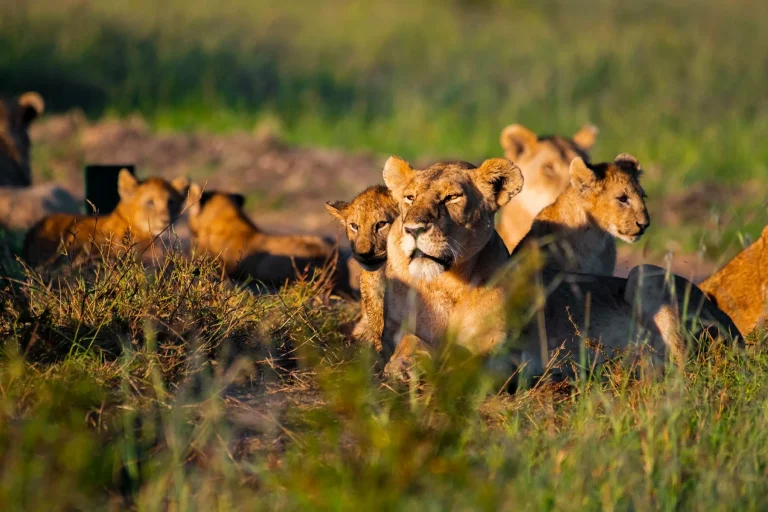
The open landscapes of the Mara can provide excellent opportunities to observe animal behaviour. Visitors may encounter lions resting on the plains, cheetahs scanning the grasslands or large groups of wildebeest and zebras moving between grazing areas.
Kenya also offers the opportunity to experience the Great Wildebeest Migration, one of the world's most widely recognised wildlife movements. Although migration timing varies, the presence of large herds in the wider Serengeti-Mara ecosystem is a major attraction.
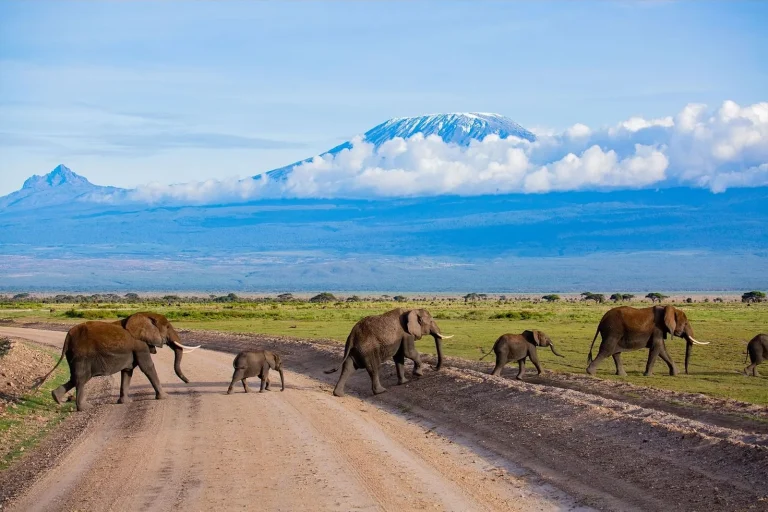
Amboseli adds another distinctive experience, with elephants moving across open plains beneath Mount Kilimanjaro. The mountain stands in Tanzania, but its dramatic profile may be visible from the Kenyan side when conditions are clear.
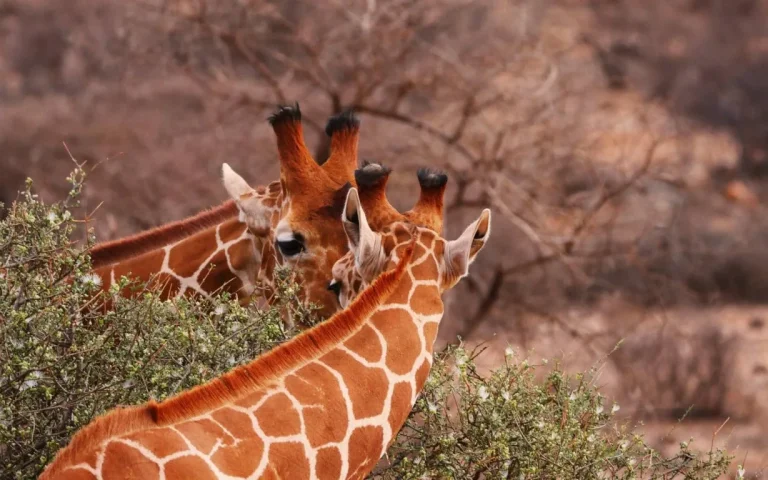
Northern Kenya offers further variety, including semi-arid landscapes and species such as Grevy's zebra, reticulated giraffe and gerenuk.
For experienced South African safari travellers, Kenya is therefore not simply another destination for seeing lions and elephants. It offers new habitats, different wildlife interactions and a broader understanding of East African conservation.
Flights from Cape Town to Nairobi
Most travellers begin at Cape Town International Airport (CPT) and arrive at Jomo Kenyatta International Airport (NBO) in Nairobi.
Flight options depend on current airline schedules. Travellers may find itineraries connecting through Johannesburg or other regional aviation hubs. Nonstop service availability should be checked for the intended dates rather than assumed.
When selecting flights, consider the overall journey duration, baggage allowance, connection time and arrival schedule. A flight arriving in Nairobi during the evening is generally best followed by an overnight hotel stay before beginning the safari. An early arrival may permit onward travel, but travellers should allow sufficient time for immigration, baggage collection and transfers.
Flying from Nairobi to the Masai Mara
The Masai Mara can be reached by road or scheduled domestic flight. Road travel from Nairobi commonly takes approximately five to seven hours, depending on traffic, road conditions and the location of the accommodation. Domestic safari flights often depart from Wilson Airport, which is separate from Jomo Kenyatta International Airport.
Flying can reduce travel time and is particularly useful for short safaris, luxury holidays and travellers who prefer to avoid lengthy road journeys. Small safari aircraft may have strict baggage restrictions, often requiring soft-sided luggage.
Kenya Entry Requirements for South African Travellers
South African passport holders should verify the current Kenyan immigration requirements before travelling.
Kenya operates an Electronic Travel Authorisation system for many international visitors, although exemptions apply to certain nationalities and categories of traveller. Eligibility must be checked using official Kenyan immigration guidance.
Travellers should also verify passport validity and any supporting documentation requirements. Visitors combining Kenya with Tanzania, Uganda or Rwanda must check the immigration requirements for each destination separately. Health-related entry requirements may depend on travel history and international connections, so travellers should consult official guidance before departure.
Best Kenya Safari Destinations from Cape Town
Masai Mara National Reserve
The Masai Mara National Reserve is one of the main reasons South African travellers choose Kenya. Its open grasslands support lions, elephants, buffaloes, giraffes, zebras, wildebeest, topi, gazelles and many other species. Cheetahs and leopards also inhabit the ecosystem, although sightings depend on animal movements and conditions.
The Masai Mara is particularly associated with the Great Wildebeest Migration. Large herds move through the Serengeti-Mara ecosystem in response to rainfall and grazing conditions.
Many travellers visit between approximately July and October in the hope of observing migratory herds in Kenya. However, river crossings and herd movements are natural events that cannot be guaranteed on particular dates.
A three- or four-night stay provides time for several game drives and opportunities to explore different areas of the ecosystem.
Amboseli National Park
Amboseli National Park is famous for its elephant populations and views of Mount Kilimanjaro. The park includes open plains, wetlands and seasonal lakebeds. These habitats support elephants, buffaloes, zebras, wildebeest, giraffes and numerous birds. Amboseli is particularly attractive for photographers because elephants can sometimes be observed against the mountain backdrop.
Mount Kilimanjaro may be obscured by cloud cover, so visitors should not expect uninterrupted mountain views. Two or three nights provide a comfortable opportunity to explore the park.
Lake Nakuru National Park
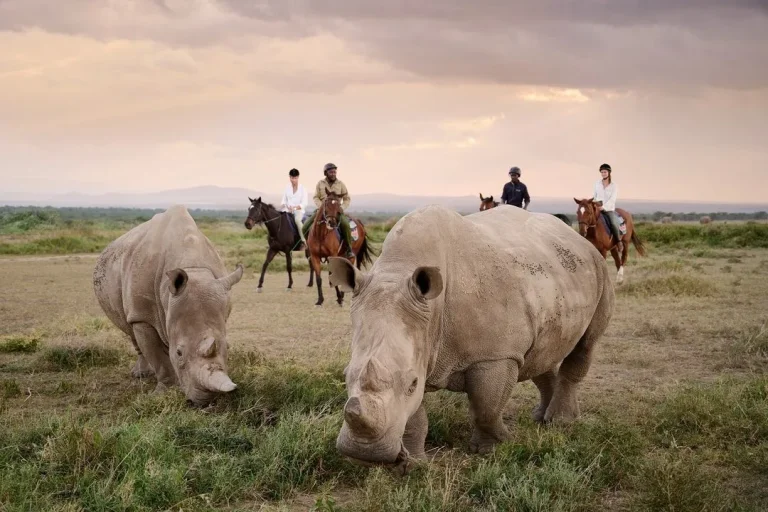
Lake Nakuru National Park is an important destination for rhinoceros conservation. Both black and white rhinoceroses inhabit the park, alongside buffaloes, giraffes, waterbucks and other wildlife. The park contains woodland, grassland, rocky viewpoints and lake habitats. Flamingos may be present, but their numbers vary according to environmental conditions.
Lake Nakuru is often incorporated into road itineraries between Nairobi and the Masai Mara.
Ol Pejeta Conservancy
Ol Pejeta Conservancy, in Laikipia, combines wildlife viewing with conservation education. It is especially recognised for rhino protection and wildlife management initiatives. Visitors may encounter elephants, rhinos, buffaloes, lions and other species while learning about conservation work.
Ol Pejeta is an excellent addition for travellers interested in the challenges of protecting endangered wildlife.
Samburu National Reserve
Samburu National Reserve offers a distinctive northern Kenya safari experience. Its semi-arid environment supports Grevy's zebra, reticulated giraffe, gerenuk, Beisa oryx and Somali ostrich. The Ewaso Ng'iro River provides an important water source and wildlife habitat. Samburu is particularly suitable for longer itineraries and travellers interested in ecological diversity.
Recommended Kenya Safari Itineraries from Cape Town
Five-Day Masai Mara Flying Safari
A five-day programme is suitable for travellers who want to focus on one outstanding wildlife destination.
Day 1: Arrival in Nairobi
Arrive at Jomo Kenyatta International Airport and transfer to your Nairobi hotel. Depending on your arrival time, the remainder of the day can be reserved for relaxation.
Day 2: Nairobi to the Masai Mara
Transfer to Wilson Airport for a scheduled flight to the Masai Mara. After arrival, meet your safari guide and continue to your lodge or tented camp. Enjoy an afternoon game drive where the schedule permits.
Day 3: Masai Mara Wildlife Viewing
Spend the day exploring the reserve or conservancy according to your accommodation location. Your guide will look for lions, elephants, giraffes, buffaloes, zebras and other wildlife while explaining animal behaviour and the local ecosystem.
Day 4: Additional Masai Mara Game Drives
Enjoy another day of wildlife viewing. Additional time provides opportunities to explore different habitats and photograph animals under changing light conditions.
Day 5: Return to Nairobi
After breakfast, take a scheduled flight back to Nairobi and continue with your departure arrangements.
Eight-Day Amboseli, Lake Nakuru and Masai Mara Safari
An eight-day itinerary provides a varied introduction to Kenya's wildlife destinations.
Day 1: Arrive in Nairobi and transfer to your hotel.
Day 2: Travel to Amboseli National Park and enjoy an afternoon game drive.
Day 3: Spend the day exploring Amboseli's plains and wetlands.
Day 4: Travel towards Lake Nakuru, allowing for a substantial road journey.
Day 5: Explore Lake Nakuru and continue towards the Masai Mara.
Day 6: Enjoy a full day of wildlife viewing in the Masai Mara.
Day 7: Undertake additional game drives in the Mara ecosystem.
Day 8: Return to Nairobi by road or scheduled domestic flight.
This itinerary includes significant road travel. Travellers who prefer a relaxed pace should consider adding one or two nights.
Twelve-Day Kenya Wildlife and Coastal Holiday
A twelve-day itinerary can combine the Masai Mara, Amboseli and Diani Beach. A suggested arrangement includes one night in Nairobi, three nights in the Masai Mara, two nights in Amboseli and four nights on the coast, with the remaining time allocated to transfers. The sequence should be designed around practical domestic flight connections and road distances.
During the wildlife portion, guests enjoy guided game drives and opportunities for photography. The coastal portion provides time to relax beside the Indian Ocean. Diani Beach offers white sand, beach resorts and optional marine activities.
Kenya Safari Accommodation Categories
Safari Trips to Kenya uses four accommodation categories.
Essential
Essential accommodation focuses on affordability and practical facilities. Properties may include simple safari camps, guesthouses and lodges with standard amenities.
Comfort
Comfort accommodation provides a balance between price and convenience. Many properties offer en-suite rooms, comfortable beds and established dining facilities.
Premium
Premium accommodation generally offers larger rooms, attractive locations and enhanced services. Some properties provide swimming pools, spacious verandas and additional guest facilities.
Signature
Signature accommodation represents exclusive safari properties with highly personalised service. Depending on the lodge, facilities may include luxury suites, exceptional views and specialised safari experiences.
Private Versus Group Kenya Safaris
A private Kenya safari provides a dedicated vehicle and guide. This allows travellers to choose preferred departure dates, accommodation categories and daily schedules. Private safaris are particularly useful for families, photographers and travellers who want flexibility. Group safaris may offer lower per-person transport costs because expenses are shared.
However, group departures generally follow fixed itineraries and dates. Travellers should confirm group size, vehicle seating and accommodation arrangements before booking.
Best Time to Visit Kenya from Cape Town
January to March
These months are often relatively dry in several major safari destinations. Wildlife viewing can be rewarding, and the period coincides with part of the South African summer holiday season.
April to May
Rainfall commonly increases in many Kenyan regions. Landscapes become greener, and some lodges may offer seasonal rates. However, heavy rain can affect road conditions.
June to October
This is a popular safari period, particularly in the Masai Mara. Large migratory herds may be present during parts of the season. Travellers planning a migration safari should reserve accommodation well in advance.
November to December
Short rains may influence conditions in some wildlife areas. Wildlife viewing remains possible, and landscapes can be attractive for photography. Christmas and New Year are popular travel periods.
How Much Does a Kenya Safari from Cape Town Cost?
The total holiday budget depends on international flights, safari duration, accommodation standards, travel season and transport arrangements. Private safari vehicles generally cost more per person than shared transport, particularly for couples or solo travellers. Domestic flights can increase the package price but reduce time spent on the road.
Park fees, optional activities and coastal extensions also affect the final quotation. Travellers should request a detailed proposal identifying all inclusions and exclusions.
Typical Safari Inclusions
Depending on the selected package, inclusions may cover airport transfers, safari transport, professional guiding, accommodation, specified meals and park entry fees. Domestic flights may be included in flying safari packages.
Typical Safari Exclusions
Common exclusions include international flights, travel insurance, immigration authorisations, personal purchases, gratuities and optional activities. Exact arrangements should be confirmed before booking.
Kenya Photography Safaris from Cape Town
Kenya is particularly rewarding for wildlife photographers. The Masai Mara's open grasslands can provide opportunities to observe predator behaviour and photograph large herbivores. Amboseli offers elephant photography and mountain scenery when weather conditions permit. Samburu provides distinctive northern Kenyan species and varied landscapes.
Private guiding can be useful for photographers who want flexibility over game-drive schedules and time spent at particular sightings. However, wildlife photography must always respect park regulations and animal welfare. Drivers should maintain appropriate distances, avoid disturbing wildlife and follow designated routes where required.
Practical Travel Advice for South African Visitors
Kenya uses the Kenyan shilling. English and Kiswahili are widely used in Kenya's tourism industry. Lightweight, neutral-coloured clothing is suitable for game drives, while a warm jacket is useful for early mornings. Travellers should consult a qualified healthcare professional about vaccinations, malaria prevention and other destination-specific precautions.
Comprehensive travel insurance is strongly recommended.
Kenya operates on East Africa Time, UTC+3. Cape Town operates on South African Standard Time, UTC+2. Kenya is therefore one hour ahead of Cape Town throughout the year.
Frequently Asked Questions
Can I fly directly from Cape Town to Nairobi?
Flight availability depends on current airline schedules. Travellers should compare direct and connecting services for their intended dates.
Is Kenya different from a South African safari?
Yes. Kenya offers distinctive savannah ecosystems, the Masai Mara migration experience and wildlife destinations such as Amboseli and Samburu.
How many days should I spend in Kenya?
Seven to ten days is suitable for many first-time visitors, although shorter and longer programmes are possible.
Can I book a private safari?
Yes. Private safaris can be arranged for couples, families, solo travellers and groups.
Is the Masai Mara worth visiting outside migration season?
Yes. The Masai Mara supports resident wildlife throughout the year.
Can I combine Kenya with Tanzania?
Yes. Combined Kenya and Tanzania safaris are possible, although additional travel time and separate immigration requirements must be considered.
Are wildlife sightings guaranteed?
No. Wildlife moves freely, and sightings depend on natural conditions.
Plan Your Kenya Safari from Cape Town
A Kenya safari from Cape Town can be arranged as a classic wildlife tour, luxury holiday, family adventure, photography expedition or safari and beach combination. Safari Trips to Kenya can help organise the ground arrangements around your international flights and preferred travel dates. Tell us your number of travellers, desired safari duration, accommodation expectations and the wildlife destinations you most want to experience.
We can then recommend a practical itinerary featuring the Masai Mara, Amboseli, Lake Nakuru, Ol Pejeta, Samburu or other suitable destinations. Contact Safari Trips to Kenya to plan your Kenya safari from Cape Town and receive a personalised East African wildlife holiday quotation.