Kenya safaris from Johannesburg offer South African travellers an opportunity to explore some of East Africa's most spectacular wildlife destinations. From the sweeping savannahs of the Masai Mara to Amboseli's elephant herds beneath Mount Kilimanjaro, Kenya delivers an exciting combination of wildlife encounters, dramatic scenery, conservation experiences and cultural discoveries.
For travellers based in Johannesburg, Pretoria, Sandton, Midrand and surrounding areas of Gauteng, Kenya is an attractive international safari destination. Flights into Nairobi provide access to the country's established safari circuit, while domestic air connections make it possible to reach remote reserves without spending excessive time on the road.
Although South Africa already offers exceptional wildlife experiences in destinations such as Kruger National Park, Kenya provides a distinctly different safari environment. The open grasslands of the Masai Mara, the seasonal movements of enormous wildebeest herds, the landscapes of northern Kenya and the possibility of combining a safari with an Indian Ocean beach holiday create a compelling reason to explore East Africa.
At Safari Trips to Kenya, we design Kenya Safari Packages from Johannesburg for couples, families, honeymooners, photographers, solo travellers and private groups. Our itineraries can include the Masai Mara, Amboseli, Samburu, Ol Pejeta, Lake Nakuru and selected coastal destinations.
Whether you are planning a short safari getaway or an extended wildlife holiday, the most important consideration is choosing destinations that complement one another while allowing sufficient time to enjoy each location.
Why Choose Kenya for a Safari from Johannesburg?
Travellers from Johannesburg may already be familiar with southern African safari destinations, but Kenya offers several distinctive attractions.
One of the most important differences is the character of the landscapes. The Masai Mara features extensive grasslands where wildlife can often be observed across considerable distances. Its open terrain provides opportunities to photograph predators, large herbivore herds and classic African savannah scenery.
Kenya is also internationally associated with the Great Wildebeest Migration, during which vast numbers of wildebeest and zebras move through the wider Serengeti–Mara ecosystem. The migration is a continuous ecological process influenced by rainfall and grazing conditions, rather than an event that occurs on fixed dates.
Another attraction is the diversity of Kenya's wildlife regions. Amboseli offers remarkable elephant viewing, Samburu supports species adapted to drier northern landscapes, and Ol Pejeta is associated with important rhinoceros conservation programmes.
Kenya also provides opportunities to visit Maasai communities, explore the Great Rift Valley and relax along the Indian Ocean coastline. These experiences can be incorporated into a single holiday without requiring travel to several different countries.
For visitors who enjoy wildlife photography, Kenya's landscapes offer particularly rewarding opportunities. Open plains, dramatic skies and varied habitats create an impressive setting for photographing mammals, birds and natural scenery.
Flights from Johannesburg to Kenya
Flying from OR Tambo International Airport to Nairobi
OR Tambo International Airport is the principal international departure point for most travellers planning Kenya Safaris from Johannesburg. Nairobi's Jomo Kenyatta International Airport is Kenya's main international aviation gateway and the starting point for many safari itineraries. Depending on current airline schedules, travellers may find nonstop services between Johannesburg and Nairobi, as well as connecting alternatives.
Nonstop flights are particularly convenient for travellers planning shorter safaris because they reduce overall travel time and eliminate the need for an international connection. However, flight schedules, operating airlines and departure times can change. Travellers should compare available services for their intended travel dates rather than relying on historical schedules.
Choosing the Best Arrival Time
Arrival time is an important consideration when planning a Kenya safari.
A morning arrival may allow travellers to begin certain activities on the same day, particularly when the first destination is Nairobi or a nearby attraction. However, a lengthy drive to a distant national park immediately after an international flight may not be the most comfortable arrangement.
An afternoon or evening arrival is often better combined with an overnight stay in Nairobi. This allows travellers to rest before beginning the safari the following morning and reduces the risk of rushing through immigration, baggage collection and airport transfers.
Nairobi Airport Transfers
Upon arrival at Jomo Kenyatta International Airport, travellers complete immigration procedures and collect their luggage. A prearranged airport representative can meet visitors and transfer them to their hotel or safari vehicle. Nairobi traffic varies considerably according to the time of day, road conditions and local activity. Airport transfer arrangements should therefore include sufficient flexibility.
For guests staying overnight, accommodation can be selected according to the next day's departure route and personal preferences.
Domestic Flights to Kenya's Safari Destinations
Domestic flights can significantly reduce travelling time between Nairobi and selected wildlife areas. Flights may operate to airstrips serving the Masai Mara, Amboseli, Samburu and other safari destinations, depending on current schedules. These services are particularly useful for honeymooners, luxury travellers and visitors who want to maximise game-viewing time.
Domestic safari aircraft commonly have more restrictive baggage allowances than international flights. Soft-sided bags may be required, and heavy photographic equipment can create additional luggage considerations. Travellers should confirm baggage limits before departure.
Best Kenya Safari Destinations from Johannesburg
1. Masai Mara National Reserve
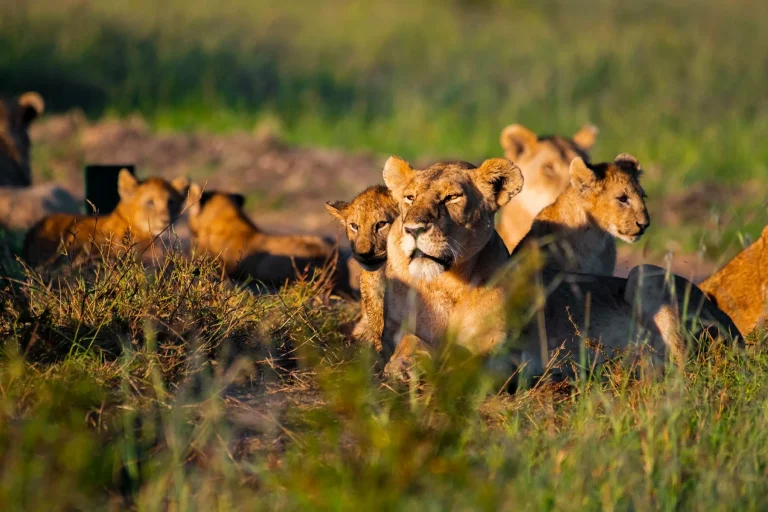
The Masai Mara National Reserve is one of Kenya's most celebrated wildlife destinations and an excellent choice for travellers visiting from Johannesburg. Its grasslands, river systems and scattered woodland support an extraordinary diversity of wildlife.
Visitors may encounter lions, elephants, buffaloes, giraffes, zebras, wildebeest, spotted hyenas and several antelope species. Cheetahs and leopards also inhabit the ecosystem, although sightings depend on animal movements and environmental conditions.
The reserve is particularly famous for its predator populations and the seasonal Great Wildebeest Migration. During suitable periods, large wildebeest herds may move into the Kenyan section of the ecosystem. The timing and location of these movements vary from year to year. River crossings are among the most dramatic wildlife spectacles associated with the Mara, but they are unpredictable natural events and cannot be guaranteed.
For travellers who want a rewarding Masai Mara experience, three or four nights are generally preferable to a rushed one-night visit. Additional time allows several game drives and opportunities to explore different areas of the reserve.
2. Amboseli National Park
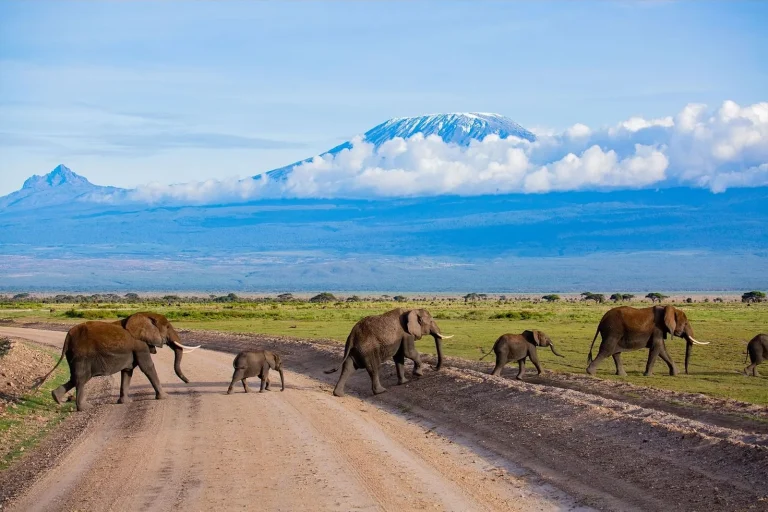
Amboseli National Park is renowned for its elephants and views towards Mount Kilimanjaro. The park contains open plains, wetlands, seasonal lakebeds and woodland habitats. These environments attract elephants, buffaloes, zebras, wildebeest, giraffes and numerous bird species. Elephant viewing is one of Amboseli's greatest attractions. Visitors may observe family groups feeding, travelling between habitats and interacting near wetlands.
The mountain backdrop creates exceptional photographic opportunities when weather conditions are favourable. However, Mount Kilimanjaro is not visible at all times, and cloud cover can obscure the summit. Amboseli is an excellent addition to a safari focused on the Masai Mara because it offers contrasting scenery and wildlife-viewing experiences.
3. Lake Nakuru National Park
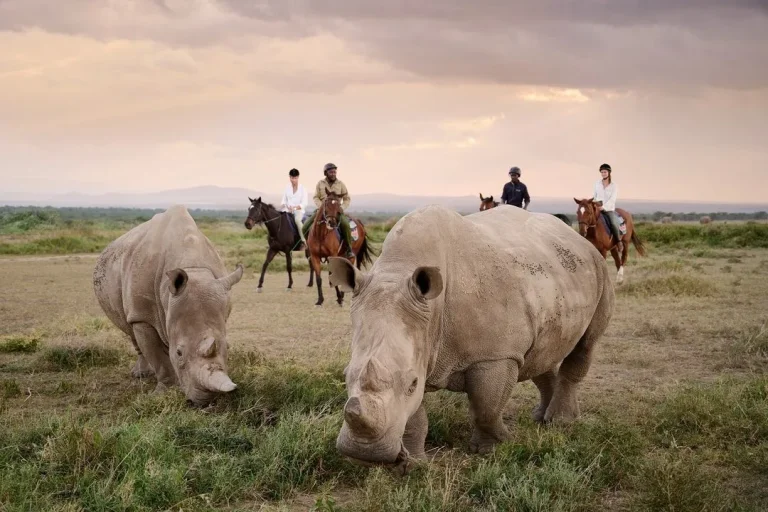
Lake Nakuru National Park lies within Kenya's Great Rift Valley. The park combines lake habitats, woodland, grassland and rocky escarpments, creating a varied wildlife environment. It is particularly important for rhinoceros conservation, with opportunities to observe both black and white rhinoceroses.
Visitors may also encounter buffaloes, giraffes, zebras, baboons and numerous bird species. Although Lake Nakuru is historically associated with flamingos, their numbers fluctuate according to ecological conditions. Lake Nakuru can be incorporated into itineraries linking Nairobi and the Masai Mara, although the route and accommodation arrangements should be planned carefully.
4. Samburu National Reserve
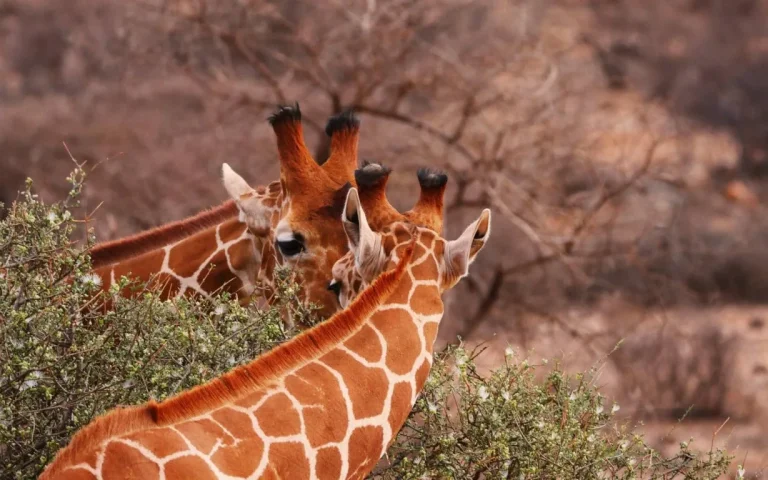
Samburu National Reserve offers a distinctive safari experience in northern Kenya. Its semi-arid landscapes differ considerably from the grasslands of the Masai Mara. The reserve is especially interesting for wildlife species adapted to drier environments. These include Grevy's zebra, reticulated giraffe, gerenuk, Beisa oryx and Somali ostrich.
The Ewaso Ng'iro River provides an important water source and attracts wildlife to its surrounding habitats. Samburu is particularly rewarding for travellers who have previously visited southern African wildlife reserves and want to observe different species and ecosystems.
5. Ol Pejeta Conservancy
Ol Pejeta Conservancy is located in the Laikipia region and is internationally associated with wildlife conservation. The conservancy is particularly well known for its rhinoceros protection programmes. Visitors can combine wildlife viewing with opportunities to learn about conservation initiatives, subject to current arrangements.
Ol Pejeta is a suitable addition to itineraries that include Samburu or other destinations in central Kenya. For families and travellers interested in conservation, the educational value of visiting such an area can be an important part of the experience.
6. Tsavo East and Tsavo West National Parks
The Tsavo conservation landscape is one of Kenya's largest protected wildlife regions. Tsavo East is known for its extensive plains, reddish soil and elephants that often appear red after dust bathing. Tsavo West features more varied terrain, including hills, volcanic landscapes, woodland and springs.
Both parks provide opportunities to observe wildlife in landscapes that differ from the Masai Mara. They can be incorporated into longer itineraries, particularly when travellers want to continue towards the Indian Ocean coast.
Recommended Eight-Day Kenya Safari from Johannesburg
This itinerary is designed for travellers who want to experience Kenya's classic wildlife destinations while keeping the holiday manageable. The programme can be adjusted according to flight schedules, accommodation preferences and available travel time.
Day 1: Johannesburg to Nairobi
Depart Johannesburg and fly to Nairobi. Upon arrival at Jomo Kenyatta International Airport, meet the arranged airport representative and transfer to the selected hotel. Depending on arrival time, the remainder of the day can be spent relaxing or enjoying an optional Nairobi activity.
Overnight in Nairobi.
Day 2: Nairobi to Lake Nakuru National Park
After breakfast, meet your professional safari guide and depart towards the Great Rift Valley. The journey passes through highland scenery and agricultural landscapes before reaching the Lake Nakuru area. Arrive at the selected lodge or camp and settle into your accommodation. Depending on the schedule, enjoy an afternoon game drive.
Look for rhinoceroses, buffaloes, giraffes and other wildlife. Overnight in the Lake Nakuru area.
Day 3: Lake Nakuru to Masai Mara
After breakfast, continue towards the Masai Mara. The journey passes through sections of the Rift Valley and the Narok region. Arrive at the selected accommodation and prepare for an afternoon game drive if time allows. The Mara's open grasslands provide a striking contrast to Lake Nakuru's wooded habitats.
Overnight in the Masai Mara.
Day 4: Full-Day Masai Mara Safari
Begin the day early to take advantage of cooler temperatures and potentially active wildlife. Search for lions, elephants, buffaloes, giraffes, zebras, cheetahs and other animals. Your guide will consider wildlife movements, road conditions and reserve regulations when selecting routes.
During migration months, large wildebeest herds may be present in parts of the ecosystem. Return to camp for dinner and overnight accommodation.
Day 5: Further Masai Mara Exploration
Spend another day exploring the reserve. Additional time allows visitors to observe wildlife behaviour more patiently and explore different habitats. Photographers may prefer to spend longer at individual sightings rather than travelling continuously. Optional activities, such as a hot-air balloon safari, may be available at additional cost.
Overnight in the Masai Mara.
Day 6: Masai Mara to Nairobi
After breakfast, depart the Masai Mara and return to Nairobi by road or domestic flight. Transfer to the selected hotel. Depending on arrival time, enjoy an optional city activity or a relaxed evening. Overnight in Nairobi.
Day 7: Nairobi Wildlife and Cultural Experiences
Spend the day exploring selected attractions around Nairobi. Possible activities include visiting the Giraffe Centre, exploring the Karen area or enjoying a guided city experience. Activities should be selected according to personal interests, opening arrangements and available time.
Travellers who prefer additional wildlife viewing may instead allocate this day to the Masai Mara. Overnight in Nairobi.
Day 8: Nairobi to Johannesburg
After breakfast, transfer to Jomo Kenyatta International Airport for the return flight to Johannesburg. The airport transfer should allow sufficient time for check-in, security and immigration procedures. Travellers with additional holiday time can extend the itinerary to Amboseli, Samburu or Kenya's coast.
Alternative Kenya Safari Itineraries from Johannesburg
Four-Day Masai Mara Safari
A four-day Masai Mara itinerary is suitable for travellers who want a focused wildlife experience. Depending on flight schedules, the programme may include a Nairobi arrival followed by a domestic flight or road transfer to the reserve. Spending two or three nights in the Mara allows several game drives.
This option is particularly attractive to travellers who have limited leave from work but want a memorable safari experience.
Six-Day Masai Mara and Lake Nakuru Safari
A six-day itinerary can combine the Masai Mara with Lake Nakuru. This combination offers classic predator viewing and opportunities to observe rhinoceroses. It is a practical choice for travellers who want to experience two contrasting wildlife environments.
Ten-Day Kenya Wildlife Safari
A ten-day programme allows more flexibility and a broader selection of destinations. Travellers may combine Amboseli, Lake Nakuru and the Masai Mara, with additional nights in selected locations. The itinerary should be designed to avoid unnecessarily long road transfers.
Twelve-Day Samburu, Ol Pejeta and Masai Mara Safari
A twelve-day itinerary can explore northern and southern Kenya. Samburu offers unusual wildlife species, Ol Pejeta provides conservation experiences, and the Masai Mara delivers classic savannah game viewing. This programme is particularly suitable for experienced safari travellers seeking greater diversity.
Fourteen-Day Kenya Safari and Beach Holiday
A two-week holiday can combine several wildlife destinations with relaxation along the Indian Ocean. Diani Beach, Watamu and other coastal destinations provide opportunities for swimming, marine activities and relaxation. This arrangement is particularly attractive to honeymooners and families.
Best Time for Kenya Safaris from Johannesburg
January to March
These months often provide relatively dry conditions in several Kenyan safari regions. Wildlife viewing can be rewarding, and shorter vegetation may improve visibility in some areas. This period can be attractive for travellers planning a summer holiday from South Africa.
April and May
The long rains commonly affect parts of Kenya during these months. The landscape becomes greener, and birdwatching can be rewarding. However, heavy rainfall can affect roads and safari activities. Some accommodation properties may close temporarily.
June to October
This is one of Kenya's most popular safari periods. The Masai Mara attracts particular interest during the migration season. Large wildebeest herds may enter the Kenyan ecosystem, although timing varies annually. Accommodation demand can be high during July, August and September.
November and December
Short rains may occur during these months. The landscape can become greener, and wildlife viewing remains possible. Christmas and New Year can be busy travel periods.
Kenya Safari Accommodation Options
Safari Trips to Kenya organises accommodation into four broad categories.
Essential Accommodation
Essential accommodation focuses on practical facilities and affordability. Options may include modest safari camps and lodges with basic amenities.
Comfort Accommodation
Comfort accommodation provides a balance between price and convenience. Travellers can generally expect private bathrooms, comfortable sleeping arrangements and established dining facilities.
Premium Accommodation
Premium properties may offer larger rooms, attractive locations and enhanced service. Some include swimming pools, spa facilities or specialised dining arrangements.
Signature Accommodation
Signature properties focus on distinctive locations and personalised experiences. Depending on the lodge, arrangements may include private guiding, exclusive-use vehicles and specialised activities. Accommodation location is important. A lodge situated far from the main wildlife-viewing area can reduce the time available for game drives.
Private Kenya Safari or Group Safari?
A Private Kenya Safari offers greater flexibility over destinations, accommodation and game-drive priorities. It is particularly suitable for couples, families, honeymooners and photographers. Private safaris also allow travellers to adjust the pace of the journey according to their interests.
A Kenya Group Safari can reduce individual transport costs. However, group programmes generally follow fixed departure dates and predetermined itineraries. Travellers should confirm group size, vehicle seating and accommodation arrangements before booking.
Kenya Safari Prices from Johannesburg
The total cost of a Kenya safari depends on several factors. International flights, accommodation standards, park fees, transport arrangements and itinerary duration all influence the overall price. Flights from Johannesburg vary according to season, airline and booking date. Accommodation in popular reserves can be more expensive during peak travel periods.
Private safari costs also depend on the number of travellers sharing the vehicle. Domestic flights increase convenience but may raise the overall package price. Travellers should request a detailed quotation showing all inclusions and exclusions.
Kenya Safari and Beach Holidays
A Kenya Safari and Beach Holiday combines wildlife viewing with time along the Indian Ocean. Diani Beach is known for its white-sand shoreline and tropical surroundings. Watamu offers coastal scenery and access to marine environments. Activities may include swimming, snorkelling, diving and boat excursions, depending on sea conditions.
Travellers should consider domestic flights when connecting distant safari destinations with the coast.
Entry Requirements for South African Travellers
South African passport holders should verify Kenya's current entry and electronic travel authorisation requirements before departure. Kenya has introduced nationality-based exemptions, and the rules applicable to South African citizens may differ from those applying to other passport holders. Travellers should consult the official Kenyan immigration authorities before making travel arrangements.
Health and insurance requirements should also be checked before departure. Comprehensive travel insurance is advisable for medical emergencies, evacuation, cancellation and personal belongings. Travellers should seek advice from a qualified travel clinic regarding vaccinations and other health precautions.
Practical Travel Advice
Pack lightweight clothing, comfortable shoes, a warm layer for early mornings and suitable sun protection. A camera with a telephoto lens is useful for wildlife photography. Travellers should carry personal medication, travel documents and insurance information. The Kenyan shilling is the local currency, although some safari services quote prices in US dollars.
Always follow the safari guide's instructions and respect wildlife-viewing regulations.
Frequently Asked Questions About Kenya Safaris from Johannesburg
Can I book a Kenya safari from Johannesburg?
Yes. Kenya safaris can be organised around international flights from OR Tambo International Airport to Nairobi.
How many days are recommended?
Seven to ten days provide a good balance for many travellers, while longer holidays allow additional destinations and beach extensions.
Is Kenya different from a South African safari?
Yes. Kenya offers distinctive landscapes, wildlife habitats and experiences, including the Masai Mara and the seasonal Great Wildebeest Migration.
Can I see the Great Migration?
The migration may be observed during suitable periods, but herd movements and river crossings cannot be guaranteed.
Is Kenya suitable for families?
Yes. Family-friendly lodges and private safari itineraries can be arranged according to children's ages and interests.
Can I combine a safari with Diani Beach?
Yes. Diani Beach is a popular extension after wildlife safaris.
Are luxury safaris available?
Yes. Premium and Signature accommodation options can be considered according to budget and availability.
Can I customise my itinerary?
Yes. Destinations, accommodation, activities and travel duration can be adjusted according to individual preferences.
Plan Your Kenya Safari from Johannesburg
A successful Kenya Safari from Johannesburg combines suitable international flights, realistic travel distances, carefully selected accommodation and enough time for meaningful wildlife viewing. Whether you want to explore the Masai Mara, photograph elephants in Amboseli, discover the wildlife of Samburu or relax along the Indian Ocean coast, Kenya offers a remarkable range of experiences. Safari Trips to Kenya can help develop a personalised itinerary based on your preferred travel dates, number of travellers, accommodation category and wildlife interests.
Contact our safari planning team to request a customised Kenya Safari Package from Johannesburg, including recommended destinations, accommodation options, transport arrangements and a detailed written quotation.