
Home Kenya Safari Destinations Accommodation Ashnil Samburu Camp
LUXURY LODGE
Ashnil Samburu Camp
Samburu
Safari camp in Buffalo Springs / Samburu area. Comfort northern camp beside the Ewaso Nyiro corridor. Best for comfort Samburu packages.
- Buffalo Springs
- Comfort camp
- Ewaso Nyiro
Lodge Overview
Ashnil Samburu Camp is a tented safari property situated within Buffalo Springs National Reserve, in the wildlife-rich northern Kenya landscape associated with Samburu National Reserve and the Ewaso Ng’iro River. The camp combines comfortable accommodation with access to one of Kenya’s most distinctive safari ecosystems, where dry-country wildlife, riverine vegetation and rugged scenery create an experience very different from the Masai Mara or Amboseli. The camp is particularly appealing to travellers who want to explore the Samburu Special Five: Grevy’s zebra, reticulated giraffe, gerenuk, Beisa oryx and Somali ostrich, which are closely associated with northern Kenya’s arid and semi-arid habitats and are among the main reasons to include Samburu in a longer Kenya safari.
Ashnil Samburu Camp offers an established tented accommodation experience rather than the highly secluded atmosphere of a small private conservancy camp. Guests can enjoy guided wildlife drives, meals at the camp, time beside the swimming pool and views of the surrounding landscape. For travellers combining Samburu with Ol Pejeta, Lake Nakuru or the Masai Mara, the camp provides a practical base for exploring northern Kenya while maintaining a comfortable standard of accommodation.
Where Is Ashnil Samburu Camp Located?
Ashnil Samburu Camp is located inside Buffalo Springs National Reserve, on the southern side of the Ewaso Ng’iro River system in northern Kenya. Buffalo Springs and Samburu National Reserve form part of the same wider wildlife ecosystem. Although the two reserves are managed separately, they share similar habitats and many of the same wildlife species. The Ewaso Ng’iro River is particularly important because it provides water and supports vegetation in an otherwise relatively dry environment, with riverine trees, open plains and acacia-dominated habitats attracting animals throughout the year.
The camp’s location within Buffalo Springs means that guests can explore the reserve without travelling long distances from accommodation outside the protected area. However, visitors should distinguish between Buffalo Springs and Samburu National Reserve when planning activities, because entry fees and access arrangements may differ and crossing into another reserve can require additional permissions or charges. A properly prepared safari itinerary should identify which reserves are included in the quoted price.
Why Choose Ashnil Samburu Camp?
The main attraction of Ashnil Samburu Camp is its combination of tented accommodation and access to the distinctive wildlife of northern Kenya. Travellers who have previously visited the Masai Mara often appreciate Samburu because the landscape feels noticeably different: the vegetation is more adapted to dry conditions, the colours of the surrounding terrain are warmer, and several of the region’s characteristic animals are uncommon or absent from Kenya’s southern safari circuits.
The camp is also useful for guests who prefer accommodation with established facilities rather than a very small wilderness camp. Its tented rooms offer the atmosphere associated with a traditional safari, while the communal facilities provide places to relax between activities. A stay of two or three nights allows travellers to explore different wildlife areas and observe changes in animal activity between morning and afternoon.
Tented Accommodation at Ashnil Samburu Camp
Luxury Safari Tents
Ashnil Samburu Camp accommodation consists of permanent safari tents designed to provide comfort within a natural setting. The tents offer sleeping areas, private bathroom facilities and space to relax. They are more substantial than ordinary camping tents and are intended for guests who want the atmosphere of canvas accommodation without sacrificing essential conveniences. The camp’s tented layout creates a closer connection with the surrounding environment than a conventional multi-storey hotel, and guests may hear birds and other natural sounds during the early morning and evening. Because wildlife can occur around safari accommodation, guests must follow staff instructions about movement after dark.
Private Bathrooms and Guest Comfort
The tents include en-suite bathroom facilities, allowing guests to enjoy the practical comforts expected from established safari accommodation. Before booking, travellers should confirm the precise room amenities, including bedding configuration, power arrangements, hot water and any additional requirements. Facilities can be updated over time, so current information is preferable to relying on older accommodation descriptions. Guests with specific mobility needs should request detailed information about pathways, bathroom access and the distance between tents and communal facilities.
Double, Twin and Family Arrangements
Couples generally prefer double accommodation, while friends or relatives travelling together may request twin beds. Families should provide the ages of children when requesting a quotation, because depending on the camp’s current room arrangements, families may need additional beds, adjoining accommodation or multiple tents. Room allocation should be confirmed in writing, particularly during busy travel periods.
The Ewaso Ng’iro River and Samburu’s Landscape
The Ewaso Ng’iro River is one of the most important ecological features of the Samburu and Buffalo Springs region. Its water supports vegetation that provides shade, food and shelter for wildlife. Elephants may travel along river corridors, while antelopes, birds and other species use surrounding habitats. The contrast between the green riverine areas and the dry plains is especially striking.
During dry conditions, animals may concentrate near dependable water sources, while following rainfall wildlife can disperse into surrounding areas where temporary water and fresh vegetation become available. The river can also change dramatically after heavy rain upstream. Visitors should never approach riverbanks or attempt to cross watercourses without appropriate guidance, because water levels and currents can change unexpectedly.
The Samburu Special Five
One of the strongest reasons to visit northern Kenya is the opportunity to observe the Samburu Special Five. These species are associated with the region’s dry habitats and provide a distinctive wildlife experience.
Grevy’s Zebra
Grevy’s zebra is the largest living wild zebra species and is distinguished by narrow stripes, a white belly and large rounded ears. It is different from the more widespread plains zebra commonly seen in the Masai Mara. Grevy’s zebras are endangered, and northern Kenya is an important part of their remaining range, so observing them in the wild is particularly rewarding for travellers interested in conservation and species identification.
Reticulated Giraffe
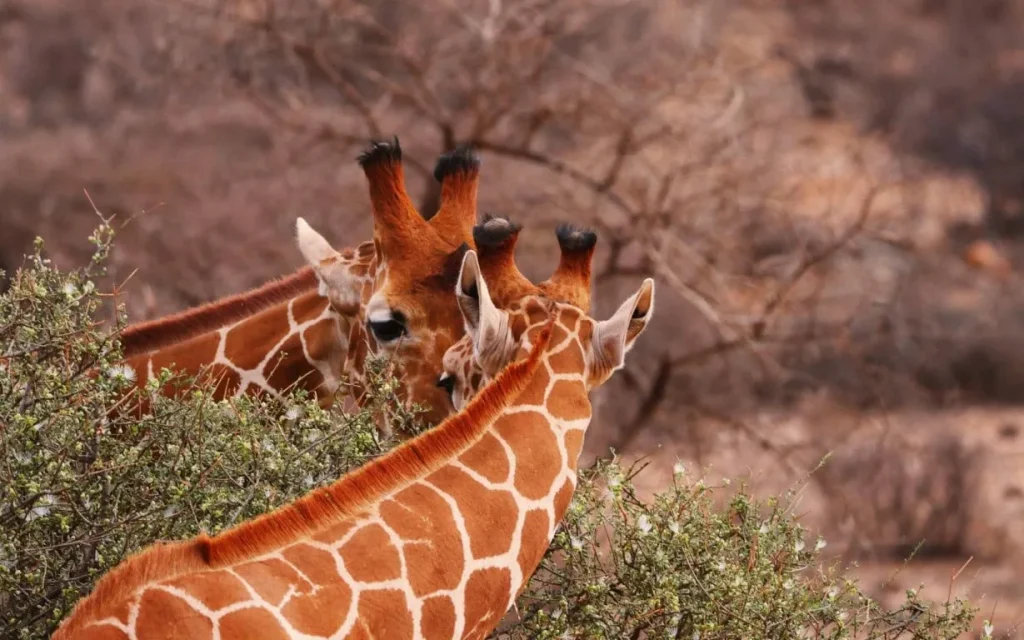
The reticulated giraffe has a distinctive coat pattern consisting of large polygonal patches separated by pale lines, which differs from that of the Masai giraffe commonly encountered in southern Kenya. Reticulated giraffes browse on trees and shrubs and may be observed in suitable woodland habitats, and their appearance makes them especially attractive subjects for wildlife photography.
Gerenuk
The gerenuk, sometimes called the giraffe gazelle, is a slender antelope with a long neck. It is particularly known for standing upright on its hind legs to browse leaves from shrubs and trees, allowing it to reach vegetation that many other antelopes cannot access. A gerenuk sighting can be one of the most memorable moments of a Samburu game drive.
Beisa Oryx
The Beisa oryx is a large, striking antelope with long, straight horns and distinctive facial markings. It is adapted to dry environments and can survive in habitats where water availability is limited. Oryx may be encountered in open or lightly wooded areas, and their symmetrical horns and strong body markings make them particularly photogenic.
Somali Ostrich
The Somali ostrich is associated with northern Kenya and the Horn of Africa. Adult males can display distinctive bluish-grey skin on the neck and legs, helping distinguish them from other ostrich populations. These large flightless birds occupy suitable open habitats and are often easier to observe than smaller, more secretive species.
Elephants in Buffalo Springs and Samburu
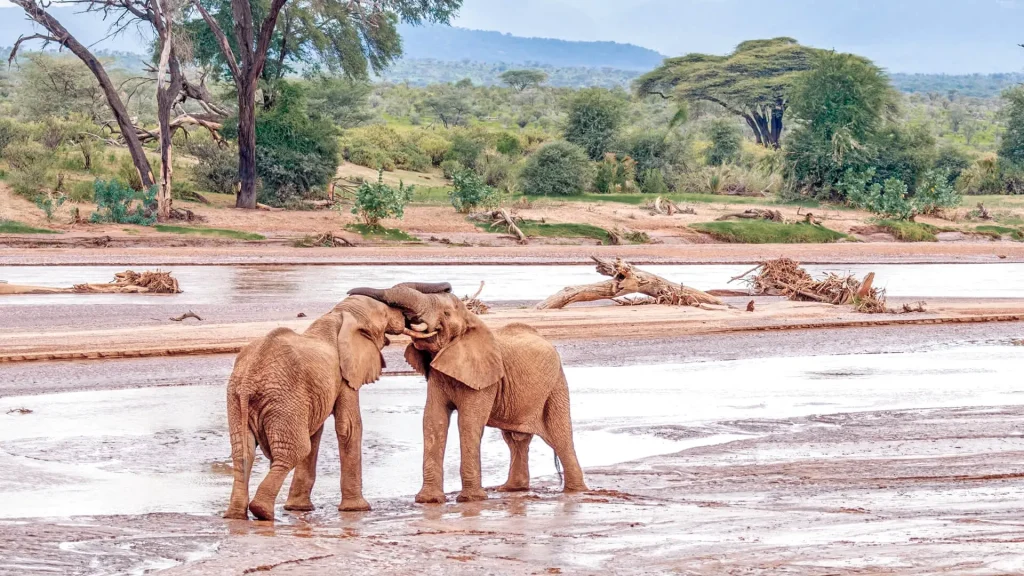
Elephants are among the most important wildlife attractions in the Samburu ecosystem. The region has been the focus of long-running elephant research, particularly through the work of Save the Elephants, with researchers studying elephant movements, behaviour and conservation challenges in the wider landscape.
During a safari, guests may encounter elephant families travelling towards water, feeding in woodland or resting in shaded areas. The Ewaso Ng’iro River corridor is particularly important for elephant movement. Watching elephants interact can be more rewarding than simply recording how many individuals have been seen: young elephants may play, adults may communicate through touch and body posture, and family groups may move together across the landscape. Guides should maintain safe distances and avoid obstructing elephant routes.
Lions, Leopards and Cheetahs
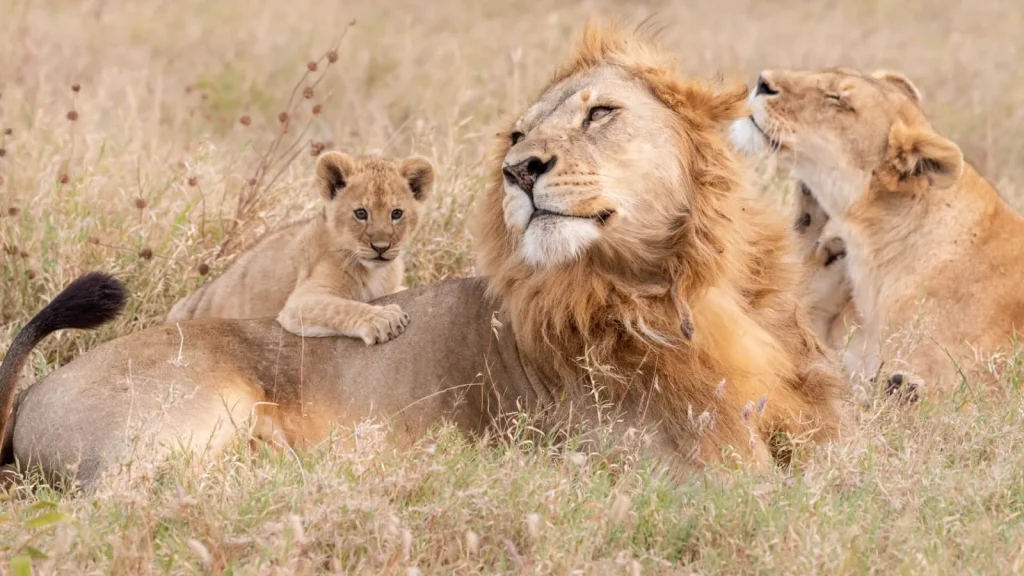
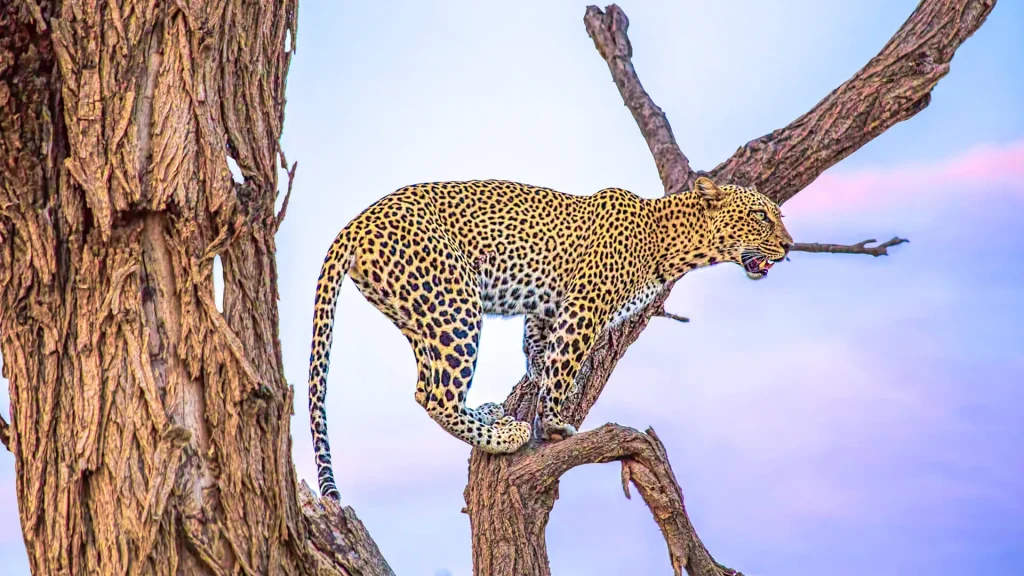
The Samburu and Buffalo Springs ecosystem supports several large predators. Lions may be encountered in open habitats or resting in vegetation during warmer hours, while leopards are associated with suitable woodland and riverine cover where they can remain concealed. Cheetahs occur in appropriate open habitats but are not guaranteed sightings. Predator distribution changes according to prey availability, territorial behaviour and seasonal conditions, so travellers should allow several game drives rather than expecting all three big-cat species during a single excursion. A knowledgeable guide can interpret tracks, alarm calls and other signs that may indicate predator activity.
Other Wildlife Around Ashnil Samburu Camp
In addition to the Special Five and major predators, the wider ecosystem supports buffaloes, impalas, dik-diks, warthogs and various other mammals. Some species are adapted to relatively dry habitats, while others are more closely associated with the river corridor. Small antelopes such as dik-diks may be encountered near suitable bushland, though their small size and tendency to remain close to cover can make them easy to overlook. Observing these animals helps visitors appreciate the ecological diversity of northern Kenya.
Birdwatching in Samburu
Samburu birdwatching is another important attraction. The combination of dry woodland, riverine vegetation and open plains supports a wide range of bird species, and visitors may encounter hornbills, weavers, bee-eaters, kingfishers, raptors and other birds adapted to different habitats. Bird activity is often particularly rewarding in the early morning. Travellers interested in birdwatching should inform their guide so that sufficient time can be allocated to smaller species, and binoculars are useful even for guests whose primary interest is mammals.
Morning Game Drives
Early morning is often one of the best times for Buffalo Springs game drives. Temperatures are generally cooler, some animals may be more active before the heat of the day, and the softer light also provides attractive photographic conditions. A morning drive may focus on riverine habitats, open plains or other areas according to recent wildlife activity. Guests should discuss their interests with the guide before departure, because travellers particularly interested in the Samburu Special Five may prefer a route different from one designed primarily around predator sightings.
Afternoon Game Drives
Afternoon drives provide another opportunity to explore the reserve as wildlife activity changes and temperatures begin to fall. Elephants may move towards feeding areas or water, while grazing animals may become more visible, and the warm late-afternoon light can be particularly attractive for photography. However, safari activities must follow reserve operating hours and regulations, and guests should not assume that night game drives are permitted within the national reserves.
Swimming Pool and Relaxation
Ashnil Samburu Camp has a swimming pool where guests can relax between wildlife activities. This is particularly valuable in northern Kenya, where daytime temperatures can be high. A midday break allows guests to rest after an early morning drive before returning to the reserve later in the day, and the pool and communal areas provide opportunities to enjoy the camp without maintaining a continuous activity schedule. Families may especially appreciate the ability to alternate game drives with relaxation.
Dining at Ashnil Samburu Camp
The camp provides meals in its dining facilities, with menus influenced by the property’s hospitality arrangements and available ingredients. Breakfast is commonly scheduled around morning safari activities, lunch provides an opportunity to relax during the warmer part of the day, and dinner follows the afternoon game drive. Guests with dietary restrictions should communicate their needs before arrival, and special arrangements may be possible for celebrations or private dining, subject to availability. The precise meal plan should be confirmed when booking.
Cultural Experiences in Samburu
The wider region is home to Samburu communities, whose pastoral traditions are closely connected with the surrounding landscape. Cultural visits may provide opportunities to learn about local livelihoods, dress, crafts and community life, but such experiences should be organised respectfully and with the informed participation of the host community. Visitors should avoid treating cultural activities as staged displays without context. A well-organised visit should encourage genuine exchange and provide appropriate benefits to participating community members. Cultural experiences are normally arranged separately from standard game drives and may involve additional fees.
Best Time to Visit Ashnil Samburu Camp
January to March
These months often bring warm and relatively dry conditions. Wildlife may concentrate around reliable water sources, making riverine habitats particularly important, though daytime temperatures can be high so early morning activities are recommended.
April to May
The long-rain period can bring greener vegetation and occasional heavy showers. Road conditions may be affected, particularly after substantial rainfall, and wildlife remains present though its distribution may change.
June to October
This is a popular period for northern Kenya safaris. Dry conditions can make wildlife viewing productive around water sources, and advance booking is advisable during the busy July and August holiday period.
November to December
The short rains may bring renewed vegetation and changing wildlife movements. The landscape can become greener, providing attractive photographic conditions, and December holiday dates may attract increased accommodation demand.
How Many Nights Should You Stay?
A two-night Samburu safari provides a useful introduction to the region, allowing guests to enjoy several game drives and begin exploring the habitats of Buffalo Springs. Three nights are preferable for travellers who want a more relaxed pace and additional opportunities to find the Samburu Special Five, while four nights may suit serious photographers, birdwatchers and wildlife enthusiasts. The ideal duration depends on whether Samburu is part of a larger Kenya safari.
Getting to Ashnil Samburu Camp from Nairobi
Road travel from Nairobi to the Samburu and Buffalo Springs region generally takes approximately five to seven hours, depending on traffic, route and road conditions. The journey passes through central Kenya before continuing into the drier northern landscapes. A private safari vehicle allows travellers to stop when appropriate and incorporate the transfer into a longer itinerary. Visitors should allow sufficient time for reserve entry formalities and the final drive to the camp, and for a short safari a domestic flight may be more convenient.
Flying to Samburu
Scheduled flights from Nairobi Wilson Airport serve airstrips in the Samburu region, with flight duration and routing depending on the operator and the day’s schedule. The camp transfer must be arranged according to the arrival airstrip. Travellers should confirm baggage allowances, especially when flying on light aircraft, and soft-sided luggage is often preferable.
Combining Samburu with Other Safari Destinations
Ol Pejeta Conservancy
Ol Pejeta Conservancy is an attractive addition for travellers interested in rhinoceros conservation and wildlife viewing. The combination provides a contrast between northern dry-country habitats and the Laikipia plateau.
Lake Nakuru National Park
Lake Nakuru National Park is known for rhinoceroses, birdlife and Rift Valley scenery, and it can be included on a longer itinerary connecting northern Kenya with the Masai Mara.
Masai Mara National Reserve
The Masai Mara offers expansive grasslands, diverse predators and the seasonal Great Migration. Combining Samburu and the Mara allows travellers to experience two distinct wildlife ecosystems.
Aberdare National Park
The Aberdares provide forested mountain landscapes that contrast with Samburu’s dry environment. This combination is particularly interesting for travellers who enjoy varied scenery.
Ashnil Samburu Camp Prices
Ashnil Samburu Camp prices depend on travel dates, occupancy, meal plan and the selected safari package. Peak travel periods may attract higher accommodation rates, and the total cost of a safari also depends on transport, reserve fees, guiding and the number of travellers sharing a vehicle. Guests should request a date-specific quotation rather than relying on old published prices. At Safari Trips to Kenya, we can prepare a complete proposal covering accommodation, transfers and wildlife activities.
What Is Included in a Samburu Safari Package?
A typical safari package may include accommodation, meals, private or shared safari transport, guiding and scheduled game drives, and reserve entrance fees may also be included when explicitly stated. Optional cultural visits, premium beverages, gratuities and other personal expenses may be excluded. Travellers should check whether the quotation covers Buffalo Springs, Samburu National Reserve or both, because this distinction is important: the two reserves have separate management and fee arrangements.
Practical Tips for Staying at Ashnil Samburu Camp
- Pack lightweight clothing for warm afternoons and a light jacket for early morning activities.
- Bring sunscreen, sunglasses, a hat and insect repellent.
- Binoculars are valuable for birds and distant wildlife; photographers should protect equipment from dust.
- Follow camp safety instructions and avoid walking outside authorised areas without assistance.
- Drink sufficient water during the day, particularly during hot weather.
Frequently Asked Questions About Ashnil Samburu Camp
Is Ashnil Samburu Camp inside Samburu National Reserve?
The camp is located in Buffalo Springs National Reserve, within the wider Samburu wildlife ecosystem.
Can you see the Samburu Special Five?
The wider ecosystem supports all five characteristic northern species, but sightings depend on animal movements and are not guaranteed.
Is Ashnil Samburu Camp suitable for families?
Yes. Families can consider the camp, subject to room configuration and current child accommodation policies.
Does the camp have a swimming pool?
Yes. The camp provides swimming facilities for guests.
How many nights should I stay?
Two nights provide an introduction, while three nights offer a more relaxed experience.
Can I combine Samburu with the Masai Mara?
Yes. Samburu and the Masai Mara make an excellent combination because they offer different landscapes and wildlife species.
Is the camp suitable for honeymooners?
Couples can enjoy the tented accommodation and wildlife setting, although travellers seeking highly exclusive private-camp experiences may wish to compare additional properties.
Book Ashnil Samburu Camp with Safari Trips to Kenya
Ashnil Samburu Camp provides a comfortable tented safari base in Buffalo Springs National Reserve, with access to northern Kenya’s distinctive wildlife and landscapes. At Safari Trips to Kenya, we arrange private and group safari itineraries that can include Samburu, Buffalo Springs, Ol Pejeta, Lake Nakuru and the Masai Mara. Our accommodation options are organised into Essential, Comfort, Premium and Signature categories to help travellers compare suitable properties. Contact our team with your travel dates, number of guests and preferred safari duration to receive a personalised Ashnil Samburu Camp safari quotation.
Location
Samburu
Ask our Kenya team about road transfers from Nairobi or a scheduled flight to the nearest airstrip.
View on MapReady to book this lodge?
Ask us about availability at Ashnil Samburu Camp. We will send a clear quote — no obligation to book.