
14 DAYS / 13 NIGHTS
14 Days Kenya Photography Safari
Capture Kenya on a 14 Days Kenya Photography Safari with private game drives, elephants, big cats, rhinos, landscapes and golden-hour wildlife photography.
- Wildlife SafariPrivate Journey
- Private Safari4x4 Vehicle
- Expert GuideEnglish Speaking
- All MealsBreakfast, Lunch, Dinner
- 24/7 SupportWe're here to help
01 Overview
Safari Overview
- Duration14 days / 13 nights
- DestinationKenya
- Starts / endsNairobi
- Safari stylePrivate safari
- AccommodationEssential · Comfort · Premium · Signature
- Best forWildlife viewing, photography
14 Days Kenya Photography Safari
A 14 Days Kenya Photography Safari is created for travelers who want to experience Kenya through the camera rather than simply travel from one wildlife sighting to another. Over two carefully planned weeks, the safari prioritizes excellent light, patient wildlife observation, flexible game-drive schedules, strategic vehicle positioning and enough time in several different ecosystems to build a genuinely varied photographic portfolio.
Kenya is one of the world's great wildlife-photography destinations. Few countries combine such reliable concentrations of large mammals with such extraordinary landscape diversity. In a single journey, a photographer can capture elephant herds beneath Mount Kilimanjaro, Grevy's zebras and reticulated giraffes in northern Kenya, rhinoceroses in conservation landscapes, Rift Valley lakes filled with birdlife and lions, cheetahs, leopards and enormous plains-game herds in the Masai Mara.
That diversity matters enormously for photography. A photographic safari is not simply about getting close to an animal. It is about light, background, behavior, composition, patience and timing. A distant elephant walking through dust at sunrise can create a more powerful photograph than one standing close to the vehicle at midday. A leopard hidden partly behind foliage may produce a more atmospheric image than an unobstructed portrait. A herd of wildebeest beneath an approaching storm can become more memorable than hundreds of technically perfect close-ups.
The purpose of this 14 Days Kenya Photography Safari is therefore to create time:
- Time to wait.
- Time to reposition when appropriate.
- Time to stay with a cheetah instead of rushing toward another reported sighting.
- Time to photograph elephants in different light.
- Time to return to an area where lions may become active after sunset begins approaching.
- Time to look beyond headline species and photograph birds, landscapes, behavior and environmental details.
For serious photographers, keen amateurs, content creators and travelers who simply want exceptional safari photographs, fourteen days offers enough depth to turn an ordinary wildlife holiday into a dedicated photographic journey.
14 Days Kenya Photography Safari at a Glance
A strong photographic itinerary can follow a route such as:
- Day 1: Arrival in Nairobi – Photography Safari Briefing
- Day 2: Nairobi to Amboseli National Park – Afternoon Photography
- Day 3: Full-Day Amboseli Elephant and Kilimanjaro Photography
- Day 4: Amboseli Sunrise Photography – Transfer to Central Kenya
- Day 5: Central Kenya to Samburu – Northern Wildlife Photography
- Day 6: Full-Day Samburu Photography Safari
- Day 7: Samburu Sunrise – Transfer to Ol Pejeta / Laikipia
- Day 8: Rhino and Conservation Photography
- Day 9: Great Rift Valley – Lake and Bird Photography
- Day 10: Rift Valley to Masai Mara – Afternoon Big-Cat Photography
- Day 11: Full-Day Masai Mara Predator Photography
- Day 12: Full-Day Masai Mara Wildlife and Landscape Photography
- Day 13: Masai Mara Sunrise Photography – Nairobi
- Day 14: Nairobi – Departure
The itinerary can be customized according to the photographer's specialist interests:
- Travelers concentrating almost entirely on big cats may choose additional Masai Mara nights.
- Bird photographers may prefer more time in Rift Valley wetland environments.
- Elephant specialists may add another Amboseli night.
- Migration photographers can time the Mara section around historically strong migration periods while accepting that wildlife movements remain unpredictable.
What Makes a Photography Safari Different?
A normal safari and a photography safari may visit the same national parks, yet the way the days are operated can be very different.
Longer Time at Individual Sightings
A general safari group may photograph an animal, observe it for several minutes and continue searching for the next species. A photographer may remain much longer. The goal is often to wait for:
- Better light
- Eye contact
- Interaction
- Movement
- A cleaner background
- Interesting behavior
- A change in posture
- Dust
- Environmental context
- Predator activity
Patience frequently produces stronger images than constant movement.
Early Starts
Good wildlife photography often begins before sunrise. Photographers may leave camp while it is still dark so they can be positioned when the first light reaches the landscape, which is particularly important in Amboseli and the Masai Mara. Morning light can provide:
- Softer shadows
- Warmer tones
- Lower contrast
- More active wildlife
- Atmospheric mist or dust
- Better mountain visibility
Late Returns
Afternoon game drives may continue until park regulations require departure. The final hour of light can be among the most productive periods:
- Predators often become more active as temperatures fall.
- Elephants may cross open country.
- Backlighting can create dramatic rim light around animals.
- Dust can glow as the sun approaches the horizon.
Private Vehicle
A private safari vehicle is one of the most important components of a dedicated photographic safari. Photography requires freedom, and you need to decide:
- Where to sit
- Which side of the vehicle matters
- How long to remain
- When to reposition
- Whether to wait
- Which species to prioritize
- Whether to skip lunch and remain in the field
Those decisions are difficult when sharing a vehicle with travelers who have different interests.
Why 14 Days Is Ideal for Wildlife Photography
Wildlife photography improves dramatically when time pressure decreases. A shorter safari may produce excellent photographs, but photographers often feel compelled to pursue every famous species quickly. With fourteen days, the journey becomes more deliberate:
- You can return to productive locations.
- You can experience multiple sunrises in important destinations.
- You can photograph the same species under different conditions.
- You can recover from disappointing weather.
- You can dedicate an afternoon to birds without worrying that you are sacrificing your only opportunity to find a lion.
Photography also benefits from repetition. The first elephant sighting may be overwhelming. After several days, you begin thinking differently. Instead of simply photographing the animal, you notice:
- Background
- Light direction
- Dust
- Family interaction
- Behavior
- Position in the landscape
- Foreground vegetation
- Potential movement
The longer safari therefore improves not just the number of photographic opportunities but also the way photographers perceive them.
Itinerary
- Day 1:Arrival in Nairobi, photography Safari Briefing
- Day 2:Nairobi to Amboseli, first Afternoon Photography Session
- Day 3:Amboseli Photography Safari
- Day 4:Amboseli Sunrise Photography – Central Kenya
- Day 5:Central Kenya to Samburu
- Day 6:Samburu Photography Safari
- Day 7:Samburu Sunrise Photography – Ol Pejeta / Laikipia
- Day 8:Rhino and Conservation Photography
- Day 9:Lake Nakuru or Lake Naivasha Photography
- Day 10:Great Rift Valley to Masai Mara
- Day 11:Masai Mara Predator Photography
- Day 12:Second Full Day in the Masai Mara, behavior, Landscapes and Storytelling
- Day 13:Morning game drive – return to Nairobi
- Day 14:Nairobi, departure
02 Itinerary
14 Days Kenya Photography Safari: Detailed Itinerary
Day 1: Arrival in Nairobi – Photography Safari Briefing - Main destination
- Masai Mara National Reserve
- Drive time
- Road transfer as outlined in the itinerary
- Meals
- Lunch, Dinner
Your 14 Days Kenya Photography Safari begins at Jomo Kenyatta International Airport. After completing immigration formalities and collecting your luggage, meet your Safari Trips to Kenya representative. Photographers often travel with more equipment than standard safari guests, so transfer arrangements should account for camera bags, laptops and additional baggage.
Transfer to your selected Nairobi hotel. The remainder of the day is intended for rest and preparation. Before the safari begins, check:
- Camera bodies
- Lenses
- Battery chargers
- Memory cards
- Hard drives
- Camera straps
- Sensor cleaning supplies
- Beanbags
- Power banks
- Laptop or tablet
- Card readers
Charge every battery, and format memory cards only after verifying that previous images have been backed up. This first evening is also an excellent time for a photography-specific safari briefing. Discuss with your guide:
- Main photographic interests
- Preferred species
- Landscape versus portrait photography
- Video requirements
- Positioning preferences
- Dawn departures
- Full-day game drives
- Bird photography
- Migration interests
- Equipment storage
- Vehicle seating arrangements
A professional guide who understands photography should know that good positioning can matter as much as finding the animal.
- Destination: Nairobi
- Experience: Arrival and photographic safari preparation
- Accommodation: Nairobi hotel
- Meals: According to arrival time
Amboseli Photography Safari
Where you stay
- Essential (Budget)
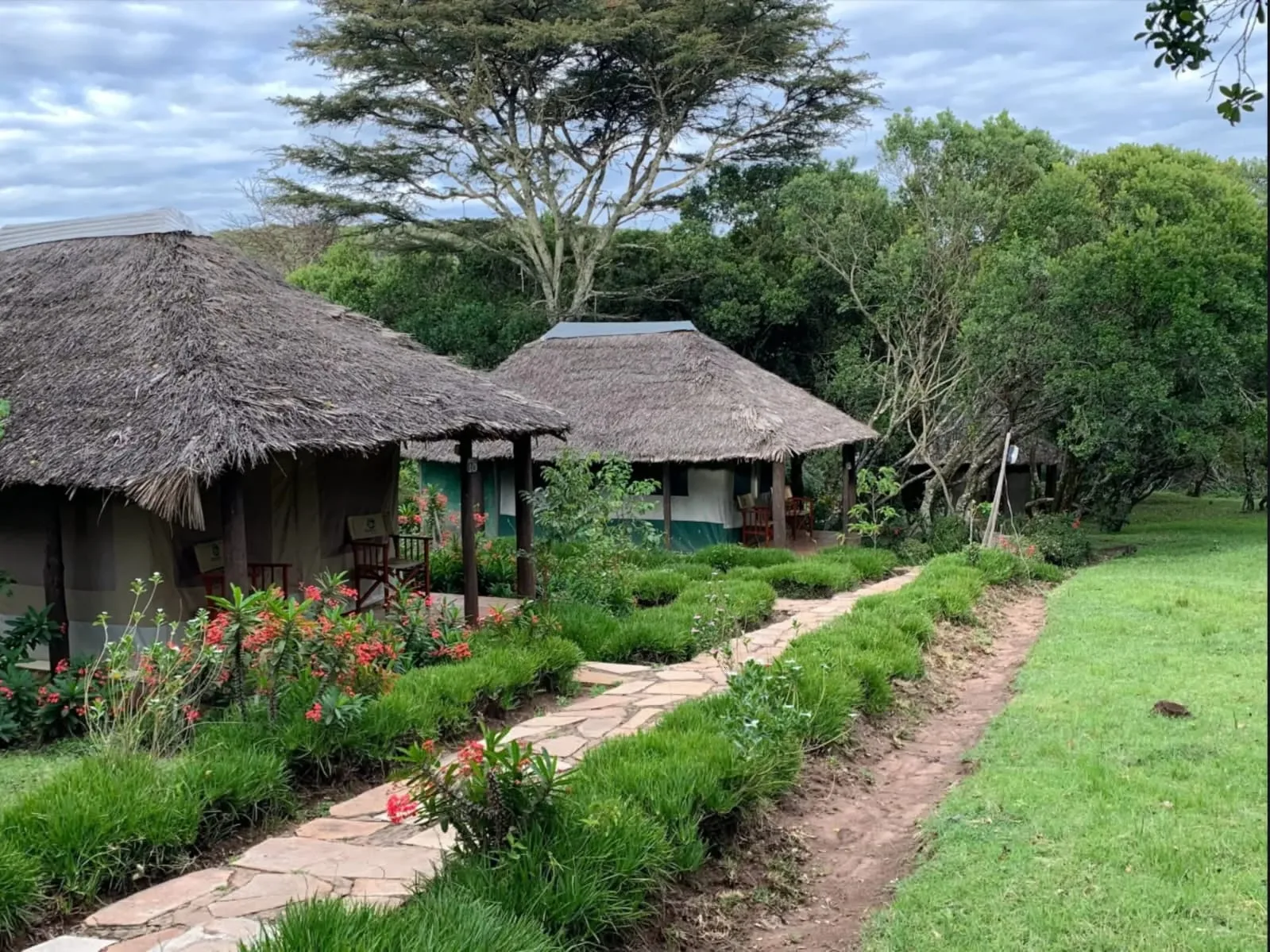
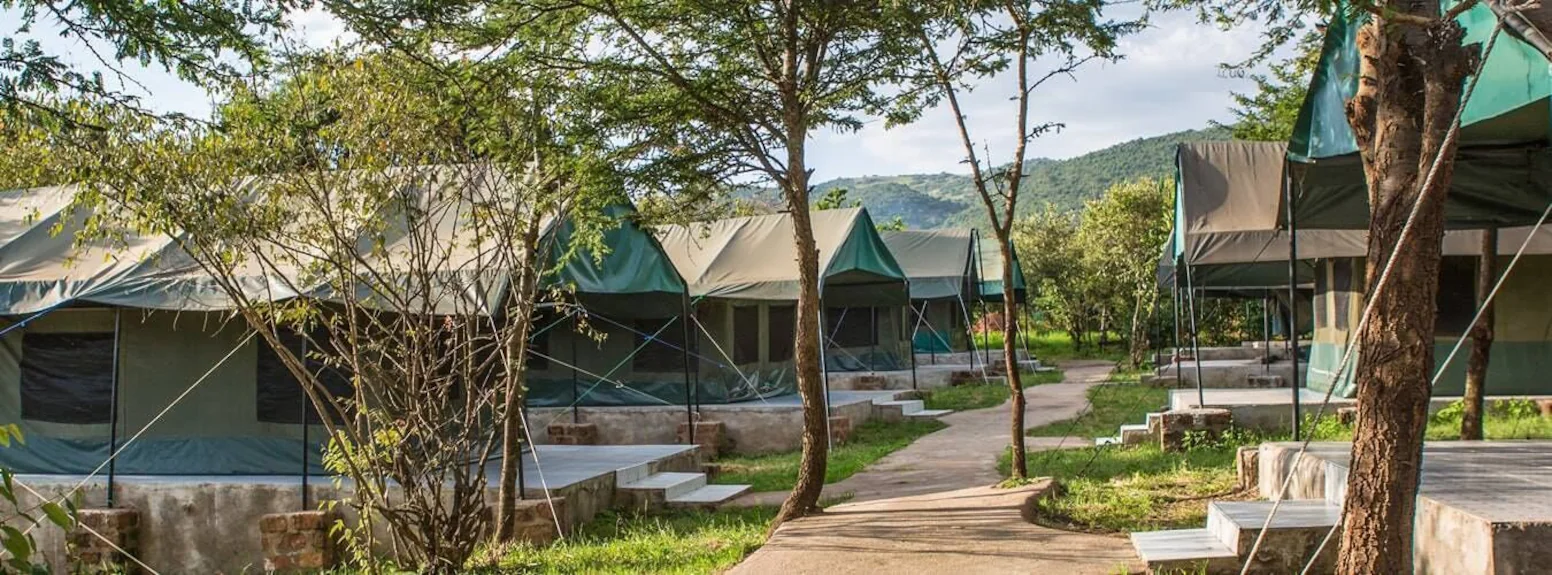
- Comfort (Mid-range)
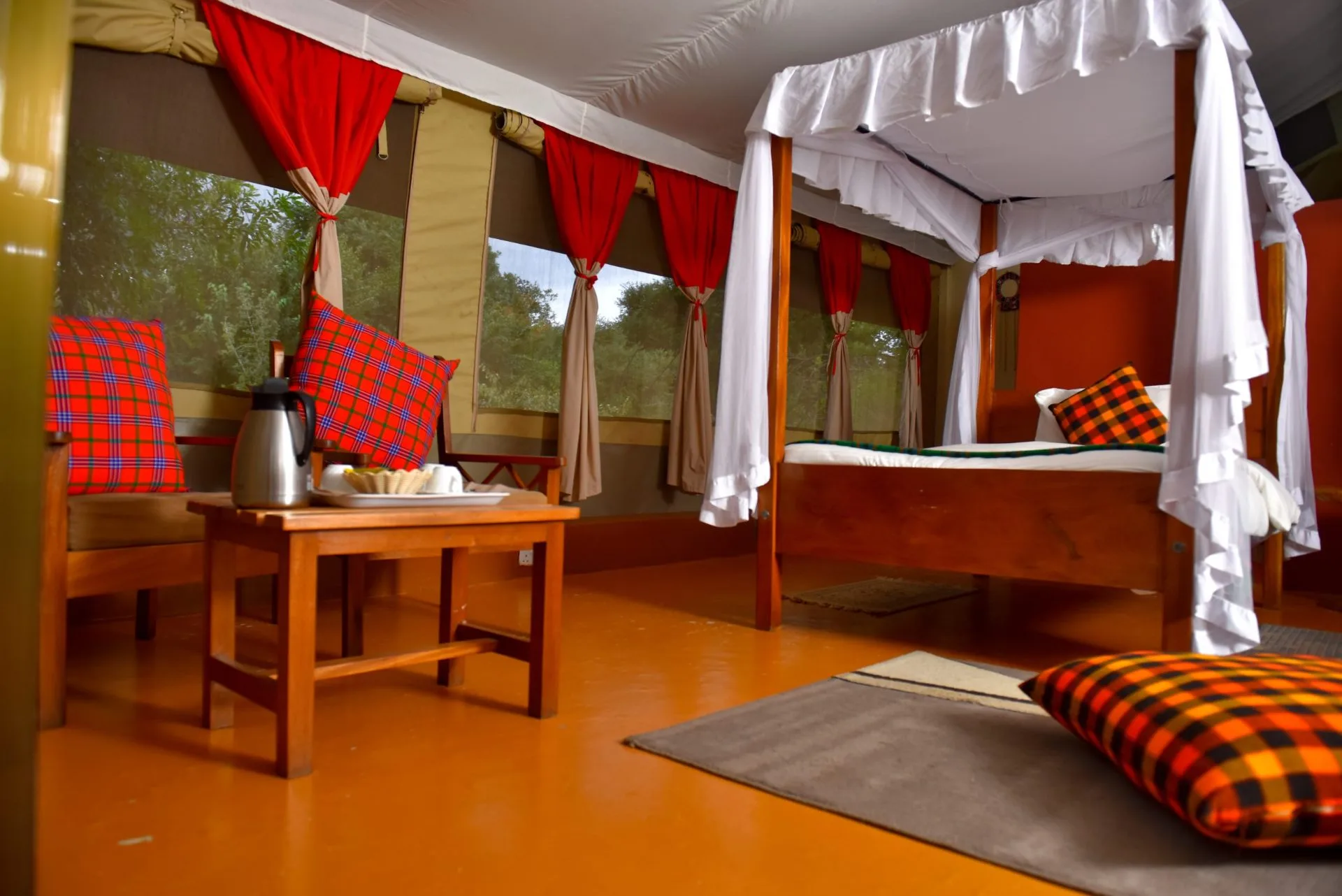
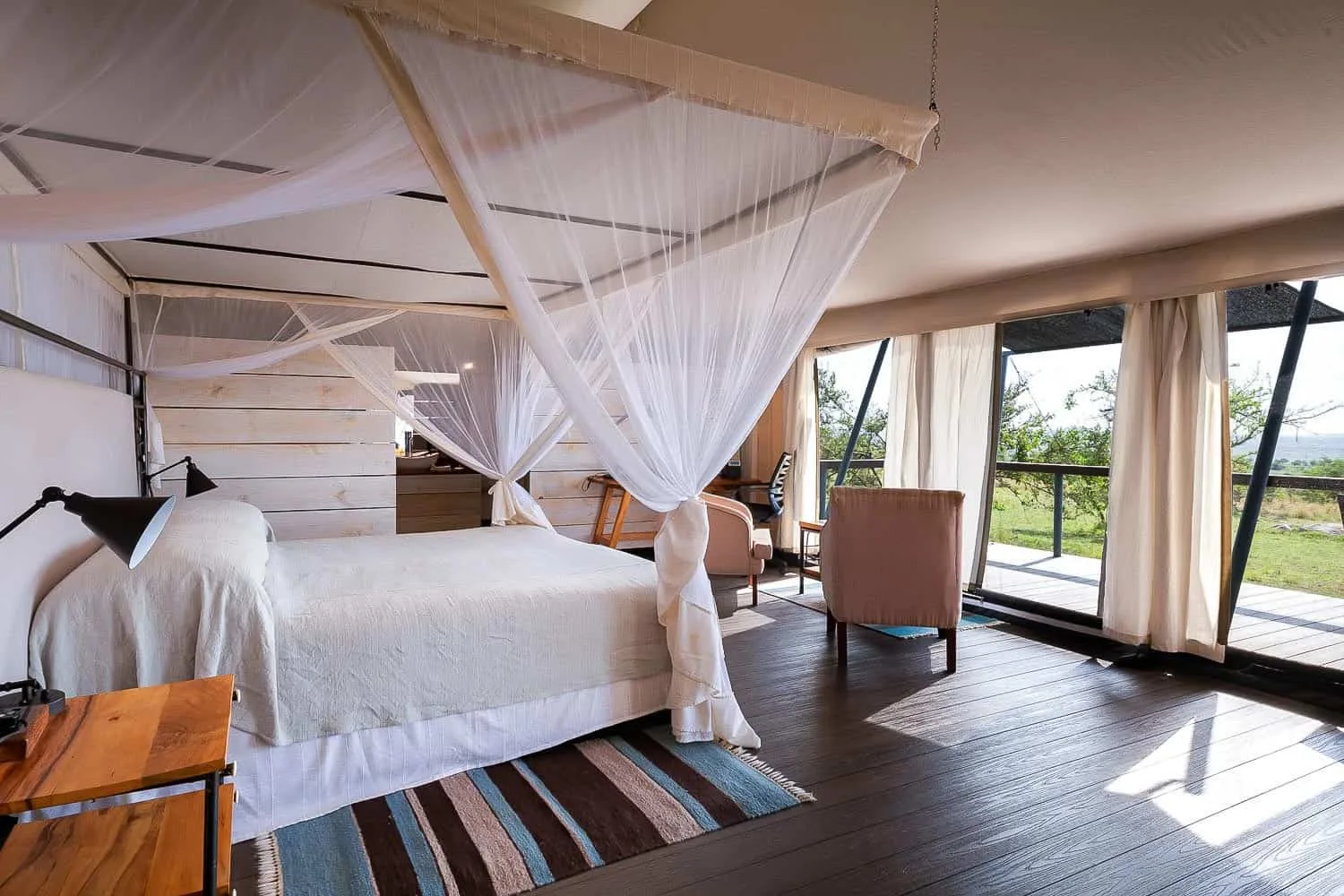
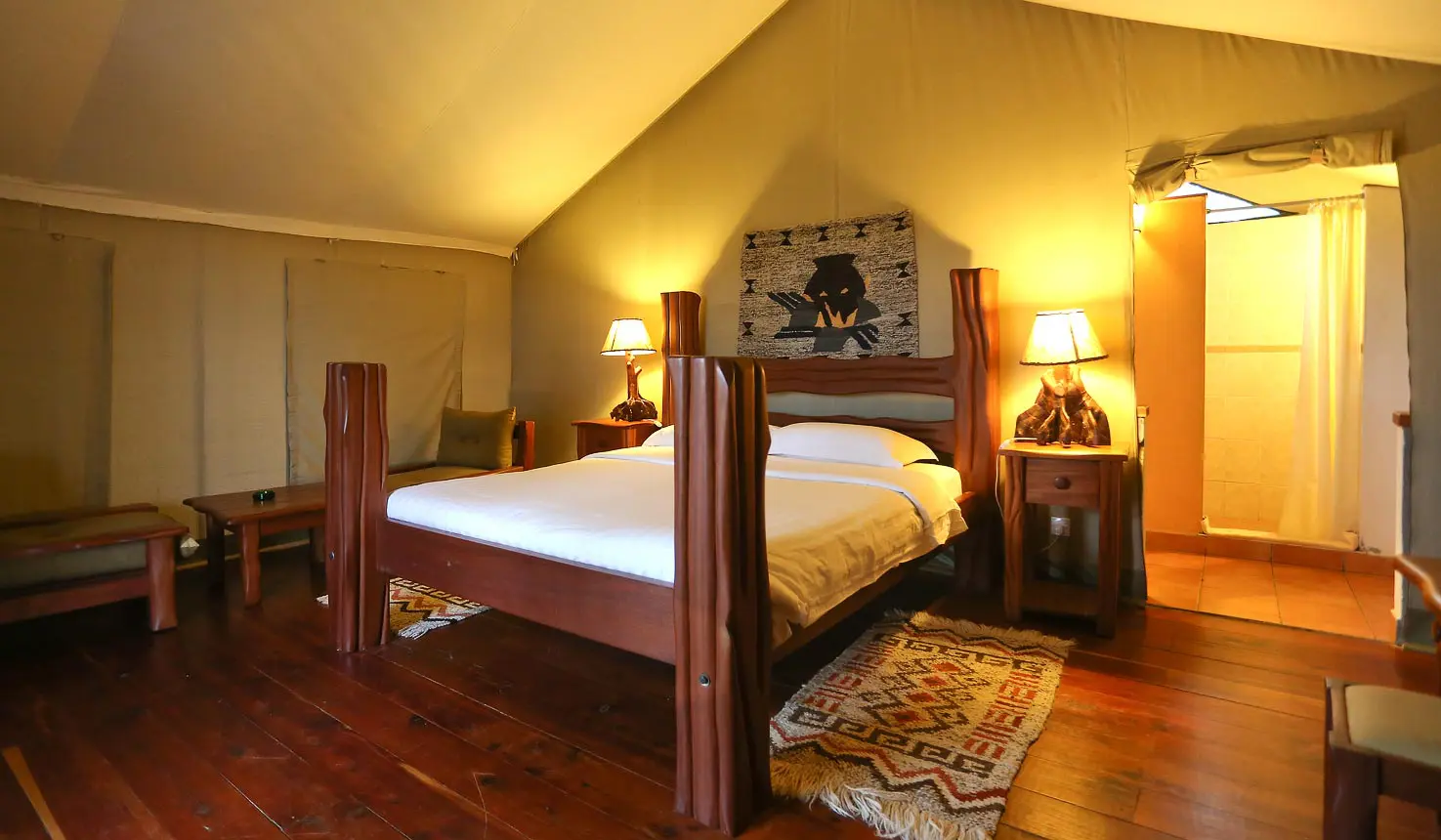
- Premium (Luxury)
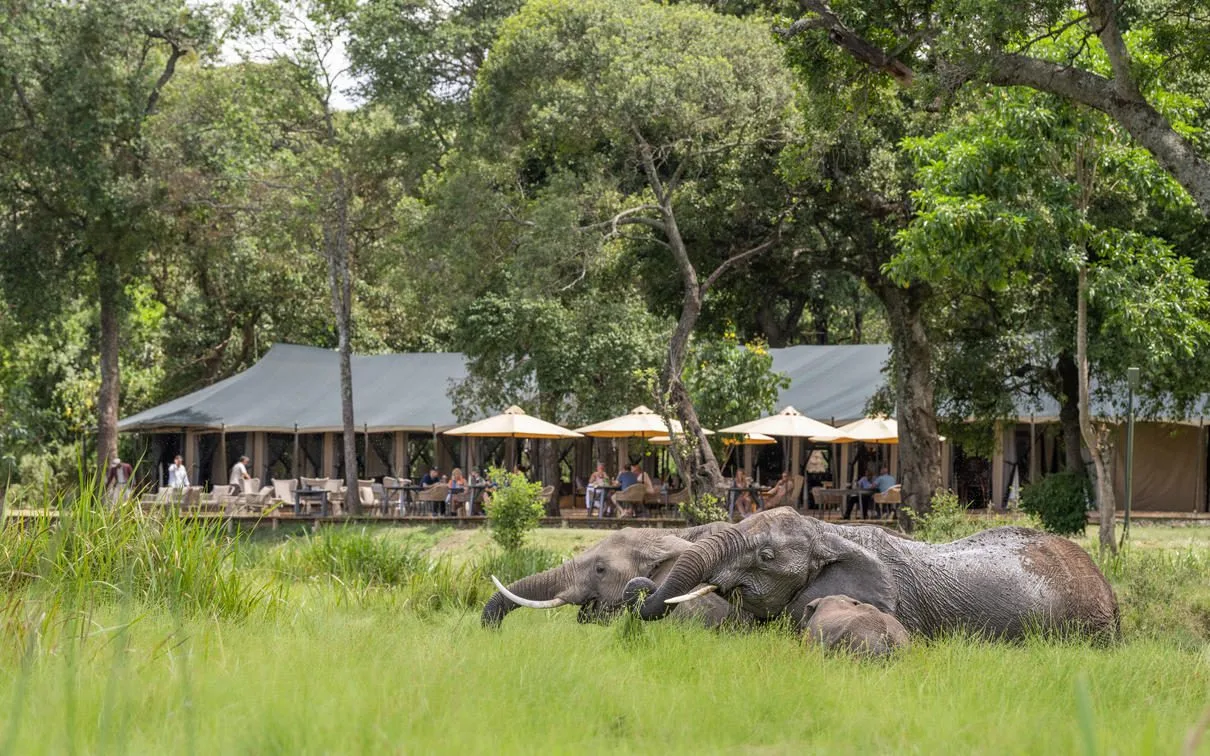
- Signature (High-end)
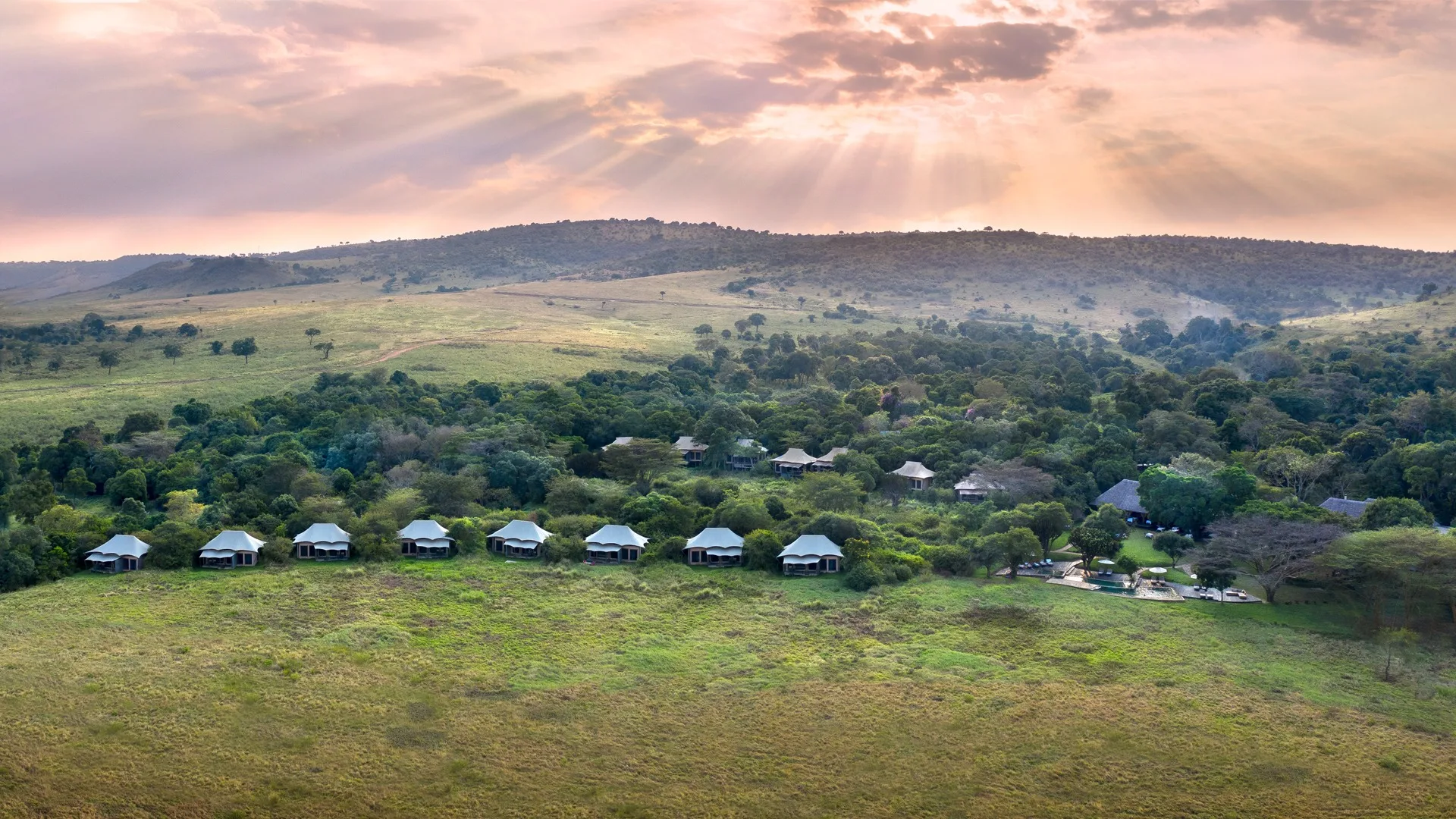
Day 2: Nairobi to Amboseli – First Afternoon Photography Session - Main destination
- Masai Mara National Reserve
- Meals
- Breakfast, Lunch, Dinner
After breakfast, depart Nairobi for Amboseli National Park. The drive moves south toward the Kenya–Tanzania border and introduces the increasingly open landscapes associated with the Amboseli ecosystem. Arrive at your selected lodge or tented camp and check in. Photographers should ideally stay in accommodation providing practical access to productive wildlife-viewing areas.
After lunch and a short rest, prepare equipment for the first afternoon drive. Amboseli is one of Africa's most recognizable photographic locations, and the combination of elephants, open plains, wetlands and Mount Kilimanjaro provides countless possibilities. The afternoon session can concentrate on elephants. Rather than simply driving close to a herd, the guide can evaluate:
- Direction of movement
- Light position
- Mountain visibility
- Dust
- Background clutter
- Potential crossing points
If elephants are approaching a road or open section, waiting can produce far stronger images than chasing them. Photographic subjects may include: Elephant family groups, Bulls, Buffaloes, Zebras, Wildebeest, Giraffes, Lions, Spotted hyenas, Warthogs, Hippos, Birds.
As the sun lowers, look for opportunities to photograph backlit animals. Dust around elephants can become particularly beautiful under low sunlight. Return to camp after the photographic session.
Photographing Elephants in Amboseli
Amboseli provides exceptional opportunities for both close portraits and environmental photography.
Elephant Portraits
Long focal lengths can isolate:
- Eyes
- Tusks
- Trunks
- Skin texture
- Calves
- Family interaction
Environmental Elephant Photography
Wider compositions can include:
- Kilimanjaro
- Wetlands
- Open plains
- Dust
- Storm clouds
- Other herd members
Environmental photographs often communicate the scale of Amboseli better than tight portraits.
Where you stay
Day 3: Full-Day Amboseli Photography Safari - Main destination
- Masai Mara National Reserve
- Meals
- Breakfast, Lunch, Dinner
Wake before dawn, have coffee or tea and leave camp early enough to reach a productive location before sunrise. The photographer's objective is not simply to see Kilimanjaro. It is to place wildlife intelligently within the scene if conditions cooperate. Kilimanjaro is often clearest early in the morning, and cloud can develop later.
Your guide may identify elephant routes or open areas where wildlife could cross with the mountain behind them. Patience is essential. You may wait for a considerable period before animals move into a strong composition, and that waiting is part of photographic safari.
Sunrise Photography
At sunrise, exposure can change quickly. The landscape can move from cool pre-dawn tones to warm golden light within minutes, so photographers should be prepared before animals enter position. Useful considerations include:
- Exposure compensation
- Shutter speed
- ISO
- Lens choice
- Composition
- White balance
- Highlight protection
When action begins, there may be little time to change equipment.
Wetland Photography
Later in the morning, explore Amboseli's marshes. Photographic possibilities can include:
- Elephants feeding in reeds
- Hippos
- Buffaloes
- Egrets around large mammals
- Reflections
- Waterbirds
- Environmental landscapes
Elephants entering water can produce interesting behavioral photographs. Look for interactions between calves and adults.
Observation Hill Landscapes
Observation Hill provides an elevated perspective across sections of the park. Wildlife photographers sometimes become so focused on telephoto subjects that they forget landscape photography. Use wider lenses to capture:
- Wetlands
- Plains
- Herd distribution
- Distant mountains
- Cloud formations
- Changing light
These images give context to the close wildlife portraits captured elsewhere.
Midday Photography
Midday light is often considered poor because it is harsh, but it should not automatically be dismissed. Interesting behavior can happen at any time. Midday can also work well for:
- High-key images
- Black-and-white photography
- Close portraits
- Graphic compositions
- Birds
- Water activity
- Documentary images
If wildlife is inactive, return to the lodge for lunch and equipment management. Use the break to:
- Download images
- Back up files
- Charge batteries
- Clean equipment
- Review the morning session
Return in the afternoon for another long photographic drive.
Sunset Silhouettes
Amboseli can be excellent for silhouette photography. With animals positioned against a clear horizon, expose for the sky and allow the animal to become dark. Possible subjects include: Elephants, Giraffes, Acacia trees, Antelopes, Birds.
A successful silhouette depends heavily on clean separation between the subject and surrounding shapes.
Where you stay
Day 4: Amboseli Sunrise Photography – Transfer to Central Kenya - Main destination
- Masai Mara National Reserve
- Meals
- Breakfast, Lunch, Dinner
Begin with one final early photographic drive. Having more than one sunrise in Amboseli is important because Kilimanjaro visibility varies. If conditions were poor yesterday, today provides another opportunity. If yesterday was excellent, today can focus on different compositions. Look for:
- Elephant silhouettes
- Giraffes beneath Kilimanjaro
- Dust
- Birds in flight
- Predator activity
- Wide landscapes
Return for breakfast and begin traveling toward central Kenya. The transfer provides time to review photographs and mentally reset before the next ecosystem. Spend the night at a convenient central Kenya location and use the evening to back up images. For serious photographers, keeping at least two copies of important files is strongly recommended.
Image Backup Strategy on Safari
Photography safaris can produce thousands of images, and a simple backup strategy can reduce the risk of losing irreplaceable photographs. Consider maintaining:
- Original files on memory cards
- A copy on an external drive
- A second external drive or laptop copy where practical
Do not erase cards immediately after copying unless the backup has been verified. Carry storage devices separately when possible.
Samburu Photography Safari
Where you stay
Day 5: Central Kenya to Samburu - Main destination
- Masai Mara National Reserve
- Meals
- Breakfast, Lunch, Dinner
After breakfast, continue north toward Samburu National Reserve. The photographic environment changes dramatically. The green central highlands gradually disappear, and dry mountains, acacia scrub and rugged landscapes begin to dominate. Samburu can produce photographs that look completely different from Amboseli.
Arrive at your lodge or camp and prepare for an afternoon photographic drive. The Ewaso Nyiro River is a major focal point, and wildlife concentrates around riverine habitat, especially during drier periods. Photograph Samburu's famous northern wildlife.
Grevy's Zebra Photography
Grevy's zebra has extremely distinctive narrow stripes. Photographic possibilities include:
- Tight pattern studies
- Black-and-white conversions
- Herd compositions
- Dusty landscapes
- Interaction between individuals
- Portraits highlighting large ears
Try photographing stripe patterns abstractly rather than always including the entire animal.
Reticulated Giraffe Photography
Reticulated giraffes are among Africa's most visually striking mammals. Their geometric coat patterns work beautifully in:
- Portraits
- Partial-body compositions
- Backlighting
- Environmental images
- Silhouettes
Look for clean backgrounds. A giraffe standing against an empty section of sky can create a powerful minimal composition.
Gerenuk Photography
Gerenuks provide unusual behavioral images. They may stand on their hind legs while feeding, which is far more interesting photographically than a standard standing portrait. The key is patience: rather than immediately leaving after identifying the animal, wait and observe feeding behavior. Return to camp toward sunset.
Where you stay
Day 6: Full-Day Samburu Photography Safari - Main destination
- Masai Mara National Reserve
- Meals
- Breakfast, Lunch, Dinner
Leave early, as morning light can reveal the rich colors of the Samburu landscape. Search riverine areas for elephants. One excellent photographic approach is to remain at an appropriate distance from a herd expected to approach the river. Rather than repeatedly repositioning, allow the animals to move naturally. Possible images include:
- Elephants descending riverbanks
- Drinking
- Bathing
- Dusting
- Family groups
- Reflections
- Backlit spray
Predator photography can also be excellent.
Leopard Photography in Samburu
Leopards frequently use riverine vegetation and trees. If a leopard is located, consider the background before immediately pressing the shutter, because branches can either ruin an image or create atmospheric framing. Photography opportunities may include:
- Leopard resting on a branch
- Eye contact
- Yawning
- Grooming
- Descending a tree
- Walking through riverine habitat
Leopards can remain inactive for long periods. A photographic vehicle should be prepared to wait when conditions suggest movement may occur.
Lion Photography
Samburu's lions can provide environmental images against dry northern landscapes, and morning and evening are particularly productive. Photographic opportunities include:
- Pride interaction
- Cubs
- Portraits
- Yawning
- Grooming
- Walking
- Hunting preparation
- Backlighting
A sleeping lion may appear uninteresting, but patience can produce excellent images when the animal eventually lifts its head, yawns or begins moving.
Bird Photography in Samburu
Bird photographers can find tremendous opportunities, as the region supports dry-country and riverine species. Potential subjects include: Kingfishers, Bee-eaters, Hornbills, Eagles, Vultures, Rollers, Sunbirds, Ostriches.
Use high shutter speeds for birds in flight. For perched birds, consider slower shutter speeds when light becomes limited.
Using Negative Space
Northern Kenya's sparse landscapes work well for minimalist photography. Instead of filling the frame with an animal, place a small subject within a large area of open space. This can emphasize:
- Isolation
- Scale
- Habitat
- Movement
A giraffe or elephant occupying only a small part of the frame can create a surprisingly powerful image.
Where you stay
Day 7: Samburu Sunrise Photography – Transfer to Ol Pejeta / Laikipia - Main destination
- Masai Mara National Reserve
- Meals
- Breakfast, Lunch, Dinner
Begin with a final early drive and focus on species or compositions that remain incomplete. Perhaps you want: Grevy's zebra in early light, Elephant river images, Gerenuk feeding, Reticulated giraffe silhouettes, A predator portrait.
Return to camp for breakfast and depart south toward Ol Pejeta Conservancy or another selected Laikipia wildlife area. The changing landscape provides a useful visual transition. Arrive later in the day and, depending on timing, undertake a short evening photographic drive. Prepare for tomorrow's rhino-focused photography.
Ol Pejeta and Rhino Photography
Where you stay
Day 8: Full-Day Rhino and Conservation Photography - Main destination
- Masai Mara National Reserve
- Meals
- Breakfast, Lunch, Dinner
Wake early and begin photographing the central Kenya landscape. Ol Pejeta offers particularly valuable opportunities for rhinoceros photography, and both black and white rhinos may occur.
Photographing White Rhinos
White rhinos frequently use open grasslands, which can create excellent opportunities for:
- Side profiles
- Environmental portraits
- Family groups
- Grazing behavior
- Dust
- Backlighting
- Wide landscape images
Their broad mouths and massive body shape become clear in side profiles.
Photographing Black Rhinos
Black rhinos are more often associated with browsing habitat. They can be more difficult photographically because shrubs and vegetation may obscure the body. Instead of fighting the environment, use it: vegetation can frame the rhino naturally and communicate habitat. Close portraits may emphasize:
- Horn
- Eye
- Ear
- Skin texture
- Pointed browsing lip
Conservation Photography
Photography can also document conservation rather than focusing exclusively on animal portraits. Where appropriate and permitted, consider images showing:
- Rangers
- Conservation infrastructure
- Protected landscapes
- Human-wildlife coexistence
- Environmental context
Always ask permission before photographing staff or community members. Conservation photography should represent people respectfully and accurately.
Great Rift Valley Photography
Where you stay
Day 9: Lake Nakuru or Lake Naivasha Photography - Main destination
- Masai Mara National Reserve
- Meals
- Breakfast, Lunch, Dinner
After breakfast, continue toward the Great Rift Valley. Depending on the final itinerary, the day can concentrate on Lake Nakuru National Park, Lake Naivasha or a combination determined by logistics. The Rift Valley adds several completely different photographic subjects. At Lake Nakuru, opportunities may include:
- Rhinos
- Buffaloes
- Rothschild's giraffes
- Baboons
- Waterbirds
- Lake landscapes
- Flamingos when present
- Escarpment views
At Lake Naivasha, a boat excursion can provide excellent bird photography.
Photographing African Fish Eagles
African fish eagles are among the most iconic birds around Rift Valley lakes. Photographers may capture:
- Perched portraits
- Calling behavior
- Birds in flight
- Fishing activity
- Silhouettes
- Environmental images
For flight photography, use a sufficiently fast shutter speed and continuous autofocus. Avoid practices that disturb birds or manipulate behavior purely for photographs.
Hippo Photography
Boat excursions can provide different perspectives on hippos, but maintain a safe distance. Potential images include:
- Eyes and ears above water
- Group behavior
- Yawning
- Reflections
- Hippos against lake landscapes
Never encourage a boat operator to approach dangerously closely for a photograph.
Reflection Photography
Calm water can create reflections of:
- Birds
- Hippos
- Shoreline vegetation
- Boats
- Clouds
Early morning generally offers the best opportunity for smoother water and softer light.
Masai Mara Photography Safari
Where you stay
Day 10: Great Rift Valley to Masai Mara - Main destination
- Masai Mara National Reserve
- Meals
- Breakfast, Lunch, Dinner
After breakfast, begin the journey toward the Masai Mara National Reserve. The Mara becomes the photographic climax of the itinerary. Few wildlife areas provide such a combination of:
- Big cats
- Large herbivore herds
- Open landscapes
- River systems
- Dramatic skies
- Sunrise and sunset
- Wildlife behavior
Arrive at your selected lodge or photographic camp. Accommodation location should be chosen carefully, as photographers benefit from reducing unnecessary driving between camp and productive wildlife areas. After lunch and equipment preparation, head out for the first Mara photography session.
First Afternoon in the Mara
Do not try to photograph everything immediately. Work patiently. If you encounter a lion pride, study:
- Light
- Background
- Direction of movement
- Potential interaction
- Position of vehicles
- Possible cub activity
If the lions are inactive, you can decide whether to wait or search elsewhere. Photography is always a balance between patience and opportunity. Return to camp after sunset or according to reserve regulations.
Where you stay
Day 11: Full-Day Masai Mara Predator Photography - Main destination
- Masai Mara National Reserve
- Meals
- Breakfast, Lunch, Dinner
Leave camp before sunrise. This is one of the most important photographic days of the safari. Predators are often most active when temperatures are cooler, and your guide may concentrate on territories associated with lions, cheetahs and leopards.
Lion Pride Photography
Photographing an entire pride requires a different approach from portrait photography. Use wider compositions when:
- Adults and cubs interact
- Multiple animals walk together
- The landscape contributes to the scene
Use telephoto lenses for:
- Facial portraits
- Cub interaction
- Grooming
- Eyes
- Yawning
- Feeding details
Try to anticipate behavior rather than reacting after it happens.
Cheetah Photography
Cheetahs are among the most rewarding animals to photograph. Their behavior often involves long periods of scanning followed by sudden movement. Possible photographic sequences include:
- Standing on termite mounds
- Looking across grassland
- Walking
- Mother and cub interactions
- Hunting preparation
- High-speed pursuit
- Resting after a chase
For action, use fast shutter speeds. Pre-focus and anticipate direction whenever possible.
Photographing a Cheetah Chase
A chase can happen extremely quickly, so camera preparation matters. Before a cheetah begins moving seriously, consider:
- High shutter speed
- Continuous autofocus
- Burst mode
- Wider framing than a static portrait
- Sufficient ISO
- Lens stabilization settings
Do not wait until the chase begins to change every camera setting.
Leopard Photography
Leopard encounters reward patience. A leopard in a tree provides classic imagery, but ground-level movement can be equally compelling. Photographers can look for:
- Eye contact
- Tail movement
- Branch framing
- Backlighting
- Descending
- Walking
- Stretching
- Grooming
- Feeding
Never pressure a guide to disturb a leopard for a better photograph.
Full-Day Versus Split Game Drives
Photographers often benefit from full-day excursions because returning to camp can mean missing behavior. However, the choice depends on wildlife location. A full-day drive is especially valuable when: A predator appears likely to hunt, Migration herds are far from camp, A leopard is active, A cheetah family has been located, Weather is producing dramatic light.
Split drives can be useful when:
- Wildlife is close to camp
- Midday conditions are poor
- Equipment needs charging
- Images need backing up
The itinerary should remain flexible.
Where you stay
Day 12: Second Full Day in the Masai Mara – Behavior, Landscapes and Storytelling - Main destination
- Masai Mara National Reserve
- Meals
- Breakfast, Lunch, Dinner
Today moves beyond simply collecting species. A strong photographic portfolio needs variety, so try to build a visual story. Include:
- Close portraits
- Environmental portraits
- Landscape photographs
- Behavior
- Predator-prey interactions
- Birds
- Details
- Silhouettes
- Backlit images
- Weather
- Tracks
- Herds
- Camp atmosphere where appropriate
This creates a much richer visual narrative than hundreds of similar headshots.
Great Migration Photography
If your safari coincides with the broader migration period, the Masai Mara may contain large concentrations of wildebeest and zebras. Migration photography can include:
- Huge herd landscapes
- Long animal lines
- Dust
- Zebra patterns
- Predator interactions
- River approaches
- Herd movement
- Storm skies
River crossings can produce dramatic images, but they cannot be guaranteed. A photographer should be prepared to appreciate migration behavior even if no major crossing occurs.
Photographing River Crossings
If a crossing begins, the scene can become chaotic, so prepare before animals enter the water. Consider using:
- One camera with a longer lens
- One camera with a wider zoom if available
This avoids losing time changing lenses. Wide images can communicate scale, while tighter images can isolate:
- Jumping wildebeest
- Crocodile interactions
- Water spray
- Zebra patterns
- Individual expressions
Ethical vehicle positioning is essential. Do not encourage guides to block animals or violate reserve regulations.
Backlighting in the Masai Mara
Low sunlight behind an animal can produce:
- Rim light
- Illuminated dust
- Glowing grass
- Translucent ears
- Dramatic silhouettes
Elephants, lions and giraffes can be particularly effective subjects. Expose carefully to protect highlights.
Storm Photography
The Mara can produce spectacular skies. Dark storm clouds combined with sunlight can transform an ordinary wildlife scene. If rain approaches, protect equipment but remain alert. Possible photographs include:
- Wildlife beneath storm clouds
- Rain curtains
- Lightning at a safe distance
- Wet lions
- Reflections
- Rainbows
Weather should be treated as an opportunity rather than automatically a problem.
Black-and-White Wildlife Photography
Some situations translate particularly well into black and white. Good subjects can include:
- Elephants
- Zebras
- Rhino portraits
- Lion faces
- Dust
- Strong textures
- Dramatic skies
Think about tonal contrast while photographing rather than converting randomly afterward.
Low-Angle Photography
A lower perspective can make wildlife photographs feel more intimate. Safari vehicles naturally place photographers above ground level, but certain specially configured vehicles may offer lower shooting positions where allowed and safe. Never leave the vehicle in dangerous wildlife areas to obtain a lower angle. Safety and park rules come first.
Where you stay
Day 13: Masai Mara Sunrise Photography – Return to Nairobi - Main destination
- Masai Mara National Reserve
- Meals
- Breakfast, Lunch, Dinner
Leave camp early for one final photographic session. Rather than chasing a specific species, use the morning to complete the visual story of your safari. Photograph:
- Sunrise
- Open landscapes
- Giraffes
- Elephants
- Herds
- Predators if encountered
- Birds
- Tracks
- Environmental details
The final drive can also be used to revisit species you feel are missing from the portfolio.
Return for breakfast. Afterward, leave the Masai Mara and, depending on the itinerary, travel to Nairobi by road or scheduled domestic flight. Photographers carrying substantial equipment should confirm baggage allowances before choosing a light-aircraft flight. Arrive in Nairobi and transfer to your hotel, then use the evening to make a full backup of the photographic archive.
Where you stay
Day 14: Nairobi – Departure - Main destination
- Masai Mara National Reserve
- Drive time
- Return transfer as outlined in the itinerary
- Meals
- Breakfast, Lunch
Enjoy breakfast at your hotel. Depending on the international flight schedule, the morning can remain free. Photographers may use the time to:
- Organize files
- Back up photographs
- Clean equipment
- Prepare camera bags for international travel
At the appropriate time, transfer to Jomo Kenyatta International Airport. Your 14 Days Kenya Photography Safari concludes. You leave not simply with photographs of animals but with a visual record of several dramatically different Kenyan ecosystems.
Recommended Camera Equipment
There is no single perfect camera system for Kenya, and the best equipment is equipment you understand well. A useful safari setup may include:
Camera Bodies
Two camera bodies can be extremely useful. Advantages include:
- Less lens changing
- Backup if one camera fails
- Ability to switch rapidly between wide and telephoto compositions
A single body can still work perfectly well.
Telephoto Lens
A wildlife telephoto lens is extremely useful. Popular focal-length ranges often include something around:
- 100–400mm
- 100–500mm
- 150–600mm
- 200–600mm
Professional photographers may use prime lenses such as 400mm, 500mm or 600mm lenses. The ideal choice depends on budget, camera system and physical comfort.
Where you stay
03 Rates
Safari rates 2027-2029
Indicative per person. Season, group size and lodge style change the total — your quotation confirms current rates.
- Essential (Budget)
Essential (Budget)
Budget camps and lodges suit travelers who prioritize wildlife while keeping costs lower.
Great value camps
- Comfort (Mid-range)
Comfort (Mid-range)
Mid-range tented camps and lodges balance comfort and price with private rooms or tents and en-suite facilities.
Quoted for your dates
- Premium (Luxury)
Premium (Luxury)
Luxury camps and lodges focus on location, service and more intimate wildlife experiences.
Premium camps and lodges
- Signature (High-end)
Signature (High-end)
Signature camps and lodges are the most exclusive stays — small, highly private properties with exceptional guiding and setting.
Exclusive signature stays
04 Activities
Safari activities
Game viewing is the core of this itinerary. Optional extras are quoted separately and depend on season, permits and availability. Individual species and river crossings are never guaranteed.

Additional information
Plan This Safari
Mid-Range Zoom
A lens covering roughly the medium telephoto range can be extremely useful for elephants, giraffes, landscapes with wildlife and animals approaching close to the vehicle. It may become one of the most frequently used lenses on safari.
Wide-Angle Lens
Do not neglect wide-angle photography. Kenya offers spectacular landscapes. A wider lens is useful for:
- Kilimanjaro
- Mara landscapes
- Storm clouds
- Camps
- Environmental portraits
- Rift Valley scenery
Teleconverter
Teleconverters can extend focal length but may reduce light and autofocus performance depending on equipment. Test your combination before travel rather than experimenting for the first time on safari.
Beanbags
A beanbag is one of the simplest and most useful safari photography accessories. It can support a telephoto lens on:
- Vehicle window
- Roof edge
- Door frame
Some operators provide beanbags. Others require photographers to bring their own empty bag that can be filled locally. Confirm in advance.
Tripods and Monopods
Tripods can be difficult inside standard safari vehicles. Monopods may be easier but are still not always practical. Beanbags and vehicle-mounted supports are often more useful. Photographers intending to use specialist supports should discuss this before departure.
Memory Cards
Bring more memory than you think you need. Wildlife action sequences can consume enormous storage. Fast cards are particularly important for: Cheetah chases, Bird flight, Predator action, River crossings.
Do not depend on purchasing specialized cards in remote safari areas.
Batteries
Bring multiple batteries. Cold early mornings, long game drives, video recording and high burst rates can consume power quickly. Charge whenever electricity is available. Remote camps may operate electricity during specific hours.
Power and Charging
Ask about charging arrangements before choosing camps. Photographers may need to charge:
- Camera batteries
- Laptop
- Phone
- Power bank
- Drone equipment where legally applicable
- External devices
Bring appropriate adapters and multi-port charging equipment where safe.
Drones in Kenya
Drone use is regulated and should never be assumed to be permitted. National parks, reserves, aviation rules and individual properties may impose strict restrictions. Travelers should not arrive expecting to launch a drone over wildlife. Any drone use requires advance research, permits where applicable and full compliance with aviation and protected-area regulations. A conventional photography safari does not require drone footage to produce exceptional images.
Dust Protection
Dust is one of the major challenges for safari camera equipment. Protect cameras by:
- Keeping bags closed
- Avoiding unnecessary lens changes
- Using body caps and rear lens caps carefully
- Cleaning exterior surfaces regularly
- Carrying a blower
- Using rain/dust covers where appropriate
Do not perform aggressive sensor cleaning in a dusty environment unless you know exactly what you are doing.
Rain Protection
Even during relatively dry periods, storms can occur. Carry simple protective covers for cameras and lenses. A lightweight waterproof camera cover takes little luggage space and can protect expensive equipment.
Photographing From the Vehicle
Respect other passengers and the guide. On a private photographic safari, seating can be arranged to maximize shooting freedom. Photographers should avoid:
- Leaning equipment dangerously outside
- Standing when the vehicle is moving
- Blocking the driver's vision
- Sudden loud movement around wildlife
- Leaving equipment unsecured
Long lenses should be supported carefully on rough roads.
Vehicle Configuration for Photography
An ideal photographic vehicle should provide:
- Fewer passengers
- Easy access to both sides where possible
- Pop-up or open viewing
- Charging points where available
- Space for camera bags
- Beanbag support
- Good suspension
- Adequate luggage storage
For dedicated photographers, paying for additional space can be more valuable than upgrading accommodation.
Why Fewer People Per Vehicle Matters
A vehicle filled to maximum tourist capacity can make photography difficult. Passengers may block each other's angles. Camera equipment consumes space. Moving from one side to another becomes difficult. A dedicated photography safari should ideally reduce passenger density. This improves:
- Visibility
- Comfort
- Equipment access
- Composition options
- Speed of response
Photography Guide Versus General Safari Guide
An excellent photographic guide understands both wildlife and image-making. The guide should appreciate:
- Light direction
- Background
- Vehicle angle
- Animal movement
- Lens limitations
- Need for patience
- Ethical positioning
The photographer still makes the image, but good guiding creates opportunities.
Specialist Photography Guide
Serious photographers may choose a specialist photographic guide or workshop leader. This can be particularly helpful for:
- Camera settings
- Composition
- Workflow
- Post-processing
- Advanced behavior prediction
- Portfolio development
The additional cost should be considered according to the photographer's level and objectives.
Photography Safari for Beginners
You do not need to be a professional photographer. Beginners can benefit enormously from a dedicated safari because the slower pace creates time to learn. Before travel, become comfortable with:
- Aperture
- Shutter speed
- ISO
- Autofocus
- Exposure compensation
- Burst mode
- Metering
- Changing focus points
Do not spend the entire safari learning how to access basic camera controls. Practice at home beforehand.
Smartphone Photography
Travelers without large cameras can still create excellent safari images using modern smartphones. Phones work particularly well for:
- Landscapes
- Camp scenes
- Wide wildlife scenes
- People
- Video
- Behind-the-scenes moments
They remain limited compared with telephoto cameras for distant wildlife. A small pair of binoculars is still highly recommended.
Video and Content Creation
Content creators can adapt the safari for a mixture of photography and video. Consider:
- Extra batteries
- Large storage
- Stabilization
- Microphones
- Editing storage
- Vertical and horizontal framing
- Audio recording
Remember that wildlife should not be disturbed for content. Natural behavior remains the priority.
Ethical Wildlife Photography
The best wildlife photograph is not worth disturbing an animal. Photographers should avoid encouraging:
- Excessively close driving
- Blocking animal paths
- Harassing predators
- Surrounding animals
- Calling or baiting wildlife
- Illegal off-road driving
- Flash use where inappropriate
- Noise designed to force eye contact
Ethical photography allows wildlife to behave naturally.
Never Force Eye Contact
Some photographers make noises to get animals to look at the camera. This can alter behavior. A photograph of an animal behaving naturally is often more meaningful than an artificial direct gaze. Follow your guide's advice.
Respect Predator Hunts
If a predator begins hunting, vehicle positioning should be extremely careful.
- Do not block the predator.
- Do not block prey movement.
- Do not race aggressively around the scene.
The objective is to document natural behavior, not influence the outcome.
Wildlife Photography and Crowding
Popular sightings can attract many vehicles. An experienced photographic guide may decide that staying within a chaotic crowd will not produce strong images. Sometimes the better decision is to leave and search for a quieter opportunity. One relaxed cheetah with two vehicles can produce better photographs than a famous lion surrounded by twenty.
Best Time for Kenya Photography Safari
Kenya offers photographic opportunities throughout the year.
January to March
Often excellent for warm light, relatively dry landscapes and general wildlife viewing.
April and May
Rain creates dramatic skies, green landscapes and fewer vehicles in some areas. Mud can complicate access, but photographers may gain unique environmental images.
June
A beautiful transitional period with relatively green landscapes and improving dry-season access.
July to October
Excellent wildlife concentrations and potential migration photography. Dust can create dramatic backlighting. Popular areas may also be busy.
November
Short rains can bring vivid green landscapes and dramatic clouds.
December
Good wildlife photography remains possible, with increasing visitor numbers around festive holidays.
Dry Season Versus Green Season Photography
Dry Season
Advantages include:
- Easier wildlife visibility
- Dust
- Golden landscapes
- Concentrated animals
- Migration opportunities
Challenges include:
- Vehicle crowds in peak periods
- Harsh midday light
- Dust on equipment
Green Season
Advantages include:
- Rich color
- Dramatic skies
- Fewer vehicles
- Young animals
- Excellent birdlife
- Cleaner backgrounds
Challenges include:
- Rain
- Mud
- Dense vegetation
- Reduced access to some tracks
Neither season is inherently superior. They produce different images.
Great Migration Photography
Photographers targeting migration should plan carefully around historical patterns. However, exact herd locations remain governed by natural conditions. A good migration photographic safari prioritizes:
- Multiple Mara nights
- Flexible full-day drives
- Strategic accommodation
- Private vehicle
- Patience
Do not build the entire photographic objective around one guaranteed river crossing because such guarantees are impossible.
Photography Safari for Birders
Kenya is exceptional for bird photography. A two-week route can include:
- Wetland birds
- Raptors
- Savannah species
- Dry-country northern birds
- Waterbirds
- Scavengers
- Colorful bee-eaters and rollers
A bird-focused photographer may prefer a smaller lens with faster autofocus rather than relying entirely on an extremely heavy long prime.
Photography Safari for Couples
Couples can combine a dedicated photo safari with comfortable or romantic accommodation. If only one person is a photographer, discuss pacing carefully. A private vehicle helps balance interests. One partner may prefer waiting with a leopard for two hours while the other may want more varied sightseeing. Customization solves this.
Photography Safari for Families
Older children and teenagers interested in photography can find the journey especially engaging. Give children:
- Their own camera
- Binoculars
- Wildlife checklist
- Photography challenges
Possible challenges include:
- Best elephant image
- Best bird photograph
- Best silhouette
- Best landscape
- Best animal behavior
A private family vehicle provides flexibility.
Luxury Kenya Photography Safari
A luxury version can incorporate:
- Premium camps
- Private conservancies
- Fly-in transfers
- Specialist guides
- Exclusive vehicles
- Fewer passengers
- Premium photographic setups
However, luxury should not compromise the photographic schedule. A spectacular suite is of limited value if its fixed meal times prevent you from remaining with a hunting cheetah. Choose properties that understand flexible safari operations.
Mid-Range Photography Safari
Mid-range camps can provide excellent photographic value. You can allocate more of the budget toward:
- Private vehicle
- Extra nights
- Better location
- Specialist guiding
For many photographers, these investments improve the final images more than an expensive room.
Budget Photography Safari
A budget photographic safari is possible. Use comfortable but simple camps and road transfers while preserving:
- Private or low-density vehicle space
- Early starts
- Long game drives
- Multiple nights
Photography quality depends more on access, time, light and guiding than luxury accommodation.
Road Versus Fly-In Photography Safari
Road Safari Advantages
- Fewer baggage restrictions
- Easier transport of large lenses
- Continuous access to safari vehicle
- Lower cost
- More flexible equipment storage
Fly-In Advantages
- Reduced transfer time
- More time photographing
- Less fatigue
The main disadvantage of light aircraft is baggage restriction. Photographers with heavy equipment should confirm allowances before booking.
Baggage for Photographers
Never assume domestic safari aircraft allow the same baggage weight as international flights. Camera equipment may need special arrangements. When requesting a quotation, state:
- Number of camera bodies
- Largest lens
- Approximate camera-bag weight
- Tripod or monopod requirements
- Laptop
- Additional equipment
This allows flight logistics to be planned correctly.
Clothing for Photographers
Wear practical neutral clothing. Useful features include:
- Pockets
- Lightweight fabric
- Comfortable layers
- Dust resistance
- Quick drying
Early mornings can be cold. Afternoons can become hot. Bring:
- Fleece
- Light jacket
- Hat
- Sunglasses
- Comfortable shoes
- Rain protection
What Is Typically Included?
Depending on the final quotation, the photography safari may include:
- Airport transfers
- Nairobi hotel
- Private safari vehicle
- Professional driver-guide
- Fuel
- Safari accommodation
- Meals according to itinerary
- Game drives
- Park and conservancy fees specified in the quotation
- Drinking water
- Selected boat activity where specified
- Applicable taxes
- Operational support
Photography-specific extras such as specialist guides or exclusive vehicle modifications must be clearly specified.
Typical Exclusions
Unless specifically included:
- International flights
- Kenya entry authorization or visa-related costs where applicable
- Travel insurance
- Camera equipment
- Specialist photography guide
- Additional baggage charges
- Balloon safari
- Optional cultural activities
- Tips
- Premium drinks
- Laundry
- Personal expenses
- Equipment insurance
- Medical costs
Camera Equipment Insurance
Photographers traveling with expensive equipment should consider appropriate insurance. Coverage should address:
- Theft
- Accidental damage
- Loss
- Travel incidents
- International transport
Check the maximum insured value per item. Some general travel policies impose low limits that may not adequately cover professional camera equipment.
Why Kenya Is Exceptional for Photography
Kenya provides a rare combination of subject abundance and landscape diversity. A photographer can move from the iconic wide spaces of Amboseli to the dry northern landscapes of Samburu, from rhino country to Rift Valley lakes and finally to the predator-rich grasslands of the Masai Mara.
The same species can also be photographed differently in different environments. An elephant in Amboseli may be framed against Kilimanjaro. An elephant in Samburu may descend into a dry riverbed. An elephant in the Mara may walk through tall grass beneath a storm sky. That variety is invaluable for building a strong photographic portfolio.
Photography Is About Behavior, Not Just Species
A technically perfect image of a stationary animal is useful. But behavior often creates the photographs people remember. Look for:
- Interaction
- Movement
- Feeding
- Play
- Conflict
- Courtship
- Grooming
- Hunting
- Drinking
- Family bonds
- Communication
A fourteen-day itinerary gives you time to wait for these moments.
Build a Photographic Story of Kenya
Rather than returning home with hundreds of unrelated close-ups, try to create a complete visual story. Include photographs showing:
- Landscapes. Show where animals live.
- Wide Wildlife Scenes. Place animals within their habitat.
- Portraits. Capture detail and personality.
- Behavior. Show interaction and movement.
- Birds. Document Kenya's smaller wildlife.
- Weather. Include dust, rain, clouds and changing light.
- Details. Photograph tracks, textures, vegetation and patterns.
- Conservation. Where appropriate, document responsible wildlife protection.
- Safari Experience. Include discreet photographs of vehicles, camps and daily safari life where appropriate.
This makes the final collection feel like a journey rather than a species catalogue.
Internal Linking Opportunities
Use contextual internal links to the approved SafariTripsToKenya.com pages covering:
- Kenya Safari Packages
- Kenya Photography Safaris
- Amboseli National Park
- Samburu National Reserve
- Ol Pejeta Conservancy
- Lake Nakuru National Park
- Lake Naivasha
- Masai Mara National Reserve
- Kenya Wildlife
- Kenya Big Five Safaris
- Great Migration Safaris
- Elephants in Kenya
- Lions in Kenya
- Leopards in Kenya
- Cheetahs in Kenya
- Rhinos in Kenya
- Birdwatching in Kenya
- Best Time to Visit Kenya
- Kenya Safari Cost
- Private Kenya Safaris
- Luxury Kenya Safaris
- Kenya Travel Guide
Use only the exact mapped URLs in the approved SafariTripsToKenya.com sitemap. Do not invent alternative URLs, rename slugs or alter the approved URL architecture.
Why Choose the 14 Days Kenya Photography Safari?
A wildlife photograph begins long before the shutter is pressed. It begins when the guide notices fresh tracks, when you choose to wait instead of driving away, when the vehicle is positioned so the sun falls across the animal rather than directly behind it, when you anticipate that an elephant herd may cross an open patch, and when you lower the camera for a moment and simply watch a lion pride until you begin understanding what might happen next. Photography rewards patience, and Kenya rewards it even more. Fourteen days gives you the freedom to stop treating each animal as something that must be photographed immediately before moving on, so you begin waiting for the photograph rather than merely collecting proof that the animal was seen. That shift is what separates a photographic safari from an ordinary safari with a camera. In Amboseli, you may wait for elephants beneath Kilimanjaro. In Samburu, you may spend time with a reticulated giraffe until it enters a clean composition. In Ol Pejeta, you may photograph rhinos within the wider conservation landscape. In the Rift Valley, birds and water create entirely different images. And in the Masai Mara, you may remain with lions, cheetahs or leopards long enough to capture behavior rather than only portraits. By the end of fourteen days, you should return with more than memory cards full of wildlife. You should have a visual story of Kenya.
Plan Your 14 Days Kenya Photography Safari
A photography safari should be customized around what you actually want to photograph. Before requesting your proposal, consider your priorities. Are you interested primarily in:
- Big cats?
- Elephants?
- The Great Migration?
- Birds?
- Rhino conservation?
- Landscape photography?
- Video?
- General wildlife?
- Professional portfolio work?
Also provide:
- Preferred travel dates
- Number of photographers
- Number of non-photographer companions
- Camera equipment
- Largest lenses
- Approximate baggage weight
- Preferred accommodation category
- Approximate budget
- Road or fly-in preference
- Need for specialist photographic guide
- Interest in private conservancies
- Interest in migration photography
- Desired number of Masai Mara nights
- International flight details
Safari Trips to Kenya can then design the 14 Days Kenya Photography Safari around the photographic opportunities that matter most to you. The objective is not to rush through Kenya collecting species. It is to create the conditions in which great photographs become possible.
Request your personalized 14 Days Kenya Photography Safari itinerary and quotation.
Recommended Structured Data
Implement relevant structured data including:
- `WebPage`
- `TouristTrip`
- `BreadcrumbList`
- `FAQPage`
Structured data should accurately reflect visible content, and the following should not be fabricated unless genuine site data supports those values:
- Review ratings
- Wildlife guarantees
- Fixed prices
- Departure dates
- Availability
- Migration guarantees
SEO Content Notes
- Primary Search Intent: Photographers and serious safari travelers actively researching or preparing to book a dedicated Kenya wildlife photography safari.
- Primary Conversion Goal: Customized photography safari inquiry.
- Secondary Search Intent: Travelers researching Kenya photography destinations, photographic safari vehicles, camera equipment and the best locations for big-cat, elephant, rhino and migration photography.
- Core Value Proposition: A fourteen-day private Kenya safari designed around light, patience, wildlife behavior, vehicle positioning and repeated photography opportunities across several contrasting ecosystems.
- Key Differentiators: Multiple sunrise and sunset sessions, photography-focused private vehicle, Amboseli elephant landscapes, Samburu northern species, rhino photography, Rift Valley birds and several Masai Mara predator sessions.
- Cannibalization Control: Keep this page specifically focused on the 14 Days Kenya Photography Safari package. Detailed guides to camera equipment, individual wildlife species, photographic techniques, Great Migration photography and individual destination photography should primarily live on their dedicated mapped pages where present.
- Internal Linking Strategy: Link naturally from photographic subjects and destinations to the exact approved wildlife, destination and specialist photography pages.
- Conversion Strategy: Encourage photographers to provide their equipment list and main photographic interests so the inquiry naturally supports selection of the correct vehicle, camp locations, domestic-flight baggage arrangements and guide.
- URL Protection: Preserve `/safari-packages/14-days-kenya-photography-safari/` exactly as mapped in the approved sitemap. Never rename, shorten, optimize or restructure the URL.
Individual species, river crossings and mountain views can never be guaranteed.
Planning Questions
Frequently Asked Questions
Is 14 days enough for a Kenya photography safari?
Yes. Fourteen days is an excellent duration because it provides multiple sunrise and sunset sessions across several different wildlife ecosystems.
Do I need to be a professional photographer?
No. The safari is suitable for enthusiastic beginners, advanced amateurs and professionals.
Is a private vehicle necessary?
It is strongly recommended. Photography requires more time, positioning flexibility and equipment space than standard game viewing.
Which destination is best for photography?
Different destinations provide different strengths. Amboseli is exceptional for elephants and Kilimanjaro, Samburu for northern species, Ol Pejeta for rhinos and the Masai Mara for predators and classic savannah photography.
What lens should I bring?
A flexible telephoto zoom is extremely useful. A medium-range zoom and wide-angle lens add important variety. Exact recommendations depend on your camera system and photographic style.
Do I need two camera bodies?
No, but two can be convenient because they reduce lens changes and provide backup.
Can beanbags be provided?
They can often be arranged. Confirm when booking.
Can I bring a 500mm or 600mm lens?
Yes, but advise the safari planner in advance because large lenses affect vehicle space and domestic-flight baggage.
Is electricity available for charging?
Usually yes, but remote camps may restrict charging to specific hours. Accommodation should be selected with photography requirements in mind.
Can I fly between parks with heavy camera equipment?
Possibly, but baggage limits must be checked before booking. Extra arrangements may be required.
Can I photograph the Great Migration?
Potentially, if your dates coincide with the period when migration herds are in the Masai Mara.
Are river crossings guaranteed?
No. Migration and river crossings are completely natural.
Can we stay out all day?
Yes, where park rules and logistics permit. Full-day drives can be particularly useful for photography.
Can we return late after sunset?
You must comply with park and reserve regulations. Private conservancies may have different activity rules, including night drives in some areas.
Are night drives good for photography?
They can produce unusual opportunities where permitted, although low light makes photography more technically challenging.
Can we photograph from outside the vehicle?
Only where your guide and local regulations specifically permit it. Never leave a vehicle in an unsafe wildlife area for a photograph.
Can I use a drone?
Do not assume drone use is permitted. Kenya has aviation and protected-area restrictions, and advance authorization may be required.
Can I add a beach extension?
Yes. Diani Beach or another Kenya coast extension can be added after the safari.
05 Request Quote
Request Quote
Tell us your dates, group size, and preferred lodge style — we will send a tailored quote for this safari.
Want to extend your safari?
Add Amboseli, Diani Beach, Tanzania and Zanzibar, or gorilla trekking in Uganda or Rwanda — we tailor the journey to your dates.