
9 DAYS / 8 NIGHTS
9 Days Kenya Birding Safari
Plan a 9 Days Kenya Birding Safari with expert guides, game drives and carefully chosen camps. Request a quote.
- Wildlife SafariPrivate Journey
- Private Safari4x4 Vehicle
- Expert GuideEnglish Speaking
- All MealsBreakfast, Lunch, Dinner
- 24/7 SupportWe're here to help
01 Overview
Safari Overview
- Duration9 days / 8 nights
- DestinationKenya
- Starts / endsNairobi
- Safari stylePrivate safari
- AccommodationEssential · Comfort · Premium · Signature
- Best forWildlife viewing, photography
9 Days Kenya Birding Safari – Specialist Birdwatching and Wildlife Tour
The 9 Days Kenya Birding Safari is designed for travelers who want to explore Kenya as one of Africa’s most rewarding birdwatching destinations while still enjoying the country’s exceptional mammals, landscapes and classic safari experiences. Over nine carefully planned days, the itinerary can combine wetlands, savannah, acacia woodland, Rift Valley lakes, montane environments and the open grasslands of the Masai Mara, creating opportunities to record a remarkably diverse range of bird species within a relatively compact journey.
Kenya is particularly attractive to birders because several major ecological zones occur within easy reach of one another. A single safari can move from Nairobi’s highland environment to the wetlands of Amboseli National Park, the Rift Valley lakes, woodland and grassland habitats, and finally the predator-rich savannah of the Masai Mara National Reserve. This habitat diversity supports everything from tiny sunbirds, weavers and cisticolas to eagles, vultures, flamingos, pelicans, hornbills, kingfishers, storks, cranes, bustards and the enormous Somali or common ostrich, depending on the route.
A birding safari is different from an ordinary wildlife safari. The guide does not simply drive rapidly from one large-mammal sighting to another. More time is spent stopping for smaller species, scanning mixed feeding flocks, listening for calls, checking wetland edges, watching raptors overhead and identifying birds that may initially appear very similar. For serious birders, this slower style is essential. At the same time, there is no reason to ignore Kenya’s famous mammals. A well-designed birding itinerary can still include opportunities to see elephants, lions, buffaloes, giraffes, zebras, rhinos, hippos, cheetahs, leopards, wildebeest and other wildlife, although no sighting can be guaranteed.
The 9 Days Kenya Birding Safari can be arranged for:
- Dedicated birders
- Casual birdwatchers
- Bird photographers
- Couples
- Small private groups
- Families with older children
- Naturalists
- Wildlife photographers
- First-time visitors to East Africa
- Travelers combining birding with a general Kenya safari
It can also be customized according to your target species, preferred habitats, level of birding intensity and accommodation budget.
9 Days Kenya Birding Safari at a Glance
A representative itinerary can be structured as:
- Day 1: Arrival in Nairobi – Introductory Birding
- Day 2: Nairobi – Amboseli National Park
- Day 3: Full-Day Amboseli Birding Safari
- Day 4: Amboseli – Great Rift Valley / Lake Naivasha Area
- Day 5: Lake Naivasha and Rift Valley Birding
- Day 6: Rift Valley – Masai Mara National Reserve
- Day 7: Full-Day Masai Mara Birding and Wildlife Safari
- Day 8: Second Full-Day Masai Mara Birding Safari
- Day 9: Masai Mara – Nairobi / Departure
This routing is only a framework. Depending on your interests, the itinerary can be adjusted to include stronger specialist birding areas, additional Rift Valley locations, highland habitats or other approved Kenya destinations.
Why Choose Kenya for a Birding Safari?
Kenya is one of East Africa’s classic birding destinations because of the extraordinary diversity of habitats found within the country. Bird distribution is strongly linked to habitat: a wetland bird will not necessarily occur in dry acacia scrub, a forest specialist may be absent from open savannah, and a highland species may not occur at lower elevations. Kenya allows travelers to move between these habitats relatively efficiently. This creates excellent species diversity during even a nine-day safari.
Kenya’s Major Birding Habitats
A Kenya birding itinerary may include several habitat types.
Wetlands
Wetlands support:
- Herons
- Egrets
- Storks
- Pelicans
- Kingfishers
- Ducks
- Geese
- Jacanas
- Waders
- Flamingos in suitable lakes
- Numerous other water-associated species
Amboseli and Rift Valley lakes can be particularly productive.
Open Savannah
Savannah habitats support species such as:
- Secretary birds
- Bustards
- Ostriches
- Ground hornbills
- Larks
- Pipits
- Raptors
- Vultures
- Rollers
- Starlings
The Masai Mara is excellent for this birding style.
Acacia Woodland
These habitats can support:
- Hornbills
- Woodpeckers
- Barbets
- Weavers
- Sunbirds
- Shrikes
- Flycatchers
- Cuckoos
- Raptors
Riverine Habitat
Rivers and associated woodland may attract:
- Kingfishers
- Bee-eaters
- Herons
- Fish eagles
- Storks
- Woodland birds
- Raptors
Highland and Montane Areas
Higher elevations around central Kenya and Nairobi can produce a completely different bird community. This habitat diversity is one reason Kenya can produce very strong species lists.
How Many Bird Species Can You See?
The exact number depends on travel season, route, guide, weather, birding experience, time spent in each habitat, migratory species present and how intensive you want the safari to be. A dedicated birder usually sees far more species than a general safari traveler because the itinerary deliberately stops for smaller and less obvious birds. However, the quality of birding should not be reduced to a single number. Watching a pair of African fish eagles calling over a lake, finding a secretary bird stalking through grassland or observing a lilac-breasted roller in perfect light can be more memorable than simply adding another species to a checklist.
Resident and Migratory Birds
Kenya has a rich resident bird population, and seasonal migrants add further diversity. Depending on the time of year, visitors may encounter species arriving from other parts of Africa or from farther north. Migration timing varies among species, so the character of a birding safari can change considerably between seasons.
Itinerary
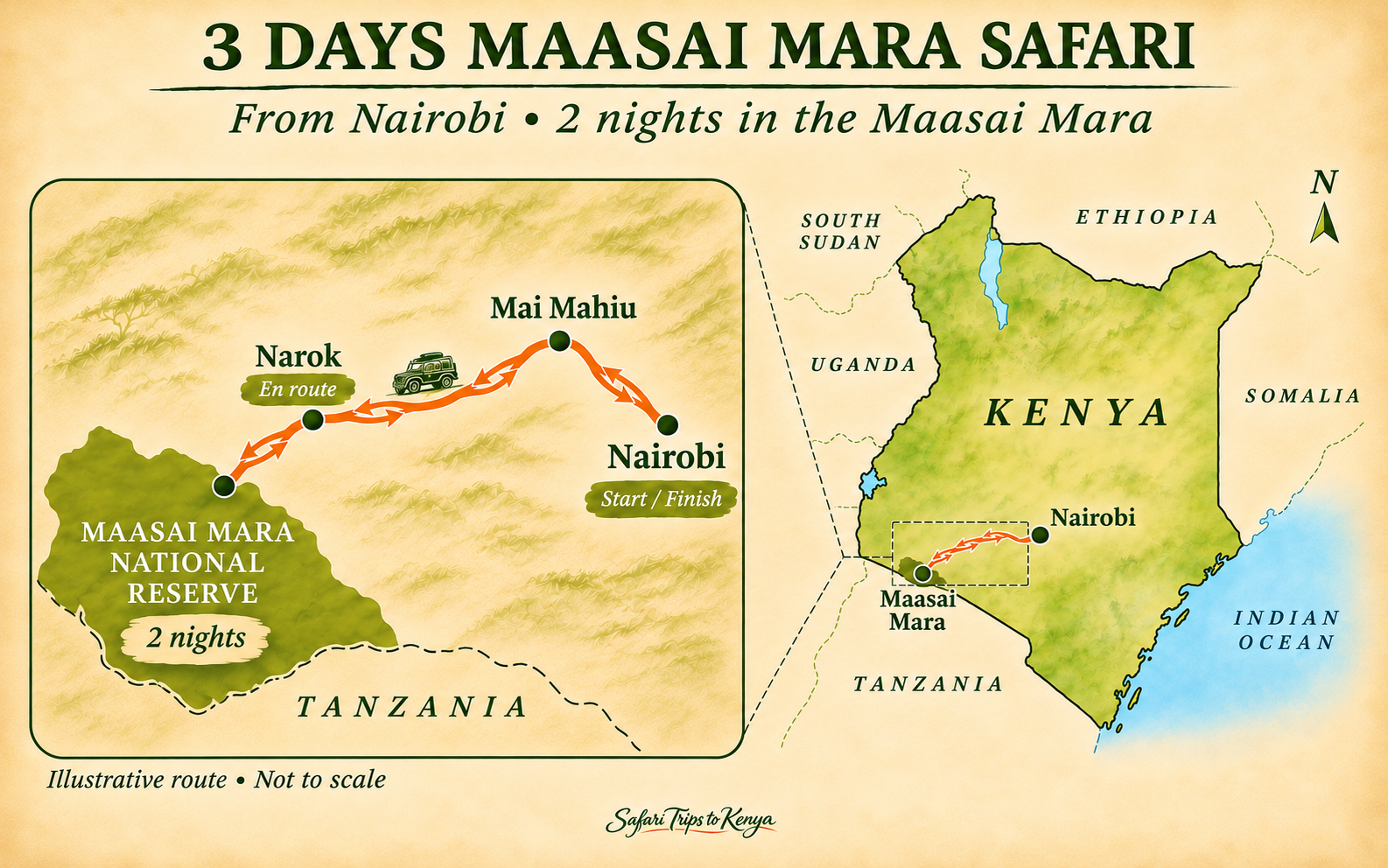
- Day 1:Arrival in Nairobi, introduction to Kenya Birding
- Day 2:Nairobi, amboseli
- Day 3:Amboseli Birding Safari
- Day 4:Amboseli, great Rift Valley / Lake Naivasha Area
- Day 5:Lake Naivasha and Rift Valley Birding
- Day 6:Great Rift Valley, masai Mara
- Day 7:Masai Mara Birding and Wildlife Safari
- Day 8:Second Full, day Masai Mara Birding Safari
- Day 9:Morning game drive – return to Nairobi
02 Itinerary
9 Days Kenya Birding Safari: Detailed Itinerary

Day 1: Arrival in Nairobi – Introduction to Kenya Birding - Main destination
- Masai Mara National Reserve
- Drive time
- Road transfer as outlined in the itinerary
- Meals
- Lunch, Dinner
Your 9 Days Kenya Birding Safari begins in Nairobi. After arrival at Jomo Kenyatta International Airport, meet your representative and transfer to your selected hotel. Depending on your arrival time, the first afternoon can be used for rest or light introductory birding. Nairobi sits at a relatively high elevation and provides a different bird community from the hotter lowland and savannah destinations you will visit later. Even hotel gardens can produce interesting species.
Introductory Birding
Rather than immediately targeting a huge species list, the first outing helps you become familiar with common East African birds. Your guide may introduce:
- Bulbuls
- Weavers
- Sunbirds
- Doves
- Starlings
- Crows
- Raptors
- Flycatchers
- Common garden species
For birders visiting Africa for the first time, even apparently common species can be exciting.
Nairobi National Park Option
If your arrival schedule allows, Nairobi National Park can provide an excellent introductory excursion. The park combines open grassland, woodland, wetlands and dams. Possible birds can include: Secretary birds, Ostriches, Bustards, Raptors, Waterbirds, Larks, Pipits, Weavers, Storks.
The park also contains large mammals, including: Giraffes, Buffaloes, Antelopes, Rhinos, Lions.
This makes it an excellent transition from city to safari, although no wildlife sighting is guaranteed.
Birding Equipment Check
The first evening is also useful for preparing equipment. Check:
- Binoculars
- Camera batteries
- Memory cards
- Field guides
- Notebook
- Bird-listing applications if used
- Charging equipment
- Telescope where appropriate
Discuss your birding goals with the guide. If you have target species, provide the list, as this allows the guide to adjust the route and daily priorities.
Destination: Nairobi
Main experience: Arrival and introductory birding
Accommodation: Nairobi hotel
Meals: According to arrival schedule and hotel plan
Where you stay
- Essential (Budget)
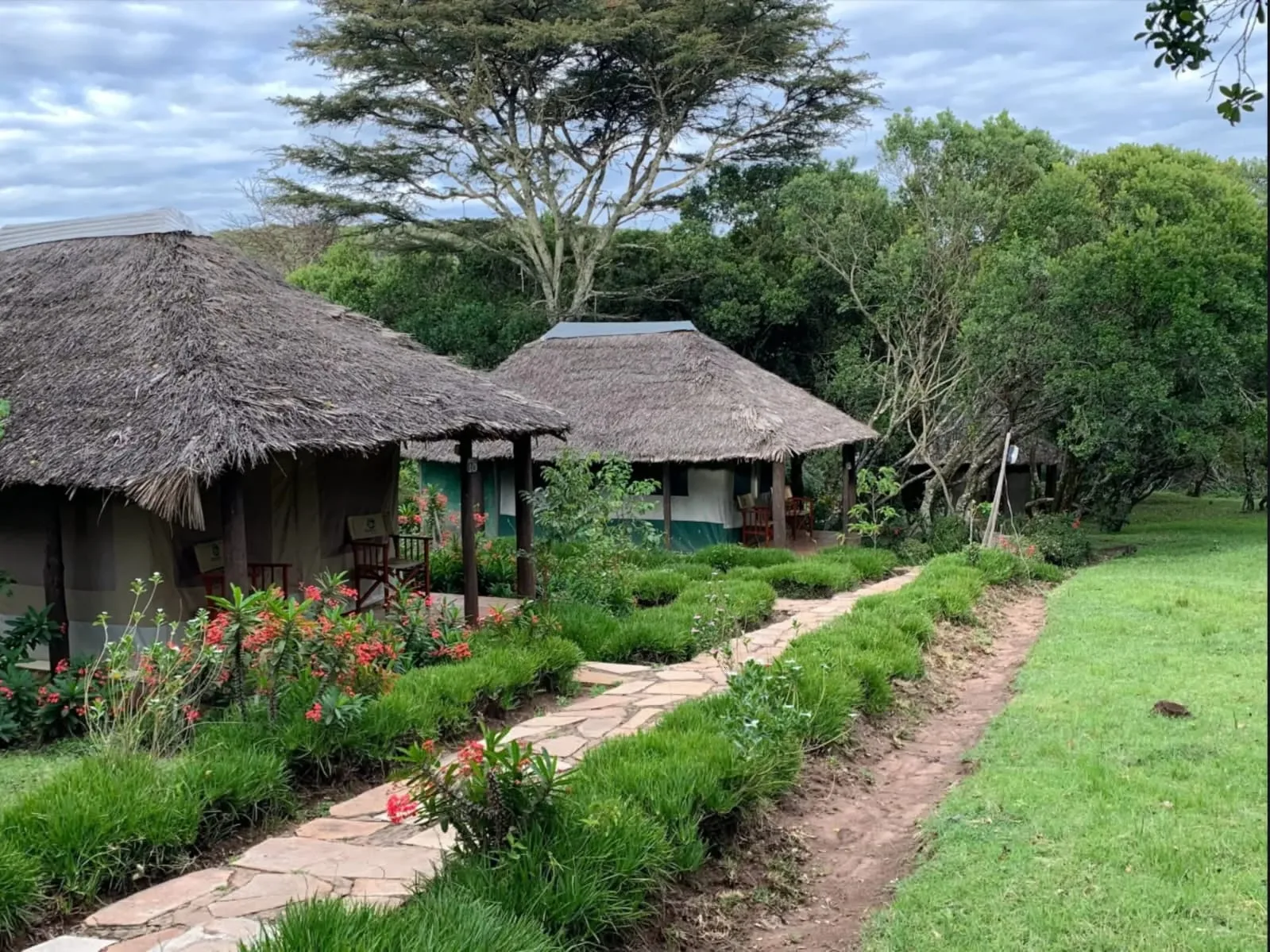
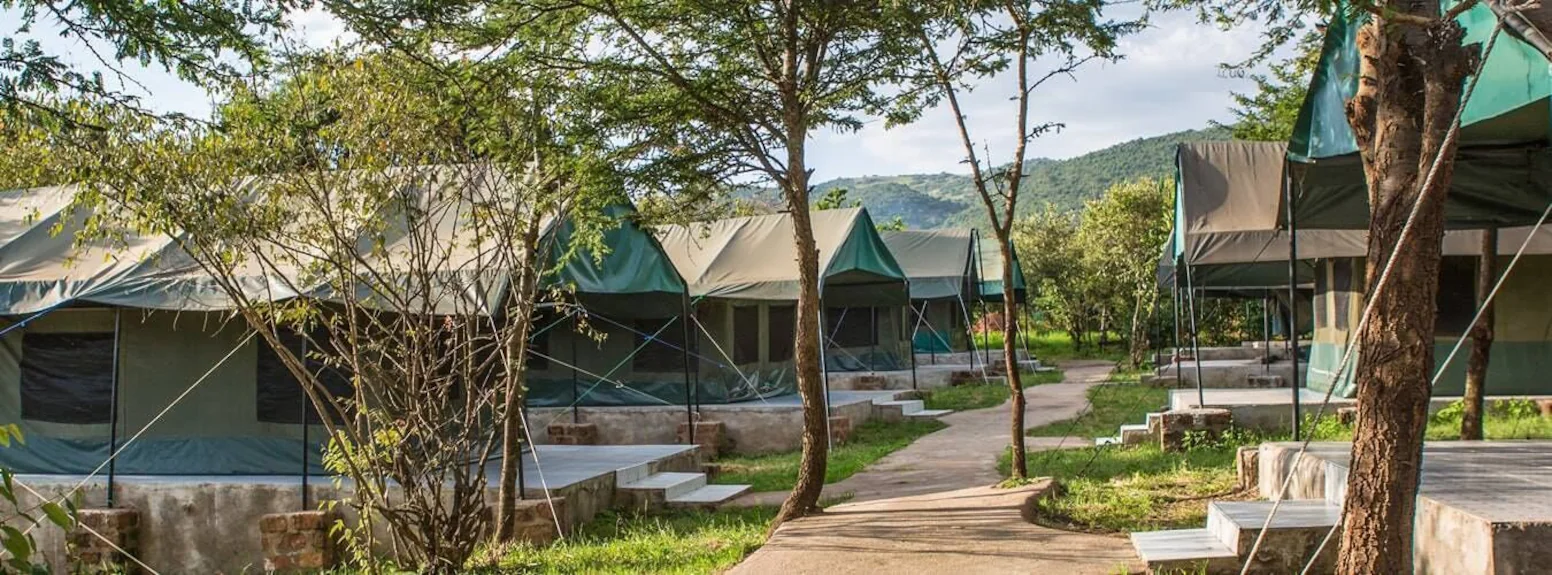
- Comfort (Mid-range)
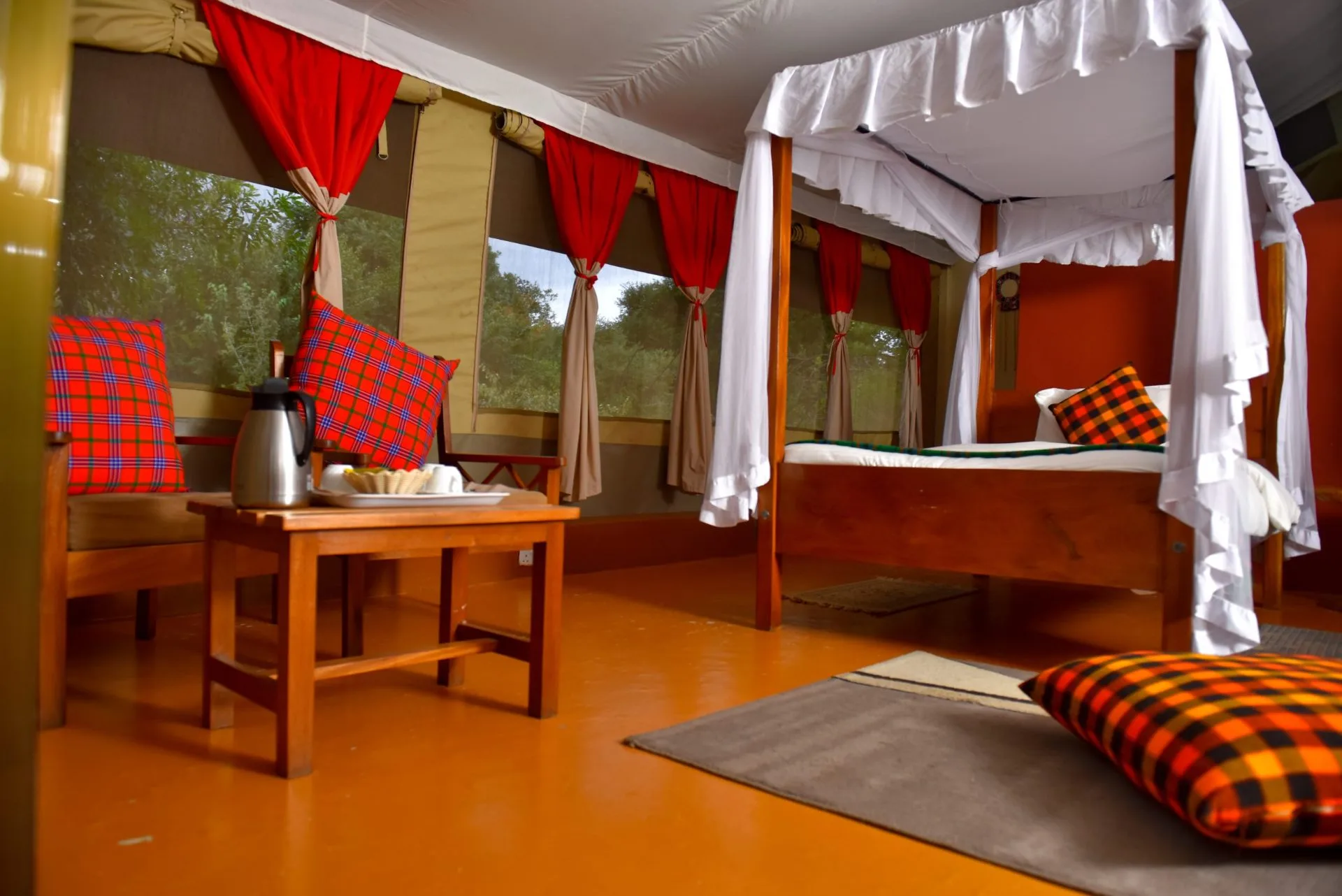

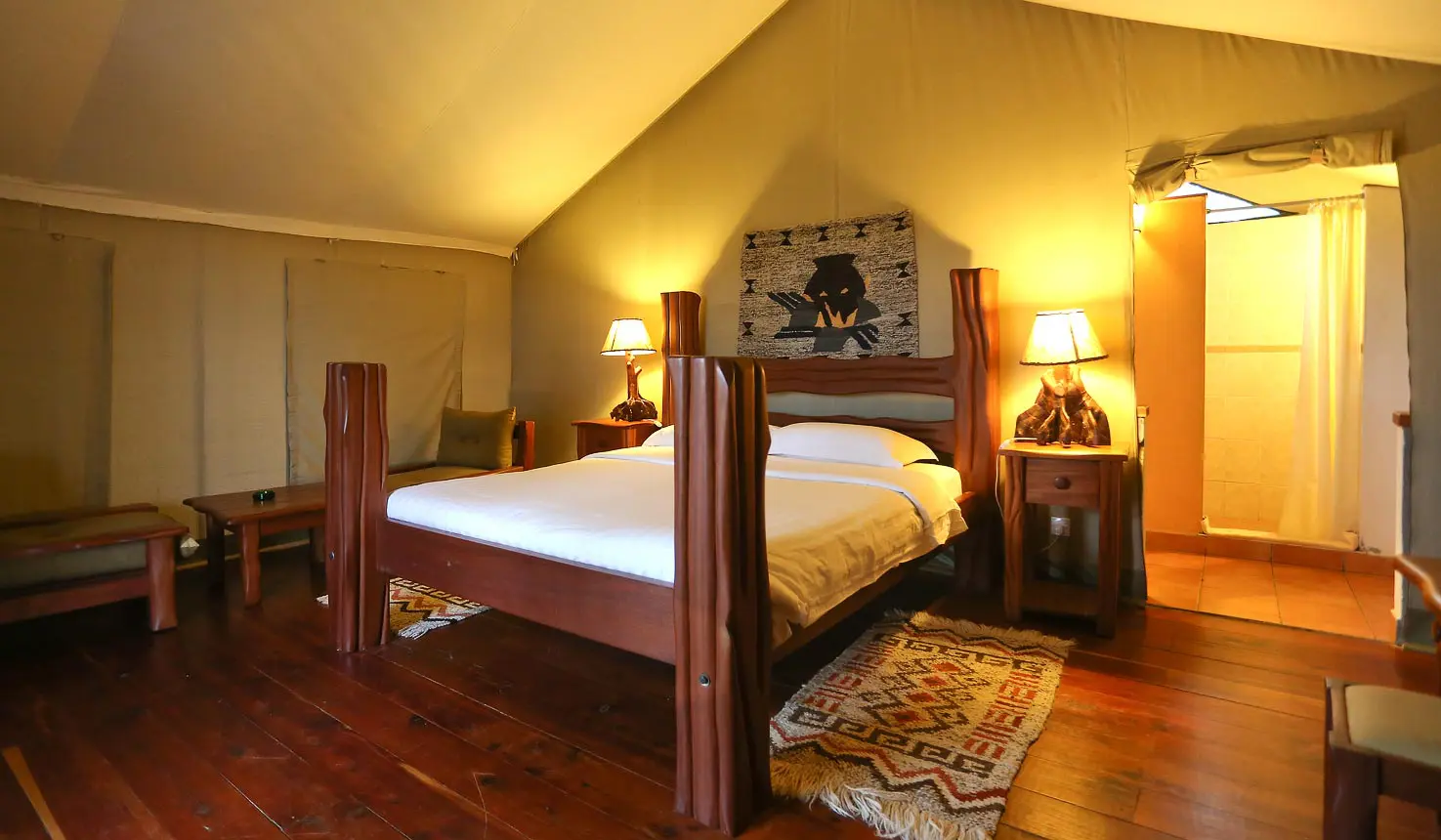
- Premium (Luxury)
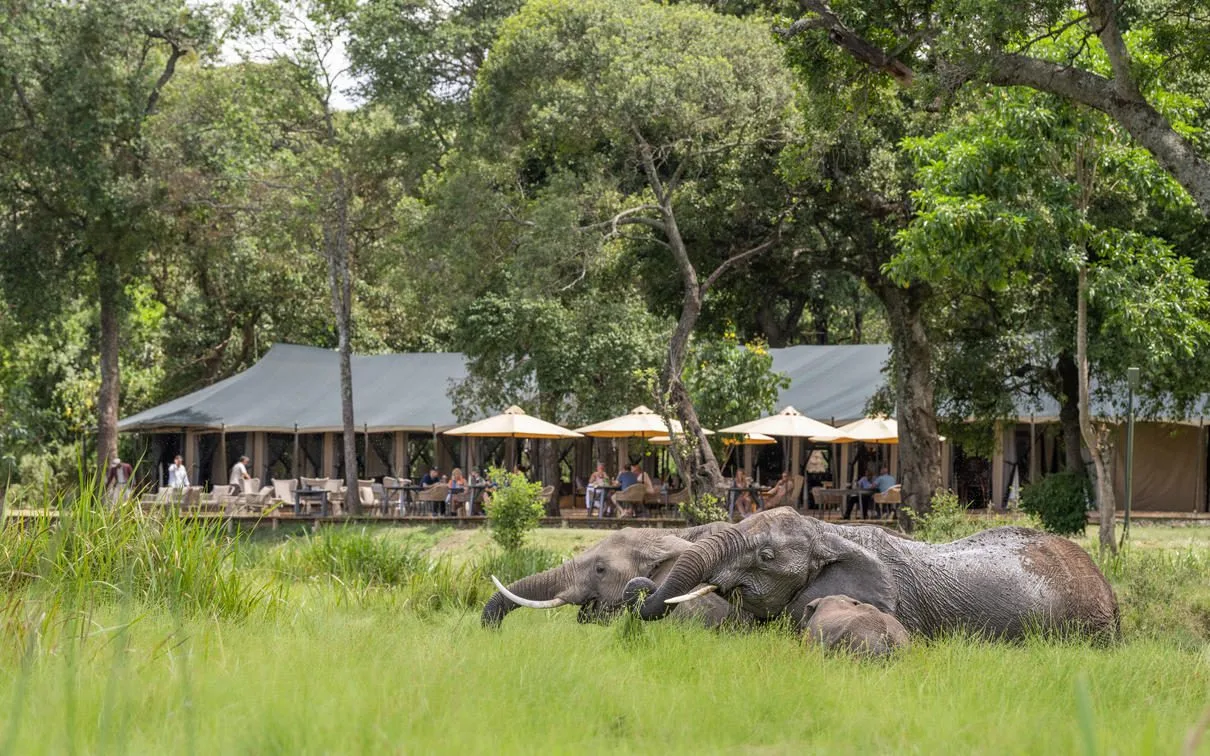
- Signature (High-end)
Day 2: Nairobi – Amboseli National Park - Main destination
- Masai Mara National Reserve
- Meals
- Breakfast, Lunch, Dinner
After breakfast, depart Nairobi for Amboseli National Park. The journey south introduces changing landscapes and provides roadside birding opportunities where safe and appropriate. Birders often begin adding species long before reaching the park. Your guide may point out: Raptors, Storks, Crows, Doves, Weavers, Other common roadside birds.
Do not become overly focused on photographing every roadside species because the strongest birding begins inside the wildlife areas.
Arrival in Amboseli
As you approach Amboseli, the landscape becomes increasingly open, and Mount Kilimanjaro may be visible in the distance, though the view is never guaranteed. After reaching your lodge or tented camp, check in and have lunch. Later, begin your first Amboseli birding safari.
Why Amboseli Is Excellent for Birding
Amboseli contains several contrasting habitats:
- Marshes
- Seasonal lakebeds
- Grassland
- Acacia woodland
- Open plains
- Springs
This habitat diversity produces excellent birding, and the wetlands are particularly productive.
Wetland Birds
Possible species groups can include:
- Herons
- Egrets
- Storks
- Ibises
- Ducks
- Geese
- Jacanas
- Kingfishers
- Waders
- Pelicans
- Other waterbirds
The exact species vary according to season and water conditions.
Raptors
The open landscapes provide excellent opportunities for raptors. Your guide will scan:
- Trees
- Termite mounds
- Utility structures outside protected areas where relevant
- Open sky
- Carcasses
- Grassland
Potential groups include: Eagles, Hawks, Falcons, Vultures.
Raptor identification can be challenging. A specialist guide helps distinguish species by:
- Size
- Wing shape
- Tail shape
- Plumage
- Flight style
- Habitat
Large Ground Birds
Amboseli also offers opportunities for large terrestrial species such as: Ostrich, Secretary bird, Bustards, Ground-associated storks.
These are especially satisfying for bird photographers because they can often be observed in relatively open environments.
Mammals During Birding
Birding does not mean ignoring elephants. Amboseli’s enormous elephant herds often become part of the background while you search for birds. Possible mammals include: Elephant, Buffalo, Lion, Giraffe, Zebra, Wildebeest, Hippo, Hyena, Warthog.
Return to your lodge around sunset.
Destination: Amboseli National Park
Main experience: Transfer and afternoon birding safari
Accommodation: Safari lodge or tented camp
Meals: Breakfast, lunch and dinner
Where you stay
Day 3: Full-Day Amboseli Birding Safari - Main destination
- Masai Mara National Reserve
- Meals
- Breakfast, Lunch, Dinner
Wake early for your first full birding day. Morning is usually one of the best periods for bird activity. Many species feed actively before daytime temperatures rise, and bird calls can also make identification easier.
Dawn Birding
Begin around sunrise. Your guide may initially work through habitats close to your lodge before exploring more distant areas. Birders should expect frequent stops. A general safari vehicle may drive past a small brown bird, but a birding vehicle stops. The guide identifies:
- Shape
- Bill
- Plumage
- Call
- Behavior
- Habitat
This slower pace is central to the experience.
Amboseli Marsh Birding
Spend considerable time around the wetlands. Possible observations may include:
- Egrets feeding near large mammals
- Herons standing motionless beside water
- Kingfishers perched above channels
- Storks searching shallow water
- Jacanas walking over floating vegetation
- Raptors hunting wetland edges
The combination of birds and mammals creates excellent photography. An elephant feeding in a marsh with storks nearby can become a stronger image than a close portrait of either species alone.
Birding and Mount Kilimanjaro
When the mountain is clear, wider environmental compositions become possible, although mountain views are never guaranteed. You may photograph: Ostriches with Kilimanjaro, Secretary birds on open plains, Storks, Eagles, Elephants beneath the mountain.
For photographers, a birding safari can incorporate these environmental scenes rather than focusing only on close-up images.
Acacia Woodland
Move into woodland areas. Potential birds may include:
- Hornbills
- Barbets
- Woodpeckers
- Weavers
- Sunbirds
- Shrikes
- Flycatchers
The exact species vary with habitat. Birds in woodland often require more careful observation than open-country species.
Listening for Calls
Birding is not purely visual. A skilled guide may identify birds long before they appear, and learning several distinctive calls can dramatically improve your own birding ability during the safari. The guide may point out:
- Alarm calls
- Contact calls
- Territorial songs
- Duets
Many species remain hidden in foliage but reveal their presence acoustically.
Picnic Lunch or Lodge Lunch
Dedicated birders may prefer a picnic lunch to maximize time in the field. However, returning to the lodge provides:
- Rest
- Lunch
- Equipment charging
- Birding around lodge grounds
- Swimming
- Time to update your checklist
Many safari lodges themselves are excellent birding locations.
Lodge-Ground Birding
Never assume birding stops when the game drive ends. Hotel gardens can attract:
- Sunbirds
- Weavers
- Bulbuls
- Doves
- Flycatchers
- Starlings
- Small insectivores
Sit quietly with binoculars and observe, as this can produce species missed from the vehicle.
Afternoon Birding
Return to the park later in the day. Raptor activity may increase in certain conditions, waterbirds continue feeding and the softer light improves photography. Finish near sunset and return to the lodge.
Destination: Amboseli National Park
Main experience: Full-day specialist birding and wildlife safari
Accommodation: Same lodge/camp
Meals: Breakfast, lunch and dinner
Where you stay
Day 4: Amboseli – Great Rift Valley / Lake Naivasha Area - Main destination
- Masai Mara National Reserve
- Meals
- Breakfast, Lunch, Dinner
After breakfast, leave Amboseli and travel toward the Great Rift Valley. This is both a transfer and a birding day. The ecological change is substantial, as you move from semi-arid southern Kenya toward wetter and more elevated Rift Valley environments. Depending on timing, safe roadside birding stops may be incorporated.
Arrival in the Lake Naivasha Area
Lake Naivasha provides a completely different birding environment. The freshwater lake and surrounding vegetation attract large numbers of birds. After arriving and checking into your accommodation, begin afternoon birding.
Lake Naivasha Birdlife
Potential species groups include:
- African fish eagles
- Kingfishers
- Herons
- Egrets
- Cormorants
- Pelicans
- Jacanas
- Ducks
- Geese
- Gulls
- Terns
- Other waterbirds
Fish eagles are particularly iconic, and their distinctive calls often become one of the strongest audio memories of an East African safari.
African Fish Eagle
The African fish eagle is one of Africa’s most recognizable raptors. Adults are distinctive with contrasting plumage and powerful hooked bills. They frequently perch near water before swooping toward fish. Watching a fish eagle hunt is an exciting birding encounter, and photographers can spend considerable time waiting for take-off or fishing behavior.
Boat Birding
Where suitable and safely arranged, a boat excursion can provide an excellent way to approach the lake’s birdlife. From the water, you may observe: Cormorants, Kingfishers, Herons, Pelicans, Fish eagles, Other aquatic species.
Hippos also inhabit Lake Naivasha. These are dangerous wild animals and should only be approached at safe distances under professional guidance.
Bird Photography from a Boat
Boat birding can produce excellent images because you are closer to water level. Useful subjects include: Flying fish eagles, Kingfishers, Cormorants, Pelicans, Reflections, Birds against shoreline vegetation.
Equipment should be protected from water. Return to your lodge before evening.
Destination: Great Rift Valley / Lake Naivasha area
Main experience: Rift Valley transfer and freshwater birding
Accommodation: Lodge or hotel
Meals: Breakfast, lunch and dinner
Where you stay
Day 5: Lake Naivasha and Rift Valley Birding - Main destination
- Masai Mara National Reserve
- Meals
- Breakfast, Lunch, Dinner
Today concentrates on the Rift Valley environment. The exact program can be adapted according to your birding interests. Possible activities include lake-edge birding, boat excursions, nearby woodland or grassland habitat and other approved birding sites along the route.
Early Morning Lake Birding
Begin before the wind increases and bird activity changes. Scan shoreline vegetation for:
- Herons
- Egrets
- Kingfishers
- Jacanas
- Small waterbirds
- Waders
- Ducks
Look overhead for raptors.
Woodland Birding
Nearby woodland or acacia habitat can add species absent from the open lake. Potential groups include:
- Woodpeckers
- Barbets
- Flycatchers
- Sunbirds
- Weavers
- Doves
- Shrikes
- Cuckoos
Move slowly, because forest-edge and woodland birds can disappear quickly into vegetation.
Rift Valley Raptors
The combination of open country and cliffs or elevated areas can provide strong raptor opportunities. Your guide scans continuously, and raptor identification often requires watching flight behavior rather than relying only on plumage.
Optional Lake Nakuru Birding
Depending on the finalized route, Lake Nakuru National Park can be included as part of the broader Rift Valley experience. Lake Nakuru offers:
- Waterbirds
- Flamingos when conditions are suitable
- Pelicans
- Raptors
- Woodland birds
- Grassland birds
It also provides excellent mammal viewing.
Flamingos
Flamingos are among the most famous birds associated with Kenya’s Rift Valley lakes. However, their numbers vary dramatically. Flamingo concentrations depend on:
- Water chemistry
- Food availability
- Water depth
- Regional movements
Large numbers should therefore never be guaranteed. Even when flamingo concentrations are low, Rift Valley lakes remain worthwhile birding destinations.
Mammals in the Rift Valley
Birding can be combined with mammals such as: Rhino, Buffalo, Giraffe, Zebra, Waterbuck, Hippo, Baboon, Warthog.
Lake Nakuru, where included, can provide particularly strong rhino opportunities, although sightings are never guaranteed.
Updating the Bird List
The middle of the safari is a good time to review your checklist with the guide. Discuss:
- Species seen well
- Species heard only
- Photographic targets
- Species still missing
- Habitat priorities
The next stage of the journey, the Masai Mara, will add a very different bird community. Return to your accommodation for dinner.
Destination: Great Rift Valley
Main experience: Full-day wetland, woodland and Rift Valley birding
Accommodation: Same lodge or nearby route accommodation
Meals: Breakfast, lunch and dinner
Where you stay
Day 6: Great Rift Valley – Masai Mara National Reserve - Main destination
- Masai Mara National Reserve
- Meals
- Breakfast, Lunch, Dinner
After breakfast, continue toward the Masai Mara National Reserve. The drive itself may produce new open-country species. As the landscape becomes broader, watch for: Raptors, Storks, Bustards, Ostriches, Larks, Other grassland species.
Eventually, you enter the greater Mara ecosystem.
First Impression of the Masai Mara
Most travelers immediately notice the large mammals. Birders notice something else as well: the extraordinary number of birds using the same landscape. A single game drive may produce: Vultures, Eagles, Secretary birds, Bustards, Ground hornbills, Storks, Rollers, Bee-eaters, Ostriches, Larks, Pipits.
These species occur alongside lions, elephants, zebras, wildebeest and giraffes.
First Mara Birding Safari
After lunch and check-in, begin your first game drive. Your guide should balance birding and mammal sightings according to your priorities. A dedicated birder may happily spend fifteen minutes trying to identify a small grassland bird while another safari vehicle drives straight past. That is precisely why a private birding safari is valuable.
Vultures
The Mara is an important landscape for vultures. Possible observations can include several vulture types around carcasses or soaring overhead. Vultures perform a critical ecological role, as they remove carcasses quickly and help reduce disease risks. Their decline across parts of Africa makes sightings particularly significant.
Secretary Bird
The secretary bird is one of the most distinctive savannah birds. Its long legs, crest and terrestrial hunting behavior make it immediately recognizable. Secretary birds walk through grassland searching for:
- Insects
- Small reptiles
- Other small prey
They are highly photogenic.
Rollers and Bee-Eaters
Colorful birds such as rollers and bee-eaters provide excellent photographic subjects. They often perch openly, making them easier to observe than many woodland species. Your guide may stop repeatedly for individuals positioned in good light.
Mammals
The afternoon can also produce: Lion, Elephant, Buffalo, Giraffe, Zebra, Wildebeest, Hyena, Cheetah, Antelopes.
No sighting is guaranteed. Return to camp around sunset.
Destination: Masai Mara National Reserve
Main experience: Transfer and introductory Mara birding safari
Accommodation: Safari lodge or tented camp
Meals: Breakfast, lunch and dinner
Where you stay
Day 7: Full-Day Masai Mara Birding and Wildlife Safari - Main destination
- Masai Mara National Reserve
- Meals
- Breakfast, Lunch, Dinner
Wake early for a complete day in the Mara. Morning bird activity can be excellent. Begin with open grassland and gradually move through riverine and woodland habitats.
Grassland Birds
The Mara’s grasslands can support a wide range of species. Potential groups include: Larks, Pipits, Cisticolas, Bustards, Ostriches, Secretary birds, Ground hornbills, Storks, Raptors.
Small grassland birds can be challenging, and specialist guiding is particularly valuable for identification.
Cisticolas and Other Small Birds
Birders often joke about the difficulty of identifying cisticolas. These small birds can look very similar, so identification may depend on:
- Call
- Habitat
- Tail pattern
- Streaking
- Behavior
- Range
Your guide can slow the process and explain the differences. This is the type of detail that distinguishes a true birding safari from an ordinary game drive.
Raptors of the Mara
Spend time scanning trees and sky. Potential raptor groups include: Eagles, Vultures, Hawks, Falcons.
Some species may be perched while others are best identified in flight. Carrion can attract large numbers of scavenging birds.
Predators and Birds
Large predators create birding opportunities. For example: Vultures may reveal a carcass, Oxpeckers may feed on large mammals, Egrets may follow grazing animals, Small birds may give alarm calls near predators.
Understanding these relationships adds depth to the safari.
Oxpeckers
Oxpeckers are commonly associated with large mammals. They may perch on: Buffaloes, Giraffes, Rhinos, Other large animals.
They feed on ticks and other material from the host animal’s body. These relationships are excellent examples of how birds interact with mammals.
Picnic Lunch
For dedicated birders, remaining in the field with a picnic lunch is often ideal. A full-day outing allows you to explore several habitats without wasting time returning to camp. Bird activity can remain interesting even during midday, especially around water and raptor areas.
Riverine Birding
Move toward river systems and associated woodland. Possible birds can include: Kingfishers, Herons, Bee-eaters, Fish eagles, Woodland species, Raptors.
Hippos and crocodiles may also be present.
Big Cats
The Mara remains one of Africa’s premier big-cat destinations. Your birding safari may still produce the following, although no sighting is guaranteed: Lions, Leopards, Cheetahs.
If a major predator sighting occurs, the itinerary can pause birding temporarily. A private safari is flexible, so you do not need to choose between birds and mammals.
Birding Around Predator Sightings
Predator sightings can also lead to interesting bird behavior. Vultures may gather near kills, small birds may alarm-call around leopards, and ground birds may become alert when carnivores approach. Observing the entire scene rather than focusing only on the predator can be especially rewarding. Return to camp during the evening.
Destination: Masai Mara National Reserve
Main experience: Full-day specialist birding and wildlife safari
Accommodation: Same lodge/camp
Meals: Breakfast, lunch and dinner
Where you stay
Day 8: Second Full-Day Masai Mara Birding Safari - Main destination
- Masai Mara National Reserve
- Meals
- Breakfast, Lunch, Dinner
Your second complete day gives you time to target birds missed yesterday. By now, your guide has a good understanding of your priorities. Perhaps you are still looking for a particular raptor, maybe you want better photographs of secretary birds, or perhaps woodland species were less productive than expected. Today can focus on those gaps.
Early Morning Bird Photography
Sunrise provides soft light, and birds may be more active. Potential photographic subjects include: Rollers, Bee-eaters, Eagles, Secretary birds, Bustards, Ostriches.
Photographers should consider backgrounds carefully. A bird against an uncluttered grassland background often produces a stronger image than a technically closer but messy composition.
Behavioral Birding
Instead of simply identifying species, spend time watching behavior. Possible observations include:
- Courtship
- Feeding
- Territorial displays
- Hunting
- Nest building
- Parent-young interactions
- Scavenger hierarchy
These behaviors can be far more memorable than simply ticking a bird off a list.
Vultures at a Carcass
If a carcass is found, spend time observing the scavenger community. Different species may arrive at different times, and large vultures can dominate smaller species. Hyenas and jackals may compete with birds. The scene illustrates an important ecological process: nutrient recycling.
Great Migration Birding
During appropriate periods, migrating wildebeest can influence birdlife, although herd locations and river crossings are never guaranteed. Large herbivore concentrations create:
- Disturbed insects
- Predator kills
- Carcasses
- Grazing-associated feeding opportunities
Birds may take advantage of this activity, so migration season provides interesting birding beyond the wildebeest themselves.
Optional Hot-Air Balloon Safari
A balloon safari is primarily a landscape and wildlife experience rather than a specialist birding activity. However, it can still be added, subject to weather and operator decisions. The aerial perspective provides extraordinary views over:
- Plains
- Rivers
- Wildlife herds
- Woodland
Birders wanting maximum species numbers may prefer to use the morning for conventional ground-based birding, while couples and general safari travelers may enjoy including the balloon.
Final Afternoon Birding
Spend your last afternoon targeting any remaining species. Your guide may revisit:
- Grassland
- Riverine woodland
- Wet areas
- Acacia habitats
Keep binoculars ready until the final moment, as many birders add an unexpected species immediately before leaving a park. Return to camp for your final safari dinner.
Destination: Masai Mara National Reserve
Main experience: Target-species birding, photography and wildlife
Accommodation: Same lodge/camp
Meals: Breakfast, lunch and dinner
Where you stay
Day 9: Masai Mara – Nairobi and Departure - Main destination
- Masai Mara National Reserve
- Drive time
- Return transfer as outlined in the itinerary
- Meals
- Breakfast, Lunch
Wake for your final morning. If your departure schedule allows, take a short birding drive before breakfast. Early morning around camp can also be productive, so check trees, shrubs and lodge grounds for species missed during previous days.
After breakfast, check out and travel back to Nairobi by road or domestic flight.
Road Transfer
A road return allows additional roadside observations where safe. Your guide may continue pointing out birds until you reach Nairobi.
Where you stay
03 Rates
Safari rates 2027-2029
Indicative per person. Season, group size and lodge style change the total — your quotation confirms current rates.
- Essential (Budget)
Essential (Budget)
Budget camps and lodges suit travelers who prioritize wildlife while keeping costs lower.
Great value camps
- Comfort (Mid-range)
Comfort (Mid-range)
Mid-range tented camps and lodges balance comfort and price with private rooms or tents and en-suite facilities.
Quoted for your dates
- Premium (Luxury)
Premium (Luxury)
Luxury camps and lodges focus on location, service and more intimate wildlife experiences.
Premium camps and lodges
- Signature (High-end)
Signature (High-end)
Signature camps and lodges are the most exclusive stays — small, highly private properties with exceptional guiding and setting.
Exclusive signature stays
04 Activities
Safari activities
Game viewing is the core of this itinerary. Optional extras are quoted separately and depend on season, permits and availability. Individual species and river crossings are never guaranteed.

Additional information
Plan This Safari
Fly-In Return
Flying reduces travel time and is useful for international connections. Upon reaching Nairobi, transfer to Jomo Kenyatta International Airport or your hotel. Your 9 Days Kenya Birding Safari ends after an intensive exploration of Kenya’s wetlands, Rift Valley habitats, savannah and wildlife-rich national reserves.
Important Bird Groups to Look For
The exact species list varies, but several groups are especially rewarding.
Eagles
Kenya supports numerous eagle species. Identification often requires careful attention to:
- Size
- Plumage
- Flight
- Habitat
- Perching behavior
Vultures
Vultures are important scavengers and conservation indicators. The Masai Mara can provide excellent opportunities.
Kingfishers
Wetlands and rivers support several kingfishers. Some feed primarily on fish, while others take terrestrial prey.
Bee-Eaters
Bee-eaters are among Africa’s most colorful birds. They often perch openly and make excellent photographic subjects.
Hornbills
Hornbills occur in woodland and savannah habitats. Their distinctive bills make identification easier than many smaller species.
Storks
Kenya supports numerous storks, particularly in wetland and open-country habitats.
Weavers
Weavers can be extremely common. Their nesting colonies and social behavior are fascinating.
Sunbirds
These small nectar-feeding birds are often associated with flowering plants. They can be challenging to photograph because of their rapid movement.
Bustards
Large bustards occur in open habitats. Their size can surprise first-time birders.
Ostriches
Ostriches are the world’s largest living birds. Different parts of Kenya may provide opportunities for different regional forms or species depending on the route.
Birding and the Big Five
Birders do not need to sacrifice Kenya’s famous mammals. A nine-day itinerary can still provide opportunities for: Lion, Leopard, Elephant, Buffalo, Rhino.
No sighting can be guaranteed. The strongest strategy is to treat mammals as part of the wider ecosystem rather than interruptions to birding.
Birding in Amboseli National Park
Amboseli is particularly strong because it combines:
- Wetlands
- Open plains
- Acacia
- Seasonal lakebeds
Birders can move between these habitats within a relatively compact park. Its elephant populations also create exceptional wildlife photography.
Birding in the Great Rift Valley
The Rift Valley adds water-associated and woodland species. Depending on routing, birding can include:
- Freshwater lakes
- Alkaline lakes
- Woodland
- Grassland
- Cliffs
- Open agricultural landscapes
This dramatically increases species diversity.
Birding in Lake Naivasha
Lake Naivasha is especially productive for:
- African fish eagles
- Kingfishers
- Cormorants
- Herons
- Egrets
- Pelicans
- Jacanas
- Ducks
- Geese
Boat excursions can be rewarding.
Birding in Lake Nakuru
Where incorporated, Lake Nakuru provides:
- Flamingos when conditions permit
- Pelicans
- Waterbirds
- Raptors
- Woodland species
- Grassland species
The park also provides excellent opportunities for rhinos.
Birding in the Masai Mara
The Mara’s reputation for big cats sometimes overshadows its birding value. It is excellent for: Grassland birds, Raptors, Vultures, Secretary birds, Bustards, Ostriches, Ground hornbills, Rollers, Bee-eaters, Storks, River-associated species.
Birding can remain productive from sunrise to sunset.
Best Time for a Kenya Birding Safari
Kenya can provide excellent birding throughout the year. The best period depends on your priorities.
January to March
Can provide:
- Good resident birding
- Warm conditions
- Strong general wildlife
- Excellent photography
April and May
The longer rains can transform the landscape. Advantages include:
- Breeding activity
- Green scenery
- Increased insect activity
- Strong bird vocalization
Road conditions can be more difficult.
June
A useful transition period. Resident birding remains strong.
July to October
Excellent for combining birds with dry-season mammals and Great Migration wildlife in the Mara. Some landscapes become drier.
November and December
Short rains can stimulate breeding activity and bring renewed greenery. Migratory bird presence can add diversity depending on species and timing.
Bird Breeding Seasons
Breeding behavior depends on species and rainfall. Birders may observe:
- Courtship displays
- Nest building
- Territorial songs
- Adults feeding young
- Juveniles
Green-season birding can therefore be particularly rewarding.
Palearctic Migrants
Depending on season, Kenya receives migratory birds from Eurasia. Their presence can significantly expand species lists. Serious birders should discuss migration timing when selecting travel dates.
Resident Birds
Kenya’s resident bird community is exceptional. Even outside peak migrant periods, a nine-day birding safari can be highly productive. This makes the country a year-round destination.
Specialist Birding Guide
A birding safari depends heavily on guiding quality. A good bird guide should be able to:
- Identify birds visually
- Recognize calls
- Understand habitat
- Know seasonal movements
- Distinguish difficult species
- Position photographers
- Explain behavior
- Maintain an organized checklist
Tell us your level of experience before travel. A beginner requires a different guiding style from an advanced birder with a detailed target list.
Birding for Beginners
You do not need to be an expert. A beginner birding safari can focus on:
- Large colorful species
- Easy identification
- Basic bird families
- Behavior
- Photography
The objective is enjoyment rather than maximizing species totals.
Birding for Experienced Birders
Experienced birders may provide a target list. The itinerary can then prioritize:
- Specific habitats
- Early starts
- Longer field days
- Less lodge time
- Smaller species
- Calls
- Regional specialties
Expectation management remains important because no wild bird can be guaranteed.
Bird Photography Safari
Bird photography requires different techniques from large-mammal photography. Birds are:
- Smaller
- Faster
- More likely to fly
- Often partially hidden
- Sensitive to light angle
A private vehicle and patient guide are extremely valuable.
Best Camera Equipment for Bird Photography
Useful equipment can include:
- Camera with fast autofocus
- Telephoto lens
- Zoom lens
- Spare batteries
- Memory cards
- Beanbag
- Lens cleaning equipment
A very long lens is useful, but portability matters on domestic flights.
Photographing Birds in Flight
Birds in flight require:
- Fast shutter speeds
- Good autofocus
- Practice
- Anticipating movement
Large birds such as eagles, storks and vultures are easier starting subjects than small fast birds.
Photographing Perched Birds
Consider:
- Background
- Light direction
- Eye contact
- Branch clutter
- Distance
Patience often improves results. Wait for the bird to move into a cleaner position.
Ethical Bird Photography
Never pressure a guide to disturb nesting birds. Avoid:
- Approaching nests too closely
- Repeatedly flushing birds
- Excessive playback
- Blocking feeding behavior
- Disturbing breeding sites
Bird welfare always takes priority over photographs.
Sound Playback
Playback of recorded bird calls can disturb birds, particularly during breeding. Use should be minimized or avoided according to local ethical standards and guide judgment. Never use playback simply to force a bird into view for a photograph.
Binoculars
High-quality binoculars are essential. A comfortable pair should provide:
- Clear image
- Good low-light performance
- Manageable weight
- Suitable magnification
Many birders prefer binoculars around common birding magnifications, but personal preference matters.
Spotting Scope
A spotting scope can be useful for:
- Distant waterbirds
- Raptors
- Open lake habitats
However, carrying and setting up a scope can slow the safari. It is most valuable on specialist birding itineraries rather than general wildlife trips.
Bird Checklist
Many birders keep a daily checklist. Possible methods include:
- Notebook
- Printed checklist
- Mobile application
- Spreadsheet after the safari
A guide can help confirm difficult identifications.
Birding Pace
Birding safaris move slowly. A distance that takes one hour on a normal safari may take three hours for birders because every habitat transition produces new species. This should be expected rather than viewed as a delay.
Private Vehicle for Birders
A private vehicle is strongly recommended. Shared safari passengers may not understand why you want to stop for:
- Small brown birds
- Distant raptors
- Calls in a bush
- Repeated photographs of the same species
Private travel removes this conflict.
Safari Vehicle Setup
Useful birding features include:
- Pop-up roof
- Large windows
- Easy movement
- Space for binoculars
- Camera storage
- Charging points where available
Vehicle crowding should be minimized.
Birding and Lodge Choice
Accommodation should be evaluated partly for its surroundings. A lodge with gardens, wetlands or woodland can provide productive birding between game drives. Some birders add many species without leaving the property.
Budget Birding Safari
A budget birding safari can still be excellent. Spend money primarily on:
- Good guide
- Private vehicle
- Access to diverse habitats
Accommodation can remain simple.
Mid-Range Birding Safari
Mid-range accommodation offers a strong balance between comfort and value. It can include:
- En-suite rooms
- Hot showers
- Restaurant
- Electricity
- Comfortable beds
- Good locations
Luxury Birding Safari
Luxury birding trips can add:
- Premium camps
- Fly-in transfers
- Private vehicles
- High-end photography support
- Excellent dining
However, a high room rate does not automatically improve species numbers. Guiding and habitat access remain more important.
Birding Safari for Couples
Couples can combine intensive birding with relaxed safari time. One partner does not necessarily need to be an expert birder. The itinerary can balance:
- Birds
- Mammals
- Landscapes
- Lodges
- Photography
Family Birding Safari
Families with children interested in nature may enjoy birding. Children often respond particularly well to: Large colorful birds, Ostriches, Eagles, Kingfishers, Rollers, Flamingos, Secretary birds.
Extremely intensive checklist-style birding may be less suitable for younger children.
Birding and Great Migration
Traveling during migration season creates an opportunity to combine birding with the Great Migration, although herd locations and river crossings are never guaranteed. The Mara remains excellent for birds even when attention is focused on wildebeest. Scavenger activity can be particularly interesting.
Birding and Rhino Safari
Lake Nakuru or other approved rhino destinations can create an excellent combination. You may spend part of the day identifying waterbirds and then encounter a rhino nearby. This combination is one of Kenya’s great strengths.
Birding and Elephant Safari
Amboseli provides the perfect example. Birders can watch marsh birds while elephant herds feed in the same habitat. The result is a complete ecosystem experience.
Best Clothing for Birding
Wear:
- Neutral lightweight clothing
- Long trousers
- Long-sleeved shirts
- Fleece
- Light jacket
- Comfortable shoes
- Hat
Quiet, practical clothing is preferable. Bright clothing is not automatically disastrous, but neutral colors are generally more suitable for nature observation.
Early Morning Temperatures
Birding often begins at dawn. Some destinations can feel surprisingly cool. Carry layers. The day can warm quickly after sunrise.
What to Pack for a Kenya Birding Safari
Recommended items include:
- Binoculars
- Field guide
- Bird checklist
- Notebook
- Camera
- Telephoto lens
- Spare batteries
- Memory cards
- Charging equipment
- Power bank
- Neutral clothing
- Warm fleece
- Rain jacket
- Hat
- Sunglasses
- Sunscreen
- Insect repellent
- Personal medication
- Reusable water bottle
- Small daypack
Rain Protection
Birders often remain outside longer than general safari guests. Carry:
- Lightweight rain jacket
- Camera rain cover
- Dry bag or protective pouch
Rain can produce excellent bird activity, so do not automatically view showers as lost birding time.
Bird Field Guides
A Kenya or East Africa bird field guide is useful. Digital applications can also help with:
- Illustrations
- Range maps
- Calls
- Checklists
Do not rely entirely on apps. Observing the bird carefully remains the core skill.
Travel Insurance
Comprehensive travel insurance is recommended. It should cover:
- Medical emergencies
- Trip disruption
- Baggage
- Camera equipment where appropriate
- Domestic flights if included
Photographers with expensive gear may need specialist insurance.
Health Considerations
Seek professional travel health advice before visiting Kenya. Birders may spend long periods near wetlands or outside during dawn and dusk. Use:
- Insect repellent
- Appropriate clothing
- Sunscreen
- Hydration
Carry all necessary medication.
Responsible Birding
A good birding safari respects wildlife. Follow these principles:
- Do not disturb nests
- Avoid excessive call playback
- Keep appropriate distance
- Never feed birds
- Avoid littering
- Follow guide instructions
- Respect protected-area rules
Ethical birding helps protect the species you came to see.
What Is Typically Included?
A representative package may include:
- Nairobi airport pickup
- Private safari vehicle
- Professional birding or naturalist guide
- Eight nights' accommodation
- Meals according to itinerary
- Park and reserve fees specified in quotation
- Birding game drives
- General wildlife viewing
- Drinking water
- Road transfers
- Airport transfer on final day
- Applicable government taxes
Optional boat excursions and domestic flights are included only when specified.
What Is Normally Excluded?
Possible exclusions include:
- International flights
- Kenya entry authorization or visa-related costs where applicable
- Travel insurance
- Domestic flights unless specified
- Optional boat trips unless included
- Balloon safari
- Specialist photography equipment
- Premium beverages
- Laundry
- Gratuities
- Personal expenses
- Activities not stated in the itinerary
Why Book the 9 Days Kenya Birding Safari?
The 9 Days Kenya Birding Safari is designed for travelers who want to look beyond Kenya’s most famous large mammals and appreciate the full richness of its ecosystems. A conventional safari may stop when the driver sees an elephant, while a birding safari may already have stopped five times before reaching the elephant: first for a roller, then for an eagle overhead, then for a group of weavers, then for a kingfisher, and then because the guide heard a call from a bird hidden in woodland. That slower pace changes how you experience the landscape, and you begin noticing layers of activity that many visitors miss: in Amboseli, birds feed around elephants and wetlands beneath Kilimanjaro; in the Great Rift Valley, fish eagles call over lakes while kingfishers watch from shoreline vegetation; and in the Masai Mara, vultures soar over lion country, secretary birds stride through grasslands and colorful rollers perch beside tracks. At the same time, you remain in some of Kenya’s finest wildlife regions, and a birding day may still produce lions, rhinos, elephants, giraffes or cheetahs, so the result is not a safari where birds replace mammals but one where the entire ecosystem becomes visible.
Plan Your 9 Days Kenya Birding Safari
When requesting a customized birding itinerary, provide:
- Travel dates
- Number of travelers
- Birding experience level
- Target species where applicable
- Preferred habitats
- Photography interests
- Accommodation preference
- Budget range
- Desired birding intensity
- Mammal priorities
- Road or fly-in preference
- Interest in boat birding
- Interest in extending the trip
For dedicated birders, we can prioritize early starts, specialist habitats and maximum field time. For couples or families combining birding with general safari, we can balance birds with large mammals, lodge relaxation and photography.
Request a customized 9 Days Kenya Birding Safari quotation and discover Kenya through its wetlands, Rift Valley lakes, acacia woodland, open savannah, spectacular birdlife and world-famous wildlife.
Planning Questions
Frequently Asked Questions
Is Kenya good for birdwatching?
Yes. Kenya is one of Africa’s classic birding destinations because of its exceptional habitat diversity and rich resident and migratory birdlife.
Is nine days enough for a Kenya birding safari?
Yes. Nine days can cover several major habitats and produce an excellent introduction to Kenyan birdlife.
Is this safari only for expert birders?
No. It can be customized for beginners, casual birders or highly experienced birdwatchers.
Can I bring a target species list?
Yes. Providing a target list helps us tailor the route and guiding.
Can every target bird be guaranteed?
No. Birds are wild and sightings depend on season, habitat and daily conditions.
Can we also see mammals?
Yes. The itinerary passes through major wildlife areas and provides excellent opportunities for elephants, lions, giraffes, buffaloes, rhinos and other mammals.
Can we see the Big Five?
Potentially. A route including appropriate destinations provides good opportunities, although no wildlife sighting is guaranteed.
Is Amboseli good for birding?
Yes. Its wetlands, grasslands and acacia habitats make it particularly productive.
Is Lake Naivasha good for birding?
Yes. It is excellent for fish eagles, kingfishers, herons, cormorants and other water-associated species.
Can we see flamingos?
Possibly at suitable Rift Valley lakes, but concentrations fluctuate and cannot be guaranteed.
Is Lake Nakuru worth including?
Yes, particularly for waterbirds, flamingos when present, woodland birds and rhino viewing.
Is the Masai Mara good for birds?
Yes. It is outstanding for raptors, vultures, secretary birds, bustards, ostriches, rollers, bee-eaters and grassland species.
Can we see vultures?
Yes. The Masai Mara is one of the stronger areas on this route for vulture observation.
Can we see secretary birds?
Yes. Open savannah destinations such as Amboseli and the Mara provide opportunities.
Can we see African fish eagles?
Yes, especially around suitable lakes and waterways such as Lake Naivasha.
Can we do boat birding?
Yes. Boat birding can be incorporated at appropriate lakes where available.
Is a private vehicle necessary?
It is strongly recommended for dedicated birders because you can stop whenever needed.
Do we need a specialist bird guide?
For serious birding, yes. A specialist guide significantly improves identification and species diversity.
Can bird calls be used for identification?
Yes. Calls are important, especially for difficult or hidden species.
Do guides use playback?
Ethical use should be very limited and avoided where it may disturb birds, particularly during breeding.
Can we photograph birds from the safari vehicle?
Yes. The vehicle often provides an excellent photography platform.
What lens should I bring?
A telephoto lens is highly useful, while a medium zoom can be helpful for larger birds and environmental photographs.
Can we bring a spotting scope?
Yes, especially for dedicated birding, although it can be cumbersome on general safari drives.
What is the best month for birding?
There is no single best month. Resident birding is strong year-round, while rainfall and migrant seasons create different opportunities.
Is the rainy season good for birding?
It can be excellent because birds may be breeding, vocal and surrounded by greener habitats.
Can we combine birding with the Great Migration?
Yes. July-to-October travel can combine Mara birding with potential Great Migration wildlife.
Is birding suitable for photographers?
Yes. Kenya offers outstanding bird photography.
Can we spend more time at lakes?
Yes. The itinerary can be customized toward wetland birding.
Can we include more forest birding?
Yes. The route can be modified to include stronger forest or highland birding destinations where they exist in the approved itinerary structure.
Can families join?
Yes. Nature-focused families can enjoy the safari, though highly intensive birding may need to be moderated for younger children.
Can the itinerary be made luxury?
Yes. Premium accommodation and fly-in transfers can be added.
Is a budget version available?
Yes. Birding quality depends more heavily on guide expertise and habitat diversity than luxury accommodation.
Can we extend the safari?
Yes. Additional Kenyan birding destinations, beach stays or regional East African extensions can be added.
05 Request Quote
Request Quote
Tell us your dates, group size, and preferred lodge style — we will send a tailored quote for this safari.
Want to extend your safari?
Add Amboseli, Diani Beach, Tanzania and Zanzibar, or gorilla trekking in Uganda or Rwanda — we tailor the journey to your dates.