
6 DAYS / 5 NIGHTS
6 Days Kenya Photography Safari
Join a 6 Days Kenya Photography Safari with private game drives, sunrise and sunset shoots, big cats, elephants, migration wildlife and expert safari guiding.
- Wildlife SafariPrivate Journey
- Private Safari4x4 Vehicle
- Expert GuideEnglish Speaking
- All MealsBreakfast, Lunch, Dinner
- 24/7 SupportWe're here to help
01 Overview
Safari Overview
- Duration6 days / 5 nights
- DestinationKenya
- Starts / endsNairobi
- Safari stylePrivate 4×4 safari
- AccommodationEssential · Comfort · Premium · Signature
- Best forWildlife viewing, photography
6 Days Kenya Photography Safari
A 6 Days Kenya Photography Safari is designed for travelers who want to experience Kenya's wildlife through the camera rather than treating photography as something fitted around a conventional game-drive schedule. The itinerary emphasizes early departures, late-afternoon light, patient observation, flexible vehicle positioning, longer periods at productive sightings and enough time in major wildlife areas for animal behavior to develop naturally.
Photography safaris are fundamentally different from ordinary wildlife tours. On a standard safari, a guide may locate a lion, allow everyone to take photographs and then continue searching for another species. On a photography safari, the most valuable decision may be to remain with that same lion for another hour.
The lion may stand. It may begin walking toward better light. Cubs may emerge. Another pride member may arrive.
The background may improve as other vehicles leave. The sun may move into a more favorable position. An apparently ordinary sighting can become extraordinary simply because the photographer was given enough time. This approach forms the foundation of the 6 Days Kenya Photography Safari.
The itinerary can focus heavily on the Masai Mara, one of Africa's most productive wildlife photography destinations. The ecosystem combines open grasslands, rolling plains, riverine woodland, predator territories and enormous populations of herbivores, giving photographers opportunities to work with lions, leopards, cheetahs, elephants, giraffes, buffaloes, wildebeest, zebras, hyenas and numerous birds. During the appropriate season, the Mara may also host large concentrations associated with the Great Wildebeest Migration, creating opportunities for herd photography, environmental wildlife images, predator-prey interactions and potentially dramatic river activity.
A complementary destination such as Lake Nakuru can then add white and black rhinoceroses, Rothschild's giraffes, buffaloes, birds and Rift Valley landscapes. Alternatively, photographers particularly interested in elephants and landscape compositions can combine the Mara with Amboseli, where elephant herds may be photographed against the immense backdrop of Mount Kilimanjaro when weather conditions cooperate. The itinerary can therefore be customized according to your photographic priorities.
For serious photographers, the most important upgrade is often not the most expensive lodge. It is a private safari vehicle with sufficient space, an experienced guide, flexible game-drive hours and a route designed around light and wildlife rather than a rigid sightseeing checklist.
6 Days Kenya Photography Safari at a Glance
- Duration: 6 Days / 5 Nights
- Safari Style: Private wildlife photography safari
- Starting Point: Nairobi
- Ending Point: Nairobi
- Recommended Core Destination: Masai Mara
Possible Complementary Destinations:
- Lake Nakuru
- Amboseli
- Ol Pejeta
- Lake Naivasha
- Other approved Kenya wildlife areas according to photographic interest
Recommended Photography Route
Nairobi → Masai Mara → Masai Mara → Masai Mara → Masai Mara → Lake Nakuru → Nairobi
Alternative Elephant Photography Route
Nairobi → Amboseli → Amboseli → Masai Mara → Masai Mara → Masai Mara → Nairobi
Photography Priorities
- Sunrise game drives
- Golden-hour photography
- Big-cat photography
- Elephant family behavior
- Predator-prey interactions
- Wildlife portraits
- Environmental wildlife photography
- Bird photography
- Landscape photography
- Great Migration imagery when seasonal
- Patient positioning
- Private vehicle flexibility
What Makes a Kenya Photography Safari Different?
A photography safari is not simply a safari where participants happen to carry cameras. The entire structure should support photography. That includes:
- Departure times
- Vehicle space
- Guide behavior
- Time spent at sightings
- Vehicle positioning
- Light direction
- Background choice
- Camera support
- Charging facilities
- Luggage planning
- Camp location
A good photography itinerary may actually visit fewer parks than a conventional safari because changing destinations every day reduces the amount of time available for quality shooting.
Private Vehicle for Wildlife Photography
A private safari vehicle is one of the most important components. Shared vehicles can work for general sightseeing, but photographers frequently need more flexibility. A private vehicle allows you to remain with one subject for as long as necessary.
With a private vehicle you can:
- Ask the guide to move a few meters forward or backward for a cleaner background
- Wait for another vehicle to leave the frame
- Position the vehicle according to the direction of the morning or evening sun
- Choose to ignore a distant lion report because the elephant family beside you is producing exceptional behavior
This flexibility is central to successful wildlife photography.
Vehicle Space
Photography becomes difficult when every seat is occupied. For serious photographers, fewer passengers per vehicle are preferable. Additional space allows easier movement between:
- Left-side windows
- Right-side windows
- Roof openings
- Front and rear positions
It also provides room for:
- Camera bodies
- Telephoto lenses
- Beanbags
- Backpacks
- Binoculars
- Spare batteries
The ideal configuration depends on the vehicle type and number of photographers.
The Importance of Light
Wildlife photography is highly dependent on light. The softest and most attractive conditions are often around sunrise and late afternoon. Midday light can be:
- Harsh
- Vertical
- High contrast
- Less flattering for portraits
However, midday should not automatically be dismissed. Cloud cover can produce excellent soft light. Predator behavior may occur at any time, and migration events do not wait for golden hour. A photography safari should therefore remain flexible.
Itinerary
- Day 1:Nairobi to Masai Mara, rift Valley Landscapes and First Golden, hour Safari
- Day 2:Masai Mara Photography Safari – Lions, Leopards and Cheetahs
- Day 3:Mara River Photography, hippos, Crocodiles and Great Migration Landscapes
- Day 4:Masai Mara Photography – Elephant Behavior, Birds and Creative Techniques
- Day 5:Masai Mara to Lake Nakuru, rhino Photography and Rift Valley Scenery
- Day 6:Lake Nakuru Morning Photography, final Rhino Session and Nairobi

02 Itinerary
6 Days Kenya Photography Safari: Detailed Itinerary

Day 1: Nairobi to Masai Mara – Rift Valley Landscapes and First Golden-Hour Safari - Main destination
- Masai Mara National Reserve
- Drive time
- Road transfer as outlined in the itinerary
- Meals
- Lunch, Dinner
Your 6 Days Kenya Photography Safari begins in Nairobi.
Your private photography-focused safari driver-guide collects you from your hotel, residence or another agreed location in the morning.
Before departure, spend time discussing your equipment and photographic priorities.
Useful information includes:
- Camera system
- Number of camera bodies
- Longest lens
- Whether you use beanbags
- Whether bird photography is important
- Whether video is a priority
- Whether you prefer portraits or environmental images
- Whether you are comfortable with long game-drive days
This helps the guide understand what kind of positioning and pacing you require.
Camera Equipment Check
Before leaving Nairobi, confirm that essential equipment is accessible.
Do not place every camera and battery deep inside luggage.
Useful items for the vehicle include:
- Main camera body
- Backup camera body
- Telephoto lens
- Medium zoom
- Wide-angle lens
- Binoculars
- Memory cards
- Spare batteries
- Lens cloth
- Beanbag
- Power bank
Keeping equipment organized reduces missed opportunities.
Journey Toward the Great Rift Valley
Leave Nairobi and travel toward the Masai Mara.
Depending on timing and road conditions, stop at a suitable Great Rift Valley viewpoint.
This provides the first landscape-photography opportunity.
Possible compositions include:
- Rift Valley escarpment
- Distant hills
- Layered landscapes
- Roads descending into the valley
- Human settlement within the wider landscape
Landscape photography provides important context for a wildlife portfolio.
Travel Toward Narok
Continue toward Narok and eventually into Maasai country.
Photographers should remain observant even during road transfers.
Rural landscapes may provide documentary opportunities, although photographs of people should always be taken respectfully and with appropriate permission where necessary.
Arrival in the Masai Mara
Reach your accommodation around lunchtime or early afternoon.
Check in and have lunch.
Photography-friendly accommodation should ideally provide:
- Reliable charging
- Secure camera storage
- Easy game-drive access
- Flexible meal arrangements
- Early breakfast options
- Packed meals
- Suitable workspace
After lunch, prepare for your first dedicated photo drive.
First Afternoon Photography Safari
Depart before the best late-afternoon light.
Do not immediately chase every sighting reported by radio.
Instead, begin understanding:
- Light direction
- Landscape
- Current animal activity
- Nearby predator territories
Possible subjects include: Lions, Elephants, Cheetahs, Giraffes, Buffaloes, Zebras, Wildebeest, Topi, Gazelles, Hyenas.
Photographing Lions
If lions are found, assess more than the animal itself.
Look at:
- Background
- Light direction
- Distance
- Vegetation
- Other vehicles
- Pride composition
- Potential movement
A sleeping lion in harsh light may initially appear unproductive.
However, if the sun is dropping and the lion is likely to become active, waiting can be worthwhile.
Lion Portraits
For close portraits, focus on:
- Eyes
- Mane texture
- Facial scars
- Whiskers
- Expression
A shallow depth of field can isolate the subject when vegetation is distracting.
However, do not create only tight portraits.
Environmental images showing the lion within the Mara landscape are equally valuable.
Elephant Photography
Elephants provide enormous photographic variety.
Possible images include:
- Tight portraits
- Full-body portraits
- Family groups
- Calves
- Dust bathing
- Backlit ears
- Silhouettes
- Environmental landscapes
Elephants are particularly effective subjects because they display visible family interaction.
First Golden Hour
As the sun drops, the light becomes warmer and shadows lengthen.
This is the moment to look for:
- Backlit grass
- Dust
- Silhouettes
- Rim light
- Warm portraits
- Giraffes against the horizon
Return to your accommodation after sunset according to applicable wildlife-area regulations.
Back up images where possible.
Accommodation: Photography-friendly Masai Mara lodge/tented camp
Meal Plan: Lunch and dinner depending on arrival arrangements
Photography Focus: Rift Valley landscapes, first Mara wildlife session and sunset photography
Where you stay
- Essential (Budget)
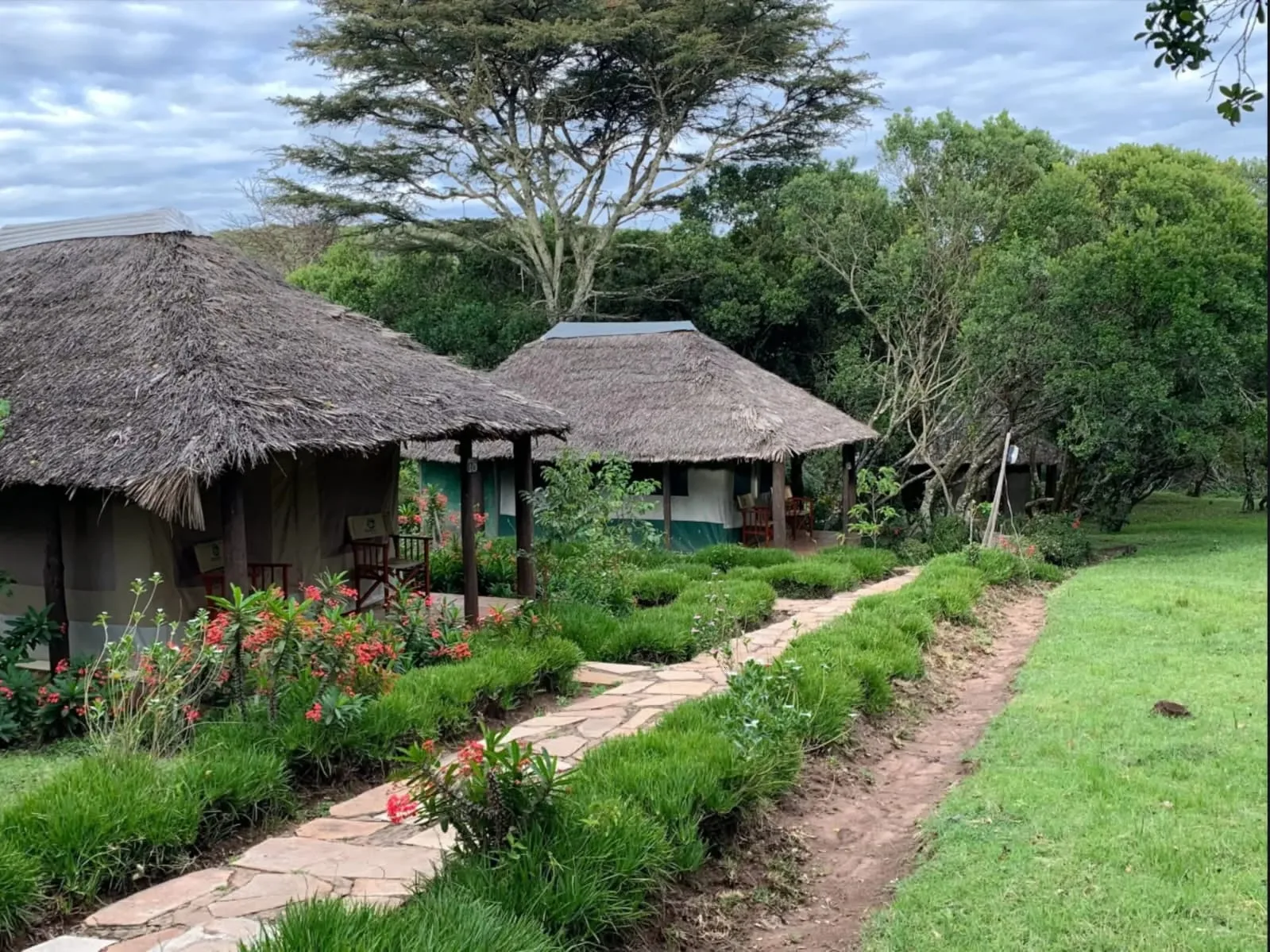
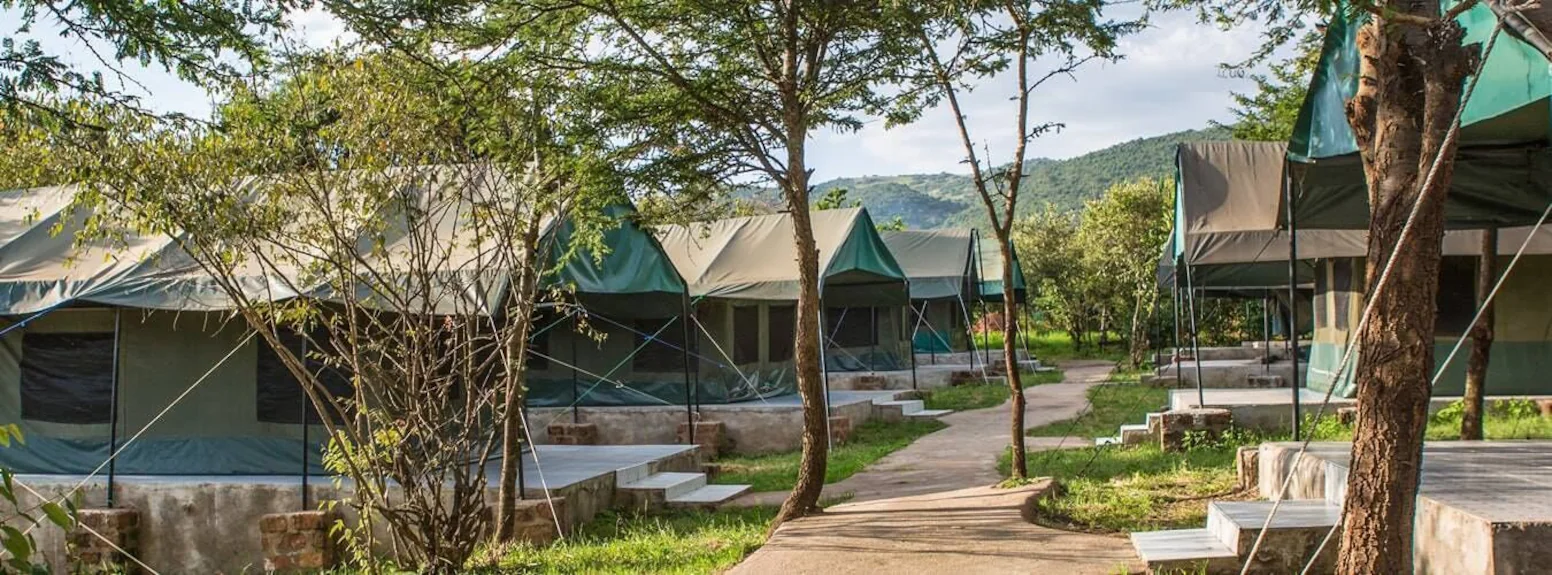
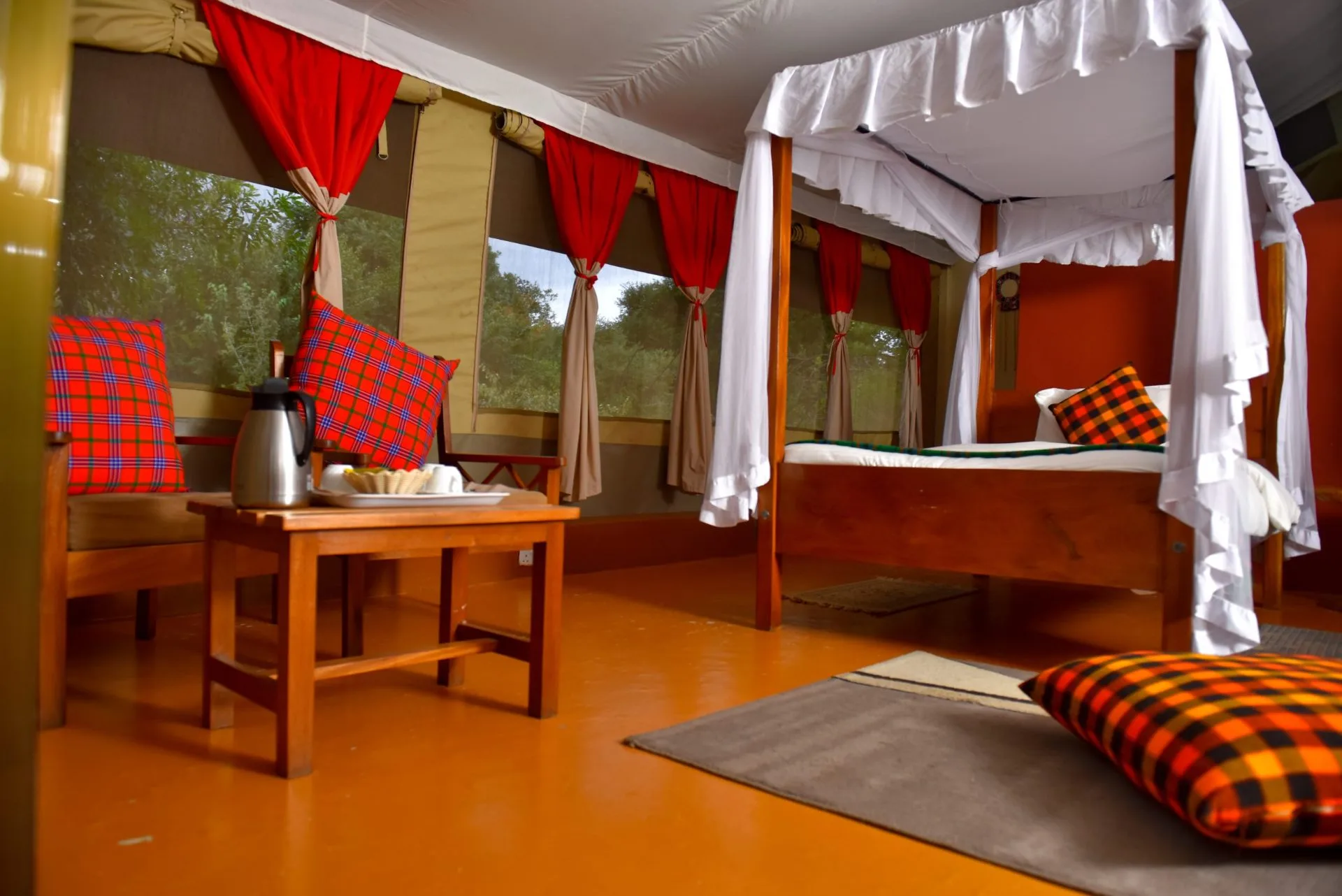
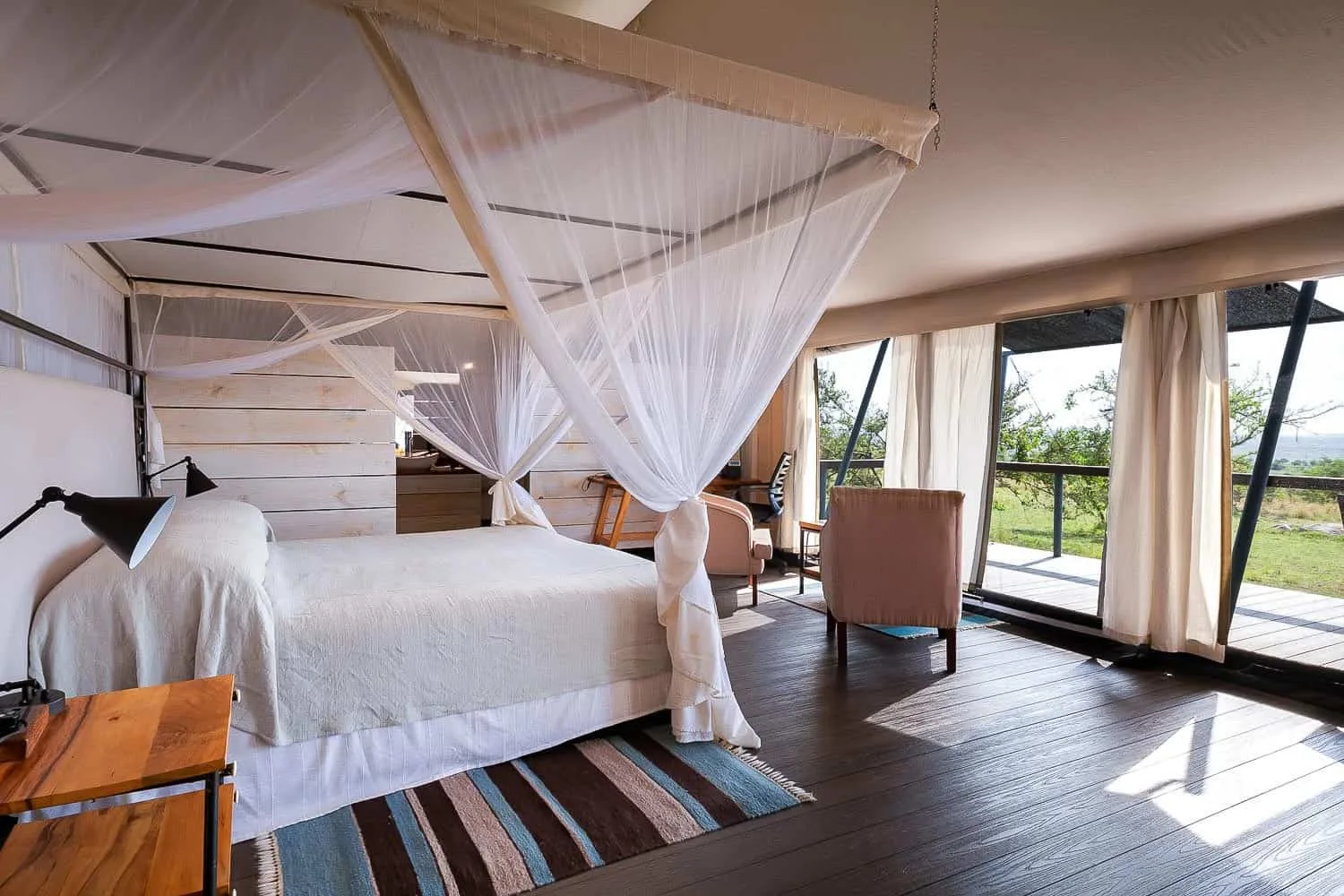
- Comfort (Mid-range)
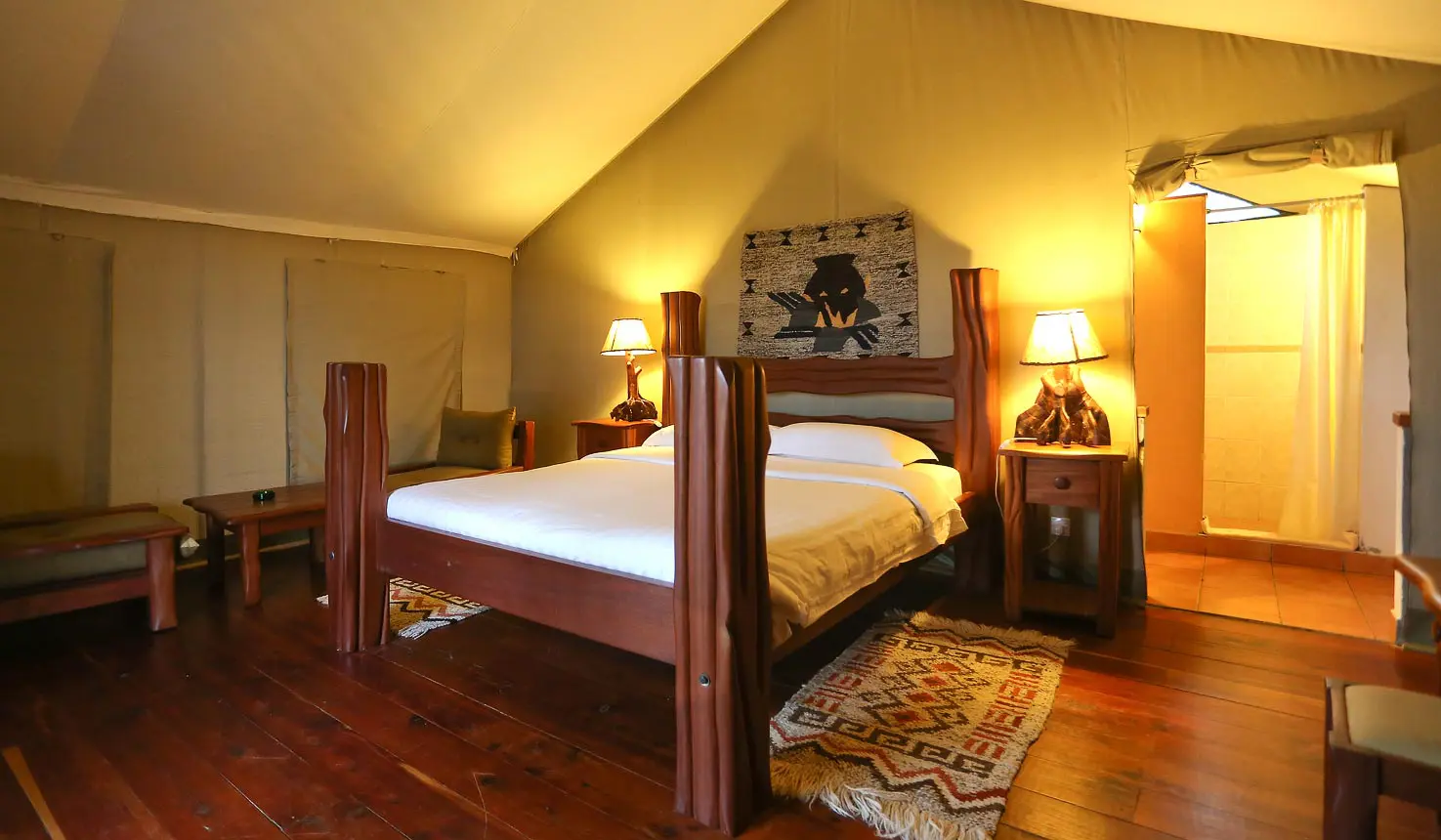
- Premium (Luxury)
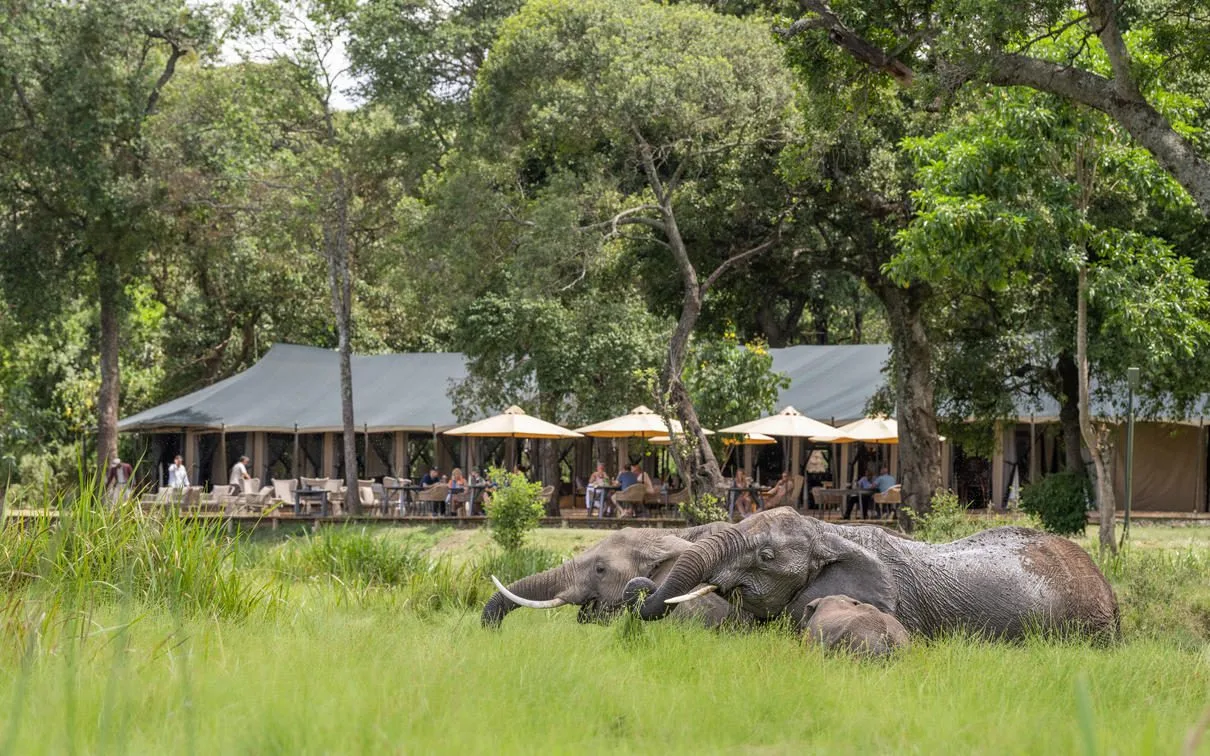
- Signature (High-end)
Day 2: Full-Day Masai Mara Photography Safari – Lions, Leopards and Cheetahs - Main destination
- Masai Mara National Reserve
- Meals
- Breakfast, Lunch, Dinner
Wake well before sunrise.
Have coffee or tea and depart while conditions remain cool.
The objective is to be in a productive wildlife area as the first usable light appears.
Sunrise Photography
Early morning offers:
- Soft light
- Long shadows
- Cooler temperatures
- Predator activity
- Mist in some locations
- Cleaner color
- Less atmospheric heat distortion
Positioning before sunrise can be extremely valuable.
Backlit Wildlife
When conditions allow, use early sunlight behind the subject.
Backlighting can work particularly well with:
- Lion manes
- Cheetah fur
- Elephant ears
- Dust
- Grass
- Giraffes
Exposure should be adjusted carefully because bright backgrounds can fool automatic metering.
Lion Pride Photography
Spend substantial time with an active pride.
Possible photographic sequences include:
- Greeting behavior
- Cubs playing
- Lionesses walking
- Males roaring
- Feeding
- Grooming
- Mothers interacting with cubs
Behavioral sequences are often more valuable than isolated portraits.
Photographing Cubs
Lion cubs can be extremely active.
Useful approaches include:
- Faster shutter speeds
- Continuous autofocus
- Burst shooting
- Wider composition when multiple cubs interact
Avoid concentrating only on faces.
Play behavior often tells a stronger story.
Leopard Photography
Leopards can be among the safari's most difficult but rewarding photographic subjects.
They may be encountered:
- In trees
- Walking through grass
- Resting in shade
- Beside kills
- In riverine woodland
The main challenge is often clutter.
Branches, leaves and shadows can interfere with composition.
Patient positioning can make a substantial difference.
Leopard in a Tree
A leopard resting in a tree can produce classic safari images.
Photographic options include:
- Tight portrait
- Full animal
- Leopard framed by branches
- Wide environmental composition
- Silhouette
Do not assume the tightest frame is automatically the strongest.
The surrounding tree can provide important context.
Cheetah Photography
Cheetahs favor open country and can produce exceptional photographs.
Potential scenes include:
- Cheetah on termite mound
- Mother with cubs
- Male coalition
- Stalking prey
- Walking through grass
- Running
- Resting
Cheetah hunts can develop very quickly.
Photographing a Cheetah Hunt
If a hunt begins, preparation matters.
Consider:
- Fast shutter speed
- Continuous autofocus
- Burst mode
- Sufficient memory-card space
- Appropriate exposure before the chase begins
Do not wait until the animal starts sprinting to change every camera setting.
Respect Predator Behavior
Vehicles should never deliberately push prey toward predators or interfere with hunting.
Responsible photography depends on natural behavior.
An ethical but imperfect photograph is better than a dramatic image created through disturbance.
Midday Photography
If the light becomes harsh, consider shifting attention toward:
- Behavior
- Birds
- Animals in shade
- Close details
- High-contrast black-and-white possibilities
- Environmental storytelling
Alternatively, return to camp for lunch and rest.
Image Backup
Use midday to back up photographs.
A practical workflow may include:
- Primary memory card
- Secondary card where camera supports it
- Laptop or portable storage
- External SSD
Never rely on a single copy of important safari photographs.
Afternoon Photography
Return to the field before golden hour.
Revisit areas containing: Lions, Leopards, Cheetahs, Elephants.
The goal is quality rather than species count.
Sunset Silhouettes
Strong silhouette subjects include:
- Giraffes
- Elephants
- Acacia trees
- Lions on ridges
- Safari landscapes
Expose for the bright sky and allow the subject to become dark.
Return to camp after the final light.
Accommodation: Masai Mara lodge/tented camp
Meal Plan: Breakfast, lunch and dinner
Photography Focus: Big cats, behavioral photography, golden-hour light and predator action
Where you stay
Day 3: Mara River Photography – Hippos, Crocodiles and Great Migration Landscapes - Main destination
- Masai Mara National Reserve
- Meals
- Breakfast, Lunch, Dinner
Depart early with packed breakfast or breakfast arrangements depending on camp location and schedule.
Today's safari can explore areas around the Mara River.
Photographing the Mara River
The river provides a different visual environment.
Potential subjects include:
- River bends
- Hippos
- Nile crocodiles
- Riparian woodland
- Wildlife drinking
- Migration herds
- Vultures
- Waterbirds
Use wider focal lengths occasionally to show the river within the landscape.
Hippo Photography
Hippos can be challenging because much of the body remains submerged.
Look for:
- Yawning
- Interaction
- Splashes
- Multiple heads creating patterns
- Reflections
- Water droplets
- Territorial behavior
A telephoto lens is particularly useful.
Nile Crocodiles
Crocodiles can produce strong detail images.
Look for:
- Eye texture
- Scales
- Teeth
- Reflections
- Crocodile against riverbank
- Wide environmental compositions
Because crocodiles can remain motionless for long periods, photographers have time to refine composition.
Great Wildebeest Migration Photography
During the appropriate season, major wildebeest and zebra herds may occupy parts of the Mara.
Migration photography should not focus exclusively on river crossings.
Strong subjects include:
- Huge herds across plains
- Lines of moving animals
- Dust clouds
- Zebra patterns
- Predator interactions
- Calves
- Vultures
- Wide environmental scenes
Photographing Scale
One of the biggest challenges during migration is communicating the number of animals.
A telephoto lens compresses the herd and can emphasize density.
A wider lens can show wildlife within the landscape.
Use both approaches.
Mara River Crossing Photography
If a natural river crossing develops, conditions can become chaotic.
Photographers should prepare before the animals enter the water.
Consider:
- Shutter speed
- Exposure
- Autofocus
- Lens choice
- Memory-card capacity
- Camera battery
Do not attempt major technical adjustments after the action begins.
Fast Action
Crossings can involve:
- Running animals
- Water splashes
- Dust
- Crocodiles
- Congestion
- Rapid changes in direction
A relatively fast shutter speed is normally necessary if the goal is to freeze action.
Creative slower shutter speeds can also be used for motion blur where conditions permit.
River-Crossing Ethics
Vehicles should respect regulations and avoid blocking herd approaches.
Wildlife must be allowed to choose whether and where to cross.
No photograph justifies interfering with migration behavior.
Picnic Lunch
Take lunch at an authorized site when spending the entire day in the field.
This helps maximize photography time when herds are far from camp.
Afternoon Environmental Photography
Use the afternoon to create wider images.
Possible compositions include:
- Giraffes beneath storm clouds
- Elephants crossing open plains
- Wildebeest herds
- Acacia silhouettes
- Rivers
- Distant escarpments
A photographic safari portfolio is stronger when it includes landscapes as well as animal portraits.
Dramatic Weather
Clouds and storms can produce some of the strongest safari photographs.
Do not automatically become disappointed when the sky is overcast.
Dramatic skies can add:
- Mood
- Contrast
- Texture
- Storytelling
Protect camera equipment from rain and dust.
Return to camp.
Accommodation: Masai Mara lodge/tented camp
Meal Plan: Breakfast, picnic lunch and dinner
Photography Focus: Mara River, migration herds, action, environmental images and dramatic landscapes
Where you stay
Day 4: Full-Day Masai Mara Photography – Elephant Behavior, Birds and Creative Techniques - Main destination
- Masai Mara National Reserve
- Meals
- Breakfast, Lunch, Dinner
Day four provides another full photography day without the pressure of changing accommodation.
This is important.
Photographers frequently improve their images after becoming familiar with an area and its wildlife.
Revisiting Known Animals
If you have located a productive lion pride or cheetah family, return.
Repeated visits provide opportunities to create a coherent story.
For example, over several days you may photograph:
- Pride resting
- Cubs playing
- Adults hunting
- Feeding
- Social interaction
- Walking
A sequence tells a stronger story than six unrelated lion portraits.
Elephant Family Photography
Dedicate substantial time to elephants.
Potential storytelling moments include:
- Mother and calf
- Calf nursing
- Adults protecting young
- Trunk touching
- Dust bathing
- Mud bathing
- Herd crossing
- Young elephants sparring
Photographing Dust
Dust can transform ordinary elephant images.
Backlighting makes suspended dust glow.
Positioning is critical.
The best situation is often when the sun sits behind or to the side of the elephants.
Low-Angle Effect From the Vehicle
Photographers cannot leave the vehicle wherever they wish, but vehicle positioning can sometimes create a lower visual perspective.
This helps make large animals appear even more imposing.
Never attempt unsafe exits to obtain a low angle.
Bird Photography
The Mara is also excellent for bird photography.
Potential subjects include: Lilac-breasted rollers, Secretary birds, Southern ground hornbills, Crowned cranes, Bateleurs, Martial eagles, Tawny eagles, Vultures, Ostriches, Bee-eaters, Kingfishers.
Bird photography requires different techniques from large mammal photography.
Birds in Flight
For flight images, consider:
- Fast shutter speeds
- Continuous autofocus
- Tracking
- Sufficient framing space
- Clean backgrounds
Large raptors can be easier for beginners than small fast birds.
Vulture Photography
Vultures are important ecological subjects.
Strong storytelling images may include:
- Birds descending toward a carcass
- Multiple species interacting
- Wings spread
- Portraits
- Birds perched in trees
They should be photographed as essential ecosystem participants rather than simply unattractive scavengers.
Creative Motion Blur
Not every image must freeze movement.
Experiment with slower shutter speeds when: Zebras run, Wildebeest move, Giraffes walk, Vehicles are stable enough for panning.
Intentional blur can communicate motion.
Black-and-White Photography
High-contrast midday conditions can sometimes work well for monochrome processing.
Suitable subjects include: Zebra patterns, Elephant textures, Buffalo portraits, Dramatic clouds, Lion faces.
Photograph with the final visual concept in mind.
Optional Hot-Air Balloon Photography
An optional Masai Mara hot-air balloon safari can add aerial landscapes to the portfolio.
Possible photographic subjects include:
- Herd patterns
- River systems
- Acacia woodland
- Sunrise
- Balloon shadows
- Wildlife trails
However, photographers should understand that balloon movement and height cannot be controlled like a safari vehicle.
Lens flexibility is therefore useful.
A medium zoom can often be more practical than an extremely long prime lens.
Final Mara Evening
Spend your final complete Mara afternoon concentrating on your strongest remaining photographic priority.
This might be:
- Leopard
- Cheetah
- Lion cubs
- Elephant family
- Migration herd
- Sunset silhouette
Return after the final usable light.
Back up your photographs carefully.
Accommodation: Masai Mara lodge/tented camp
Meal Plan: Breakfast, lunch and dinner
Photography Focus: Elephants, birds, creative techniques, repeat subjects and sunset
Where you stay
Day 5: Masai Mara to Lake Nakuru – Rhino Photography and Rift Valley Scenery - Main destination
- Masai Mara National Reserve
- Meals
- Breakfast, Lunch, Dinner
Wake early for one final Mara photo session.
If an important subject remains outstanding, dedicate the morning to it.
After breakfast and check-out, begin traveling toward Lake Nakuru National Park.
Final Mara Morning
Possible priorities include: Leopard portrait, Lion pride, Cheetah, Elephant family, Sunrise giraffes.
Do not pack the main camera until after leaving the wildlife area.
Unexpected sightings often happen during transfers.
Scenic Transfer Photography
Travel through the Great Rift Valley.
Keep a smaller camera or standard zoom accessible.
Possible subjects include:
- Escarpments
- Agricultural landscapes
- Towns
- Rift Valley scenery
- Roadside landscapes
People should always be photographed respectfully.
Arrival at Lake Nakuru National Park
Enter the park during the afternoon.
The photographic environment changes dramatically.
The Mara's open plains give way to:
- Woodland
- Lakeshore
- Grassland
- Euphorbia forest
- Escarpments
- Wetlands
This produces a much broader visual portfolio.
White Rhino Photography
White rhinoceroses are one of the key photographic subjects.
Possible images include:
- Full-body portraits
- Mother and calf
- Grazing
- Horn profile
- Rhino beneath escarpment
- Environmental composition
Avoid requesting the guide to approach too closely.
Long lenses allow intimate-looking images from respectful distances.
Black Rhino Photography
Black rhinos can be more challenging because they often use thicker vegetation.
The challenge is to work with the habitat rather than always trying to eliminate it.
Branches and bush can create context.
A clean portrait is desirable when available, but an environmental black-rhino image can be equally strong.
Rothschild's Giraffes
Lake Nakuru provides opportunities to photograph Rothschild's giraffes.
This allows comparison with Maasai giraffes photographed earlier.
Potential compositions include: Giraffe in woodland, Backlit giraffe, Multiple giraffes, Giraffe and lake landscape, Portrait details.
Flamingos and Waterbirds
Flamingo numbers vary according to ecological conditions.
When present, they can provide:
- Repeating patterns
- Reflections
- Groups in flight
- Pink color contrasts
- Environmental lake scenes
Other possible birds include: Pelicans, Herons, Egrets, Storks, Cormorants, Eagles.
Sunset at Lake Nakuru
Use the different landscape to create a new style of sunset image.
Possible subjects include:
- Giraffes
- Rhinos
- Acacia woodland
- Lakeshore
- Birds
- Escarpment silhouettes
Proceed to your accommodation.
Accommodation: Photography-friendly Lake Nakuru/Nakuru lodge
Meal Plan: Breakfast, lunch and dinner
Photography Focus: Final Mara session, Rift Valley landscapes, rhinos, giraffes and birds
Where you stay
Day 6: Lake Nakuru Morning Photography – Final Rhino Session and Nairobi - Main destination
- Masai Mara National Reserve
- Drive time
- Return transfer as outlined in the itinerary
- Meals
- Breakfast, Lunch
Wake early and prepare cameras before breakfast or depart according to the lodge schedule.
Morning light provides the final major photography opportunity.
White Rhinos in Morning Light
Search open areas for white rhinos.
Early light can produce:
- Warm tones
- Long shadows
- Clean backgrounds
- Better eye detail
If rhinos are found, avoid constantly changing position.
Allow them to move naturally.
Black Rhino Search
Continue into suitable browsing habitat.
A black rhino emerging from vegetation can provide one of the most memorable photographs of the safari.
Remain ready.
Wildlife often appears without warning.
Buffalo Photography
Lake Nakuru's buffaloes can provide powerful portraits.
Look for:
- Horn texture
- Mud
- Oxpeckers
- Herd patterns
- Eye contact
- Environmental scenes
Waterbuck Photography
Waterbucks are another useful Lake Nakuru subject.
Rather than overlooking them because they are not rare, use the opportunity to create strong images of a species well adapted to the park's habitat.
Baboon and Monkey Photography
Primates provide excellent behavioral subjects.
Possible scenes include:
- Grooming
- Mothers carrying infants
- Play
- Feeding
- Social interaction
Smaller behavioral scenes can add variety to a portfolio dominated by large mammals.
Final Bird Photography
Use the lakeshore and woodland to photograph: Pelicans, Flamingos, Kingfishers, Herons, Eagles, Storks.
Birds may provide the final frames of the safari.
Return to Nairobi
After the morning session, leave Lake Nakuru and begin driving toward Nairobi.
Depending on timing, stop for lunch or refreshments.
Arrive during the afternoon, traffic permitting.
Your guide can transfer you to:
- Nairobi hotel
- Residence
- Jomo Kenyatta International Airport
- Wilson Airport
- Another agreed location
This concludes your 6 Days Kenya Photography Safari.
Meal Plan: Breakfast; lunch depending on package arrangements
Route: Lake Nakuru → Nairobi
Best Wildlife Photography Subjects in Kenya
Kenya supports an extraordinary range of photographic subjects.
Lions
Ideal for:
- Portraits
- Behavioral sequences
- Cubs
- Hunting
- Silhouettes
- Environmental images
Leopards
Ideal for:
- Tree portraits
- Woodland compositions
- Walking sequences
- Dramatic eye contact
Cheetahs
Ideal for:
- Open-plains portraits
- Running action
- Cub interactions
- Hunting sequences
Elephants
Ideal for:
- Family behavior
- Dust
- Silhouettes
- Backlighting
- Wide environmental photography
Rhinos
Ideal for:
- Conservation storytelling
- Portraits
- Environmental compositions
- Mother-and-calf images
Best Lenses for a Kenya Photography Safari
There is no single perfect lens.
A practical setup often includes different focal ranges.
Long Telephoto
Useful for:
- Big cats
- Birds
- Distant wildlife
- Tight portraits
Medium Telephoto Zoom
Extremely versatile for:
- Elephants
- Lions
- Giraffes
- Moving animals
- Variable distances
Wide-Angle or Standard Zoom
Useful for:
- Landscapes
- Animals close to the vehicle
- Camp photography
- Environmental wildlife scenes
- Balloon photography
A two-body setup can reduce lens changes in dusty environments.
Prime Lens vs Zoom Lens
Prime telephotos can provide:
- Excellent optical quality
- Wide apertures
- Strong subject isolation
However, zoom lenses provide more flexibility when animals move rapidly toward or away from the vehicle.
The best choice depends on shooting style.
Should You Bring Two Camera Bodies?
Serious photographers may benefit from two bodies.
Advantages include:
- Fewer lens changes
- Faster response
- Backup camera
- Different focal lengths ready
A common approach is:
- Long telephoto on one body
- Medium zoom on another
Dust Protection
Kenya safari environments can be extremely dusty.
Protect equipment by:
- Keeping unused lenses covered
- Limiting lens changes
- Using a clean cloth
- Keeping bags closed
- Cleaning equipment carefully at camp
Never aggressively clean dust from the camera sensor in an unsuitable field environment unless necessary and you know the correct procedure.
Beanbags
Beanbags are extremely useful for stabilizing large lenses.
They can be placed on:
- Window frames
- Roof supports
- Vehicle openings
They are often more practical inside safari vehicles than large tripods.
Monopods and Tripods
Full tripods can be difficult inside vehicles.
Monopods may work depending on:
- Vehicle type
- Seating
- Roof configuration
Discuss support equipment before travel.
Camera Charging
Photography-friendly accommodation should provide charging access.
Bring:
- Battery chargers
- Spare batteries
- Travel adapter
- Power bank
Do not rely on having only one battery per camera.
Memory Cards
Wildlife action can generate large numbers of photographs.
Bring more storage than expected.
High-resolution cameras and burst shooting can fill cards rapidly.
Consider several smaller cards or high-capacity cards according to your preferred backup strategy.
Photograph Backup Strategy
A robust workflow may include:
- Original images remain on memory card.
- Copy files to laptop or portable storage.
- Create second backup on another SSD where possible.
Do not format memory cards immediately after one backup.
Photographing Kenya's Big Five
This itinerary can provide opportunities for: Lion, Leopard, Elephant, Buffalo, Rhinoceros.
Each requires a different photographic approach.
A successful portfolio should show behavior and habitat rather than only close portraits.
Great Migration Photography
During the appropriate period, migration can become the dominant photography theme.
Potential images include:
- Herd scale
- River crossings
- Dust
- Predator interactions
- Zebras
- Wildebeest portraits
- Calves
- Vultures
- Movement
- Landscape
Do not measure migration photography success only by whether a crossing occurs.
Where you stay
03 Rates
Safari rates 2027-2029
Indicative per person. Season, group size and lodge style change the total — your quotation confirms current rates.
- Essential (Budget)
Essential (Budget)
Budget camps and lodges suit travelers who prioritize wildlife while keeping costs lower.
Great value camps
- Comfort (Mid-range)
Comfort (Mid-range)
Mid-range tented camps and lodges balance comfort and price with private rooms or tents and en-suite facilities.
Quoted for your dates
- Premium (Luxury)
Premium (Luxury)
Luxury camps and lodges focus on location, service and more intimate wildlife experiences.
Premium camps and lodges
- Signature (High-end)
Signature (High-end)
Signature camps and lodges are the most exclusive stays — small, highly private properties with exceptional guiding and setting.
Exclusive signature stays
04 Activities
Safari activities
Game viewing is the core of this itinerary. Optional extras are quoted separately and depend on season, permits and availability. Individual species and river crossings are never guaranteed.

Included
Full-Day Masai Mara Photography Safari – Lions
Included in a typical day on this safari. Exact timing follows the confirmed itinerary.
View activity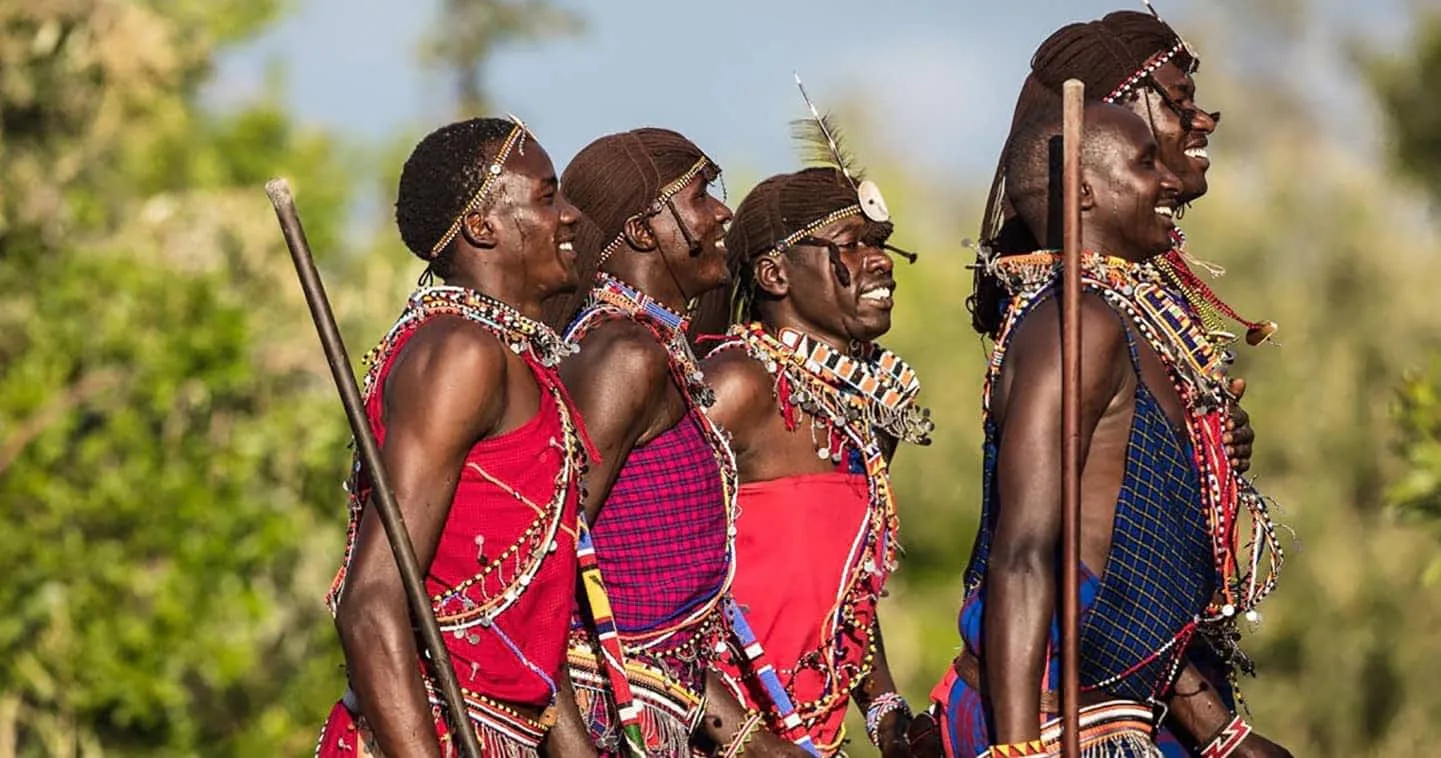
Included
Masai Mara to Lake Nakuru – Rhino
Included in a typical day on this safari. Exact timing follows the confirmed itinerary.
View activity
Additional information
Plan This Safari
Best Time for a Kenya Photography Safari
Kenya can be photographed throughout the year.
July to October
These months are popular for possible migration photography. Advantages:
- Large Mara herds
- Predator opportunities
- Dry-season landscapes
Challenges:
- More vehicles
- Higher accommodation demand
- More photographers
January and February
These months are excellent for resident wildlife. Advantages may include:
- Relatively dry conditions
- Strong predator opportunities
- Clearer landscapes
March to May
The green season can be extremely photogenic. Possible advantages include:
- Lush landscapes
- Dramatic clouds
- Fewer vehicles
- Softer light
- Bird activity
Rain can create logistical challenges but also outstanding images.
November and December
Short rains can produce:
- Fresh vegetation
- Dramatic skies
- Excellent birdlife
- Colorful landscapes
Green-Season Photography
Many photographers underestimate the green season. Dry-season photography can produce dramatic dust and open visibility. Green-season photography offers:
- Rich backgrounds
- Storm clouds
- Reflections
- Fresh grass
- Young animals
- Birdlife
The best season depends on the desired visual style.
Photography Safari for Beginners
You do not need to be a professional. Beginners can use the safari to learn:
- Exposure
- Shutter speed
- Aperture
- Autofocus
- Composition
- Light direction
- Wildlife behavior
An experienced guide helps by predicting animal movement and positioning the vehicle.
Photography Safari for Professionals
Professional and advanced photographers may need additional planning. Important requirements can include:
- Low passenger density
- Dedicated vehicle
- Extensive storage
- Laptop charging
- Large camera baggage
- Specific camp locations
- Flexible meals
- Early departures
Discuss these before confirming accommodation.
Smartphone Wildlife Photography
Modern smartphones can produce excellent images when wildlife is relatively close. They are particularly strong for:
- Landscapes
- Sunsets
- Camp scenes
- Wide environmental wildlife images
Digital zoom should be used cautiously because image quality decreases rapidly.
Video on Safari
Travelers producing video should consider:
- Stabilization
- Microphone wind protection
- Storage
- Battery consumption
- Long recording times
Video can require significantly more storage than still photography.
Drone Photography
Drone use in protected wildlife areas can be restricted or prohibited and should never be assumed to be allowed. Do not bring or operate a drone with the expectation of flying it freely over wildlife. Any authorized use would require compliance with all applicable rules and permissions.
Ethical Wildlife Photography
Photography should never take priority over animal welfare. Avoid:
- Chasing wildlife
- Blocking animal movement
- Surrounding predators excessively
- Forcing elephants to change direction
- Disturbing mothers with young
- Pressuring guides to violate wildlife-area regulations
Natural behavior produces the most meaningful images.
Photography and Vehicle Crowding
Popular sightings may attract multiple vehicles. A skilled guide can sometimes improve photographs by:
- Waiting
- Choosing another angle
- Leaving and returning later
- Searching for another individual
The closest position is not always the best position.
Photography Safari Accommodation
Accommodation should be selected for:
- Wildlife access
- Charging
- Flexible meals
- Safe equipment storage
- Early departure support
- Packed meals
- Camp location
Luxury facilities are secondary to these practical photography requirements.
Budget Kenya Photography Safari
A photography safari does not need to be ultra-luxury. Budget-friendly options can use:
- Affordable camps
- Private vehicle
- Road transportation
- Simple meals
The most important investment may be vehicle exclusivity rather than lodge category.
Mid-Range Photography Safari
Mid-range accommodation can provide excellent overall value. Useful features include:
- En-suite room
- Reliable charging
- Good access
- Comfortable meals
- Swimming pool for midday rest
- Secure camera storage
Luxury Photography Safari
Luxury camps can add:
- Premium locations
- Smaller guest numbers
- Flexible service
- Private vehicles
- High-quality dining
- Excellent suites
- Fly-in transfers
However, camp location should remain more important than decorative luxury.
Photography Safari for Couples
Couples can combine serious photography with a comfortable private safari. One partner does not need to be a professional photographer. A private vehicle allows different interests to be balanced.
Family Photography Safari
Teenagers and older children interested in cameras can find wildlife photography highly engaging. A family can create projects such as: Best lion image, Best bird photograph, Best landscape, Best behavior image.
This turns the safari into a creative learning experience.
How Much Does a 6 Days Kenya Photography Safari Cost?
The final price depends on:
- Travel dates
- Number of photographers
- Private vehicle arrangements
- Accommodation
- Park fees
- Vehicle configuration
- Road or air transfers
- Balloon safari
- Specialized guiding requirements
Photography-focused private vehicles can cost more than standard shared arrangements but provide substantially greater flexibility.
Typical Photography Safari Inclusions
Depending on the confirmed quotation, inclusions may include:
- Private safari vehicle
- Professional driver-guide
- Five nights' accommodation
- Meals according to itinerary
- Park/conservation fees as specified
- Extended photography game drives
- Drinking water
- Nairobi pickup
- Nairobi drop-off
- Packed meals where specified
- Applicable taxes on included services
Typical Exclusions
Unless specifically included:
- International flights
- Kenya entry authorization costs where applicable
- Travel insurance
- Camera equipment
- Camera insurance
- Excess luggage
- Balloon safari
- Premium drinks
- Laundry
- Tips and gratuities
- Photography workshops unless specified
- Personal purchases
- Additional Nairobi accommodation
- Services not listed in the confirmed itinerary
Who Should Choose the 6 Days Kenya Photography Safari?
This safari is particularly suitable for:
- Wildlife photographers
- Amateur photographers
- Professional photographers
- Nature photographers
- Big-cat enthusiasts
- Bird photographers
- Great Migration photographers
- Elephant photographers
- Couples
- Solo photographers
- Small photography groups
- Beginners learning wildlife photography
- Travelers wanting slower, observation-focused game drives
Internal Linking Instructions
Use contextual internal links from this page toward relevant approved SafariTripsToKenya.com pages covering:
- Kenya Safari Packages
- Kenya Photography Safaris
- Masai Mara Safaris
- Lake Nakuru Safaris
- Amboseli Safaris
- Kenya Wildlife Safaris
- Kenya Big Five Safaris
- Great Wildebeest Migration
- Masai Mara Hot Air Balloon Safari
- Kenya Safari Packing List
- Best Time to Visit Kenya
- Kenya Safari Cost
- Kenya Luxury Safaris
- Kenya Budget Safaris
- Kenya Fly-in Safaris
Only use URLs already present in the approved SafariTripsToKenya.com sitemap. URL LOCK: Never invent, alter, shorten, rename or optimize mapped URLs.
Why Patience Produces Better Safari Photographs
The central difference between ordinary wildlife photography and exceptional wildlife photography is often not equipment. It is patience. A photographer with a modest camera who spends forty minutes studying an elephant family may create a more powerful image than a photographer carrying extremely expensive equipment who leaves after two minutes.
Wildlife behavior develops gradually. Elephants may interact, lions may wake and cheetahs may scan. Giraffes may move into better light, birds may take flight and dust may rise. Clouds change, the background may improve and the animal may turn its head.
Photography is often about waiting for these elements to align. A properly designed 6 Days Kenya Photography Safari gives you enough time to do that.
Build a Photographic Story, Not Just a Collection of Portraits
Try to return home with images that explain Kenya rather than simply proving that you saw certain animals. A complete portfolio might include: Wide Mara landscape, Sunrise, Lion portrait, Lion family behavior, Cheetah in open grassland, Elephant calf, Leopard in riverine woodland, Wildebeest herd, Zebra pattern, Hippos in the Mara River, Vultures, Rhino conservation image, Rothschild's giraffe, Rift Valley landscape, Sunset silhouette.
Together, these photographs tell a story.
Book Your 6 Days Kenya Photography Safari
A 6 Days Kenya Photography Safari gives you something conventional safari itineraries often cannot provide: enough time to wait. Begin in Nairobi and travel toward the Masai Mara, stopping for Rift Valley landscapes before entering one of Africa's greatest wildlife ecosystems. Use the first afternoon to understand the terrain and begin working with warm evening light. Wake before sunrise the following morning and position yourself in productive predator country while lions, leopards and cheetahs may still be active.
Spend time with subjects rather than constantly moving. When a lion pride is in view, photograph it through different behaviors and wait to see whether cubs interact. Search for leopards in riverine woodland. Look for cheetahs across open plains.
When an elephant family is present, spend the session on calves, dust, backlighting and herd movement. Explore the Mara River for hippos, crocodiles and migration landscapes. During the appropriate season, photograph vast wildebeest and zebra herds and, when nature allows, potentially document river-crossing activity.
Use another full day to revisit animals you have already found. Return to a lion pride if it is still in the area, and look again for a cheetah family. Spend more time on birds. Experiment with slower shutter speeds, silhouettes, backlighting, environmental compositions and black-and-white ideas.
Then travel to Lake Nakuru National Park to expand the photographic story. Search for white and black rhinoceroses, Rothschild's giraffes, buffaloes, waterbucks, baboons and lakeshore birds. Use the final morning for one last session in soft light before returning to Nairobi.
The itinerary can be customized around your camera equipment, photographic experience, wildlife priorities, preferred vehicle occupancy, accommodation category, migration interests and budget. Beginners can use the safari to develop practical wildlife skills. Experienced photographers can reserve a dedicated vehicle and concentrate on specific species or behaviors.
Professional photographers can discuss baggage, equipment, storage, charging and extended game-drive requirements in advance. Choose budget accommodation and invest more heavily in a private vehicle, or combine photography with luxury camps and fly-in transfers. Additional days can be added in Amboseli for elephant-and-Kilimanjaro photography, Samburu for northern specialist wildlife, Ol Pejeta for rhinos, or the Masai Mara for deeper predator work.
Send your travel dates, number of photographers, camera/lens setup, preferred accommodation category and the wildlife subjects you most want to photograph to receive a customized quotation for your 6 Days Kenya Photography Safari. Individual species, river crossings, mountain views and balloon flights can never be guaranteed.
Planning Questions
Frequently Asked Questions
Is six days enough for wildlife photography in Kenya?
Yes. Six days provides several sunrise and sunset sessions, although longer itineraries provide even more photographic depth.
Which destination is best?
The Masai Mara is one of Kenya's strongest all-round wildlife photography destinations.
Is a private vehicle necessary?
It is strongly recommended for serious photographers because it provides much greater positioning and timing flexibility.
Can beginners join?
Yes. You do not need professional equipment or advanced skills.
Can professional photographers customize the vehicle?
Vehicle arrangements can be discussed according to the operator's available configuration.
Can I bring a large telephoto lens?
Yes. Road safaris provide good luggage flexibility. Fly-in safaris require careful baggage planning.
Can I use a beanbag?
Yes. Beanbags are one of the most useful safari camera supports.
Should I bring a tripod?
A tripod may have limited usefulness inside a vehicle. Beanbags and monopods are often more practical.
Can I photograph lions?
Yes. The Masai Mara provides excellent lion opportunities.
Can I photograph leopards?
Potentially. Leopards occur in the Mara but are naturally elusive.
Can I photograph cheetahs?
Yes. The Mara provides excellent cheetah habitat.
Can I photograph rhinos?
Yes. A route including Lake Nakuru or another suitable rhino destination can provide strong opportunities.
Can I photograph elephants?
Yes. Elephant family behavior provides exceptional subjects.
Can I photograph the Great Migration?
Potentially, when migration herds are present in the Mara.
Are river crossings guaranteed?
No. They are unpredictable natural events.
Can I add a balloon safari?
Yes. Ballooning can provide aerial landscape photography subject to weather and availability.
Are charging facilities available?
Most established lodges and camps provide charging, but arrangements should be confirmed for remote properties.
Should I bring two camera bodies?
It can be useful for serious photographers but is not essential.
Can I photograph birds?
Yes. Kenya is exceptionally strong for bird photography.
Can I use a drone?
Do not assume drone use is permitted. Protected wildlife areas have strict regulations and authorization requirements.
Can this safari be extended?
Yes. Additional photography days can be added in the Mara, Amboseli, Samburu, Ol Pejeta or other approved destinations.
05 Request Quote
Request Quote
Tell us your dates, group size, and preferred lodge style — we will send a tailored quote for this safari.
Want to extend your safari?
Add Amboseli, Diani Beach, Tanzania and Zanzibar, or gorilla trekking in Uganda or Rwanda — we tailor the journey to your dates.