
5 DAYS / 4 NIGHTS
5 Days Kenya Safari
Book a 5 Days Kenya Safari combining Masai Mara, Lake Nakuru and Lake Naivasha with Big Five game drives, rhinos, Rift Valley scenery and private 4x4 travel.
- Wildlife SafariPrivate Journey
- Private Safari4x4 Vehicle
- Expert GuideEnglish Speaking
- All MealsBreakfast, Lunch, Dinner
- 24/7 SupportWe're here to help
01 Overview
Safari Overview
- Duration5 days / 4 nights
- DestinationKenya
- Starts / endsNairobi
- Safari stylePrivate 4×4 safari
- AccommodationEssential · Comfort · Premium · Signature
- Best forWildlife viewing, photography
5 Days Kenya Safari
A 5 Days Kenya Safari is one of the best short safari itineraries for travelers who want to experience several of Kenya's most rewarding wildlife landscapes without spending most of their holiday continuously changing lodges. Our recommended five-day itinerary combines the Masai Mara National Reserve, Lake Nakuru National Park and the Lake Naivasha area, bringing together three very different environments within a practical road-safari circuit from Nairobi.
During five days you can experience:
- the legendary wildlife plains of the Masai Mara;
- excellent lion, leopard and cheetah country;
- elephant, buffalo, giraffe, zebra and antelope viewing;
- possible Great Wildebeest Migration activity when seasonally present;
- rhino viewing in Lake Nakuru National Park;
- Rothschild's giraffes;
- flamingos and other Rift Valley birdlife;
- a boat safari on Lake Naivasha;
- hippo viewing;
- dramatic Great Rift Valley scenery;
- private game drives in a 4x4 safari vehicle.
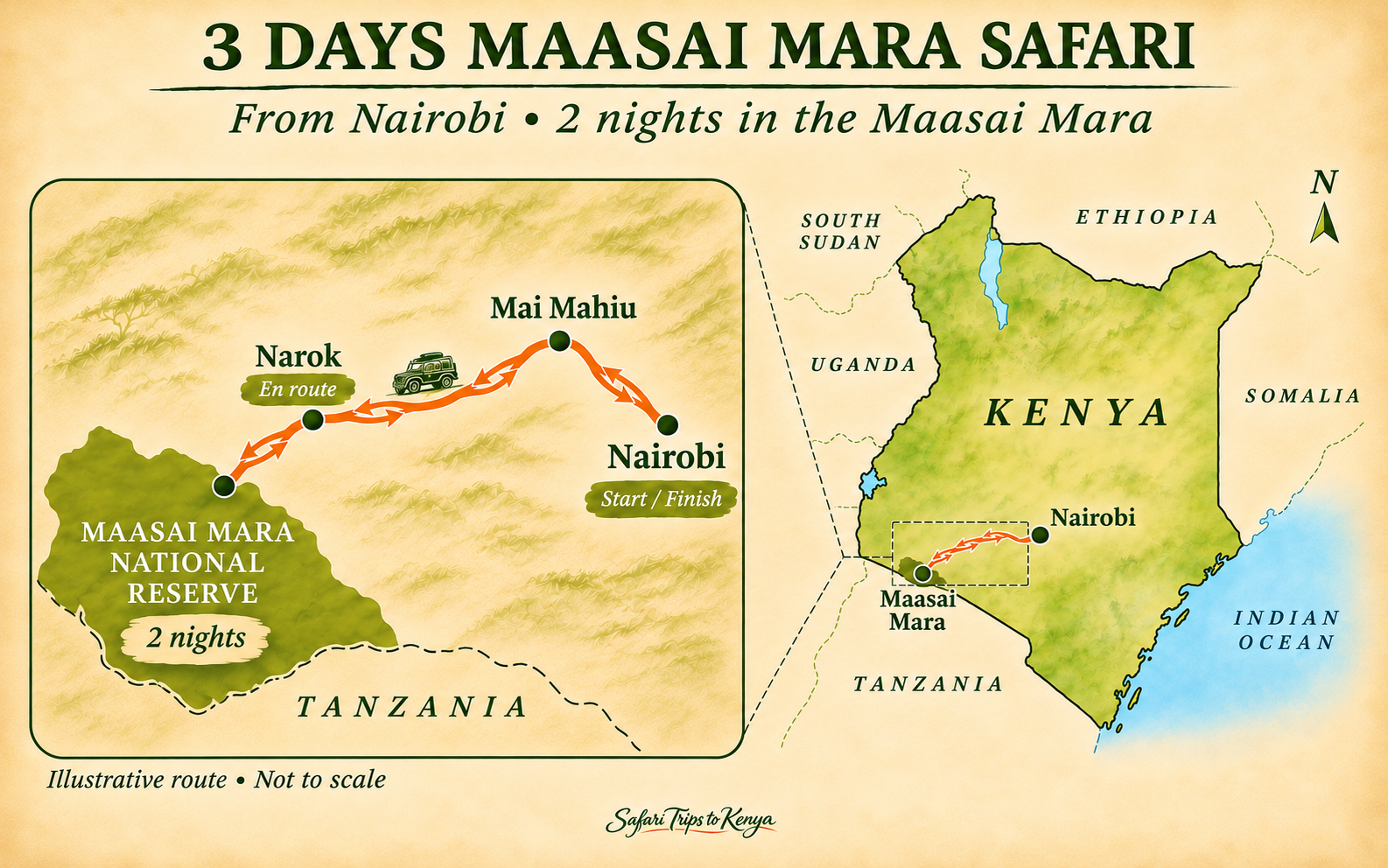
The itinerary is particularly suitable for first-time visitors to Kenya because it combines iconic wildlife with contrasting habitats rather than trying to fit too many distant national parks into a limited amount of time. A typical route is Nairobi → Lake Nakuru → Lake Naivasha → Masai Mara → Nairobi. However, the itinerary is completely customizable. Depending on your interests, we can also design a five-day safari around:
- Masai Mara only;
- Masai Mara and Lake Nakuru;
- Masai Mara and Amboseli;
- Amboseli and Tsavo;
- Masai Mara and a private conservancy;
- a fly-in Masai Mara safari.
The itinerary below is our recommended classic 5 Days Kenya Safari for travelers who want a strong combination of wildlife diversity, rhinos, big cats and Rift Valley scenery.
- Duration: 5 days / 4 nights
- Safari style: Private Kenya road safari
- Transport: Private 4x4 safari Land Cruiser or equivalent professional safari vehicle
- Starting point: Nairobi
- Ending point: Nairobi
- Main destinations: Lake Nakuru, Lake Naivasha & Masai Mara
- Best for: Couples, families, honeymooners, photographers, solo travelers and private groups
Why Choose a 5 Days Kenya Safari?
Five days is long enough to experience several of Kenya's major wildlife highlights but short enough to fit easily into a broader East Africa holiday. It is an especially good option for travelers who:
- have approximately one week in Kenya including arrival and departure;
- want the Masai Mara to be the main focus;
- want to add rhinos without taking a long northern detour;
- want to experience the Great Rift Valley;
- prefer road travel rather than several domestic flights;
- want enough time for more than one full Masai Mara safari day.
The itinerary gives the Masai Mara three nights, which is important. Wildlife viewing improves significantly when you have several game-drive opportunities rather than arriving one afternoon and leaving the following morning.
Why We Recommend Three Nights in Masai Mara
The Masai Mara is not a destination that should be rushed. Wildlife moves continuously, so a leopard that cannot be found on your first afternoon may appear the following morning. A lion pride may spend one day sleeping and become highly active the next, cheetahs may move substantial distances and migration herds can shift overnight. Three nights provide multiple opportunities for:
- sunrise game drives;
- late-afternoon game drives;
- full-day game drives;
- predator searches;
- migration exploration;
- photography.
That is why the Masai Mara receives the largest share of this five-day itinerary.
Itinerary
- Day 1:Nairobi to Lake Nakuru, great Rift Valley & Rhino Safari
- Day 2:Lake Nakuru to Lake Naivasha, boat Safari, continue to Masai Mara
- Day 3:Masai Mara Safari – Big Cats, Big Game & Savannah Landscapes
- Day 4:Masai Mara Safari – Great Migration, Mara River & Predator Tracking
- Day 5:Morning game drive / optional Maasai village – return to Nairobi
02 Itinerary
5 Days Kenya Safari: Detailed Itinerary

Day 1: Nairobi to Lake Nakuru National Park – Great Rift Valley & Rhino Safari - Main destination
- Lake Nakuru National Park
- Drive time
- Road transfer as outlined in the itinerary
- Meals
- Lunch, Dinner
Your 5 Days Kenya Safari begins in Nairobi. Your professional safari driver-guide will collect you from your Nairobi hotel, residence or another agreed pickup location in the morning. Airport pickup from Jomo Kenyatta International Airport can also be arranged when your arrival time works with the day's program. After meeting your guide, you receive a short safari briefing covering:
- the route;
- expected driving times;
- accommodation;
- game-drive plans;
- wildlife viewing etiquette.
You then leave Nairobi and begin driving toward Kenya's spectacular Great Rift Valley.
Great Rift Valley Scenery
As you travel out of the central highlands, the road descends toward the Rift Valley. Depending on time and road conditions, you may stop briefly at a viewpoint overlooking the enormous valley. This is a good opportunity to:
- stretch your legs;
- take photographs;
- appreciate Kenya's changing geography.
Continue toward Nakuru. The landscape passes through farmland, towns and open countryside before reaching the Lake Nakuru region.
Arrive at Lake Nakuru
Depending on the departure time, you normally arrive around midday or early afternoon. Proceed to your lodge for:
- check-in;
- lunch;
- short rest.
Later, begin your first proper wildlife game drive inside Lake Nakuru National Park.
Lake Nakuru National Park Safari
Lake Nakuru provides a very different safari environment from the Masai Mara. The park incorporates:
- lake habitat;
- acacia woodland;
- grassland;
- rocky escarpments;
- forest;
- seasonal wetlands.
This mixture supports an impressive range of animals. Possible wildlife includes: white rhinos, black rhinos, buffalo, Rothschild's giraffes, zebras, waterbuck, impalas, warthogs, baboons, vervet monkeys.
Predators may include: lions, leopards, spotted hyenas.
Wildlife remains completely natural, so no particular sighting can be guaranteed.
Rhino Safari at Lake Nakuru
One of the major reasons for including Lake Nakuru in a five-day Kenya safari is rhinoceros viewing. The park has played an important role in rhino conservation and gives visitors strong opportunities to search for both:
- white rhinoceros;
- black rhinoceros.
White rhinos are predominantly grazers and can sometimes be found in more open areas, while black rhinos are generally more secretive and may use denser vegetation. Your guide will use local knowledge and recent sightings to search likely habitats.
Rothschild's Giraffes
Lake Nakuru is also well known for its Rothschild's giraffes. These elegant animals provide excellent photography opportunities, particularly when seen against:
- woodland;
- lake scenery;
- open grassland.
Flamingos and Lake Nakuru Birdlife
Lake Nakuru is internationally associated with flamingos, although modern flamingo numbers vary substantially according to:
- lake depth;
- food availability;
- water chemistry;
- seasonal ecological conditions.
Depending on conditions, you may see: greater flamingos, lesser flamingos, pelicans, cormorants, herons, egrets, storks, raptors, numerous smaller birds.
Birders should bring binoculars.
Late-Afternoon Wildlife Viewing
Continue game viewing as temperatures begin to fall. The afternoon light can be particularly attractive around:
- grassland;
- lake viewpoints;
- woodland edges.
Return to your accommodation before or around dusk according to park regulations, then enjoy dinner and your first safari overnight.
- Route: Nairobi → Lake Nakuru
- Activities: Rift Valley sightseeing & Lake Nakuru afternoon game drive
- Wildlife focus: Rhinos, Rothschild's giraffes, buffalo, birds and plains wildlife
- Accommodation: Budget / Mid-range / Luxury accommodation in the Lake Nakuru area
- Meal plan: Lunch & Dinner, depending on pickup time
Where you stay
- Essential (Budget)
- Comfort (Mid-range)
- Premium (Luxury)
- Signature (High-end)
Day 2: Lake Nakuru to Lake Naivasha – Boat Safari – Continue to Masai Mara - Main destination
- Masai Mara National Reserve
- Meals
- Breakfast, Lunch, Dinner
After breakfast, depart the Lake Nakuru area and travel toward Lake Naivasha. The drive takes you through another scenic part of Kenya's Great Rift Valley. Lake Naivasha provides a completely different wildlife experience because the primary activity here is not a conventional vehicle game drive. Instead, you can take a boat safari across the freshwater lake.
Lake Naivasha Boat Safari
Board a professionally operated boat for an excursion on Lake Naivasha. The lake is surrounded by beautiful Rift Valley scenery and supports: hippos, fish-eating birds, kingfishers, cormorants, pelicans, herons, egrets, African fish eagles.
Depending on water levels and natural wildlife distribution, giraffes, zebra or other animals may sometimes be visible around parts of the shoreline or nearby habitats.
Hippos at Lake Naivasha
Hippos are one of the major wildlife attractions. During daylight, they generally remain in the water, where they may:
- rest in pods;
- surface to breathe;
- communicate vocally.
Your boat operator maintains an appropriate safety distance. Hippos are powerful wild animals and should never be approached casually.
African Fish Eagles
Lake Naivasha is also an excellent location for observing African fish eagles. Their distinctive calls are among the characteristic sounds of East African lakes, so bird photographers should keep their cameras ready.
Optional Crescent Island Experience
Depending on your itinerary and budget, a guided walking experience around the Crescent Island area may sometimes be added. This can provide opportunities to see plains animals on foot in an appropriately guided setting. Adding the walk will extend the day, so it should be confirmed in advance.
Continue to Masai Mara
After the Lake Naivasha experience and lunch arrangements, continue toward the Masai Mara National Reserve. The route passes through the Rift Valley and onward toward Narok before entering the wider Mara region. As you travel farther southwest, the landscape changes and you begin seeing:
- wider grazing areas;
- pastoral communities;
- Maasai livestock;
- increasingly open plains.
Arrival in the Masai Mara
Your arrival time depends on:
- road conditions;
- Lake Naivasha activity duration;
- lunch;
- exact camp location.
Where time allows, the final drive toward your camp may become an introductory wildlife-viewing session. Possible sightings can include: zebra, giraffes, impalas, wildebeest, elephants, buffalo.
Arrive at your safari camp or lodge, check in and relax, with dinner and overnight in the Masai Mara.
- Route: Lake Nakuru → Lake Naivasha → Masai Mara
- Main activity: Lake Naivasha boat safari and transfer to Masai Mara
- Accommodation: Budget / Mid-range / Luxury Masai Mara accommodation
- Meal plan: Breakfast, Lunch & Dinner
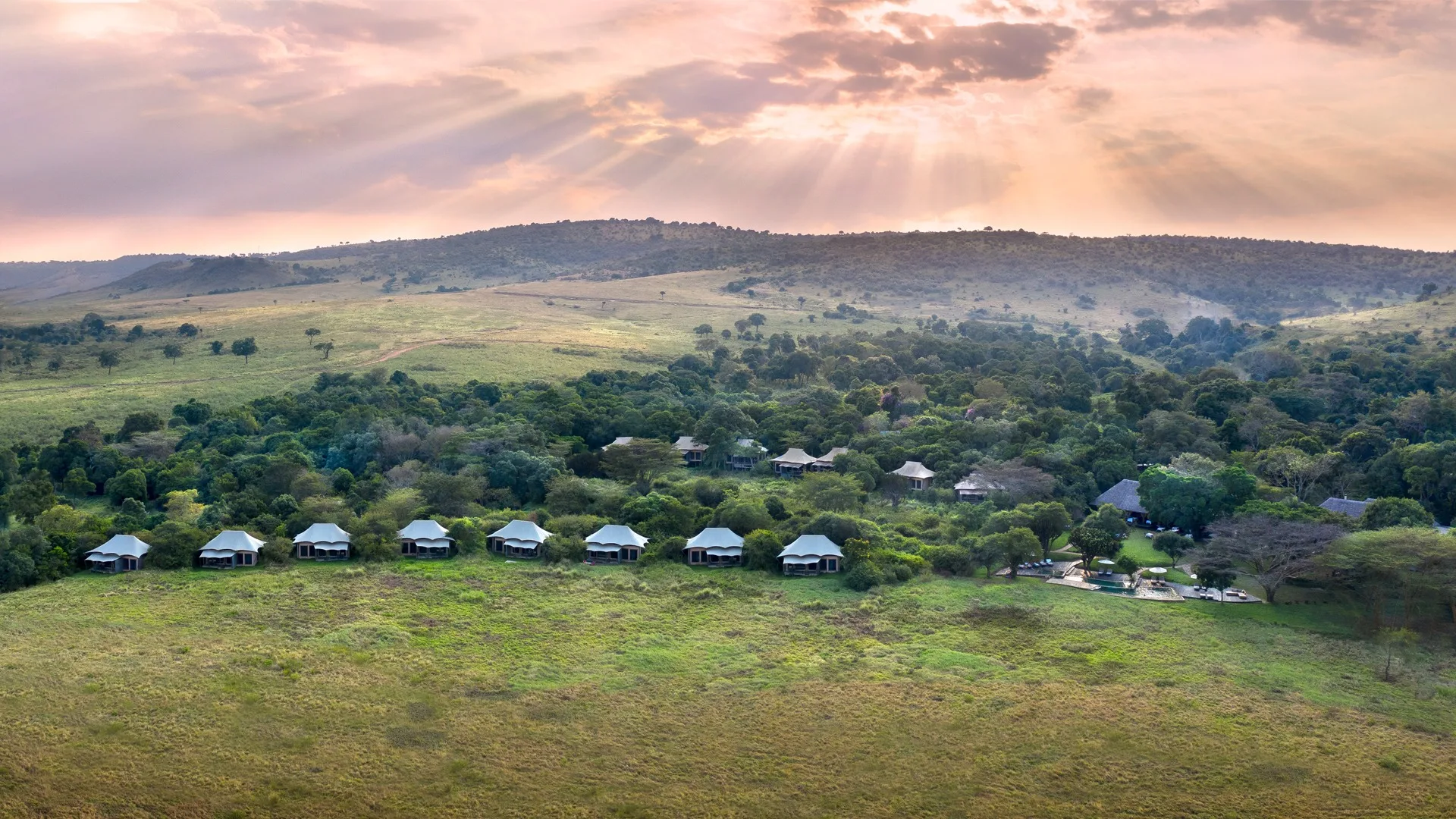
Where you stay
- Essential (Budget)
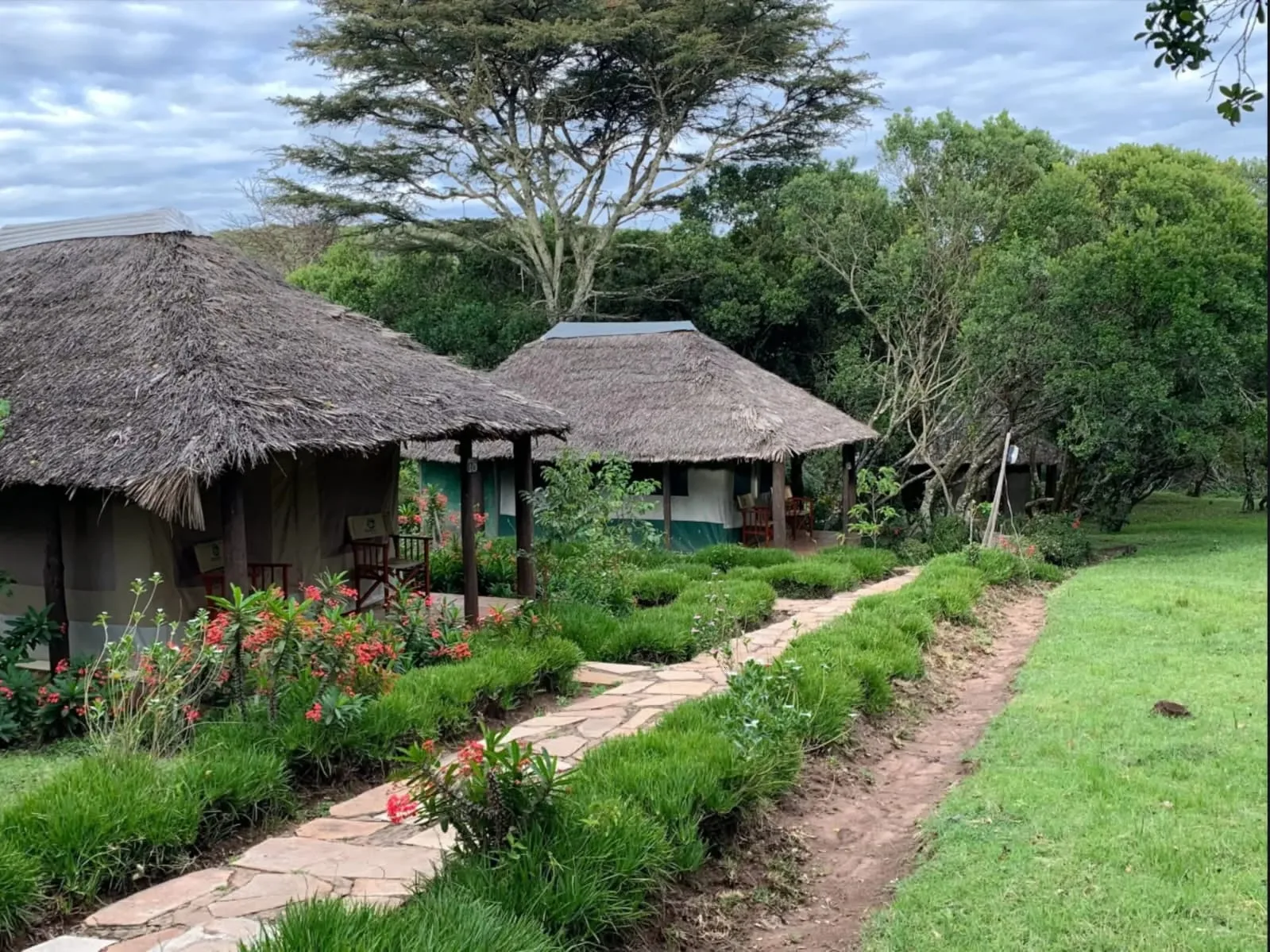
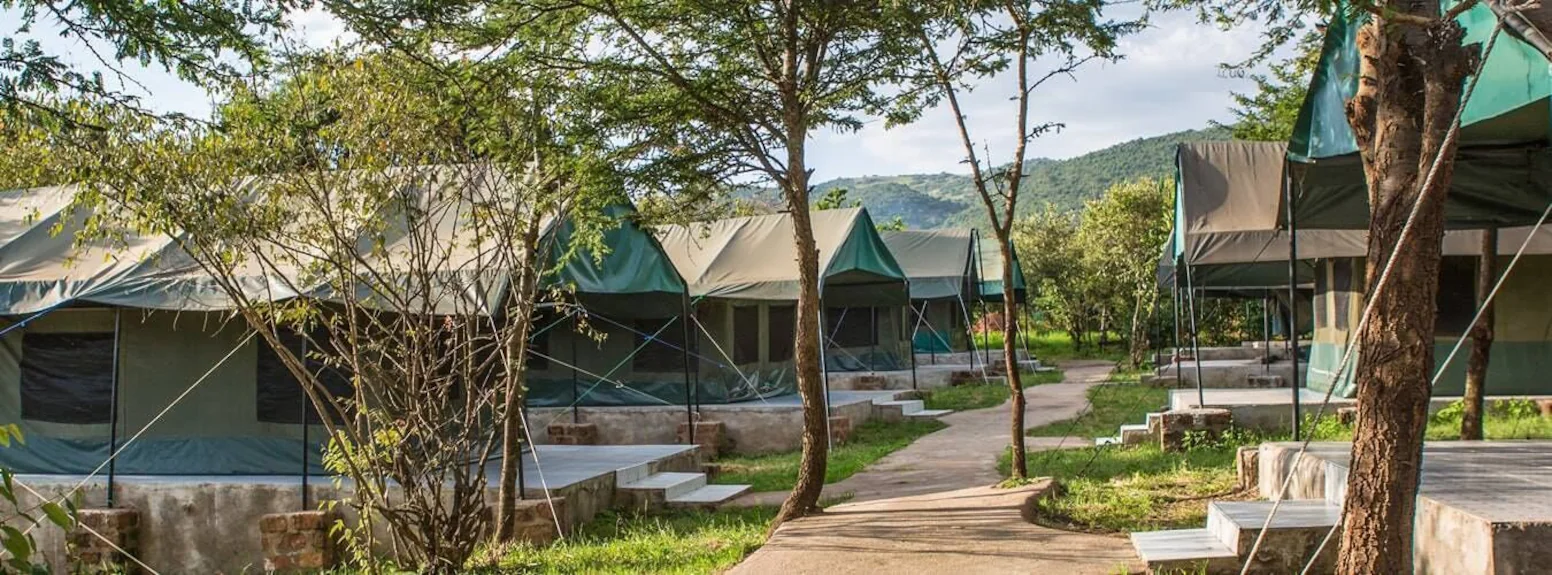
- Comfort (Mid-range)
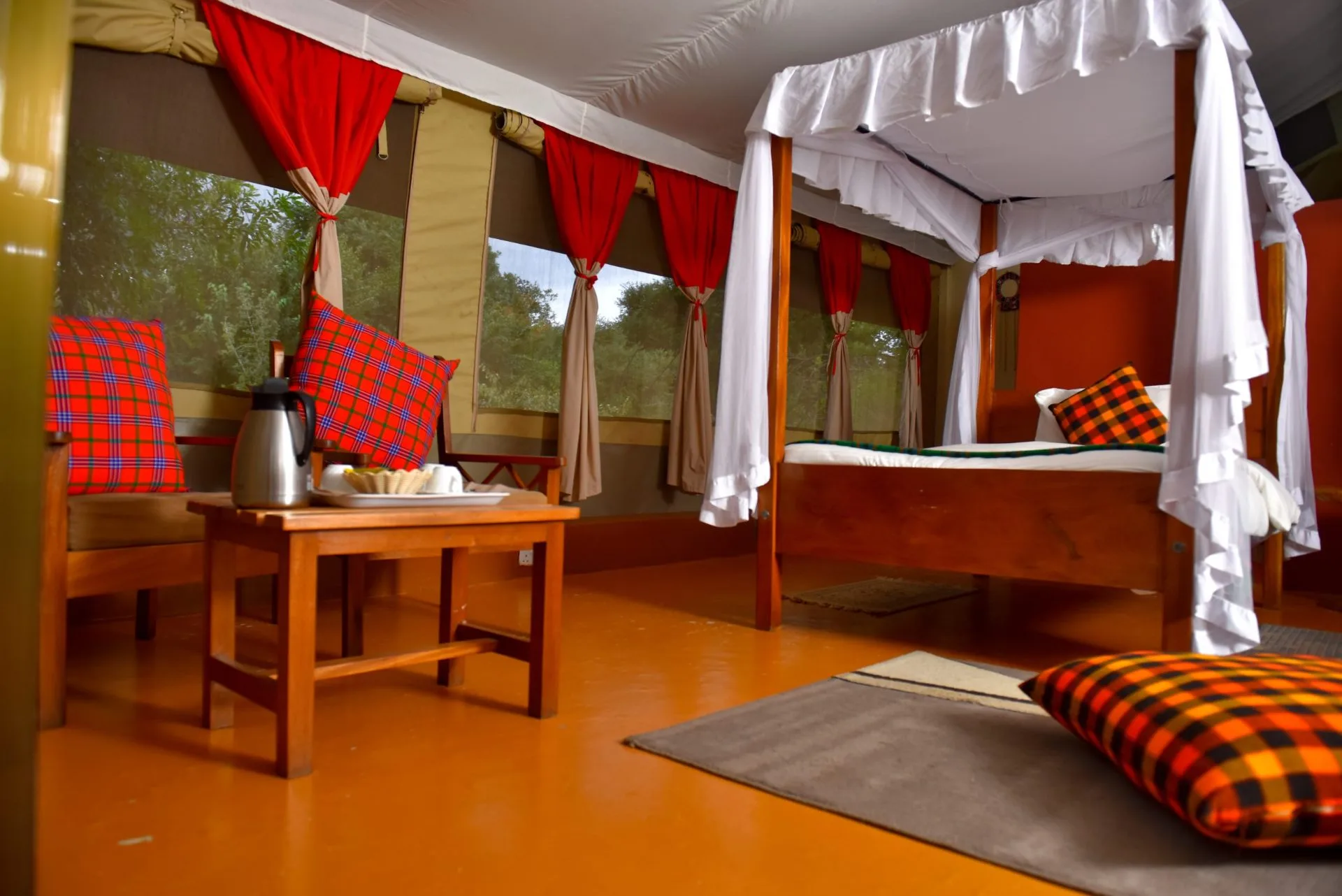
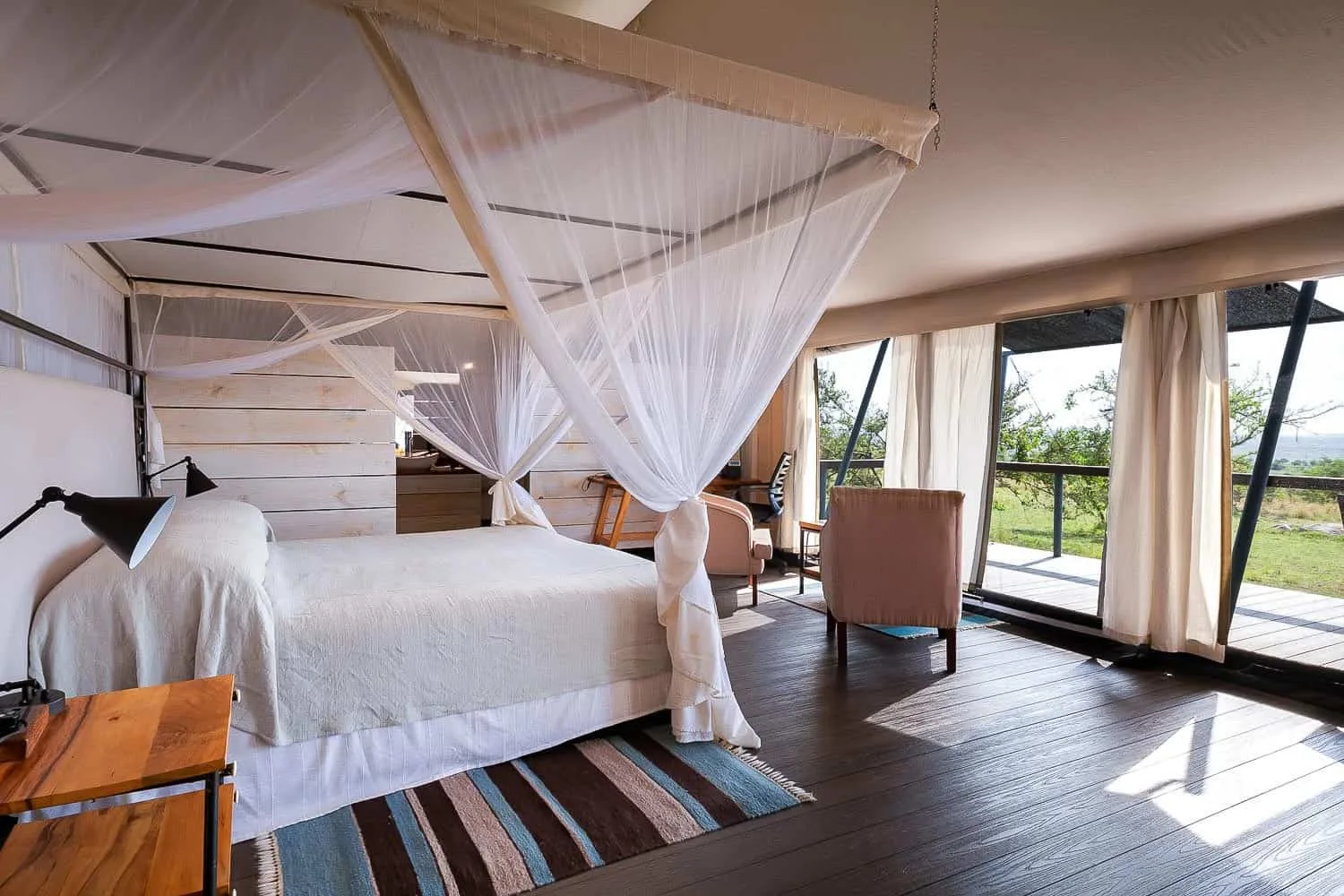
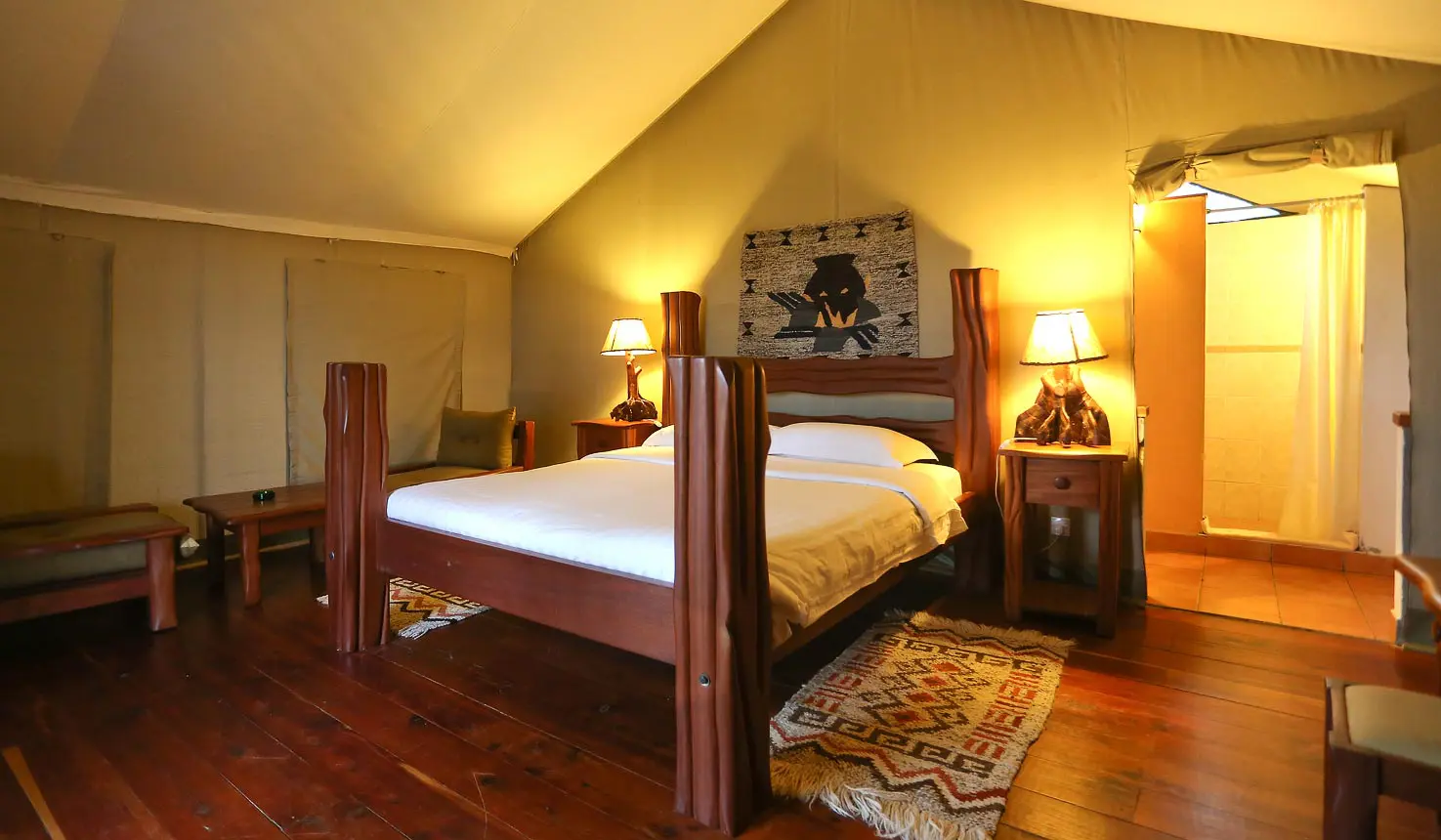
- Premium (Luxury)
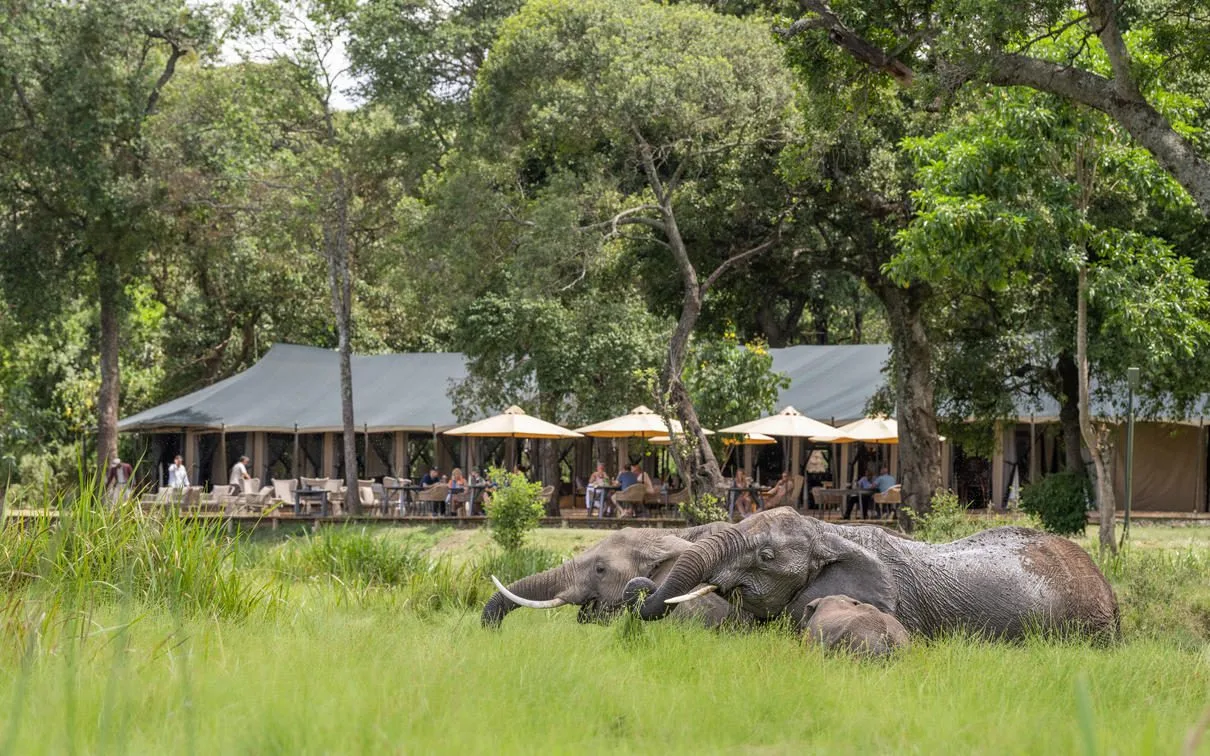
- Signature (High-end)
Day 3: Full-Day Masai Mara Safari – Big Cats, Big Game & Savannah Landscapes - Main destination
- Masai Mara National Reserve
- Meals
- Breakfast, Lunch, Dinner
Day three is devoted completely to the Masai Mara National Reserve. Wake early and enjoy breakfast before beginning your full-day game drive, or arrange a packed breakfast when an especially early departure is preferred. Morning is one of the best periods for predator activity.
Lion Safari in Masai Mara
The Masai Mara is internationally famous for lions, and your guide may search areas where resident prides have recently been active. Possible observations include:
- adult males;
- lionesses;
- cubs;
- prides resting;
- lions feeding;
- territorial behavior;
- hunting preparation.
Lions are often active during cooler early-morning temperatures. As the day warms, they may seek shade.
Why Patience Matters Around Lions
A lion pride may appear to be doing nothing, but subtle behavior can indicate future movement. Watch for:
- yawning;
- stretching;
- grooming;
- repeated head lifting;
- prey attention;
- cub activity.
Wildlife observation becomes more rewarding when you allow behavior to unfold rather than continuously racing toward the next animal.
Cheetahs in Masai Mara
The Mara's open plains create excellent habitat for cheetahs. You may encounter:
- solitary cheetahs;
- male coalitions;
- mothers with cubs.
Cheetahs often scan across the plains searching for suitable prey, and they may use termite mounds, raised ground or open areas to improve visibility.
Can You See a Cheetah Hunt?
Possibly, but hunts are completely unpredictable. A cheetah hunt involves much more than the final sprint. The cat may spend considerable time:
- watching;
- selecting prey;
- stalking;
- repositioning.
No responsible safari guide should interfere with predator-prey behavior.
Leopard Safari
Leopards are among the Mara's most sought-after animals, and they are more elusive than lions. Guides often search around:
- riverine vegetation;
- woodland;
- drainage channels;
- mature trees.
A leopard may be:
- resting in a tree;
- walking through grass;
- hiding near a river;
- feeding on a kill.
Every leopard sighting should be treated as a privilege rather than an expectation.
Elephant Viewing
African elephants are widely distributed across the Mara ecosystem. Possible encounters include:
- large bulls;
- family groups;
- mothers with calves.
Watch for:
- trunk touching;
- feeding;
- dust bathing;
- young calves sheltering among adults.
A respectful safari vehicle should allow elephants to determine the distance of the encounter.
Buffalo
African buffalo may be encountered:
- in large herds;
- small bachelor groups;
- as older solitary bulls.
They form another important component of the Mara's large-mammal community.
Giraffes
Giraffes are excellent subjects for both wildlife observation and photography. You may see:
- adults feeding;
- females with calves;
- small groups moving across open savannah.
Their silhouettes can be particularly beautiful in early or late light.
Plains Game
The Masai Mara supports enormous numbers of herbivores. Potential sightings include: wildebeest, zebra, impala, topi, eland, Thomson's gazelles, Grant's gazelles, warthogs.
These species form the ecological foundation supporting the Mara's predator populations.
Spotted Hyenas
Hyenas are highly successful predators and scavengers. They may be seen:
- walking in early morning;
- feeding;
- resting;
- around dens;
- competing with lions.
Hyena behavior is complex and deserves more attention than the common stereotype of them simply scavenging.
Picnic Lunch in the Mara
A full-day safari normally includes a picnic lunch, and your guide chooses an authorized and safe location. This avoids returning to camp during the middle of the day and allows you to explore more distant areas of the reserve. After lunch, continue with afternoon wildlife viewing.
Afternoon Safari
As temperatures begin to fall, wildlife often becomes increasingly active. The final hours of daylight can provide excellent opportunities for: predators, elephant photography, giraffe silhouettes, wide savannah landscapes.
Return to camp after a full day in the Mara, then enjoy dinner and your second Mara overnight.
- Destination: Masai Mara National Reserve
- Main activity: Full-day game drive
- Wildlife focus: Lions, leopards, cheetahs, elephants, buffalo, giraffes, hyenas and plains game
- Accommodation: Same Masai Mara camp/lodge
- Meal plan: Breakfast, Lunch & Dinner
Where you stay
Day 4: Full-Day Masai Mara Safari – Great Migration, Mara River & Predator Tracking - Main destination
- Masai Mara National Reserve
- Meals
- Breakfast, Lunch, Dinner
Day four gives you a second complete day in the Masai Mara. This additional day is one of the strongest features of the itinerary, because wildlife changes continuously and today's safari can be completely different from yesterday's. Leave early while temperatures remain cool. Your guide may decide to:
- revisit a promising predator territory;
- explore a completely different area;
- search for migration herds when present;
- spend more time around riverine habitats.
Great Wildebeest Migration
The Masai Mara is internationally known for the Great Wildebeest Migration. During the broader period when substantial migratory herds enter the Mara ecosystem, visitors may encounter enormous numbers of: wildebeest, zebra, gazelles.
The exact timing changes every year, as rainfall and grazing influence movement. There is no fixed date on which the migration enters or leaves the Mara.
Mara River Crossings
When herds gather near the Mara River, travelers may have the opportunity to search for crossing activity. River crossings are among the world's most dramatic wildlife events, but they cannot be guaranteed. Animals may:
- gather for hours;
- approach the water;
- move away;
- cross somewhere else;
- wait until another day.
Even during the most appropriate season, no safari operator can promise a crossing.
The Mara River
The river itself is interesting even without a crossing. Potential wildlife includes: hippos, Nile crocodiles, waterbirds, animals coming to drink.
Always remain at safe, authorized viewpoints.
Predator Activity During Migration
Where large herbivore herds gather, predator activity can increase. Possible sightings include: lions watching wildebeest, hyenas, cheetahs hunting gazelles, scavenging birds.
This predator-prey relationship is one of the major ecological stories of the migration.
Masai Mara Outside Migration Season
The Mara remains an outstanding safari destination throughout the year, and resident wildlife does not leave when migratory wildebeest move south. You can still see: lions, elephants, cheetahs, leopards, buffalo, giraffes, resident wildebeest, zebra, antelope.
Travel outside peak season can actually provide quieter wildlife encounters.
Optional Masai Mara Hot-Air Balloon Safari
Day four is an excellent opportunity to add a hot-air balloon safari. The activity usually begins before sunrise, when guests transfer early to the launch site before watching the balloon inflation. The flight provides a completely different perspective over the Mara, although it depends on weather and operational conditions and cannot be guaranteed. Potential views include:
- grasslands;
- river systems;
- wildlife trails;
- herds;
- sunrise.
The experience generally concludes with breakfast after landing. Ballooning requires advance booking and is normally charged separately.
Is a Balloon Safari Worth It?
For many travelers, yes. However, it should be viewed as an addition rather than a replacement for wildlife game drives. Vehicle safaris remain better for:
- close wildlife observation;
- predator tracking;
- photography of individual animals.
The balloon provides a landscape-scale perspective.
Optional Maasai Village Visit
Travelers interested in culture may add a responsible Maasai community visit. A village experience can provide insight into:
- cattle culture;
- pastoral livelihoods;
- traditional housing;
- beadwork;
- contemporary community life;
- conservation.
Visitors should:
- ask before photographing people;
- avoid handing money directly to children;
- respect private homes;
- use community-led arrangements.
Optional Bush Breakfast
Some camps can arrange a bush breakfast. This works particularly well after an early morning wildlife drive: instead of returning to the lodge, breakfast is served at a professionally selected outdoor location.
Optional Sundowner
A sundowner can be arranged at selected properties and locations. After an afternoon game drive, guests stop at a scenic point and watch the sun disappear over the Mara landscape. The experience may include:
- soft drinks;
- wine;
- beer;
- snacks.
Exact offerings depend on your camp.
Final Afternoon Game Drive
Continue exploring until late afternoon. Your final full day is a good opportunity to concentrate on animals not yet seen or spend longer photographing favorite species. Return to camp for dinner.
- Destination: Masai Mara
- Main activities: Full-day safari; migration exploration when seasonal; optional balloon or cultural visit
- Accommodation: Same Masai Mara camp/lodge
- Meal plan: Breakfast, Lunch & Dinner
Where you stay
Day 5: Final Masai Mara Morning Safari – Return to Nairobi - Main destination
- Masai Mara National Reserve
- Drive time
- Return transfer as outlined in the itinerary
- Meals
- Breakfast, Lunch
Wake early for your final morning in the Mara. Depending on your lodge location and departure schedule, take one last game drive. Morning may provide another opportunity to see: lions walking, hyenas, elephants, cheetahs, giraffes, plains game.
Do not underestimate this final drive. Wildlife is unpredictable, and some of the best sightings of a safari can occur just before departure.
Breakfast and Check-Out
Return to camp for breakfast, check out and begin the road journey toward Nairobi. Travel through the wider Mara landscape toward Narok before continuing across the Great Rift Valley.
Arrival in Nairobi
Arrival is normally expected later in the afternoon or early evening depending on:
- road conditions;
- traffic;
- stops;
- camp location.
Your guide can drop you at:
- a Nairobi hotel;
- Jomo Kenyatta International Airport;
- Wilson Airport;
- another agreed location.
If flying internationally the same evening, sufficient buffer time should be allowed because Nairobi traffic and safari-road conditions can vary. Your 5 Days Kenya Safari ends in Nairobi.
- Route: Masai Mara → Nairobi
- Main activities: Morning wildlife viewing and return transfer
- Meal plan: Breakfast and lunch arrangement according to package
- Accommodation: None
Wildlife You Can See on a 5 Days Kenya Safari
Combining Lake Nakuru, Naivasha and Masai Mara creates impressive wildlife diversity, though no sighting is guaranteed.
Big Cats
Potential sightings include: lion, leopard, cheetah.
Large Mammals
You may see: African elephant, African buffalo, white rhino, black rhino, giraffe, hippo.
Plains Wildlife
Common species may include: wildebeest, zebra, impala, topi, eland, Thomson's gazelle, Grant's gazelle, waterbuck, warthog.
Predators & Scavengers
Potential species include:
- spotted hyena;
- black-backed jackal.
Primates
You may encounter:
- olive baboons;
- vervet monkeys.
Birds
The itinerary can produce excellent birding, including: flamingos, pelicans, African fish eagles, vultures, storks, herons, egrets, rollers, hornbills, secretary birds.
Where you stay
03 Rates
Safari rates 2027-2029
Indicative per person. Season, group size and lodge style change the total — your quotation confirms current rates.
- Essential (Budget)
Essential (Budget)
Budget camps and lodges suit travelers who prioritize wildlife while keeping costs lower.
Great value camps
- Comfort (Mid-range)
Comfort (Mid-range)
Mid-range tented camps and lodges balance comfort and price with private rooms or tents and en-suite facilities.
Quoted for your dates
- Premium (Luxury)
Premium (Luxury)
Luxury camps and lodges focus on location, service and more intimate wildlife experiences.
Premium camps and lodges
- Signature (High-end)
Signature (High-end)
Signature camps and lodges are the most exclusive stays — small, highly private properties with exceptional guiding and setting.
Exclusive signature stays
04 Activities
Safari activities
Game viewing is the core of this itinerary. Optional extras are quoted separately and depend on season, permits and availability. Individual species and river crossings are never guaranteed.
Included
Lake Naivasha boat safari
Included in a typical day on this safari. Exact timing follows the confirmed itinerary.
View activity
Included
Sunrise and sunset wildlife photography
Included in a typical day on this safari. Exact timing follows the confirmed itinerary.
View activity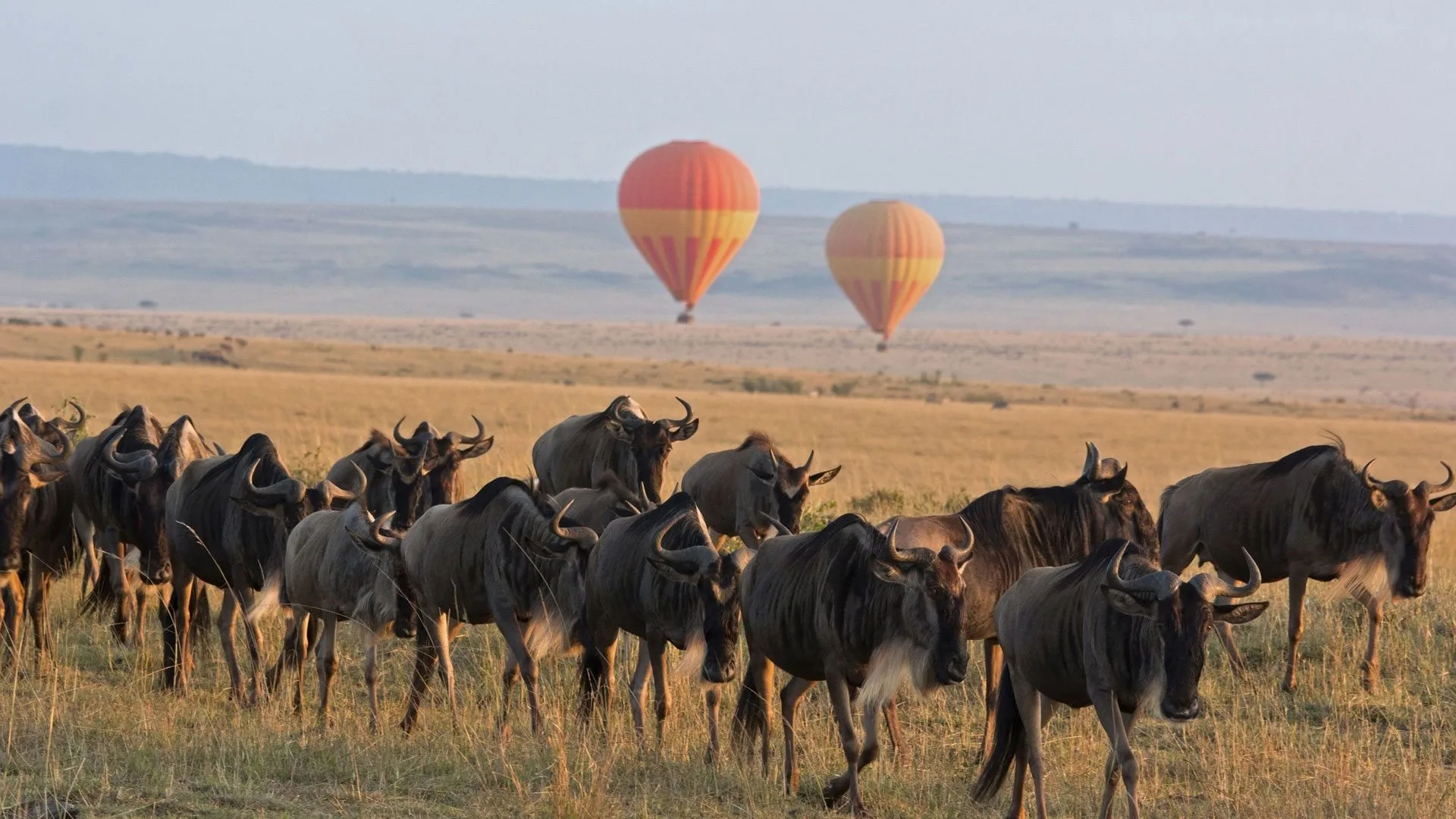
Optional
Hot-air balloon safari;
Available at extra cost when conditions, permits and your dates allow. Not guaranteed.
View activity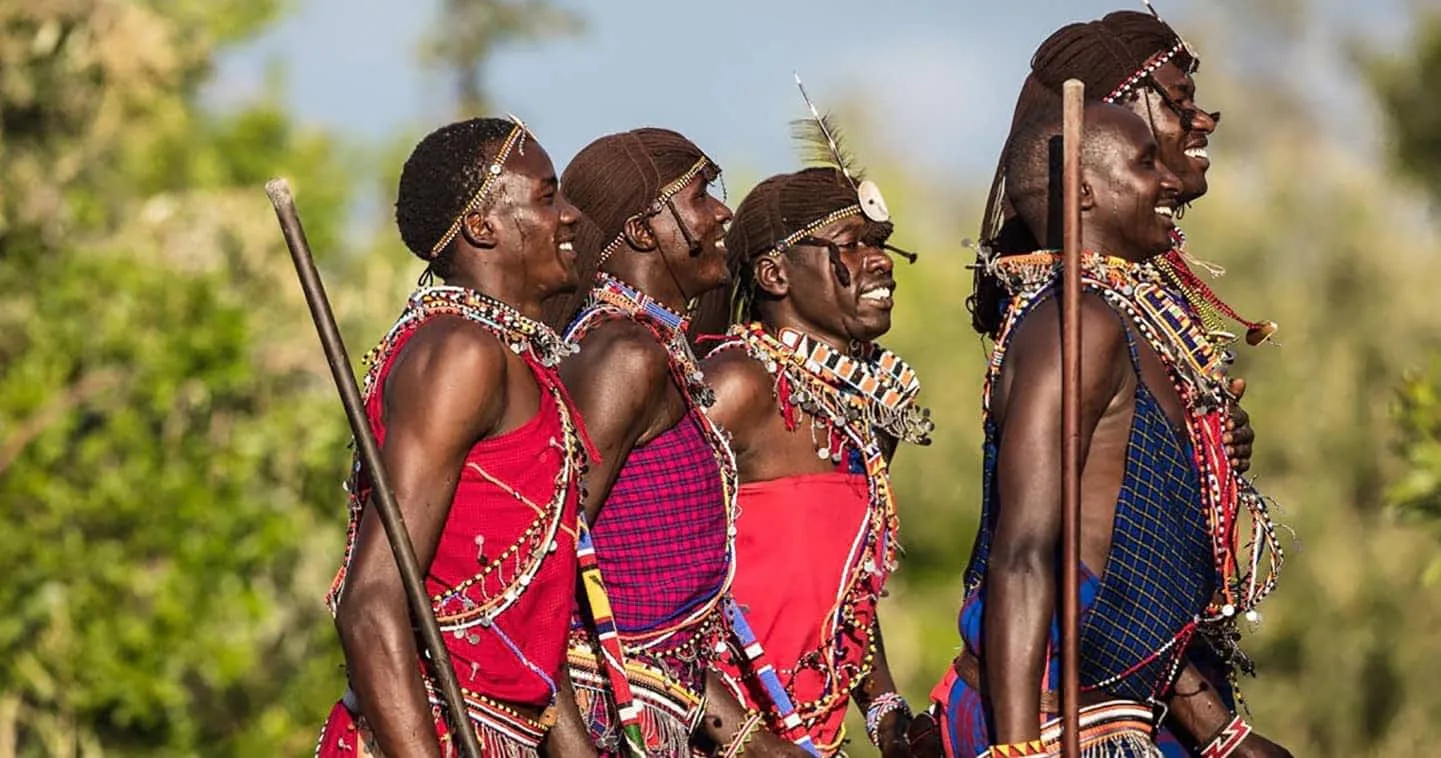
Optional
Maasai village visit;
Available at extra cost when conditions, permits and your dates allow. Not guaranteed.
View activityOptional
Bush breakfast or sundowner.
Available at extra cost when conditions, permits and your dates allow. Not guaranteed.
Additional information
Plan This Safari
Can You See the Big Five on This Safari?
Potentially. The itinerary gives you opportunities for lion in the Masai Mara, leopard primarily in the Masai Mara, elephant in the Masai Mara, buffalo in Lake Nakuru and the Masai Mara, and rhino especially in Lake Nakuru. Leopard is often the most challenging member of the traditional Big Five to locate. No complete Big Five sighting list should ever be guaranteed.
5 Days Kenya Safari and the Great Migration
If seeing the Great Migration is your priority, tell us while planning the safari. We can adjust the following to concentrate on the parts of the Mara expected to provide the strongest migration opportunities during your dates, although the migration remains natural and unpredictable:
- camp location;
- game-drive areas;
- daily schedule.
Best Time for a 5 Days Kenya Safari
This itinerary works throughout the year. Each period offers a different experience:
- January to March: good for resident wildlife, predators and pleasant safari conditions.
- April and May: advantages can include fewer tourists, green scenery and dramatic skies, although rain can make some roads muddy.
- June: a strong transition into the drier period.
- July to October: popular for Great Migration activity in the wider Mara ecosystem, dry-season wildlife viewing and predator encounters.
- November: short rains can produce greener landscapes and dramatic photography.
- December: excellent resident wildlife viewing, with stronger visitor demand around festive dates.
Is July to October the Only Good Time?
No. This is a common misconception. The Masai Mara supports resident wildlife throughout the year. Travelers outside migration season can still have outstanding encounters with lions, leopards, cheetahs, elephants, buffalo and giraffes, and off-peak travel may actually provide fewer vehicles around wildlife sightings.
Accommodation Options for the 5 Days Kenya Safari
The itinerary can be arranged at several accommodation levels.
Budget 5 Days Kenya Safari
Budget accommodation typically prioritizes:
- clean rooms or safari tents;
- ensuite or private bathroom options depending on property;
- full-board meals;
- practical wildlife access.
A budget safari can still use a quality private 4x4 vehicle. We do not recommend cutting costs by sacrificing:
- vehicle quality;
- guiding;
- safety.
Mid-Range 5 Days Kenya Safari
Mid-range accommodation is our recommended category for many first-time travelers. Typical properties may provide:
- comfortable permanent tents or lodge rooms;
- private bathrooms;
- hot showers;
- quality meals;
- lounge and dining spaces;
- reliable electricity or charging.
It provides a strong balance between comfort and overall safari price.
Luxury 5 Days Kenya Safari
Luxury travelers can select smaller, more exclusive camps. Potential advantages include:
- premium locations;
- spacious suites;
- high service levels;
- excellent dining;
- private verandas;
- more flexible safari arrangements;
- additional included drinks or activities depending on property.
Suggested Accommodation Structure
Lake Nakuru – Night 1
Choose from:
- value safari lodge;
- comfortable mid-range lodge;
- premium Rift Valley property.
Masai Mara – Nights 2, 3 & 4
Choose from:
- budget safari camp;
- mid-range permanent tented camp;
- luxury tented camp;
- high-end conservancy camp where itinerary arrangements allow.
Exact properties depend on:
- dates;
- room availability;
- budget;
- preferred safari style.
Why Camp Location Matters
A beautiful lodge does not automatically mean a better safari. When selecting accommodation, consider:
- distance to wildlife areas;
- access times;
- vehicle arrangements;
- guide quality.
A slightly simpler camp in a better location can create more wildlife-viewing time than a highly luxurious lodge requiring long daily transfers.
Private Safari Vehicle
We strongly recommend operating this itinerary as a private safari. You travel with your own professional guide and vehicle. Advantages include:
- flexible departure times;
- no waiting for unrelated travelers;
- longer stays at wildlife sightings;
- easier photography;
- family-friendly pacing;
- control over stops.
Why a 4x4 Land Cruiser Is Recommended
Safari roads can include gravel, dirt, mud and uneven tracks. A professional 4x4 provides:
- better clearance;
- comfortable wildlife viewing;
- elevated seating;
- pop-up roof or suitable viewing arrangement;
- luggage space.
5 Days Kenya Safari for Couples
This itinerary is excellent for couples because:
- it is private;
- driving time remains reasonable for a short safari;
- three nights are spent in the Mara;
- romantic upgrades can easily be added.
Optional additions include:
- private sundowner;
- balloon safari;
- bush breakfast.
5 Days Kenya Honeymoon Safari
For honeymooners, we can upgrade the itinerary with:
- intimate luxury camps;
- private vehicle;
- romantic room setup;
- private bush meals;
- sundowner;
- balloon safari.
We generally recommend spending more on location and privacy than trying to add every optional activity.
5 Days Kenya Safari for Families
Families can enjoy this itinerary with age-appropriate pacing, and selected camps provide family tents or interconnected accommodation. Benefits of a private vehicle include:
- flexible bathroom stops;
- shorter or longer game drives;
- snack breaks;
- easier child supervision.
Safari with Young Children
Parents should provide children's exact ages when requesting a quotation. This matters because:
- accommodation child rates vary;
- some activities have age limits;
- family-room requirements differ.
5 Days Kenya Safari for Seniors
The itinerary can be adapted for older travelers, and any mobility requirements should be provided before accommodation is confirmed. We can prioritize:
- comfortable lodges;
- shorter walking distances;
- suitable vehicle seating;
- convenient room locations;
- relaxed game-drive schedules.
5 Days Kenya Photography Safari
Photographers can customize the itinerary around:
- sunrise departures;
- extended predator viewing;
- private vehicle positioning;
- picnic breakfasts;
- full-day field time.
A private vehicle is especially important because photographers may want to remain at one promising sighting for an extended period.
Camera Equipment for This Safari
A versatile safari camera setup may include:
- 70–200mm;
- 100–400mm;
- 200–600mm or similar long lens;
- standard or wide zoom.
A second camera body can reduce lens changes in dusty conditions.
Binoculars
Bring binoculars even if you are a photographer. They are useful for:
- scanning plains;
- distant predators;
- rhinos;
- birding;
- observing behavior.
Safari Road Travel
A road safari provides more than transportation, and the travel itself provides context for the country. It allows you to see:
- the Rift Valley;
- agricultural landscapes;
- Kenyan towns;
- rural communities.
Approximate Travel Times
Exact driving times vary substantially with the factors below, so we provide approximate journey times during quotation rather than guaranteeing an exact arrival minute:
- traffic;
- road conditions;
- rain;
- stops;
- camp location.
Can This 5-Day Safari Be Done Fly-In?
Yes. A fly-in version can focus primarily on Masai Mara or combine road and air transport. For example, Nairobi → Lake Nakuru by road → Masai Mara by scheduled flight/transfer → Nairobi by air. However, flight schedules and baggage restrictions need to be considered.
Fly-In Masai Mara Version
Travelers primarily interested in Masai Mara can also choose the following version, which eliminates Lake Nakuru and Naivasha but maximizes Mara field time:
- Day 1: Fly Nairobi to Masai Mara
- Days 2–4: Masai Mara safari
- Day 5: Fly to Nairobi
Alternative 5-Day Kenya Safari Routes
The page represents the broader 5 Days Kenya Safari category, so several alternatives can be customized.
Option 1: Masai Mara + Lake Nakuru + Lake Naivasha
Best for: First-time Kenya visitors. This is our recommended classic itinerary. Highlights:
- rhino;
- lake safari;
- big cats;
- Masai Mara.
Option 2: Masai Mara + Lake Nakuru
Best for: Travelers prioritizing wildlife over additional activities. This option can provide even more time in the Mara.
Option 3: Masai Mara + Amboseli
Best for: Big cats plus elephants and Mount Kilimanjaro landscapes. Travel distances are longer, so flight options may be worth considering.
Option 4: Amboseli + Tsavo West + Tsavo East
Best for: Travelers heading toward the Kenya Coast. This circuit can finish toward:
- Mombasa;
- Diani;
- Watamu.
Option 5: 5 Days Masai Mara Only
Best for: Photographers, migration enthusiasts and serious wildlife travelers. A longer single-destination stay allows:
- multiple predator territories;
- reserve and conservancy combinations;
- less packing;
- more field time.
What Is Included in a Typical 5 Days Kenya Safari?
Depending on the confirmed package, inclusions normally cover:
- 4 nights accommodation;
- meals specified in the itinerary;
- private 4x4 safari vehicle;
- professional English-speaking safari driver-guide;
- game drives;
- Lake Naivasha boat safari when part of the selected itinerary;
- park fees specified in the quotation;
- drinking water in the safari vehicle;
- Nairobi pickup;
- Nairobi drop-off.
The final quotation should always list exact inclusions.
What Is Usually Excluded?
Unless explicitly stated, prices may exclude:
- international flights;
- Kenya entry authorization/eTA-related charges;
- travel insurance;
- alcoholic beverages;
- premium drinks;
- hot-air balloon safari;
- Maasai cultural visit;
- tips and gratuities;
- personal expenses;
- optional activities;
- accommodation before and after the safari.
5 Days Kenya Safari Cost
The cost of a five-day Kenya safari depends on:
- month of travel;
- number of travelers;
- accommodation category;
- room configuration;
- transport style;
- current park and conservation fees;
- optional activities.
Rather than publishing one misleading fixed rate, the best approach is to price the safari for your exact dates and group size.
Why Group Size Affects Price
Some safari costs are shared. These include:
- vehicle;
- fuel;
- guide.
A private safari for four travelers will therefore generally cost less per person than the same private itinerary for one or two travelers.
High Season vs Low Season
Accommodation rates often increase during:
- migration months;
- Christmas;
- New Year;
- other high-demand periods.
Traveling during quieter months can reduce accommodation costs considerably.
How to Reduce the Cost
To keep the safari affordable, do not sacrifice the quality of the vehicle, guide or wildlife access. Instead:
- use comfortable mid-range camps rather than luxury properties;
- travel outside peak season;
- use road transport;
- share the private vehicle with friends or family;
- avoid unnecessary optional upgrades.
Where to Spend More
If your budget allows upgrades, prioritize the following, which generally improve the safari more than expensive room decoration:
- an additional night;
- private vehicle;
- good camp location;
- experienced guide.
Optional Activities
The safari can be customized with:
- Masai Mara hot-air balloon safari;
- Maasai village tour;
- bush breakfast;
- sundowner;
- Crescent Island walking experience;
- extra Lake Naivasha activity;
- additional Nairobi night.
Should You Add a Hot-Air Balloon Safari?
Consider adding ballooning if you enjoy scenic experiences, are celebrating a honeymoon or anniversary, want to experience sunrise over the Mara, or have sufficient budget. Balloon flights depend on weather and operational conditions and are never guaranteed. Photographers primarily interested in predators may prefer to spend the morning in a private safari vehicle.
Should You Visit a Maasai Village?
A responsible community visit can add important cultural context. It is best suited to travelers interested in pastoral traditions, community conservation, local livelihoods, and beadwork and culture. The visit is optional.
Packing List
Bring:
- passport and travel documents;
- binoculars;
- camera;
- spare batteries;
- memory cards;
- lightweight neutral clothing;
- fleece or sweater;
- lightweight rain jacket;
- sun hat;
- sunscreen;
- sunglasses;
- insect repellent;
- comfortable closed shoes;
- personal medication;
- reusable water bottle where practical.
What to Wear on Safari
Practical colors include:
- khaki;
- beige;
- brown;
- olive;
- muted grey.
Layer clothing. Early mornings can be cool while afternoons may become warm.
Do You Need Formal Clothing?
No. Safari camps are generally relaxed. Comfortable practical clothing is more important than formal evening wear.
Responsible Safari Guidelines
A responsible safari should always prioritize wildlife welfare, and noise should be kept low around wildlife. Do not:
- ask guides to chase animals;
- block predators or prey;
- feed wildlife;
- leave the vehicle without permission;
- pressure guides to ignore park regulations.
Photography Ethics
Do not sacrifice animal welfare for a photograph. A longer lens is preferable to forcing a vehicle excessively close. Allow wildlife to behave naturally.
5 Days Kenya Safari vs 4 Days Kenya Safari
The extra day makes a significant difference, because a four-day itinerary generally requires more compromise. A five-day safari gives you:
- more Masai Mara time;
- more predator-viewing opportunities;
- greater flexibility;
- less pressure around transfers.
For travelers who can spare the extra day, five days usually provides substantially better value.
5 Days vs 6 Days Kenya Safari
Six days allows an additional destination or a slower itinerary. Possible additions include:
- Amboseli;
- another Masai Mara night;
- Lake Naivasha overnight.
However, five days remains an excellent option when vacation time is limited.
Is a 5 Days Kenya Safari Worth It?
Yes. Five days is long enough for the safari to become more than a quick wildlife excursion: on the first day you may watch a rhino grazing near Lake Nakuru, the next morning hippos may surface on Lake Naivasha, and by evening you are entering the open landscapes of the Masai Mara. The safari then slows down, with two complete days to explore, so one morning may begin with a lion pride, a cheetah may spend an hour scanning gazelles, elephants might cross quietly in front of the vehicle, a leopard may appear briefly beside a drainage line, and during migration season thousands of wildebeest can spread across the plains. The important advantage is that you have time, and you do not need every wildlife sighting to happen on the first afternoon. That is what turns a short trip into a genuine safari.
Book Your 5 Days Kenya Safari
Safari Trips to Kenya can customize the 5 Days Kenya Safari around your exact interests and budget. Your trip can be designed as:
- budget safari;
- mid-range safari;
- luxury safari;
- private couple safari;
- honeymoon safari;
- family safari;
- solo safari;
- photography safari;
- Great Migration safari.
We can also customize the route according to your priorities. Possible combinations include:
- Lake Nakuru + Lake Naivasha + Masai Mara;
- Lake Nakuru + Masai Mara;
- Amboseli + Masai Mara;
- Masai Mara only;
- Amboseli + Tsavo;
- Masai Mara + conservancy.
To prepare an exact quotation, provide:
- travel dates;
- number of adults;
- ages of children, if applicable;
- accommodation preference;
- arrival flight;
- departure flight;
- any special interests such as migration, photography, birds or honeymoon travel.
We will then select suitable accommodation and structure the safari around your available time. A carefully planned 5 Days Kenya Safari gives you enough time to experience Kenya's wildlife properly while keeping the journey compact, varied and practical.
Related Kenya Safari Packages
Continue planning with:
- 4 Days Kenya Safari
- 6 Days Kenya Safari
- 7 Days Kenya Safari
- 5 Days Masai Mara & Lake Nakuru Safari
- Kenya Safari Packages
- Masai Mara Safari Packages
- Lake Nakuru Safari
- Lake Naivasha Safari
- Kenya Big Five Safari
- Kenya Great Migration Safari
Next mapped page:#56 – 6 Days Kenya Safari
Planning Questions
Frequently Asked Questions
Can wildlife sightings be guaranteed?
No. Kenya’s animals are wild and move freely. Experienced guides improve the chances of excellent sightings, but responsible operators never guarantee a particular species or river crossing.
Is this safari private?
Yes. Private formats work well for couples, families, friends and photographers.
Can children join?
Yes. Accommodation and pacing should be chosen according to the children’s ages.
Can I add a balloon safari?
Often yes, subject to availability and additional cost, especially in the Masai Mara.
05 Request Quote
Request Quote
Tell us your dates, group size, and preferred lodge style — we will send a tailored quote for this safari.
Want to extend your safari?
Add Amboseli, Diani Beach, Tanzania and Zanzibar, or gorilla trekking in Uganda or Rwanda — we tailor the journey to your dates.