
3 DAYS / 2 NIGHTS
3 Days Kenya Safari
Book a 3 Days Kenya Safari with two nights, private transport, expert guiding and game drives in Kenya’s top safari destinations including the Masai Mara.
- Wildlife SafariPrivate Journey
- Private Safari4x4 Vehicle
- Expert GuideEnglish Speaking
- All MealsBreakfast, Lunch, Dinner
- 24/7 SupportWe're here to help
01 Overview
Safari Overview
- Duration3 days / 2 nights
- DestinationKenya
- Starts / endsNairobi
- Safari stylePrivate 4×4 safari
- AccommodationEssential · Comfort · Premium · Signature
- Best forWildlife viewing, photography
3 Days Kenya Safari
A 3 Days Kenya Safari is one of the most popular short safari options for travelers who want a substantial wildlife experience without committing to a long multi-park itinerary. With two nights in or near a protected wildlife area, three days provide enough time for multiple game drives, early morning wildlife viewing, late afternoon safari activity, two evenings in the wilderness and a much deeper sense of the safari environment than is possible on a one-day or two-day trip.
For many travelers, three days represent the point at which a short Kenya safari becomes genuinely immersive. The itinerary is still compact enough to fit around an international holiday, Nairobi stopover, business trip, beach stay or broader East African journey, yet long enough to experience the changing rhythm of wildlife activity across different times of day.
The 3 Days Kenya Safari is especially well suited to travelers interested in the Masai Mara, where three days provide a practical minimum for a classic road safari from Nairobi. It can also be adapted to Amboseli, Tsavo, Samburu, Ol Pejeta, Lake Nakuru or another destination depending on the traveler’s starting point, interests, budget and preferred route.
The key to a successful three-day safari is not trying to include too many distant parks. A focused itinerary that spends meaningful time in one major ecosystem usually provides a richer experience than a rushed route that attempts to cover several famous destinations in only three days.
Why Choose a 3 Days Kenya Safari?
Three days provide an excellent balance between travel time, wildlife viewing and overall cost. A well-planned itinerary can offer:
- Two nights in a safari lodge or tented camp
- Several game drives
- Morning and afternoon wildlife viewing
- Better predator-search opportunities than a shorter trip
- More time for photography
- More opportunities to see different species
- Greater flexibility
- Enough time to experience the atmosphere of safari accommodation properly
For first-time safari travelers, three days are often enough to understand what makes African wildlife viewing so compelling. By the second and third day, many visitors begin noticing not only large animals but also tracks, birdlife, habitat changes, predator-prey behavior and the subtle signs that experienced guides use to locate wildlife.
Best Destinations for a 3 Days Kenya Safari
A three-day safari opens a wider range of destination possibilities than a two-day itinerary. The best choice depends on where you are starting, what wildlife matters most, how much road travel you are comfortable with and whether you prefer a road or fly-in safari.
3 Days Masai Mara Safari
For many travelers, the 3 Days Masai Mara Safari is the classic short Kenya safari. The Masai Mara National Reserve is internationally famous for its open grasslands, predator populations, large herbivore concentrations and seasonal connection with the Great Wildebeest Migration. Three days allow travelers to arrive on Day 1, enjoy substantial wildlife viewing on Day 2 and complete a final morning experience before returning on Day 3, which is far more practical than attempting a one-night road safari to the Mara from Nairobi.
The Masai Mara is particularly suitable for travelers interested in lions, cheetahs, hyenas, elephants, giraffes, buffaloes, wildebeest, zebras, antelopes, photography, predator behavior and the Great Wildebeest Migration. Wildlife remains free-ranging, and no specific sighting can be guaranteed.
3 Days Amboseli Safari
A 3 Days Amboseli Safari is an excellent option for travelers who want elephants, open landscapes and possible views toward Mount Kilimanjaro. Three days allow more time to explore the park than a quick overnight stay. Travelers can experience afternoon and morning game drives and may have more than one opportunity to see Mount Kilimanjaro under clear conditions, although clear views are never guaranteed. Amboseli is especially rewarding for photographers and elephant enthusiasts.
3 Days Tsavo Safari
A 3 Days Tsavo Safari is particularly attractive to travelers starting from Kenya’s coast. The vast Tsavo ecosystem provides dramatic scenery, elephants, wilderness atmosphere and a contrasting experience to Kenya’s more compact reserves. Depending on routing, the itinerary may focus on Tsavo East, Tsavo West or a combination where practical. For travelers staying in Mombasa or Diani, this can be one of the most logical short safari extensions.
3 Days Samburu Safari
A 3 Days Samburu Safari introduces travelers to northern Kenya’s distinctive semi-arid landscapes and wildlife. Samburu offers a very different atmosphere from the Masai Mara. Its rugged scenery, river systems and specialized northern wildlife make it especially appealing to repeat safari travelers, photographers and visitors seeking ecological diversity. Travel time should be considered carefully when deciding between road and fly-in arrangements.
3 Days Ol Pejeta Safari
A 3 Days Ol Pejeta Safari is a strong choice for travelers interested in rhinos, conservation and wildlife viewing within a conservancy setting. The additional day compared with a one-night safari gives travelers more time to appreciate both wildlife and the conservation context of the destination. Ol Pejeta can also be paired with Mount Kenya or Laikipia on a longer journey.
The following example uses the Masai Mara because it is one of the most popular three-day safari destinations in Kenya. The exact route, timings, accommodation and activities should always be customized according to travel dates, lodge location, road conditions, park regulations and traveler preferences.
Itinerary
- Day 1:Nairobi, masai Mara, afternoon Game Drive
- Day 2:Masai Mara Wildlife Safari
- Day 3:Final Game Drive, masai Mara, nairobi

02 Itinerary
3 Days Kenya Safari: Detailed Itinerary

Day 1: Nairobi – Masai Mara – Afternoon Game Drive - Main destination
- Masai Mara National Reserve
- Drive time
- Road transfer as outlined in the itinerary
- Meals
- Lunch, Dinner
Your 3 Days Kenya Safari begins with an early pickup from your Nairobi hotel, residence, airport or another agreed location. Meet your professional safari driver-guide, load your luggage into the safari vehicle and receive a short briefing about the journey ahead. An early departure is strongly recommended because the first day includes both the road transfer and an afternoon wildlife experience.
Leaving Nairobi
Travel away from Nairobi toward the Great Rift Valley and onward to the Masai Mara region. The journey is part of the safari experience. As you leave the city, urban landscapes gradually give way to rural areas, escarpments, agricultural regions, open countryside and eventually the savannah environments associated with the Mara.
Depending on the route and road conditions, your guide may stop at an appropriate viewpoint or rest location. Stops should remain practical because the priority is reaching the safari area with enough time for meaningful afternoon wildlife viewing.
Great Rift Valley Scenery
The wider Rift Valley is one of East Africa’s most important geographical features. Where the route and schedule permit, your guide can provide context about the region’s geology and landscapes. These transitions help travelers appreciate the extraordinary ecological diversity that makes Kenya such a strong safari destination.
Journey Toward the Masai Mara
Continue toward the Masai Mara. The final sections of the journey introduce the increasingly open landscapes of southwestern Kenya. Travel time varies according to road conditions, traffic, departure point and the location of your selected camp or lodge, and a realistic itinerary should avoid promising exact arrival times that do not allow for normal road variability.
Arrival at Your Safari Lodge or Tented Camp
Arrive at your selected accommodation around midday or early afternoon depending on the day’s conditions. Check in and receive an introduction to the property. Where lunch is included, enjoy your meal and take a short period to relax before the afternoon game drive.
The accommodation itself is part of the safari experience. Many lodges and camps are positioned to provide views of plains, valleys, woodland or wildlife corridors, and a well-located property can reduce daily transfer time and improve access to game-viewing areas.
Afternoon Masai Mara Game Drive
Later in the afternoon, depart for your first game drive in the Masai Mara. The initial entry into the ecosystem is often one of the most memorable moments of the journey. The open landscape allows broad views, and wildlife can appear almost anywhere. Your guide begins searching for animals while interpreting the environment.
Potential sightings may include: Lions, Elephants, Buffaloes, Giraffes, Zebras and wildebeest, Gazelles, impalas and topis, Warthogs, Hyenas, Cheetahs, Numerous bird species.
No wildlife sighting can be guaranteed.
Searching for Lions
The Masai Mara is particularly famous for lions. An experienced guide watches for tracks, prey behavior, recent sightings and landscape features that may indicate where lions are resting or moving. Lions may be found sleeping in open grassland, resting beneath vegetation, interacting socially, feeding or moving through their territory.
A quality safari does not require the vehicle to approach excessively closely. Respectful positioning allows guests to observe natural behavior without causing unnecessary disturbance.
Searching for Cheetahs
The Mara’s open grasslands provide important habitat for cheetahs. Cheetahs are highly specialized predators that depend on visibility and speed. A sighting may involve an animal resting on a raised area, scanning the plains, moving through grassland or interacting with cubs. Because cheetahs are vulnerable to disturbance, guides should avoid crowding them.
Elephants and Plains Wildlife
Elephants can be encountered in family groups or as solitary bulls, and their social interactions often make them some of the most rewarding animals to observe. Giraffes, zebras, wildebeest and antelopes create the broader herbivore community that supports the Mara’s predator populations.
The safari becomes far more meaningful when visitors begin understanding the relationships between species rather than focusing only on individual sightings.
Late Afternoon Light
As the sun lowers, the savannah can take on warm tones that are particularly attractive for photography. Depending on park regulations and the location of your accommodation, begin returning at the appropriate time. Continue scanning for wildlife throughout the drive, as some of the day’s most memorable sightings can occur during the final minutes.
Evening at the Lodge or Camp
Return to your lodge or tented camp, freshen up and enjoy dinner. The atmosphere of the Mara after dark is completely different from daytime, and you may hear insects, distant hyenas, frogs, night birds or other sounds depending on the location. After dinner, retire for your first night in the safari environment.
Accommodation: Selected Masai Mara lodge or tented camp
Meal Plan: Lunch and Dinner, or according to confirmed itinerary
Where you stay
- Essential (Budget)
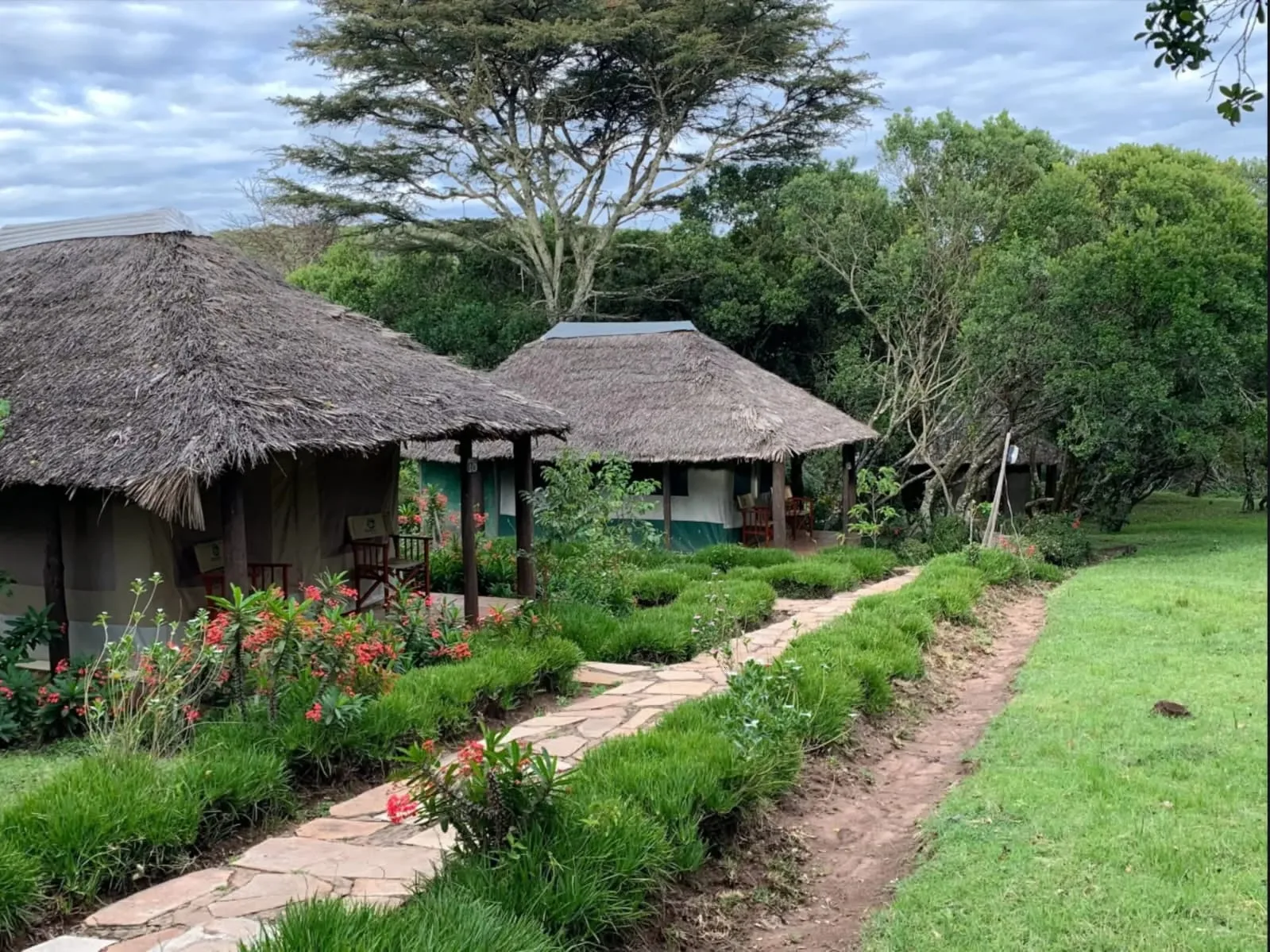
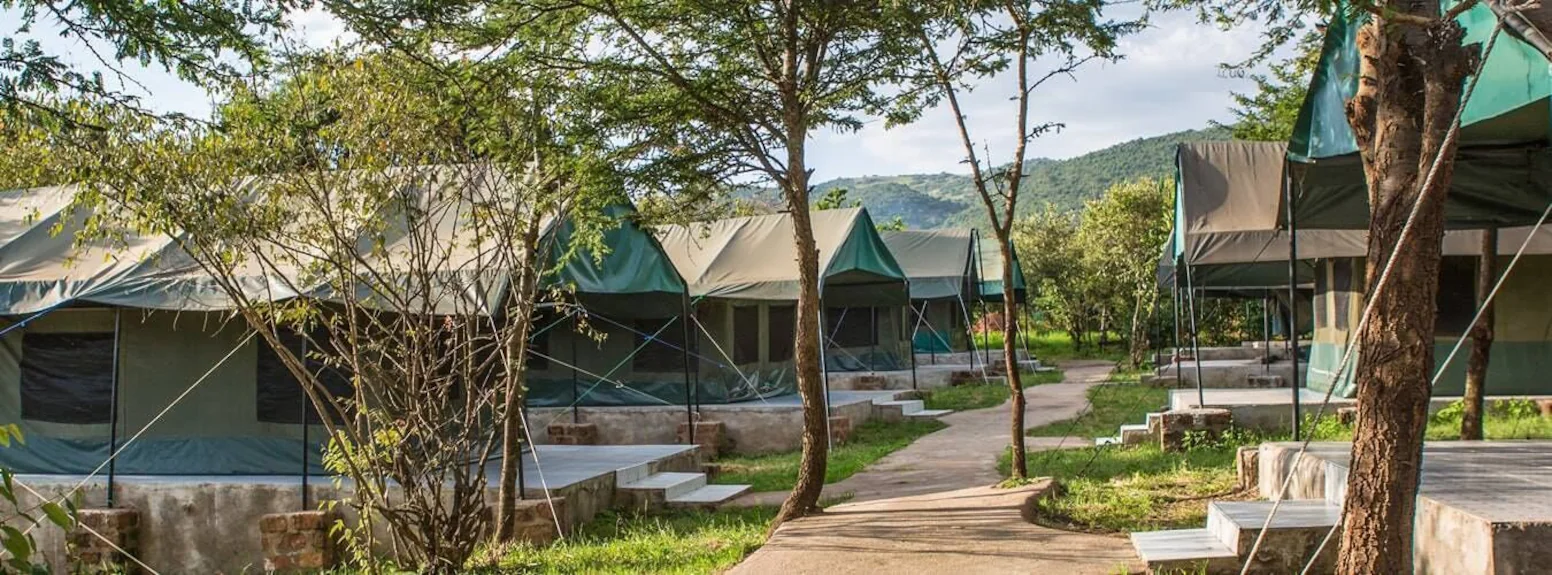
- Comfort (Mid-range)
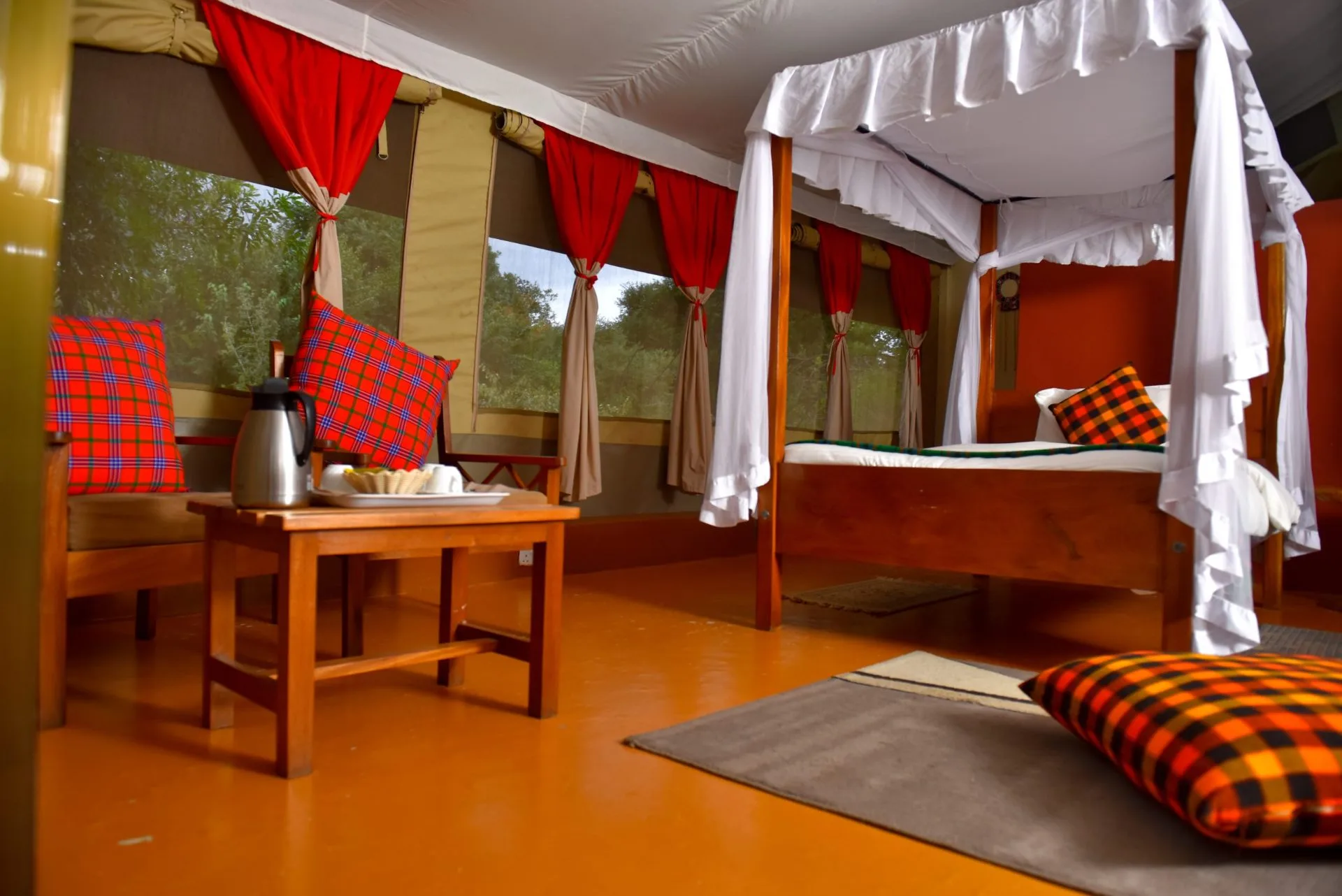
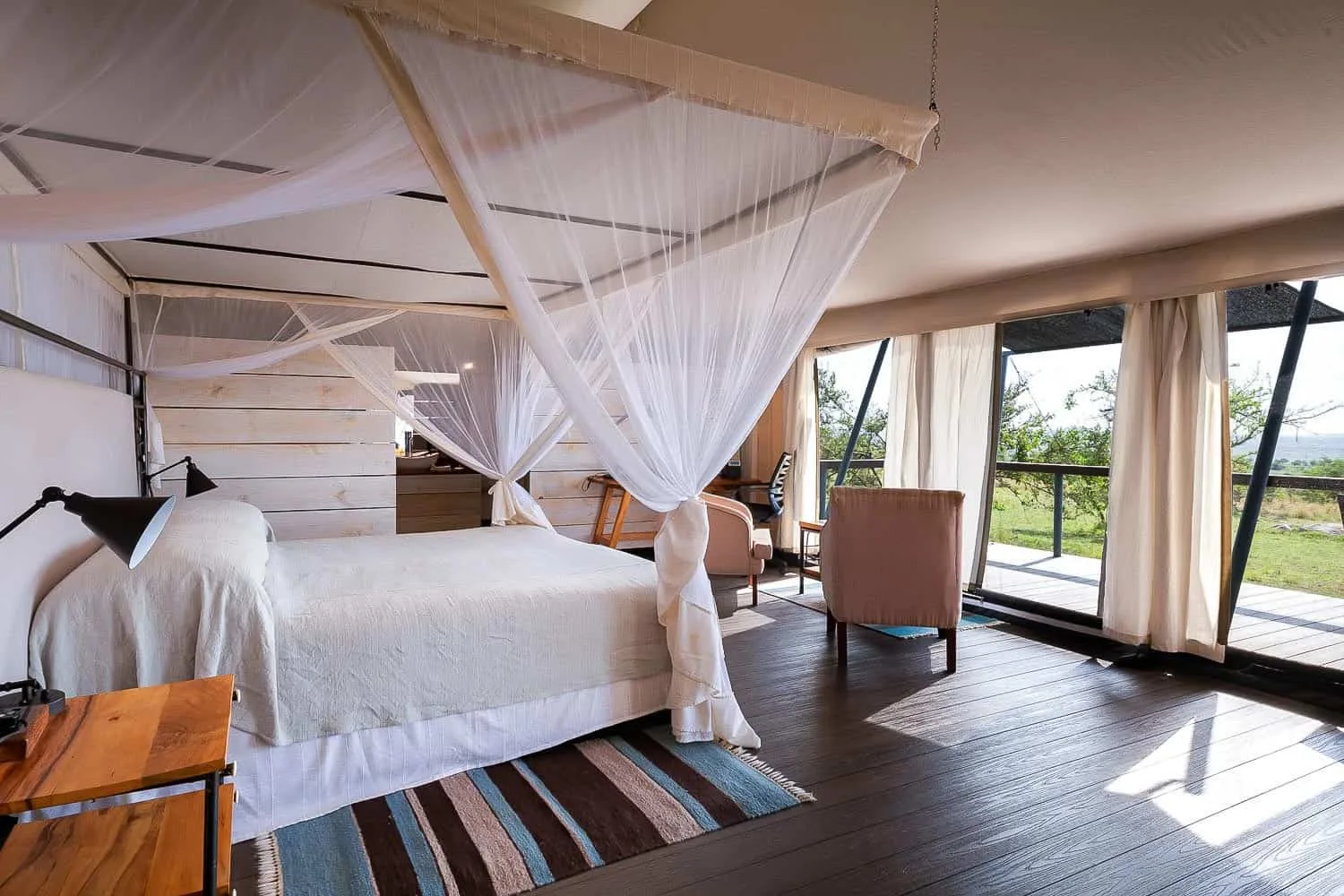
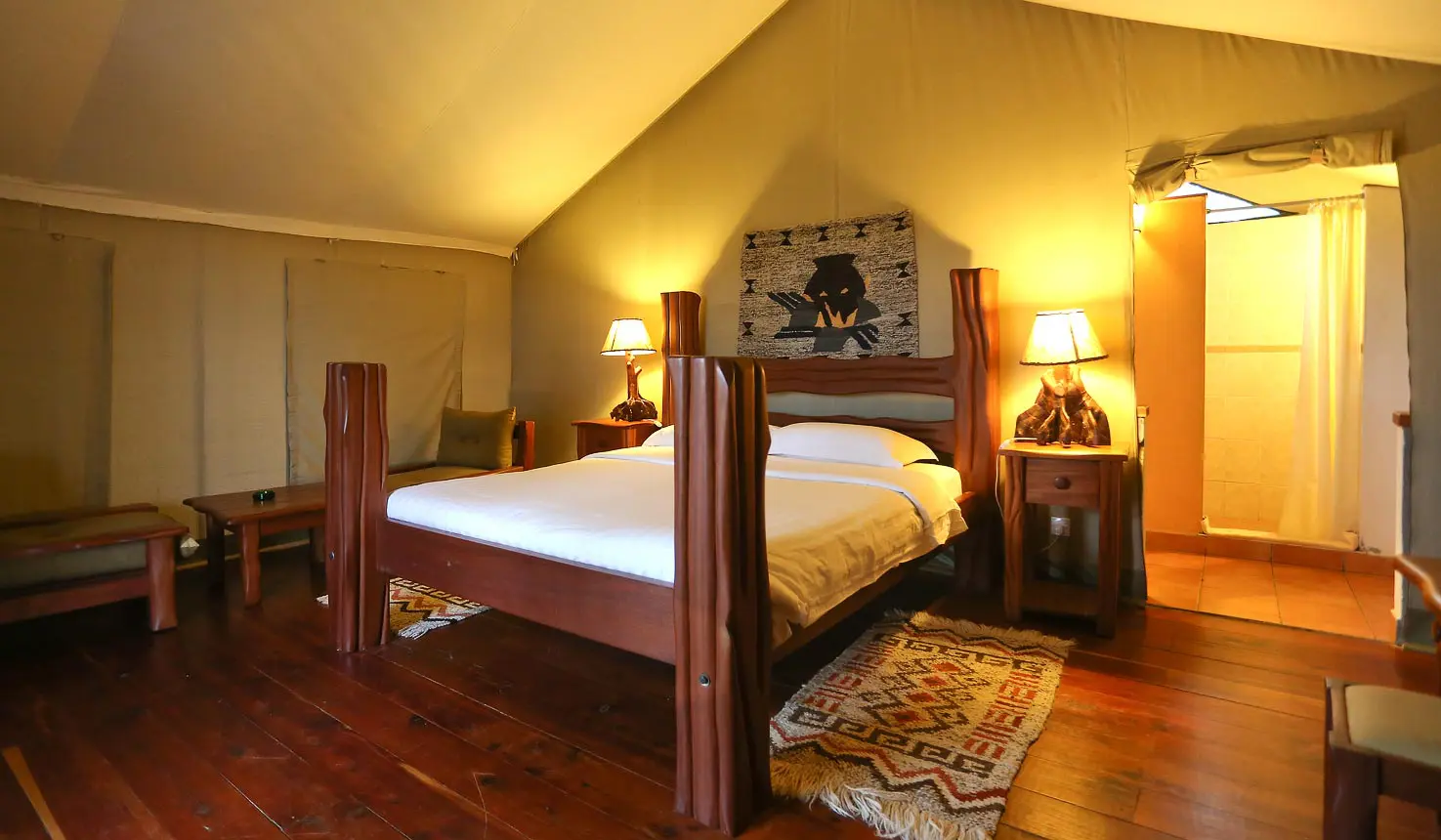
- Premium (Luxury)
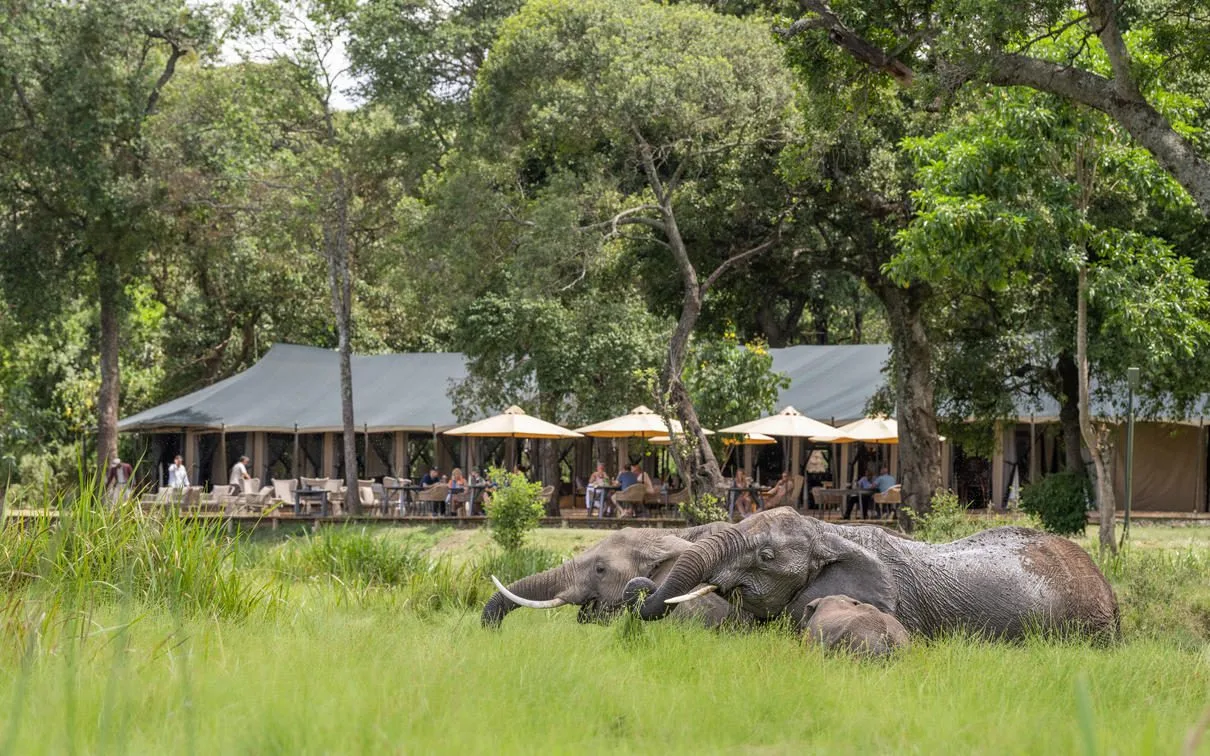
- Signature (High-end)
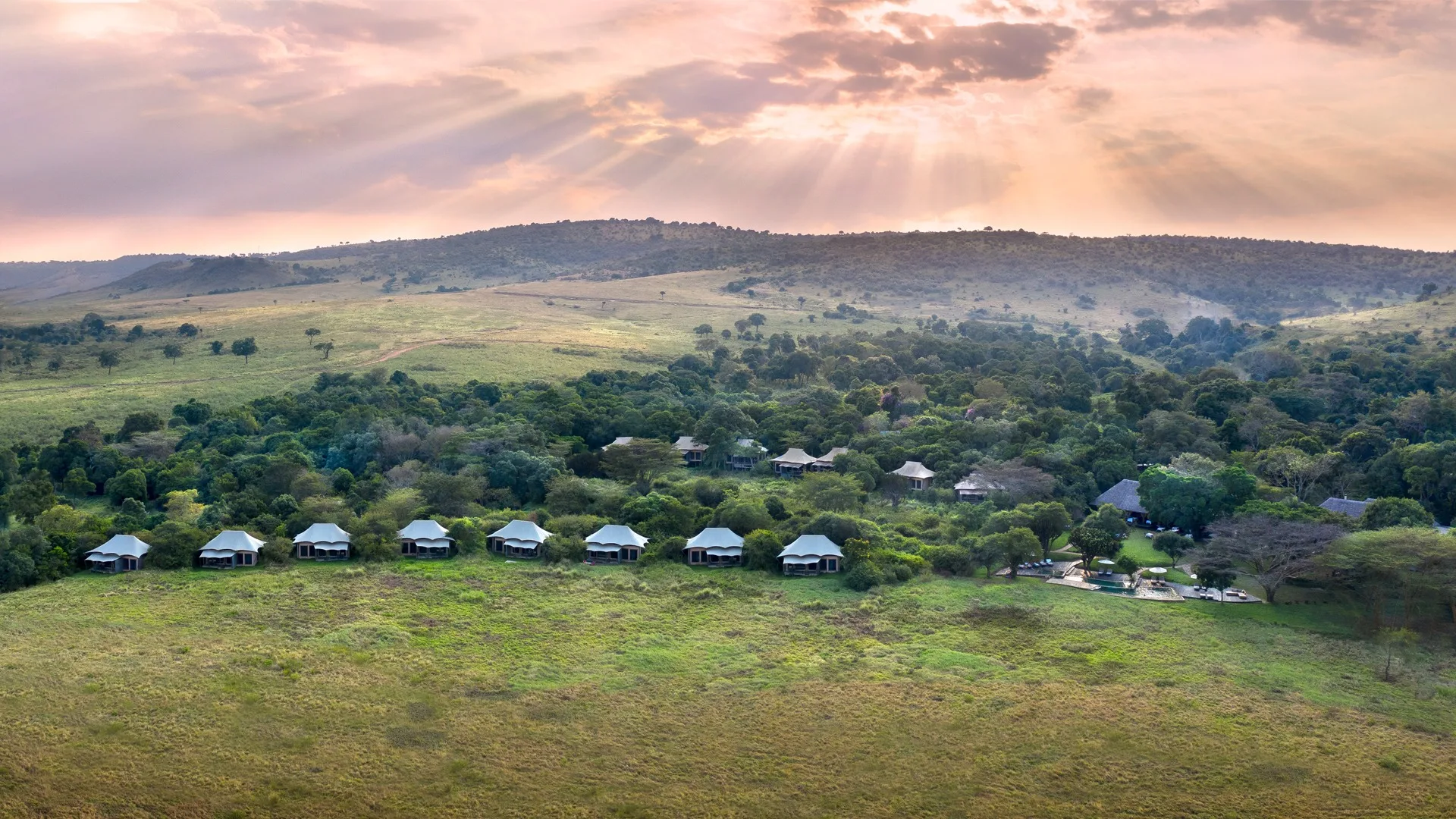
Day 2: Full-Day Masai Mara Wildlife Safari - Main destination
- Masai Mara National Reserve
- Meals
- Breakfast, Lunch, Dinner
Day 2 is the central wildlife-viewing day of your 3 Days Kenya Safari. Because you are already in the safari region, there is no long transfer before game viewing, which allows the guide to dedicate most of the day to wildlife. The exact schedule can be adapted according to lodge location, traveler preference, recent sightings, weather and seasonal conditions.
Early Morning Start
Wake early and prepare for the day. Depending on the chosen plan, breakfast may be served before departure or a packed breakfast may be arranged. Early mornings can provide cooler temperatures and excellent photography light, and predators may still be active after the night while herbivores begin feeding.
Full-Day Game Drive
Depart into the Masai Mara for an extended wildlife experience. A full-day game drive provides much greater flexibility than short morning and afternoon loops. Your guide can explore farther from the lodge and respond to wildlife movements throughout the day, which is particularly valuable when animals of interest are concentrated in another part of the reserve.
Understanding the Mara Ecosystem
The Masai Mara is not simply a collection of individual animal sightings. It is a complex ecosystem shaped by rainfall, grass growth, rivers, predator territories, migration patterns and interactions between species. Your guide can explain how these processes influence where animals are found, and this ecological understanding transforms the safari from sightseeing into a deeper wildlife experience.
Predator Tracking
Day 2 provides the best opportunity to dedicate time to predators. The guide may search for lions, cheetahs, leopards, spotted hyenas and other carnivores. Leopards are particularly elusive and should never be promised, although if one is found the sighting can be one of the highlights of the safari.
Lion Behavior
Lions may spend much of the day resting, especially during warm conditions. However, even resting lions can provide fascinating observations. Guests may witness social grooming, cub interactions, territorial behavior, feeding or movement. Patience often produces better wildlife experiences than constantly driving away in search of another species.
Cheetah Behavior
Cheetahs may be found scanning the plains for prey, and their behavior can change quickly. A resting cheetah may suddenly become alert when prey moves nearby. Guides should position vehicles responsibly and avoid interfering with hunting behavior.
Hyenas
Spotted hyenas are ecologically important predators and scavengers. They live in complex social groups and play a major role in the Mara ecosystem. A good guide helps travelers understand hyenas beyond the stereotypes often associated with them.
Plains Game
Large herbivores create much of the visual character of the Mara. Depending on location and season, you may encounter wildebeest, zebras, topis, impalas, gazelles, elands, buffaloes, giraffes and elephants. The abundance of prey species supports the predator populations for which the reserve is famous.
Great Wildebeest Migration
Travelers visiting during periods when major migration herds are present may encounter enormous concentrations of wildebeest and zebras. The Great Wildebeest Migration follows natural rainfall and grazing patterns across the wider Serengeti-Mara ecosystem. It is not a scheduled event, and herd locations can change according to environmental conditions.
River Crossings
River crossings are among the most dramatic migration events, but they cannot be guaranteed. Herds may gather near a river and then move away, they may wait for long periods, or they may cross unexpectedly. For this reason, a responsible safari itinerary should never promise a river crossing on a specific date.
Three days provide some opportunity to follow migration movements, but travelers whose main goal is witnessing crossings should consider spending more nights in the ecosystem.
Picnic Lunch
A full-day game drive may include a packed picnic lunch at an appropriate designated location. This allows guests to remain in the wildlife area rather than returning to the lodge in the middle of the day. The exact picnic arrangement depends on park rules and the chosen safari plan, and your guide selects a suitable location according to safety and regulations.
Afternoon Wildlife Viewing
After lunch, continue exploring. Even during warmer hours, wildlife activity can remain interesting: elephants may move toward water, predators may rest in visible areas, herbivores may gather in large groups and birdlife remains active across different habitats.
Photography Opportunities
A full day in the Mara provides excellent opportunities for photography. Photographers benefit from:
- Changing light conditions
- Multiple habitats
- Extended time at sightings
- Opportunities for environmental images
- Predator behavior
- Large herbivore groups
- Bird photography
If photography is a major priority, inform the guide before the safari begins. A private vehicle provides additional control over positioning and time spent at sightings.
Return to the Lodge
Later in the afternoon, begin returning toward your accommodation. Continue wildlife viewing until leaving the park or conservancy according to the permitted schedule. Arrive at the lodge or camp, freshen up and enjoy dinner. Day 2 often becomes the most memorable part of the entire three-day safari because it provides the greatest uninterrupted wildlife time.
Accommodation: Selected Masai Mara lodge or tented camp
Meal Plan: Breakfast, Lunch and Dinner
Where you stay
Day 3: Final Game Drive – Masai Mara – Nairobi - Main destination
- Masai Mara National Reserve
- Drive time
- Return transfer as outlined in the itinerary
- Meals
- Breakfast, Lunch
Wake for the final morning of your 3 Days Kenya Safari. Although the journey back to Nairobi will occupy part of the day, there is often time for one final wildlife experience depending on lodge location, departure schedule and park arrangements.
Early Morning Wildlife Viewing
An early final game drive provides another opportunity to search for species missed previously. Wildlife is constantly moving, and an area that appeared quiet the day before may be active the following morning. Your guide may revisit productive habitats or explore a different route.
Last Predator Search
If the group still hopes to see a particular predator, the guide may use the morning to search likely areas. Again, there is no guarantee. The objective is to use local knowledge and available time to maximize opportunities without creating unrealistic expectations.
Final Photography Opportunities
Morning light can be excellent for photography. Keep camera equipment accessible until leaving the wildlife area, and do not pack binoculars away too early. Some of the best sightings can happen unexpectedly near the end of the game drive.
Breakfast and Check-Out
Return to your lodge or camp for breakfast where this schedule applies. After breakfast, collect your luggage and check out. Thank the lodge team and begin the journey out of the Mara region.
Drive Back to Nairobi
Travel toward Nairobi with appropriate rest stops. Lunch may be arranged en route or included according to the confirmed package. Arrival time depends on road conditions and Nairobi traffic. You are then transferred to your hotel, residence, airport or another agreed location. This completes your 3 Days Kenya Safari.
Meal Plan: Breakfast and other meals specified in the confirmed itinerary
What Wildlife Can You See on a 3 Days Kenya Safari?
A three-day safari provides more opportunities than a one-night trip because travelers have multiple game drives. Possible wildlife depends on the destination. On a Masai Mara itinerary, potential sightings may include: Lions, cheetahs and leopards, Elephants and buffaloes, Giraffes, zebras and wildebeest, Spotted hyenas and warthogs, Topis, impalas, gazelles and elands, Hippos and crocodiles in appropriate river habitats, Numerous bird species.
Wildlife remains free-ranging. No specific animal should be guaranteed.
Where you stay
03 Rates
Safari rates 2027-2029
Indicative per person. Season, group size and lodge style change the total — your quotation confirms current rates.
- Essential (Budget)
Essential (Budget)
Budget camps and lodges suit travelers who prioritize wildlife while keeping costs lower.
Great value camps
- Comfort (Mid-range)
Comfort (Mid-range)
Mid-range tented camps and lodges balance comfort and price with private rooms or tents and en-suite facilities.
Quoted for your dates
- Premium (Luxury)
Premium (Luxury)
Luxury camps and lodges focus on location, service and more intimate wildlife experiences.
Premium camps and lodges
- Signature (High-end)
Signature (High-end)
Signature camps and lodges are the most exclusive stays — small, highly private properties with exceptional guiding and setting.
Exclusive signature stays
04 Activities
Safari activities
Game viewing is the core of this itinerary. Optional extras are quoted separately and depend on season, permits and availability. Individual species and river crossings are never guaranteed.
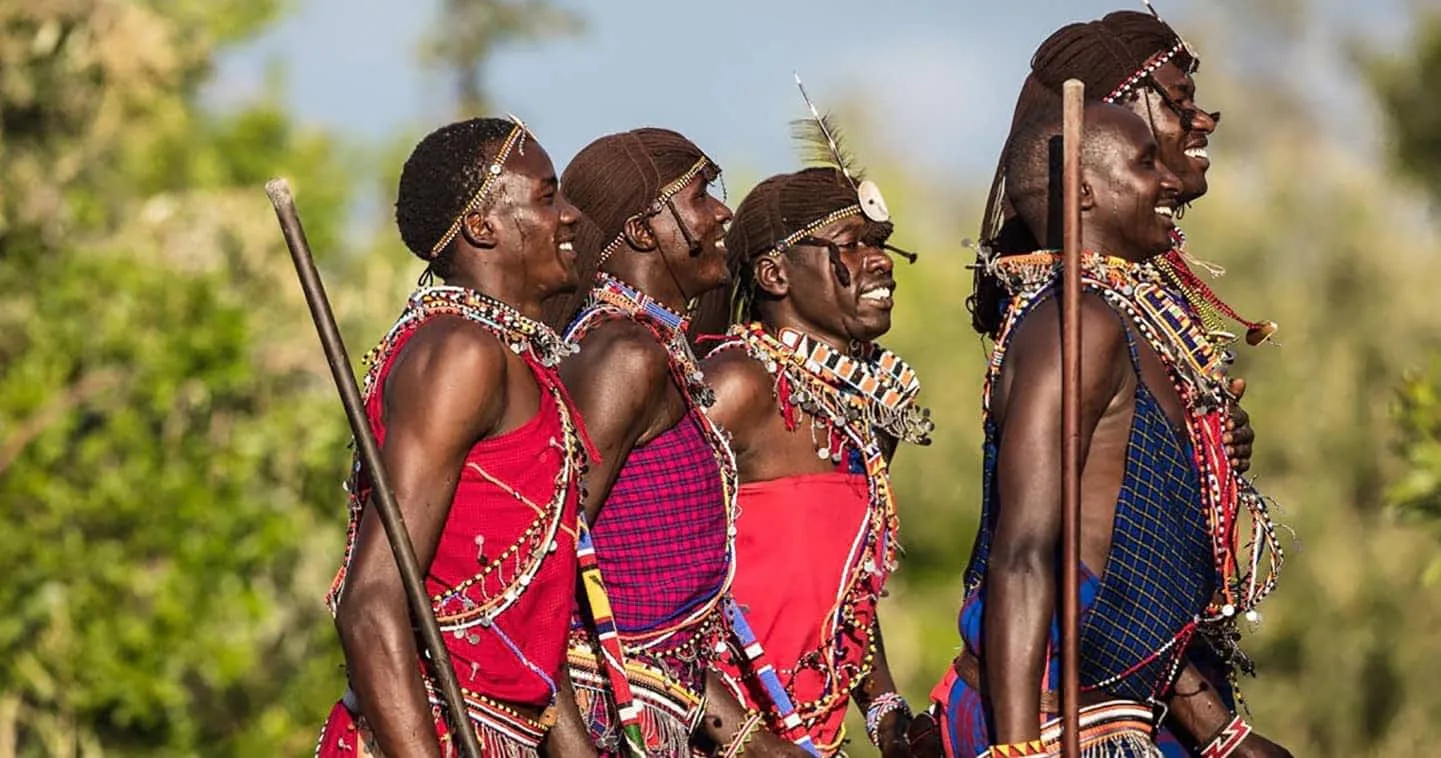
Additional information
Plan This Safari
Can You See the Big Five on a 3 Days Kenya Safari?
A three-day safari can provide opportunities to see several members of the traditional Big Five. These are lion, leopard, elephant, buffalo and rhino. The exact chances depend on the selected destination. The Masai Mara is excellent for predators and many large mammals but is not necessarily the strongest destination for every Big Five species. Travelers whose primary objective is the complete Big Five may benefit from a longer itinerary combining the Mara with a rhino-focused destination.
Can You See Lions in 3 Days?
Yes, the Masai Mara is one of Kenya’s leading lion destinations. Multiple game drives improve the opportunity to locate prides. However, even in excellent lion habitat, sightings remain natural and cannot be guaranteed.
Can You See Leopards in 3 Days?
Leopards occur in Kenya, including the Masai Mara, but they are naturally elusive. Three days give more searching time than a shorter safari, but no responsible guide should promise a leopard sighting. Finding one should be regarded as a privilege.
Can You See Cheetahs in 3 Days?
The Masai Mara is famous for cheetah sightings, and open landscapes provide suitable habitat. Again, sightings depend on natural wildlife movements and cannot be guaranteed.
Can You See Elephants in 3 Days?
Yes. Several Kenya destinations provide excellent elephant viewing. Amboseli is particularly famous for elephants, while the Masai Mara and Tsavo also support important populations.
Can You See Rhinos in 3 Days?
This depends on destination. Travelers whose primary wildlife priority is rhino viewing may prefer Ol Pejeta or Lake Nakuru, or may extend the safari to combine a rhino area with the Masai Mara.
3 Days Kenya Safari During the Great Migration
A 3 Days Kenya Safari can work well during periods associated with the Great Wildebeest Migration. If the main migration herds are in the Masai Mara ecosystem, travelers may encounter large concentrations of wildebeest and zebra. However, migration timing is controlled by rainfall and grazing conditions, and river crossings cannot be scheduled or guaranteed. Travelers with migration as their main objective should consider allocating more nights if possible, as four or five nights provide greater flexibility than two nights.
3 Days Kenya Safari for First-Time Visitors
Three days are an excellent introduction to safari. The itinerary is long enough for travelers to become comfortable with game drives and begin understanding wildlife behavior. A first-time visitor often arrives focused on a short list of famous animals, but by the third day many guests begin appreciating smaller details: birds, tracks, antelopes, predator signs, ecosystems and the behavior of animals already seen. This change in perspective is one of the greatest benefits of spending several days in one wildlife area.
Private 3 Days Kenya Safari
A Private 3 Days Kenya Safari provides a dedicated vehicle and driver-guide for your party. This gives greater control over the experience. Private travel is especially valuable for couples, families, photographers, honeymooners, senior travelers, solo travelers, birdwatchers and visitors with specific wildlife interests. You can spend longer at sightings that matter to you and move on more quickly from those that do not.
3 Days Kenya Safari for Couples
Three days make an excellent short safari for couples. A private vehicle provides flexibility and privacy, and accommodation can be selected according to atmosphere, location and budget. Couples may choose a tented camp for a stronger wilderness feeling or a lodge with additional facilities. This safari also combines well with a beach holiday.
3 Days Kenya Honeymoon Safari
A three-day safari can become part of a Kenya honeymoon. Couples may spend two nights in a romantic safari camp before continuing to Diani, Watamu, Mombasa or another coastal destination. For a more relaxed honeymoon, additional safari nights are recommended. Three days work best when safari is one component of a broader trip rather than the entire honeymoon.
3 Days Kenya Safari for Families
A 3 Days Kenya Family Safari can be highly rewarding. Two nights provide enough time for children to experience wildlife without requiring a long multi-park itinerary. A private safari allows parents to adjust game-drive pacing around the children. Family planning should consider:
- Children’s ages
- Family rooms
- Meal flexibility
- Game-drive duration
- Swimming facilities
- Child policies
- Safari vehicle seating
- Lodge location
- Rest periods
3 Days Kenya Safari for Seniors
Senior travelers can enjoy a three-day safari comfortably when the itinerary is paced appropriately. Road travel time should be considered when choosing the destination, and fly-in options can reduce transfer time. Travelers with mobility concerns should provide this information before booking so suitable accommodation and vehicle arrangements can be selected where possible.
3 Days Kenya Safari for Solo Travelers
Solo travelers can book privately. The per-person cost may be higher because vehicle expenses are not shared. However, solo travelers benefit from complete control over wildlife interests and pacing. This is particularly useful for photography, birding or specialist conservation interests.
3 Days Kenya Safari from Nairobi
Nairobi is the most common starting point for short Kenya safaris. A private guide can collect you from your hotel, residence or airport depending on the itinerary. An early departure on Day 1 is recommended. On Day 3, sufficient time should be allowed when returning toward Nairobi, particularly if an onward flight is planned.
3 Days Kenya Safari from Nairobi Airport
Airport pickup can be arranged where timing makes sense. Travelers arriving early in the morning may continue directly toward the safari destination after completing airport procedures. However, immigration, baggage collection, customs and possible flight delays should be considered. An itinerary should not depend on unrealistic assumptions about how quickly travelers will exit the airport.
3 Days Kenya Safari Ending at Nairobi Airport
The safari can finish with a transfer to the airport. Provide the full onward flight details before booking. The itinerary should allow enough time for road conditions, Nairobi traffic and international check-in. A wildlife sighting is never worth risking a missed flight.
3 Days Kenya Safari from Mombasa or Diani
Travelers staying on the coast can use three days for a safari extension. Tsavo is often a logical choice because of its location relative to the Indian Ocean. The exact route should be adapted to the starting hotel. Three days provide more flexibility than a one-night trip and may allow a deeper exploration of the Tsavo ecosystem.
Road Safari vs Fly-In Safari for 3 Days
3 Days Kenya Road Safari
A road safari provides a private vehicle and continuous service from one guide. Advantages include:
- Lower cost than many fly-in options
- Countryside views
- Flexibility over stops
- Private vehicle continuity
- Luggage convenience
The main disadvantage is transfer time. For the Masai Mara, travelers should be prepared for significant road travel on Day 1 and Day 3.
3 Days Kenya Fly-In Safari
A 3 Days Kenya Fly-in Safari reduces long road transfers. Travelers fly from Nairobi or another hub to a safari airstrip and are transferred to camp. This is especially attractive for luxury travelers, honeymooners, travelers with limited time, seniors who prefer less road travel and visitors combining several distant destinations. The higher cost may be worthwhile because more of the three days can be spent in the safari area.
Budget 3 Days Kenya Safari
A Budget 3 Days Kenya Safari uses simpler accommodation and usually road transportation. The objective is to keep costs manageable while preserving the core wildlife experience. Budget travel should still include reliable transport, professional guiding and required park arrangements. A low price is only valuable if the essential safari components remain properly included.
Mid-Range 3 Days Kenya Safari
A Mid-range 3 Days Kenya Safari offers one of the strongest combinations of comfort and value, and this category is especially popular with couples, families and first-time safari visitors. Mid-range lodges and permanent tented camps often provide:
- Private bathrooms
- Comfortable beds
- Hot showers
- Restaurant facilities
- Full-board meals
- Swimming pools at some properties
- Attractive locations
Luxury 3 Days Kenya Safari
A Luxury 3 Days Kenya Safari can include premium tented camps, excellent locations, high service levels and fly-in transfers. Luxury is most valuable when it improves access, privacy, guiding and wildlife time. A well-located luxury camp may allow guests to spend more time on game drives and less time transferring.
High-End 3 Days Kenya Safari
High-end travelers may choose intimate properties, private conservancies, exclusive vehicles, premium suites and highly personalized service. The itinerary can also incorporate scenic flights or other specialist experiences where available.
Accommodation on a 3 Days Kenya Safari
Your accommodation strongly influences both comfort and daily safari logistics.
Safari Lodges
Lodges usually provide permanent rooms, restaurants, lounges and additional facilities. They can be ideal for families and travelers who prefer conventional hotel-style comfort.
Tented Camps
Permanent tented camps provide a stronger sense of immersion in the natural environment, and “tented camp” should not be confused automatically with basic camping. Many include:
- Full beds
- Private bathrooms
- Hot showers
- Electricity
- Verandas
Location Matters
A cheaper lodge far from the principal wildlife area may add substantial driving to each game drive. For a short safari, location can be more important than luxury level. The best accommodation provides both appropriate comfort and efficient access to wildlife.
Meals on a 3 Days Kenya Safari
A typical meal plan may include the following. Exact inclusions depend on the package, and dietary requirements should be provided before travel so the lodge can prepare appropriately.
- Day 1: Lunch and Dinner
- Day 2: Breakfast, Lunch and Dinner
- Day 3: Breakfast and potentially Lunch
What to Pack for a 3 Days Kenya Safari
A short safari does not require excessive luggage. Fly-in travelers should follow the specific baggage restrictions of the booked aircraft. Recommended items include:
- Lightweight neutral clothing
- Long trousers
- Comfortable shirts
- A light jacket or fleece
- Comfortable closed shoes
- Sun hat
- Sunglasses
- Sunscreen
- Binoculars
- Camera
- Spare batteries
- Memory cards
- Phone charger
- Power bank
- Personal medication
- Toiletries
- A small day bag
Photography on a 3 Days Kenya Safari
Three days provide excellent photography potential because travelers experience multiple light conditions. The full wildlife day is particularly valuable. Photographers should inform the guide that photography is a priority. A private vehicle can help with positioning, longer stops, waiting for behavior, minimizing passenger conflicts and choosing appropriate angles. Patience is often more valuable than constantly changing sightings.
Birdwatching on a 3 Days Kenya Safari
Kenya is outstanding for birdlife. Even travelers focused primarily on mammals can encounter a remarkable variety of birds. Dedicated birdwatchers should carry binoculars and tell their guide about their interests. Three days provide more opportunities to identify species across different habitats.
Best Time for a 3 Days Kenya Safari
Kenya can be visited throughout much of the year. Dryer periods may provide easier wildlife viewing in some areas because vegetation becomes thinner and animals gather around water. Greener periods can provide beautiful scenery, dramatic skies, birding opportunities and lower visitor pressure in some destinations. Travelers interested specifically in migration movements should plan around the wider Serengeti-Mara cycle while remembering that nature does not follow exact dates.
Is 3 Days Enough for a Kenya Safari?
Yes. Three days are enough for a highly rewarding short safari focused on one principal destination. It is not enough to see all of Kenya. Travelers who want several parks should extend the trip rather than attempting to compress too much into three days.
2 Days vs 3 Days Kenya Safari
A 2 Days Kenya Safari gives one overnight stay. A 3 Days Kenya Safari provides two nights and a much more substantial wildlife program. The extra day is especially valuable because Day 2 can be dedicated almost entirely to wildlife viewing without a major road transfer.
3 Days vs 4 Days Kenya Safari
A 4 Days Kenya Safari provides greater flexibility. Travelers can either spend more time in one destination or begin considering a carefully planned combination with another nearby safari area. If photography, migration or predator viewing is a priority, the extra night can be very worthwhile.
3 Days vs 5 Days Kenya Safari
Five days provide enough time to begin combining major destinations more comfortably. Travelers interested in a broader Kenya experience should consider five or more days.
Typical 3 Days Kenya Safari Inclusions
A typical private safari may include the following, though the confirmed quotation is always the final authority on inclusions.
- Pickup from the agreed location
- Private safari vehicle
- Professional English-speaking driver-guide
- Two nights’ accommodation
- Meals shown in the itinerary
- Scheduled game drives
- Applicable park or conservancy entrance fees where stated
- Bottled drinking water in the vehicle
- Return transfer or agreed drop-off
Typical Exclusions
Unless specifically stated, exclusions may include:
- International flights
- Domestic flights not shown
- Travel insurance
- Visas or entry documentation
- Gratuities
- Personal expenses
- Alcoholic drinks
- Premium beverages
- Optional activities
- Extra hotel nights
- Services not listed in the confirmed itinerary
How Much Does a 3 Days Kenya Safari Cost?
Private vehicle costs are shared across the number of travelers using the vehicle, so couples, families and small groups can achieve stronger per-person value than solo travelers. Always request current pricing using exact travel dates. Price varies according to:
- Travel season
- Destination
- Accommodation category
- Number of travelers
- Private or shared safari
- Road or fly-in transport
- Park and conservancy fees
- Lodge location
- Optional activities
- Pickup and drop-off arrangements
Responsible Wildlife Viewing
A high-quality safari respects wildlife. Wildlife should be allowed to hunt, rest, feed and move naturally, and responsible tourism protects the quality of the safari experience for future visitors. Guests should:
- Follow guide instructions
- Remain in the vehicle where required
- Avoid feeding animals
- Minimize noise
- Never pressure guides to approach animals irresponsibly
Combine Your 3 Days Kenya Safari With a Beach Holiday
A three-day safari combines extremely well with Kenya’s Indian Ocean coast. Travelers may continue to Diani, Mombasa, Watamu or other coastal destinations. This is especially attractive for honeymooners, families and travelers who want both wildlife adventure and relaxation.
Combine Kenya With Tanzania, Zanzibar, Uganda or Rwanda
A 3 Days Kenya Safari can also become one part of a wider East African itinerary. Travelers can connect onward to Tanzania, Zanzibar, Uganda, Rwanda or other Kenya safari regions. Regional flights make many combinations practical, although transport schedules should always be coordinated carefully.
Why a Focused 3 Days Kenya Safari Works So Well
Three days are short enough that every hour matters. The strongest itinerary does not attempt to impress travelers with a long list of parks. It concentrates on one excellent wildlife area. This allows guests to:
- Understand the ecosystem
- Spend more time with animals
- Experience different times of day
- Reduce packing and unpacking
- Minimize unnecessary road transfers
- Build continuity with one guide
Safari quality comes from depth, not just distance traveled.
Book Your 3 Days Kenya Safari
A 3 Days Kenya Safari is one of the best short wildlife journeys available in Kenya. It is long enough to provide multiple game drives and two nights in the wilderness while remaining easy to combine with Nairobi, the Kenyan coast or a wider East African journey. For many travelers, a 3 Days Masai Mara Safari provides the classic choice. Others may prefer Amboseli for elephants, Tsavo for wilderness, Samburu for northern landscapes or Ol Pejeta for conservation and rhinos.
Tell us:
- Your travel dates
- Number of travelers
- Children’s ages where applicable
- Pickup location
- Preferred safari destination
- Wildlife interests
- Accommodation level
- Road or fly-in preference
- Approximate budget
- Onward travel arrangements
A customized 3 Days Kenya Safari can then be designed around the destination and travel style that best matches your trip. For a longer experience, continue to the 4 Days Kenya Safari, 5 Days Kenya Safari, 6 Days Kenya Safari and the complete collection of Kenya Safari Packages.
Planning Questions
Frequently Asked Questions
Is three days enough for Masai Mara?
Yes. Three days are a popular minimum for a road safari from Nairobi.
How many nights are included?
A 3 Days Kenya Safari normally includes two nights.
How many game drives are included?
The exact number depends on the itinerary, but the program normally includes wildlife viewing on Day 1, a major game-viewing day on Day 2 and a final opportunity on Day 3.
Is the safari private?
A private safari can be arranged with a dedicated vehicle and driver-guide.
Can children join?
Yes, subject to lodge and activity policies.
Can seniors join?
Yes. The itinerary can be adjusted for comfort.
Can solo travelers book?
Yes.
Can I fly to the Masai Mara?
Yes, depending on flight schedules and budget.
Will I see the Big Five?
There is no guarantee. Wildlife is free-ranging.
Will I see the Great Migration?
Only if the migration herds are in the relevant area during your visit. Exact timing cannot be guaranteed.
Will I see a river crossing?
No river crossing can be guaranteed.
Can I finish at the airport?
Yes, if the schedule allows sufficient time for road conditions and airport check-in.
Three days are short enough that every hour matters. The strongest itinerary does not attempt to impress travelers with a long list of parks. It concentrates on one excellent wildlife area. This allows guests to:
- Understand the ecosystem. - Spend more time with animals. - Experience different times of day. - Reduce packing and unpacking. - Minimize unnecessary road transfers. - Build continuity with one guide.
05 Request Quote
Request Quote
Tell us your dates, group size, and preferred lodge style — we will send a tailored quote for this safari.
Want to extend your safari?
Add Amboseli, Diani Beach, Tanzania and Zanzibar, or gorilla trekking in Uganda or Rwanda — we tailor the journey to your dates.