
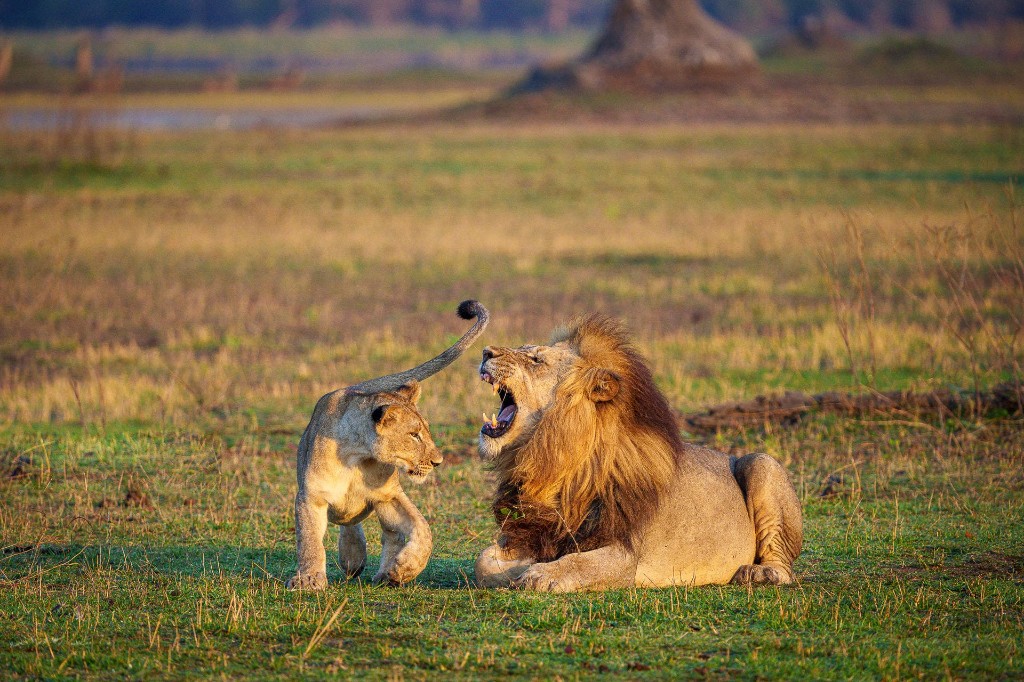
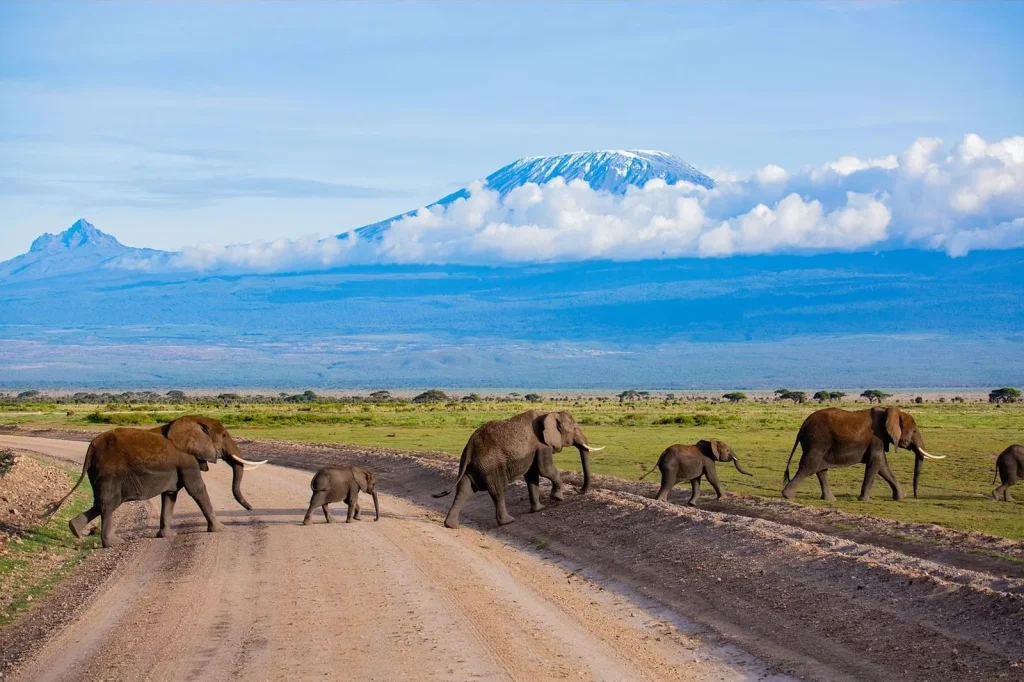
A safari in Kenya is often described through its wildlife: elephants crossing the Amboseli plains, lions resting in the Masai Mara or giraffes browsing among acacia trees. Yet these landscapes are also closely connected to the people who live around them.
For generations, communities have depended on the land for livestock grazing, farming, trade and cultural traditions. Today, tourism has become another important part of the local economy, offering opportunities for employment, entrepreneurship, conservation partnerships and cultural exchange.
Well-designed community projects in Kenya can help ensure that the benefits of safari tourism extend beyond hotels and wildlife-viewing areas.
A community project might support local education, provide training for young people, help women develop independent businesses or create employment through conservation. In some regions, community-owned conservancies enable landowners to receive income from tourism while protecting wildlife habitat.
However, not every project described as sustainable delivers meaningful local benefits. Travellers should understand who owns an initiative, who makes decisions, how income is distributed and whether participation is genuinely voluntary.
At Safari Trips to Kenya, we believe responsible safari planning should consider the people and landscapes that make travel possible.
What Are Community-Based Tourism Projects?
Community-based tourism refers to tourism activities in which local residents play a meaningful role in ownership, management, decision-making or the distribution of benefits.
These initiatives take many forms.
Some are small businesses offering guided village visits, traditional craft demonstrations or locally prepared meals. Others are conservation partnerships involving extensive areas of land.
Community tourism may also support training programmes, cultural centres, women’s enterprises and local guiding associations.
The defining feature should be genuine community participation rather than simply presenting local culture as an attraction.
A successful initiative respects residents’ rights, protects cultural identity and provides transparent economic opportunities.
Why Community Projects Matter to Kenya’s Safari Industry
Kenya’s protected areas are surrounded by communities whose livelihoods often depend on the same landscapes used by wildlife.
Wild animals move beyond national park boundaries in search of grazing, water and breeding habitats.
This can create challenges when elephants damage crops, predators attack livestock or land-use needs compete with conservation.
Tourism can contribute to solutions by making wildlife habitat economically valuable to local landowners.
When communities receive meaningful benefits from conservation, there may be stronger incentives to protect habitat and support coexistence.
However, tourism alone cannot resolve every challenge. Effective conservation also requires sound land management, fair governance, conflict mitigation and appropriate public investment.
Community Conservancies in Kenya
One of Kenya’s most important community conservation models involves wildlife conservancies.
A conservancy is not necessarily the same as a national park or reserve. Its management structure, land tenure, visitor regulations and conservation objectives may differ.
Some conservancies are established on community land, while others involve private landowners or partnerships.
In parts of the Maasai Mara ecosystem, landowners lease land for wildlife conservation and tourism, subject to specific agreements.
Elsewhere, community conservancies operate across extensive landscapes in northern Kenya.
Conservancies Around the Masai Mara
Conservancies bordering the Masai Mara National Reserve can provide wildlife habitat outside the reserve itself.
They may support tourism employment, land-lease income and conservation activities.
Certain conservancies regulate the number of tourism vehicles and accommodation beds, although arrangements vary.
Travellers should ask whether their accommodation is located within a conservancy and whether the relevant access fees are included.
Northern Kenya Conservancies
Northern Kenya contains important community conservation initiatives associated with landscapes around Samburu, Laikipia and other regions.
These areas support wildlife, livestock grazing and community livelihoods.
Conservancy activities may involve ranger employment, wildlife monitoring, tourism enterprises and community development.
Visitors should not assume that all conservancies operate under identical financial or governance models.
Supporting Local Employment Through Safaris
One of the most direct ways tourism benefits communities is through employment.
Safari guides, drivers, lodge employees, cooks, mechanics, housekeepers, security personnel and maintenance teams all contribute to the visitor experience.
Tourism also supports suppliers who provide food, transport, laundry services, construction materials and other goods.
Employment quality matters as much as employment numbers.
Responsible operators should work towards fair compensation, safe working conditions, appropriate training and professional development.
Travellers can support this approach by choosing companies that value local expertise rather than treating guides and hospitality staff as interchangeable.
Education and Skills Development
Tourism-related community initiatives sometimes support schools, scholarships, vocational training or educational materials.
However, responsible educational support should be guided by local priorities.
A visitor’s brief encounter with a school does not automatically create meaningful benefits.
Unplanned classroom visits can interrupt lessons, compromise children’s privacy and place pressure on staff.
Travellers interested in supporting education should favour established programmes with transparent governance.
Where school visits are offered, they should be arranged with proper permission and a clear educational or community purpose.
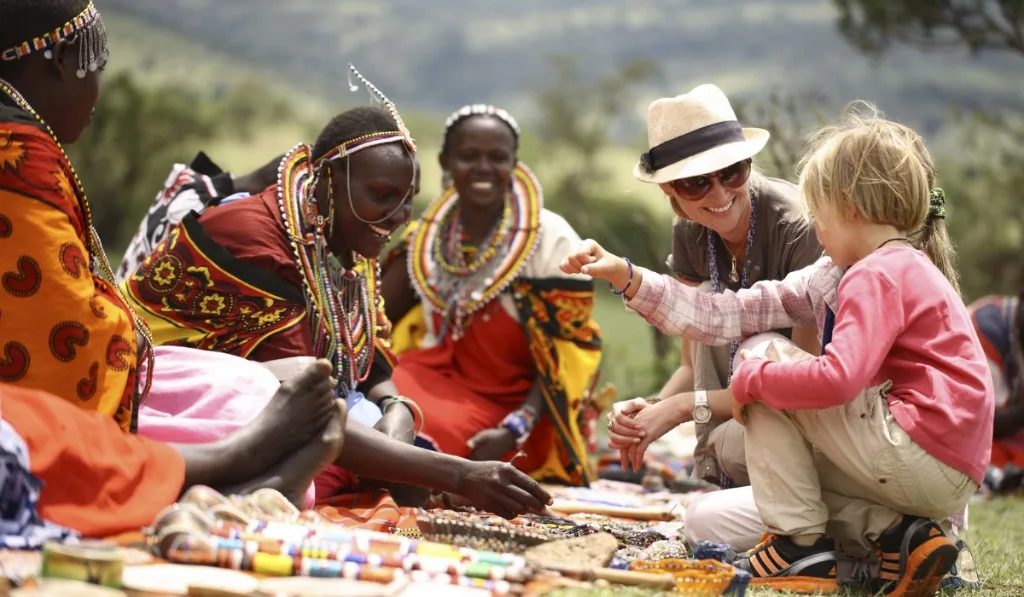
Women’s Enterprises and Local Craft Markets
Women’s cooperatives and independent craft businesses can provide important income opportunities.
Across Kenya, artisans produce beadwork, textiles, baskets, leather goods and other items reflecting local skills and cultural traditions.
Purchasing directly from makers can help more of the purchase price remain with the producer.
However, visitors should avoid assuming that every souvenir market is community-owned.
Ask who made the products and how prices are determined.
Respectful purchasing means recognising craftsmanship, paying agreed prices and avoiding excessive bargaining over small amounts.
Ethical Maasai Cultural Experiences
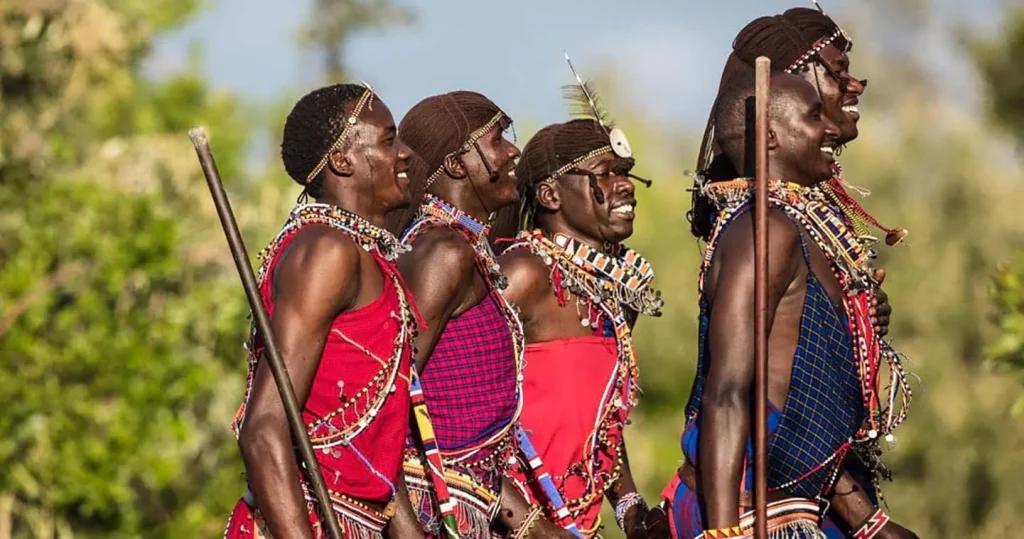
The Maasai are among Kenya’s best-known communities, particularly around the Masai Mara and parts of southern Kenya.
Cultural visits may introduce travellers to local history, pastoral traditions, architecture, crafts and contemporary community life.
But Maasai culture is not a performance frozen in the past.
Communities are diverse, and individuals participate in modern education, business, politics and other aspects of Kenyan society.
A respectful cultural experience should be guided by local people who choose what to share.
Photography should require permission, particularly when children or private homes are involved.
Visitors should also know whether a cultural visit involves an additional fee and how that payment is distributed.
Community Tourism Beyond the Masai Mara
Community-based tourism is not limited to Maasai areas.
Kenya’s coastal region offers opportunities to learn about Swahili heritage, traditional fishing, food culture and historic settlements.
Around Mount Kenya, local guides and enterprises may introduce visitors to agricultural landscapes, forest conservation and regional traditions.
Northern Kenya offers distinct cultural experiences involving Samburu and other communities.
Each destination requires its own approach.
The aim should be meaningful exchange rather than presenting communities as interchangeable cultural attractions.
Wildlife Conservation and Local Livelihoods
Wildlife conservation can impose real costs on people living near protected areas.
Elephants may damage crops, while lions, hyenas and other predators can threaten livestock.
Conservation programmes sometimes include improved livestock enclosures, community monitoring, compensation or other conflict-reduction measures.
Tourism income may help finance some activities, but the effectiveness of individual programmes varies.
Responsible travellers should avoid simplistic claims that every safari automatically protects wildlife or eliminates conflict.
The strongest initiatives have measurable objectives and community involvement.
Community Rangers and Wildlife Monitoring
Community rangers can play important roles in wildlife protection.
Depending on the conservancy, their work may include monitoring wildlife, responding to conflict incidents, supporting visitor safety and reporting illegal activities.
Ranger programmes require training, equipment, supervision and sustainable funding.
Tourism revenue can contribute to these costs where the financial structure allows.
Visitors interested in conservation should ask whether a property or conservancy publishes information about its programmes and results.
Water, Health and Infrastructure Projects
Some tourism initiatives contribute to water access, health services or local infrastructure.
These projects can be valuable, particularly when developed in consultation with residents.
However, infrastructure projects require maintenance and long-term management.
A newly installed water system is not necessarily sustainable without funding for repairs, reliable governance and appropriate technical support.
Responsible tourism should prioritise lasting usefulness rather than publicity around a one-time donation.
How to Identify a Genuine Community Project
Before visiting or donating, consider several questions.
Who owns or manages the initiative? Are community representatives involved in decisions? How is revenue distributed? Are financial arrangements transparent? Does the project respond to priorities identified by residents?
It is also useful to ask whether participation is voluntary and whether the project protects personal privacy and cultural dignity.
A credible operator should be willing to explain the arrangement without making exaggerated claims.
Voluntourism: What Travellers Should Consider
Short-term volunteering can seem attractive, but not every activity is appropriate.
Unqualified visitors should not undertake work requiring professional training, particularly in education, healthcare or construction.
Projects involving children require especially careful safeguarding.
A brief visit should never replace qualified local employment.
For many travellers, supporting locally owned businesses or established organisations is more beneficial than participating in an improvised volunteer activity.
Community Projects and Safari Accommodation
Accommodation choices influence how tourism revenue is distributed.
Some lodges employ staff from surrounding communities, purchase local produce or contribute to conservation programmes.
Others operate in partnership with landowners or community organisations.
These arrangements should be evaluated individually.
A luxury property is not automatically less responsible than a budget camp, and a small camp is not automatically community-owned.
Travellers should look for evidence of meaningful practices rather than relying exclusively on marketing language.
Responsible Tourism Across Our Accommodation Categories
At Safari Trips to Kenya, safari accommodation can be considered across four categories: Essential, Comfort, Premium and Signature.
These categories describe the general style and service level rather than guaranteeing particular environmental or community outcomes.
An Essential camp may provide local employment and practical accommodation.
A Comfort lodge may source produce from nearby suppliers.
Premium and Signature properties may support conservation partnerships or specialised community programmes.
The specific practices of each property should be confirmed during itinerary planning.
Visiting Community Projects with Children
Family safaris can include educational cultural experiences.
Children may learn about different livelihoods, languages, conservation challenges and local traditions.
However, visits should be age-appropriate and respectful.
Families should avoid photographing other children without permission or distributing gifts directly in ways that create pressure.
A guided activity organised by a community enterprise is generally preferable to an unplanned visit.
Community Experiences on a Masai Mara Safari
A Masai Mara itinerary may include an optional cultural experience or a stay in a conservancy with community partnerships.
These activities should be arranged around the main wildlife programme without excessive disruption.
A cultural visit is not always included in a safari quotation.
Travellers should confirm the price, duration, transport arrangements and nature of the experience.
Where possible, choose visits led by community members who can explain their culture in their own words.
Community Experiences on an Amboseli Safari
The wider Amboseli landscape includes Maasai communities and important wildlife dispersal areas.
Tourism and conservation are closely connected to local land-use decisions.
Some accommodation properties or community organisations offer cultural activities.
Visitors may learn about pastoral livelihoods, conservation challenges and the importance of maintaining wildlife corridors.
Activities should be booked through reputable local providers.
Community Experiences in Samburu
Samburu offers opportunities to explore distinctive northern Kenyan landscapes and learn about local cultural heritage.
Community-guided activities may include discussions of pastoral livelihoods, beadwork and conservation.
Travellers should remember that local communities are not tourist exhibits.
Respectful engagement requires consent, appropriate payment and sensitivity to individual preferences.
Should Travellers Donate Money or Supplies?
Donations can be useful when they respond to an identified need and are handled through a credible organisation.
However, distributing money or gifts spontaneously can create unintended consequences.
Travellers should ask project representatives what support is actually needed.
Cash donations through transparent channels may be more practical than bringing unsuitable supplies from abroad.
For education or health-related projects, established local organisations are generally better positioned to assess priorities.
How to Include Community Tourism in a Kenya Safari
Community activities work best when incorporated thoughtfully.
A seven-day Kenya safari might combine wildlife viewing in the Masai Mara with an optional locally guided cultural visit.
A longer itinerary could include Amboseli or Samburu, allowing travellers to experience different landscapes and community contexts.
The goal should not be to visit as many villages as possible.
One well-organised, meaningful experience is often more valuable than several superficial stops.
Suggested Eight-Day Wildlife and Community Safari
Day 1: Arrival in Nairobi
Arrive in Nairobi and transfer to your hotel. Depending on arrival time, explore a suitable cultural or heritage attraction.
Day 2: Nairobi to Amboseli
Travel towards Amboseli, enjoying the changing landscapes of southern Kenya. Arrive for an afternoon game drive if time permits.
Day 3: Amboseli Wildlife and Community Experience
Enjoy an early game drive, searching for elephants and other wildlife. An optional community-led cultural experience can be arranged, subject to availability.
Day 4: Amboseli to Nairobi
Return to Nairobi for an overnight stay, allowing a practical break before continuing towards the Rift Valley.
Day 5: Nairobi to Masai Mara
Travel to the Masai Mara. Enjoy an afternoon wildlife excursion if arrival time permits.
Day 6: Full-Day Masai Mara Safari
Explore the reserve, looking for lions, elephants, giraffes, buffaloes and other animals.
Day 7: Masai Mara and Optional Cultural Visit
Enjoy another wildlife-viewing session. A community-guided activity may be included if arranged in advance.
Day 8: Return to Nairobi
Travel back to Nairobi for onward arrangements.
This is a suggested route and can be customised according to travel dates and interests.
Measuring the Impact of Community Tourism
Meaningful impact is not always easy to measure.
Useful indicators may include local employment, income retained within the community, land protected through conservation agreements and the continuity of supported services.
Projects should also consider social and environmental outcomes.
Travellers can ask whether an organisation publishes reports or shares information about its activities.
The absence of elaborate publicity does not mean a small initiative is ineffective, but unsupported claims should be treated cautiously.
Common Mistakes in Community Tourism
One mistake is assuming that a cultural performance represents the entire identity of a community.
Another is treating donations as a substitute for fair payment.
Visitors may also assume that every conservancy or lodge has the same ownership structure.
Some travellers focus on taking photographs rather than listening to local guides.
Responsible tourism requires curiosity, humility and an understanding that communities have priorities beyond tourism.
Frequently Asked Questions
What Are Community Projects in Kenya?
They include locally managed tourism enterprises, conservation partnerships, education initiatives, skills programmes and other activities intended to benefit communities.
Are Maasai Village Visits Ethical?
They can be when participation is voluntary, the visit is community-led and fees and photography arrangements are transparent.
Do Safari Fees Support Local Communities?
Some fees and tourism payments contribute to community benefits, but the arrangements differ between parks, conservancies and accommodation providers.
Can I Visit a School During My Safari?
Only through an appropriate, authorised programme that respects children’s privacy and avoids disrupting education.
Are Community Conservancies Different from National Parks?
Yes. Their ownership, management and tourism arrangements can differ substantially.
Can Community Activities Be Added to a Private Safari?
Yes, subject to availability, travel logistics and the suitability of the activity.
Travel Responsibly with Safari Trips to Kenya
Community projects in Kenya reveal an important dimension of safari travel: the relationship between wildlife, landscapes and the people who live alongside them.
By choosing respectful cultural experiences, supporting locally owned enterprises and understanding conservation partnerships, travellers can make more informed decisions.
At Safari Trips to Kenya, we can help incorporate suitable community experiences into private and group safari itineraries while keeping wildlife viewing, travel comfort and responsible tourism at the centre of the journey.
END-OF: https://www.safaritripstokenya.com/community-projects/ PERMALINK: https://www.safaritripstokenya.com/masai-mara/comparisons/