

Planning your first Kenya safari is exciting, but it can also feel overwhelming. Kenya has numerous national parks, wildlife conservancies, accommodation categories and safari routes. Travellers often begin with the same questions: Which park should I visit? How many days do I need? Is a private safari worth the extra cost? Will I see lions and elephants? What should I pack?
The good news is that Kenya is one of Africa’s most established safari destinations. Its wildlife areas are supported by experienced guides, established accommodation and a variety of transport options. With the right itinerary, a first-time visitor can enjoy an extraordinary wildlife experience without needing previous safari knowledge.
A well-planned safari is not simply a sequence of game drives. It is an opportunity to observe animals in their natural habitats, understand the landscapes they depend on and experience the rhythm of life in the African wilderness. This first Kenya safari guide explains the practical decisions that matter most, from choosing destinations and accommodation to understanding wildlife seasons, travel distances and safari etiquette.
Why Kenya Is an Excellent Destination for a First Safari
Kenya offers an exceptional combination of wildlife diversity, scenic landscapes and tourism infrastructure. The country is home to lions, elephants, leopards, buffaloes, rhinoceroses, giraffes, zebras, cheetahs and numerous antelope species, and different parks offer different experiences.
The Masai Mara National Reserve is famous for predators and open grasslands. Amboseli National Park is particularly associated with elephants and views of Mount Kilimanjaro. Lake Nakuru National Park provides opportunities to observe rhinoceroses, while Samburu National Reserve is known for distinctive northern Kenya wildlife. Kenya also offers accommodation for different budgets, from simple camps and comfortable lodges to exclusive luxury tented properties.
Another advantage is the possibility of combining wildlife viewing with a beach holiday. After several days of game drives, travellers can relax at Diani Beach, Watamu or another Indian Ocean destination.
What Actually Happens on a Kenya Safari?
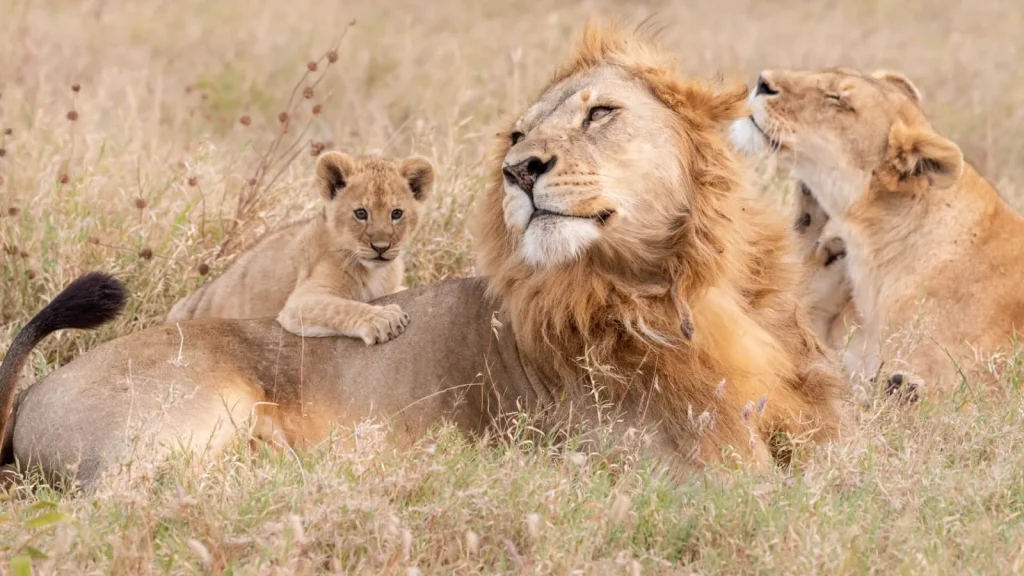
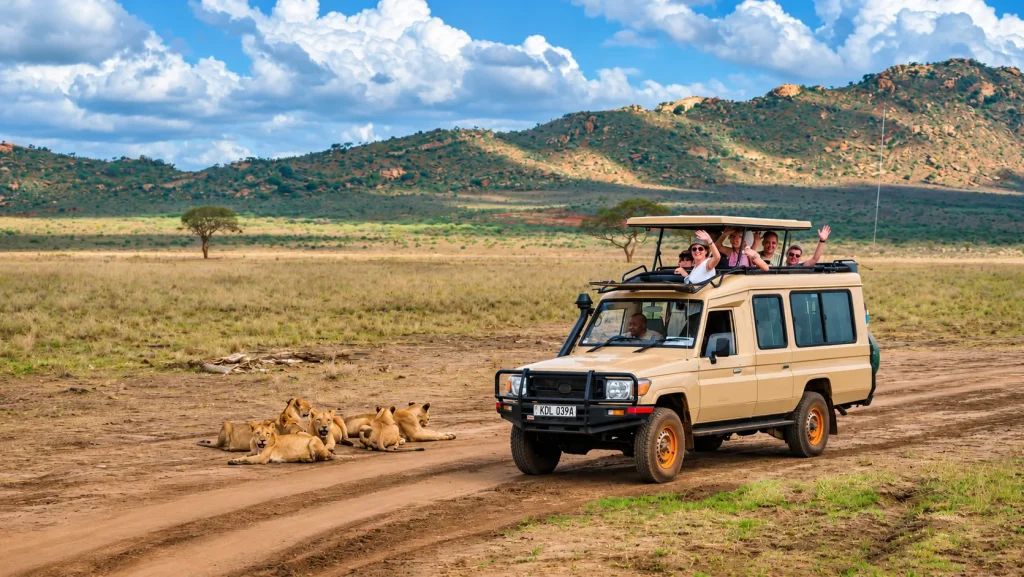
A typical safari day begins early. Guests often wake before sunrise, enjoy tea or coffee and leave for a morning game drive. Early morning is an important period because temperatures are cooler and some animals are more active. Your guide drives through authorised wildlife-viewing areas, searching for animals and interpreting their behaviour.
A game drive is not a race between sightings. Sometimes you may encounter elephants within minutes; on other occasions, the guide may spend considerable time searching for a leopard or observing tracks. After the morning drive, guests generally return to the lodge for breakfast or brunch. The middle of the day may be reserved for relaxation, lunch and time at the swimming pool. An afternoon game drive follows when temperatures begin to fall, and dinner is usually served at the lodge or camp.
Some itineraries include full-day game drives with packed lunches instead of returning to the accommodation. The exact schedule depends on the park, accommodation and safari style.
Which Kenya Safari Parks Are Best for Beginners?
Masai Mara National Reserve
For many first-time visitors, the Masai Mara is the strongest starting point. The reserve is known for its expansive grasslands, predator populations and diverse wildlife. Visitors may encounter lions, elephants, buffaloes, giraffes, zebras, cheetahs and numerous other animals. The Mara is also associated with the Great Wildebeest Migration, particularly during the months when migratory herds move into Kenya, although wildlife viewing remains rewarding throughout the year. A three-night stay is ideal for many first-time visitors because it provides several opportunities to explore different areas.
Amboseli National Park
Amboseli National Park is particularly attractive for elephant lovers. The park supports substantial elephant populations and provides views towards Mount Kilimanjaro when weather conditions allow. Its wetlands attract wildlife, creating excellent opportunities for observation. Amboseli is also relatively convenient for road safaris from Nairobi. Two nights are generally suitable for an introductory visit.
Lake Nakuru National Park
Lake Nakuru National Park is an important destination for rhinoceros viewing. The park supports both black and southern white rhinoceroses, although sightings depend on animal movements. Visitors may also encounter buffaloes, giraffes, lions and numerous birds. Lake Nakuru is a useful addition to a Masai Mara itinerary.
Samburu National Reserve
Samburu National Reserve offers a different environment from the Masai Mara. The landscape is drier, with riverine vegetation and open habitats supporting northern Kenya’s distinctive wildlife. The Samburu Special Five include Grevy’s zebra, reticulated giraffe, gerenuk, Beisa oryx and Somali ostrich. Samburu is particularly rewarding for travellers interested in unusual wildlife species.
Tsavo East and Tsavo West
The Tsavo national parks are excellent for travellers combining a safari with the Kenyan coast. Tsavo East is known for red elephants and broad plains, while Tsavo West offers volcanic scenery, woodland and attractions such as Mzima Springs. A short Tsavo safari can be a convenient addition to a Diani Beach holiday.
How Many Days Should Your First Kenya Safari Be?
The ideal duration depends on budget, available time and the number of destinations.
Three Days
A three-day Kenya safari is suitable for travellers with limited time. A typical itinerary may focus on the Masai Mara or Amboseli, although road transfers can occupy a substantial part of the first and final days.
Five Days
Five days provide a more comfortable introduction. Travellers can explore one park in greater depth or combine two destinations—for example, a five-day itinerary might include Lake Nakuru and the Masai Mara.
Seven Days
A seven-day Kenya safari is one of the most practical options for first-time visitors. It allows a combination of destinations without changing accommodation every night. A popular route includes Amboseli, Lake Nakuru and the Masai Mara.
Ten Days
Ten days provide more flexibility. Travellers can include Samburu, Ol Pejeta or additional nights in the Masai Mara, and a longer itinerary also reduces the pressure to rush between parks.
Private Safari or Group Safari?
One of the most important decisions is whether to choose a private Kenya safari or join a group.
Private Safari
A private safari provides a dedicated vehicle and guide for your travelling party. This allows greater flexibility in departure times, game-drive duration and wildlife interests. Families may appreciate the ability to take breaks when needed, and photographers can spend longer at productive sightings. Private safaris generally cost more per person for solo travellers or couples than for larger groups sharing the same vehicle.
Group Safari
A group safari allows travellers to share transport and guiding costs. It can be particularly attractive for solo travellers and budget-conscious visitors. However, the itinerary and schedule are usually less flexible, and guests must consider the preferences of other participants. The best option depends on budget and travel style.
Safari Vehicle Options in Kenya
The two common safari vehicle types are modified 4×4 Land Cruisers and safari vans.
4×4 Land Cruiser
A 4×4 safari Land Cruiser is particularly suitable for longer safaris and rougher road conditions. Many vehicles have pop-up roofs that provide improved wildlife viewing. Land Cruisers are commonly preferred for Premium and private safari itineraries.
Safari Van
Safari vans can provide a more economical option and are used on certain established safari routes. However, their performance and comfort may differ from a Land Cruiser, particularly on rough terrain. Travellers should confirm the exact vehicle type before booking.
What Wildlife Can You Expect to See?
Kenya supports an extraordinary variety of wildlife, but sightings are never guaranteed.
Lions
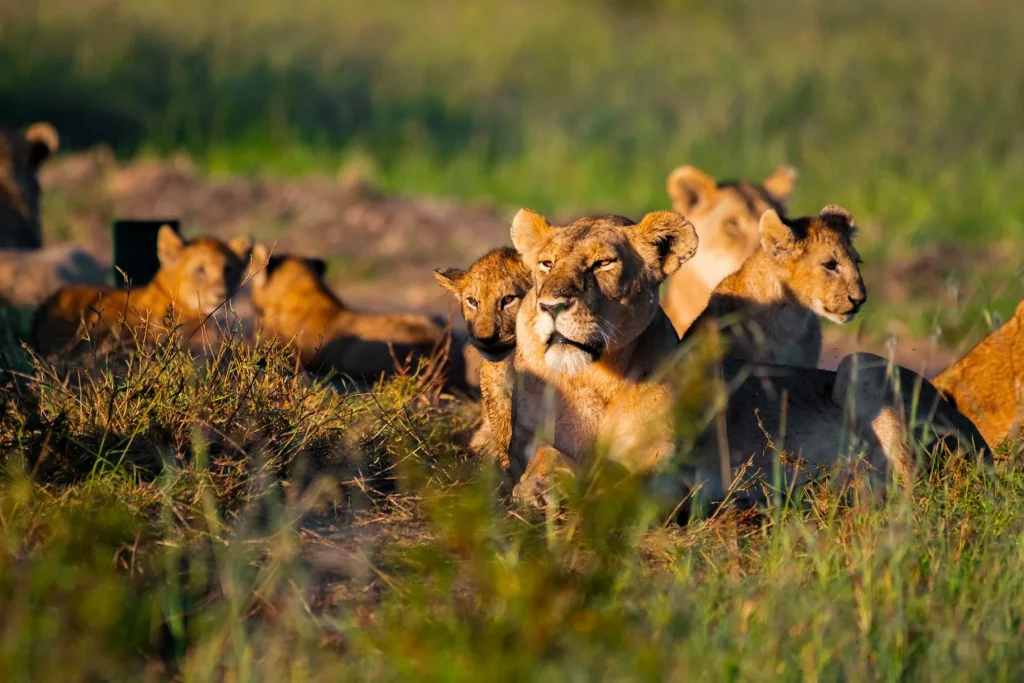
Lions are particularly associated with the Masai Mara and several other parks. They may be observed resting, moving through territories or hunting.
Elephants
Elephants occur in several Kenyan parks, including Amboseli, Tsavo and the Masai Mara. Watching elephant families interact can be one of the most memorable safari experiences.
Leopards
Leopards are secretive and often associated with woodland and riverine habitats. They can be difficult to find.
Rhinoceroses
Lake Nakuru and Ol Pejeta are particularly important destinations for rhinoceros conservation.
Giraffes and Zebras
These animals are commonly encountered in suitable savannah habitats. Their appearance and behaviour make them favourites among first-time safari travellers.
Cheetahs
Cheetahs may be encountered in open habitats, particularly in the Masai Mara. They are not guaranteed sightings.
What Are the Big Five?
The Big Five are the lion, leopard, elephant, rhinoceros and African buffalo. The term originated in historical big-game hunting and referred to animals considered particularly difficult and dangerous to hunt on foot. Today, it is commonly used in photographic safari tourism.
Seeing all five animals is a popular ambition, but it should not become the only measure of safari success. Kenya’s wildlife includes many remarkable species beyond the Big Five—giraffes, zebras, cheetahs, hyenas, wild dogs, antelopes and birds all contribute to the safari experience.
Best Time for Your First Kenya Safari
Kenya offers wildlife viewing throughout the year, although seasons influence vegetation, rainfall and animal movements.
January to March
These months are often warm and relatively dry, and wildlife viewing can be rewarding in several parks.
April to May
The long rains may bring greener landscapes and fewer visitors. Some roads can become muddy, although accommodation rates may be more attractive in certain properties.
June to October
This is a popular period for safaris. Dry conditions can make wildlife viewing productive, and the Masai Mara may receive migratory wildebeest herds during part of this period.
November to December
The short rains can bring fresh vegetation. Wildlife viewing remains possible, although weather conditions vary and December holiday periods can be busy.
Should You Travel During the Great Migration?
The Great Wildebeest Migration is one of Kenya’s most famous wildlife attractions. Large herds move between the Serengeti and Masai Mara ecosystems in response to rainfall and grazing conditions. The famous Mara River crossings are particularly unpredictable, and travellers should not expect a crossing to occur on a specific day.
A migration safari is most rewarding when visitors appreciate the wider ecosystem rather than focusing exclusively on one event. For a first safari, the Masai Mara is worthwhile even outside peak migration months.
Choosing Safari Accommodation
Kenya offers several accommodation styles.
Essential Accommodation
Essential properties focus on practical comfort and value. They may include simple lodges, guesthouses and permanent camps.
Comfort Accommodation
Comfort properties provide established facilities and private accommodation. They are suitable for travellers seeking a balance between cost and convenience.
Premium Accommodation
Premium lodges and camps offer enhanced service, attractive locations and more spacious rooms.
Signature Accommodation
Signature properties provide exclusive luxury experiences, personalised service and refined facilities. The most expensive lodge is not necessarily the best choice for every traveller. Location, guiding and safari schedule remain important.
Tented Camps Versus Safari Lodges
A tented safari camp is not the same as ordinary camping. Many permanent safari tents include comfortable beds, private bathrooms, hot water and electricity. The canvas structure creates a closer connection with the surrounding environment.
Safari lodges may provide conventional rooms, larger buildings and additional communal facilities. Both accommodation styles can be excellent, and the choice depends on personal preference.
How Much Does a First Kenya Safari Cost?
Kenya safari costs vary according to travel dates, accommodation standard, number of guests and vehicle type. Peak travel months generally attract higher accommodation demand. Private safaris cost more per person when fewer travellers share the vehicle. Domestic flights increase convenience but also affect the budget. Park entrance fees can represent a significant part of the total cost.
Travellers should compare complete quotations rather than advertised daily rates. A quotation should clearly identify accommodation, meals, transport, guiding, park fees and optional activities.
What Should Be Included in a Kenya Safari Package?
A typical package may include airport transfers, accommodation, meals, a safari vehicle, professional guiding and scheduled game drives. Park fees may be included when explicitly stated. International flights, visas, travel insurance, premium beverages and gratuities are often excluded. Optional balloon safaris and cultural visits may require additional payment. Always request a written list of inclusions and exclusions.
What Should You Pack for Your First Safari?
A practical Kenya safari packing list includes:
- Lightweight, comfortable clothing in neutral colours.
- A warm jacket for early morning game drives.
- Comfortable walking shoes.
- A wide-brimmed hat.
- Sunglasses and sunscreen.
- Insect repellent.
- Binoculars.
- A camera or smartphone.
- Spare batteries and charging equipment.
- Personal medication.
- A reusable water bottle.
- Travel documents and insurance details.
Avoid packing excessive luggage, particularly if domestic flights are included. Soft-sided bags are often more convenient for safari vehicles and light aircraft.
Do You Need an Expensive Camera?
No. A modern smartphone can capture attractive landscapes and wildlife close to the vehicle. However, distant animals are easier to photograph with a camera fitted with a telephoto lens.
Binoculars are often more important than an expensive camera for first-time visitors. They allow you to appreciate wildlife behaviour without needing to approach animals closely.
Is a Kenya Safari Safe?
A professionally organised Kenya safari is generally a well-established travel experience. However, wildlife is unpredictable, and visitors must follow safety instructions.
- Never leave the safari vehicle without permission.
- Do not approach animals on foot unless participating in an authorised guided activity.
- Avoid feeding wildlife.
- At tented camps, follow staff instructions concerning movement after dark.
Travellers should also follow current travel advisories and take normal precautions with valuables and personal belongings.
What About Malaria and Vaccinations?
Health requirements depend on travel history, destinations and individual circumstances. Travellers should consult a qualified travel-health professional before departure. Malaria prevention may be recommended for relevant areas. Yellow fever vaccination documentation can be required in certain circumstances, depending on travel history. Carry necessary medication and appropriate health documentation.
Kenya Entry Requirements
Kenya uses an electronic travel authorisation system for many international visitors, subject to exemptions and current immigration rules. Travellers should check official requirements before departure. Passport validity and other entry conditions depend on nationality and travel circumstances. Do not rely on outdated visa information.
Tipping on a Kenya Safari
Tipping is customary in many safari settings but is generally discretionary. Guests may choose to tip their safari guide, lodge staff and other service providers. The amount depends on service quality, group size and personal preference. Some lodges provide a communal staff tipping box. Travellers should ask their safari operator for current guidance.
Understanding Safari Etiquette
Good safari etiquette improves the experience for everyone.
- Speak quietly when observing wildlife.
- Avoid sudden movements or loud noises.
- Do not ask guides to chase animals.
- Respect other safari vehicles and photographers.
- Never throw litter into the park.
- Follow all instructions from guides and rangers.
Patience is one of the most valuable qualities on safari.
Suggested Seven-Day First Kenya Safari Itinerary
Day 1: Arrival in Nairobi
Arrive at Jomo Kenyatta International Airport, meet your representative and transfer to your hotel. Rest after your international flight.
Day 2: Nairobi to Amboseli National Park
Depart Nairobi after breakfast and travel towards Amboseli, enjoying views of the changing landscape. Check in at your lodge and enjoy an afternoon game drive if time permits.
Day 3: Amboseli Wildlife Safari
Spend the day exploring Amboseli. Look for elephants, buffaloes, zebras and other wildlife, and enjoy views towards Mount Kilimanjaro when weather conditions allow.
Day 4: Amboseli to Lake Nakuru
Travel towards Lake Nakuru. This is a long transfer day, so an early departure is advisable. Check in at your accommodation and relax.
Day 5: Lake Nakuru to Masai Mara
Enjoy wildlife viewing in Lake Nakuru before continuing to the Masai Mara. The schedule should allow for road conditions and travel time.
Day 6: Masai Mara Game Drives
Spend the day exploring the Mara. Look for lions, elephants, giraffes, buffaloes and other wildlife while your guide selects routes according to current sightings.
Day 7: Return to Nairobi
Enjoy breakfast and begin the return journey. Connect with your onward flight or overnight accommodation.
Common Mistakes First-Time Safari Travellers Make
One common mistake is trying to visit too many parks in too few days, because long transfers can reduce the time available for wildlife viewing. Another mistake is choosing accommodation solely according to price—a cheaper lodge far from the park may create additional travel time and costs.
Travellers also sometimes expect guaranteed sightings of specific animals, although wildlife moves naturally and patience is essential. Finally, some visitors underestimate the importance of a knowledgeable guide. A good guide can transform a safari by explaining animal behaviour, habitats and conservation.
Frequently Asked Questions About First Kenya Safaris
Which park is best for a first Kenya safari?
The Masai Mara is an excellent choice because of its diverse wildlife and open landscapes.
How many days should I book?
Five to seven days provide a rewarding introduction, while ten days allow greater variety.
Is a private safari worth it?
A private safari offers flexibility and personalised guiding. It is particularly attractive for families and photographers.
Can I see the Big Five?
It is possible, but sightings are not guaranteed. Some itineraries combine parks to improve opportunities.
Is Kenya suitable for children?
Yes. Families should choose suitable accommodation, manageable travel distances and activities appropriate for children’s ages.
Do I need special clothing?
Comfortable neutral-coloured clothing, a warm layer and sun protection are usually sufficient.
Can I combine safari and beach?
Yes. Diani Beach, Watamu and other coastal destinations are popular extensions.
Should I book in advance?
Yes, especially for July, August, September and major holiday periods.
Book Your First Kenya Safari with Safari Trips to Kenya
Your first Kenya safari should be memorable for the right reasons: extraordinary wildlife, comfortable accommodation, knowledgeable guiding and an itinerary that allows you to enjoy the journey.
At Safari Trips to Kenya, we design private and group safari packages for first-time visitors, couples, families and solo travellers. We can help you choose suitable parks, compare accommodation categories and plan realistic travel routes.
Contact our team with your travel dates, number of guests and preferred budget to receive a personalised first Kenya safari itinerary and quotation.