

Best Time Nairobi National Park
The best time to visit Nairobi National Park is generally during the relatively dry months of January and February and from June to October. During these periods, shorter grass and easier driving conditions can improve opportunities to observe lions, rhinos, giraffes, buffalo and other wildlife. However, the park remains open to wildlife enthusiasts throughout the year, and its location immediately beside Kenya’s capital makes it one of the country’s most convenient safari destinations.
Nairobi National Park is unusual because it protects a substantial wildlife habitat directly alongside a major African city. Visitors can watch giraffes crossing open grassland, encounter rhinos and search for lions while Nairobi’s buildings remain visible on the horizon. The park was established in 1946 and covers approximately 117 square kilometres, with habitats that include open grassland, scattered acacia woodland, seasonal streams and riverine vegetation. Despite its relatively small size compared with Kenya’s famous wilderness reserves, it supports a remarkable range of resident wildlife.
For travellers arriving in Nairobi before a longer safari, the park provides an opportunity to experience African wildlife without committing to a lengthy road journey. It is also popular with business visitors, families, photographers and travellers with only a few hours available. Choosing the right month and time of day can improve your experience; nevertheless, the park’s animals are wild, and sightings depend on weather, vegetation, individual movements and the experience of your guide.
When Is the Best Time for a Nairobi National Park Safari?
The most favourable months for a Nairobi National Park safari are generally January, February and June through October. During these periods, rainfall is often relatively limited, and vegetation can be shorter than during the wetter months, which makes it easier to search for animals across open grassland and along established game-drive routes. July, August and September are particularly attractive for conventional game drives, although early mornings can be cold, while January and February tend to offer warmer daytime conditions and relatively dry weather.
The rainy seasons have advantages of their own. Fresh grass transforms the landscape, migratory birds may be present and dramatic skies create interesting photographic opportunities. Because Nairobi National Park is close to the city and accessible for short excursions, travellers can often plan visits around the weather forecast rather than relying exclusively on the season.
Understanding Nairobi National Park’s Climate
Nairobi sits at a relatively high elevation, giving the city and surrounding park a moderate climate compared with many lower-altitude destinations in Kenya. Daytime temperatures are generally comfortable, although conditions vary throughout the year, and early mornings can be surprisingly cold, particularly during June, July and August. The region experiences two main rainy periods: the longer rains usually occur between March and May, while the shorter rains commonly develop around October and November.
Rainfall patterns are not fixed. Some years experience delayed rains, unusually dry periods or heavier storms than expected. The park’s open grasslands respond quickly to seasonal changes: during dry periods, grass may become shorter and animals may concentrate around dependable water sources, while during wetter months fresh vegetation provides grazing across a wider area. These seasonal differences influence wildlife visibility, but they do not determine whether animals will be present.
Best Time to Visit Nairobi National Park Month by Month
January: Warm Weather and Good Wildlife Viewing
January is one of the most convenient months for a Nairobi National Park game drive. Rainfall is often relatively limited, and the grasslands may be open enough to make large mammals easier to locate; morning conditions are usually comfortable, although visitors should still carry a light jacket. Rhinos are among the park’s main attractions—Nairobi National Park is particularly important for black rhino conservation, and visitors may also encounter white rhinos—along with lions, giraffes, zebras, buffalo and several antelope species commonly sought during game drives. January is especially suitable for travellers beginning a longer Kenya safari or spending a few days in Nairobi.
February: Excellent Dry-Season Safari Conditions
February is another strong month for wildlife viewing. Relatively dry conditions can improve visibility across open grassland, and roads are often easier to navigate than during prolonged wet periods, although conditions vary. Early morning game drives may provide opportunities to observe predators before the day becomes warmer, and photographers can take advantage of the contrast between wildlife, grassland and the Nairobi skyline. February is a useful month for a half-day Nairobi safari, particularly for visitors with limited time.
March: Transition Towards the Long Rains
March often begins with relatively dry conditions before rainfall becomes more frequent. Fresh vegetation gradually changes the landscape, and wildlife may spread into newly productive grazing areas. The park remains rewarding, but some animals can become harder to locate as grass grows taller. March can be attractive for visitors who prefer greener scenery and are comfortable with occasional showers; a 4×4 safari vehicle is particularly useful when conditions become muddy.
April: Green Landscapes and Rainy Weather
April is commonly one of Nairobi’s wetter months. Rainfall can create lush grasslands, attractive cloud formations and good conditions for certain types of wildlife photography, although heavy showers may affect driving routes and visibility. Some unpaved tracks can become slippery, and longer grass may make predators more difficult to locate, while birdwatching can be particularly rewarding during this period. Visitors should allow flexibility in their itinerary and follow their guide’s advice about accessible routes.
May: Quiet Wildlife Viewing During the Long Rains
May often continues the long-rains period. The park can be especially green, and visitor numbers may be lower on some days than during the busiest holiday periods, while wildlife remains present, including rhinos, giraffes, buffalo and predators. Locating animals may require additional patience because of vegetation and changing movement patterns. May can appeal to photographers and travellers who value a quieter atmosphere.
June: Improving Weather and Cooler Mornings
June generally marks the beginning of a relatively drier period. Rainfall often decreases, although the landscape may retain greenery from the preceding months, and the weather can be cool, particularly during early morning drives. Wildlife viewing may improve as vegetation gradually becomes less dense. June is an excellent time for travellers beginning a longer Kenya safari from Nairobi.
July: One of the Best Months for Game Drives
July is among the most favourable months for visiting Nairobi National Park. Relatively dry conditions can make game drives more convenient, while shorter grass improves visibility in some areas; morning temperatures can be cold, so warm clothing is important. Lions, rhinos, giraffes and buffalo are among the animals visitors may encounter. July is also popular with international safari travellers, making advance arrangements useful.
August: Peak Safari Season
August offers many of the advantages of July. The weather is often relatively dry, and open grassland provides good opportunities for wildlife observation, although the park may be busy during weekends and holiday periods, particularly around popular wildlife-viewing routes. An early departure can help visitors enjoy quieter conditions before more vehicles enter the park. August is convenient for combining a Nairobi game drive with a Masai Mara migration safari.
September: Excellent Wildlife and Photography Conditions
September is another strong month for Nairobi National Park. Relatively dry weather may continue, and the grasslands can provide favourable visibility. Early morning light is particularly attractive for photography, especially when wildlife appears against the city skyline, and September is a useful choice for visitors who want a rewarding safari without travelling far from Nairobi.
October: Changing Weather and Fresh Grass
October is a transitional month. Early October may remain relatively dry, while rainfall can increase later in the month. Fresh grass begins to change the landscape, and wildlife may become more widely distributed. Birdwatching can become increasingly interesting as seasonal migrants arrive. Visitors should prepare for variable weather and occasional changes to game-drive routes.
November: Short Rains and Birdwatching
November commonly falls within the short-rains period. The park becomes greener, and seasonal bird activity can be particularly rewarding, while game drives remain possible though wet tracks and taller vegetation may influence sightings. Photographers may enjoy dramatic skies and fresh landscapes. Travellers should carry rain protection and allow flexibility in their plans.
December: A Popular Holiday Safari Month
December often brings improving weather as the short rains diminish, although showers may continue. The park remains attractive for families and visitors spending time in Nairobi during the festive season, and wildlife viewing can be rewarding, especially during early morning drives. Holiday demand may increase, making advance booking advisable.
Best Time of Day for a Nairobi National Park Game Drive
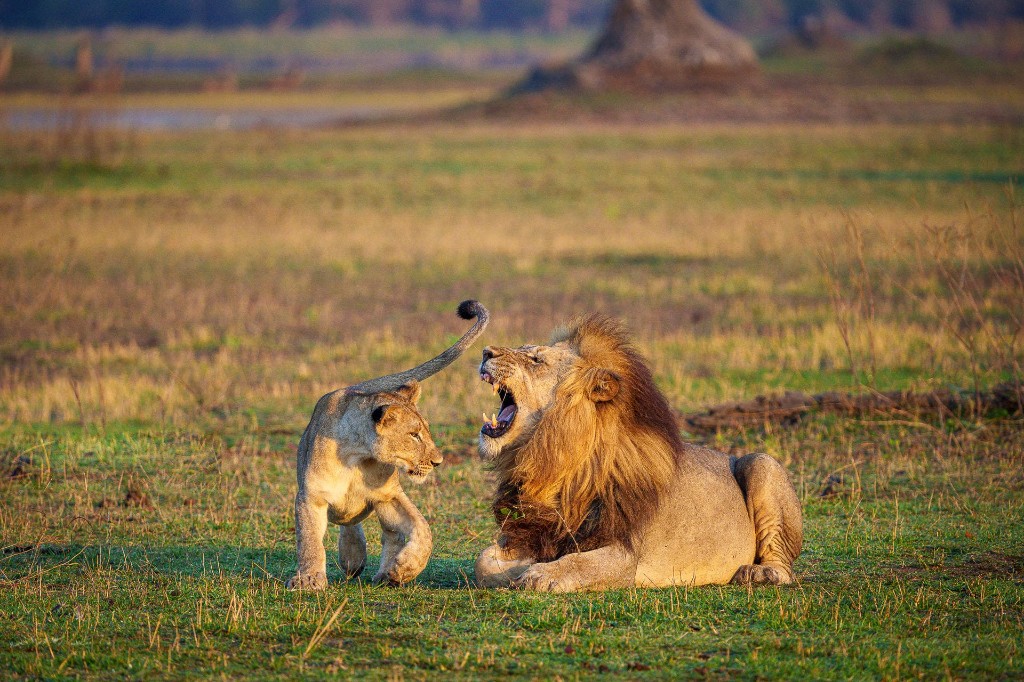
The best time of day to visit Nairobi National Park is generally early morning. A game drive beginning around the park’s opening time provides opportunities to observe animals before temperatures rise and traffic increases. Lions and other predators may be more active during cooler periods, although they can also be encountered resting during the day, while rhinos, giraffes, buffalo and antelope may be visible at different times depending on their movements.
Late afternoon can also provide attractive lighting and wildlife activity. For travellers with limited time, a morning game drive is often the most practical choice, while a full-day safari provides more flexibility to explore different habitats and wait for worthwhile sightings.
Wildlife to See in Nairobi National Park
Black Rhinos
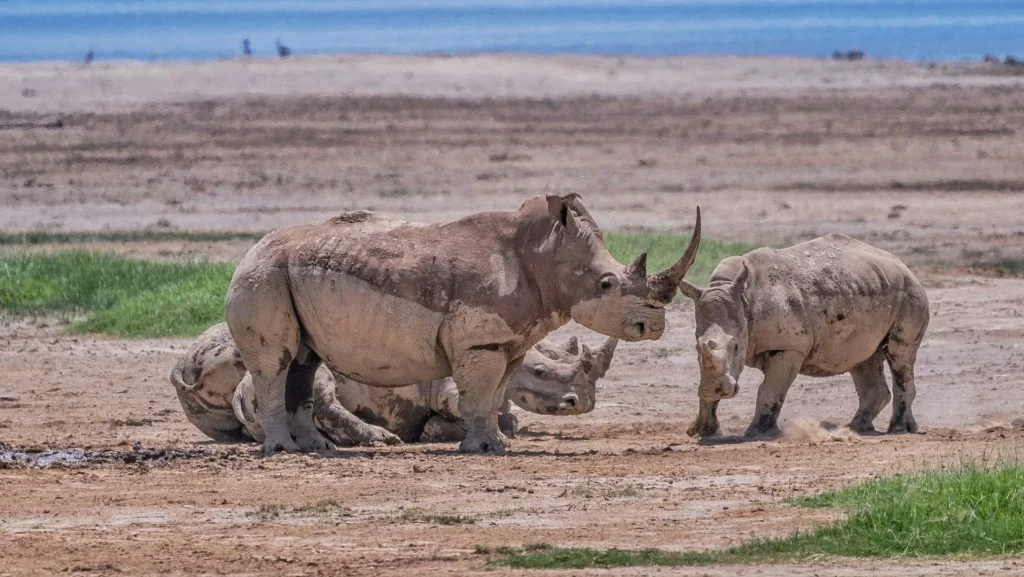
Nairobi National Park is internationally recognised for its role in black rhino conservation. Black rhinos are browsers and often use woodland or thicker vegetation; their movements can make them difficult to locate, but the park is an important destination for travellers interested in seeing this endangered species.
White Rhinos
White rhinos may also be encountered in the park. They generally prefer grazing habitats and may be easier to observe in open areas. Visitors should maintain safe distances and follow their guide’s instructions.
Lions
Lions are among the park’s most sought-after predators. They may be observed resting in grassland, moving through woodland or interacting with other members of their pride. Sightings depend on daily movements and cannot be guaranteed.
Giraffes
Giraffes are one of the park’s most distinctive animals. Their height makes them particularly striking against Nairobi’s distant skyline, and visitors may observe them browsing on trees or moving through open grassland.
Buffalo and Antelope
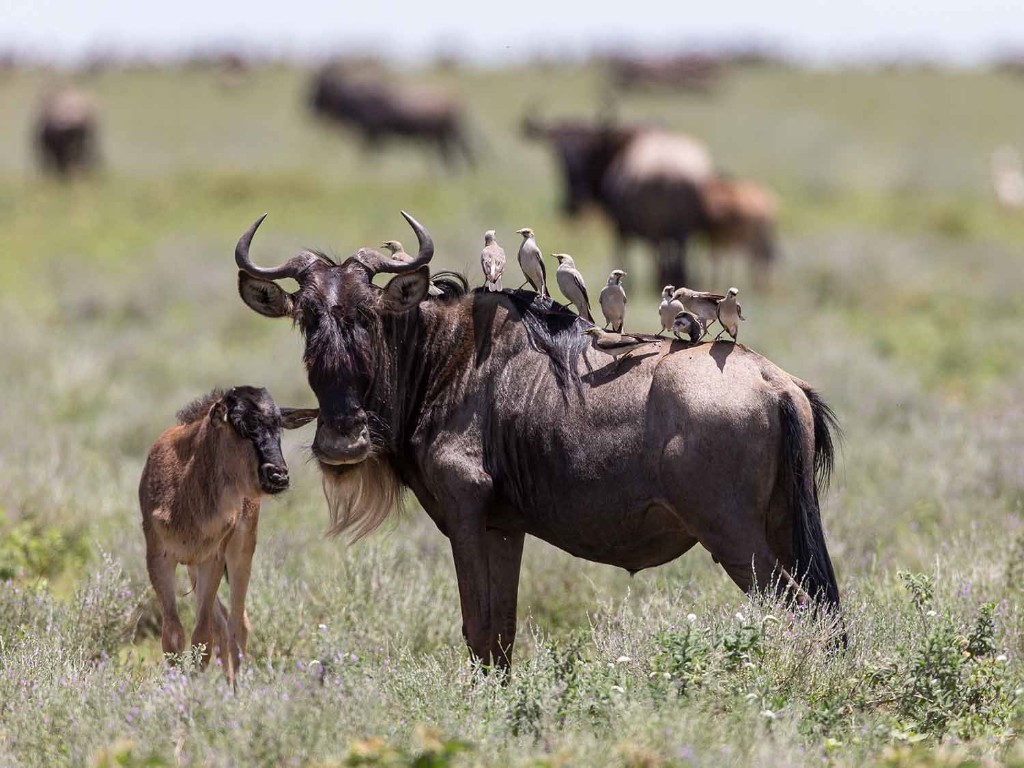
African buffalo occur within the park, along with several antelope species. These animals form an important part of the park’s wildlife community and provide opportunities to observe grazing behaviour and predator-prey relationships.
Leopards and Cheetahs
Leopards and cheetahs occur in the wider park ecosystem, although sightings can be difficult and unpredictable. Leopards often use dense vegetation, while cheetahs favour more open habitats. Travellers should not expect to see every predator during a short visit.
Can You See the Big Five in Nairobi National Park?
Nairobi National Park is an excellent destination for several members of Africa’s famous Big Five. Lions, leopards, buffalo and rhinos occur within the park, although elephants are not resident in Nairobi National Park. Travellers hoping to see all five species should combine Nairobi with other destinations such as Amboseli National Park, Ol Pejeta Conservancy or suitable wildlife reserves.
The absence of elephants does not diminish Nairobi National Park’s value. Its rhino conservation role and unusual urban setting make it a distinctive safari destination.
Best Time for Rhino Viewing
Rhinos can be encountered throughout the year because they are resident within the park. Relatively dry conditions can improve visibility, particularly where grass and other vegetation become less dense, although sightings depend on individual animal movements, habitat and the route taken during the game drive. A knowledgeable guide can help identify suitable areas and interpret signs of recent rhino activity. Visitors should never approach rhinos on foot or pressure them with vehicles.
Best Time for Birdwatching
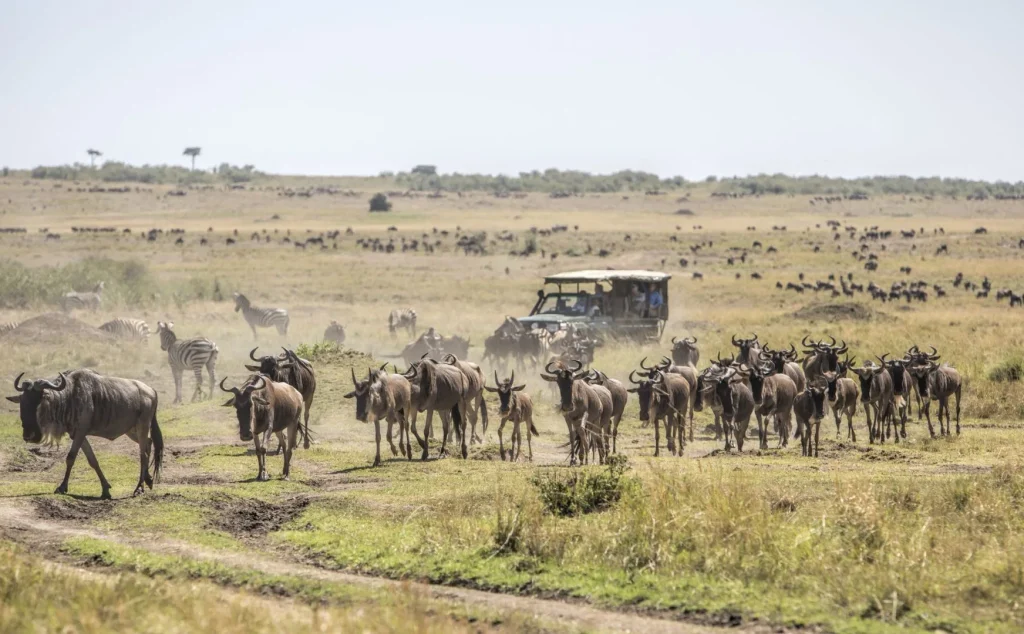
Nairobi National Park birdwatching is rewarding throughout the year. The park supports a diverse bird community associated with grassland, woodland, wetlands and seasonal watercourses. From approximately October through April, migratory birds may add variety to the resident species, while the wetter months can create attractive conditions for certain birds, although weather may interrupt excursions. Early morning is often particularly productive because birds are active and lighting conditions are favourable.
Nairobi National Park During the Rainy Season
The rainy season should not automatically be considered unsuitable for a safari. Rainfall produces fresh vegetation, attractive landscapes and opportunities for birdwatching, although wet conditions can make some roads difficult to navigate. Tall grass may reduce visibility, and heavy showers can interrupt game drives. Travellers visiting during April, May or November should use a suitable vehicle and maintain flexibility. The park’s proximity to Nairobi makes it relatively easy to adjust a visit according to local weather conditions.
How Long Should You Spend in Nairobi National Park?
A half-day Nairobi National Park safari is suitable for travellers with limited time; a typical morning excursion may provide several hours of wildlife viewing before returning to the city. However, a full-day safari allows more time to explore different sections of the park, and visitors interested in photography, rhinos or predator behaviour may prefer a longer game drive. The best duration depends on your schedule, interests and whether Nairobi National Park is your only safari destination.
Getting to Nairobi National Park
Nairobi National Park is located just south of Nairobi’s central urban area. Travel time depends on the departure point, traffic and the park entrance used. The park is convenient for visitors staying in Nairobi, including those arriving through Jomo Kenyatta International Airport or Wilson Airport, although travellers should allow sufficient time for city traffic, particularly during weekday rush hours. A private Nairobi safari transfer can simplify transport and provide flexibility for early departures.
Nairobi National Park Safari Vehicles
A private 4×4 safari Land Cruiser is a practical choice for visitors seeking comfort and good visibility. Vehicles with pop-up roofs allow passengers to observe and photograph wildlife while remaining safely inside, and some operators also use safari vans for suitable routes and conditions. Travellers should confirm the vehicle type, seating arrangements and whether everyone will have a suitable viewing position. A private vehicle provides more flexibility for photography and wildlife observation than a shared departure.
Private Versus Group Nairobi Safaris
A private Nairobi National Park safari allows travellers to choose a preferred departure time and adjust the pace of the game drive, which is particularly useful for photographers, families and visitors interested in specific wildlife. A shared Nairobi safari can reduce transport costs by dividing the vehicle and guide expenses among several participants, although group itineraries may have fixed departure times and limited flexibility. Before booking, confirm the group size, vehicle arrangement, guiding services and park fee inclusions.
Accommodation Near Nairobi National Park
Visitors can choose from numerous hotels and guesthouses across Nairobi.
Essential Accommodation
Essential Nairobi accommodation provides practical facilities for travellers prioritising affordability. Properties should be selected with consideration for transfer times and early safari departures.
Comfort Accommodation
Comfort hotels offer en-suite rooms, established services and convenient access to major roads. They are suitable for travellers beginning or ending a Kenya safari.
Premium Accommodation
Premium Nairobi hotels generally provide additional facilities, spacious rooms and a higher level of service. Location remains important when planning early game drives.
Signature Accommodation
Signature accommodation may include luxury hotels and distinctive properties offering personalised services. Travellers should compare transport arrangements and accessibility rather than choosing solely on accommodation category.
Nairobi National Park Safari Prices
The cost of a Nairobi National Park safari depends on transport, guiding, park entrance fees and the number of travellers. Private safaris generally cost more per person for solo travellers but may become more economical when several people share the vehicle, while shared departures can provide a lower-cost alternative. Park fees are administered by Kenya Wildlife Service and may change. Travellers should request a current quotation that clearly identifies park entry, transport, guiding and any additional activities.
Combining Nairobi National Park With Other Attractions
A Nairobi safari can be combined with several nearby attractions, depending on time and operating arrangements. The Giraffe Centre provides opportunities to learn about giraffe conservation, and the David Sheldrick Wildlife Trust’s elephant orphanage programme may also be of interest, subject to current visiting arrangements and advance reservations. Travellers can additionally explore selected museums, cultural attractions and restaurants in Nairobi. It is important not to overcrowd the day; a relaxed morning game drive followed by one or two additional activities is often more enjoyable than a rushed schedule.
Combining Nairobi National Park With a Longer Kenya Safari
Nairobi National Park is a useful introduction to a broader Kenya safari itinerary. Travellers may continue to Amboseli National Park for elephants and Mount Kilimanjaro views, Lake Nakuru National Park for further rhino-viewing opportunities and Rift Valley scenery, or the Masai Mara National Reserve for extensive grasslands, predators and seasonal migration activity. Other possibilities include Samburu National Reserve, Ol Pejeta Conservancy and Lake Naivasha. The best combination depends on the number of travel days and preferred route.
Practical Tips for Visiting Nairobi National Park
- Book an early morning departure where possible.
- Carry a warm jacket during cooler months, especially June through August.
- Bring binoculars, sunscreen, a hat and a camera with a suitable wildlife lens.
- Remain inside the vehicle except at designated areas where your guide confirms that stopping is permitted.
- Do not feed animals or attempt to attract them towards the vehicle.
- Check current park opening hours, fees and entry arrangements before travelling.
- Allow extra time for Nairobi traffic, particularly when planning airport transfers.
Frequently Asked Questions About Nairobi National Park
What Is the Best Month to Visit Nairobi National Park?
January, February and June through October are generally excellent choices for wildlife viewing and relatively dry weather.
What Is the Best Time of Day for a Game Drive?
Early morning is usually the preferred time because temperatures are cooler and many animals are active.
Can You See Lions in Nairobi National Park?
Yes. Lions inhabit the park, although sightings depend on their movements and are not guaranteed.
Are There Elephants in Nairobi National Park?
No resident elephant population is present. Travellers interested in elephants can consider Amboseli or other suitable parks.
Can You See Rhinos in Nairobi National Park?
Yes. The park is particularly important for black rhino conservation and also supports white rhinos.
Is Half a Day Enough?
A half-day safari can provide a rewarding introduction, while a full day offers more opportunities to explore.
Is Nairobi National Park Suitable for Children?
Yes. Families can enjoy the park with suitable vehicle arrangements and appropriate wildlife safety precautions.
Can I Visit During the Rainy Season?
Yes. Wildlife remains present, although wet roads and tall vegetation can affect game drives.
Is Nairobi National Park Worth Visiting Before the Masai Mara?
Yes. The two destinations offer contrasting experiences, and Nairobi National Park is particularly convenient for a short safari before travelling farther into Kenya.
Plan Your Nairobi National Park Safari With Safari Trips to Kenya
The best time to visit Nairobi National Park is generally during the relatively dry months of January, February and June through October. However, the park remains rewarding throughout the year, particularly for travellers interested in rhinos, lions, giraffes and birdlife. Safari Trips to Kenya can arrange a private Nairobi National Park game drive, a half-day excursion or a full-day safari tailored to your interests, and we can also incorporate Nairobi National Park into a longer Kenya safari package visiting Amboseli, Lake Nakuru, the Masai Mara or other destinations. Share your preferred travel date, accommodation location, number of travellers and available time to receive a suitable safari proposal.