

Best Time Lake Naivasha
The best time to visit Lake Naivasha is generally during the relatively dry months of January to February and June to October. These periods often provide favourable conditions for boat excursions, wildlife viewing, guided walks and visits to nearby attractions such as Hell’s Gate National Park.
Lake Naivasha is one of Kenya’s most accessible Rift Valley destinations, located approximately 90 kilometres northwest of Nairobi. Unlike the country’s famous savannah reserves, Naivasha is centred around a freshwater lake surrounded by papyrus, woodland, farmland, accommodation properties and volcanic landscapes.
The lake is particularly popular for boat excursions, which provide opportunities to observe hippos, African fish eagles, pelicans, cormorants and other waterbirds. Visitors can also arrange a Crescent Island walking safari, explore Hell’s Gate National Park or use Naivasha as a convenient overnight stop on a longer Kenya safari.
Although dry weather is often preferable for outdoor activities, Lake Naivasha remains attractive throughout the year. Rainfall changes the appearance of the surrounding landscape, while bird activity and water conditions can vary with the seasons. Choosing the best travel dates therefore depends on what you want to experience and how Lake Naivasha fits into your wider itinerary.
When Is the Best Time for a Lake Naivasha Safari?
For travellers planning a combination of boat trips, nature walks and sightseeing, January, February and June through October are generally reliable choices. These months often have relatively limited rainfall, although afternoon showers remain possible. Drier weather is useful for visiting nearby attractions, particularly where activities involve walking or travelling on unpaved roads.
June to September can be especially pleasant because temperatures are often moderate and the surrounding landscapes may retain some greenery after the longer rains. January and February are also attractive for travellers who prefer warmer conditions and want to combine Lake Naivasha with other Kenyan safari destinations. However, there is no single month that is best for every activity. Birdwatching can be excellent during wetter periods, and the lake’s resident wildlife remains present throughout the year.
Understanding Lake Naivasha’s Climate
Lake Naivasha lies at an elevation of approximately 1,900 metres above sea level. Its altitude helps moderate temperatures compared with some of Kenya’s lower-lying regions. Days can be pleasantly warm, while mornings and evenings may feel cool.
The area generally experiences two rainy periods. The longer rains commonly occur between March and May, although their exact onset and intensity vary. A shorter rainy period often develops around October or November and may continue into December. Rainfall patterns are not identical every year, and visitors should avoid assuming that an entire month will be consistently wet or dry.
Lake levels can also fluctuate because of rainfall, catchment conditions and wider environmental factors. These changes may affect shoreline access, boat landing points and the appearance of surrounding habitats.
Best Time to Visit Lake Naivasha Month by Month
January: Warm Weather and Good Outdoor Conditions
January is an excellent month for a Lake Naivasha safari. Rainfall is often relatively limited, and daytime conditions are generally suitable for boat trips and outdoor activities. Early mornings can provide attractive light for photographing the lake and surrounding landscapes. Visitors may observe hippos resting in the water, African fish eagles searching for prey and waterbirds feeding near the shoreline.
January is also convenient for combining Naivasha with Hell’s Gate National Park. Although conditions are often favourable, boat excursions remain dependent on wind, visibility and the judgement of experienced operators.
February: One of the Best Months for Boat Excursions
February is another strong choice for visiting Lake Naivasha. Relatively dry weather often supports comfortable sightseeing and wildlife activities. The lake’s birdlife remains a major attraction, with pelicans, cormorants, kingfishers and fish eagles among the species visitors may encounter. February can also be suitable for a Crescent Island walking safari, subject to the sanctuary’s operating arrangements. Travellers interested in photography should consider an early morning boat excursion when light conditions are often attractive.
March: Transition Towards the Long Rains
March marks a gradual change in seasonal conditions. The beginning of the month may remain relatively dry, while rainfall can become more frequent later. Fresh vegetation around the lake creates attractive scenery, and birdwatching remains rewarding. Boat excursions may still operate regularly, but strong wind or rain can occasionally require changes to departure times. Travellers should maintain some flexibility when planning outdoor activities.
April: Green Landscapes and Rainy Conditions
April is commonly one of the wetter months in the Lake Naivasha region. Rainfall can transform the surrounding countryside, creating green hillsides and fresh vegetation. Birdwatchers and landscape photographers may appreciate these conditions. However, heavy showers can interrupt boat excursions, cycling activities and walks. Some access roads may become muddy, particularly away from main routes. April is best suited to travellers who are comfortable adjusting plans according to the weather.
May: Rainfall, Birdlife and Quiet Surroundings
May often continues the long-rains period. The lake and surrounding vegetation can be particularly attractive, and visitor numbers may be lower than during major holiday periods. Birdwatching remains worthwhile, with resident species active around wetlands and woodland habitats. Travellers should remember that rainfall can affect water conditions and outdoor activities. A flexible itinerary is particularly useful for visitors combining boat trips with excursions to nearby parks.
June: Improving Weather and Comfortable Temperatures
June usually marks the transition towards relatively drier conditions. It is one of the most appealing months for visitors who want a balance between comfortable weather and attractive green scenery. Morning boat excursions can provide opportunities to observe waterbirds and hippos. The surrounding Rift Valley landscape may still retain greenery from the preceding rains. June is also suitable for travellers planning a longer Kenya safari from Nairobi.
July: Excellent Conditions for Outdoor Activities
July is a popular month for Lake Naivasha. The relatively dry conditions can make walking, sightseeing and excursions to nearby attractions more convenient. Morning and evening temperatures may be cool, so visitors should carry an additional layer of clothing. Boat trips remain one of the main attractions, while Hell’s Gate National Park provides opportunities for exploring a distinctive volcanic landscape. July is also a convenient month for combining Naivasha with a Masai Mara migration safari.
August: Popular Travel Season
August is another excellent month for visiting Lake Naivasha. It falls within a popular travel period for international visitors and families. The weather is often suitable for boat excursions and other outdoor activities, although occasional showers can occur. Visitors should consider booking accommodation and popular activities in advance, particularly during busy weekends. August is well suited to a combined Lake Naivasha and Masai Mara safari, allowing travellers to experience contrasting habitats within one itinerary.
September: Good Weather and Relaxed Travel
September is often one of the most comfortable months for visiting Lake Naivasha. Relatively dry conditions can support boat trips, nature walks and visits to nearby attractions. Some accommodation properties may be quieter than during the main August holiday period. Birdwatching remains rewarding, and photographers can take advantage of early morning light across the water. September is particularly attractive for travellers who want to explore the Rift Valley without rushing between destinations.
October: Variable Weather and Fresh Vegetation
October is a transitional month. Early October may retain dry-season conditions, while showers can become more frequent later. Fresh vegetation changes the appearance of the surrounding landscape. Birdwatching can become increasingly interesting as seasonal movements influence the local bird community. Visitors should check weather conditions before boat excursions and remain flexible with outdoor plans.
November: Short Rains and Birdwatching
November is commonly associated with Kenya’s short-rains period. Rainfall may produce green landscapes and attractive photographic conditions. Birdwatching can be particularly rewarding, with migratory species adding to the resident bird population. However, boat operators may postpone excursions when wind or weather conditions are unsuitable. Travellers planning several activities should allow enough time to adjust the schedule.
December: A Popular Holiday Destination
December can provide pleasant conditions as the short rains diminish, although occasional showers remain possible. Lake Naivasha is popular with domestic and international holiday travellers. Accommodation demand can increase around Christmas and New Year. Boat trips, nature walks and visits to nearby attractions remain available subject to weather and operating arrangements. December is a suitable option for families and travellers seeking a relaxing Rift Valley stop during a longer Kenya holiday.
Best Time for a Lake Naivasha Boat Safari
A Lake Naivasha boat safari is one of the destination’s most popular activities. Boat excursions provide a different wildlife-viewing experience from conventional game drives. Rather than searching across open savannah, visitors travel through a freshwater environment where hippos, waterbirds and shoreline wildlife can be observed.
Early morning is often an attractive time for boating because the light is soft and conditions may be relatively calm. However, wind and weather can change during the day, and safe operating conditions are more important than a particular departure time. An experienced boat operator should assess conditions before departure. The dry months are often convenient for boating, but excursions can take place throughout the year when conditions are suitable.
Wildlife You Can See on Lake Naivasha
Hippos
Hippos are among Lake Naivasha’s most recognisable animals. They spend much of the day in water and may move onto land to graze after dark. Boat excursions can provide opportunities to observe hippos from a safe distance. However, hippos are powerful and potentially dangerous animals. Visitors should never approach them closely, attempt to walk between them and the water or leave boats in unauthorised locations.
African Fish Eagles
The African fish eagle is one of the lake’s most distinctive birds. Its characteristic call is frequently associated with East African lakes and waterways. Visitors may see fish eagles perched in shoreline trees or flying above the water. Photographers often appreciate opportunities to observe their behaviour during boat excursions.
Pelicans and Cormorants
Pelicans and cormorants are commonly associated with the lake’s birdlife. They may be observed resting, swimming or feeding in suitable areas. Their numbers and locations vary with water conditions and food availability.
Kingfishers and Other Waterbirds
Kingfishers, herons, egrets and numerous other bird species use the lake and its surrounding habitats. Different species occupy different feeding areas, including papyrus margins, shallow water and woodland edges. A knowledgeable guide can help identify birds and explain their behaviour.
Best Time for Birdwatching at Lake Naivasha
Lake Naivasha birdwatching is rewarding throughout the year. The lake supports resident waterbirds and attracts seasonal visitors. From approximately October through April, migratory birds from other regions may add variety to the local bird community.
The wetter months can create favourable conditions for certain species, while dry periods may make some shoreline areas easier to access. Birdwatchers should consider spending time in several habitats rather than focusing exclusively on open water. Papyrus beds, woodland, grassland and nearby wetlands can each support different species. Early morning excursions are often particularly rewarding because many birds are active and the light is suitable for observation and photography.
Crescent Island Walking Safari
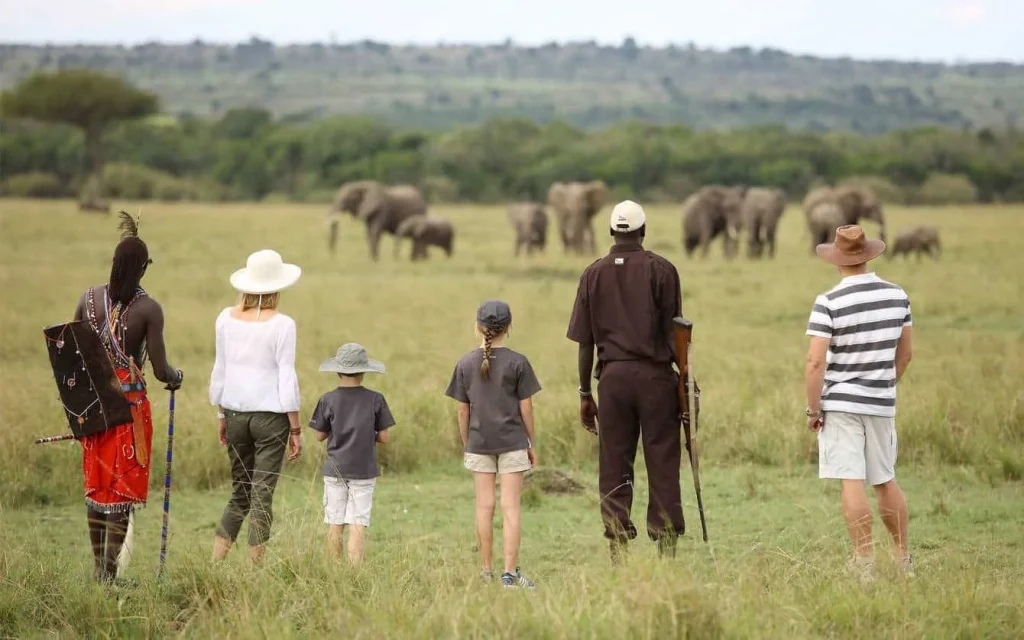
Crescent Island Game Sanctuary is one of Lake Naivasha’s most distinctive attractions. Visitors typically reach the sanctuary by boat and explore designated areas on foot. The experience offers opportunities to observe grazing wildlife such as giraffes, zebras, antelope and other animals in an open landscape. Unlike a conventional game drive, a walking safari allows visitors to appreciate the surroundings at a slower pace.
However, visitors must follow sanctuary rules and remain aware of wildlife safety. The sanctuary operates independently from boat companies, so boat transfers and entry arrangements should be confirmed separately. A visit is particularly enjoyable during relatively dry weather, when walking conditions are comfortable.
Best Time to Visit Hell’s Gate National Park
Hell’s Gate National Park is located near Lake Naivasha and is known for its volcanic scenery, cliffs, geothermal features and distinctive landscapes. It is one of the most popular excursions from the lake. Depending on current park regulations and conditions, visitors may enjoy game viewing, cycling or guided activities in permitted areas.
The relatively dry months are generally convenient for outdoor exploration. During heavy rainfall, certain areas may become slippery or unsafe. Gorge access and guided activities should never be assumed to be available without confirmation from the relevant park authorities. Travellers should follow current Kenya Wildlife Service guidance.
Lake Naivasha and Mount Longonot
Mount Longonot National Park is another worthwhile destination near Lake Naivasha. The volcanic mountain offers a more physically demanding excursion than a boat safari. Hiking conditions are generally more comfortable during relatively dry weather. Early departures can help avoid the strongest daytime sun.
Visitors should carry sufficient drinking water, appropriate footwear and sun protection. The hike requires a reasonable level of fitness, and conditions can be challenging. Mount Longonot is best planned as a dedicated activity rather than a rushed addition to an already full sightseeing schedule.
How Many Days Should You Spend at Lake Naivasha?
A Lake Naivasha day trip from Nairobi is possible for travellers with limited time. A typical visit may include a boat excursion and one additional attraction, depending on travel arrangements. However, an overnight stay provides a more relaxed experience. One night allows time for an afternoon activity followed by a morning boat trip or visit to Crescent Island.
Two nights are preferable for travellers who want to combine boating, walking and a visit to Hell’s Gate National Park. Three nights can be rewarding for visitors interested in birdwatching, photography, relaxation or additional Rift Valley attractions. The appropriate duration depends on whether Naivasha is the main destination or part of a longer safari.
Getting to Lake Naivasha From Nairobi
Lake Naivasha is approximately 90 kilometres from Nairobi, depending on the starting point and destination around the lake. Road travel commonly takes around two to three hours, although traffic and road conditions can extend the journey. The route passes through the Rift Valley region and provides opportunities to observe changing landscapes.
Travellers should remember that accommodation properties are distributed around the lake, and reaching a particular lodge may require additional driving. A private Kenya safari vehicle provides flexibility for airport transfers, sightseeing stops and onward travel.
Where to Stay at Lake Naivasha
Lake Naivasha offers accommodation ranging from modest guesthouses to established lakeside resorts and luxury properties. The best choice depends on your budget, preferred activities and whether you want direct lake access.
Essential Accommodation
Essential Lake Naivasha accommodation includes practical guesthouses, modest lodges and selected camping options. These properties suit travellers who want to keep costs manageable while exploring the area.
Comfort Accommodation
Comfort accommodation generally offers en-suite rooms, established dining facilities and convenient access to local attractions. It is suitable for couples, families and travellers on multi-day safari itineraries.
Premium Accommodation
Premium Lake Naivasha lodges may provide spacious rooms, attractive gardens and additional leisure facilities. Some properties offer lake views or convenient arrangements for boat excursions.
Signature Accommodation
Signature accommodation includes higher-end properties with personalised services, spacious facilities and distinctive settings. Travellers should confirm the exact services and activities included in the booking.
Is Lake Naivasha Better During the Dry or Rainy Season?
The dry season is generally more convenient for travellers prioritising boat excursions, walking and visits to nearby parks. Relatively limited rainfall can make outdoor activities easier to organise. However, the rainy season offers greener landscapes and potentially rewarding birdwatching. The choice depends on personal interests.
A photographer interested in dramatic skies and fresh vegetation may enjoy the green season. A family planning several outdoor activities may prefer the more dependable conditions of January, February or June through September. Neither season guarantees perfect weather or wildlife sightings.
Combining Lake Naivasha With a Kenya Safari
Lake Naivasha is conveniently positioned for inclusion in several Kenya safari packages. A popular itinerary combines Nairobi, Lake Naivasha, Lake Nakuru and the Masai Mara. This route allows travellers to experience freshwater habitats, Rift Valley landscapes and classic savannah wildlife.
Lake Nakuru National Park is particularly attractive for rhino viewing and birdlife. The Masai Mara National Reserve offers opportunities to observe lions, elephants, buffalo, cheetahs and other plains wildlife. Longer itineraries can include Amboseli National Park, Samburu National Reserve or Ol Pejeta Conservancy. Travellers should choose a route that allows sufficient time at each destination.
Practical Travel Advice for Lake Naivasha
Choose a Reputable Boat Operator
Use an established operator with appropriate safety equipment. Life jackets should be available and worn according to safety instructions. Avoid operators who approach hippos too closely or disregard weather conditions.
Confirm Activity Prices
Boat excursions, Crescent Island entry and park activities may involve separate charges. Ask for a clear breakdown before confirming arrangements.
Keep a Safe Distance From Wildlife
Hippos are dangerous, particularly near shorelines and after dark. Follow lodge and guide instructions, especially when walking near the lake.
Pack for Changing Weather
Carry a lightweight jacket, comfortable walking shoes, sunscreen, a hat and insect repellent. A waterproof layer is useful during the rainy season.
Plan Activities Around Travel Times
Lake Naivasha is accessible from Nairobi, but traffic can affect arrival times. Avoid scheduling too many activities on the same day, particularly after a long transfer.
Lake Naivasha Safari Prices and Budget Considerations
The cost of visiting Lake Naivasha depends on accommodation, transport, activities and the number of travellers. A day trip may be more affordable than an overnight safari, but it offers less time for exploration. Private transport provides convenience and flexibility, while shared arrangements may reduce costs.
Boat excursions are commonly charged separately unless included in a package. Entry fees for attractions such as Crescent Island, Hell’s Gate National Park and Mount Longonot may also apply. Travellers should request current prices rather than relying on older online information. A complete quotation should specify transport, accommodation, meals, guiding, entrance fees and optional activities.
Frequently Asked Questions About Lake Naivasha
What Is the Best Month to Visit Lake Naivasha?
January, February and June through September are generally excellent choices for outdoor activities. October can also be pleasant, depending on rainfall.
Can You Visit Lake Naivasha All Year?
Yes. Lake Naivasha is a year-round destination, although weather conditions may affect boating and other activities.
What Is the Best Time for a Boat Ride?
Early morning is often attractive for calmer conditions, bird activity and photography. However, the operator must assess wind and weather before departure.
Are Hippos Common in Lake Naivasha?
Hippos inhabit the lake and may be observed during boat excursions. Sightings are not guaranteed, and visitors must maintain safe distances.
Can You Swim in Lake Naivasha?
Swimming in the open lake is not recommended because of wildlife hazards, including hippos, and other safety considerations.
Is Crescent Island Worth Visiting?
Yes, particularly for travellers interested in guided walking experiences and observing grazing wildlife in a different setting from a traditional safari vehicle.
How Far Is Lake Naivasha From Nairobi?
The lake is approximately 90 kilometres northwest of Nairobi, with road travel commonly taking around two to three hours depending on traffic and the destination.
Is Lake Naivasha Suitable for Children?
Yes, many activities are suitable for families, provided children are supervised and appropriate wildlife and boating safety precautions are followed.
Can I Combine Lake Naivasha With the Masai Mara?
Yes. Lake Naivasha is a popular stop on itineraries linking Nairobi, the Rift Valley and the Masai Mara.
How Many Nights Should I Stay?
One or two nights are suitable for most visitors. Longer stays are useful for birdwatching, photography and additional excursions.
Plan Your Lake Naivasha Safari With Safari Trips to Kenya
The best time to visit Lake Naivasha depends on the activities you want to enjoy. For relatively dry weather and convenient outdoor conditions, January, February and June through October are excellent choices. Travellers interested in birdwatching, green landscapes and quieter surroundings may also enjoy the wetter months.
Lake Naivasha is particularly valuable as part of a wider Kenya Rift Valley safari, offering a refreshing contrast to traditional game drives. Safari Trips to Kenya can help arrange a Lake Naivasha boat safari, accommodation, private transport and suitable excursions to Crescent Island, Hell’s Gate National Park and other nearby attractions. Whether you are planning a short visit from Nairobi or including Naivasha in a longer Kenya safari itinerary, selecting the right travel dates and activities will help create a comfortable and rewarding experience.