

Birds of Lake Naivasha
Watching the birds of Lake Naivasha is one of the most rewarding wildlife activities available within a relatively short journey from Nairobi. The lake’s freshwater environment, papyrus-fringed shoreline and surrounding acacia woodland attract numerous bird species, making it an excellent destination for both dedicated birdwatchers and travellers exploring Kenya’s Great Rift Valley.
Lake Naivasha is particularly appealing because visitors can experience its birdlife in several different ways. A guided boat excursion provides access to suitable open-water and shoreline habitats, while lakeside gardens, woodland trails and nearby nature areas offer opportunities to observe terrestrial species.
The lake is also an important stop on many Kenya Safari Packages. Travellers heading towards Lake Nakuru, the Masai Mara or other Rift Valley destinations can include birdwatching without making a major detour. However, a successful visit requires more planning than simply arriving at the waterfront. Different bird species occupy different habitats, access to shoreline areas varies and boat excursions depend on weather and operating conditions.
This Lake Naivasha Birdwatching Guide explains where to look for birds, how to organise excursions, what to expect during different seasons and how to combine birdwatching with other activities around the lake.
Where Is Lake Naivasha?
Lake Naivasha lies in Nakuru County in Kenya’s Great Rift Valley, northwest of Nairobi. The lake is situated at approximately 1,880 metres above sea level, although its water level fluctuates. The surrounding region includes volcanic landscapes, agricultural land, woodland, wetlands and protected natural areas.
Naivasha town serves as an important commercial and transport centre, while numerous lodges, camps and tourism facilities are located around the lake. Road travel from Nairobi commonly takes approximately two to three hours, depending on traffic, road conditions and the precise destination. The journey follows the Nairobi–Naivasha corridor and offers opportunities to appreciate the Rift Valley landscape. For travellers arriving at Jomo Kenyatta International Airport, transfer arrangements should account for traffic around Nairobi.
Why Lake Naivasha Is an Excellent Birdwatching Destination
Lake Naivasha is one of the few major freshwater lakes in Kenya’s eastern Rift Valley. Its freshwater character distinguishes it from several alkaline lakes in the region. The lake supports a varied bird community because several habitat types lie close together:
- Fish populations that support African fish eagles, cormorants, pelicans and kingfishers
- Shallow margins for herons, egrets, storks and other wading birds
- Papyrus and aquatic vegetation for birds that prefer dense wetland cover
- Nearby woodland for hornbills, starlings, weavers and other terrestrial species
This combination means that birdwatchers can encounter a wide variety of species without travelling between distant national parks. The lake is also suitable for visitors with limited time. A half-day excursion can provide an introduction, while a longer stay allows more careful exploration.
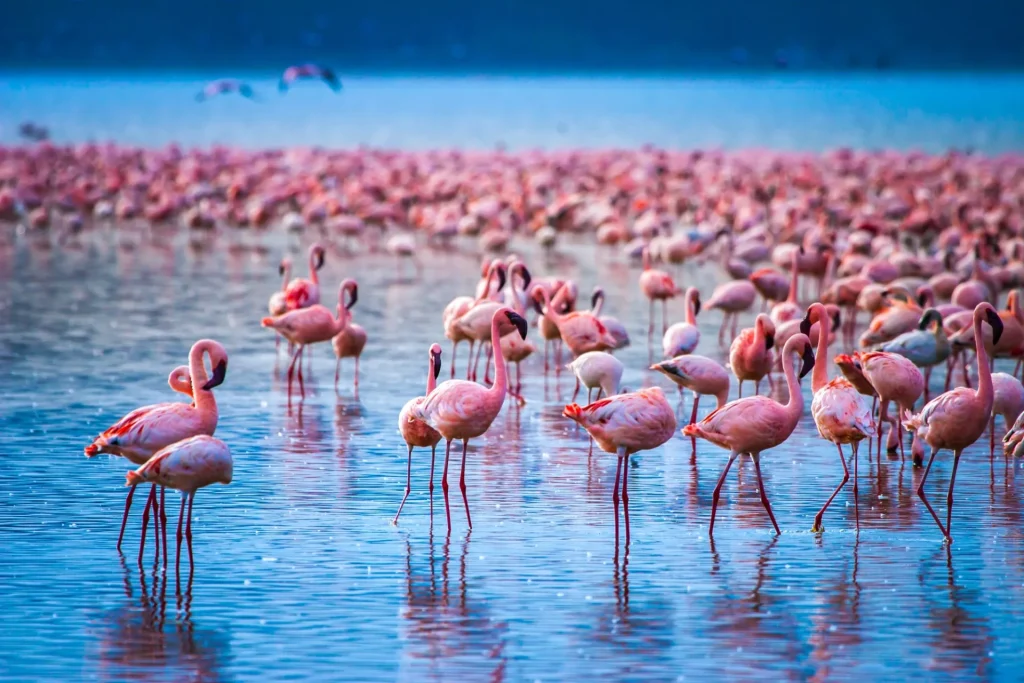
Best Places for Birdwatching Around Lake Naivasha
Lake Naivasha Shoreline
The shoreline is the starting point for many birdwatching activities. Suitable accessible sections may provide views of fish eagles, kingfishers, herons, egrets, cormorants and other waterbirds. However, much of the lakefront is associated with private properties, tourism establishments or areas where access is controlled. Visitors should therefore arrange access through their accommodation, a recognised operator or an authorised local guide.
The most productive location may change with water levels and vegetation. A site that previously offered open shoreline may become flooded or covered by aquatic plants. Local knowledge is particularly valuable when selecting a suitable observation point.
Crescent Island
Crescent Island is one of the best-known visitor attractions associated with Lake Naivasha. The area offers opportunities to experience open landscapes and observe birds associated with grassland, woodland and nearby water. Guided walking excursions can provide a different perspective from vehicle-based wildlife viewing. Birdwatchers may encounter terrestrial species while also observing suitable wetland habitats.
Access arrangements and available walking routes should be confirmed before visiting. Crescent Island is particularly suitable for travellers who want to combine birdwatching with a gentle nature excursion.
Lakeside Woodland and Lodge Grounds
Some of the most enjoyable birdwatching around Lake Naivasha takes place without travelling far from accommodation. Lakeside properties with mature trees, gardens and relatively undisturbed vegetation may attract numerous birds. Weavers, sunbirds, starlings, hornbills and other woodland species may be observed. Early morning is often particularly productive.
A quiet walk through suitable grounds can reveal birds that are easily missed during a boat excursion. However, visitors should remain within authorised areas and follow any wildlife safety instructions. Hippos and other animals may move through lakeside properties, particularly after dark.
Papyrus and Wetland Margins
Papyrus stands provide important habitat for birds adapted to dense wetland vegetation. Some species remain concealed and are more easily detected by their calls. These habitats can be challenging for beginners because visibility is limited. A specialist bird guide may help identify birds by sound and behaviour. Wetland margins should be approached carefully to avoid damaging vegetation or disturbing nesting birds.
Nearby Grasslands and Acacia Woodland
The landscapes surrounding Lake Naivasha support birds that do not depend directly on open water. Open grasslands may attract ground-feeding birds and raptors. Acacia woodland supports hornbills, rollers, starlings and other species. Birdwatchers interested in building a varied species list should include at least one terrestrial habitat rather than concentrating exclusively on the lake.
Lake Naivasha Boat Safaris for Birdwatching
A Lake Naivasha Boat Safari is one of the most popular ways to observe the lake’s wildlife. Boats provide access to suitable water areas and allow visitors to view birds from a different perspective. A typical excursion may focus on shoreline vegetation, open water and locations where fish-eating birds are active. However, routes vary according to departure point, water conditions, available time and safety considerations. Boat excursions are usually arranged through local operators or accommodation providers.
What Birds Can Be Seen During a Boat Safari?
Visitors may observe African fish eagles perched in trees, pied kingfishers hovering above the water and cormorants resting on exposed branches. Herons and egrets may be seen feeding along shallow margins. Pelicans may occur in suitable areas, while African jacanas can sometimes be observed among floating vegetation. The precise combination of birds changes with season and habitat conditions. A boat safari should be treated as an opportunity to observe natural behaviour rather than a guarantee of particular sightings.
How Long Should a Birdwatching Boat Safari Last?
The ideal duration depends on the traveller’s interests. A shorter excursion may be suitable for families or visitors combining several activities. Dedicated birdwatchers and photographers may prefer additional time for careful observation. Longer excursions should be arranged according to weather conditions and the operator’s safety procedures.
It is worth discussing your priorities before departure. A general sightseeing excursion and a specialist birdwatching trip may follow different approaches.
Safety During Lake Naivasha Boat Excursions
Safety should always take priority. Visitors should use reputable operators, wear appropriate life jackets and follow the boat guide’s instructions. Lake conditions can change, particularly when wind increases. Hippos are present in Lake Naivasha and must be treated as dangerous wild animals. Boats should maintain safe distances from wildlife and avoid unnecessary disturbance. Visitors should not lean out of moving boats to obtain photographs.
Most Interesting Birds to Look for
African Fish Eagle
The African Fish Eagle is one of the lake’s signature species. Its white head and powerful call make it relatively recognisable. Visitors may observe fish eagles resting in trees or searching for prey above the water.
Pied Kingfisher
The Pied Kingfisher is especially interesting because of its hovering hunting technique. It may remain suspended above the water before diving towards fish.
Malachite Kingfisher
The Malachite Kingfisher is a small, colourful bird associated with suitable shoreline vegetation. Its bright blue and orange plumage makes it popular with photographers.
Great White Pelican
The Great White Pelican is an impressive large waterbird. It may be observed swimming, feeding or flying above suitable lake habitats.
African Jacana
The African Jacana uses its long toes to move across floating vegetation. It is a particularly interesting species for visitors who enjoy learning about bird adaptations.
Herons and Egrets
Grey herons, great egrets and other wetland birds may be observed hunting in shallow water. Their feeding behaviour provides opportunities for patient wildlife observation.
Cormorants and Darters
Cormorants and African darters are specialised fish-eating birds. They may be seen diving, swimming or resting on exposed perches.
Best Time for Birdwatching at Lake Naivasha
Birdwatching is possible throughout the year. However, different seasons offer different advantages. The period from approximately November to April can be interesting because many migratory birds from the northern hemisphere are present in suitable East African habitats. Rainfall may stimulate breeding activity and increase the availability of food for some species.
However, heavy rain can interrupt excursions and affect access to certain areas. The generally drier periods can provide more predictable conditions for outdoor activities. Lake Naivasha’s water levels and shoreline vegetation may change substantially, influencing where birds gather. For travellers with specific target species, recent local observations are more useful than relying exclusively on broad seasonal descriptions.
Best Time of Day for Birdwatching
Early morning is often an excellent time for Lake Naivasha Birdwatching. Many birds are actively feeding, calling or moving between resting and feeding areas. Morning light can also be particularly attractive for photography. Late afternoon provides another opportunity for observation.
During the middle of the day, strong sunlight may make photography more challenging. Wind can also affect boat conditions and the visibility of birds on open water. For a dedicated birdwatching excursion, it is sensible to discuss departure timing with a knowledgeable local operator.
Bird Photography at Lake Naivasha
Lake Naivasha is particularly suitable for photographing waterbirds. Large birds such as pelicans, fish eagles and herons can be observed from suitable distances. Kingfishers provide more demanding photographic opportunities because of their small size and rapid movement.
A telephoto lens is useful for capturing detailed images without approaching birds too closely. Photographers should protect equipment from water spray during boat excursions. A stable seating position and careful handling of equipment are important. Early morning light may provide softer colours and more attractive reflections. Photographers should avoid encouraging guides to approach wildlife too closely. Natural behaviour and responsible observation should always take priority over obtaining a particular image.
Combining Birdwatching with Other Lake Naivasha Activities
Crescent Island Walking Safari
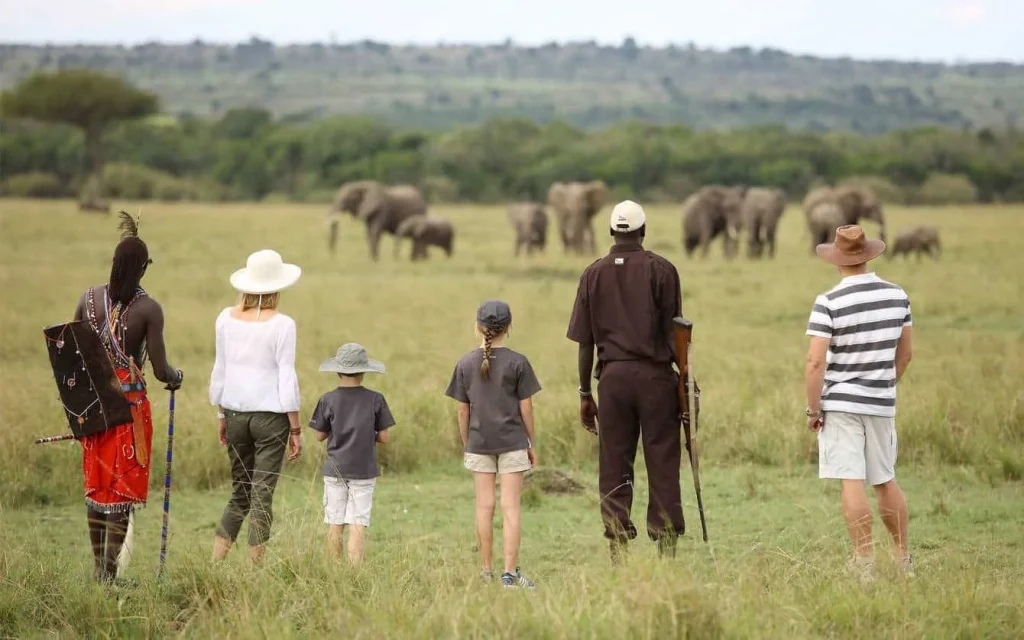
A Crescent Island Walking Safari can complement a boat excursion. Walking allows visitors to observe birds and other wildlife at a slower pace. The activity should be arranged with an authorised operator and conducted according to local safety requirements.
Hell’s Gate National Park
Hell’s Gate National Park lies within the wider Naivasha region. Its dramatic volcanic landscapes and open habitats provide a different wildlife experience from the lake. Birdwatchers may encounter raptors and species associated with cliffs, grasslands and woodland. Visitors should confirm current access arrangements and permitted activities.
Mount Longonot
Mount Longonot offers a more physically demanding outdoor experience. The volcanic landscape supports birdlife associated with highland and open-country habitats. Hiking requires suitable fitness, footwear and preparation. It is best treated as a separate activity rather than an addition to an already full birdwatching schedule.
Lake Nakuru National Park
Lake Naivasha combines naturally with Lake Nakuru National Park. Lake Nakuru provides opportunities to observe birds associated with alkaline lake environments, woodland and grassland. A combined itinerary allows travellers to compare different Rift Valley ecosystems.
Suggested Two-Day Lake Naivasha Birdwatching Itinerary
Day 1: Nairobi to Lake Naivasha and Afternoon Birdwatching
Depart Nairobi in the morning and travel towards the Great Rift Valley. Depending on traffic and departure location, the road journey commonly takes approximately two to three hours. Arrive at your selected accommodation and enjoy lunch or a suitable break. In the afternoon, take a guided birdwatching boat excursion if conditions permit.
Look for African fish eagles, kingfishers, cormorants, pelicans and other waterbirds. Your guide can explain how different species use the lake’s freshwater habitats. Return to the accommodation for dinner and overnight.
Overnight: Lake Naivasha area.
Day 2: Morning Woodland Birdwatching and Departure
Begin the day with an early birdwatching walk in a suitable authorised area. Focus on woodland and grassland birds that may not have been observed during the previous day’s boat excursion. Depending on the itinerary, a visit to Crescent Island or another nearby attraction may be arranged. After breakfast or lunch, continue towards Nairobi, Lake Nakuru or another safari destination. For dedicated birdwatchers, an additional night provides more time to explore different habitats.
Accommodation for Birdwatching at Lake Naivasha
Accommodation should be selected according to location, comfort and access to birdwatching activities. Properties close to suitable shoreline habitats may reduce travel time before early morning excursions. However, a lakeside address does not automatically guarantee direct access to productive birdwatching areas.
Some properties have extensive gardens or woodland that attract birds, while others are better positioned for boat excursions. Our Essential accommodation category focuses on practical, good-value properties. Comfort options provide additional amenities and are suitable for travellers seeking a balance between price and convenience. Premium accommodation generally offers enhanced facilities and carefully selected locations. Signature properties are appropriate for travellers seeking more distinctive accommodation and personalised service. For birdwatchers, proximity to suitable habitats may be more valuable than luxury features.
What Does a Lake Naivasha Birdwatching Safari Cost?
The cost depends on the number of travellers, accommodation category, transport arrangements and activities selected. A short excursion from Nairobi may cost less than a multi-day private itinerary with accommodation. Boat excursion prices vary by operator, duration and whether the activity is private or shared. Specialist bird guides may involve additional costs. Entrance fees may apply to particular attractions or protected areas.
Because rates can change, travellers should request an itemised quotation rather than relying on outdated published prices. At Safari Trips to Kenya, we can prepare a proposal that identifies the activities, accommodation, transport and guiding arrangements included.
Private Birdwatching Versus Shared Excursions
A Private Lake Naivasha Birdwatching Safari offers flexibility. Travellers can spend more time observing interesting species and may be able to adjust the programme according to their interests. This is particularly valuable for photographers and experienced birdwatchers.
Shared excursions may be suitable for visitors who want a general introduction at a lower individual cost. However, shared activities normally follow a more fixed schedule. Travellers with specific target species should discuss specialist guiding before booking.
What to Pack for Lake Naivasha Birdwatching
- Binoculars and a field guide or bird identification application
- Comfortable walking shoes for woodland and nature excursions
- A hat, sunscreen and drinking water for sunny conditions
- A light jacket for cooler mornings
- For boat excursions, a waterproof bag to protect cameras and other valuables
- Suitable lenses and secure straps for photographers
- Neutral-coloured clothing when observing wildlife quietly
Responsible Tourism and Lake Conservation
Lake Naivasha supports wildlife, tourism, agriculture, fisheries and local communities. These different uses create challenges for long-term environmental management. Changes in water levels, habitat disturbance and pollution can affect birds and other wildlife.
Visitors can contribute to responsible tourism by choosing operators who follow appropriate wildlife observation practices. Boats should maintain safe distances from birds and hippos. Birds should not be fed or disturbed for photographs. Visitors should respect private property and avoid entering sensitive wetland areas without permission. Responsible tourism helps maintain the natural attractions that make Lake Naivasha valuable.
Frequently Asked Questions About Lake Naivasha Birdwatching
Is Lake Naivasha good for birdwatching?
Yes. Its freshwater habitats and surrounding woodland support a wide variety of birds.
What birds can I see on a boat safari?
Potential sightings include African fish eagles, pied kingfishers, pelicans, cormorants, herons, egrets and other waterbirds.
How far is Lake Naivasha from Nairobi?
Road travel commonly takes approximately two to three hours, depending on traffic and the exact destination.
Can I visit Lake Naivasha in one day?
Yes. A day trip is possible, although an overnight stay allows more relaxed birdwatching.
Is a boat safari necessary?
No. Birds can also be observed from suitable shoreline and woodland locations. However, a boat excursion can provide additional perspectives.
Can Lake Naivasha be combined with Lake Nakuru?
Yes. The two destinations are commonly combined on Rift Valley wildlife itineraries.
Is Lake Naivasha suitable for families?
Yes. Many birdwatching activities are suitable for families, provided appropriate safety arrangements are followed.
Plan Your Lake Naivasha Birdwatching Safari
The birds of Lake Naivasha make the destination an excellent addition to a Kenya wildlife holiday. A carefully planned visit can combine freshwater birdwatching, woodland excursions, wildlife photography and nearby attractions without requiring extensive travel.
Safari Trips to Kenya can arrange private birdwatching excursions, accommodation and transport or incorporate Lake Naivasha into a longer Kenya Birding Safari. Contact us with your preferred travel dates, number of travellers and activities of interest to receive a personalised itinerary.