
4 DAYS / 3 NIGHTS
Fly-in Migration Safari
Plan a fly-in migration safari in the Masai Mara or Serengeti. Compare flights, camps, migration seasons, river crossings, itineraries and safari costs.
- Wildlife SafariPrivate Journey
- Private Safari4x4 Vehicle
- Expert GuideEnglish Speaking
- All MealsBreakfast, Lunch, Dinner
- 24/7 SupportWe're here to help
01 Overview
Safari Overview
- Duration4 days / 3 nights
- DestinationWildebeest Migration
- Starts / endsNairobi
- Safari stylePrivate safari
- AccommodationEssential · Comfort · Premium · Signature
- Best forCouples, families, first-timers
A fly-in migration safari offers one of the most convenient ways to experience the Great Wildebeest Migration in Kenya and Tanzania. Instead of spending long hours travelling by road between cities and wildlife destinations, visitors use domestic light-aircraft flights to reach safari airstrips close to their selected camps.
This approach is particularly attractive for travellers who want to spend more time observing wildlife and less time on transfers.
The Great Wildebeest Migration takes place across the Serengeti–Mara ecosystem, with large herds moving in response to rainfall and grazing conditions. Different regions become important at different times of year.
During the early months, large concentrations of wildebeest may gather on the southern Serengeti plains for calving. Later, the herds generally move through other parts of the Serengeti, with substantial numbers sometimes reaching the northern Serengeti and Kenya's Masai Mara.
The most famous migration events include newborn wildebeest on the southern plains and dramatic river crossings in the northern ecosystem.
A fly-in safari can provide access to these regions, but choosing the correct airstrip and camp is essential.
The best itinerary depends on your travel dates, the wildlife experience you want and the amount of time available.
Itinerary
- Day 1:Nairobi to Masai Mara
- Day 2:Migration Safari
- Day 3:Masai Mara Wildlife Exploration
- Day 4:Fly Back to Nairobi
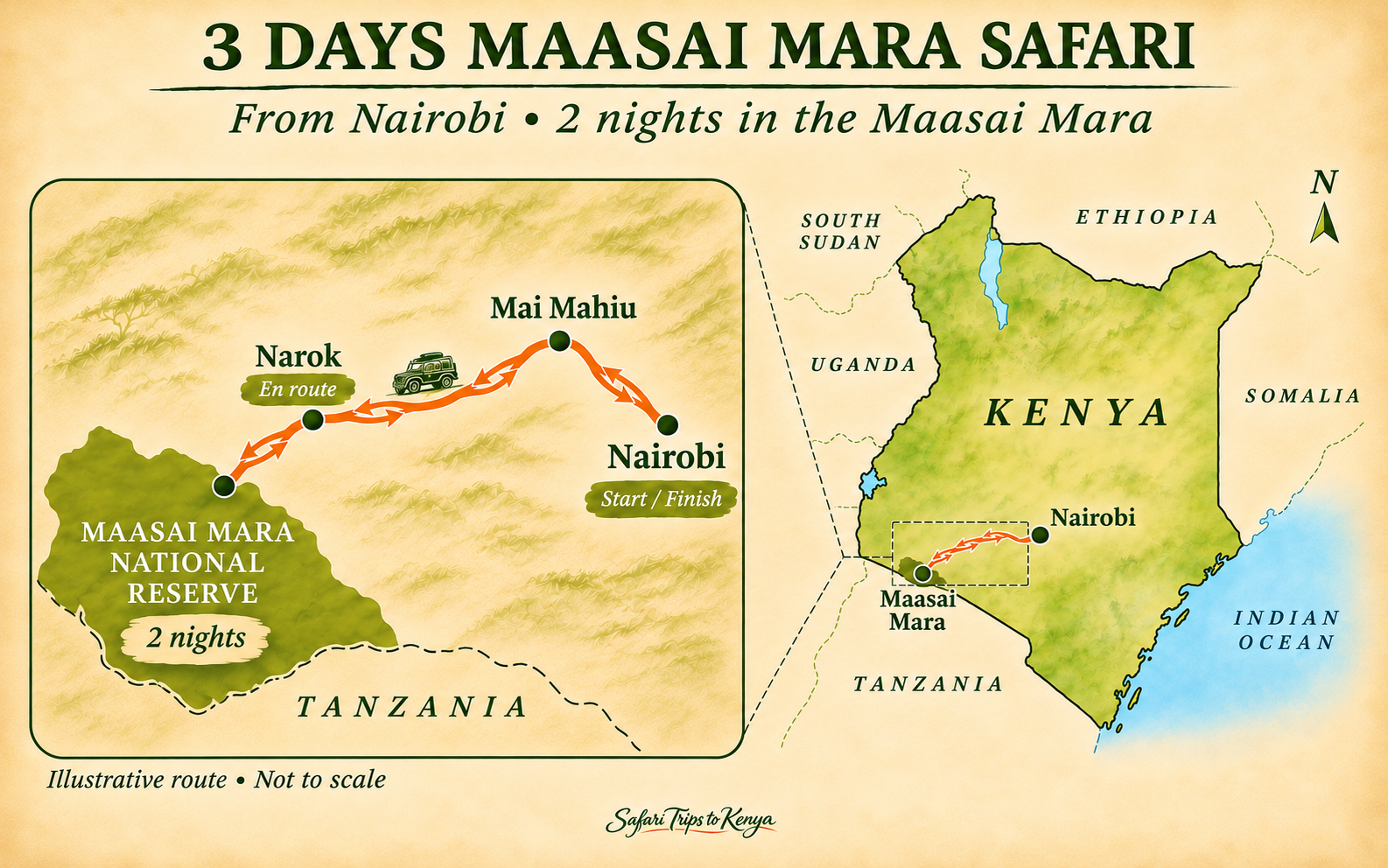
02 Itinerary
Fly-in Migration Safari: Detailed Itinerary

Day 1: Nairobi to Masai Mara - Main destination
- Masai Mara National Reserve
- Drive time
- Wilson Airport to Masai Mara airstrip flight approximately 45–75 minutes
- Meals
- Lunch, Dinner
Transfer to Wilson Airport.
Board your scheduled flight to the designated Masai Mara airstrip.
Meet your safari guide and transfer to the camp.
Enjoy lunch and an afternoon game drive if time permits.
Where you stay
- Essential (Budget)
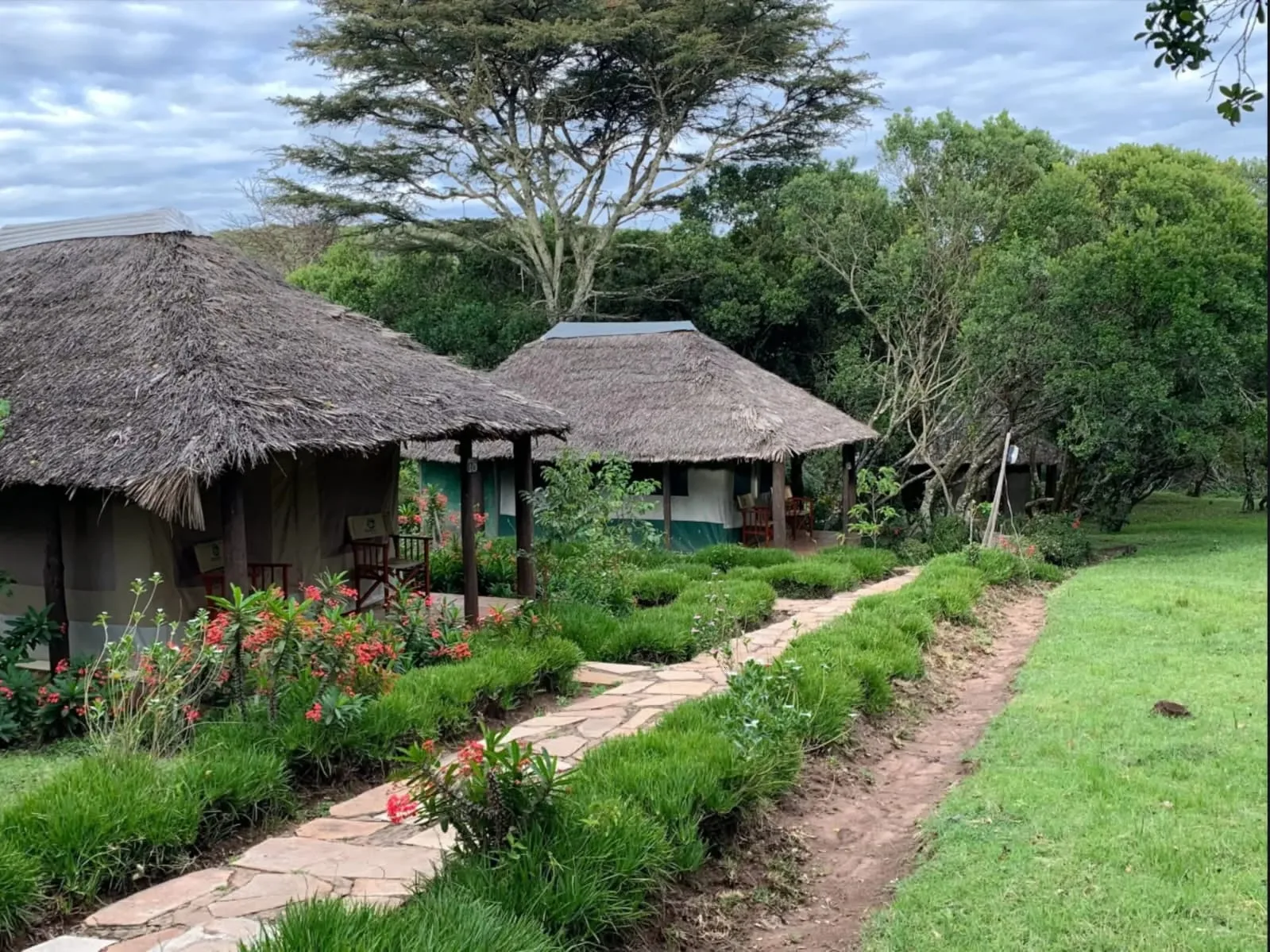
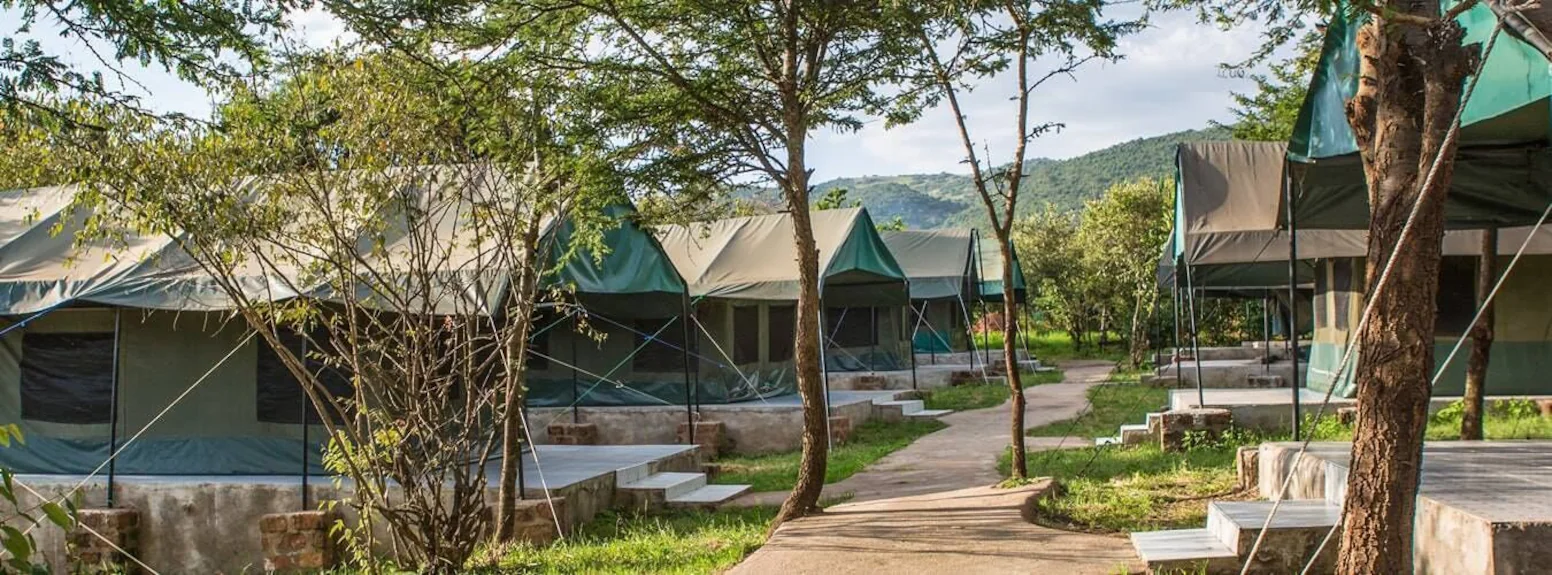
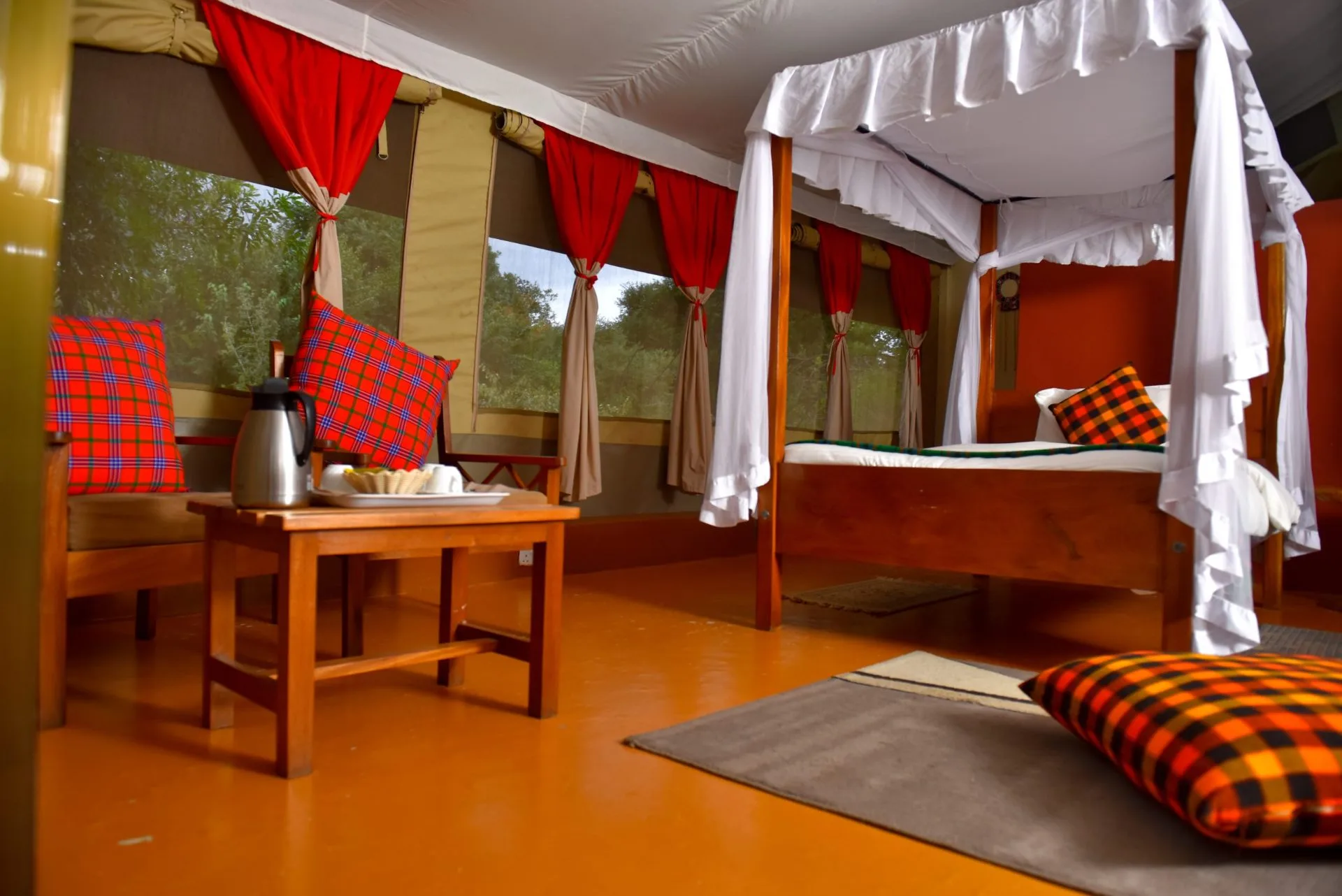
- Comfort (Mid-range)
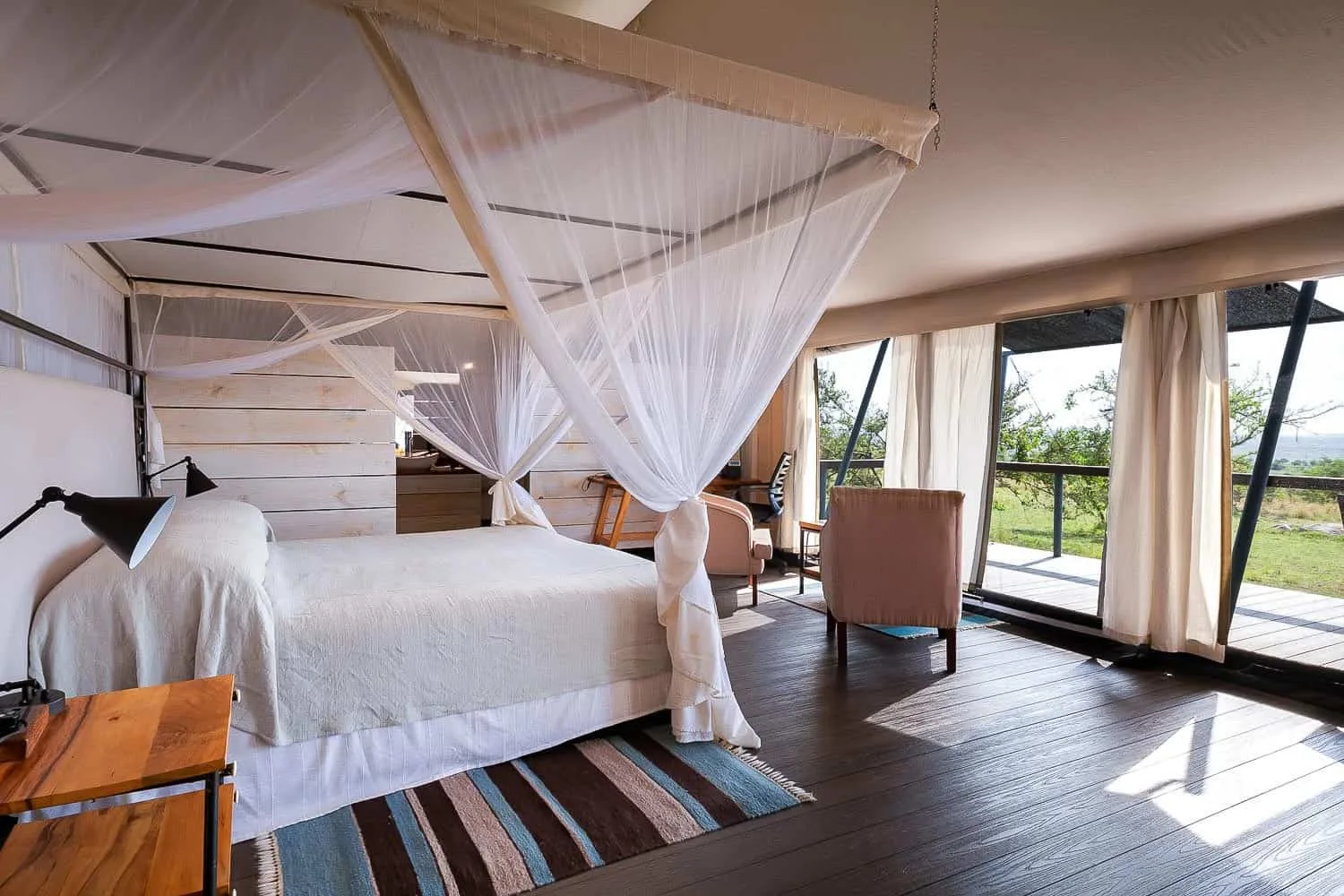
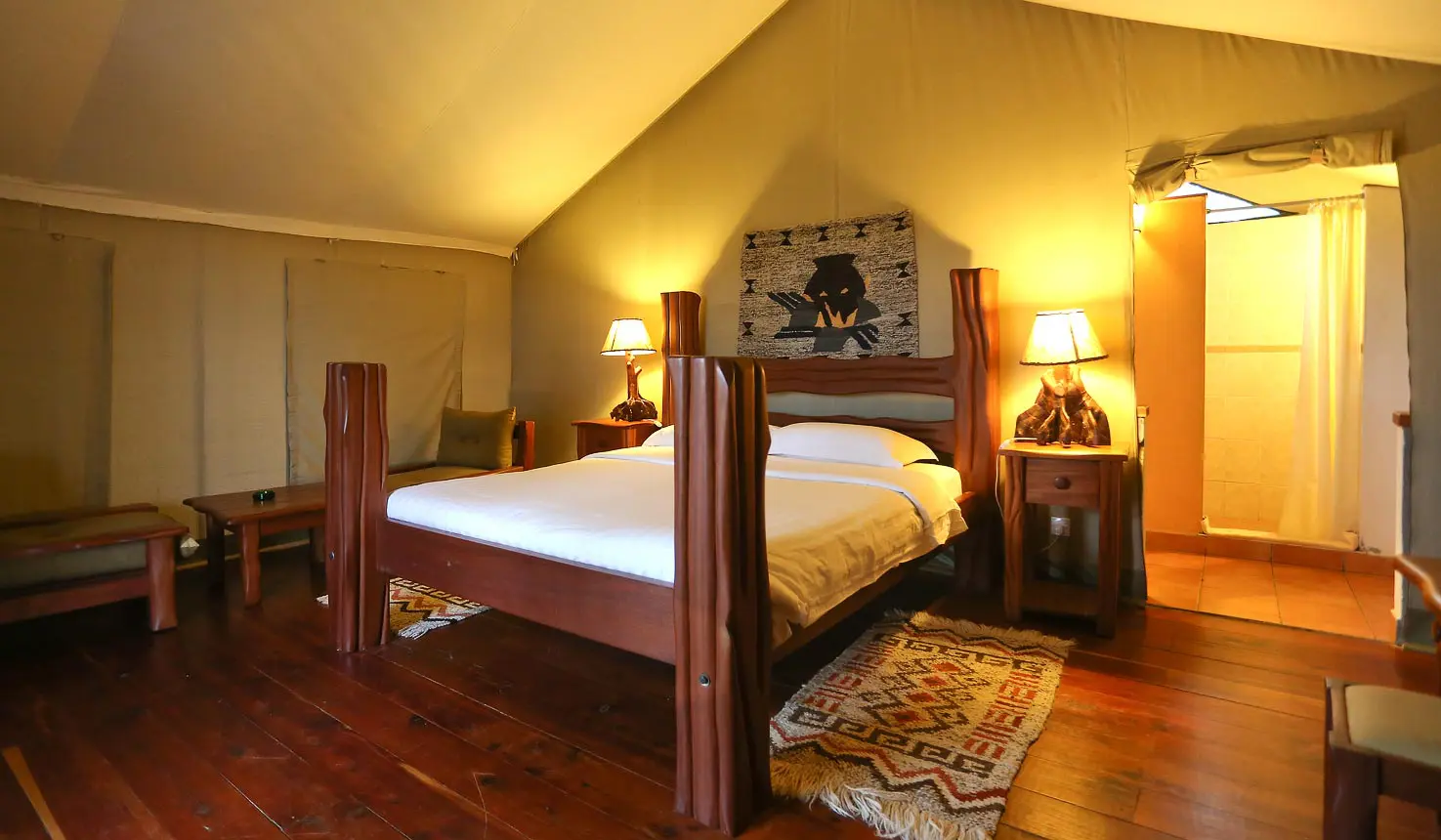
- Premium (Luxury)
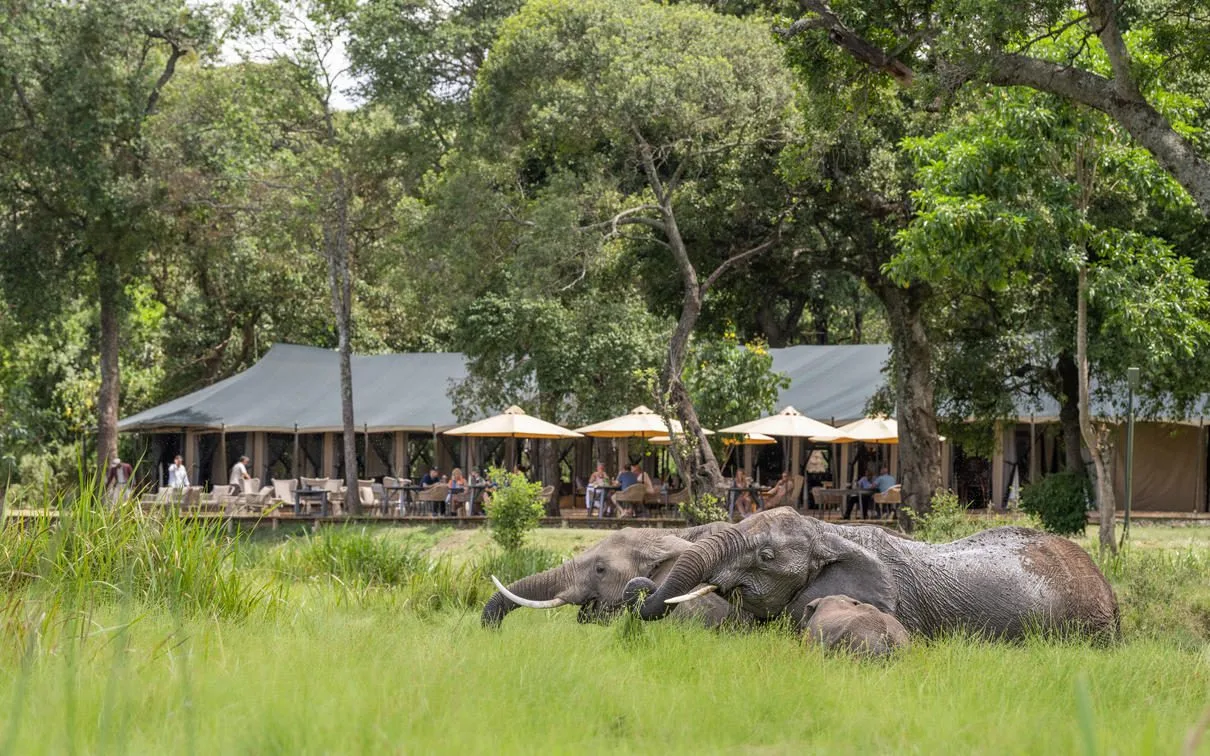
- Signature (High-end)
Day 2: Full-Day Migration Safari - Main destination
- Masai Mara National Reserve
- Meals
- Breakfast, Lunch, Dinner
Begin early and explore suitable wildlife areas.
Look for migratory herds if present.
Your guide will select routes according to current wildlife movements.
Enjoy a picnic lunch or return to camp, depending on the programme.
Continue wildlife viewing during the afternoon.
Where you stay
Day 3: Masai Mara Wildlife Exploration - Main destination
- Masai Mara National Reserve
- Meals
- Breakfast, Lunch, Dinner
Spend another day exploring the reserve or relevant conservancy.
Focus on predators, grazing herds and other wildlife.
If the migration is present, your guide may explore suitable areas near the river.
Return to camp for dinner.
Where you stay
Day 4: Fly Back to Nairobi - Main destination
- Masai Mara National Reserve
- Drive time
- Masai Mara airstrip to Wilson Airport flight approximately 45–75 minutes
- Meals
- Breakfast
Enjoy breakfast and a final activity if time permits.
Transfer to the airstrip for your scheduled flight.
Continue with onward travel arrangements.
Where you stay
03 Rates
Safari rates 2027-2029
Indicative per person. Season, group size and lodge style change the total — your quotation confirms current rates.
- Essential (Budget)
Essential (Budget)
Budget camps and lodges suit travelers who prioritize wildlife while keeping costs lower.
Great value camps
- Comfort (Mid-range)
Comfort (Mid-range)
Mid-range tented camps and lodges balance comfort and price with private rooms or tents and en-suite facilities.
Quoted for your dates
- Premium (Luxury)
Premium (Luxury)
Luxury camps and lodges focus on location, service and more intimate wildlife experiences.
Premium camps and lodges
- Signature (High-end)
Signature (High-end)
Signature camps and lodges are the most exclusive stays — small, highly private properties with exceptional guiding and setting.
Exclusive signature stays
04 Activities
Safari activities
Game viewing is the core of this itinerary. Optional extras are quoted separately and depend on season, permits and availability. Individual species and river crossings are never guaranteed.

Additional information
Plan This Safari
What Is a Fly-in Migration Safari?
A fly-in migration safari is a wildlife holiday that uses domestic flights to reach the principal migration regions.
In Kenya, travellers commonly fly from Nairobi's Wilson Airport to airstrips in the Masai Mara.
In Tanzania, domestic flights may connect Arusha or other airports with airstrips in the Serengeti.
After landing, guests are met by their safari guide or camp representative.
The transfer to accommodation may include wildlife viewing, depending on the route and time available.
Many fly-in safari packages include accommodation, meals and guided game drives.
However, inclusions vary considerably between properties.
Why Choose a Flying Safari for the Great Migration?
The main advantage is convenience.
Road transfers to the Masai Mara or Serengeti can take several hours.
Flying reduces the main transfer time and can make a short safari more practical.
This is particularly valuable for travellers with limited annual leave.
A flying safari can also provide a more relaxed experience for honeymooners and families.
However, it is generally more expensive than a road safari.
Light-aircraft luggage restrictions must also be considered.
The best choice depends on whether convenience justifies the additional cost.
Understanding the Great Migration Before Booking
The migration is not a single event.
It is a continuous ecological process involving grazing, movement, breeding and survival.
The animals do not follow a fixed calendar.
Rainfall influences the location of suitable grazing.
As a result, the best destination changes throughout the year.
Southern Serengeti Calving Season
During the early months, large herds commonly gather in the southern Serengeti and Ndutu region.
February is often associated with peak calving activity.
Central and Western Serengeti
As grazing conditions change, herds generally move towards other parts of the Serengeti.
The timing varies.
Northern Serengeti and Masai Mara
During part of the dry season, substantial numbers may reach the northern Serengeti and Kenya's Masai Mara.
This is the period most associated with Mara River crossings.
Southward Movement
Later in the year, herds may begin moving south again.
However, the exact timing remains dependent on environmental conditions.
Best Time for a Fly-in Migration Safari
January to March: Calving Season
The southern Serengeti and Ndutu region are particularly important.
Travellers interested in newborn wildebeest and predator behaviour should consider this period.
April to June: Serengeti Herd Movements
The herds may occupy central and western areas of the Serengeti.
Rainfall can affect roads and wildlife distribution.
July to October: Northern Migration
This is a popular period for travellers interested in the northern Serengeti and Masai Mara.
River crossings may occur, but they are unpredictable.
November to December: Changing Herd Distribution
The migration may begin moving towards southern grazing areas.
The exact location depends on rainfall.
Fly-in Migration Safari in Kenya
The Masai Mara National Reserve is Kenya's principal migration destination.
Its open grasslands support large numbers of resident animals, including lions, elephants, buffaloes, giraffes and predators.
During suitable periods, migratory wildebeest and zebras may occupy the ecosystem.
Flying from Nairobi
Most scheduled safari flights depart from Wilson Airport.
The flight to the Masai Mara commonly takes approximately 45–75 minutes, depending on the route and stops.
Travellers should allow time for airport check-in and ground transfers.
Masai Mara Airstrips
The Mara ecosystem is served by several airstrips.
The correct landing point depends on the booked camp.
Guests should not select an airstrip independently without confirming the accommodation arrangements.
Accommodation
The Masai Mara offers a wide range of fly-in camps, including traditional tented properties and exclusive luxury lodges.
The best location depends on wildlife interests and the intended travel dates.
Fly-in Migration Safari in Tanzania
The Serengeti National Park is the larger part of the migration ecosystem.
Its extensive landscape includes several regions with different seasonal wildlife patterns.
Southern Serengeti
The southern plains are particularly relevant during calving season.
Travellers may fly to suitable airstrips serving the Ndutu and southern Serengeti region.
Central Serengeti
The central Serengeti provides excellent resident wildlife viewing and can be rewarding during different migration periods.
Northern Serengeti
The northern Serengeti is particularly attractive during the months when herds occupy the Mara River region.
Travellers should choose accommodation according to current migration patterns.
Kenya or Tanzania: Which Is Better for a Fly-in Migration Safari?
The answer depends on travel dates.
Choose Kenya for the Masai Mara
Kenya is particularly attractive during the months when migratory herds occupy the Mara.
The Masai Mara also offers excellent resident wildlife throughout the year.
Choose Tanzania for Calving Season
The southern Serengeti is the principal destination for wildebeest calving.
February is commonly associated with peak activity.
Choose Tanzania for Northern Serengeti Crossings
The northern Serengeti provides access to the Mara River system on the Tanzanian side.
Combine Both Countries
A combined Kenya–Tanzania safari can provide a broader experience.
However, flight connections and immigration arrangements require careful planning.
Not every destination pair has a convenient direct flight.
Best Camps for a Masai Mara Fly-in Migration Safari
Angama Mara
Angama Mara offers luxury accommodation on the Oloololo Escarpment overlooking the Mara Triangle.
Its location provides access to western Mara wildlife habitats.
Governors' Camp
Governors' Camp is an established tented safari property within the Masai Mara National Reserve.
It offers a traditional safari atmosphere and access to important wildlife areas.
Entim Mara Camp
Entim Mara Camp is situated near the Mara River environment.
It is particularly attractive to travellers interested in migration photography.
andBeyond Bateleur Camp
Bateleur Camp offers intimate luxury accommodation in the western Mara ecosystem.
Mara Serena Safari Lodge
Mara Serena provides established lodge accommodation with views across the Mara Triangle.
The best choice depends on current availability, preferred accommodation style and wildlife priorities.
Best Camps for a Serengeti Fly-in Migration Safari
Sayari Camp
Sayari Camp offers luxury accommodation in the northern Serengeti.
It is particularly relevant during the northern migration period.
Lamai Serengeti
Lamai Serengeti is situated among rocky hills in the northern Serengeti.
The camp offers an intimate safari atmosphere and access to surrounding wildlife habitats.
Lemala Ndutu
Lemala Ndutu is associated with the southern Serengeti calving season.
Its seasonal location makes it attractive for February safaris.
Nomad Serengeti Safari Camp
Nomad Serengeti Safari Camp moves seasonally in response to migration patterns.
The exact location must be confirmed for the intended travel dates.
Serengeti Under Canvas
andBeyond Serengeti Under Canvas offers a luxury mobile safari experience.
Its seasonal positioning can provide access to different migration regions.
Permanent Camps Versus Mobile Camps
Permanent camps remain in established locations.
They may offer more extensive facilities and consistent infrastructure.
Mobile camps move seasonally.
This can improve access to migration areas during particular periods.
However, a mobile camp's exact location changes.
Travellers should confirm where the camp will operate during their stay.
Neither option is automatically better.
The best choice depends on wildlife priorities and preferred accommodation style.
Can a Fly-in Safari Guarantee River Crossings?
No.
Mara River crossings are natural events and cannot be guaranteed.
Wildebeest may gather near a river crossing point and remain there for extended periods.
They may also move away without crossing.
Even when a crossing occurs, its location and timing can be difficult to predict.
A well-planned safari therefore focuses on the wider wildlife experience.
The Masai Mara and Serengeti support excellent resident wildlife, including predators and herbivores.
How Many Nights Are Recommended?
A two-night safari provides limited flexibility.
Three nights are a practical starting point.
Four or five nights allow more time to explore different areas.
Serious photographers may prefer longer stays.
During the river-crossing period, additional nights can be particularly valuable because crossings are unpredictable.
However, longer stays do not guarantee a specific event.
Suggested Five-Day Serengeti Fly-in Migration Safari
Day 1: Arusha to Serengeti
Transfer to the airport for your scheduled domestic flight.
Fly to the designated Serengeti airstrip.
Meet your guide and transfer to camp.
Enjoy an afternoon game drive.
Day 2: Full-Day Serengeti Safari
Explore the surrounding wildlife habitats.
Your guide will select routes according to current herd movements.
Observe predators, herbivores and other wildlife.
Day 3: Migration Exploration
Spend the day focusing on areas where migratory herds are concentrated.
During calving season, this may involve the southern plains.
During the northern migration period, it may involve the Mara River region.
Day 4: Additional Wildlife Viewing
Enjoy another full day of game drives.
Photographers may prefer to spend extended periods observing animal behaviour.
Day 5: Return Flight
Enjoy breakfast and transfer to the airstrip.
Fly back to Arusha or continue to another destination.
Fly-in Migration Safari for Photographers
A flying safari can be particularly attractive to photographers because it reduces road transfer time.
However, luggage restrictions require careful planning.
Large camera lenses, tripods and spare batteries may increase baggage weight.
Photographers should confirm the airline's exact allowance.
A private safari vehicle can provide additional space and flexibility.
Longer stays are particularly valuable for observing behaviour rather than rushing between sightings.
Fly-in Migration Safari for Honeymooners
A luxury fly-in migration safari is an excellent option for honeymooners.
The reduced travel time allows couples to spend more time enjoying their accommodation and wildlife activities.
Luxury camps may provide spacious suites, refined dining and personalised hospitality.
A safari can also be combined with a beach extension to Diani or Zanzibar.
The itinerary should balance wildlife activities with relaxation.
Fly-in Migration Safari for Families
Families can enjoy flying safaris, but several practical considerations apply.
Children may have different comfort levels on small aircraft.
Accommodation properties may have minimum age restrictions.
Private vehicles can provide greater flexibility for game-drive schedules.
Parents should confirm room arrangements and activity policies before booking.
Luggage Allowances on Safari Flights
Domestic light-aircraft flights commonly have limited baggage allowances.
A typical allowance may be around 15 kilograms per person, including hand luggage, although this varies by operator.
Soft-sided bags are often required.
Hard suitcases may be unsuitable for small aircraft compartments.
Travellers should confirm the exact policy before packing.
Photographers may need special arrangements for heavy equipment.
Are Fly-in Migration Safaris Expensive?
Fly-in safaris generally cost more than road-based packages.
The additional cost reflects domestic flights and associated transfers.
Accommodation category also has a major influence.
Luxury camps during peak migration periods can be expensive.
Private vehicles and exclusive activities may increase the total.
However, flying can provide better use of limited travel time.
Travellers should compare the complete experience rather than focusing only on the price.
What Should Be Included in a Fly-in Migration Safari Package?
A comprehensive package may include domestic flights, airstrip transfers, accommodation, meals, professional guiding, game drives and applicable park fees.
However, inclusions vary between operators.
Some camps include shared game drives, while private vehicles cost extra.
Premium beverages, gratuities and optional activities may also be excluded.
The quotation should identify the exact accommodation, flight routing and baggage allowance.
Combining a Fly-in Migration Safari with Other Destinations
Amboseli
Amboseli National Park provides opportunities to observe elephants and Mount Kilimanjaro scenery.
Flight connections may require routing through Nairobi.
Samburu
Samburu National Reserve offers distinctive northern Kenya wildlife.
It can provide a rewarding contrast to the Masai Mara.
Ngorongoro Crater
The Ngorongoro Crater can be combined with a Serengeti migration safari.
Road transfers are commonly used between the relevant regions.
Diani Beach
A beach extension provides relaxation after several days of wildlife activities.
Zanzibar
Zanzibar is a popular addition to Tanzania safaris.
The most suitable flight arrangements depend on the itinerary.
Responsible Migration Viewing
The Great Migration depends on the ecological connection between the Serengeti and Masai Mara.
Wildlife movement must not be obstructed.
Vehicles should maintain appropriate distances and follow protected-area regulations.
During river crossings, guides must avoid blocking animal movement.
Visitors should never pressure guides to approach animals dangerously.
Responsible wildlife viewing protects both animals and people.
Practical Packing Tips
Pack lightweight neutral-coloured clothing.
Bring a warm layer for early morning game drives.
Carry sunscreen, sunglasses and a hat.
Binoculars are particularly useful.
Photographers should bring spare batteries and memory cards.
Use a soft-sided bag that complies with the airline's baggage policy.
Keep essential medication and travel documents in your hand luggage.
Book Your Fly-in Migration Safari with Safari Trips to Kenya
A fly-in migration safari provides a convenient way to experience the Great Wildebeest Migration while maximising time in the wilderness.
Whether you want to observe newborn wildebeest in the southern Serengeti, explore the northern Serengeti or search for migration herds in Kenya's Masai Mara, the right location and travel dates are essential.
At Safari Trips to Kenya, we arrange personalised Masai Mara flying safaris and can help coordinate wider East Africa migration itineraries.
Contact our team with your preferred travel dates, number of guests and accommodation preferences to receive a customised Great Migration fly-in safari itinerary and quotation.
Planning Questions
Frequently Asked Questions
What is a fly-in migration safari?
It is a safari that uses domestic light-aircraft flights to reach wildlife areas associated with the Great Migration.
Is flying better than driving?
Flying saves travel time but generally costs more. The best choice depends on budget and available time.
Which month is best?
February is associated with calving in the southern Serengeti, while July to October is commonly associated with northern migration activity.
Can I see river crossings?
It is possible during suitable periods, but crossings cannot be guaranteed.
How many nights should I book?
Three to five nights provide a rewarding experience, with longer stays attractive for photographers.
Can I combine Kenya and Tanzania?
Yes, but flight connections and border arrangements require careful planning.
Are fly-in safaris suitable for families?
Yes, subject to airline, accommodation and activity policies.
What luggage can I bring?
Light-aircraft baggage limits are restricted and often require soft-sided bags. Confirm the exact allowance before departure.
05 Request Quote
Request Quote
Tell us your dates, group size, and preferred lodge style — we will send a tailored quote for this safari.
Want to extend your safari?
Add Amboseli, Diani Beach, Tanzania and Zanzibar, or gorilla trekking in Uganda or Rwanda — we tailor the journey to your dates.