
6 DAYS / 5 NIGHTS
Migration Photography Safari
Explore Migration Photography Safari with guidance on migration timing, herd movements, river crossings, safari locations, camps, photography and how to plan.
- Wildlife SafariPrivate Journey
- Private Safari4x4 Vehicle
- Expert GuideEnglish Speaking
- All MealsBreakfast, Lunch, Dinner
- 24/7 SupportWe're here to help
01 Overview
Safari Overview
- Duration6 days / 5 nights
- DestinationWildebeest Migration
- Starts / endsNairobi
- Safari stylePrivate 4×4 safari
- AccommodationEssential · Comfort · Premium · Signature
- Best forWildlife viewing, photography
Migration Photography Safari: Photograph the Great Wildebeest Migration in Kenya
A migration photography safari offers one of Africa's most exciting opportunities to capture wildlife behaviour, dramatic landscapes and the extraordinary movement of wildebeest across the Serengeti–Mara ecosystem. For photographers visiting Kenya, the Masai Mara provides a particularly rewarding setting, with open grasslands, impressive predator populations and the possibility of witnessing wildebeest crossings along the Mara River.
Unlike an ordinary sightseeing safari, a photography-focused journey requires careful attention to timing, vehicle positioning, lighting conditions and the amount of time spent observing animals. Photographers may prefer to remain with a pride of lions for several hours, follow changing wildebeest movements or wait patiently near an authorised river-viewing location.
The quality of the experience depends on more than expensive camera equipment. A knowledgeable guide, suitable safari vehicle, conveniently located accommodation and realistic expectations about wildlife behaviour can make an enormous difference.
The Great Wildebeest Migration is a natural process influenced by rainfall, grazing conditions and animal movement. River crossings cannot be scheduled or guaranteed, and even during historically favourable months, herds may remain far from particular viewing locations.
A successful migration photography safari therefore combines preparation with flexibility. It allows time for unexpected wildlife encounters while respecting conservation regulations and animal welfare.
This guide explains when and where to photograph the migration, how to choose suitable accommodation, which camera equipment is useful, how to plan game drives and how to capture memorable images without disturbing wildlife.
Why the Great Wildebeest Migration Is Exceptional for Photography
The migration involves enormous numbers of wildebeest moving through the wider Serengeti–Mara ecosystem, accompanied by zebras and other grazing animals.
The scale of these movements creates photographic opportunities that are difficult to reproduce elsewhere.
At certain times, thousands of animals may fill the landscape, creating patterns of movement across open grassland. Dust clouds can rise behind running herds, while lines of wildebeest stretch towards the horizon.
Photographers can explore several different subjects during the same safari.
Wide-angle compositions may communicate the scale of the migration. Telephoto images can isolate individual animals and reveal expressions, interactions and movement. Behavioural photography can document predator encounters, herd dynamics and the challenges of crossing rivers.
The Masai Mara also supports resident wildlife throughout the year, including lions, cheetahs, leopards, elephants, buffaloes, giraffes and numerous bird species.
This diversity makes the destination rewarding even when migrating herds are not concentrated near the area being explored.
Best Time for a Migration Photography Safari
The northern migration period is commonly associated with July through October, although the timing changes from year to year.
July: Early Northern Migration Opportunities
July may bring increasing wildebeest activity in the northern Serengeti and, depending on conditions, the Masai Mara.
For photographers, the month can provide opportunities to document herds arriving in northern grazing areas.
However, arrival dates vary with rainfall and pasture conditions.
A July itinerary should not assume that major river crossings will already be taking place.
August: Popular River-crossing Photography Period
August is among the most sought-after months for Mara River crossing photography.
Substantial herds may be present in the ecosystem, and crossings can occur when animals move between grazing areas.
The main challenge is unpredictability.
Wildebeest may gather near a riverbank for hours without entering the water, or a crossing may begin suddenly.
Photographers should be prepared to respond quickly while remaining within authorised viewing areas.
September: Herd Movements and Predator Activity
September frequently provides opportunities to photograph migration concentrations and predator behaviour.
The grassland environment can create strong compositions, particularly during early morning and late afternoon light.
River crossings may continue, although their frequency and location vary.
Photographers with several days available can explore different areas rather than concentrating entirely on one riverbank.
October: Changing Migration Patterns
October is often associated with the gradual movement of some herds towards Tanzania.
However, migration timing is variable, and wildebeest may remain in the Mara ecosystem when grazing conditions are favourable.
Photographers visiting in October should focus on current wildlife distribution rather than relying on a fixed migration calendar.
Choosing the Best Photography Locations
Masai Mara National Reserve
The Masai Mara National Reserve is the principal Kenyan destination for migration photography.
Its open grasslands support expansive landscape compositions, while the presence of large predators creates opportunities for behavioural photography.
The reserve's road network allows guides to explore different wildlife areas, subject to park regulations and road conditions.
Photographers should select accommodation that provides practical access to their preferred areas.
Mara River
The Mara River is famous for wildebeest crossings.
Its steep banks, flowing water and surrounding grasslands create dramatic photographic settings.
However, photographers must remain in permitted areas and follow the guide's instructions.
Vehicle congestion can occur around popular crossing locations.
Ethical viewing is essential because inappropriate vehicle positioning can interfere with animal movement.
Mara Triangle
The Mara Triangle, on the western side of the Mara River, provides additional opportunities for wildlife and landscape photography.
Its terrain includes grasslands, riverine habitats and scenic escarpment views.
Migration activity depends on seasonal conditions.
Travellers should confirm the access arrangements applicable to their chosen accommodation and itinerary.
Greater Mara Conservancies
Conservancies surrounding the national reserve can offer rewarding wildlife photography opportunities, particularly for resident predators and other species.
Some conservancies operate under different rules regarding vehicle numbers and permitted activities.
However, they should not automatically be treated as the best locations for river crossings.
The appropriate choice depends on whether the main objective is migration concentrations, predator photography, quieter wildlife viewing or a combination of experiences.
How Many Days Should a Photography Safari Last?
A short safari may provide memorable photographs, but dedicated photographers generally benefit from additional time.
A three-day trip often includes substantial road travel, reducing the number of available game drives.
Four or five days provides greater flexibility.
A six- or seven-day itinerary allows photographers to explore different habitats, revisit productive sightings and respond to changing wildlife activity.
River crossings are particularly unpredictable, making longer stays valuable.
However, even a week in the Masai Mara cannot guarantee a crossing.
The aim should be to create opportunities for excellent wildlife photography rather than promise a specific event.
Private vs Shared Photography Safaris
A private photography safari is generally preferable for travellers who want control over the daily schedule.
Photographers may need to remain at a sighting longer than other guests would prefer.
They may also want to position the vehicle for particular light conditions or concentrate on one species.
A dedicated vehicle provides flexibility, subject to park regulations and wildlife welfare.
Shared safaris can be more affordable, but participants must accommodate the interests of other travellers.
For serious photographers carrying substantial equipment, a private vehicle may also provide more working space.
Choosing a Photography-friendly Safari Vehicle
Vehicle design affects the photography experience.
Many Kenya safaris use adapted 4x4 Land Cruisers with pop-up roofs.
These provide elevated viewing positions and opportunities to photograph animals from within the vehicle.
However, photographers should consider more than the roof design.
Window Access
Clear window access is useful for low-angle compositions and photographs taken while seated.
A vehicle with fewer passengers may provide greater flexibility when changing shooting positions.
Camera Support
Long telephoto lenses can become tiring during extended game drives.
A beanbag or suitable support may help stabilise equipment on a stationary vehicle.
Tripods are often less practical inside safari vehicles because of limited space.
Equipment Storage
Camera bags should be stored securely to prevent damage during rough-road travel.
Travellers carrying several lenses should consider how easily equipment can be accessed.
Vehicle Positioning
The guide's understanding of light, animal behaviour and safe vehicle positioning is extremely important.
A suitable position should allow clear photographs without blocking animal movement or disturbing other visitors.
Recommended Camera Equipment
There is no single perfect camera setup for migration photography.
The most suitable equipment depends on photographic interests, budget and experience.
Telephoto Lens
A telephoto lens is useful for photographing animals from a safe distance.
A zoom covering approximately 100–400mm can provide flexibility for many safari situations.
Longer lenses may be useful for smaller or more distant subjects.
Mid-range Zoom
A 70–200mm lens can be valuable when animals approach relatively close to the vehicle or when photographing environmental portraits.
It also offers flexibility for capturing groups of animals.
Wide-angle Lens
A wide-angle lens is useful for landscapes and large herd concentrations.
It can help communicate the scale of the Masai Mara.
However, photographers should not approach wildlife merely to obtain a dramatic wide-angle image.
Camera Bodies
A camera with reliable autofocus and good continuous shooting performance can be useful for action photography.
Carrying a second camera body may reduce the need to change lenses in dusty conditions.
Spare Batteries and Storage
Bring sufficient batteries and memory cards for extended game drives.
Charging arrangements vary between lodges, so confirm electricity availability.
Backing up photographs regularly reduces the risk of losing important images.
Camera Settings for Migration Photography
Camera settings depend on lighting, movement and the desired visual effect.
Photographing Running Wildebeest
Fast-moving animals often require a relatively high shutter speed.
A starting point around 1/1000 second or faster may be useful for freezing action, depending on the subject and conditions.
Continuous autofocus and burst shooting can help capture decisive moments.
However, very high burst rates can produce large numbers of similar photographs, so selective shooting is still valuable.
Photographing River Crossings
River crossings can involve rapid movement, splashing water and unpredictable action.
A fast shutter speed can help freeze animals entering the river.
Continuous autofocus may help track movement.
Photographers should also consider wider compositions showing the scale of the crossing rather than concentrating only on individual animals.
Photographing Predators
Predator photography often involves periods of inactivity followed by sudden movement.
A flexible zoom lens can help capture both portraits and behavioural sequences.
Patience is particularly important.
Avoid encouraging guides to approach too closely or interfere with natural behaviour.
Photographing Landscapes
Wide-angle lenses and smaller apertures may be useful for landscapes.
Early morning and late afternoon often provide softer light and attractive shadows.
A landscape composition can include distant herds, acacia trees or rolling grassland.
Working with Light in the Masai Mara
Light is one of the most important elements in wildlife photography.
Early Morning
Morning light can create warm tones and long shadows.
Animals may be active during cooler hours.
Photographers can also use low-angle light to reveal texture in fur, grass and dust.
Midday
Midday light is often harsh and creates strong contrast.
However, it can be useful for documenting wildlife behaviour when activity occurs.
Photographers should not abandon an important sighting simply because the light is less attractive.
Late Afternoon
Late afternoon often provides warm light and dramatic backgrounds.
Backlighting can create attractive silhouettes and illuminate dust or grass.
The final game-drive schedule must still comply with park regulations.
Photographing the Scale of the Migration
One of the challenges of migration photography is communicating the number of animals.
A close-up photograph of one wildebeest may be technically excellent but may not convey the scale of the event.
Wide compositions can show herds stretching across the landscape.
Elevated viewpoints, where legally accessible, may help reveal patterns of movement.
Photographers can also use layers, placing animals in the foreground, middle distance and background.
Dust clouds and repeated animal shapes can create a strong sense of motion.
The most effective images often combine an identifiable subject with environmental context.
Photographing Mara River Crossings Responsibly
River crossings are among the most dramatic events in wildlife photography.
However, they are also sensitive situations.
Wildebeest may hesitate before entering the river, and inappropriate vehicle positioning can affect their behaviour.
Photographers should never ask guides to block an animal's route, move into prohibited areas or create pressure that encourages a crossing.
The best approach is to wait at authorised viewing locations and observe naturally occurring behaviour.
A crossing may not happen during the visit, and that possibility should be accepted as part of wildlife photography.
Photographing Predators During Migration
The migration creates opportunities for predators, but hunts are unpredictable.
Lions may rest for long periods before becoming active.
Cheetahs may spend considerable time scanning open grassland.
Leopards are often elusive and may remain concealed in vegetation.
Photographers should learn to recognise behavioural cues without assuming that every alert animal is about to hunt.
A knowledgeable guide can help interpret movement, posture and interactions.
Ethical photography requires maintaining suitable distances and avoiding disturbance.
Choosing Accommodation for Photography
A conveniently located camp can be more useful than a luxurious property far from productive wildlife areas.
Photographers should consider the time required to reach the reserve, available meal arrangements and flexibility for early departures.
Some camps may prepare packed breakfasts or lunches when arranged in advance.
Electricity availability is important for charging equipment.
Reliable storage space and suitable room layouts may also be helpful.
At Safari Trips to Kenya, accommodation can be considered across Essential, Comfort, Premium and Signature categories.
The best choice depends on budget, location and photographic priorities.
Suggested Six-Day Migration Photography Safari
The following itinerary is illustrative and should be adapted to current wildlife conditions.
Itinerary
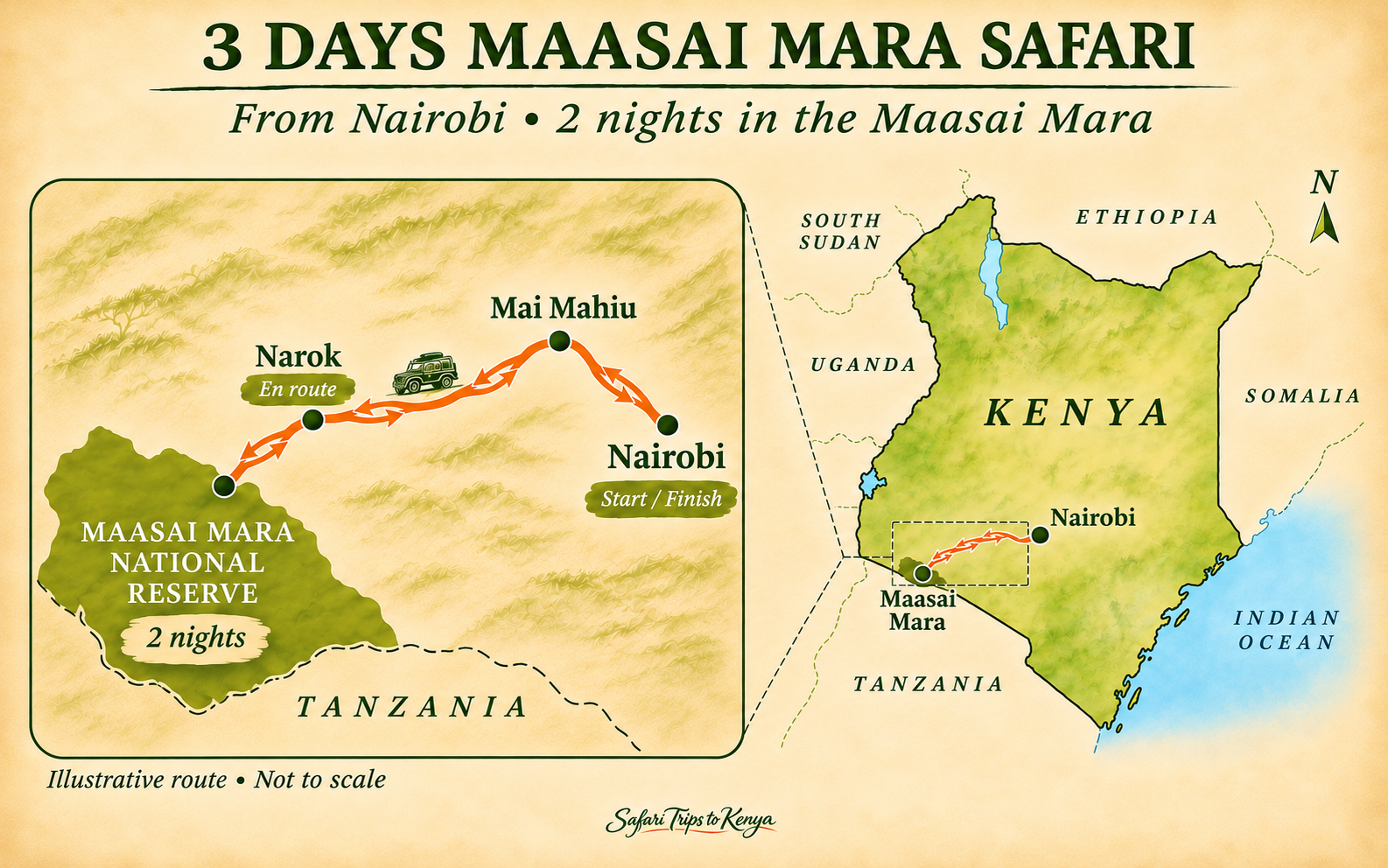
- Day 1:Nairobi to the Masai Mara
- Day 2:Grassland Wildlife Photography
- Day 3:Migration Herd Photography
- Day 4:Mara River Exploration
- Day 5:Predator and Behavioural Photography
- Day 6:Return to Nairobi
02 Itinerary
Migration Photography Safari: Detailed Itinerary

Day 1: Nairobi to the Masai Mara - Main destination
- Masai Mara National Reserve
- Drive time
- Road transfer as outlined in the itinerary
- Meals
- Lunch, Dinner
Depart Nairobi and travel towards the Masai Mara.
After arrival, check into the selected camp and prepare photography equipment.
An afternoon game drive may be possible depending on timing.
Focus on introductory wildlife photography and familiarising yourself with the landscape.
Where you stay
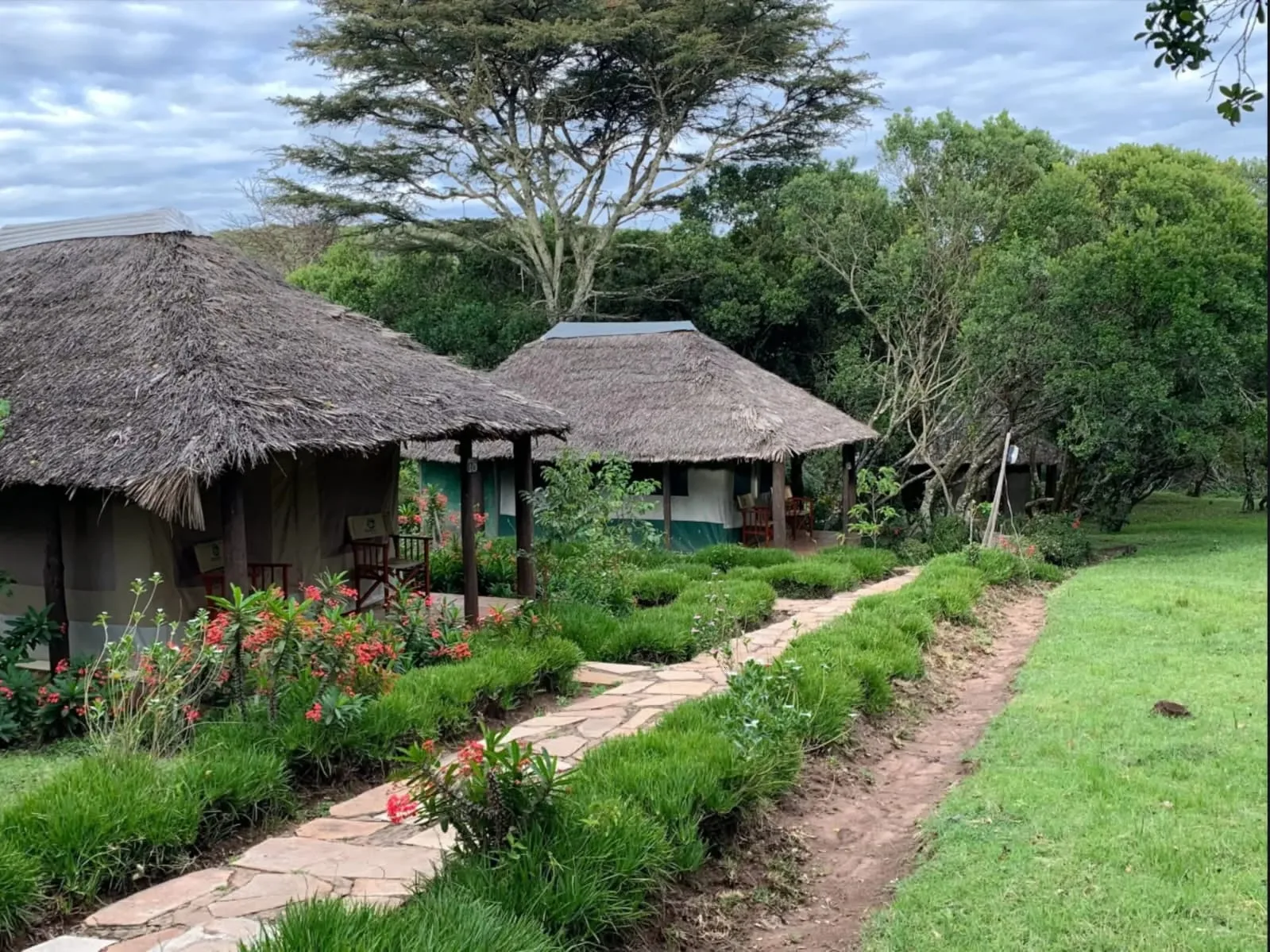
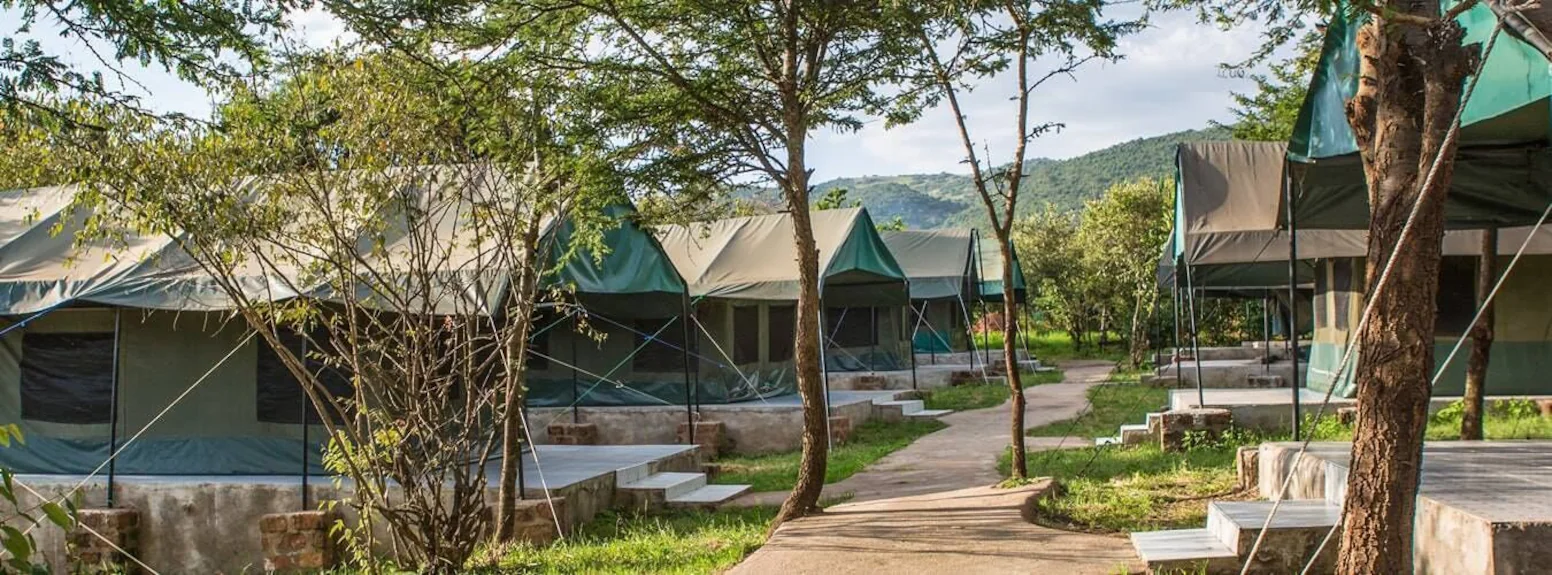
- Essential (Budget)
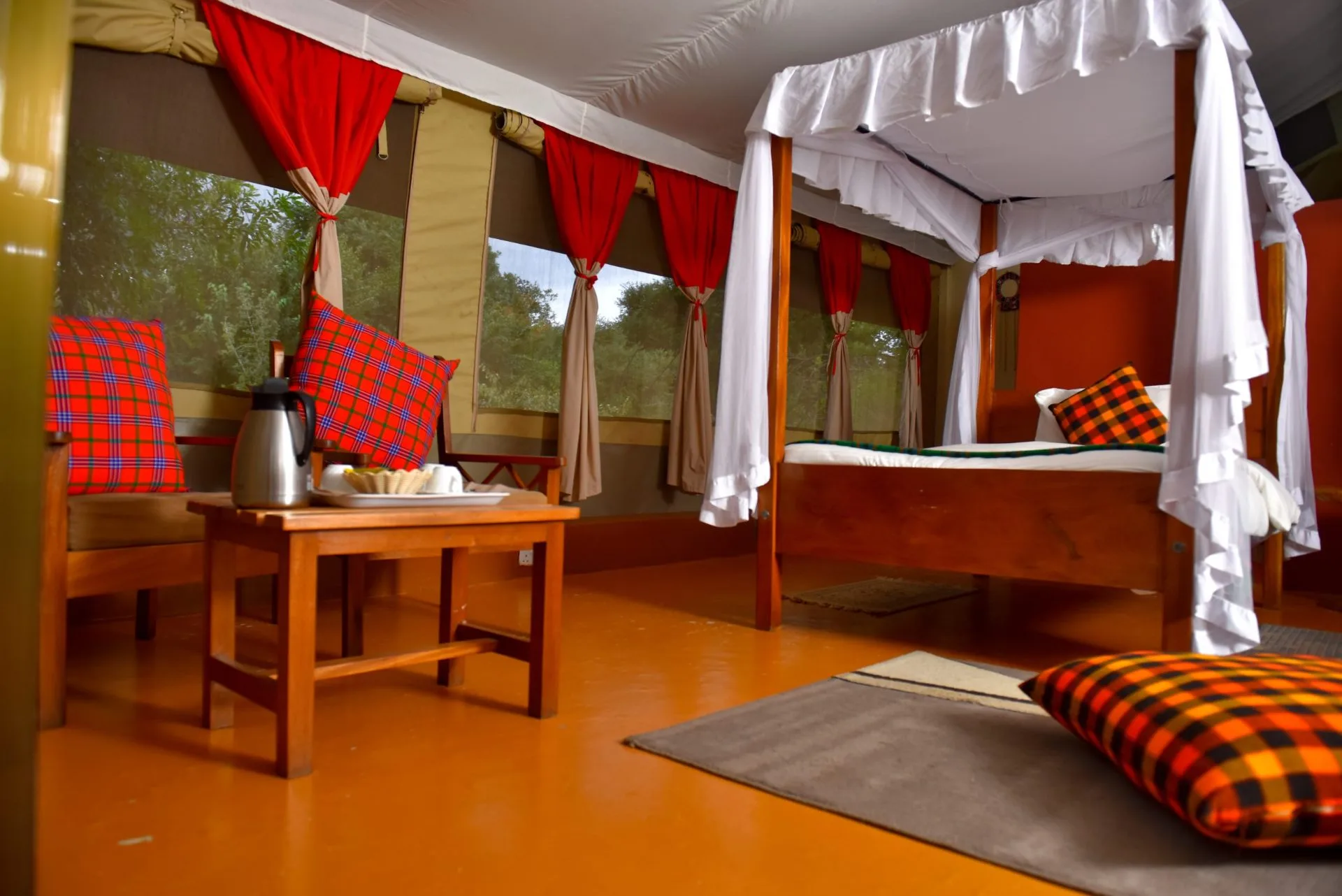
- Comfort (Mid-range)
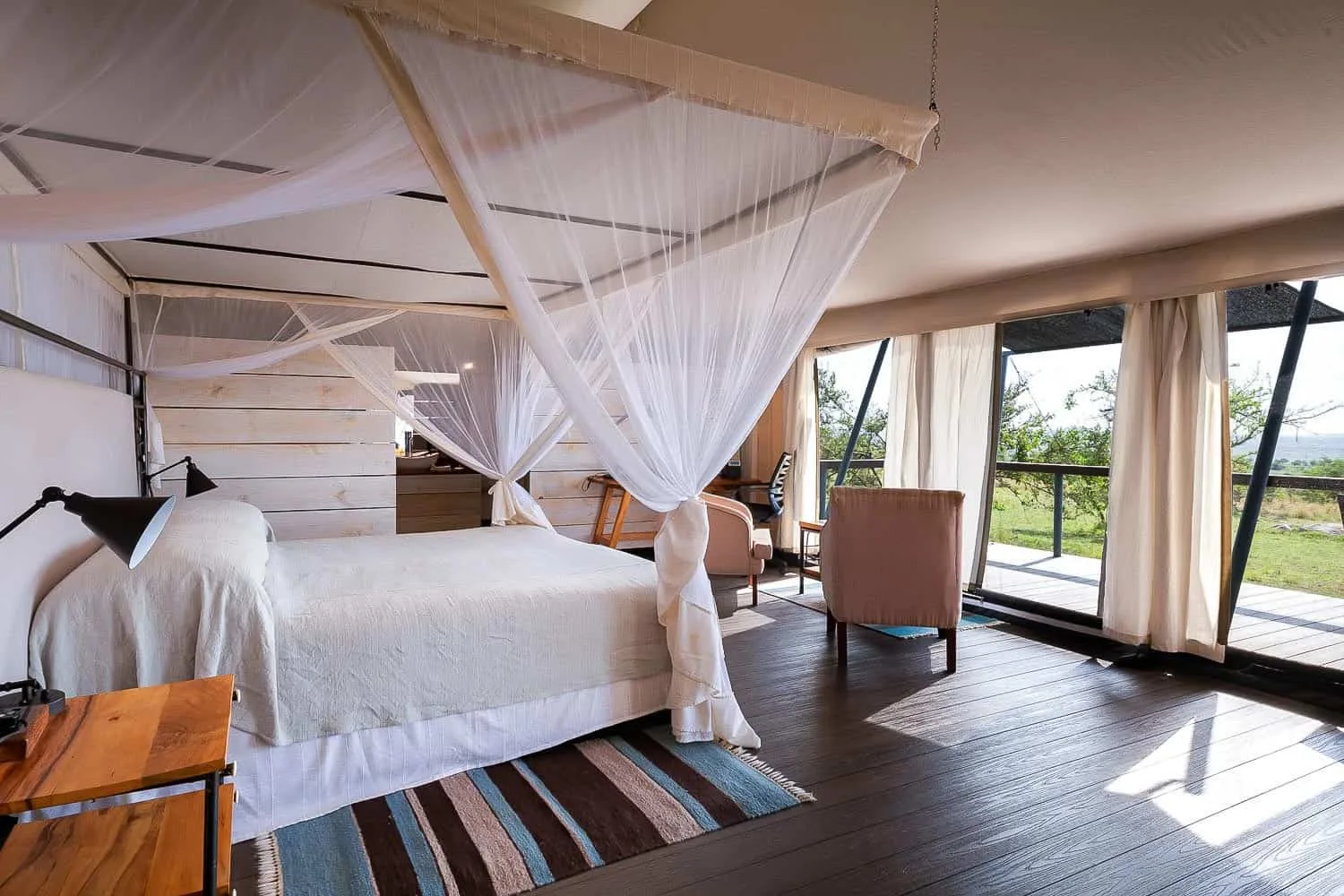
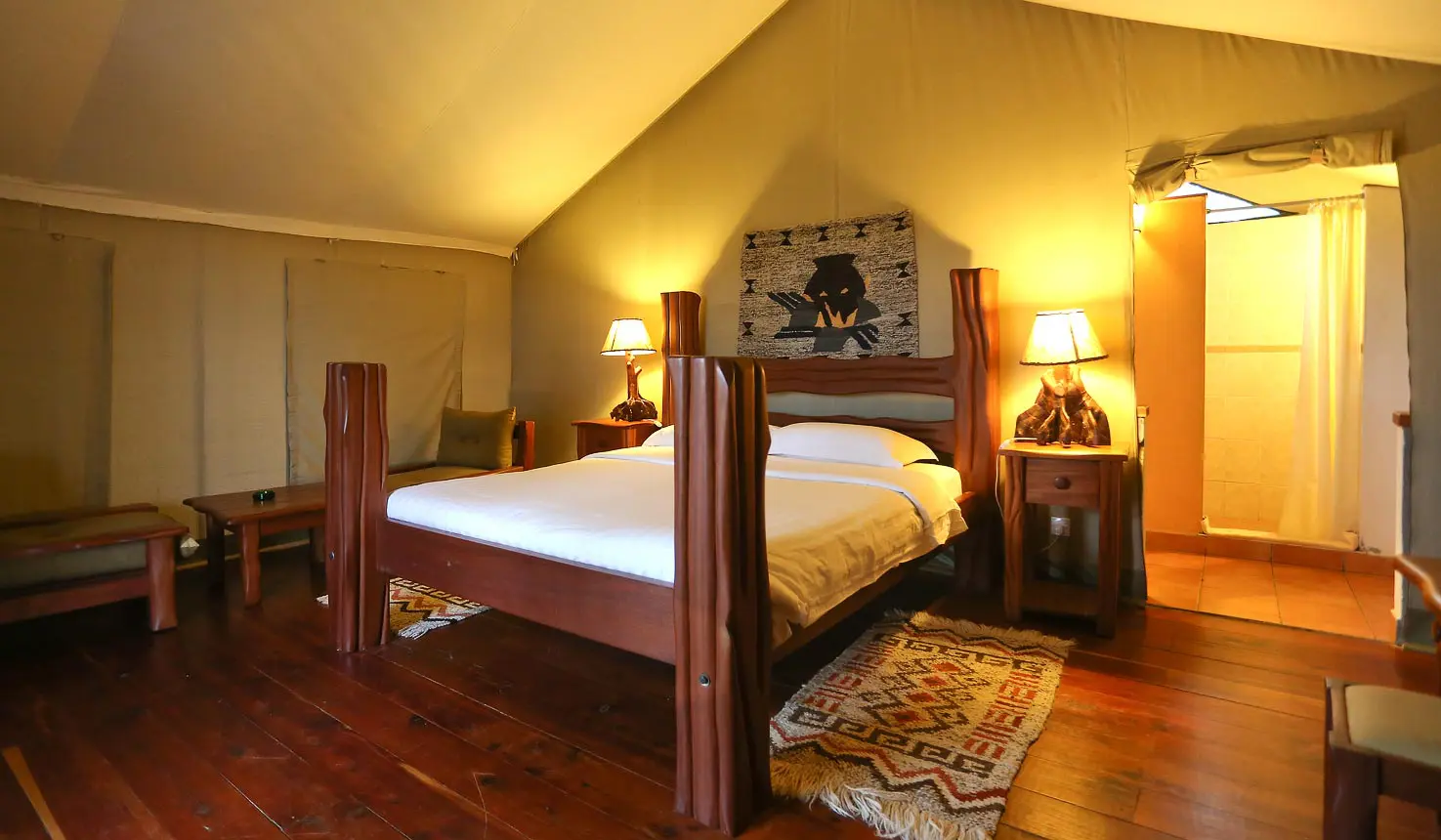
- Premium (Luxury)
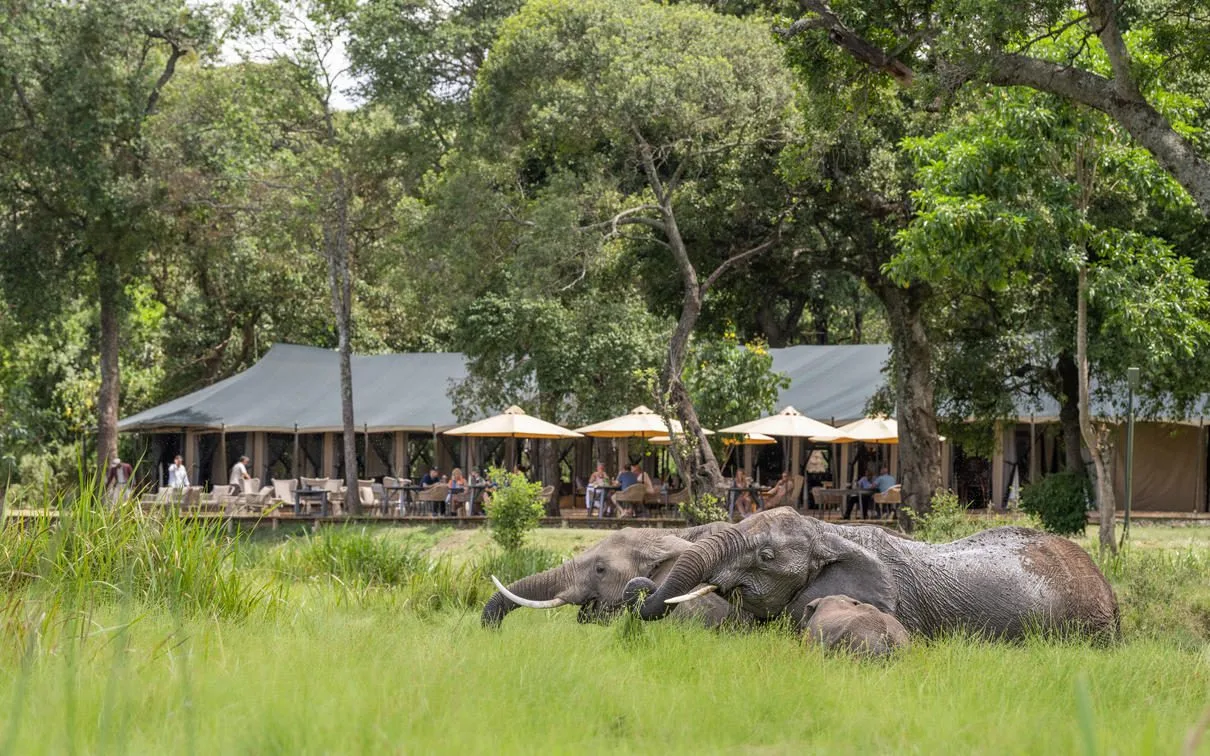
- Signature (High-end)
Day 2: Grassland Wildlife Photography - Main destination
- Masai Mara National Reserve
- Meals
- Breakfast, Lunch, Dinner
Begin early to take advantage of morning light.
Explore grassland habitats and look for resident predators, elephants, giraffes and grazing animals.
Spend time working on compositions and observing behaviour.
An extended game drive may be arranged with a packed lunch.
Where you stay
Day 3: Migration Herd Photography - Main destination
- Masai Mara National Reserve
- Meals
- Breakfast, Lunch, Dinner
Concentrate on areas where wildebeest herds have recently been observed.
Use a combination of wide-angle and telephoto photography to document the scale of the migration.
Allow time for changing animal movements.
Return to the camp in the evening.
Where you stay
Day 4: Mara River Exploration - Main destination
- Masai Mara National Reserve
- Meals
- Breakfast, Lunch, Dinner
Explore suitable areas associated with the Mara River.
A crossing may occur, but it cannot be guaranteed.
Photograph river landscapes, hippos, crocodiles and other wildlife while monitoring migration activity.
Follow all viewing regulations.
Where you stay
Day 5: Predator and Behavioural Photography - Main destination
- Masai Mara National Reserve
- Meals
- Breakfast, Lunch, Dinner
Dedicate the day to wildlife behaviour and predator photography.
The guide may revisit productive locations or explore new areas according to recent sightings.
Focus on storytelling through sequences of photographs rather than isolated portraits.
Where you stay
Day 6: Return to Nairobi - Main destination
- Masai Mara National Reserve
- Drive time
- Return transfer as outlined in the itinerary
- Meals
- Breakfast, Lunch
Enjoy breakfast and prepare for departure.
A final wildlife activity may be possible depending on the itinerary.
Travel back to Nairobi or continue to another destination.
Where you stay
03 Rates
Safari rates 2027-2029
Indicative per person. Season, group size and lodge style change the total — your quotation confirms current rates.
- Essential (Budget)
Essential (Budget)
Budget camps and lodges suit travelers who prioritize wildlife while keeping costs lower.
Great value camps
- Comfort (Mid-range)
Comfort (Mid-range)
Mid-range tented camps and lodges balance comfort and price with private rooms or tents and en-suite facilities.
Quoted for your dates
- Premium (Luxury)
Premium (Luxury)
Luxury camps and lodges focus on location, service and more intimate wildlife experiences.
Premium camps and lodges
- Signature (High-end)
Signature (High-end)
Signature camps and lodges are the most exclusive stays — small, highly private properties with exceptional guiding and setting.
Exclusive signature stays
04 Activities
Safari activities
Game viewing is the core of this itinerary. Optional extras are quoted separately and depend on season, permits and availability. Individual species and river crossings are never guaranteed.

Additional information
Plan This Safari
Photography Tips for Beginners
Beginners do not need professional equipment to enjoy a migration safari.
Learning a few basic techniques can make a substantial difference.
Use a sufficiently fast shutter speed when photographing moving animals.
Focus on the animal's eyes when taking portraits.
Check the background for distracting elements.
Avoid filling every frame with the subject; environmental photographs can tell a stronger story.
Review images during breaks and adjust settings based on results.
Most importantly, remain patient.
Wildlife photography rewards observation and timing.
Photography Tips for Experienced Travellers
Experienced photographers may benefit from planning a specific project.
This could involve documenting herd movement, predator behaviour, elephant families or the relationship between wildlife and landscape.
A longer safari allows time to develop a coherent photographic story.
Consider varying focal lengths and perspectives.
Avoid producing only close-up portraits.
Include establishing images, behavioural sequences, environmental details and wider landscape photographs.
This approach creates a more complete visual record of the safari.
Managing Dust, Heat and Equipment
The Masai Mara can be dusty, particularly during dry periods.
Keep unused equipment in protective bags.
Avoid unnecessary lens changes while the vehicle is moving.
Use suitable cleaning equipment and follow manufacturer recommendations.
Protect cameras from direct sunlight when not in use.
During rain, use appropriate weather protection.
Keep batteries and memory cards organised so they can be accessed quickly.
What Does a Migration Photography Safari Cost?
Pricing depends on travel season, accommodation, vehicle arrangements and safari duration.
A private photography safari may cost more than a shared group departure because transport and guiding are dedicated to one booking.
Accommodation near productive wildlife areas may also be more expensive during peak migration months.
Additional costs can include domestic flights, extra luggage allowances and specialised photographic equipment.
Travellers should request a detailed quotation identifying all included services.
Responsible Wildlife Photography
Wildlife welfare must remain the priority.
Do not feed animals or attempt to influence their behaviour.
Avoid using drones in protected areas without the necessary authorisation.
Follow park regulations concerning off-road driving and vehicle positioning.
Do not use flash in situations where it may disturb wildlife.
Respect other visitors and avoid blocking their views unnecessarily.
The best wildlife photography celebrates natural behaviour rather than manipulating it.
Plan Your Migration Photography Safari with Safari Trips to Kenya
A successful migration photography safari combines patience, preparation, professional guiding and respect for wildlife.
The Masai Mara offers extraordinary opportunities to photograph wildebeest herds, predators, river landscapes and the wider savannah ecosystem.
At Safari Trips to Kenya, we help travellers plan private and customised photography safaris with suitable accommodation, practical vehicle arrangements and enough time to explore wildlife areas.
Whether you are an experienced wildlife photographer or a beginner hoping to capture your first African safari images, we can help you develop an itinerary that reflects your interests.
Contact Safari Trips to Kenya to discuss your travel dates, preferred accommodation category, photographic equipment requirements and ideal migration photography safari.
Individual species, river crossings and mountain views can never be guaranteed.
Planning Questions
Frequently Asked Questions
When is the best time for a migration photography safari?
July to October is commonly associated with northern migration activity in the Masai Mara, although herd movements vary.
Can I photograph a Mara River crossing?
Yes, crossings may be observed during suitable periods, but no safari can guarantee one.
How many days should I spend in the Masai Mara?
Four to six days or longer is useful for dedicated photography because it allows flexibility.
Do I need a private safari vehicle?
Not necessarily, but private transport provides more control over timing, positioning and photographic priorities.
What lens is best for migration photography?
A flexible telephoto zoom is useful for wildlife, while a wide-angle lens helps capture landscapes and large herds.
Is the Masai Mara suitable for beginner photographers?
Yes. Beginners can learn wildlife photography while enjoying the reserve's varied habitats and animal species.
Can I photograph lions and cheetahs?
Both occur in the Masai Mara, although sightings depend on animal movements.
Are photography safaris more expensive?
They can be, particularly when private vehicles, longer stays or specialised arrangements are requested.
Can I charge camera batteries at safari lodges?
Many properties provide charging facilities, but electricity arrangements vary and should be confirmed.
Can I fly a drone in the Masai Mara?
Drone use is subject to strict aviation and protected-area regulations. Travellers should not assume that recreational drone flights are permitted.
05 Request Quote
Request Quote
Tell us your dates, group size, and preferred lodge style — we will send a tailored quote for this safari.
Want to extend your safari?
Add Amboseli, Diani Beach, Tanzania and Zanzibar, or gorilla trekking in Uganda or Rwanda — we tailor the journey to your dates.